Thorough Cleanup and Repairs for Basement Flooding
About this mold remediation project
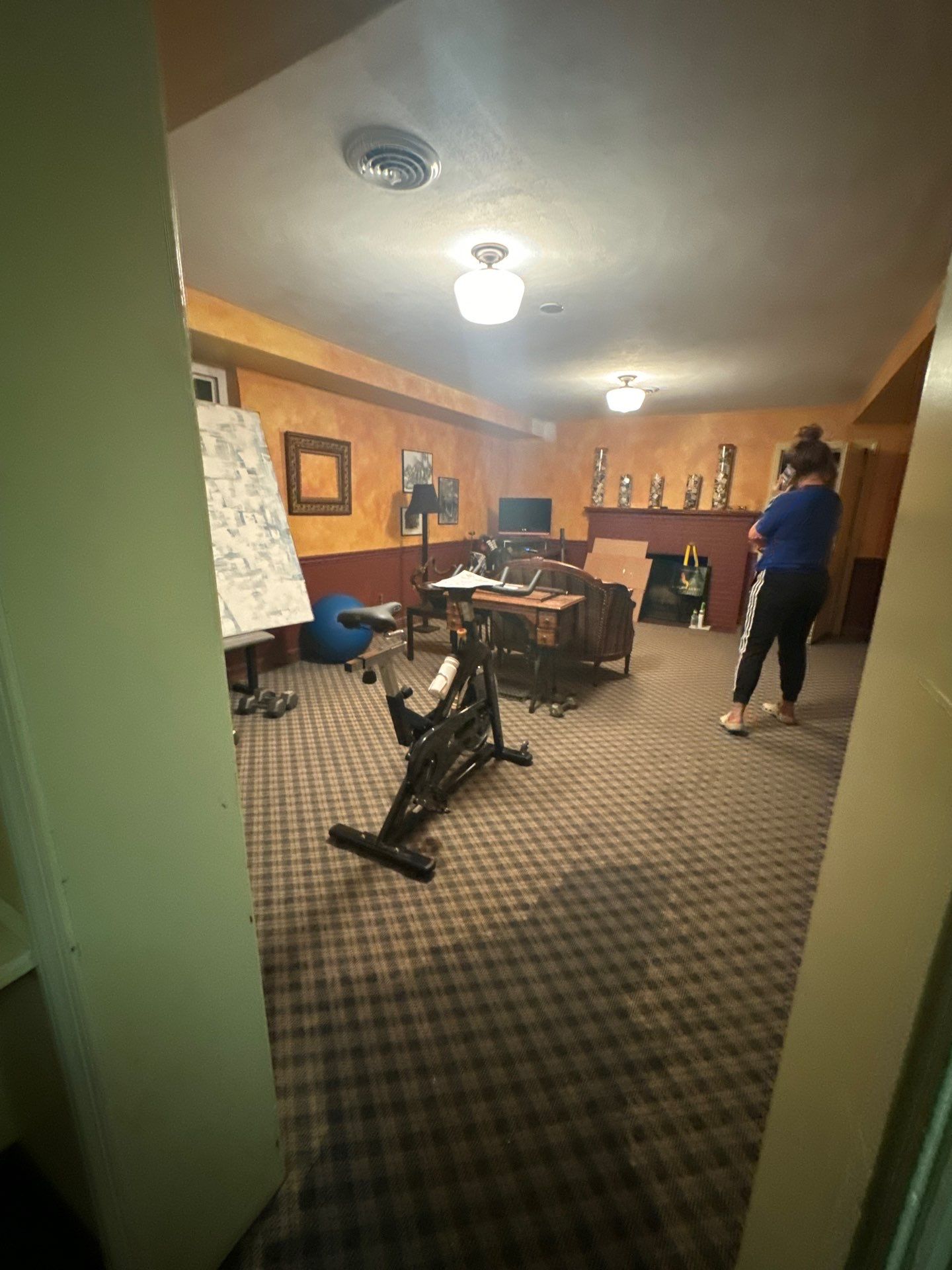
A flooded basement in an established Montgomery County neighborhood demanded prompt extraction and controlled drying to prevent secondary damage. In Kensington's older housing stock—where early-to-mid 20th century construction often means porous foundation walls and aging drainage—water intrusion had left standing water across the basement floor, saturating carpet and threatening the integrity of drywall and baseboards.
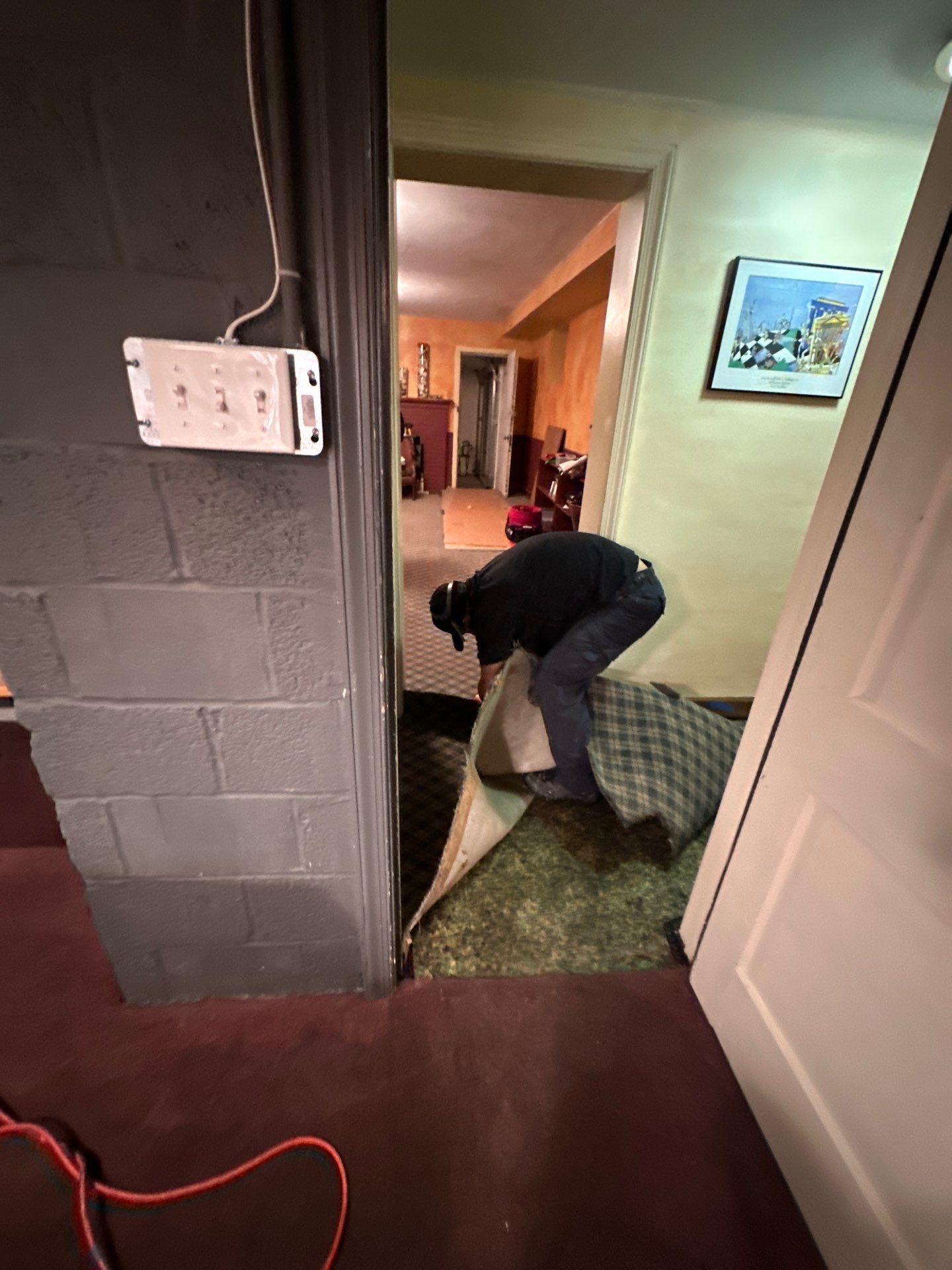
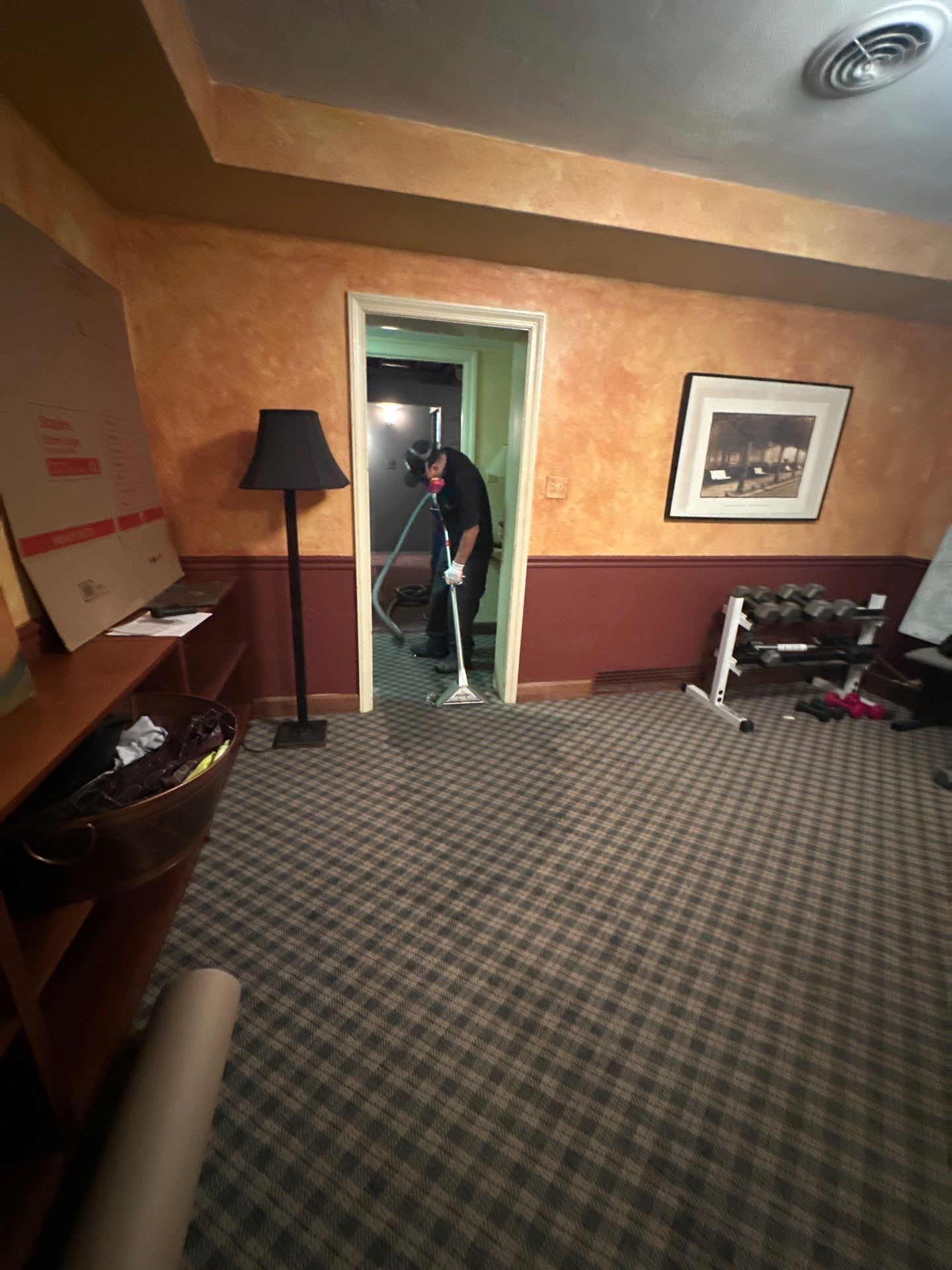
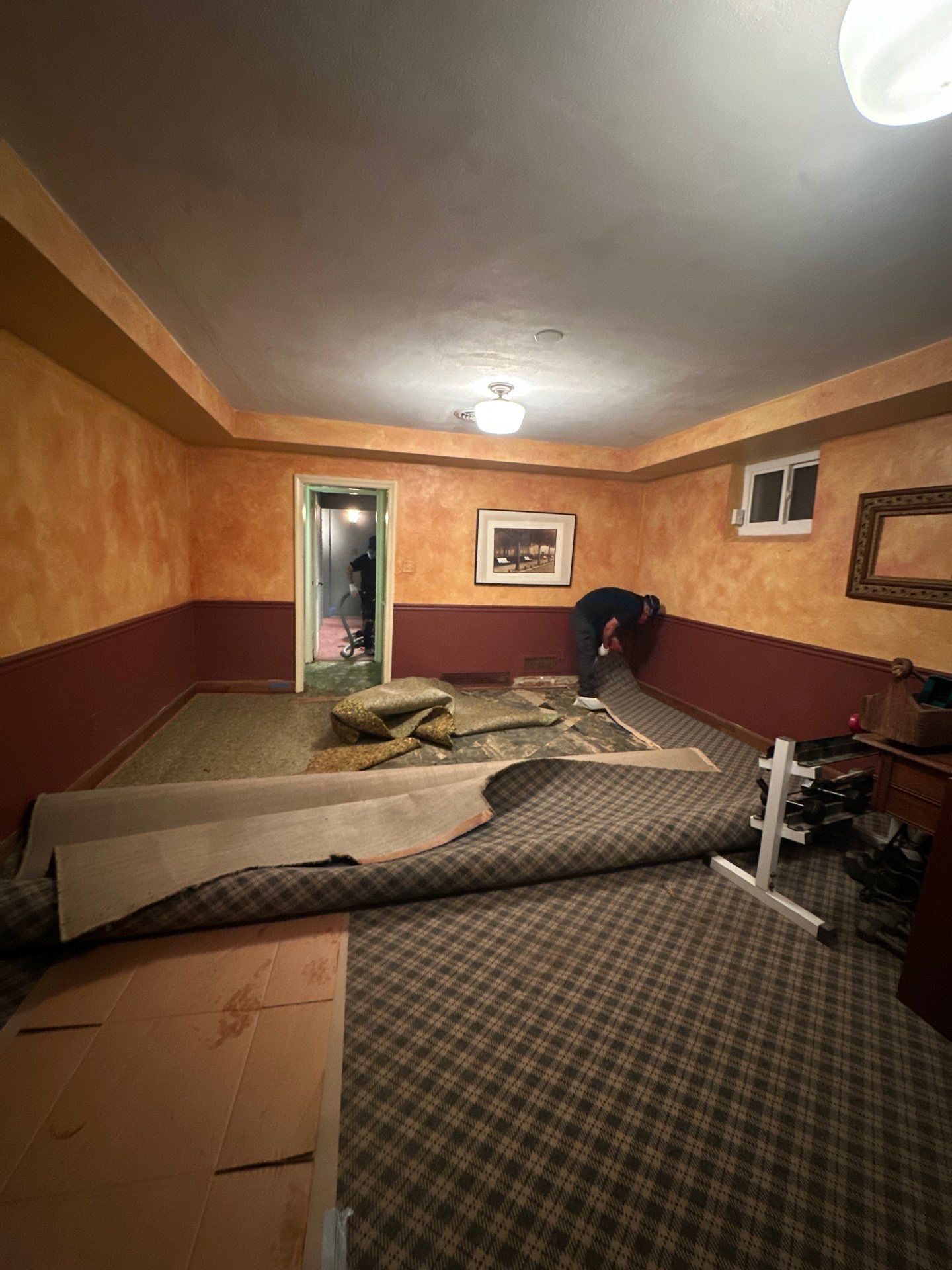
Our crew deployed high-powered extraction equipment to remove the standing water, then conducted a thorough inspection to map the extent of moisture migration into structural materials. Waterlogged carpet was carefully pulled and removed to eliminate the substrate most vulnerable to mold colonization. Industrial-grade air movers and dehumidifiers ran continuously to drive moisture from framing, subfloor, and wall cavities, following the drying protocols outlined in the IICRC S500 standard for water damage restoration.
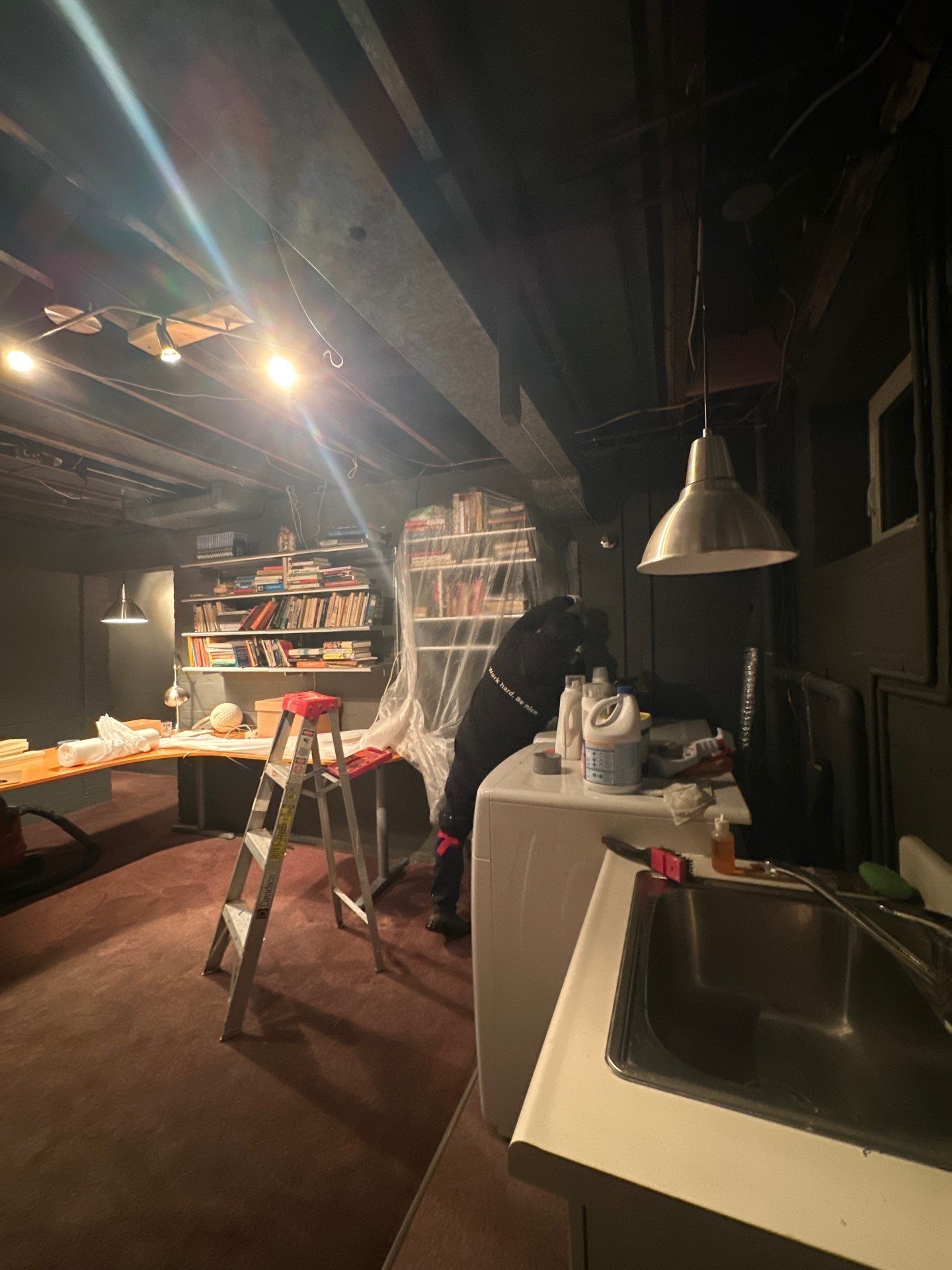
Once drying targets were met, antimicrobial treatments were applied to all affected surfaces—a critical step given that the initial water intrusion had already allowed mold to establish. The basement was left clean, dry, and ready for the rebuild phase. The homeowner's review reflected confidence in the thoroughness of the work and the care taken to prepare the space properly before any finish materials went back in.
Frequently asked questions
Why is basement flooding in Kensington homes particularly prone to mold growth?
Basements in Kensington's established Montgomery County neighborhoods often have limited ventilation and sit below grade, creating naturally humid conditions. When standing water from flooding saturates porous materials like carpet and drywall, mold can colonize quickly if extraction and drying aren't completed promptly. Restoration Doctor's approach combines high-powered water removal with industrial dehumidification to eliminate the moisture that supports mold development.
What does antimicrobial treatment involve after water extraction in a Kensington basement?
After Restoration Doctor removes standing water and dries structural materials in a Kensington basement, antimicrobial solutions are applied to affected surfaces to inhibit microbial growth on materials that were exposed to floodwater. This treatment targets bacteria and mold spores that may remain after drying, particularly on wood framing and concrete surfaces common in Montgomery County's older housing stock. The application is part of a comprehensive moisture-control strategy, not a substitute for thorough drying.
Should waterlogged carpet always be removed after basement flooding?
In most basement flood scenarios like this Kensington job, carpet and pad that have absorbed standing water are removed rather than restored, especially when the water source is groundwater or has been present for more than a few hours. The backing and pad retain moisture and organic material that support mold growth even after surface drying. Restoration Doctor evaluates each material's salvageability, but removal is standard practice for Category 2 or 3 water and for carpet that cannot be dried within the window that prevents microbial amplification.
How long does structural drying typically take after basement water extraction in Montgomery County?
Drying time depends on the extent of saturation, the materials affected, and ambient conditions, but a basement with standing water removed and treated with air movers and dehumidifiers often requires three to five days to reach acceptable moisture levels in framing and concrete. Restoration Doctor monitors progress with moisture meters rather than relying on fixed timelines, since Montgomery County's humidity and the age of Kensington's building stock can extend drying in some cases. The goal is to bring materials to a dry standard that prevents secondary damage, not simply to run equipment for a set number of days.
What happens to baseboards after basement flooding?
Baseboards in contact with standing water typically absorb moisture through their base and backing, causing swelling, delamination, or hidden mold growth behind the trim. In this Kensington basement job, damaged baseboards were removed to allow airflow behind wall cavities and were replaced after drying was verified. Restoration Doctor does not reinstall trim over wet framing, since trapped moisture will continue to support mold even if the visible surface appears dry.
Explore more restoration work
All projects in Kensington · Mold Remediation in Kensington
Water, fire, or mold damage in Kensington?
Restoration Doctor responds 24/7 across Kensington and Northern Virginia. Free assessment and transparent, insurance-friendly estimates — no obligation.
See our Mold Remediation services at restorationdoctors.com →