Efficient water damage restoration
About this water damage restoration project
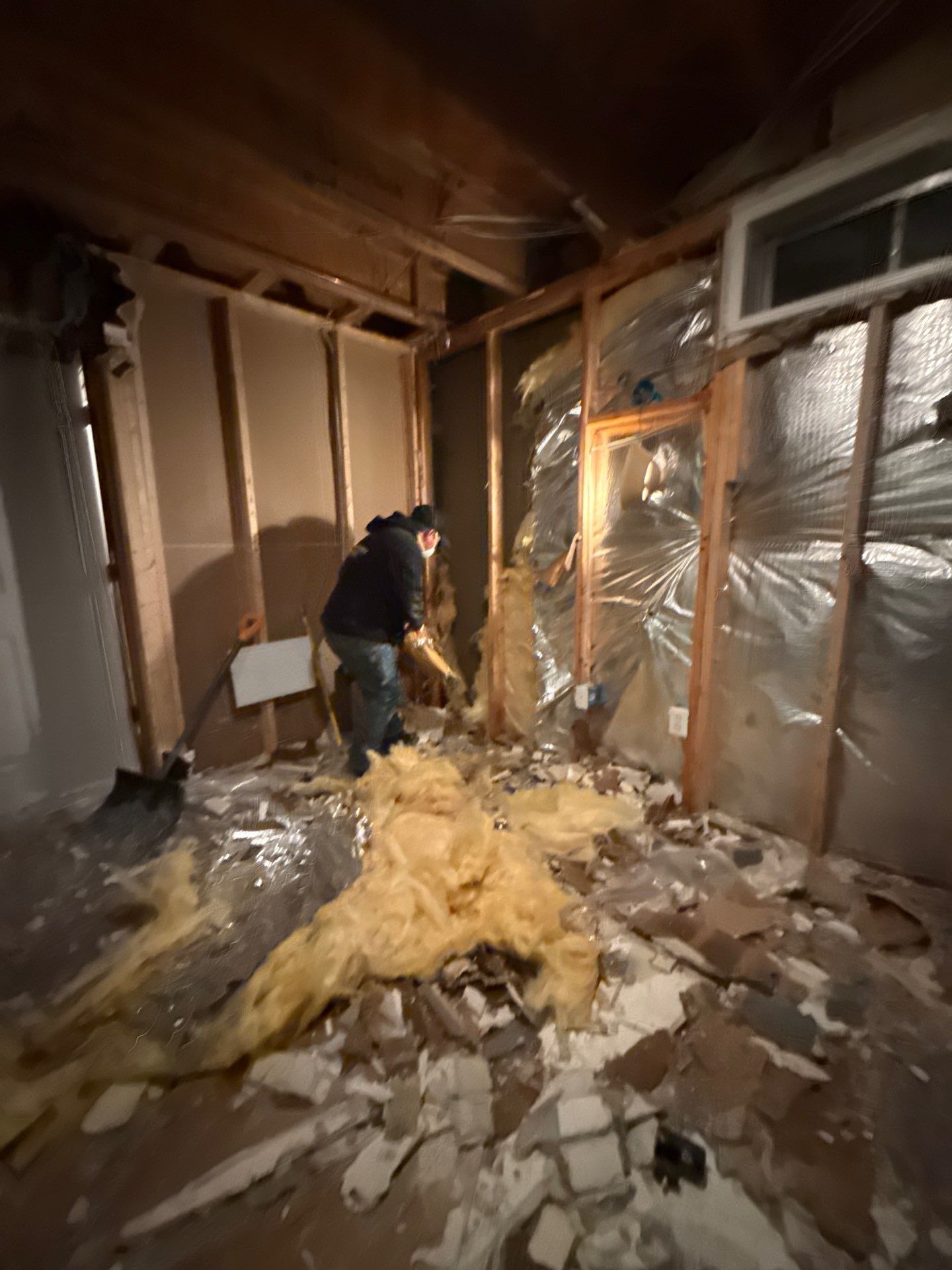
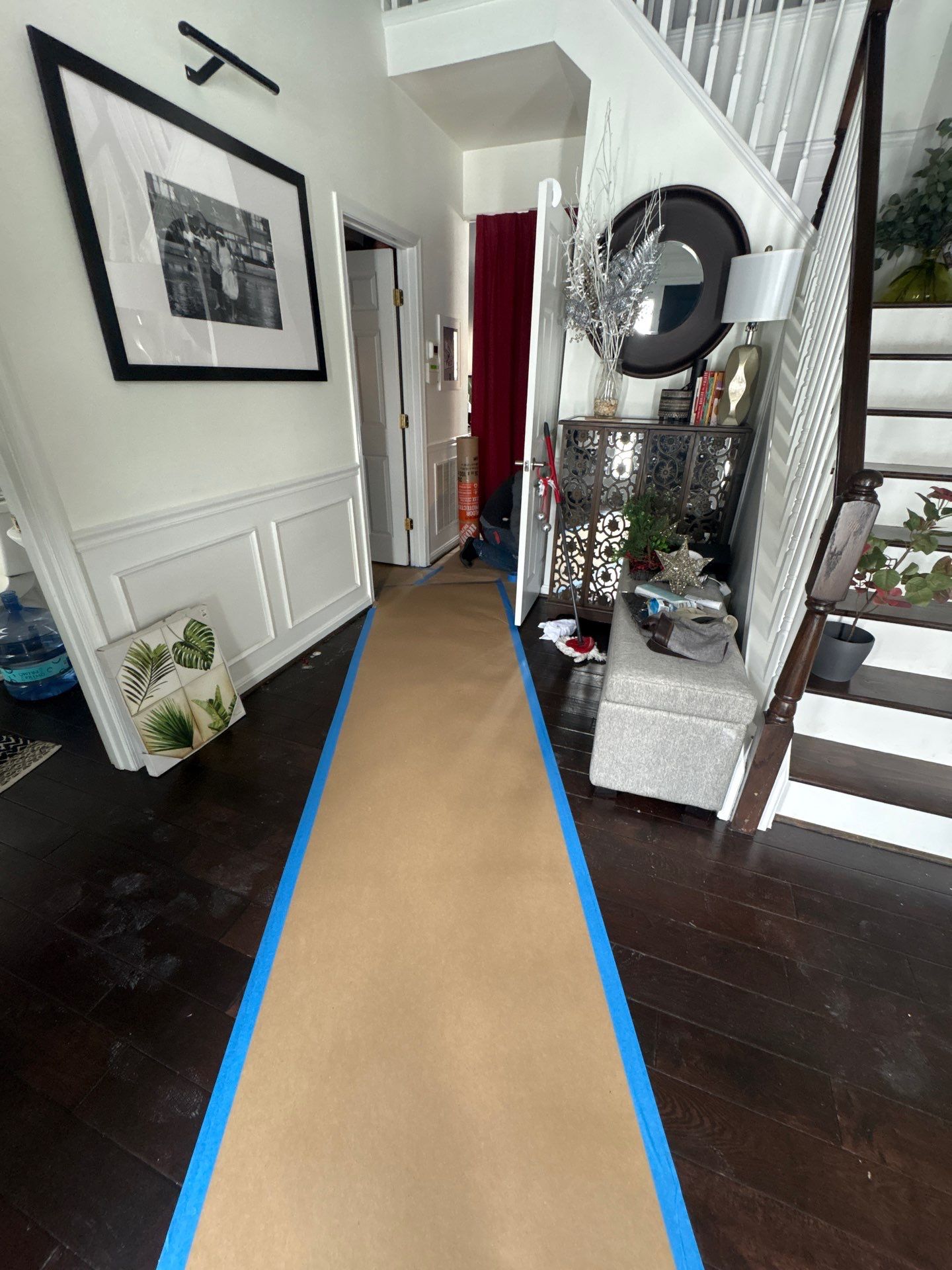
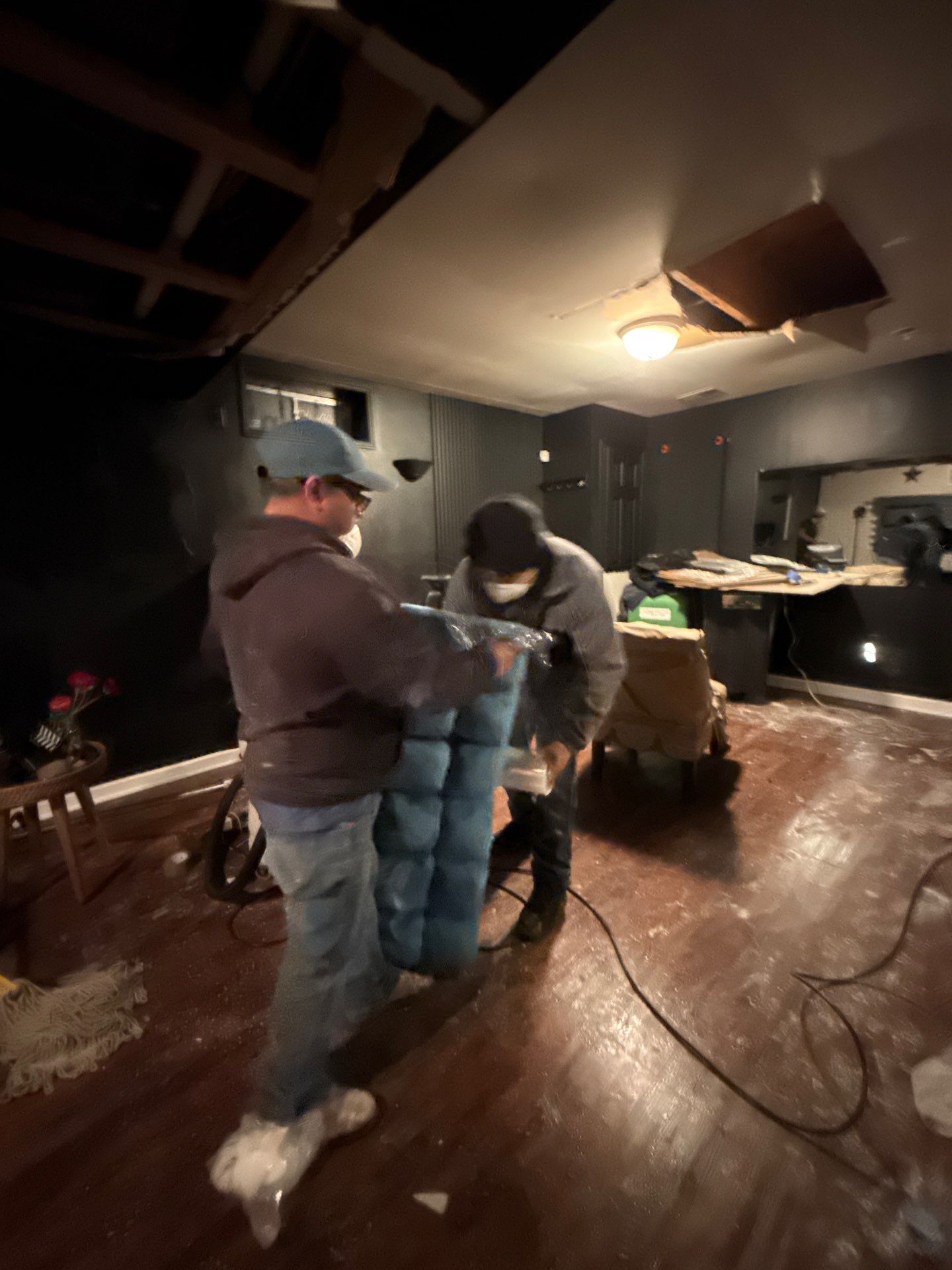
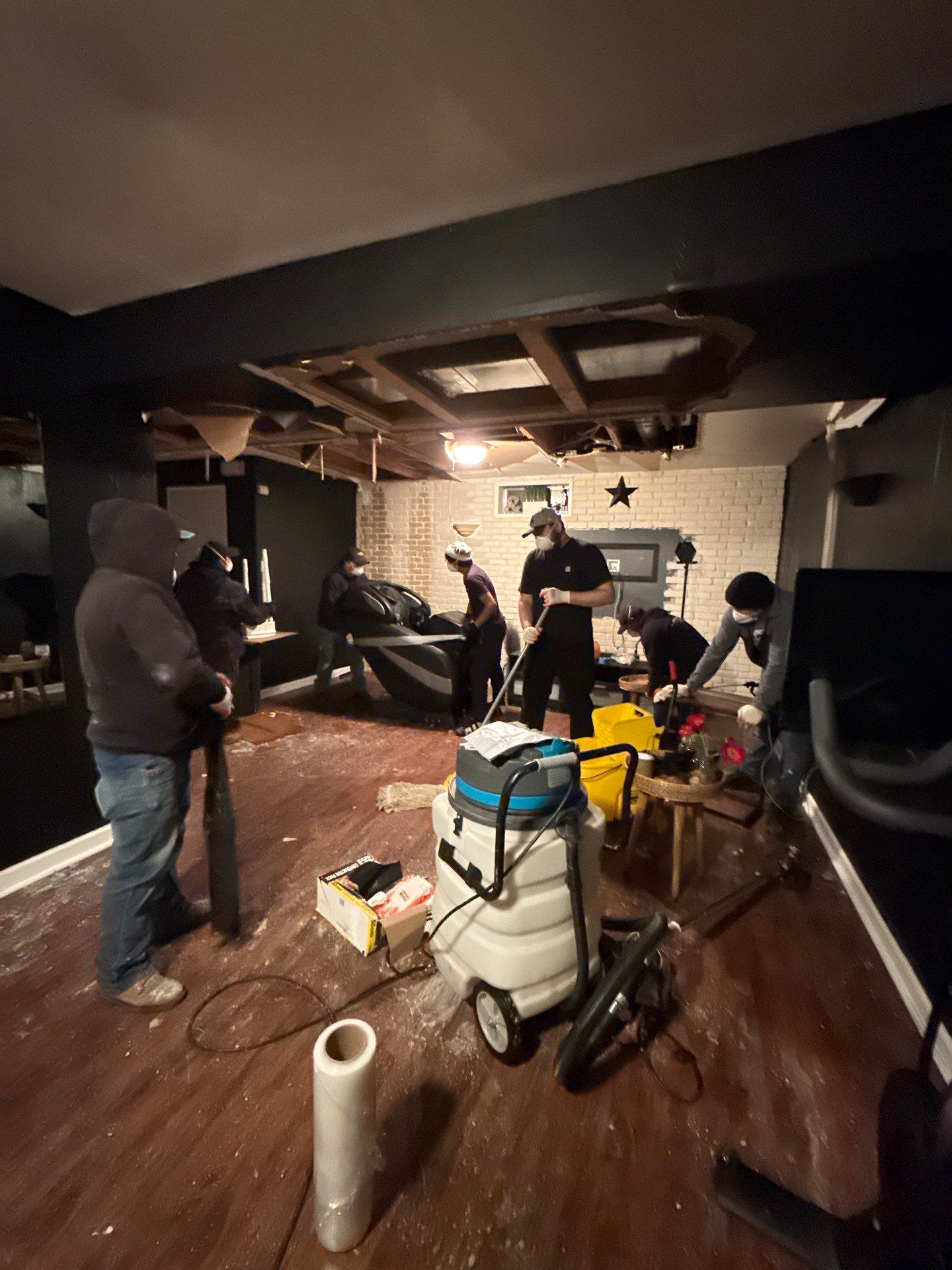
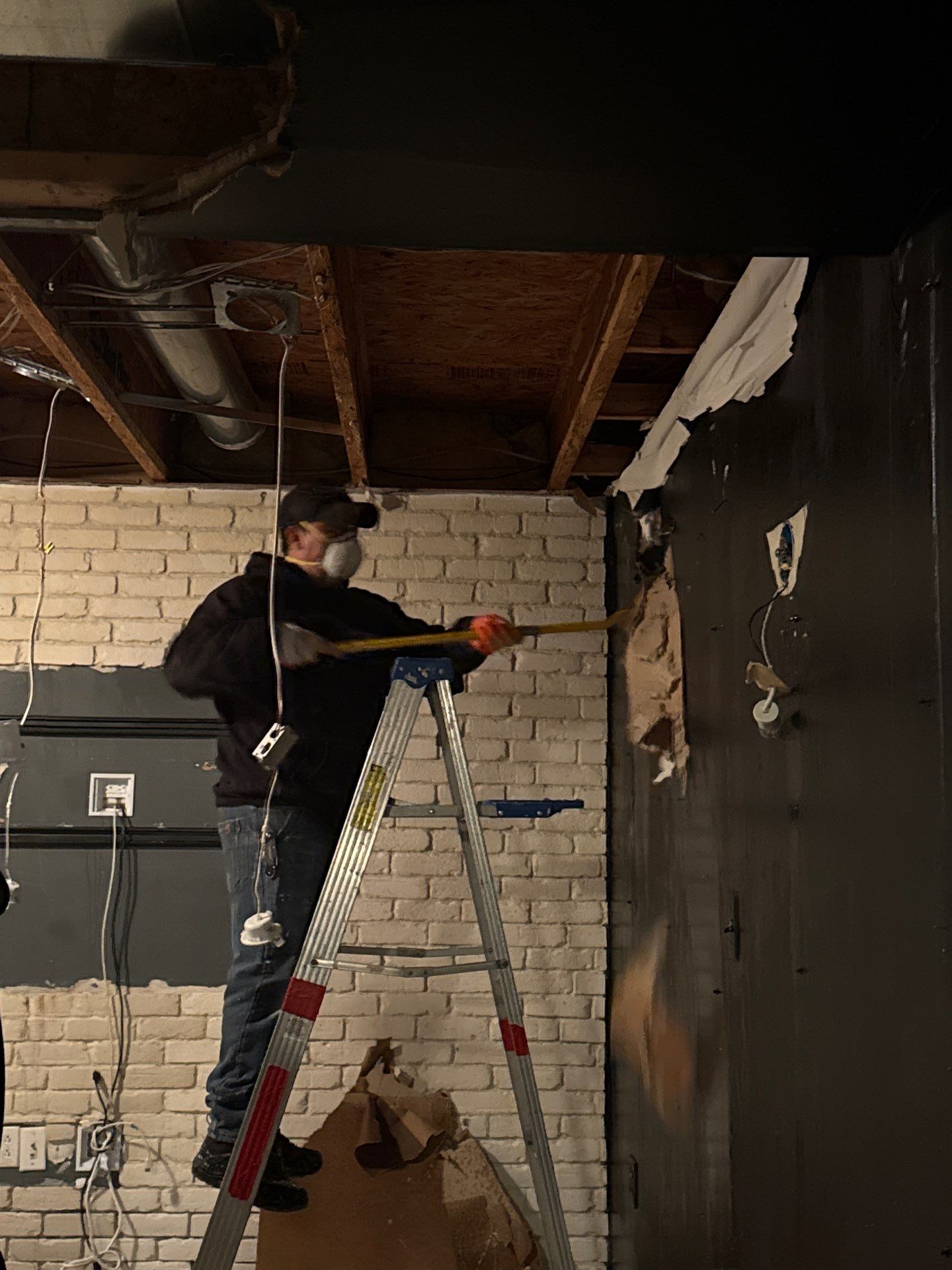
Water intrusion that went undetected long enough to spawn mold growth confronted this Manassas property, where the City's mix of historic-district homes and mid-century subdivisions often means older plumbing and drainage vulnerabilities meeting the humid Mid-Atlantic summers that accelerate microbial colonization. Once the extent of the contamination was clear, our technicians moved methodically through containment and extraction: belongings were draped in protective plastic sheeting to isolate them from cross-contamination, then truck-mounted vacuums pulled standing water from affected floor cavities and wall bases. The compromised drywall sections came out next—cutting cleanly to sound framing rather than attempting to salvage saturated gypsum that would harbor spores indefinitely.
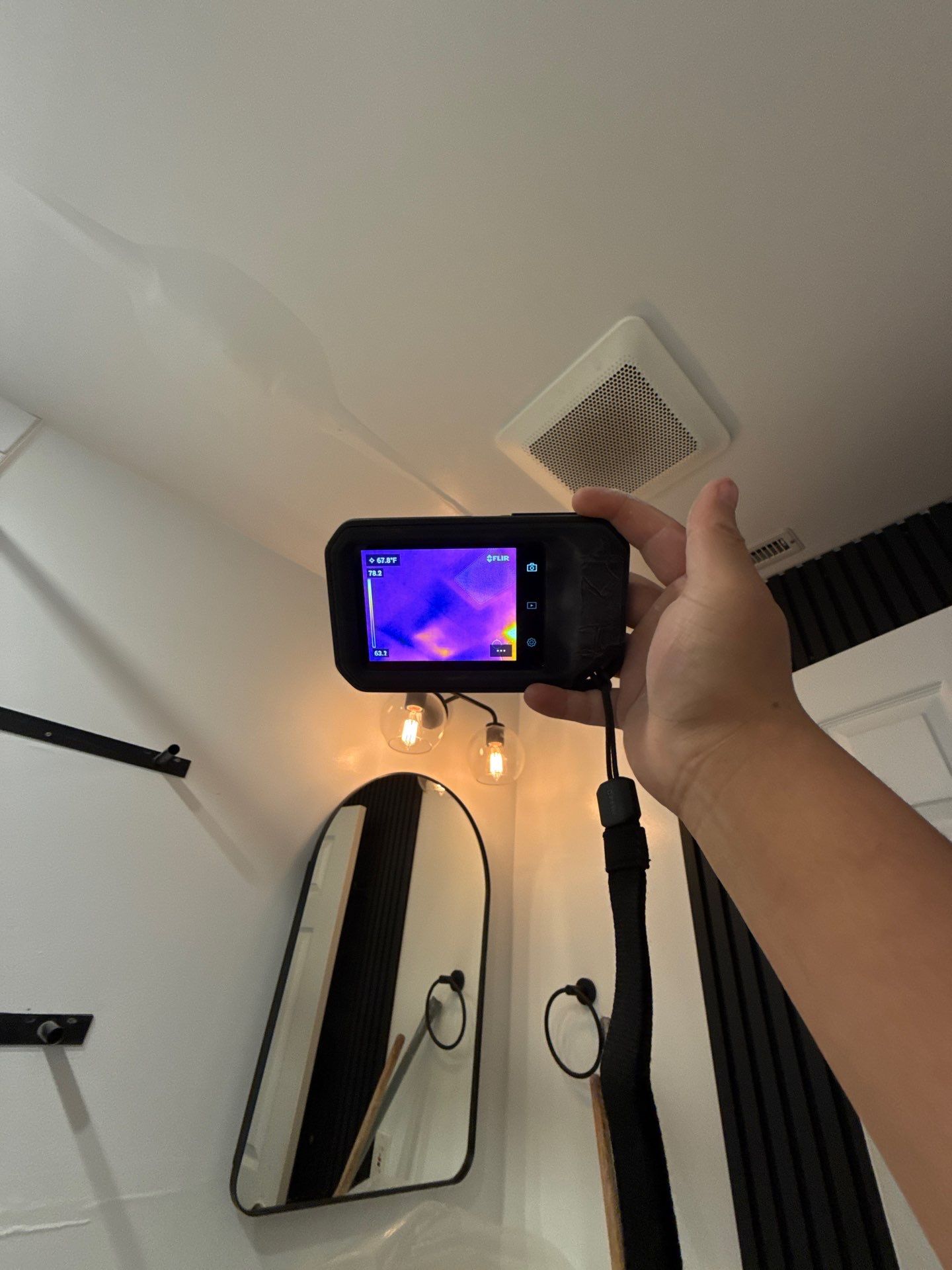
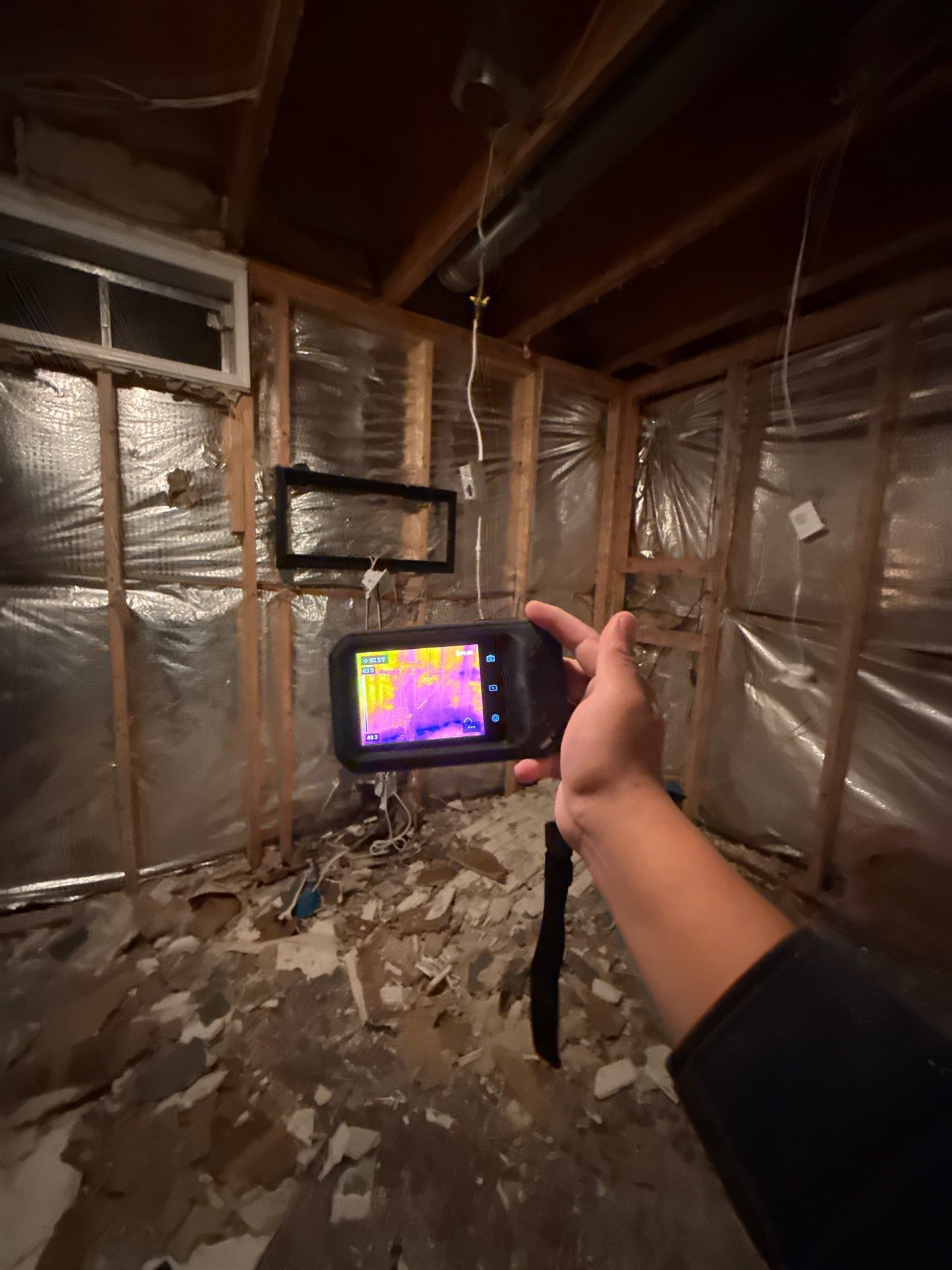
With the source material removed, we positioned commercial dehumidifiers and air movers to drive moisture content down to the IICRC S520 target thresholds that inhibit regrowth, then applied EPA-registered antimicrobial treatments to all exposed framing and subfloor before closing the structure back up. The homeowner's review reflected relief that the scope stayed targeted and the timeline compressed, keeping disruption minimal while the science of drying and sanitation ran its full course. By addressing both the water intrusion and its microbial consequence in a single coordinated response, the home returned to safe occupancy without the drawn-out phased approach that splitting the disciplines sometimes requires.
Frequently asked questions
Why did Restoration Doctor replace wall sections rather than attempt to dry them in place during this Manassas water damage job?
When standing water saturates drywall and insulation for an extended period, the materials lose structural integrity and become ideal substrates for microbial growth. Restoration Doctor replaced the affected wall sections in this Manassas home because extraction and drying alone would not reverse the damage already done to the gypsum core and paper facing. Removing compromised materials also allowed us to inspect the framing and ensure no hidden moisture remained in the wall cavities before reconstruction.
What equipment did the team use to extract standing water from this home in the City of Manassas?
Restoration Doctor deployed commercial wet vacuums to remove the standing water from this Manassas property before beginning structural drying. Extraction is the critical first step in any water damage restoration—removing bulk water quickly limits secondary damage to flooring, baseboards, and wall cavities. Once extraction was complete, we placed air movers and dehumidifiers to dry the remaining moisture from structural materials and prevent mold colonization.
How does Manassas's humid Mid-Atlantic climate affect the timeline for drying and mold remediation after water intrusion?
Hot, humid summers in Manassas elevate indoor moisture levels, which can slow evaporation and create conditions where mold begins to colonize within 24 to 48 hours if drying equipment is not deployed promptly. Restoration Doctor used commercial dehumidifiers and air movers to control the drying environment in this home, ensuring we reached the IICRC S500 standard for structural dryness before completing sanitization and mold remediation. The region's climate makes aggressive moisture control essential to a successful outcome.
What sanitizing steps did Restoration Doctor take after drying the structure and removing mold in this Manassas job?
After structural drying and mold remediation, Restoration Doctor applied EPA-registered antimicrobial agents to all affected surfaces in this Manassas home to inhibit future microbial growth. Sanitizing treats any remaining spores and biofilm on framing, subfloors, and adjacent materials that were not removed during remediation. This step ensures the environment is safe for reconstruction and occupancy, particularly in a humid climate where mold can quickly reestablish if conditions allow.
Why did the crew cover belongings with plastic sheeting before starting water extraction and wall replacement?
Restoration Doctor protected the homeowner's furnishings and personal property with plastic sheeting to prevent cross-contamination from water, debris, and airborne particulate generated during extraction and demolition. Containment measures like this are standard practice in water damage and mold remediation work—they keep the work zone isolated and reduce the risk of secondary damage to unaffected areas. Once the affected wall sections were removed and the space was dried and sanitized, we removed the barriers and the home was ready for reconstruction.
Explore more restoration work
All projects in Manassas · Water Damage Restoration in Manassas
Water, fire, or mold damage in Manassas?
Restoration Doctor responds 24/7 across Manassas and Northern Virginia. Free assessment and transparent, insurance-friendly estimates — no obligation.
See our Water Damage Restoration services at restorationdoctors.com →