Thermal-Guided Flood Restoration
About this mold remediation project
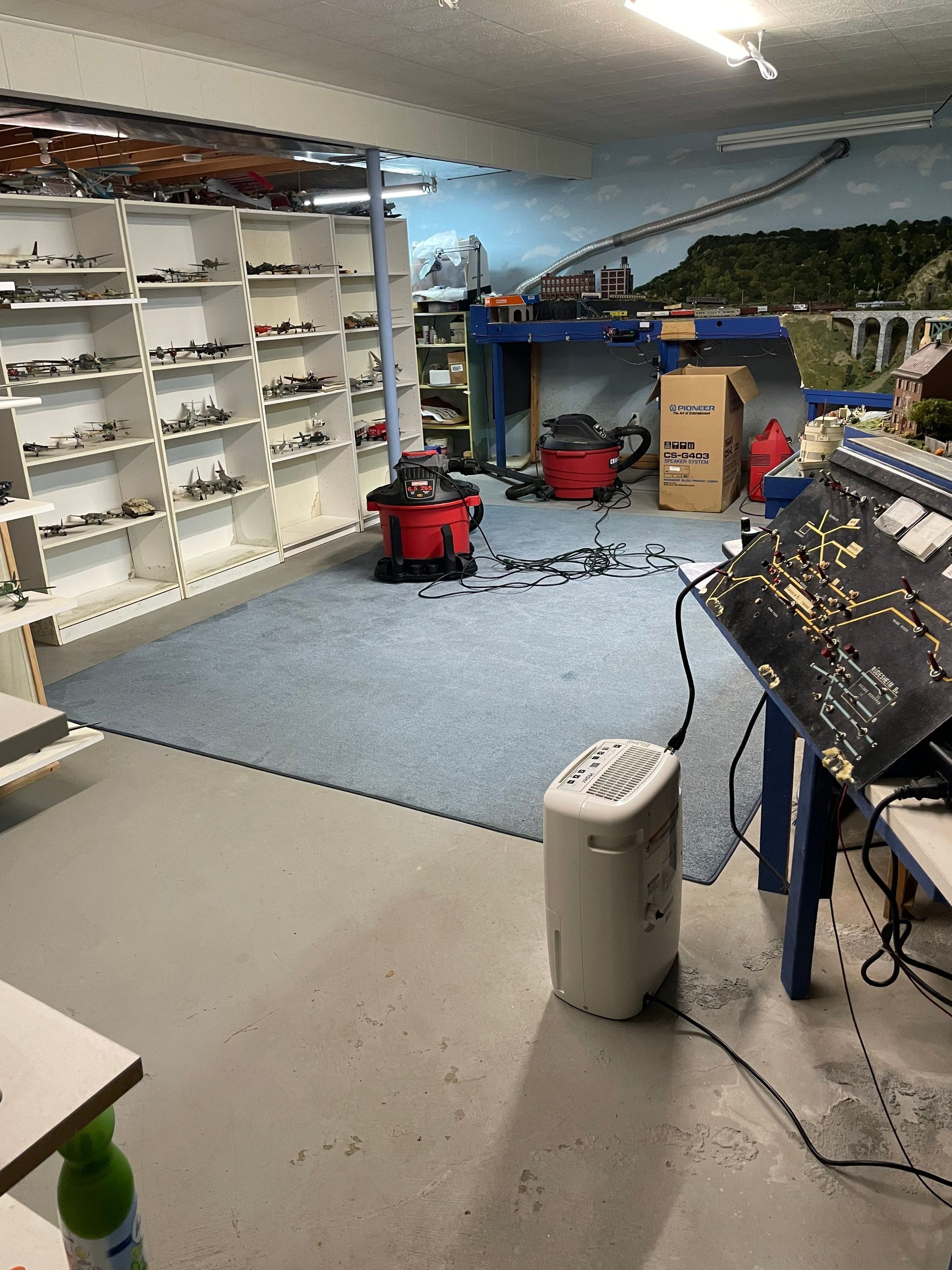
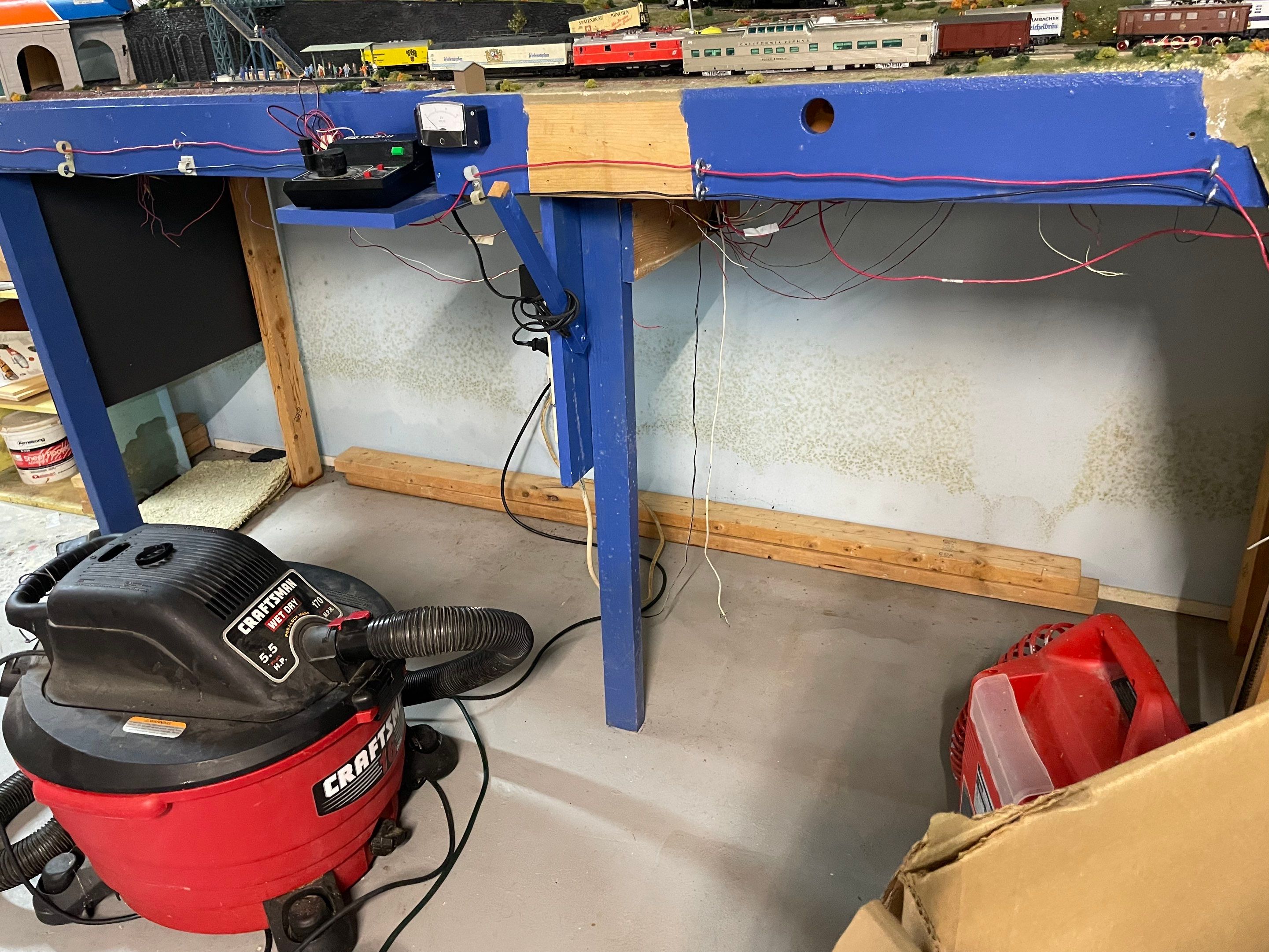
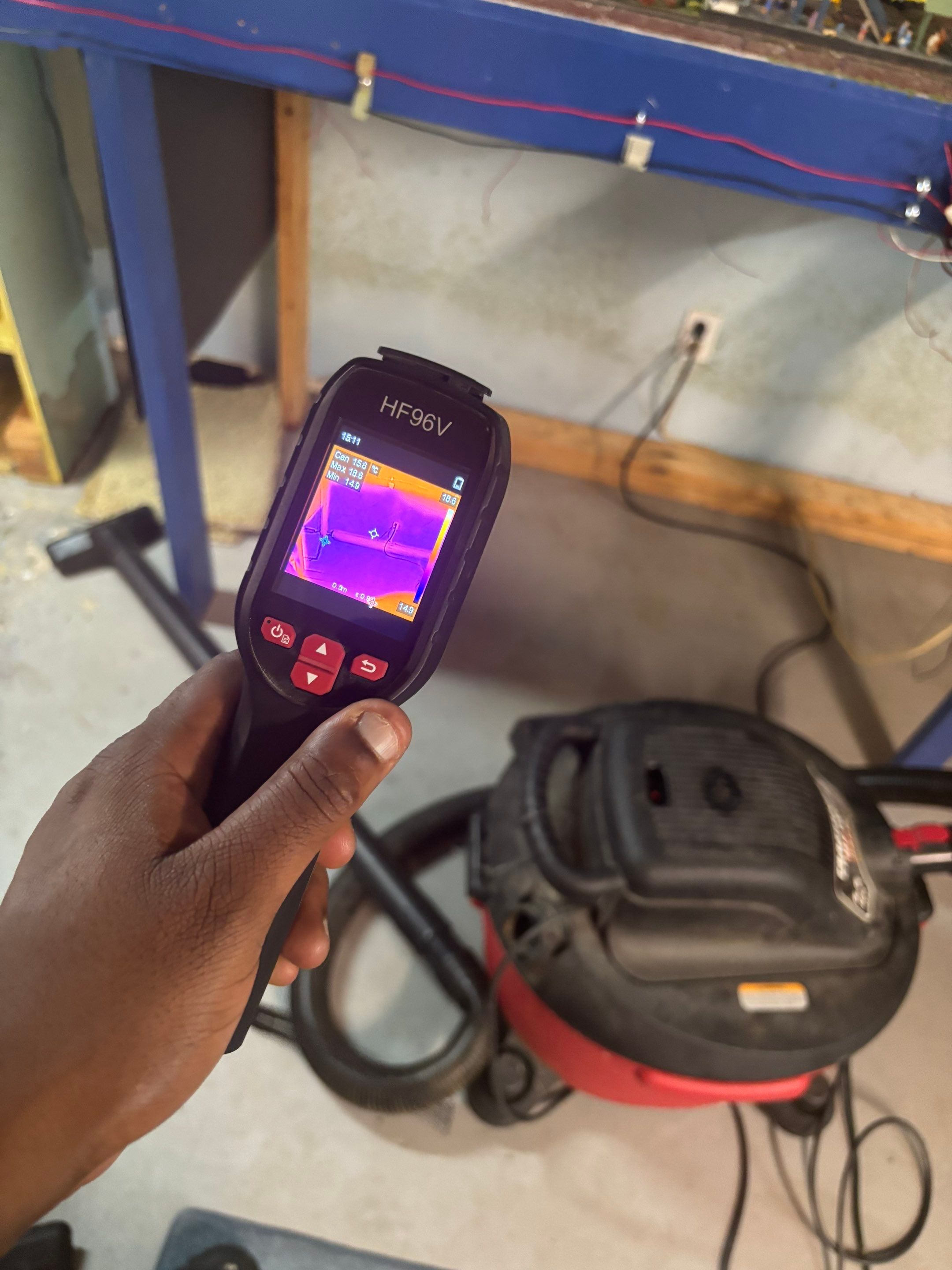
When water intrusion struck this established Sterling property in Loudoun County—where humid Mid-Atlantic summers and aging residential stock from the 1970s–1990s create persistent moisture challenges—thermal imaging technology proved essential to mapping the full extent of hidden saturation before visible mold could take hold. The inspection revealed water had migrated beyond the obvious flood zone, requiring a comprehensive extraction and remediation strategy aligned with IICRC S500 water damage protocols.
Our technicians deployed truck-mounted vacuums to remove standing water from the affected areas, then shifted immediately to controlled drying and antimicrobial treatment to interrupt the conditions mold requires to colonize porous materials. Because the intrusion had been present long enough to warrant mold concerns, the remediation work followed containment and air-quality safeguards typical of early-stage prevention rather than full S520 mold removal.
The homeowner noted in their review that the thermal-guided approach gave them confidence the problem had been mapped completely, not just addressed where it was visible. The property was returned to a dry, stable baseline with no further microbial activity detected at project close.
Frequently asked questions
Why is thermal imaging used during mold remediation in Sterling homes?
Restoration Doctor uses thermal imaging during mold remediation in Sterling to locate hidden moisture pockets behind walls and under flooring that standard visual inspection would miss. After water intrusion, moisture can migrate through building materials common in Loudoun County's 1970s–1990s housing stock, creating ideal conditions for mold colonization in concealed cavities. Thermal cameras reveal temperature differentials that indicate trapped moisture, allowing our technicians to target remediation efforts precisely and verify that affected areas are fully dried before reconstruction begins.
What steps does Restoration Doctor take after extracting standing water in a Sterling property?
Following standing-water extraction in Sterling, Restoration Doctor conducts a comprehensive moisture inspection using thermal imaging to map all affected building materials, then deploys commercial dehumidifiers and air movers to dry structural components to industry standards. We monitor moisture levels daily and perform mold remediation on any surfaces where growth has begun, treating affected areas with antimicrobial agents and removing contaminated materials that cannot be salvaged. The goal is to return the property to a dry, stable condition that prevents secondary mold growth in Loudoun County's humid Mid-Atlantic climate.
How quickly can mold develop after water damage in Sterling, VA?
In Sterling's hot, humid summers, mold spores can begin colonizing wet building materials within 24 to 48 hours of water intrusion, which is why Restoration Doctor prioritizes rapid extraction and drying. Loudoun County's climate accelerates biological growth, especially in older homes with limited vapor barriers or ventilation. Our thermal-imaging moisture inspection identifies all wet zones early, allowing us to intervene before mold becomes a larger remediation challenge.
Does homeowners insurance typically cover mold remediation following a water intrusion in Sterling?
Coverage for mold remediation in Sterling depends on whether the water intrusion resulted from a sudden, accidental event (like a burst pipe or appliance failure) rather than long-term neglect or maintenance issues. Restoration Doctor works directly with insurance adjusters in Loudoun County to document the scope of water damage, the timeline of our response, and the necessity of mold remediation to support your claim. We recommend reviewing your policy's mold sublimit and contacting your carrier immediately after discovering water damage to clarify coverage before work begins.
What materials in a Sterling home are most vulnerable to mold after flooding?
In Sterling's established subdivisions, porous materials like drywall, insulation, ceiling tiles, and carpeting absorb water quickly and provide the organic substrate mold needs to grow. Restoration Doctor's remediation process involves removing non-salvageable porous materials, treating semi-porous surfaces like wood framing with antimicrobials, and verifying through moisture readings that all structural components have dried below the threshold for microbial activity. Homes built in the 1970s–1990s often have cellulose-based materials that require careful assessment and, in many cases, controlled removal to ensure a complete remediation.
Explore more restoration work
All projects in Sterling · Mold Remediation in Sterling
Water, fire, or mold damage in Sterling?
Restoration Doctor responds 24/7 across Sterling and Northern Virginia. Free assessment and transparent, insurance-friendly estimates — no obligation.
See our Mold Remediation services at restorationdoctors.com →