Thorough Restoration After Home Water Damage
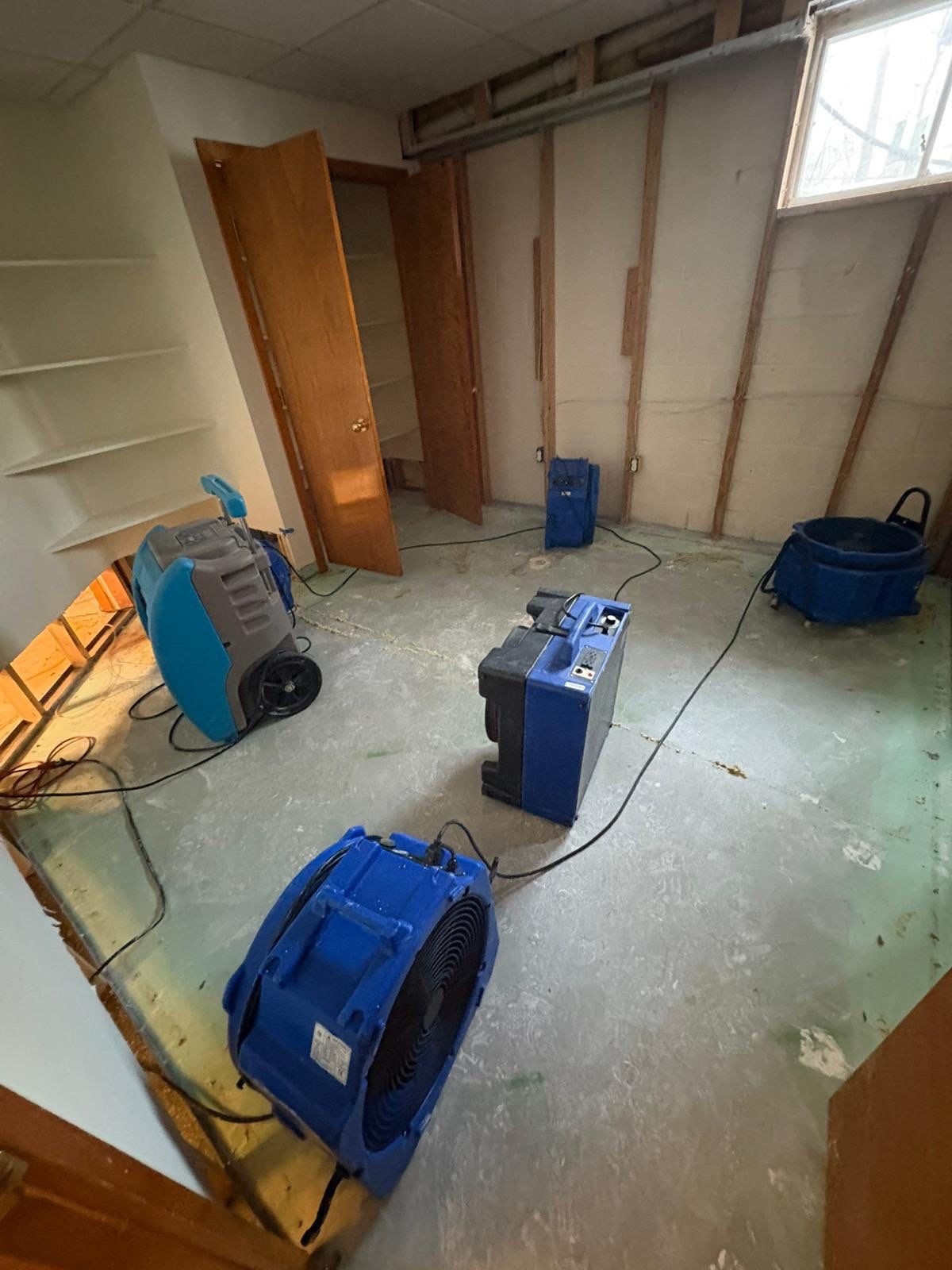
About this water damage restoration project
A roof leak in a Rockville home—part of the region's mix of established and newer subdivisions where winter freeze-thaw cycles and summer humidity place continuous stress on building envelopes—sent water through multiple rooms, damaging ceilings and walls. The homeowner called for immediate intervention to prevent further deterioration.
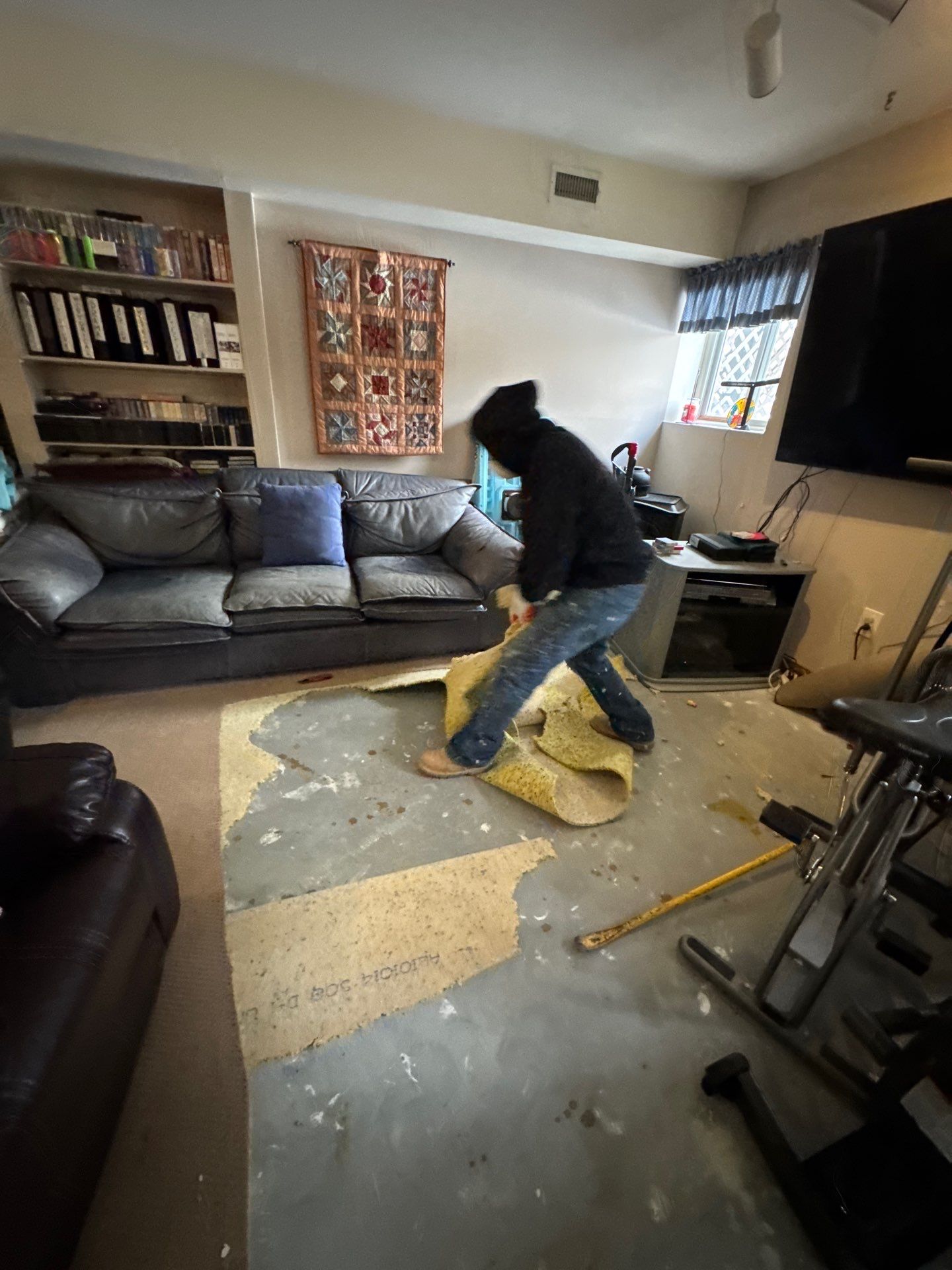
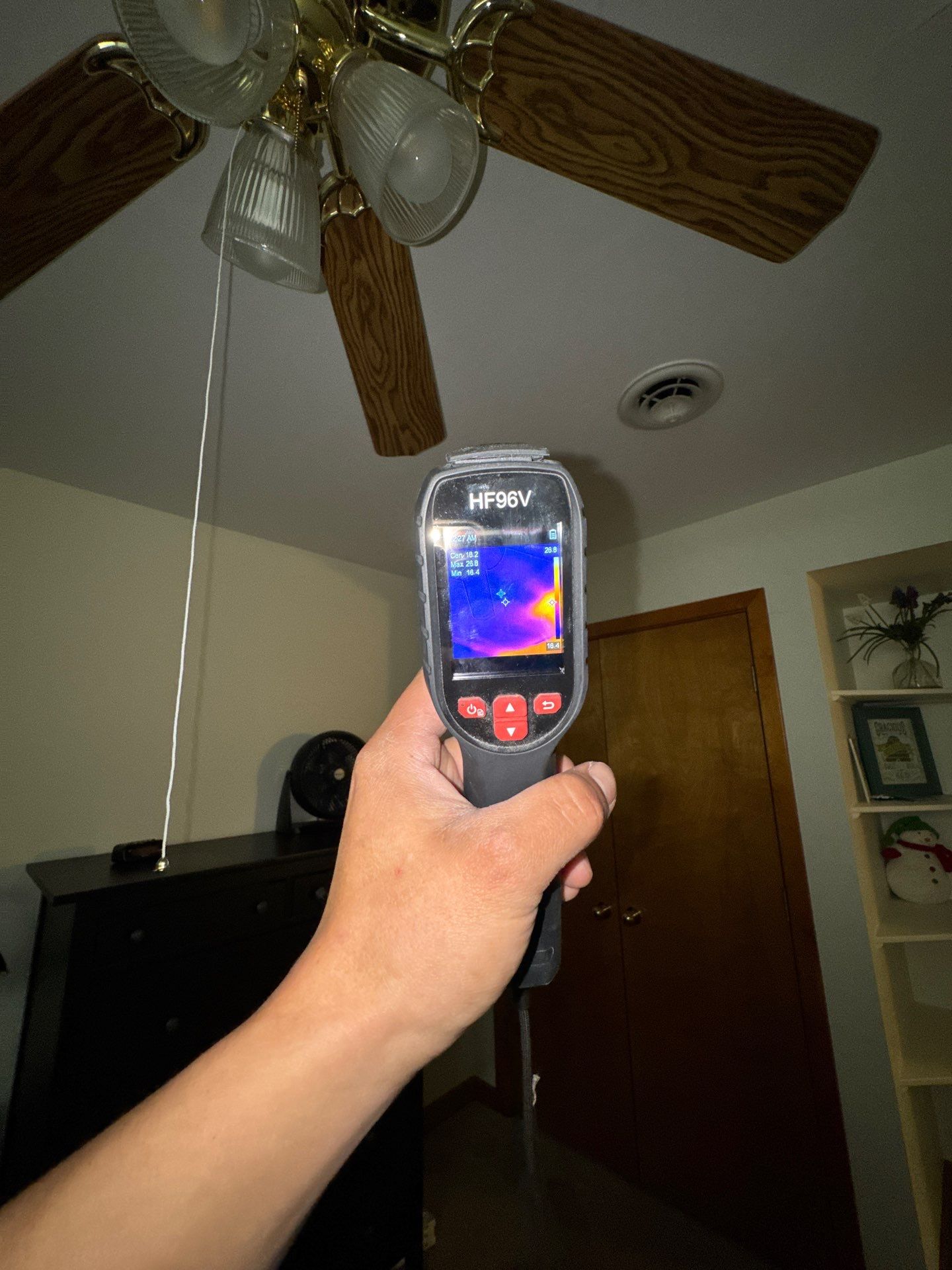
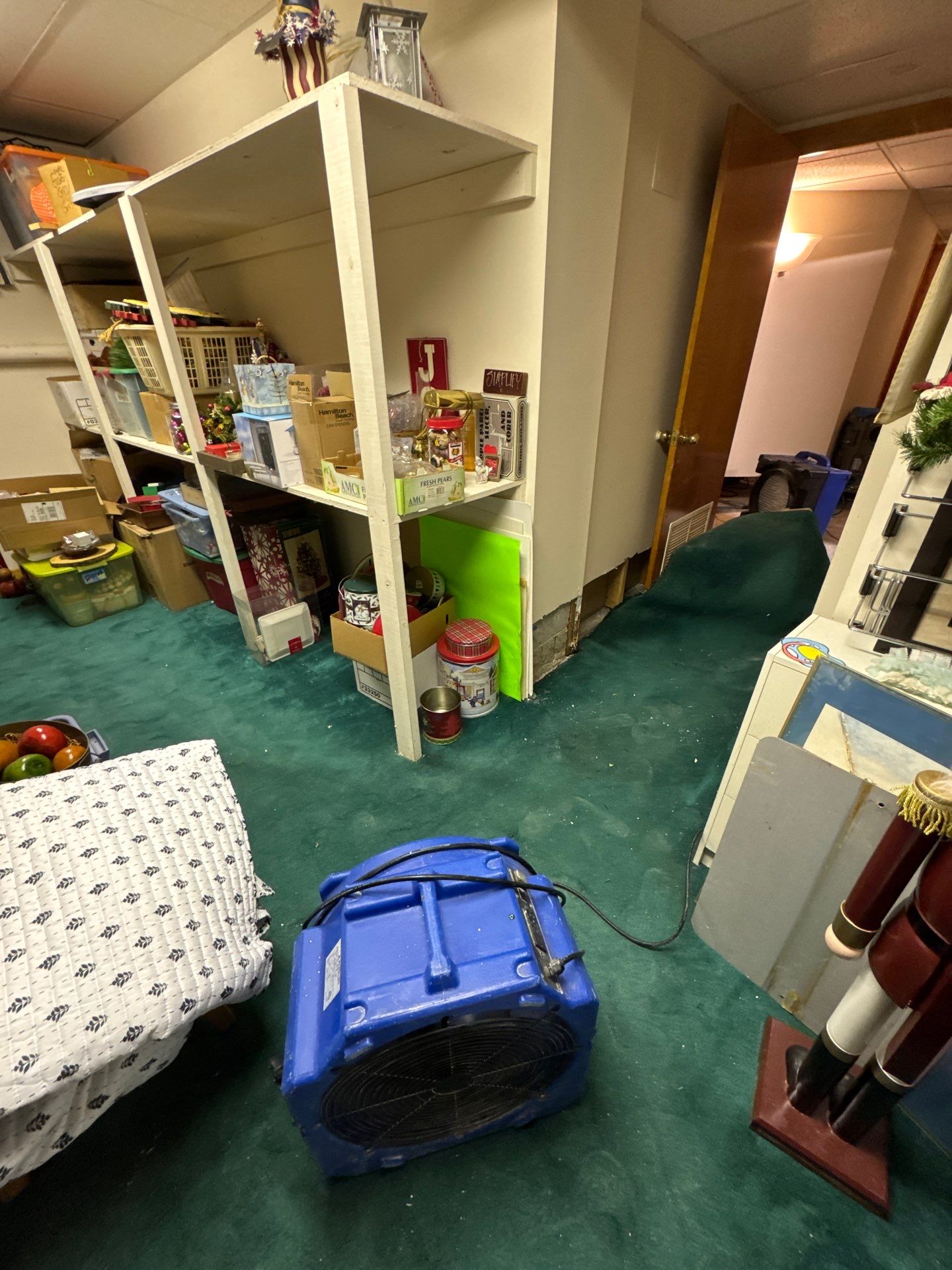
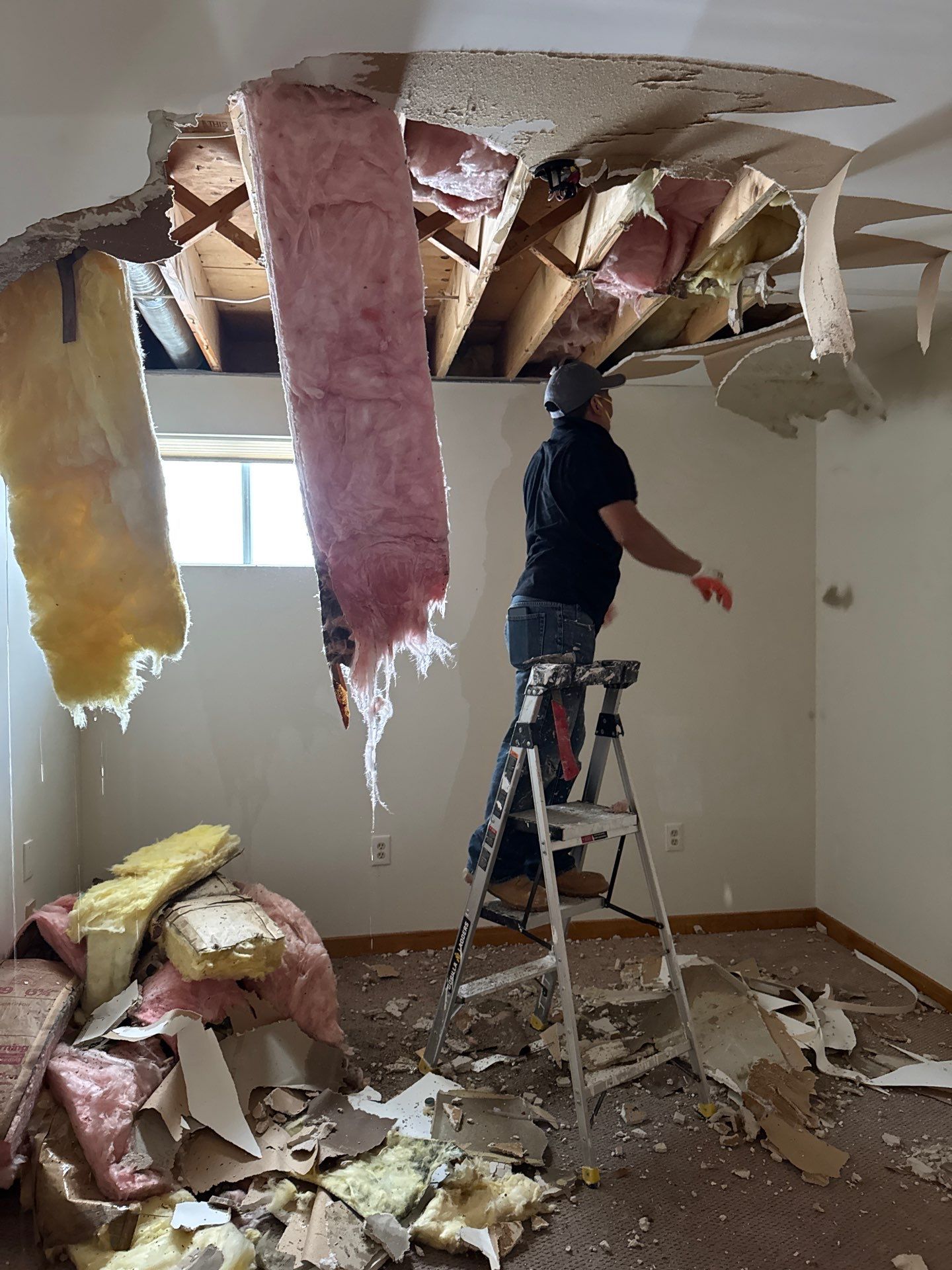
Our crew began by removing compromised ceiling and wall materials where saturation had progressed beyond drying in place. We covered the owner's furnishings with protective plastic sheeting to isolate the work zones, then deployed drying equipment calibrated to the moisture load. Thermal imaging allowed us to map hidden moisture migration behind surfaces, ensuring no wet cavity went unaddressed. This approach aligns with IICRC S500 protocols for controlled drying and documentation.
Once moisture readings stabilized, the affected areas were ready for reconstruction. The homeowner noted their satisfaction with the thoroughness of the process and the care taken to protect belongings throughout. The property returned to a safe, dry baseline, with structural integrity restored and no residual moisture to support mold colonization down the line.
Frequently asked questions
How does thermal imaging help locate hidden moisture after a roof leak in Rockville?
Thermal imaging cameras detect temperature differences behind walls and ceilings, revealing trapped moisture that standard visual inspection would miss. After a roof or ceiling intrusion in Rockville, Restoration Doctor uses this technology to map the full extent of water migration through insulation and framing, ensuring no wet pockets are left to foster mold or rot. This is especially important in the region's established homes, where older construction may hide moisture pathways between floors or in wall cavities.
What does structural drying involve for ceiling water damage?
Structural drying uses industrial air movers and dehumidifiers to pull moisture from ceiling joists, drywall, and insulation after water intrusion. Restoration Doctor positions equipment to create controlled airflow across affected surfaces, monitoring conditions until materials return to dry standard. For this Rockville job, drying addressed moisture that had spread from the ceiling into adjacent wall cavities, preventing secondary damage in areas the leak initially appeared to spare.
Why do contents need protection during water damage restoration?
Active drying equipment generates high air velocity and can spread dust or debris from demolition work across a home's furnishings. Restoration Doctor covered the homeowner's belongings with plastic sheeting during this Rockville ceiling repair to shield them from airborne particles and incidental moisture during material removal and drying. This step keeps personal property clean and avoids cross-contamination between the work zone and living spaces.
How long does it typically take to dry out a ceiling after a significant leak?
Drying duration depends on the volume of water, the materials affected, and ambient humidity—hot, humid Mid-Atlantic summers can slow evaporation if indoor conditions aren't controlled. For a multi-area ceiling intrusion like this Rockville job, Restoration Doctor monitors moisture readings daily and adjusts equipment placement until structural components meet dry standards, which often takes several days under proper dehumidification. Thermal imaging confirms no residual pockets remain before equipment is pulled.
When should ceiling materials be removed versus dried in place?
Restoration Doctor removes ceiling drywall and insulation when they are saturated, contaminated by the water source, or show visible sagging and structural compromise. In this Rockville restoration, damaged ceiling and wall materials were extracted to expose framing for thorough drying and to eliminate any compromised substrate that could harbor mold. Materials that are lightly dampened and structurally sound can sometimes be dried in place, but significant intrusion typically requires selective demolition to reach affected areas.
Explore more restoration work
All projects in Rockville · Water Damage Restoration in Rockville
Water, fire, or mold damage in Rockville?
Restoration Doctor responds 24/7 across Rockville and Northern Virginia. Free assessment and transparent, insurance-friendly estimates — no obligation.
See our Water Damage Restoration services at restorationdoctors.com →