Swift Response to Residential Water Intrusion
About this water damage restoration project
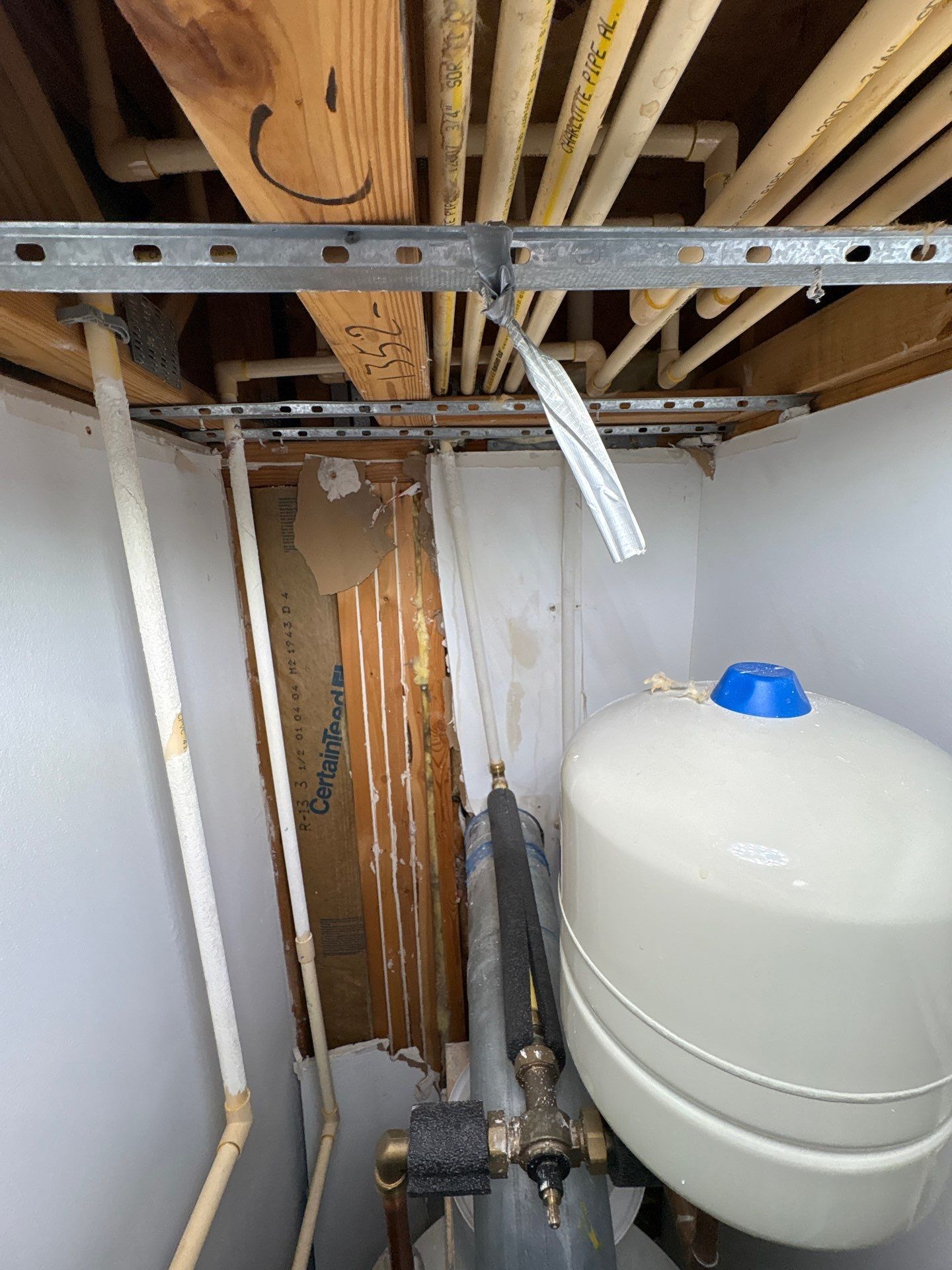
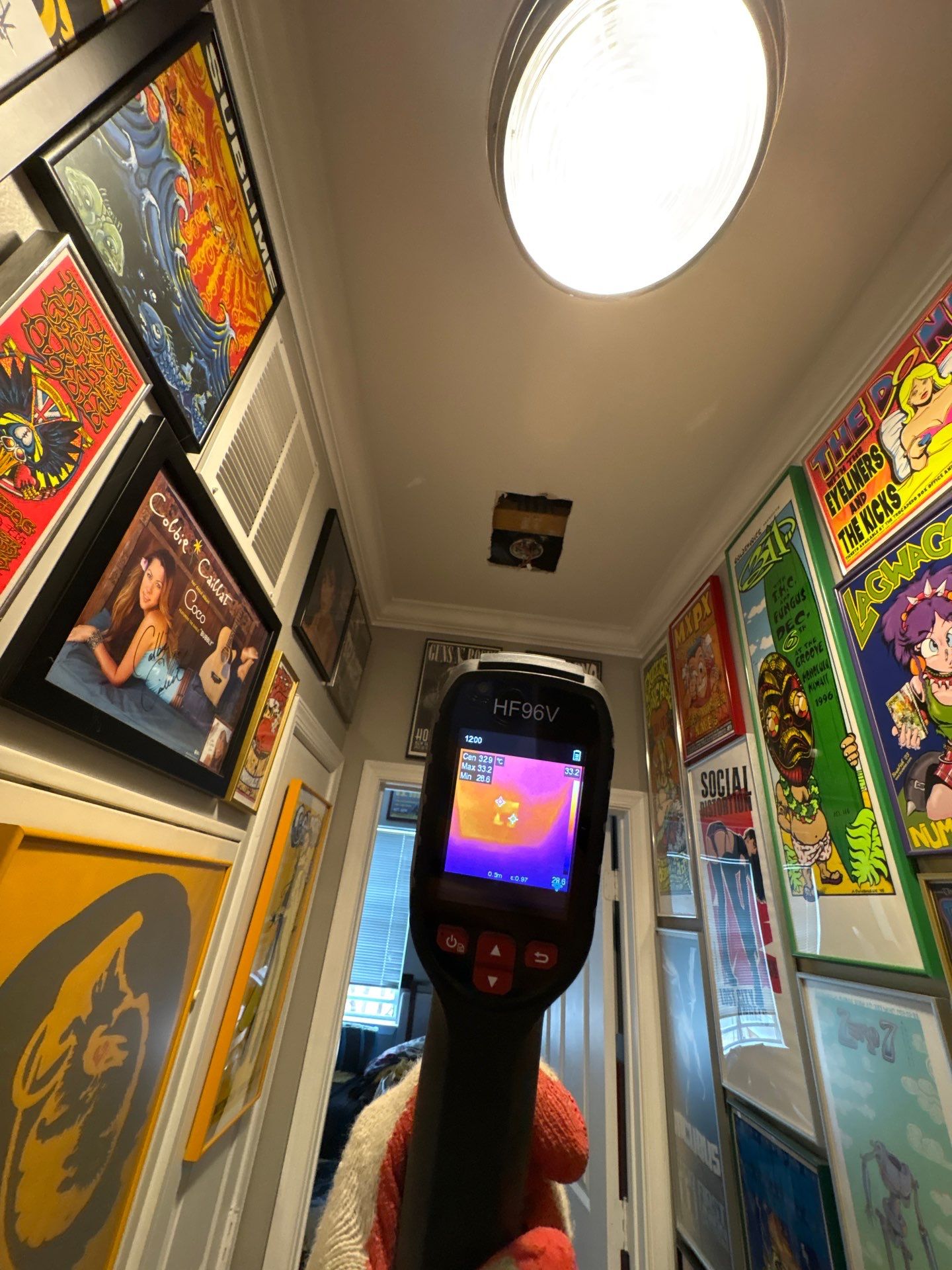
A leaking water tank in this Germantown home presented the kind of hidden-moisture challenge common to the region's established single-family housing stock, where older mechanical systems can fail suddenly and spread water behind finished surfaces before the damage becomes visible. Our first priority was to map the full extent of intrusion using thermal imaging, which revealed moisture migration into wall cavities and structural framing that surface inspection alone would have missed.
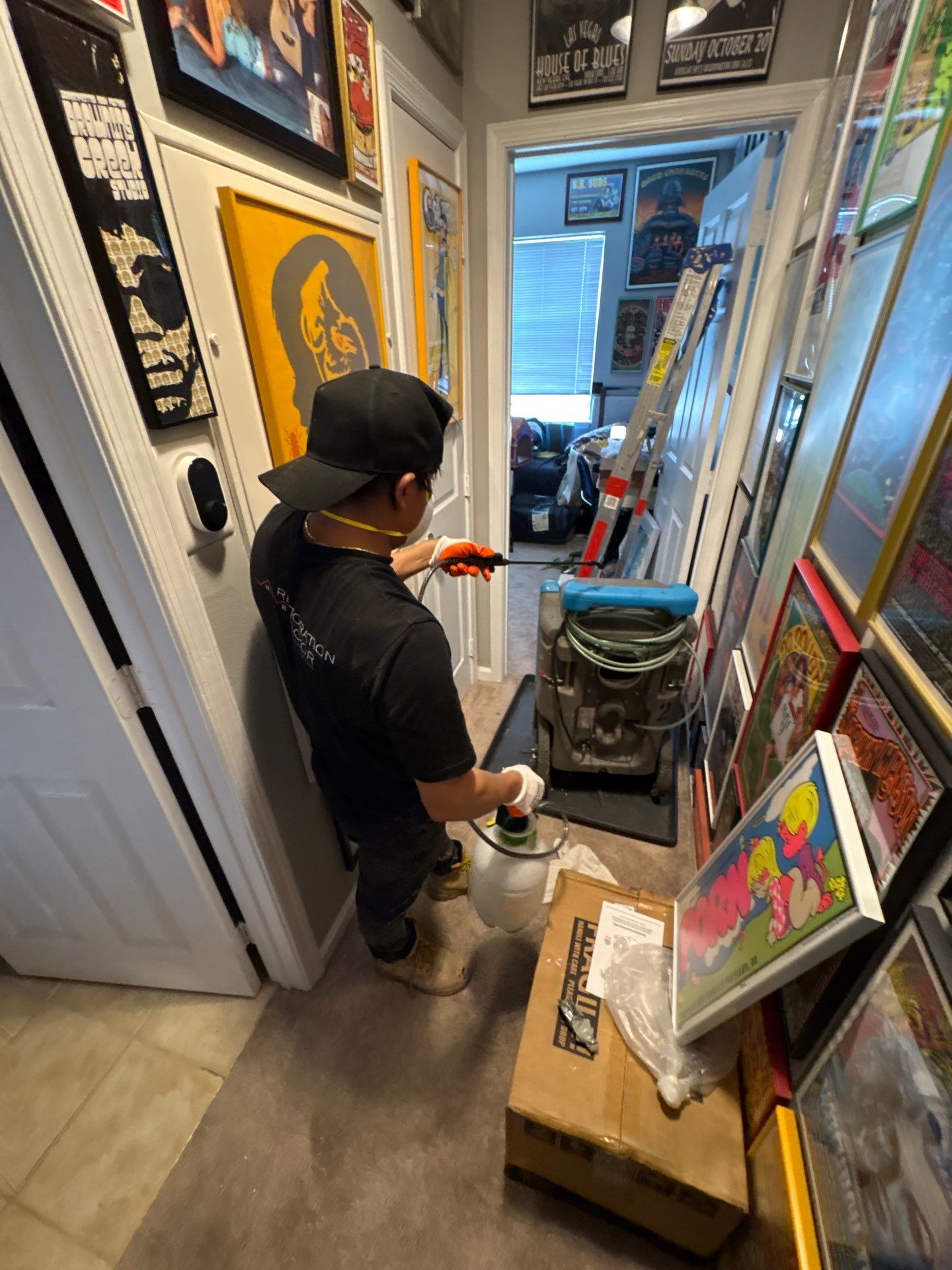
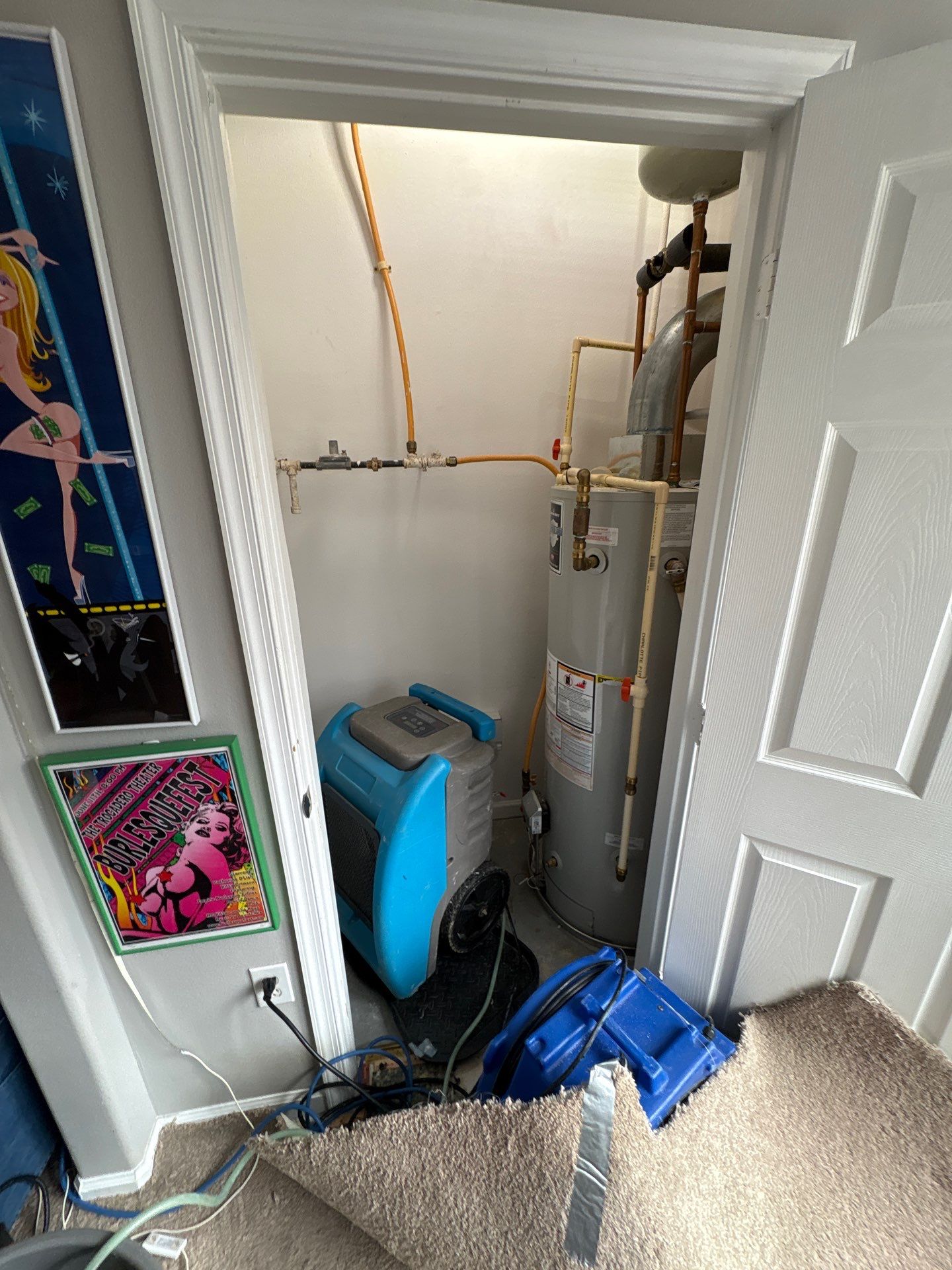
Once the affected zones were documented, we deployed targeted drying equipment—air movers and commercial dehumidifiers—to pull moisture from both open areas and concealed assemblies, following the IICRC S500 water damage standard's protocols for controlled evaporation. Continuous monitoring ensured drying progressed uniformly and that elevated humidity levels, which Mid-Atlantic summers can aggravate, did not stall the process.
With the structure returned to dry-standard conditions, we removed and replaced compromised drywall and other damaged materials, restoring the home's interior to its pre-loss state. The homeowner's review reflected satisfaction with both the thoroughness of our assessment and the quality of the completed repairs, noting the clarity of communication throughout the project.
Frequently asked questions
How does thermal imaging help detect hidden water damage in Germantown homes?
Restoration Doctor uses thermal imaging cameras to identify temperature differentials that reveal moisture trapped behind walls, ceilings, and floors—critical in the region's typical single-family homes where water tank leaks can migrate through framing cavities. This non-invasive technology maps the full extent of saturation without unnecessary demolition, allowing our technicians to target drying equipment precisely where moisture has traveled. In this Germantown job, thermal imaging revealed the complete pattern of water migration from the failed tank, guiding both extraction and structural drying.
What does structural drying involve after a water tank failure?
Structural drying uses commercial dehumidifiers and air movers to pull moisture from building materials—framing, subfloors, drywall—down to safe levels before mold can establish. Restoration Doctor deployed drying equipment throughout the affected areas of this Germantown property, monitoring moisture readings daily until all materials met IICRC S500 standards. The hot, humid Mid-Atlantic climate makes controlled drying especially important, as elevated ambient humidity can slow evaporation and extend the window for microbial growth if equipment isn't properly staged.
How long does it typically take to dry out a home after a major water tank leak?
Drying timelines depend on the volume of water released, affected materials, and environmental conditions—jobs in Germantown's established neighborhoods, where older framing may retain moisture longer, can require anywhere from three days to over a week of continuous equipment runtime. Restoration Doctor monitors moisture levels with meters throughout the process rather than relying on fixed schedules, pulling equipment only when readings confirm materials have returned to dry standard. This water tank loss required both extraction and extended structural drying due to the extent of saturation in walls and subfloors.
Can water damage from a failed tank affect areas far from the leak source?
Yes—water follows gravity and building pathways, often traveling through wall cavities, along floor joists, and into adjacent rooms or even lower levels before surfacing. In this Germantown restoration, thermal imaging revealed moisture spread well beyond the tank's location, requiring drying equipment placement in multiple rooms and the replacement of damaged drywall in areas the homeowner hadn't initially noticed. Restoration Doctor's moisture mapping ensures no hidden pockets are left to decay or support mold colonization after visible repairs are complete.
Does Restoration Doctor handle both drying and repairs after water damage?
Yes—Restoration Doctor managed both the emergency water mitigation (thermal inspection, extraction, structural drying) and the reconstruction phase (replacing damaged drywall and repairing affected structures) for this Germantown property. Keeping both phases under one contractor streamlines timelines, maintains quality control, and simplifies insurance coordination. The home was restored to its pre-loss condition with all compromised materials replaced and moisture levels verified safe before final finishes were installed.
Explore more restoration work
All projects in Germantown · Water Damage Restoration in Germantown
Water, fire, or mold damage in Germantown?
Restoration Doctor responds 24/7 across Germantown and Northern Virginia. Free assessment and transparent, insurance-friendly estimates — no obligation.
See our Water Damage Restoration services at restorationdoctors.com →