Restoration Doctor Resolves Severe Water Damage from Toilet Backup
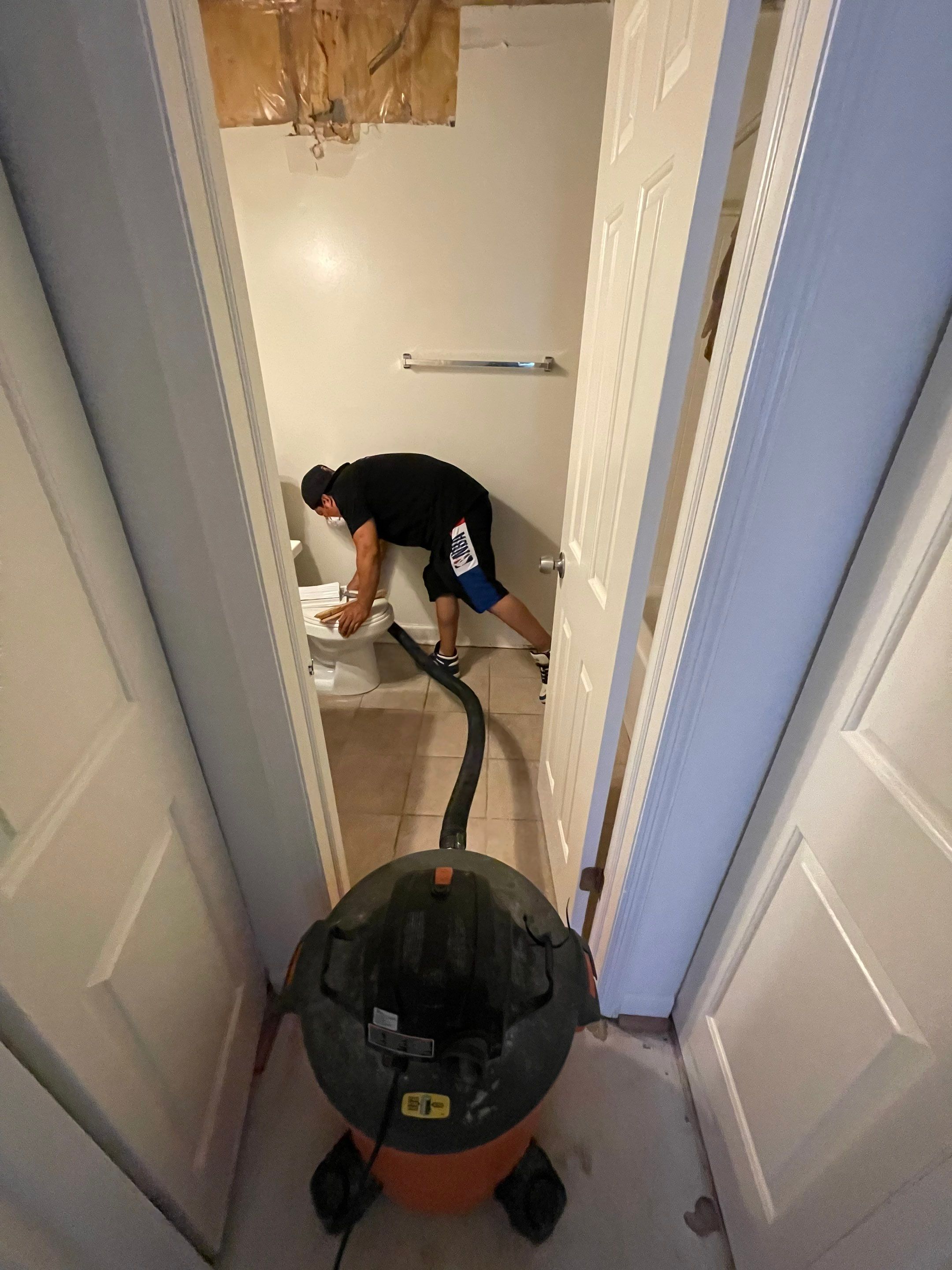
About this water damage restoration project
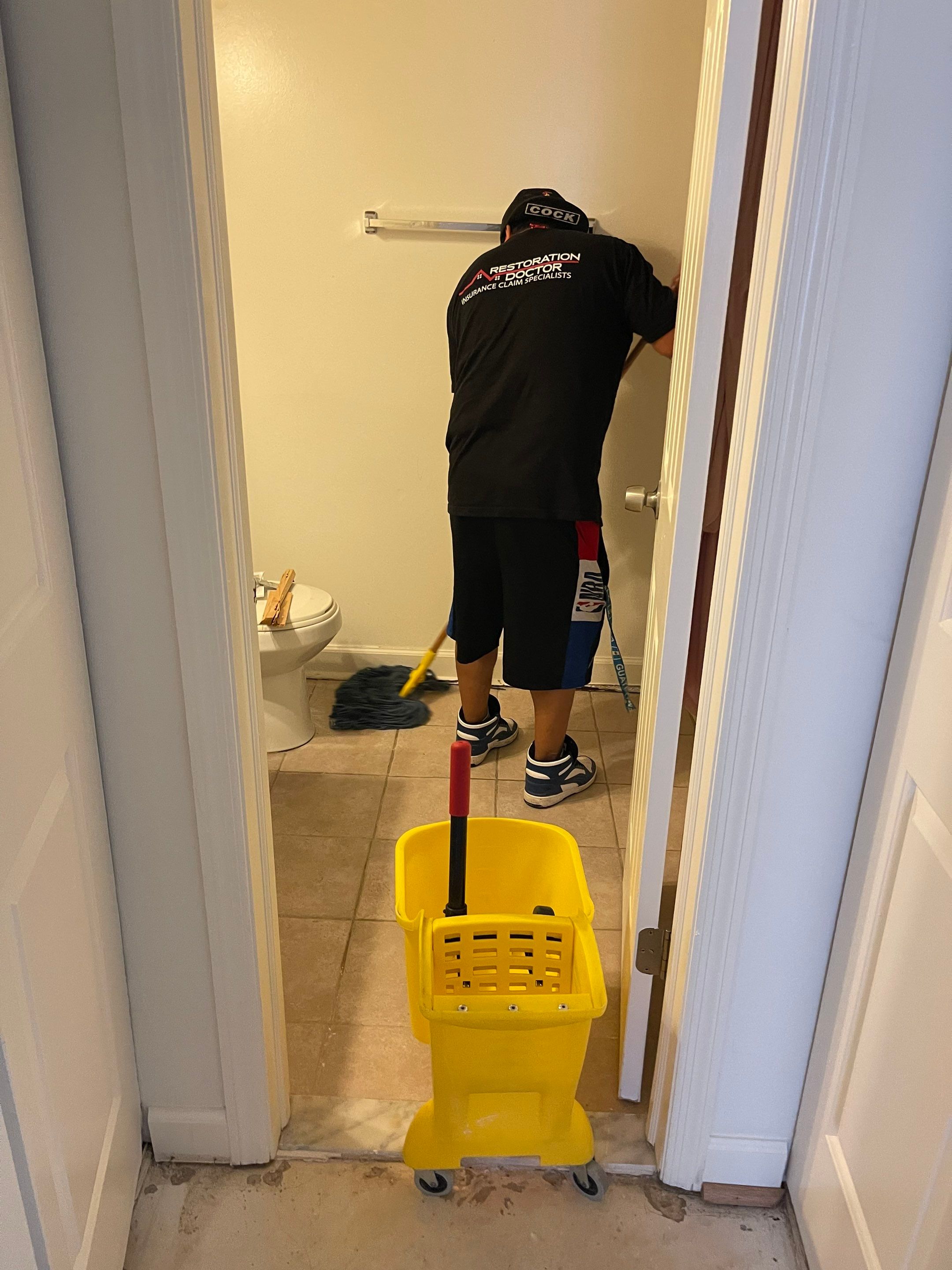
When a toilet backup flooded a Gaithersburg home, the overflow moved quickly through multiple rooms—a common scenario in the region's established single-family neighborhoods, where older plumbing systems can fail suddenly and drain lines may lack modern backflow protection. The standing water carried Category 3 contamination, requiring immediate containment to prevent spread into unaffected areas.
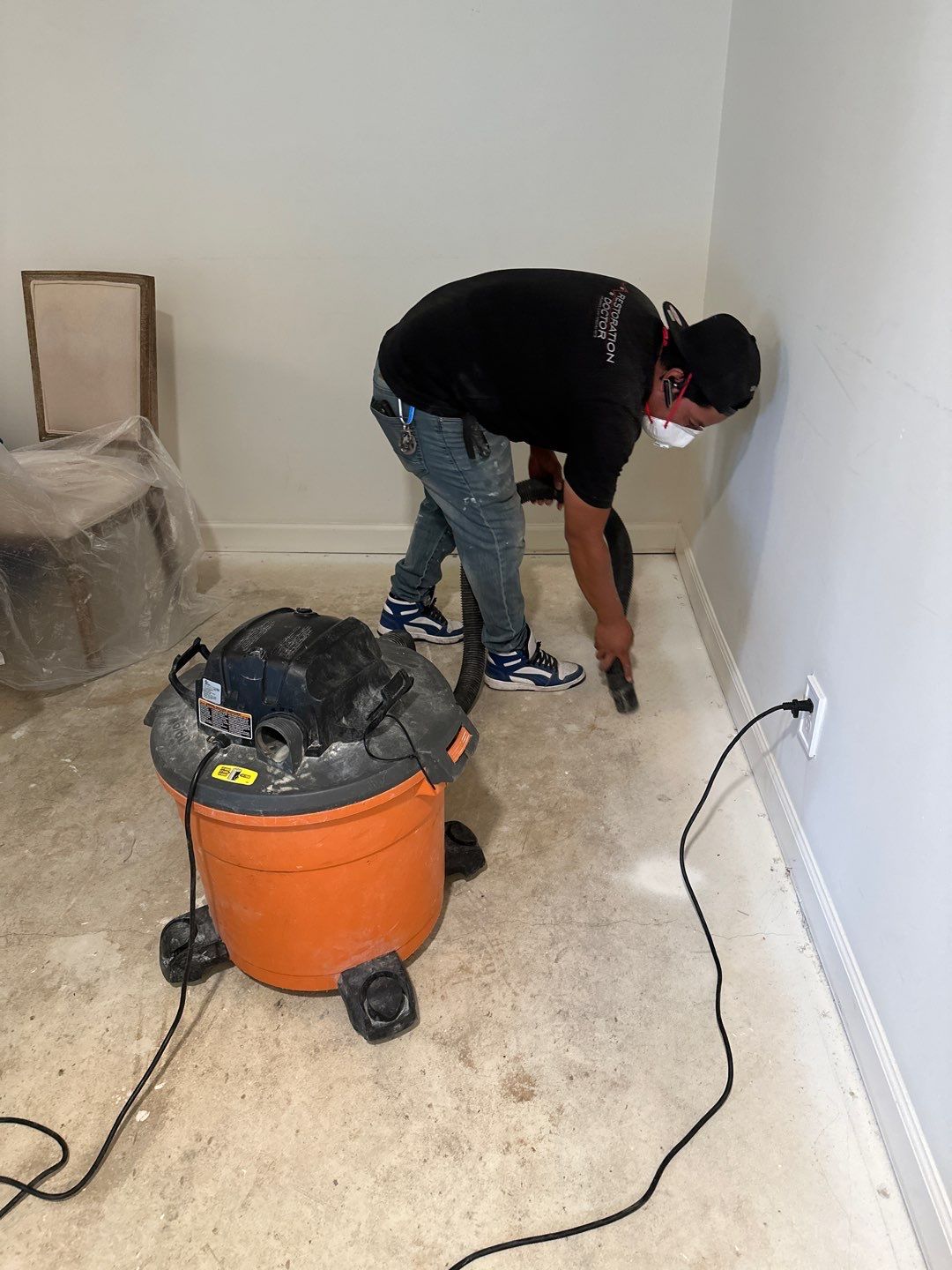
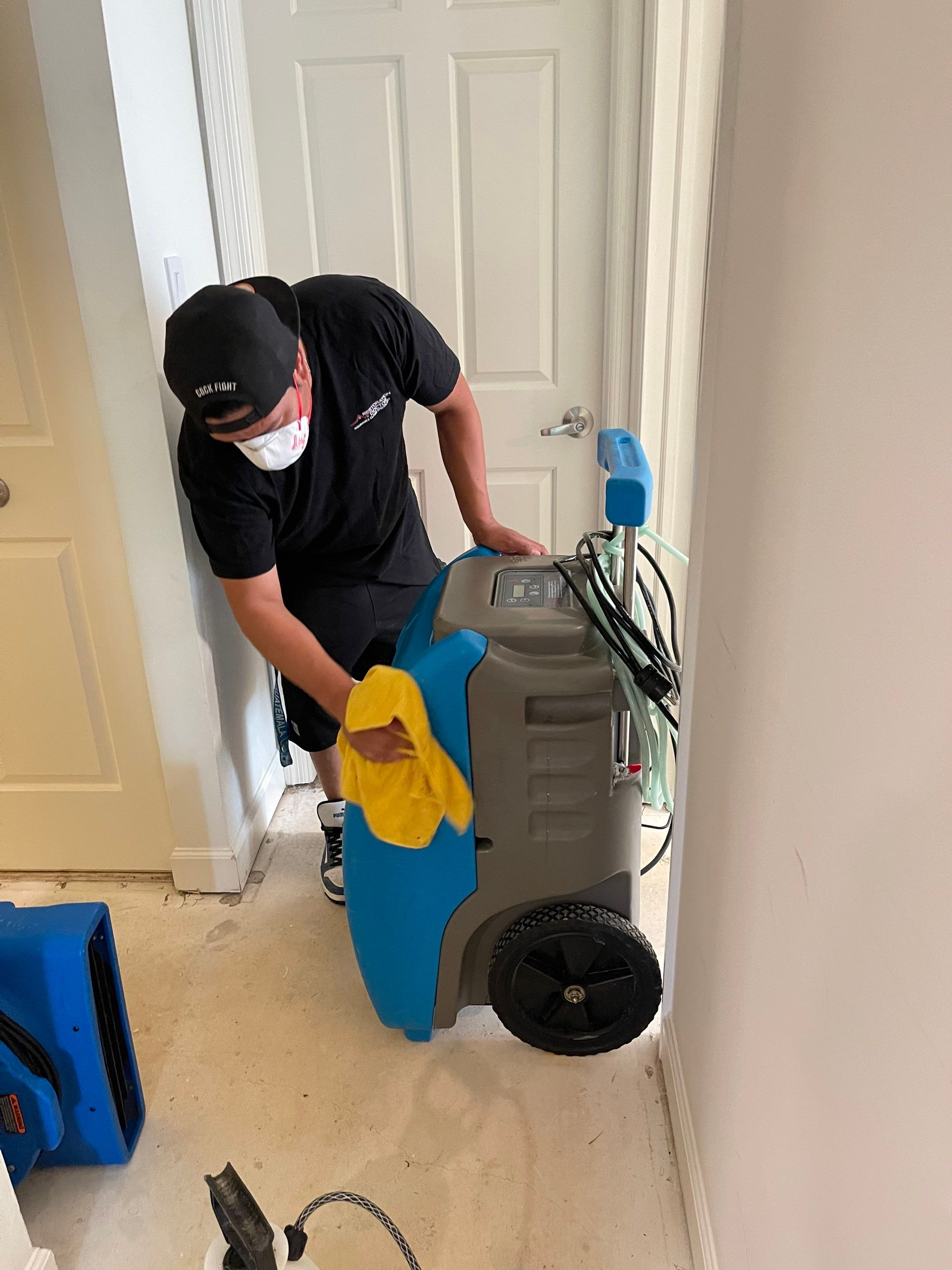
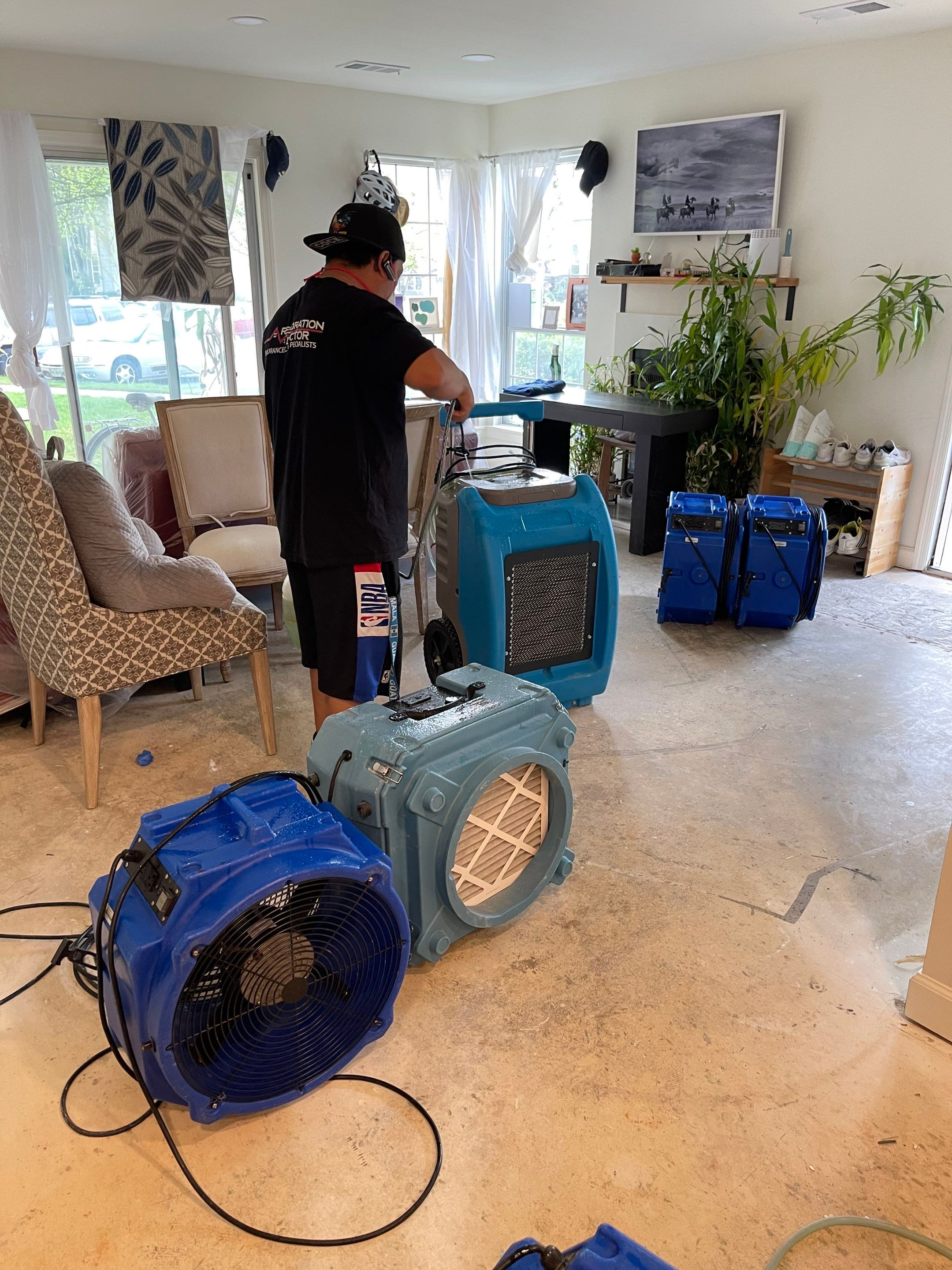
Our team arrived with high-powered extraction equipment to remove the standing water, then began a systematic sanitization of all impacted surfaces. Following IICRC S500 protocols for Category 3 losses, we applied EPA-registered antimicrobial treatments to floors, baseboards, and lower wall sections where the overflow had contacted porous materials. Moisture mapping guided the placement of air movers and dehumidifiers, ensuring thorough drying of subfloors and wall cavities over the days that followed.
Once moisture readings confirmed the structure had returned to dry standard, we replaced damaged flooring sections and repaired compromised framing. A final walkthrough and air-quality check verified that no residual contamination remained. The homeowner noted in their review how relieved they were to have the work completed thoroughly and without lingering odor—a testament to the containment and sanitation steps taken early in the process.
Frequently asked questions
What steps does Restoration Doctor take after a toilet backup causes flooding in a Gaithersburg home?
Restoration Doctor's water damage restoration process in Gaithersburg begins with immediate containment to prevent contaminated water from spreading to unaffected areas. We deploy high-powered extraction equipment to remove all standing water, then thoroughly sanitize surfaces to eliminate bacteria and pathogens from the sewage backup. Structural drying equipment and moisture monitoring ensure complete drying, followed by flooring repair or replacement and antimicrobial treatment to restore the home to a safe, sanitary condition.
How does Montgomery County's humid climate affect drying time after water extraction?
Montgomery County's hot, humid Mid-Atlantic summers can slow evaporation and extend structural drying timelines if not managed with professional equipment. Restoration Doctor uses commercial dehumidifiers and air movers calibrated to the local climate to control moisture levels and maintain proper drying conditions. This controlled approach prevents secondary damage and ensures materials reach the dry standard even during humid weather, typically within several days depending on the extent of saturation.
Does homeowners insurance in Gaithersburg typically cover toilet overflow and water damage restoration?
Most homeowners insurance policies in Gaithersburg and Montgomery County cover sudden and accidental water damage from toilet backups, including extraction, drying, and repairs to flooring and structural elements. Restoration Doctor works directly with insurance adjusters to document the loss, provide detailed moisture readings and photo evidence, and streamline the claims process. Coverage specifics vary by policy, so we recommend contacting your carrier promptly after the loss occurs.
Why is sanitizing necessary after standing water from a plumbing backup?
Water from a toilet backup is classified as Category 3 (black water) and contains sewage, bacteria, and pathogens that pose serious health risks if not properly treated. Restoration Doctor applies EPA-registered antimicrobial treatments to all affected surfaces in the Gaithersburg home after extraction and drying, following IICRC S500 protocols for contaminated water losses. This sanitizing step eliminates microbial contamination and ensures the home is safe for occupancy once restoration is complete.
What flooring materials in Montgomery County homes are most affected by standing water?
In Montgomery County's mix of established and newer-built homes, carpet, laminate, and engineered hardwood are particularly vulnerable to standing water and often require removal after prolonged exposure. Restoration Doctor assesses each material's saturation level and determines whether drying in place is feasible or replacement is necessary. Ceramic tile and luxury vinyl typically withstand water better, though the subfloor beneath any flooring type must still be dried and inspected to prevent hidden moisture pockets and structural weakening.
Explore more restoration work
All projects in Gaithersburg · Water Damage Restoration in Gaithersburg
Water, fire, or mold damage in Gaithersburg?
Restoration Doctor responds 24/7 across Gaithersburg and Northern Virginia. Free assessment and transparent, insurance-friendly estimates — no obligation.
See our Water Damage Restoration services at restorationdoctors.com →