Residential Flood from a Broken Pipe
About this mold remediation project
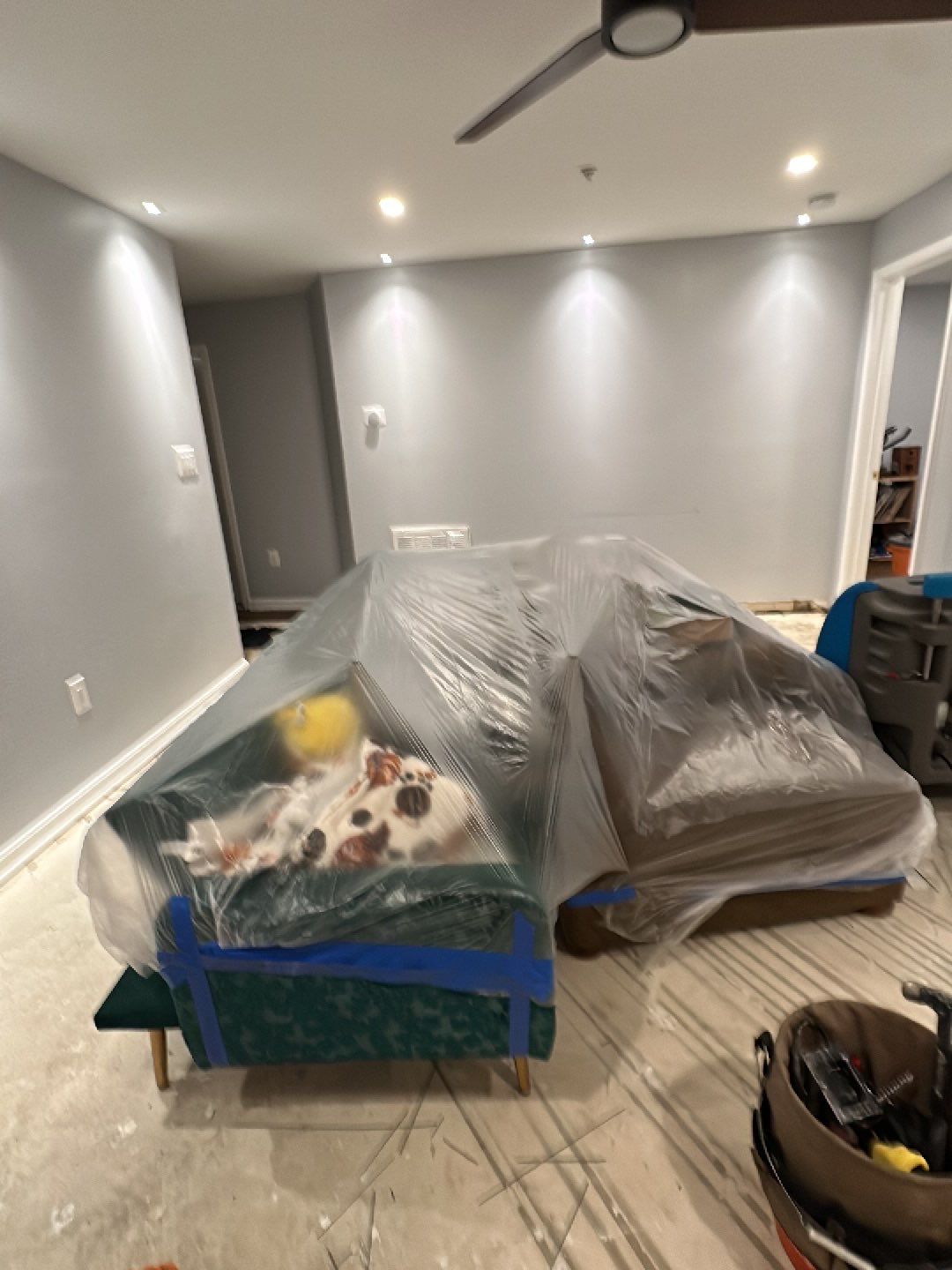
A burst pipe flooded the living room and kitchen of a Gaithersburg home, the kind of sudden supply-line failure that can occur in any of the region's established single-family neighborhoods when aging plumbing meets the stress of Mid-Atlantic freeze-thaw cycles. Standing water had spread across both rooms by the time the homeowner discovered the break, requiring immediate extraction and a multi-step drying protocol to prevent secondary damage.
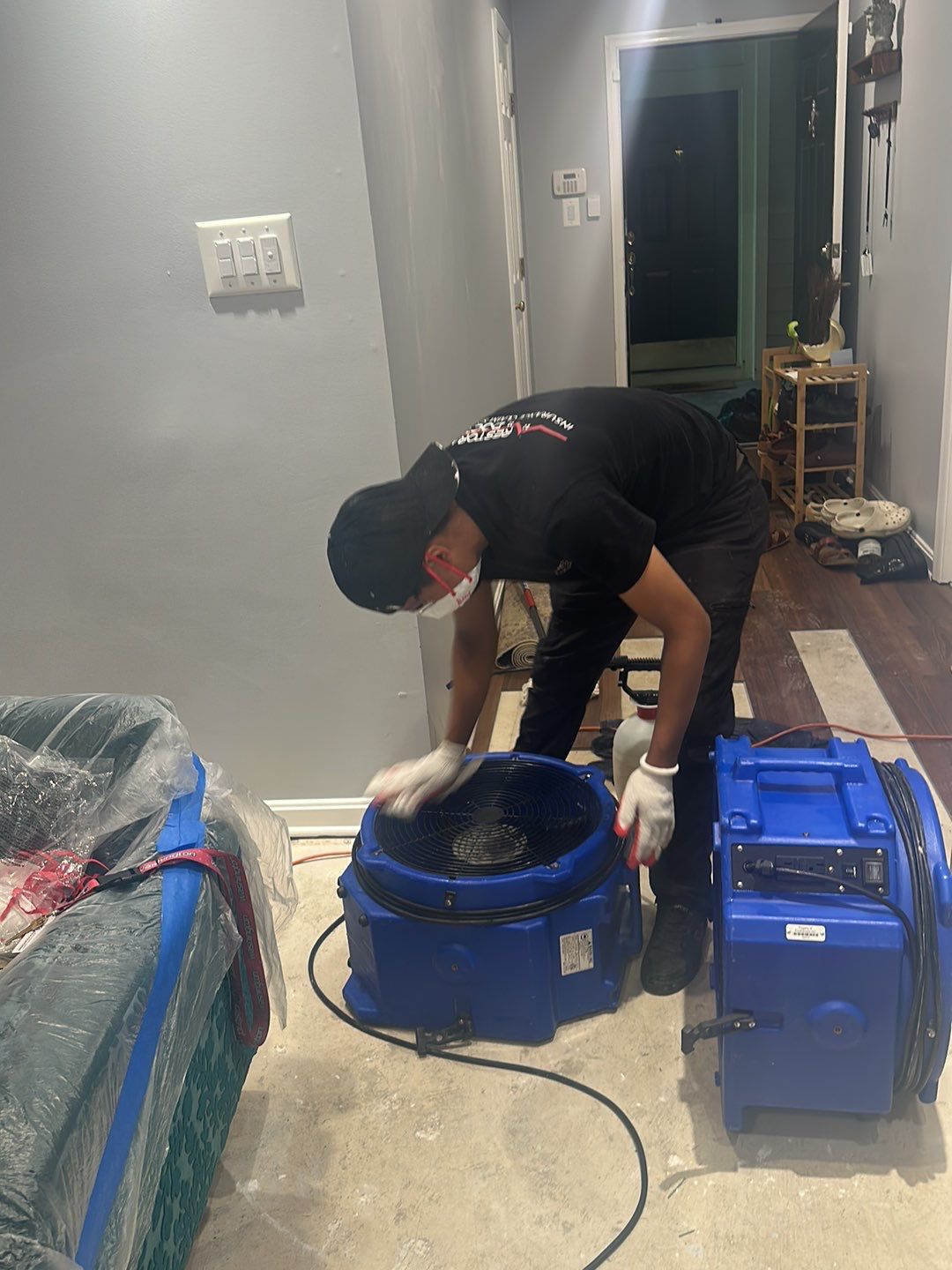
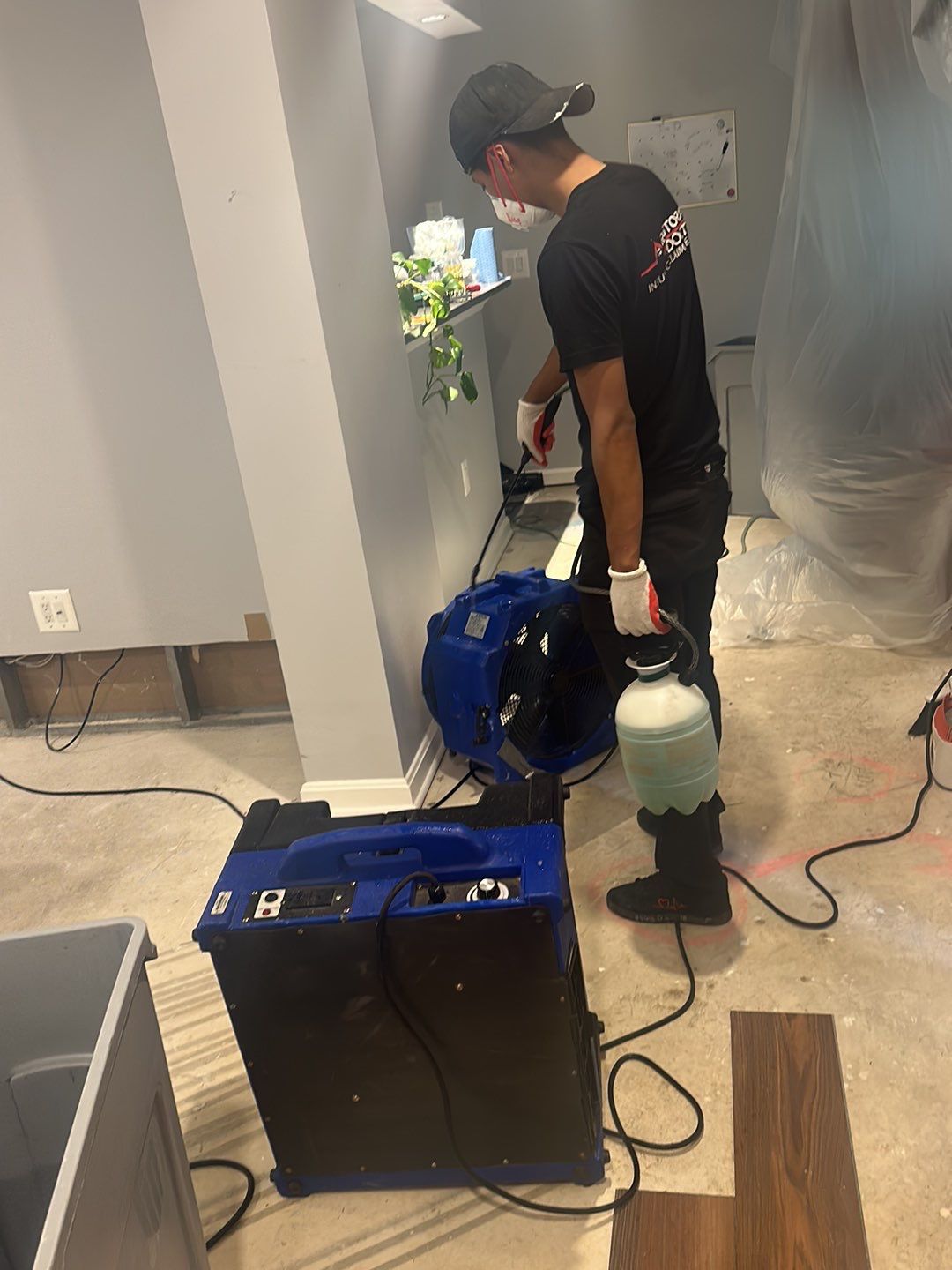
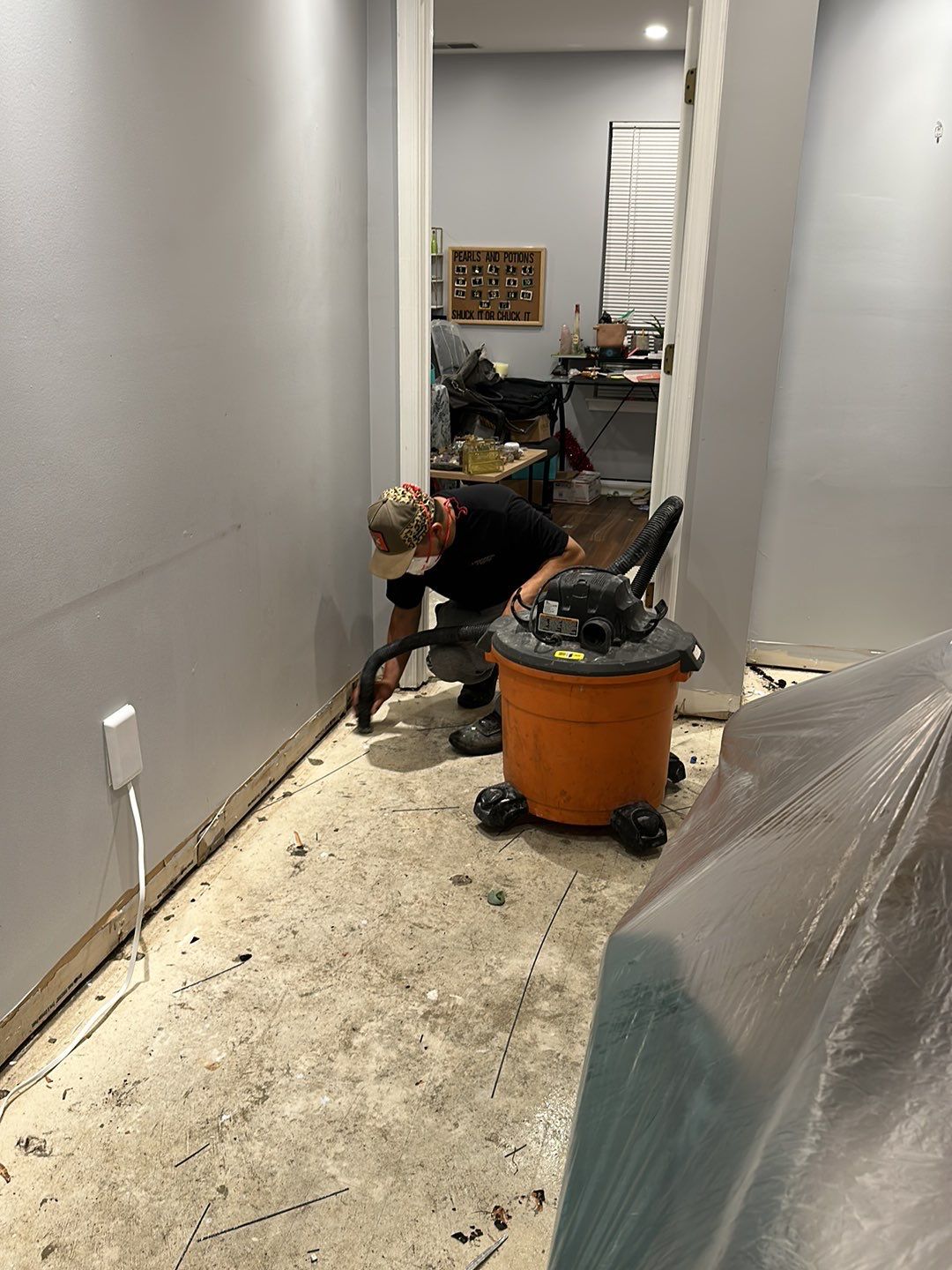
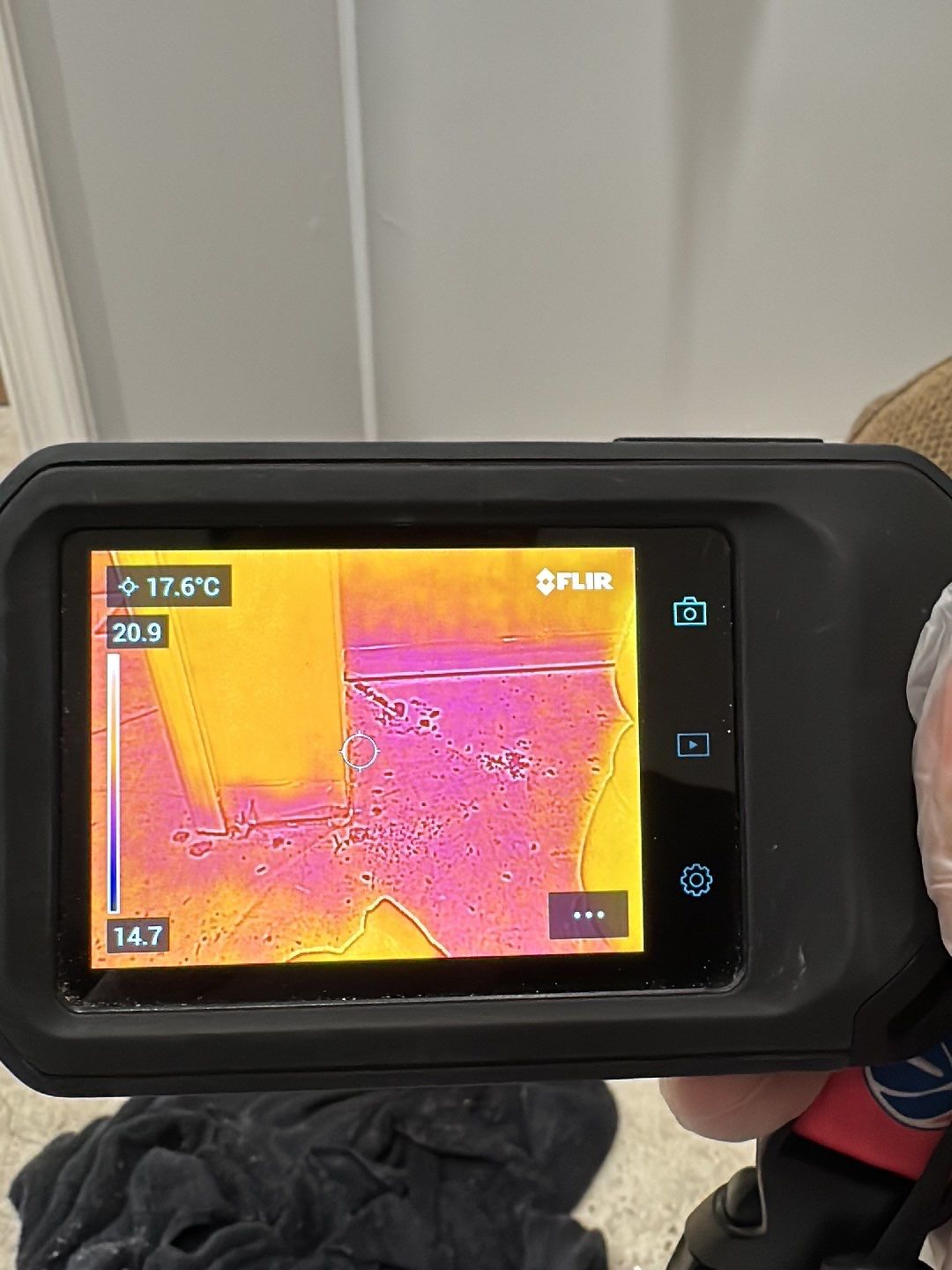
We deployed truck-mounted extractors to remove the standing water, then positioned commercial dehumidifiers and air movers throughout the affected spaces to draw residual moisture from the flooring and wall cavities. Moisture mapping confirmed elevated readings in the subfloor and lower drywall, so we maintained controlled drying conditions for several days, monitoring progress with daily meter checks. Once moisture levels returned to normal, we applied antimicrobial treatment to all affected surfaces to inhibit mold colonization—a necessary step given the humid summer conditions that can accelerate microbial growth in damp materials.
With the structure dry and sanitized, we repaired the damaged flooring and wall sections, restoring both rooms to their pre-loss condition. The homeowner noted their satisfaction with the thoroughness of the work and the clarity of communication throughout the process, and the family was able to return to full use of the space within two weeks of the initial loss.
Frequently asked questions
How does Restoration Doctor prevent mold after extracting standing water from a burst pipe in Gaithersburg?
After extracting standing water from a burst-pipe flood in Gaithersburg, Restoration Doctor uses industrial dehumidifiers and air movers to bring structural moisture levels down quickly, which is critical in Montgomery County's humid Mid-Atlantic climate where elevated indoor humidity can accelerate microbial colonization. We monitor moisture readings in affected materials—flooring, drywall, subflooring—and apply EPA-registered antimicrobial treatments to sanitized surfaces once drying is complete. This combination of controlled drying and sanitizing addresses both the immediate water intrusion and the conditions that allow mold to establish.
What flooring materials in Gaithersburg homes are most affected by standing water from a living room or kitchen flood?
In Gaithersburg's mix of established single-family homes and newer townhomes, we commonly encounter hardwood, engineered wood, laminate, and wall-to-wall carpet in living rooms and kitchens—all of which absorb water at different rates. Restoration Doctor assesses each material's saturation and structural integrity after extraction; carpet and pad typically require removal if standing water was present for more than a few hours, while hardwood may be salvageable with controlled drying if the subfloor moisture is addressed promptly. Our goal is to preserve original materials wherever safe and structurally sound.
Does homeowners insurance in Montgomery County typically cover mold remediation that follows a sudden pipe burst?
In Montgomery County, most homeowners policies cover mold remediation when it results directly from a sudden, accidental water loss like a burst pipe, provided the homeowner mitigates promptly—meaning extraction and drying begin within a reasonable window. Restoration Doctor works directly with insurers serving Gaithersburg to document the scope of water damage, the timeline of our response, and the sanitizing steps taken to prevent secondary mold growth, which helps streamline the claims process. Coverage specifics vary by policy, so we recommend reviewing your declarations page and contacting your adjuster early.
Why is dehumidification necessary even after visible standing water is removed from a Gaithersburg home?
Removing visible standing water addresses the surface problem, but materials like drywall, insulation, and subflooring retain moisture that evaporates slowly into the indoor air, especially during hot, humid Mid-Atlantic summers common in Gaithersburg. Restoration Doctor places commercial-grade dehumidifiers to capture that airborne moisture and prevent it from migrating to unaffected areas or re-saturating dried surfaces. Without controlled dehumidification, elevated relative humidity persists, creating the environment mold spores need to colonize within days of the original water intrusion.
What does sanitizing mean in the context of water-damage restoration after a pipe burst?
Sanitizing in Restoration Doctor's water-damage protocol means applying EPA-registered antimicrobial solutions to cleaned, dried surfaces that contacted floodwater or exhibited elevated moisture—floors, baseboards, lower wall sections—to reduce microbial loads and inhibit future growth. After a burst-pipe flood in a Gaithersburg living room and kitchen, we sanitize once structural drying confirms moisture levels have returned to normal range, ensuring the treatment bonds to dry material rather than being diluted by residual water. This step is distinct from mold remediation itself but serves as a preventive measure when the original loss created conditions conducive to colonization.
Explore more restoration work
All projects in Gaithersburg · Mold Remediation in Gaithersburg
Water, fire, or mold damage in Gaithersburg?
Restoration Doctor responds 24/7 across Gaithersburg and Northern Virginia. Free assessment and transparent, insurance-friendly estimates — no obligation.
See our Mold Remediation services at restorationdoctors.com →