Water damage restoration
About this water damage restoration project
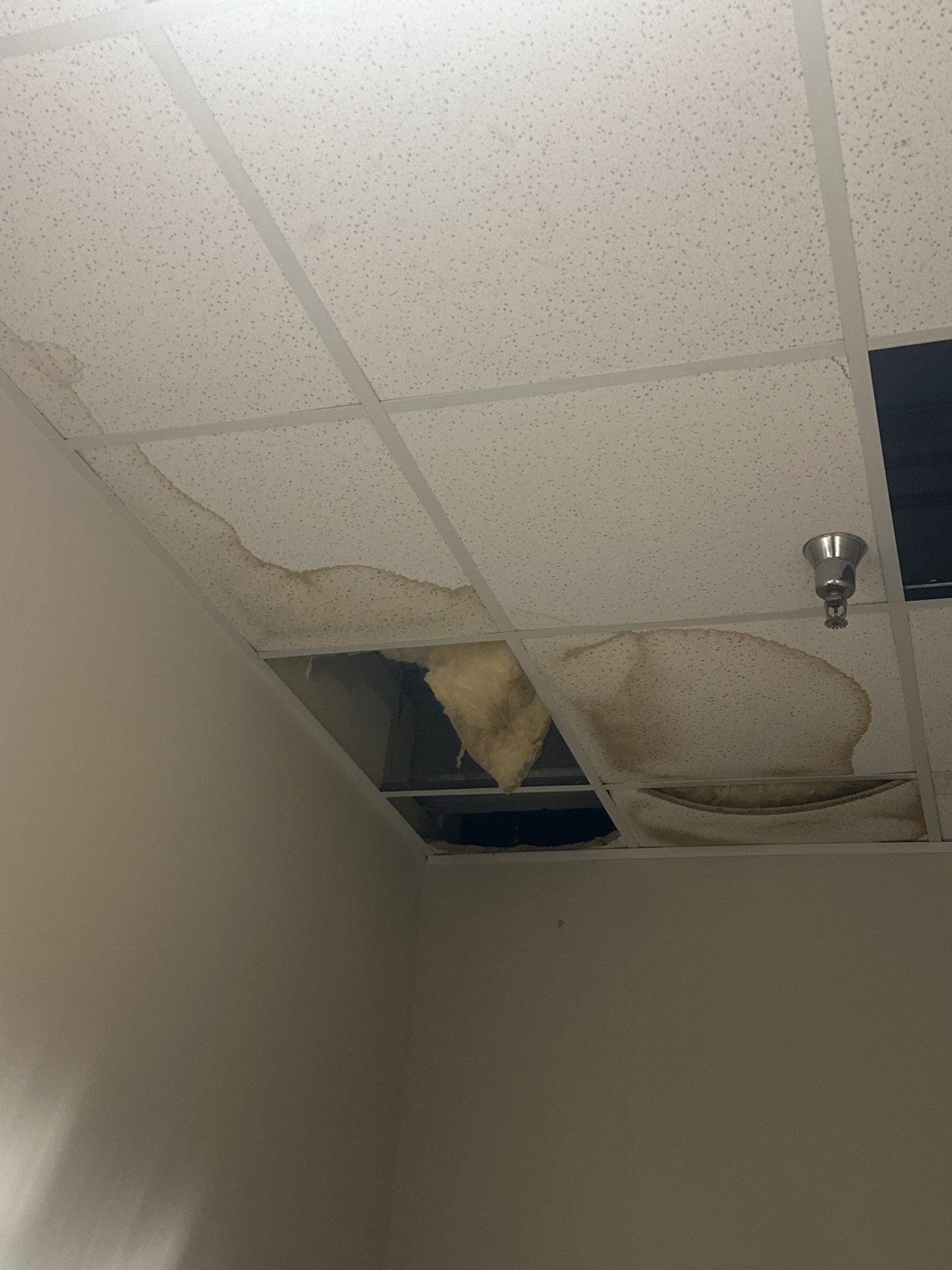
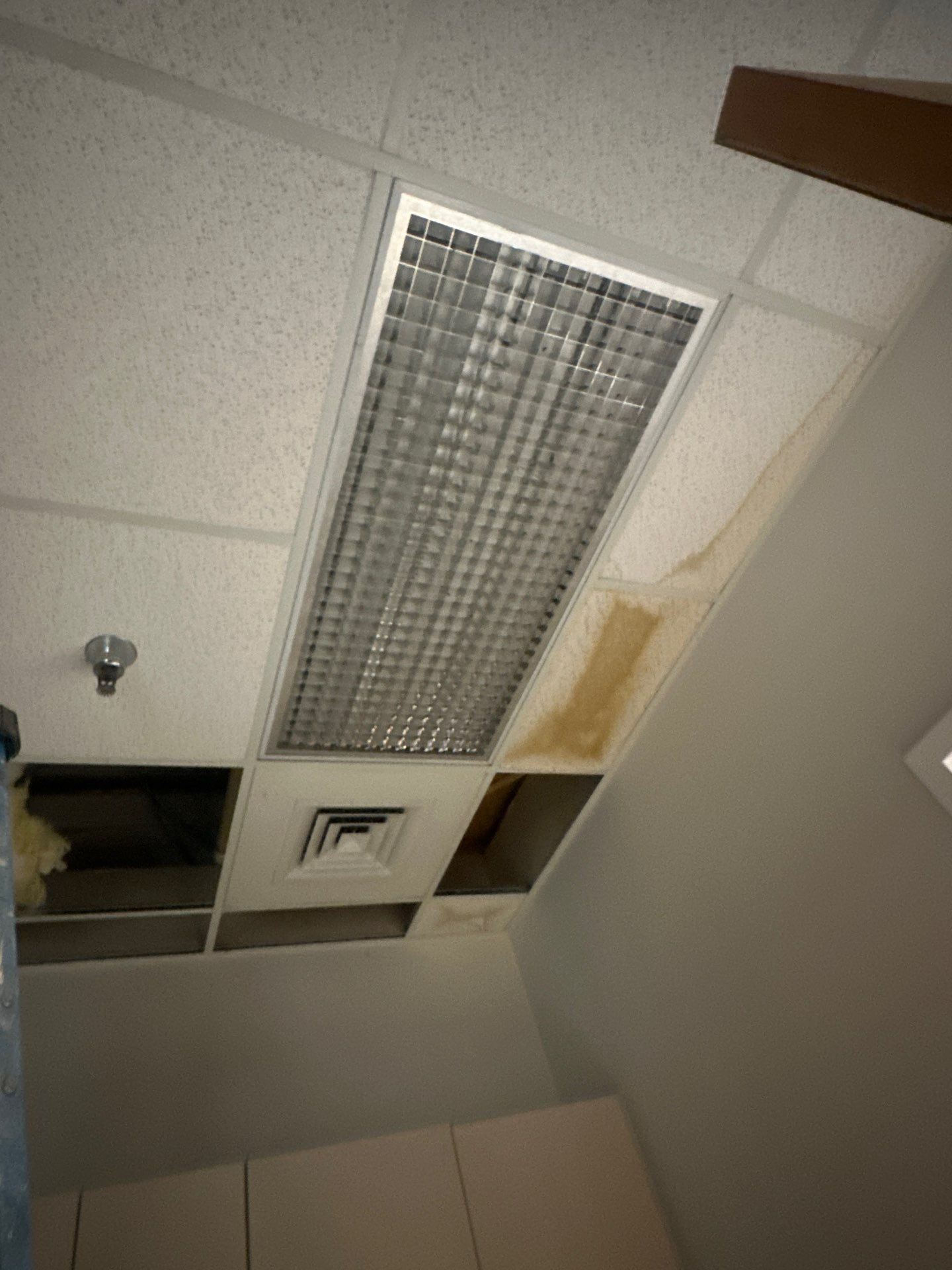
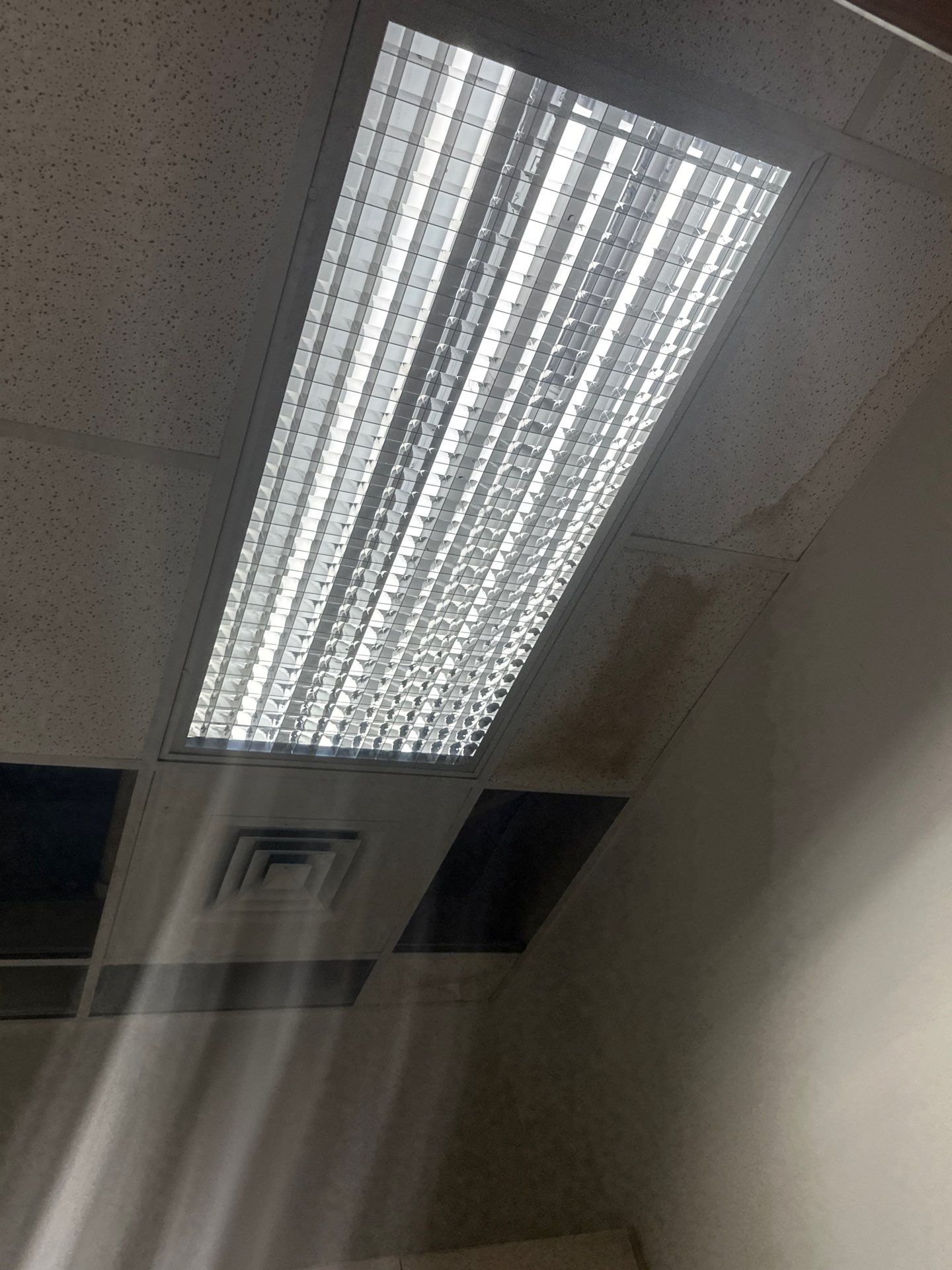
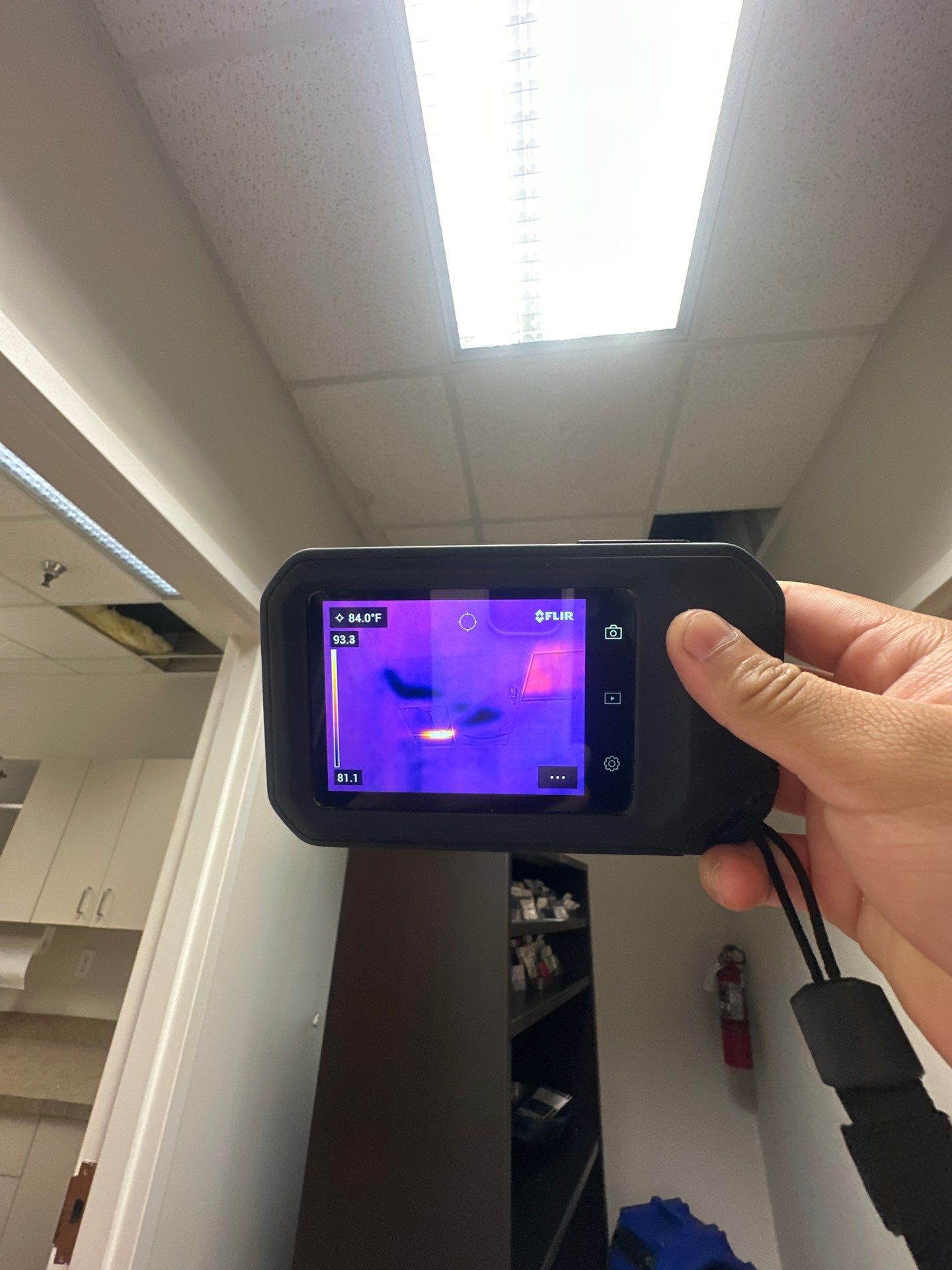
A ceiling leak in an older Fredericksburg home had gone undetected long enough to trigger mold growth—a common progression in the City of Fredericksburg's historic-district housing stock, where original plaster ceilings and settled framing can mask slow moisture intrusion during the region's humid summer months. Thermal imaging revealed the full extent: hidden moisture had saturated ceiling tiles and the insulation above, creating conditions well beyond what surface inspection alone would show.
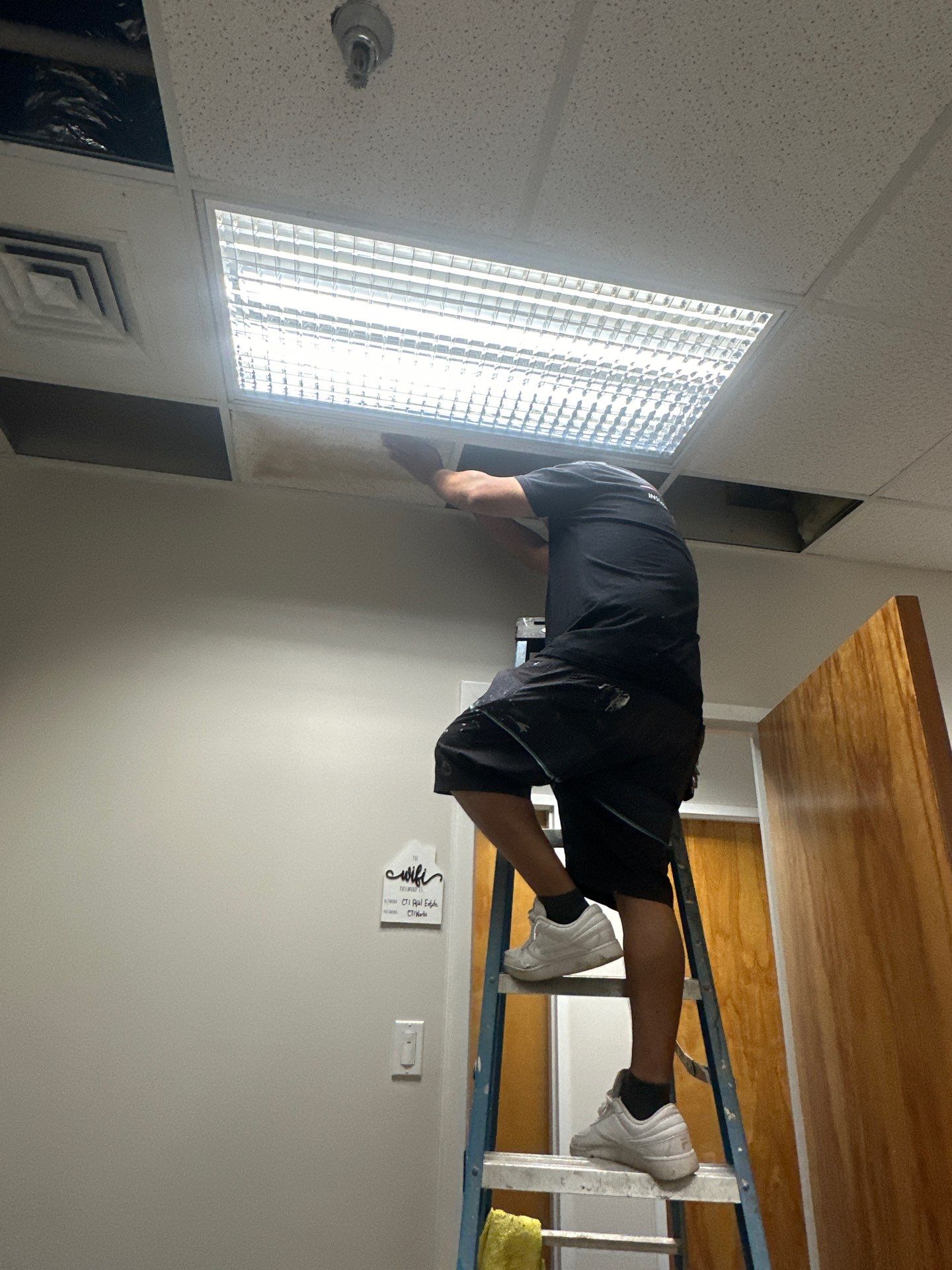
Our crew removed the compromised materials to expose the affected cavity, then deployed dehumidifiers and air movers to drive moisture content down to safe levels. Following IICRC S520 guidance for mold remediation, we applied antimicrobial treatment to all exposed surfaces, ensuring that residual spores could not recolonize once the structure dried. Continuous monitoring confirmed the cavity had reached equilibrium moisture before any reconstruction began.
The homeowner noted in their review how thorough the process felt—nothing was left to chance. By addressing both the visible damage and the hidden moisture reservoir, we eliminated the conditions that allowed mold to establish in the first place, leaving the space ready for safe, lasting repair.
Frequently asked questions
How does thermal imaging help locate hidden moisture after a ceiling leak in Fredericksburg?
Thermal imaging cameras detect temperature variations behind walls and above ceilings, revealing moisture that isn't visible to the naked eye. For this Fredericksburg ceiling leak, Restoration Doctor used thermal scanning to map exactly where water had spread into insulation and structural cavities, ensuring no wet material was missed. This precision prevents mold colonization in hidden spaces and targets drying equipment placement. The technology is especially valuable in Fredericksburg's historic-district homes, where plaster and older framing can conceal moisture migration.
What antimicrobial treatments did Restoration Doctor apply after removing the water-damaged ceiling materials?
Once the damaged ceiling tiles and wet insulation were removed, Restoration Doctor applied EPA-registered antimicrobial solutions to all exposed surfaces to inhibit mold spores from establishing colonies. The treatment was paired with controlled dehumidification and air movement to bring the cavity to a dry standard before any reconstruction. This combination addresses both the biological risk and the moisture source. In Fredericksburg's humid Mid-Atlantic summers, antimicrobial application is a critical step when water intrusion has already begun to support mold growth.
How long does structural drying typically take for a ceiling water loss in the City of Fredericksburg?
Drying time depends on the extent of saturation, the materials involved, and ambient humidity, but most ceiling water losses in Fredericksburg dry within three to five days under monitored dehumidification. Restoration Doctor tracks moisture readings daily with meters to confirm structural elements have returned to normal levels before closing up the work area. Hot, humid conditions common to the region can slow evaporation if equipment isn't properly sized, which is why commercial-grade dehumidifiers and air movers were deployed for this job. The goal is always to reach a stable dry standard, not just to rush the timeline.
Why was ceiling tile removal necessary rather than drying the materials in place?
Water-saturated ceiling tiles and insulation lose their structural integrity and become breeding grounds for mold, making removal the only reliable option. For this Fredericksburg water intrusion, Restoration Doctor removed the compromised materials to expose the framing and allow air circulation into the ceiling cavity itself. Drying soaked porous materials in place rarely succeeds and often leads to odor, staining, and hidden microbial growth. Controlled removal also lets the team sanitize the newly exposed surfaces before reconstruction begins.
Does homeowners insurance typically cover water damage from a ceiling leak in Virginia?
Coverage depends on whether the leak resulted from a sudden, accidental event—such as a burst pipe or storm damage—or from long-term neglect and deferred maintenance. Most policies in Virginia cover the former but exclude gradual seepage or roof wear. Restoration Doctor works directly with adjusters in Fredericksburg and across Northern Virginia to document the loss with moisture readings, thermal images, and scope notes that support the claim. Policyholders should file promptly and request a detailed estimate that separates emergency mitigation from any optional upgrades.
Explore more restoration work
All projects in Fredericksburg · Water Damage Restoration in Fredericksburg
Water, fire, or mold damage in Fredericksburg?
Restoration Doctor responds 24/7 across Fredericksburg and Northern Virginia. Free assessment and transparent, insurance-friendly estimates — no obligation.
See our Water Damage Restoration services at restorationdoctors.com →