Radiator Leak in Historic Home Causes Water Damage
About this water damage restoration project
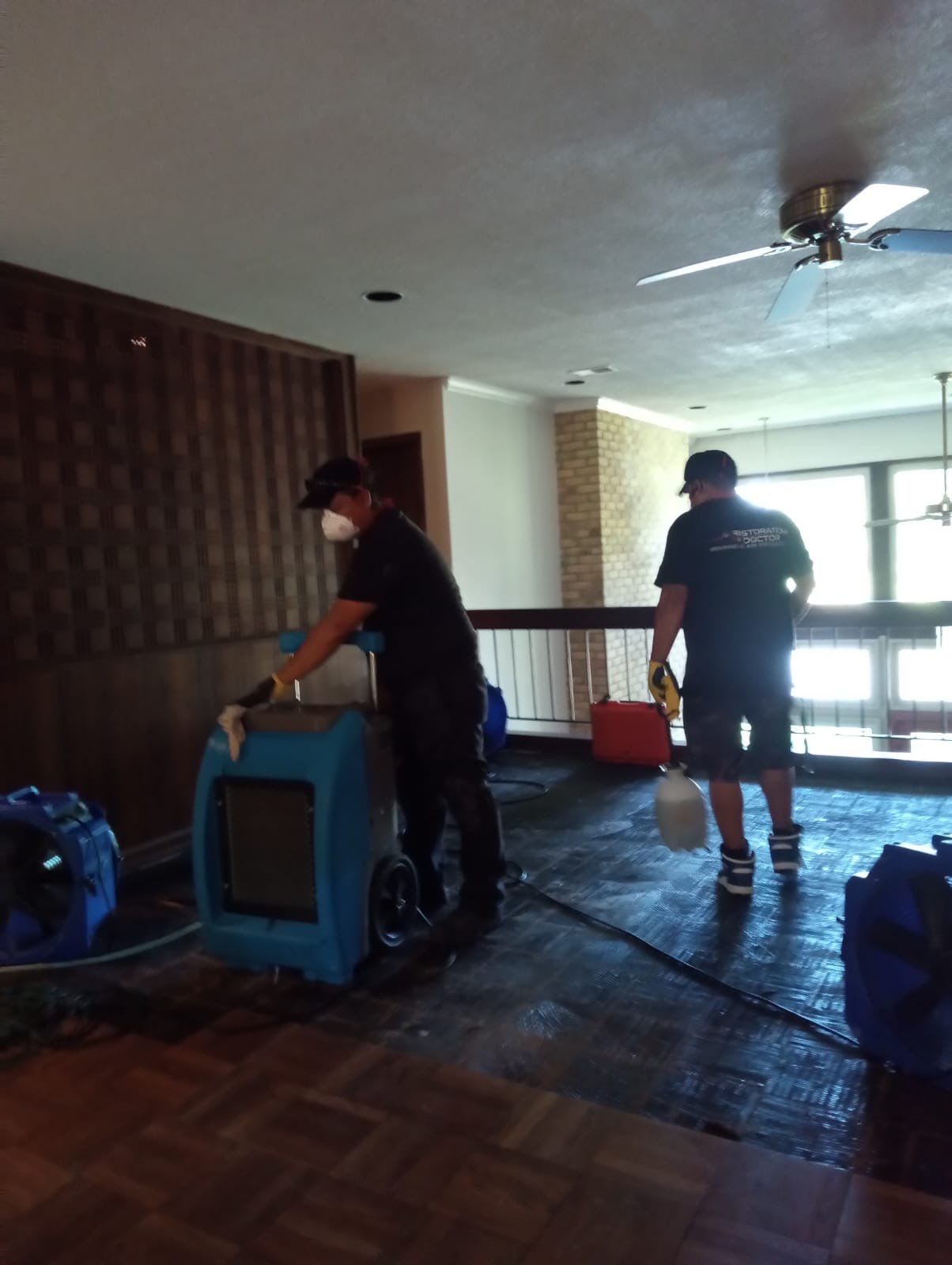
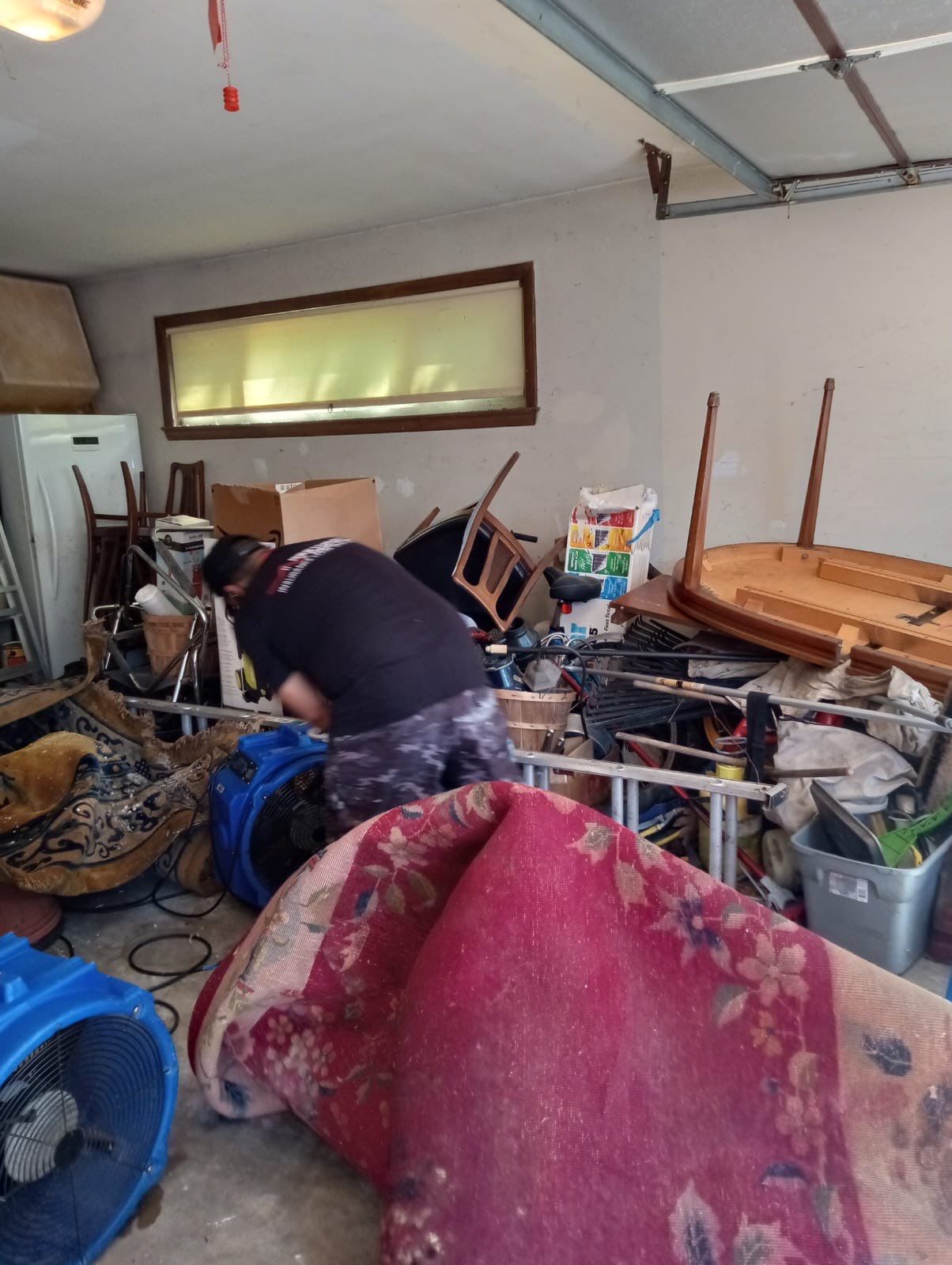
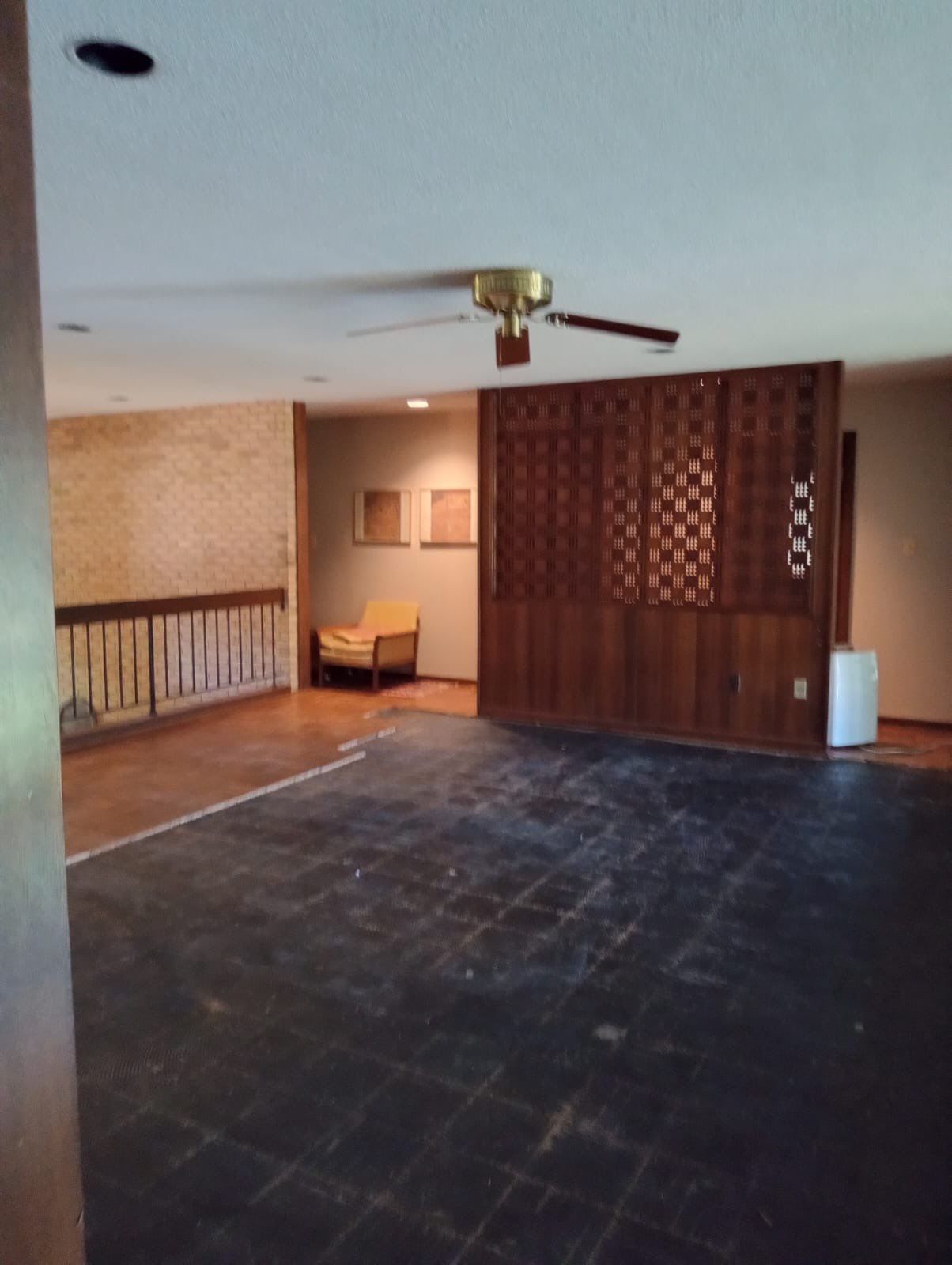
A radiator leak went undetected long enough in this Fort Washington historic home to saturate original plaster and woodwork—the kind of aged materials common to the region's established single-family neighborhoods, where Mid-Atlantic humidity compounds water's threat to irreplaceable architectural detail. The homeowner called when staining appeared on period trim, signaling that water had already migrated behind finished surfaces.
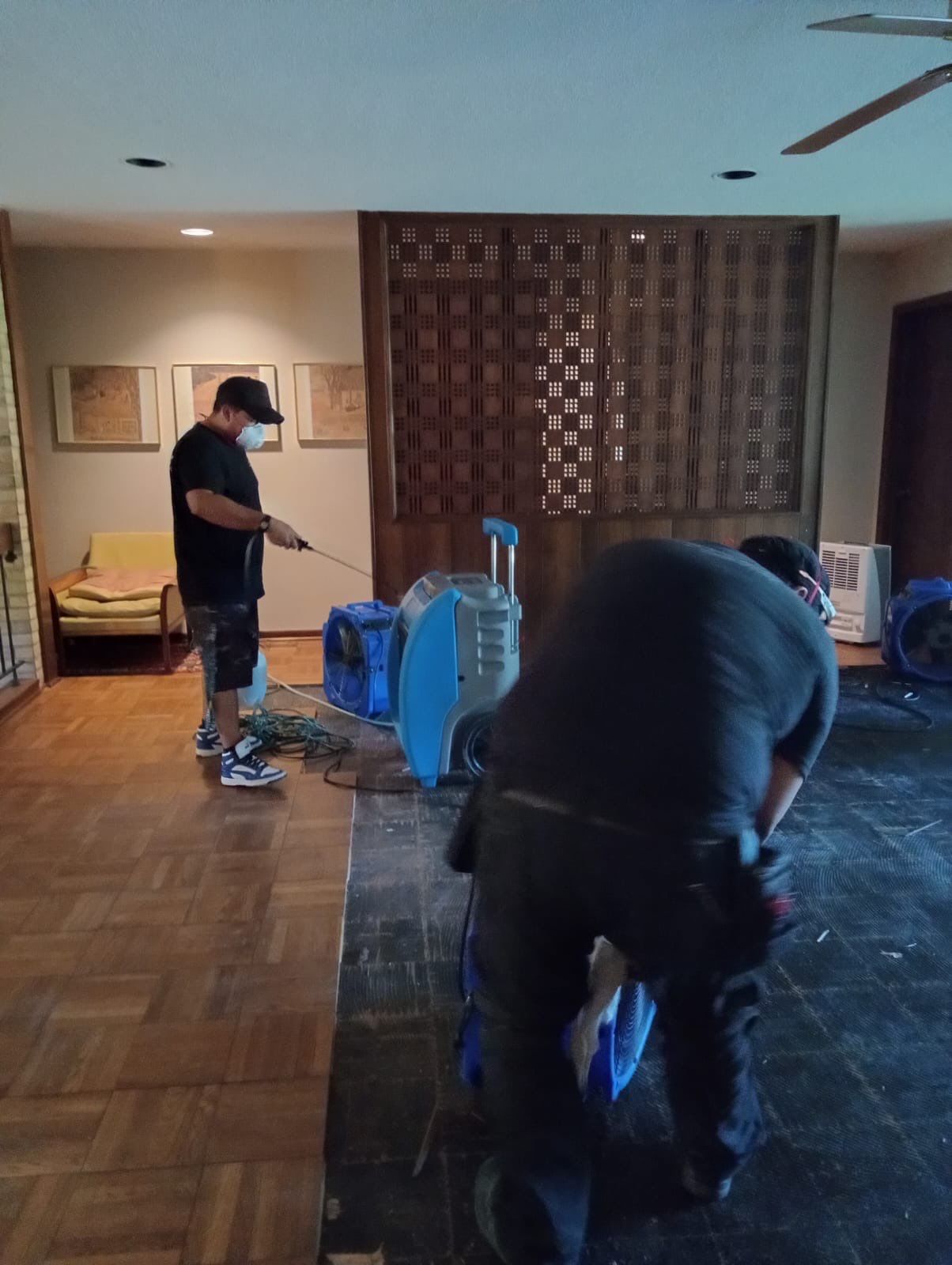
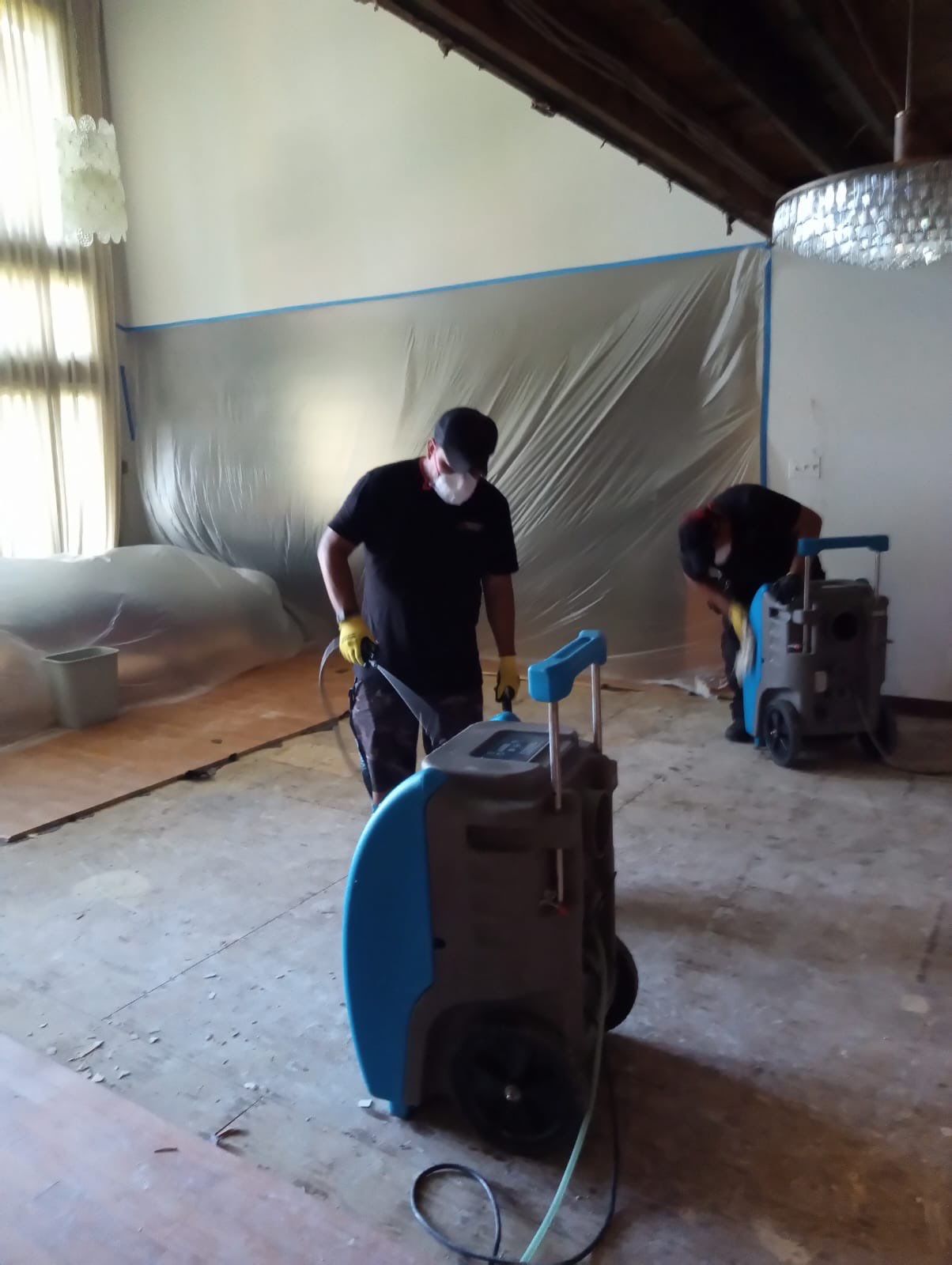
We began with immediate extraction to halt further absorption, then deployed moisture detection technology to trace the full extent of intrusion through walls and subflooring. The challenge was not simply drying the structure but doing so without warping or cracking the home's original millwork and lime-based plaster, materials that respond poorly to aggressive airflow. We applied specialized low-velocity drying techniques calibrated to the hygroscopic behavior of historic finishes, monitoring moisture levels continuously as readings dropped toward equilibrium.
A material-by-material assessment identified which components could be salvaged in place and which required controlled removal to protect surrounding features. The homeowner later noted their relief that the work preserved the home's character while ensuring hidden cavities were fully addressed—a balance that defines restoration in properties where historical integrity and structural performance must coexist.
Frequently asked questions
How do you protect original woodwork and plaster during water damage restoration in historic Fort Washington homes?
Restoration Doctor uses specialized low-grain refrigerant dehumidification and targeted air movement to dry historic materials slowly and evenly, preventing the warping, cracking, and delamination that aggressive drying can cause in original plaster and wood millwork. Moisture mapping technology tracks progress in real time, allowing our technicians to adjust equipment placement and intensity to match the unique drying characteristics of aged materials common in Prince George's County's established neighborhoods. This measured approach preserves architectural integrity while meeting IICRC S500 structural drying standards.
What causes radiator leaks to go unnoticed long enough to damage floors and walls?
Radiator leaks often begin as slow seeps at valve stems or along aged cast-iron joints, releasing water intermittently when the system cycles on—making them easy to miss until staining or floor damage appears. In Fort Washington's hot, humid summers, many homeowners run radiators infrequently, so a small leak may only manifest during the heating season's first cold snap, by which time water has already migrated into subflooring or wall cavities. Restoration Doctor's moisture detection technology locates hidden saturation behind finished surfaces, ensuring no affected material is left to deteriorate or support mold growth.
How long does standing-water extraction and structural drying take after a radiator leak in Prince George's County?
Extraction of standing water typically completes within hours of arrival, but structural drying of saturated wood framing, plaster, and subflooring in an older home can require three to seven days of continuous dehumidification and air movement, depending on the extent of saturation and the materials involved. Restoration Doctor monitors moisture levels daily with calibrated meters, adjusting equipment as conditions change, and does not remove drying equipment until all affected materials reach the dry standard for the Mid-Atlantic climate zone. The timeline prioritizes thorough drying over speed, as incomplete drying in Prince George's County's humid conditions invites secondary mold growth.
Can water-damaged original plaster be saved, or does it always need replacement?
Water-damaged plaster can often be saved if the keys (the plaster's mechanical bond to the lath) remain intact and the material dries without extensive crumbling or loss of adhesion. Restoration Doctor's assessment identifies which sections have maintained structural integrity and which have delaminated beyond repair, allowing selective removal and patching rather than wholesale replacement. In this Fort Washington restoration, careful drying preserved much of the original plasterwork, maintaining the home's historic character while ensuring long-term stability.
Explore more restoration work
All projects in Fort Washington · Water Damage Restoration in Fort Washington
Water, fire, or mold damage in Fort Washington?
Restoration Doctor responds 24/7 across Fort Washington and Northern Virginia. Free assessment and transparent, insurance-friendly estimates — no obligation.
See our Water Damage Restoration services at restorationdoctors.com →