Full-Scope Interior Water Damage Repair
About this mold remediation project
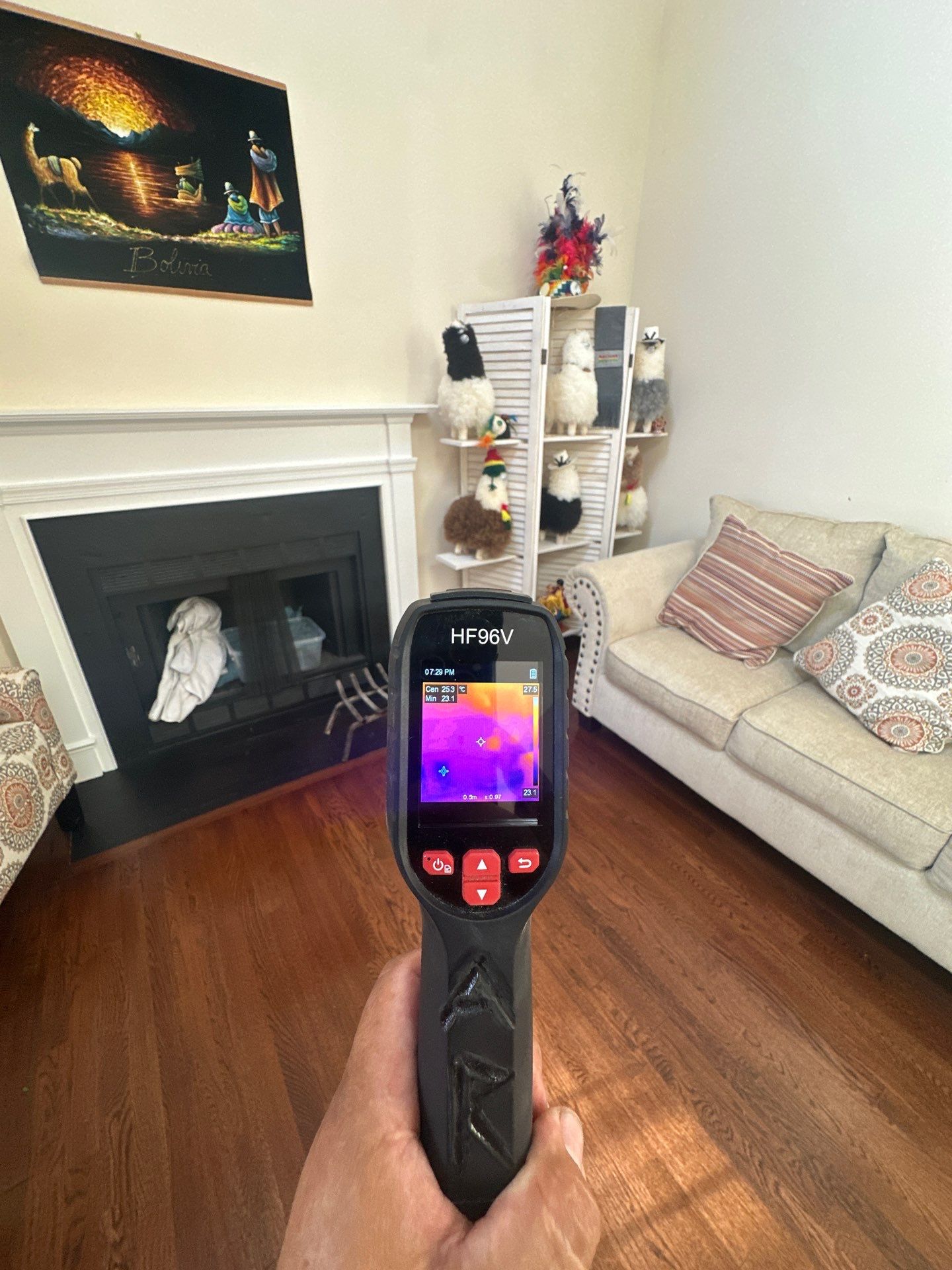
Thermal imaging revealed the full extent of water intrusion in this Fort Washington residence, guiding a methodical interior restoration. Prince George's County's hot, humid Mid-Atlantic summers can accelerate mold growth following moisture events, making timely assessment critical in established single-family homes along the Potomac River corridor.
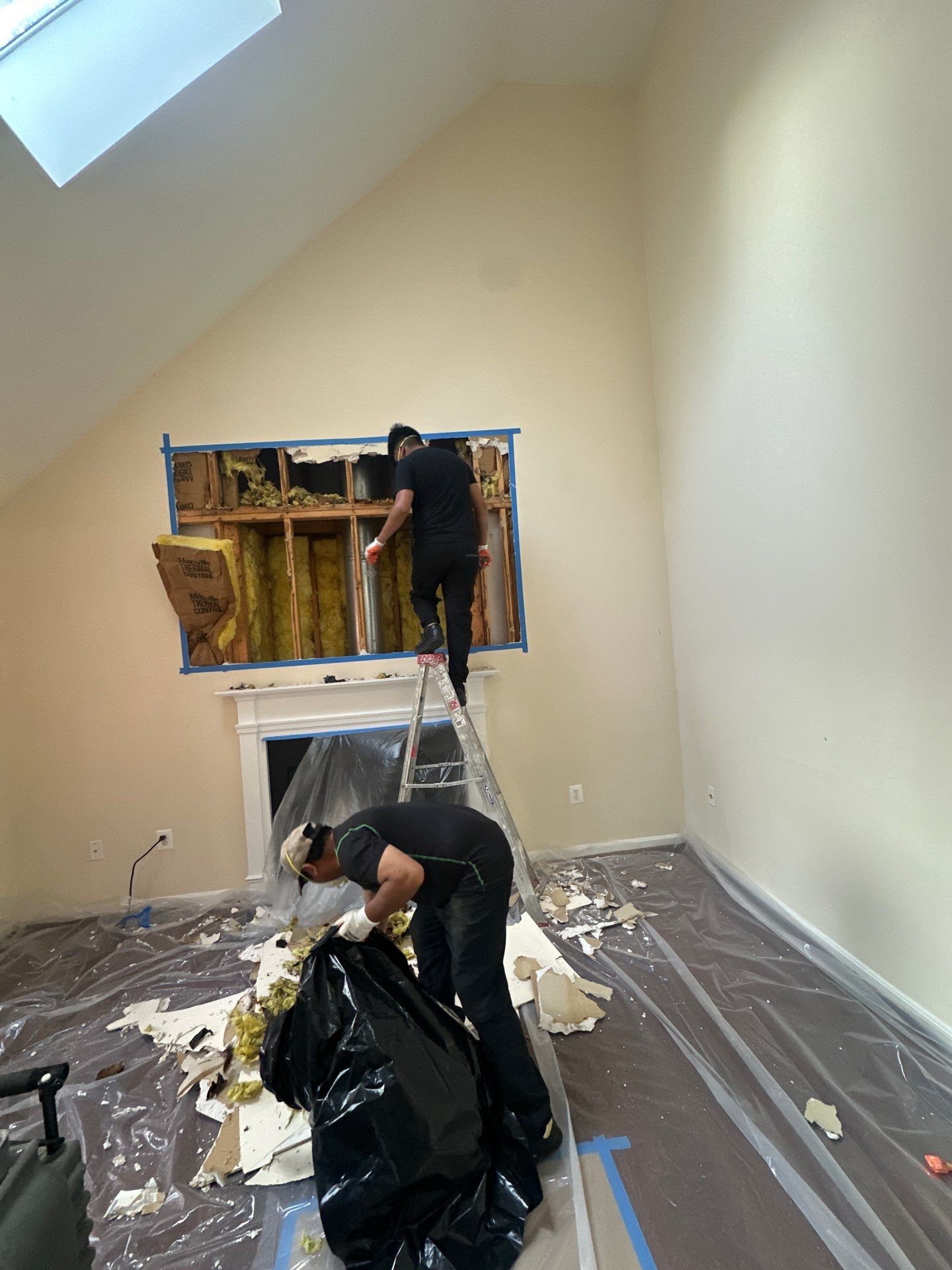
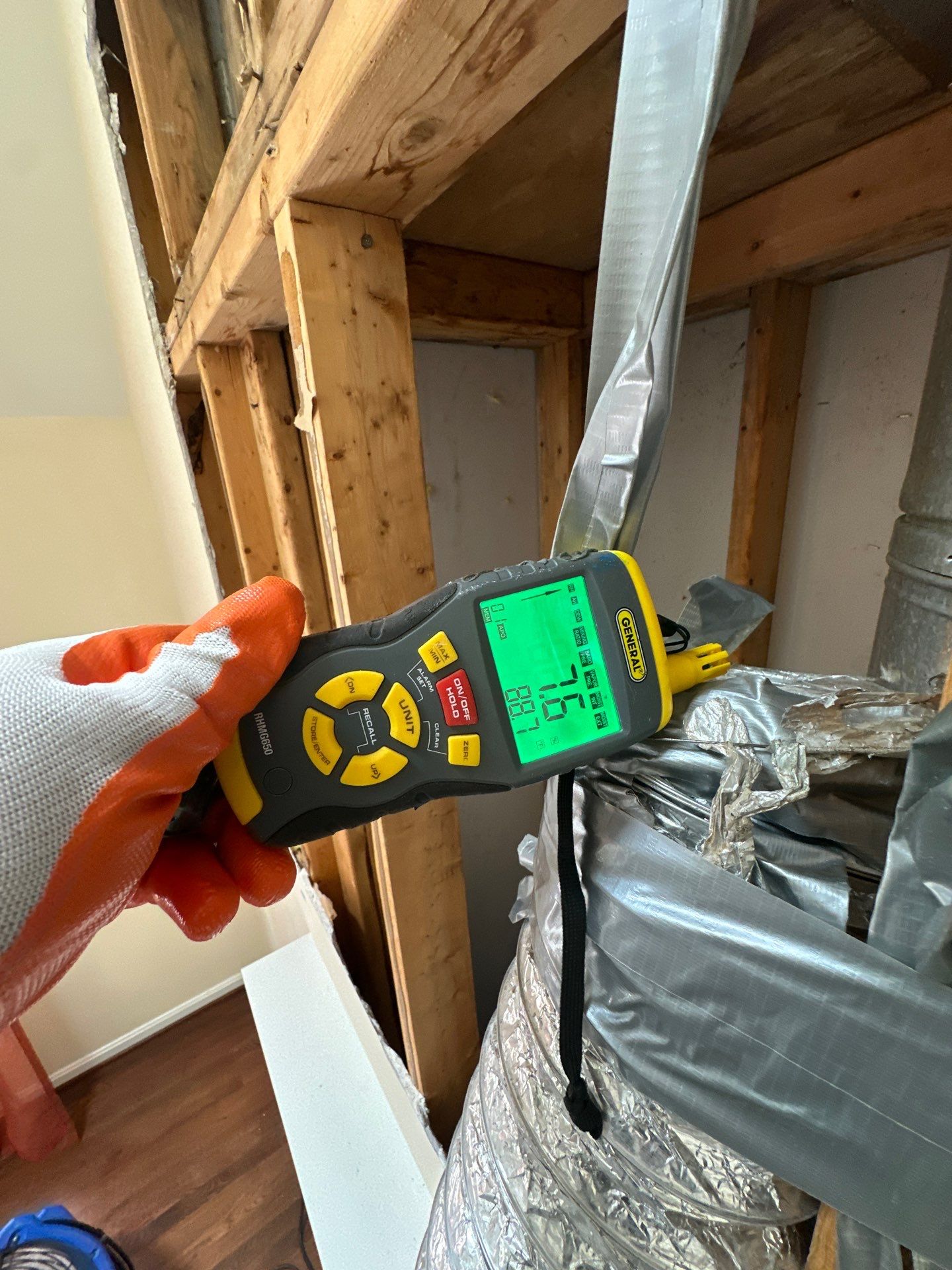
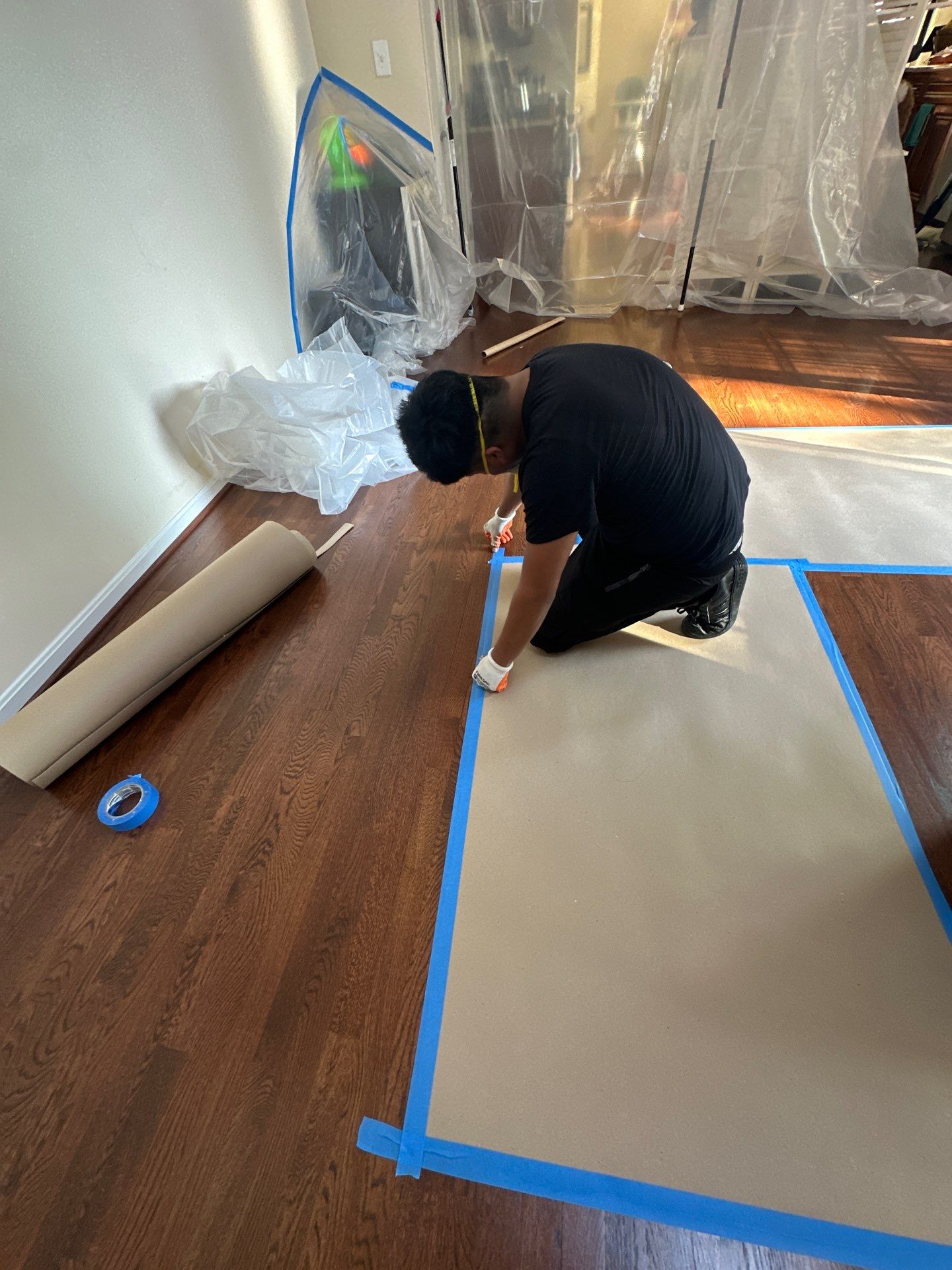
Our IICRC-certified technicians began by documenting affected wall assemblies with infrared scanning to map hidden moisture migration. Once the damage boundaries were defined, we carefully protected the homeowner's belongings with plastic sheeting and placed protective coverings across the floors to prevent cross-contamination during demolition. Damaged wall sections were removed and replaced, addressing both the visible water damage and the mold growth that had developed in the concealed cavities.
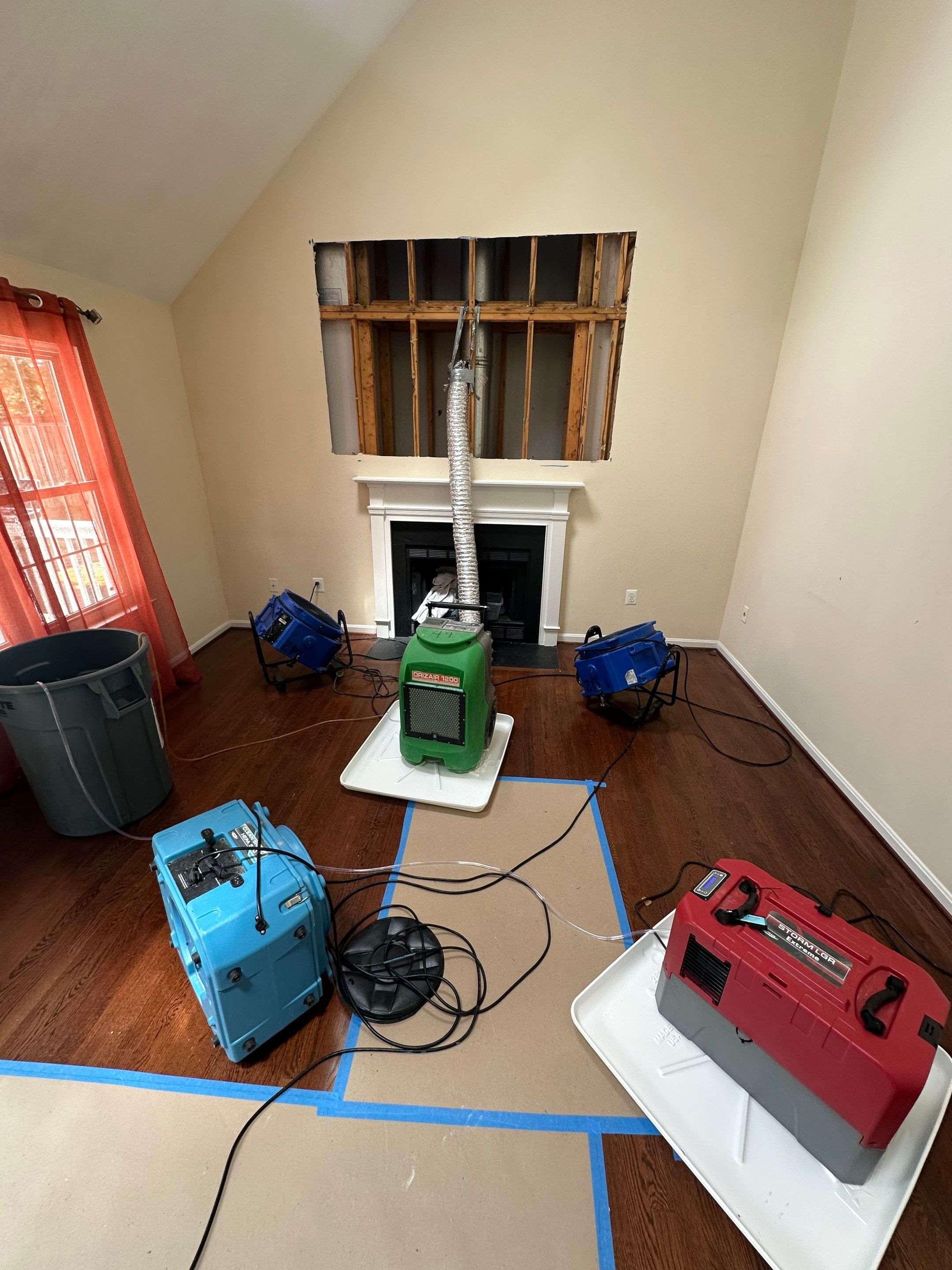
The restoration followed IICRC S520 mold remediation protocols, with containment measures ensuring that disturbed material remained isolated from occupied areas. Each step—from initial thermal survey through final reconstruction—was documented photographically, creating a clear record of the work performed. The homeowner's review reflected satisfaction with both the technical thoroughness and the care taken to minimize disruption during the restoration process.
This job underscores the value of diagnostic imaging in water-related losses: thermal mapping turns an invisible problem into a defined scope of work, allowing targeted repairs rather than speculative demolition.
Frequently asked questions
Why is thermal imaging used during mold remediation in Fort Washington homes?
Restoration Doctor uses thermal imaging during mold remediation in Fort Washington to locate hidden moisture behind walls and under flooring that may not be visible to the naked eye. In Prince George's County's humid Mid-Atlantic climate, water intrusion often migrates beyond the obvious damage zone, and thermal cameras reveal temperature differentials that indicate trapped moisture. This non-invasive inspection ensures we identify all affected building materials before remediation begins, preventing future mold growth in undetected wet zones.
What does wall replacement involve during mold remediation after water intrusion?
When Restoration Doctor performs wall replacement during mold remediation, we remove drywall, insulation, or other wall materials that have been compromised by water intrusion and mold colonization. In this Fort Washington project, affected wall sections were cut out, the framing was inspected and dried, and new materials were installed to restore structural integrity. This approach is often necessary when porous materials like drywall have absorbed moisture for an extended period and cannot be effectively cleaned in place.
How does Restoration Doctor protect belongings during mold remediation work in a Prince George's County home?
During this Fort Washington mold remediation, Restoration Doctor covered personal belongings with protective plastic sheeting and placed coverings on floors to prevent contamination from dust and debris generated during wall removal and flooring work. Contents protection is a standard step in occupied-home remediation projects, ensuring that furniture, electronics, and other items remain unaffected by the restoration process. This containment approach minimizes disruption and keeps the homeowner's possessions safe throughout the project.
Can mold return after remediation if the original water intrusion source isn't fixed?
Yes—mold remediation addresses the growth that has already occurred, but if the water intrusion point in a Fort Washington home is not identified and repaired, moisture will continue to enter and mold can recolonize. Restoration Doctor's thermal-imaging inspection helps trace the water source, and successful remediation requires both removing contaminated materials and eliminating the moisture pathway. In Prince George's County's humid summers, ongoing leaks or poor drainage can sustain conditions for repeat mold problems even after professional remediation.
Is mold remediation in Fort Washington typically covered by homeowners insurance?
Coverage for mold remediation in Fort Washington depends on the cause of the water intrusion and the specific terms of the homeowners insurance policy. If mold resulted from a sudden, accidental event like a pipe burst, many policies will cover the remediation work; if it stems from long-term neglect or maintenance issues, coverage is often excluded. Restoration Doctor can document the scope and cause of loss to support the claims process, but homeowners should review their policy and consult their insurer directly.
Explore more restoration work
All projects in Fort Washington · Mold Remediation in Fort Washington
Water, fire, or mold damage in Fort Washington?
Restoration Doctor responds 24/7 across Fort Washington and Northern Virginia. Free assessment and transparent, insurance-friendly estimates — no obligation.
See our Mold Remediation services at restorationdoctors.com →