Minor Roof Leak Repair and Restoration
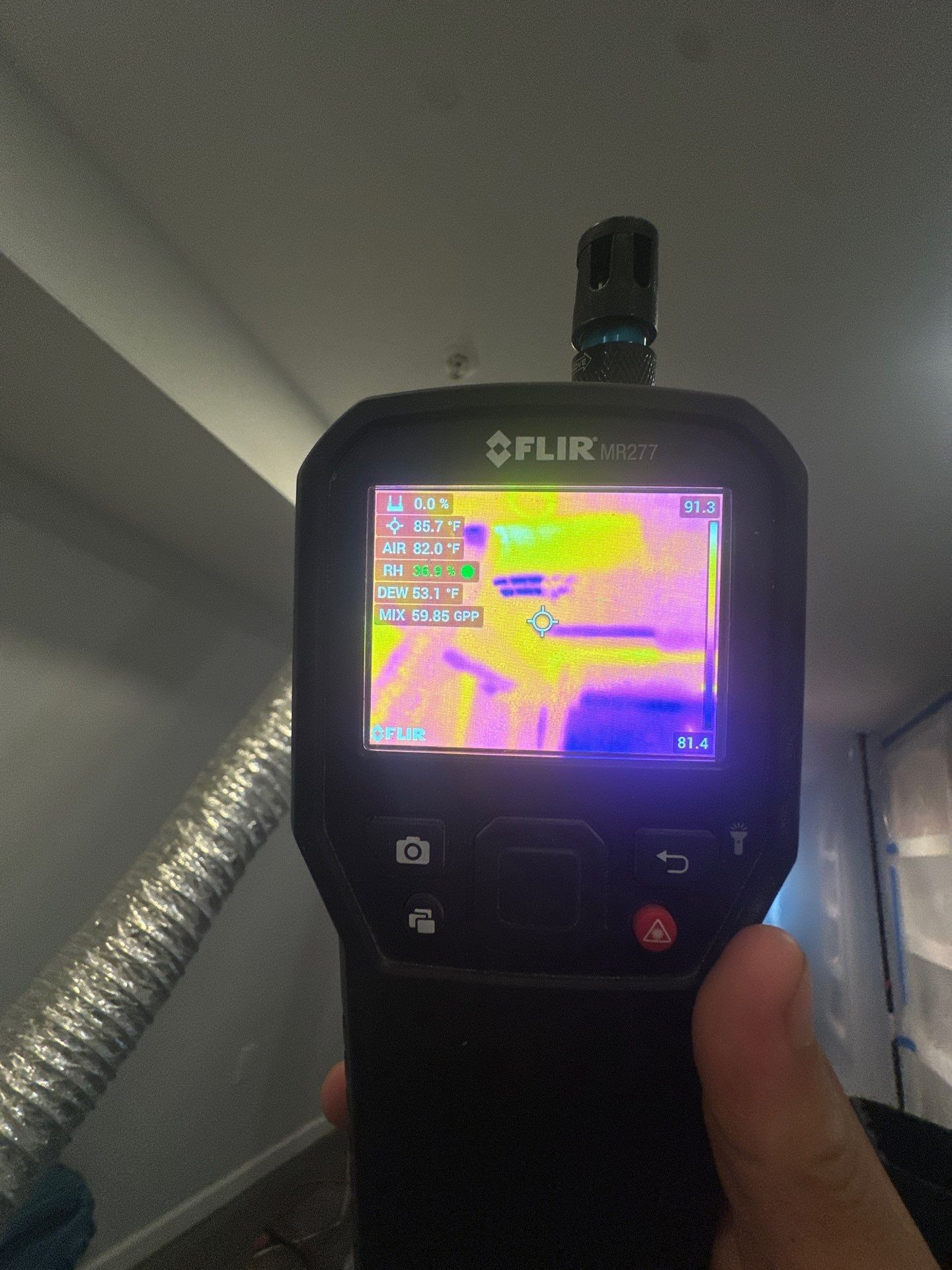
About this water damage restoration project
A minor roof leak at a commercial property threatened to escalate into a broader moisture problem if left unaddressed. In Prince George's County, where hot, humid Mid-Atlantic summers can accelerate mold colonization following even small water intrusions, early containment is essential—particularly in the established single-family neighborhoods and newer subdivisions along the Potomac River corridor where Fort Washington sits.
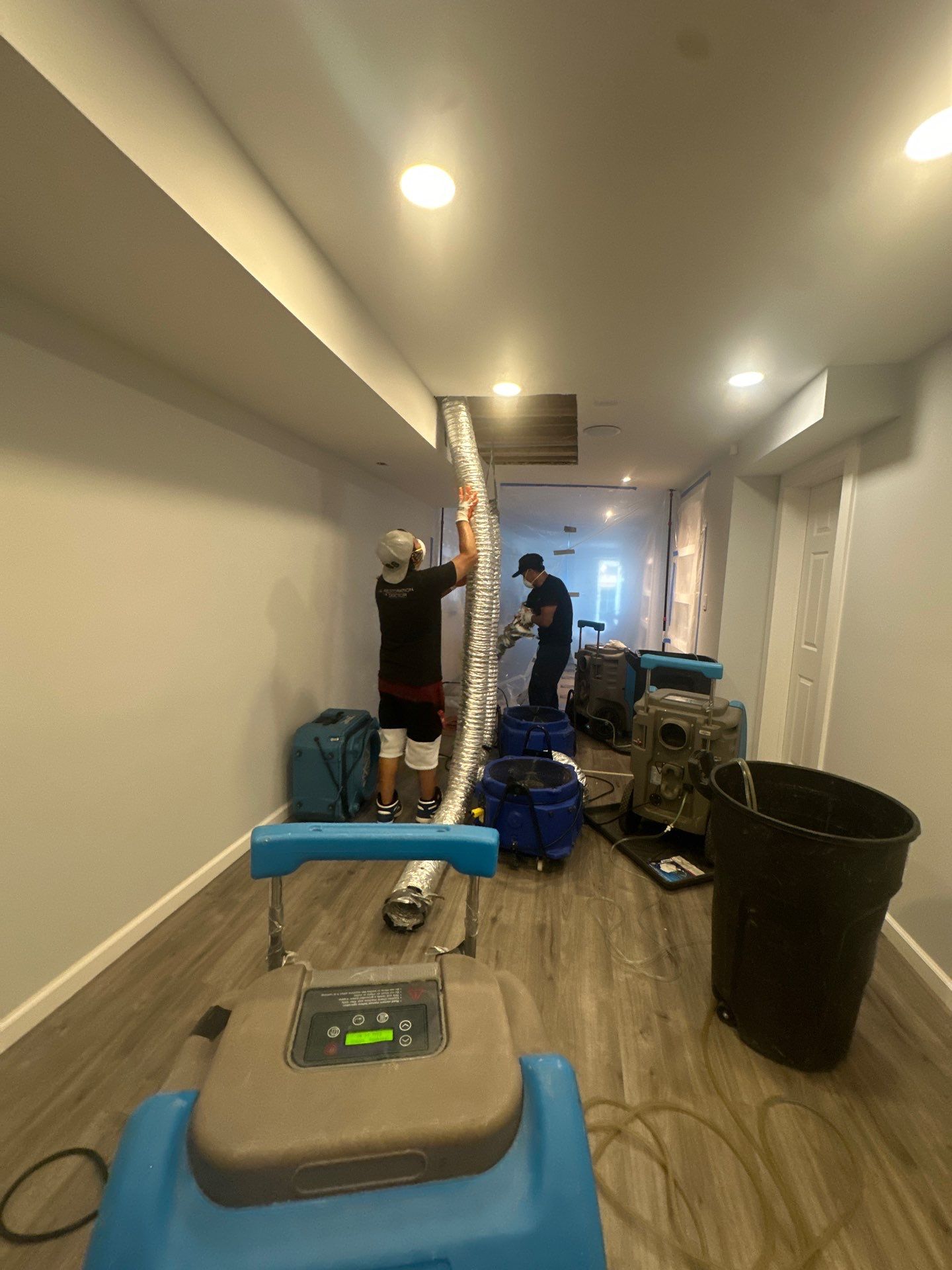
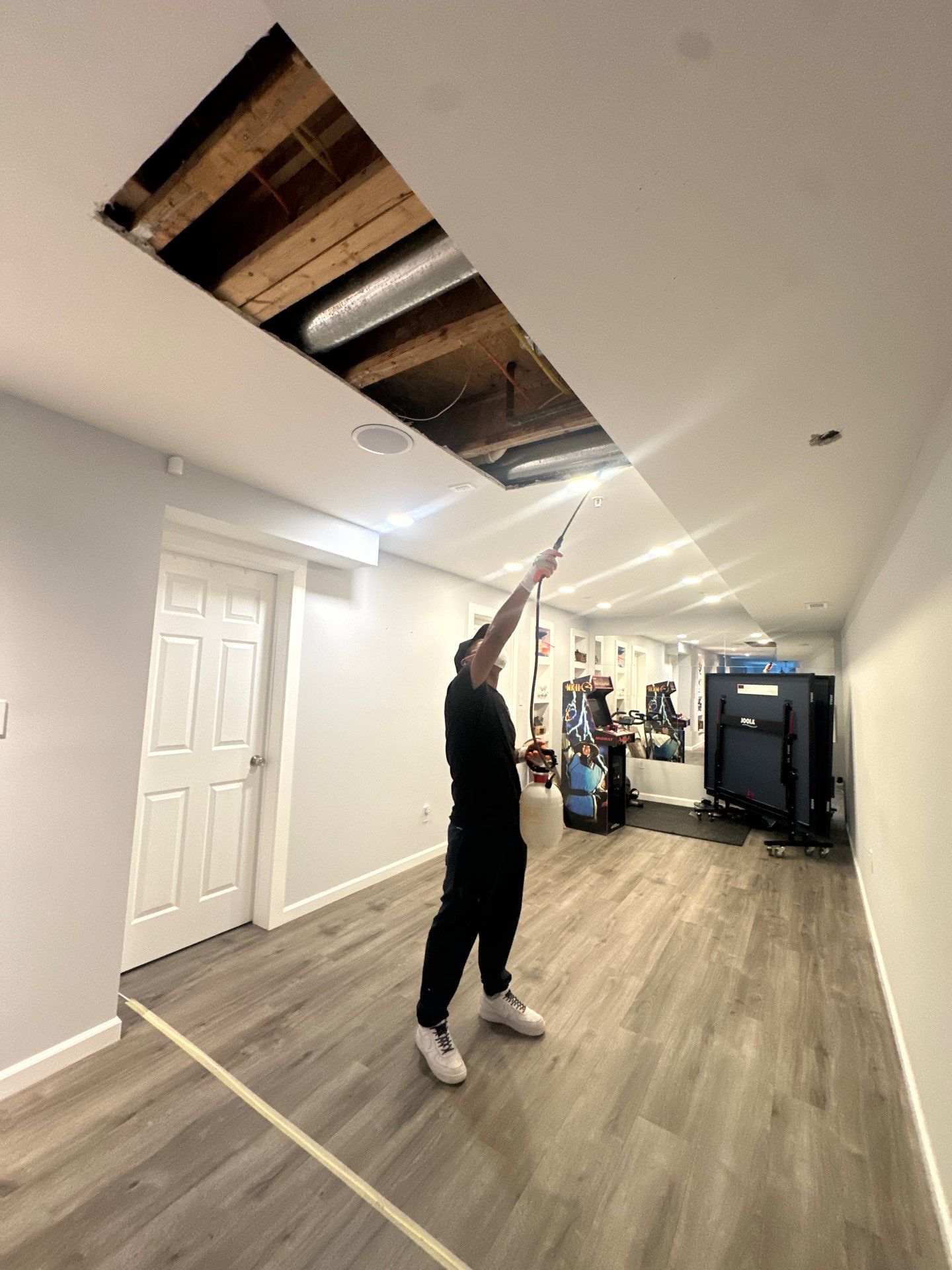
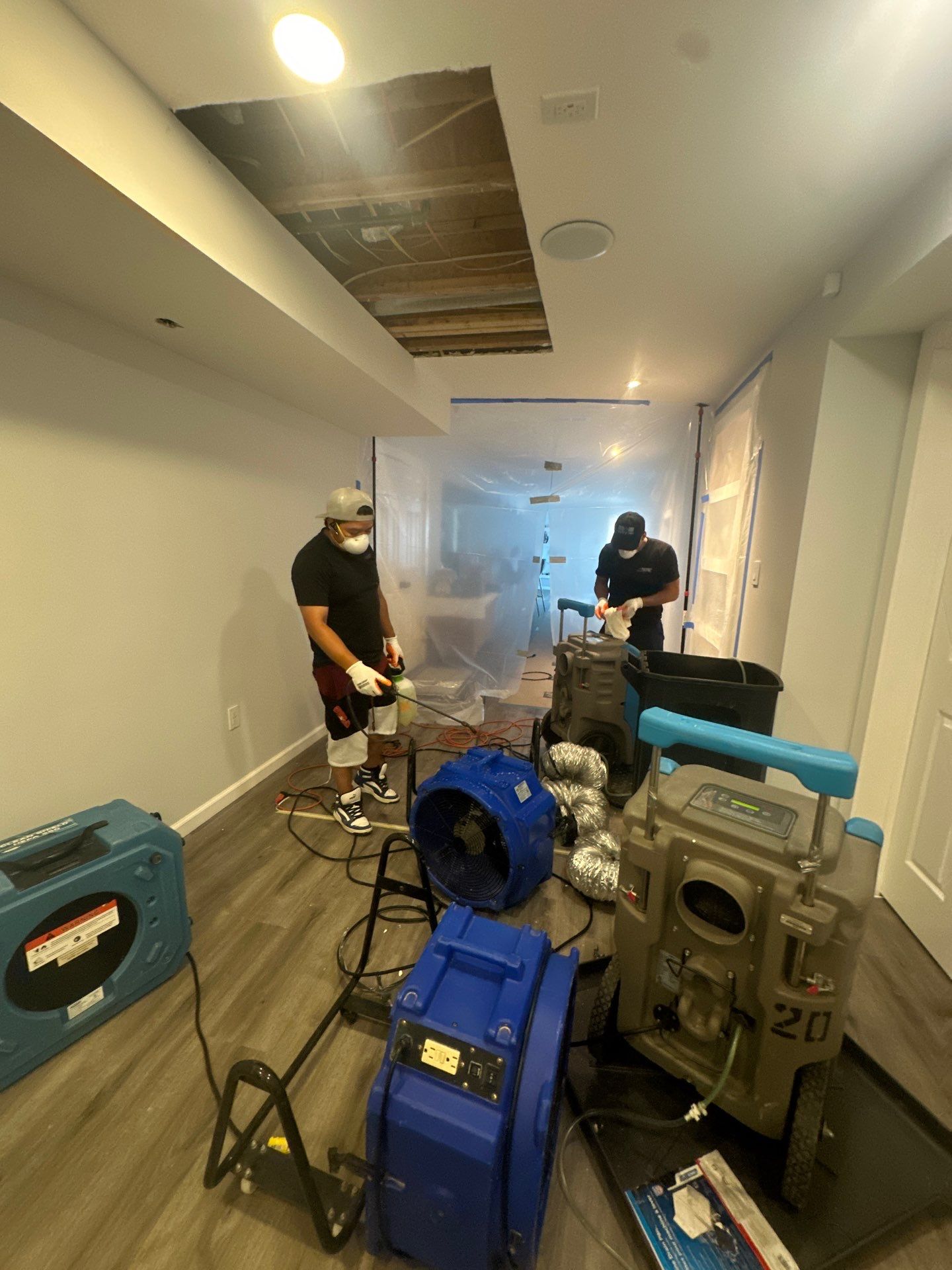
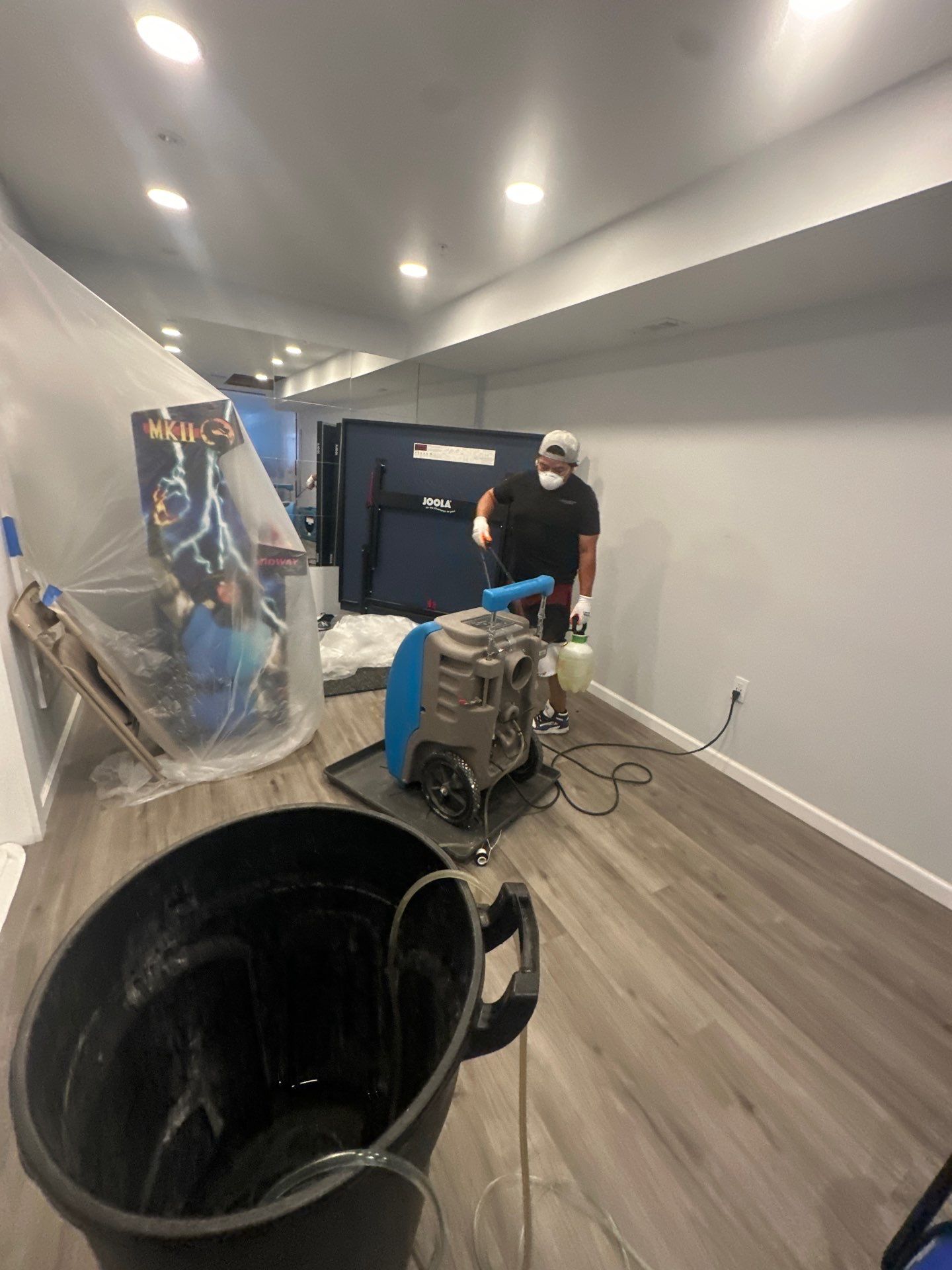
Our team quickly isolated the leak's source, sealed the compromised roof sections, and replaced damaged shingles to restore the building envelope. Inside, industrial-grade drying equipment removed residual moisture from affected materials, and mold inhibitors were applied to surfaces at risk of fungal growth. The restoration concluded with targeted repainting to match existing finishes and a final walkthrough to verify that all repairs met our quality benchmarks.
The homeowner's review reflected confidence in both the speed of the response and the thoroughness of the work—a reminder that even minor leaks warrant professional attention before they become major losses.
Frequently asked questions
How does a roof leak at a commercial property in Prince George's County lead to mold growth requiring remediation?
In Prince George's County's hot, humid Mid-Atlantic climate, even a minor roof leak can saturate ceiling materials and create conditions for mold colonization within days if moisture isn't promptly removed. Restoration Doctor responded to this Fort Washington commercial property by containing the leak source, conducting structural drying with industrial equipment, and then performing mold remediation under controlled conditions to prevent spore spread. The combination of immediate moisture control and targeted remediation ensured the building was returned to safe occupancy standards.
What does the structural drying phase involve before mold remediation can begin at a water-damaged building?
Structural drying removes residual moisture from building materials—in this case, the affected interior areas beneath the repaired roof—using industrial-grade dehumidifiers and air movers to bring materials back to dry standard. Restoration Doctor completed this drying phase at the Fort Washington property before starting mold remediation, because active moisture would allow mold to re-establish even after treatment. Only when moisture mapping confirmed dry conditions did the crew proceed with containment, removal of affected materials, and antimicrobial application.
Why were mold inhibitors applied after the damaged materials were repaired in this Fort Washington job?
Mold inhibitors are antimicrobial coatings applied to cleaned and dried surfaces to suppress any residual spore activity and reduce the risk of future colonization in areas that experienced water intrusion. At this Fort Washington commercial property, Restoration Doctor applied inhibitors after repairing damaged materials and confirming the structure was dry, creating an additional protective layer before repainting. This step is standard practice in mold remediation work to ensure the treated environment remains stable over time.
Can a roof be repaired and the interior restored without replacing all affected materials after a leak?
In many cases, yes—if the water intrusion is caught early and materials are promptly dried, targeted repair rather than full replacement is possible. For this Fort Washington property, Restoration Doctor sealed roof cracks and replaced only the damaged shingles, then dried and repaired the affected interior rather than removing entire assemblies. The scope depends on how long materials stayed wet and whether structural integrity was compromised, but early intervention often allows a more conservative repair approach.
What does the final inspection confirm after mold remediation and repainting are complete?
The final inspection verifies that moisture levels remain at dry standard, that all remediated surfaces are visibly clean and free of active mold, and that repairs meet the project's quality benchmarks. Restoration Doctor conducted this comprehensive check at the Fort Washington commercial property after repainting to ensure the roof repair held, the interior was fully restored, and no residual moisture or mold activity remained. This step closes out the job and provides documentation that the work was completed to standard.
Explore more restoration work
All projects in Fort Washington · Water Damage Restoration in Fort Washington
Water, fire, or mold damage in Fort Washington?
Restoration Doctor responds 24/7 across Fort Washington and Northern Virginia. Free assessment and transparent, insurance-friendly estimates — no obligation.
See our Water Damage Restoration services at restorationdoctors.com →