Water Damage Restoration
About this water damage restoration project
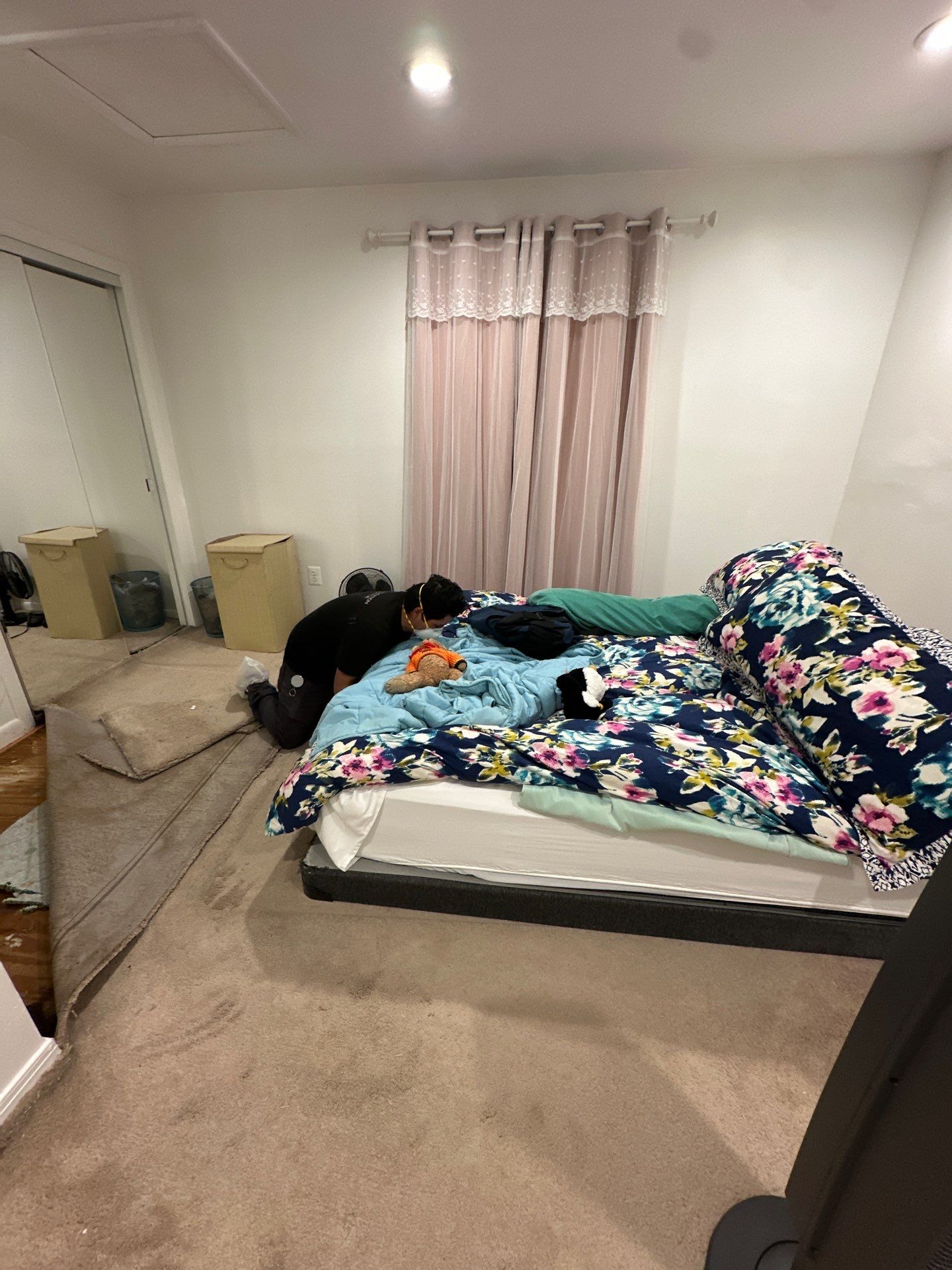
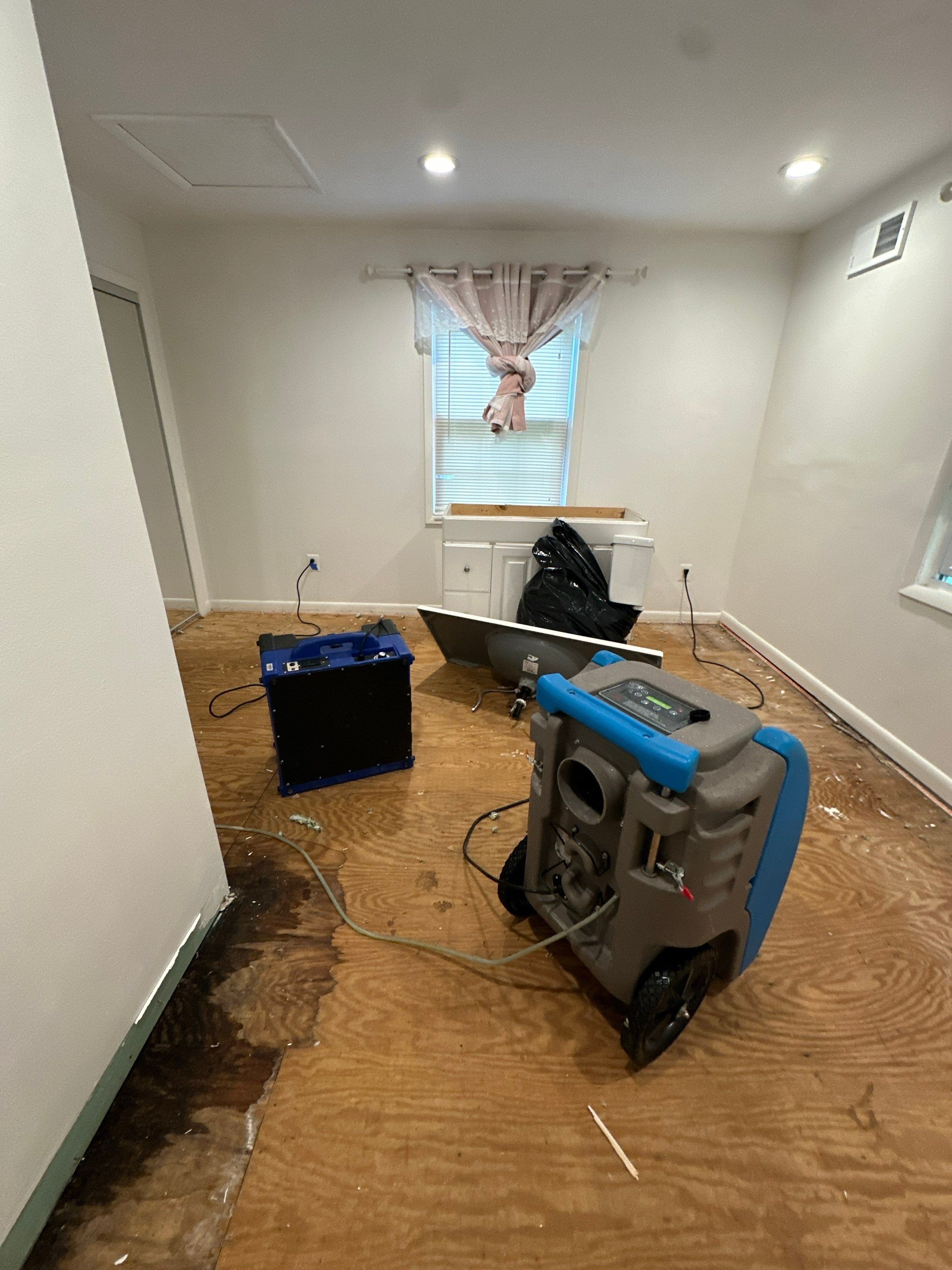
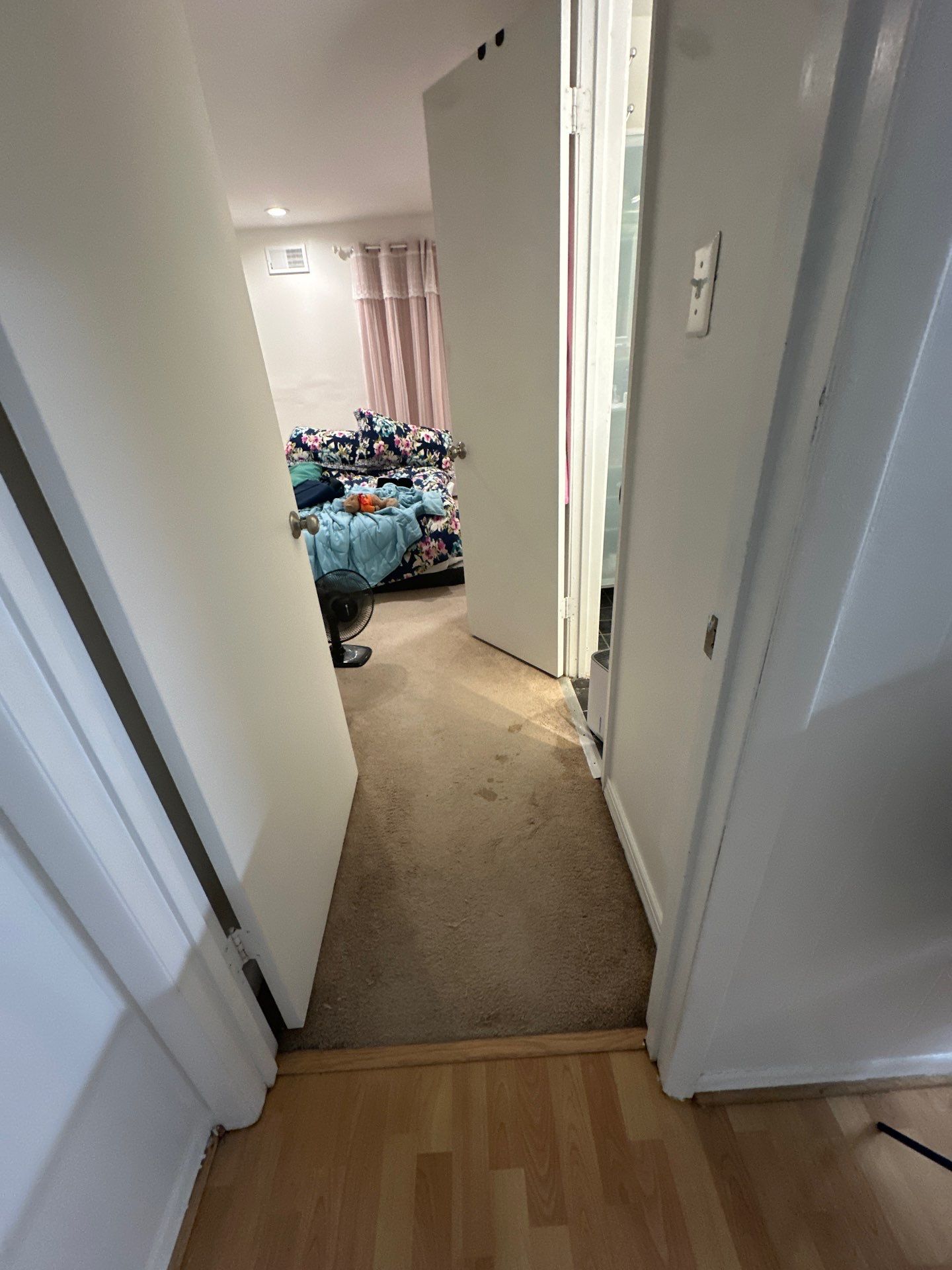
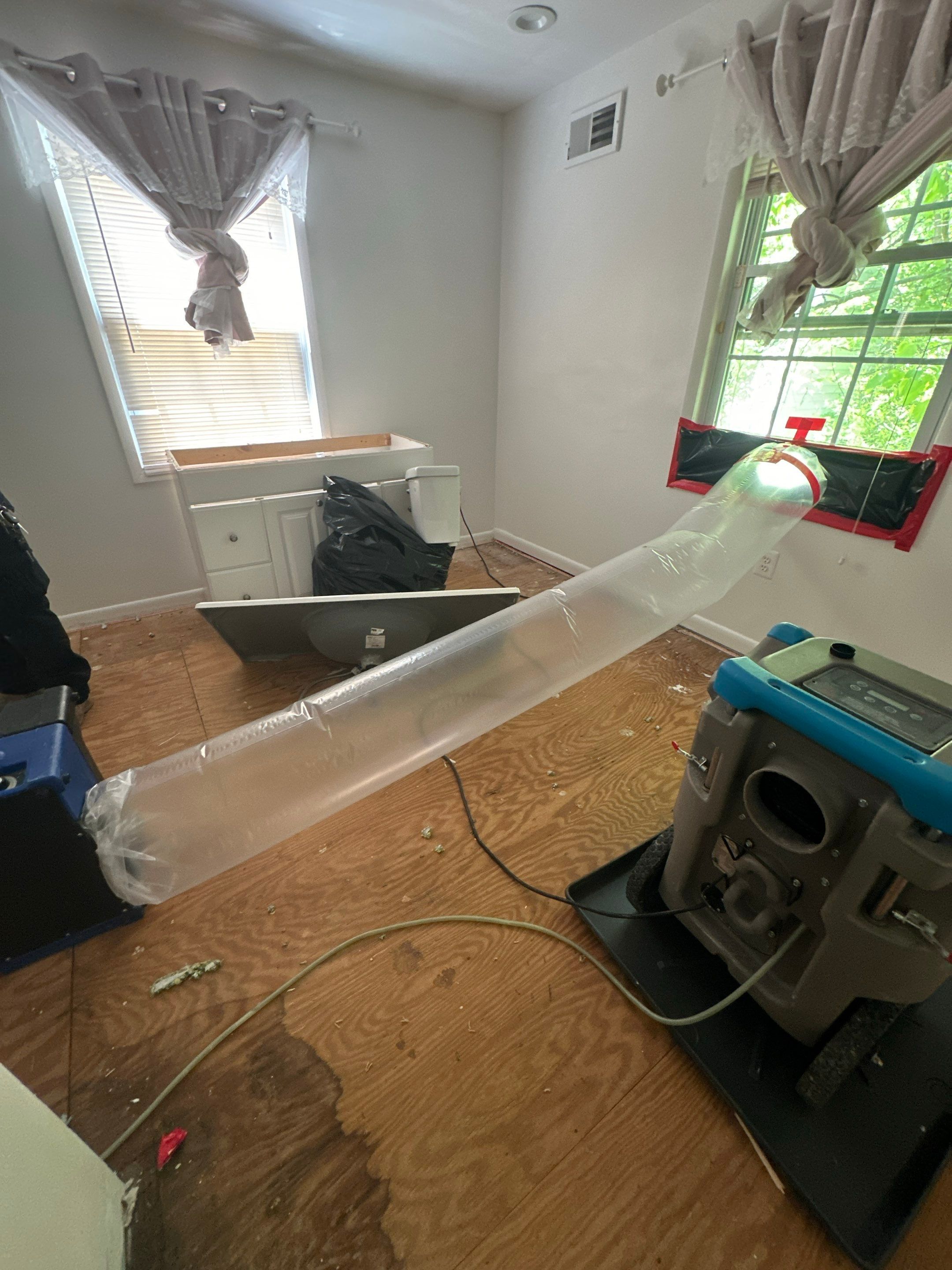
Mold growth in a bedroom following sustained water intrusion brought us to a mid-century single-family home in Falls Church, an independent city where older residential plumbing often faces stress from Northern Virginia's winter freeze-thaw cycles. Soaked carpet and padding were removed immediately to halt further microbial spread, and we placed dehumidifiers and air movers to begin controlled structural drying.
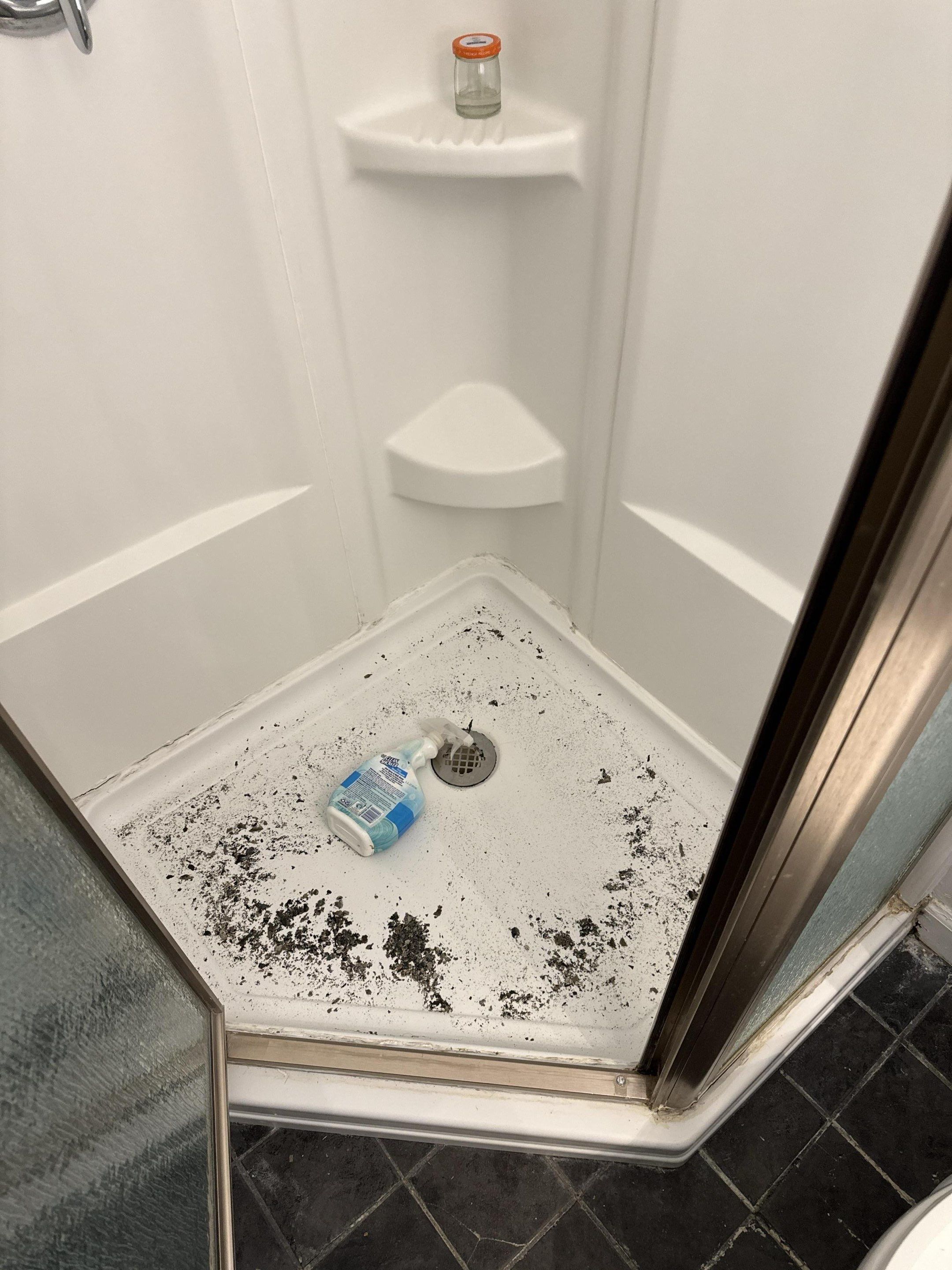
Investigation revealed that the bedroom moisture traced back to an adjacent bathroom where water intrusion had gone undetected. Specialized antimicrobial cleaning addressed active mold colonization in the shower enclosure, following IICRC S520 protocols for containment and surface treatment. Throughout the drying phase, we monitored humidity levels to confirm the building envelope was returning to safe equilibrium, a step critical in older construction where vapor movement can be less predictable than in newer homes.
The homeowner's review reflected satisfaction with both the technical work and the clarity of communication as conditions improved. Restoration in homes of this vintage requires attention not just to visible damage but to the concealed pathways—plumbing chases, subfloor cavities—where moisture migrates between rooms. By removing compromised materials early and treating the source in the bathroom, we restored a dry, mold-free living environment without allowing the problem to expand into adjacent wall cavities or the structural deck.
Frequently asked questions
Why does water intrusion in a Falls Church bedroom often lead to mold growth?
In Falls Church's mid-20th century housing stock, water intrusion in bedrooms—especially when carpet and padding are involved—creates an ideal environment for mold colonization within 24 to 48 hours if not addressed immediately. Restoration Doctor responds by removing saturated materials, deploying dehumidifiers and air movers to lower humidity, and conducting specialized mold remediation where growth has already occurred. The combination of older construction and the region's humid summers means prompt structural drying is essential to prevent secondary microbial amplification.
What does mold remediation in a bathroom shower involve during water damage restoration in Falls Church?
When Restoration Doctor identifies mold growth in a shower contributing to broader moisture issues, specialized cleaning follows IICRC S520 mold remediation protocols: containment of the affected area, HEPA-filtered negative air to prevent cross-contamination, and antimicrobial application to non-porous surfaces like tile and grout. In this Falls Church residence, the bathroom's water intrusion was feeding moisture into the adjacent bedroom, so addressing both spaces simultaneously was critical to achieving a dry, safe environment.
How long does structural drying typically take after carpet removal in a Falls Church home?
Drying timelines vary with the extent of saturation, but after removing soaked carpet and padding, Restoration Doctor typically runs dehumidifiers and air movers for three to five days in a Falls Church bedroom, monitoring humidity levels daily until materials reach industry-standard dryness. The older framing common in the city's mid-century homes can retain moisture longer than modern construction, so ongoing psychrometric readings guide equipment placement and ensure no hidden pockets remain.
Can water damage in one room cause mold problems in adjacent spaces in Falls Church homes?
Yes—in this Falls Church case, water intrusion in the bathroom was migrating into the bedroom through shared framing and subfloor, creating a moisture pathway that supported mold growth in both areas. Restoration Doctor's approach included tracing the intrusion source, drying all affected cavities with targeted airflow, and remediating visible mold to break the moisture cycle. Older single-family construction in the area often lacks modern vapor barriers, so cross-room moisture migration is a common complication in these losses.
What does ongoing humidity monitoring mean during a water damage restoration project?
Restoration Doctor uses calibrated hygrometers and moisture meters to track indoor relative humidity and material moisture content daily as drying equipment runs, adjusting dehumidifier output and airflow until readings stabilize within the target range for the City of Falls Church's climate. This ongoing monitoring ensures that hidden moisture in walls, subfloors, or cabinetry doesn't linger and create conditions for secondary mold growth after the visible damage has been addressed.
Explore more restoration work
All projects in Falls Church · Water Damage Restoration in Falls Church
Water, fire, or mold damage in Falls Church?
Restoration Doctor responds 24/7 across Falls Church and Northern Virginia. Free assessment and transparent, insurance-friendly estimates — no obligation.
See our Water Damage Restoration services at restorationdoctors.com →