Swift water damage Restoration
About this water damage restoration project
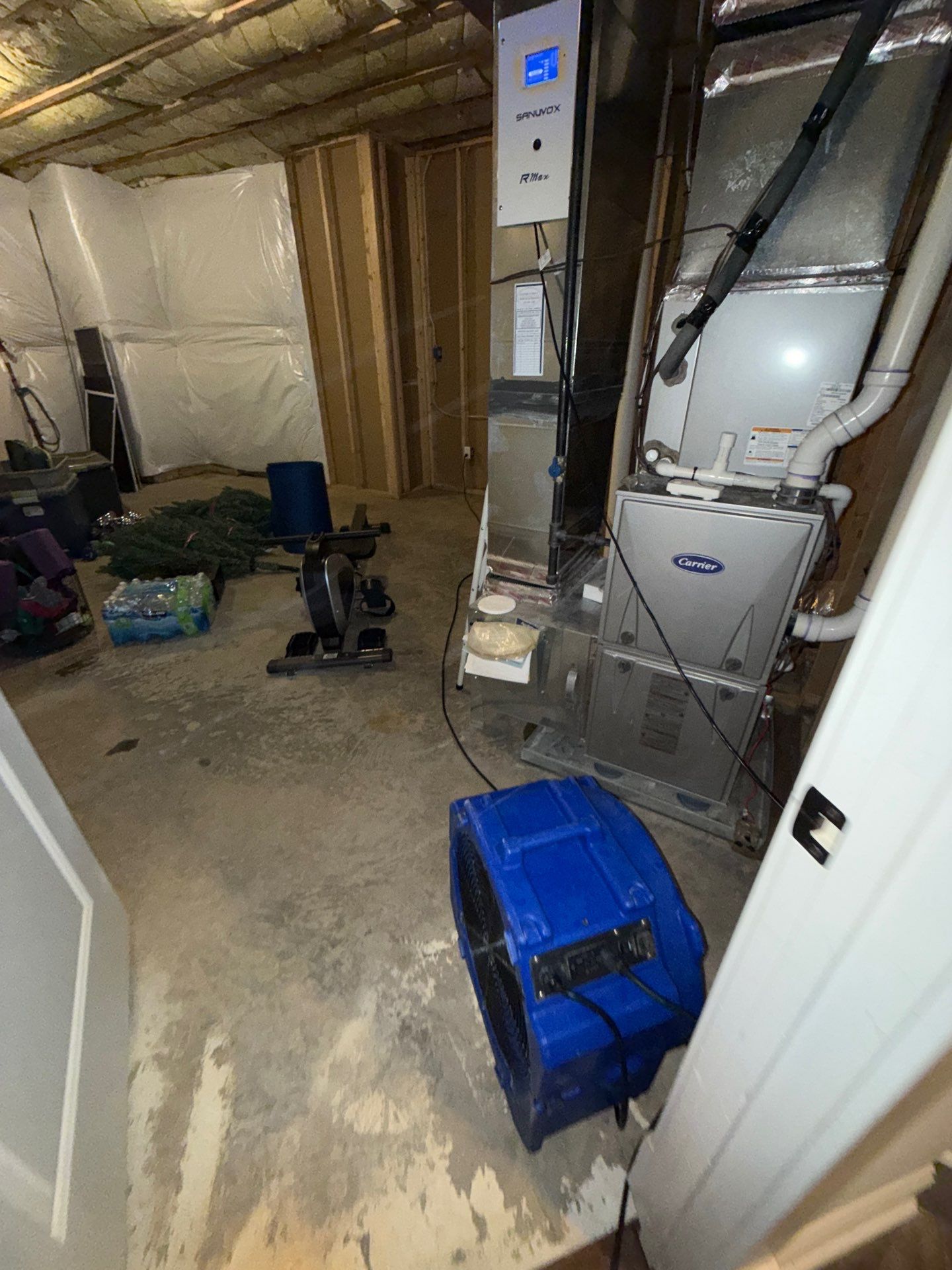
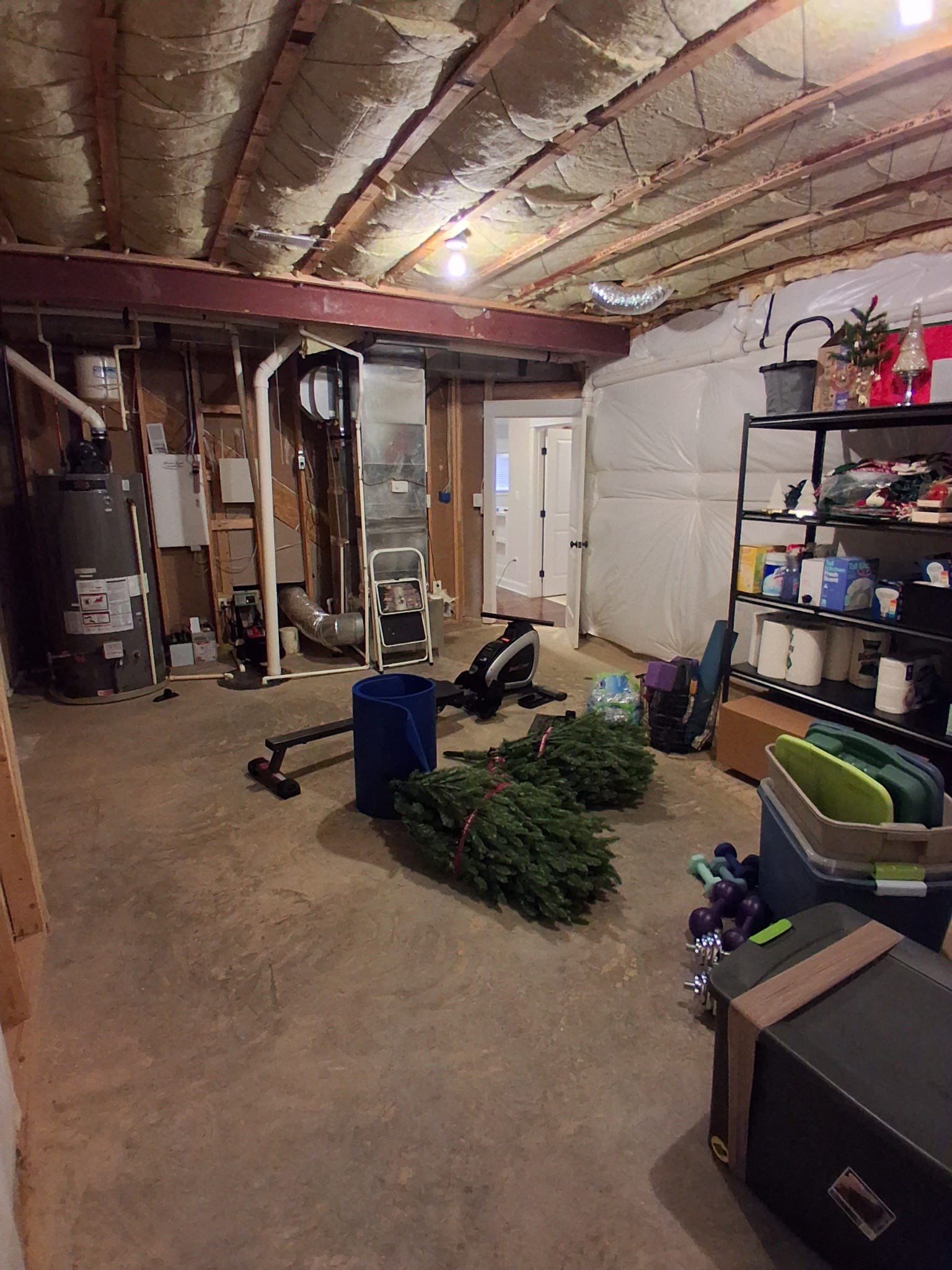
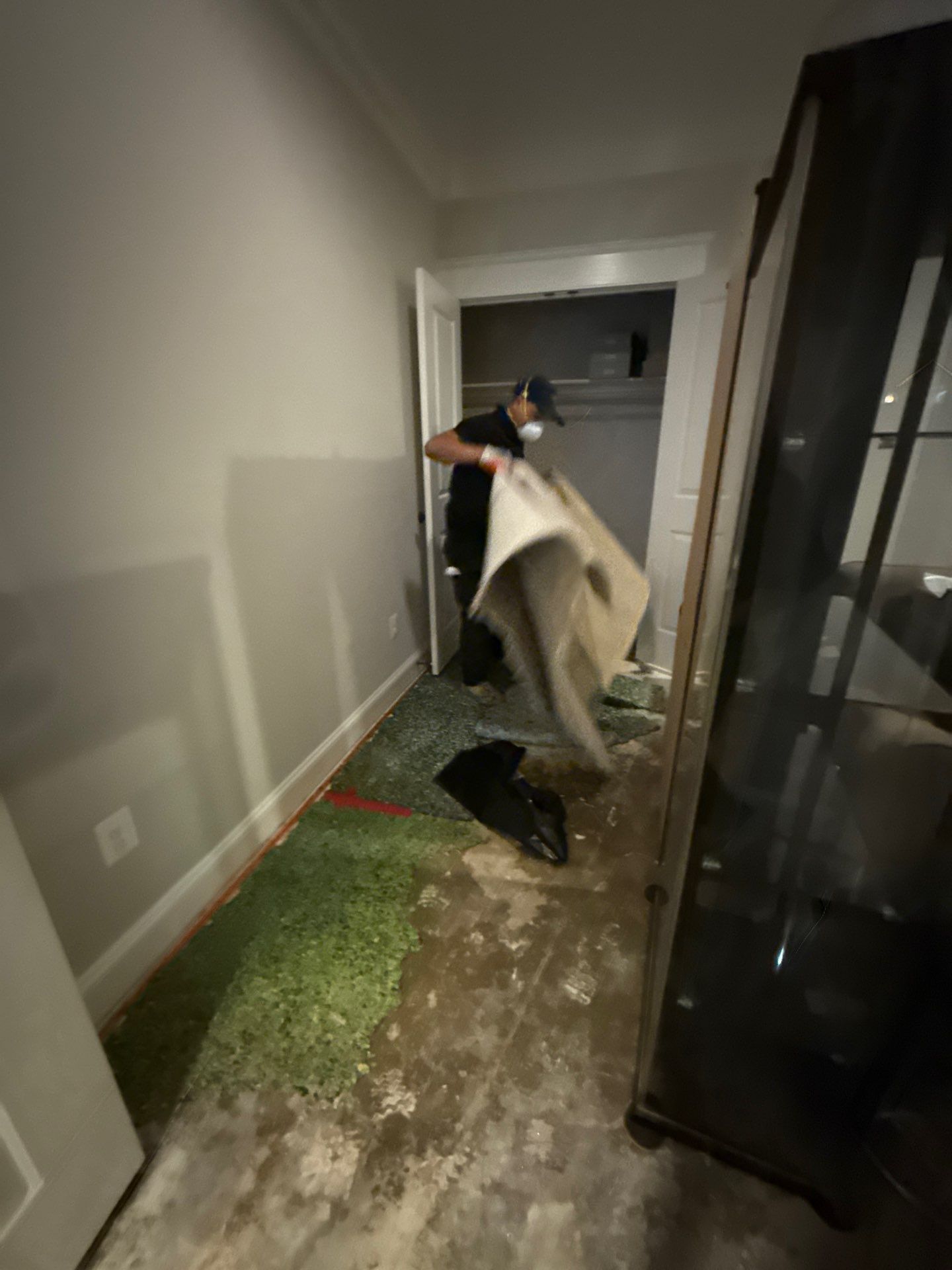
A water intrusion in Falls Church—an independent city whose established mid-century housing stock often contends with aging interior plumbing and the region's freeze-thaw cycles—had progressed to visible mold growth by the time we arrived. The leak had compromised flooring and wall sections, requiring both extraction and remediation under IICRC S520 mold protocols to prevent further colonization.
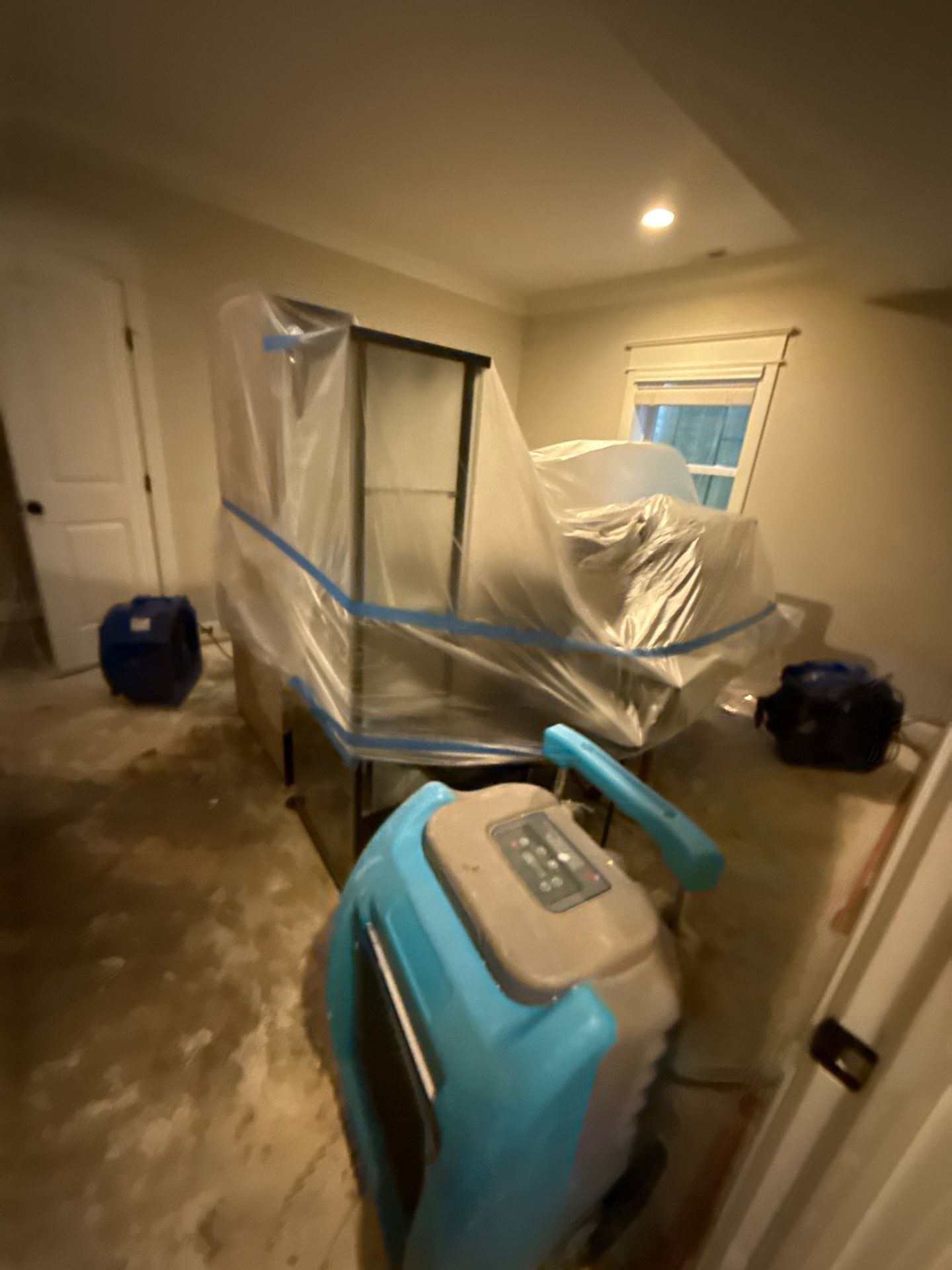
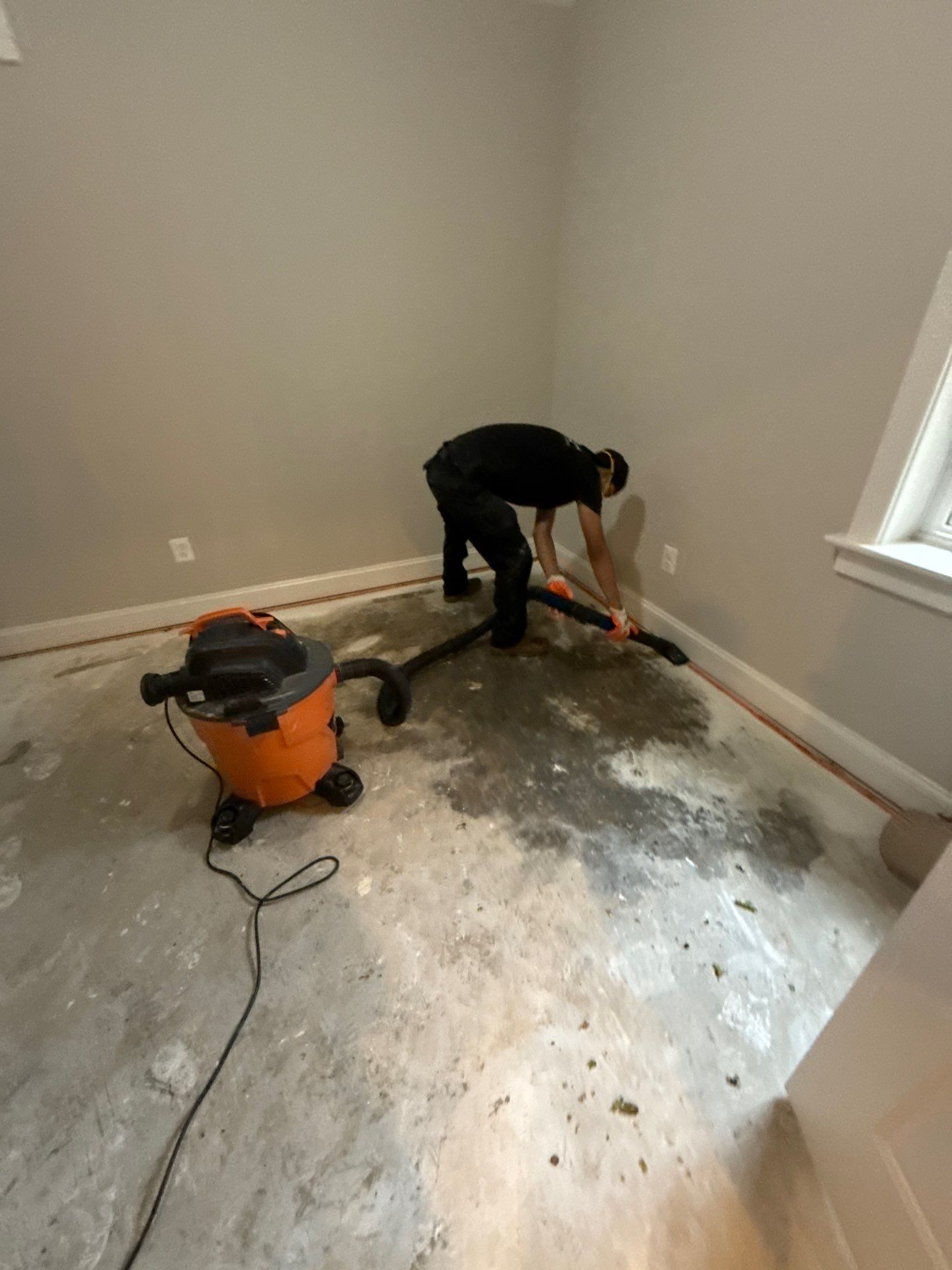
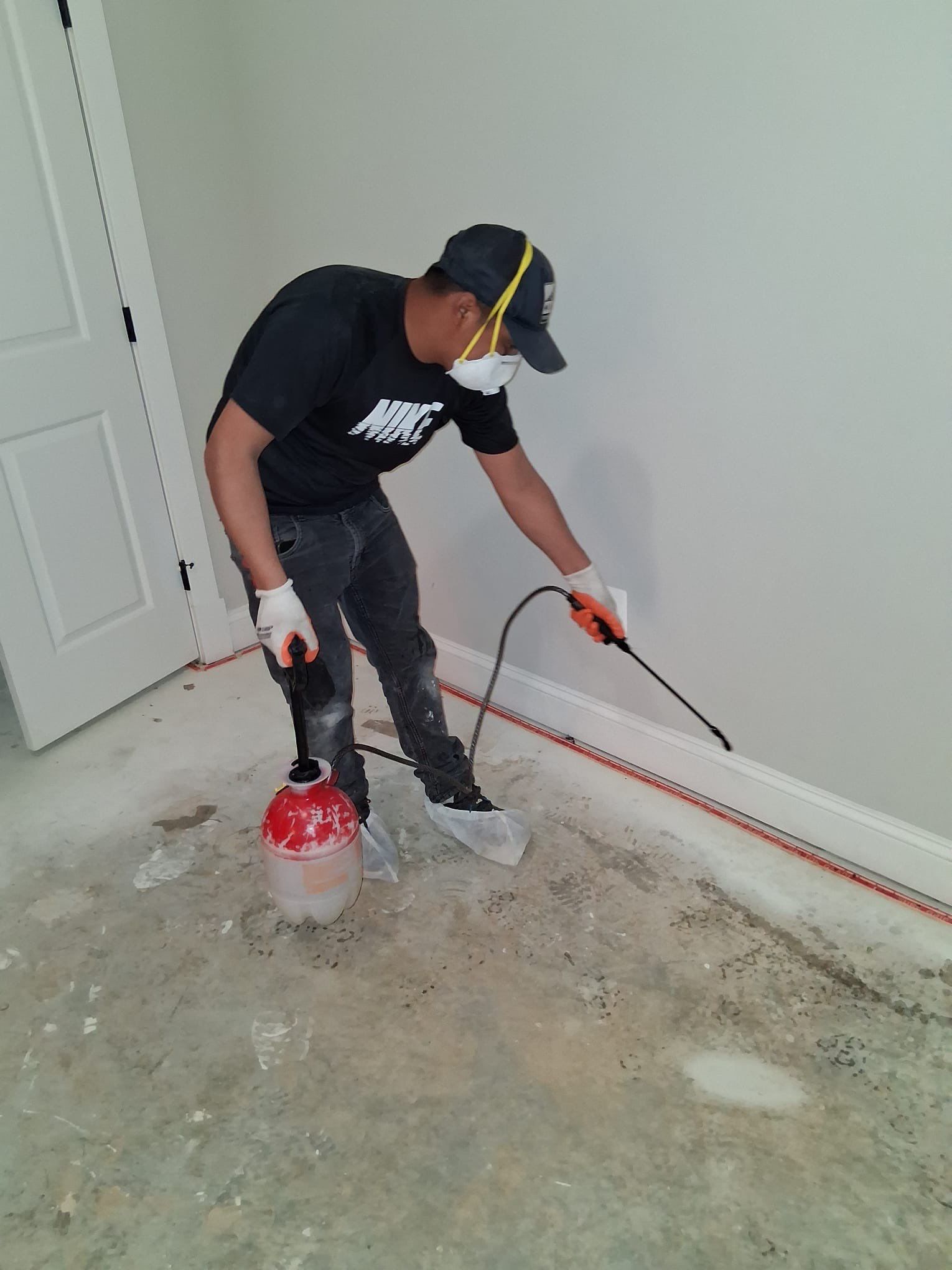
We began by protecting unaffected contents with plastic sheeting, then deployed truck-mounted vacuums to pull standing water from the impacted zones. Damaged drywall sections were cut out to expose the full extent of moisture intrusion behind the surface. Drying equipment—air movers and dehumidifiers—ran continuously to bring wall cavities and subfloor back to dry standard, while antimicrobial treatment addressed the mold that had already taken hold in the damp environment.
Once moisture readings stabilized, we replaced the removed wall sections and repaired baseboards that had swelled and delaminated from prolonged contact with water. The homeowner noted in their review how quickly the visible damage was reversed, and the space returned to a clean, dry baseline ready for final finishes.
Frequently asked questions
How does Restoration Doctor handle wall and baseboard replacement after water extraction in Falls Church homes?
After extracting standing water in Falls Church, Restoration Doctor removes compromised wall sections and baseboards to prevent hidden moisture retention. Structural drying equipment runs until materials meet the IICRC S500 standard, then we install replacement drywall and trim to match the existing finishes. This approach is common in the City of Falls Church's mid-century housing stock, where plaster and older framing require careful moisture mapping before reconstruction.
Why did mold develop after the water intrusion, and how was it addressed during this Falls Church restoration?
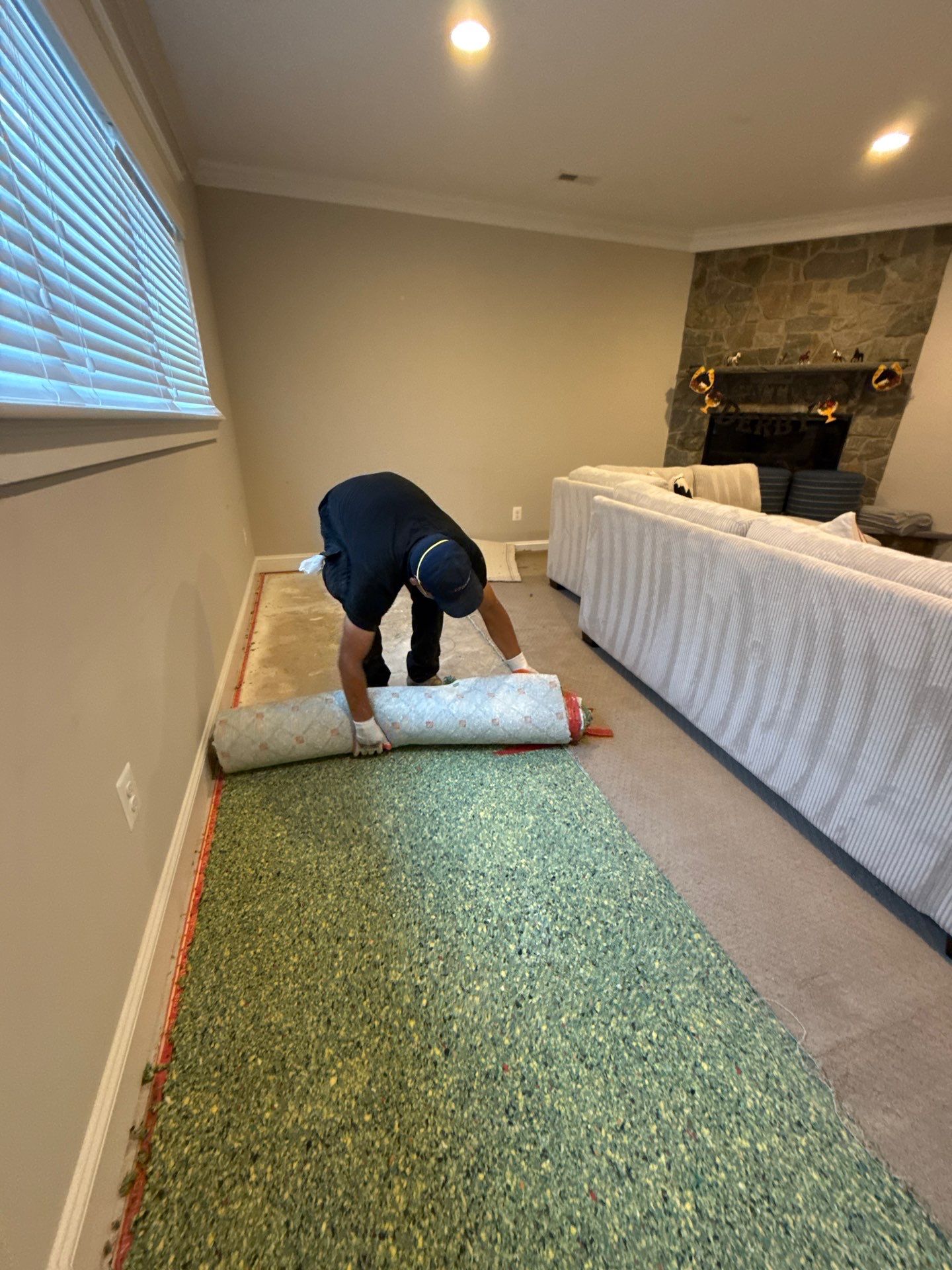
Mold colonized because moisture from the leak remained in contact with porous materials long enough for spores to establish. Restoration Doctor's response included immediate water extraction, removal of wet carpet and flooring, and antimicrobial treatment of affected surfaces after drying. The work followed protocols that address both the water damage and the secondary mold growth, common in Northern Virginia's humid climate when leaks go unaddressed.
What flooring and carpet remediation steps were taken after the water damage in this Falls Church property?
Restoration Doctor removed water-saturated carpet and assessed the subfloor for moisture penetration. Drying equipment brought the subfloor to safe levels before any new flooring could be installed, and we sanitized the area to eliminate microbial risk. In Falls Church's established single-family homes, older subfloor materials often require extended drying to prevent future issues.
How quickly should belongings be protected with plastic sheeting after a water leak occurs?
Restoration Doctor covers unaffected belongings immediately upon arrival to prevent secondary damage from airborne moisture and contact with wet surfaces. In this Falls Church job, plastic sheeting went up before extraction began, a standard first step that protects furnishings while technicians work. Speed matters because porous items can absorb humidity within hours of a loss.
Explore more restoration work
All projects in Falls Church · Water Damage Restoration in Falls Church
Water, fire, or mold damage in Falls Church?
Restoration Doctor responds 24/7 across Falls Church and Northern Virginia. Free assessment and transparent, insurance-friendly estimates — no obligation.
See our Water Damage Restoration services at restorationdoctors.com →