Water Damage Restoration Falls Church
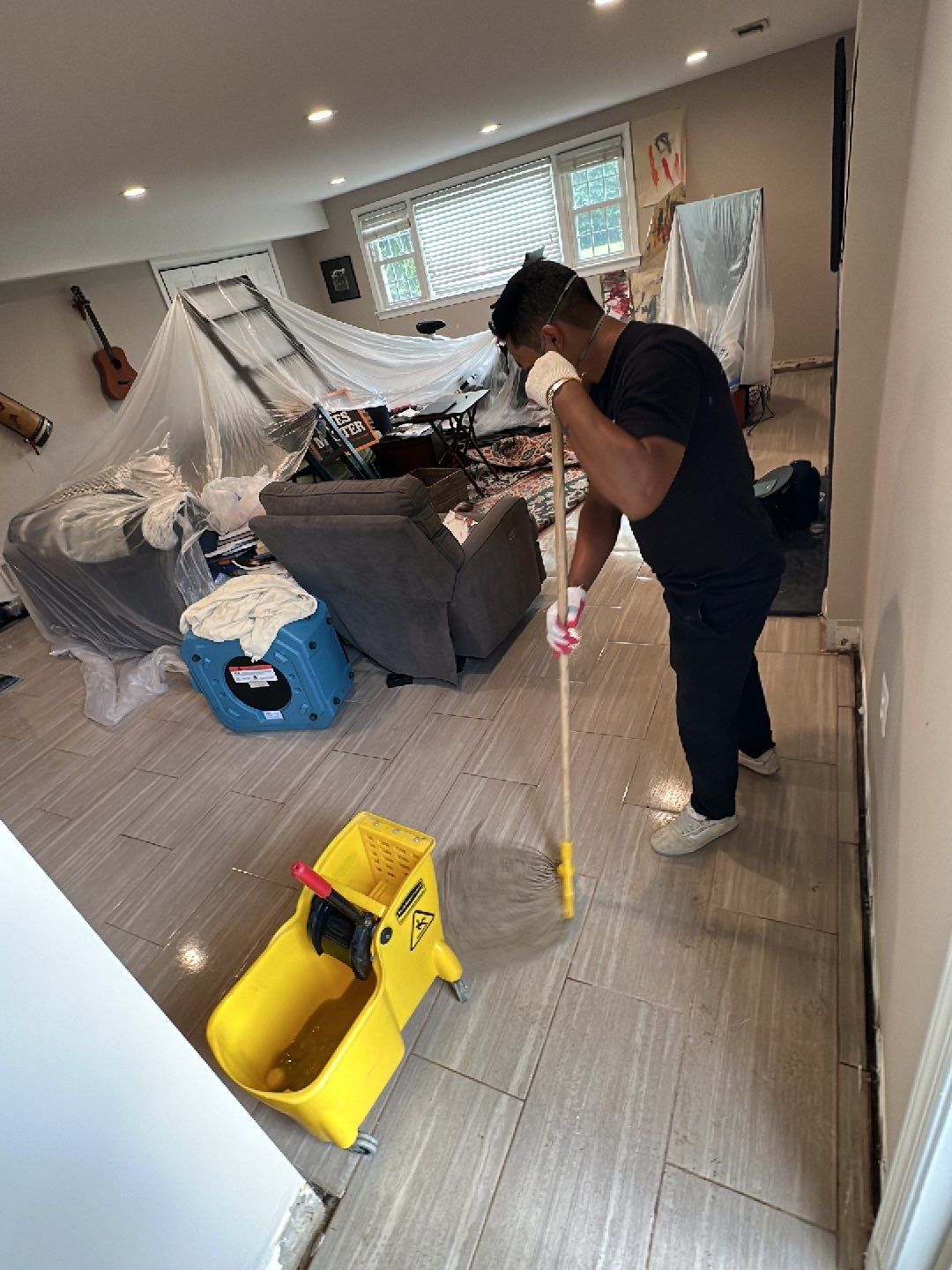
About this water damage restoration project
Water intrusion had affected both walls and flooring at a residential property, leaving behind conditions favorable to mold growth. In the City of Falls Church — a compact jurisdiction whose established mid-20th-century housing stock faces the freeze-thaw plumbing stresses common to older Northern Virginia homes — secondary damage from undetected moisture can escalate quickly if left unchecked.
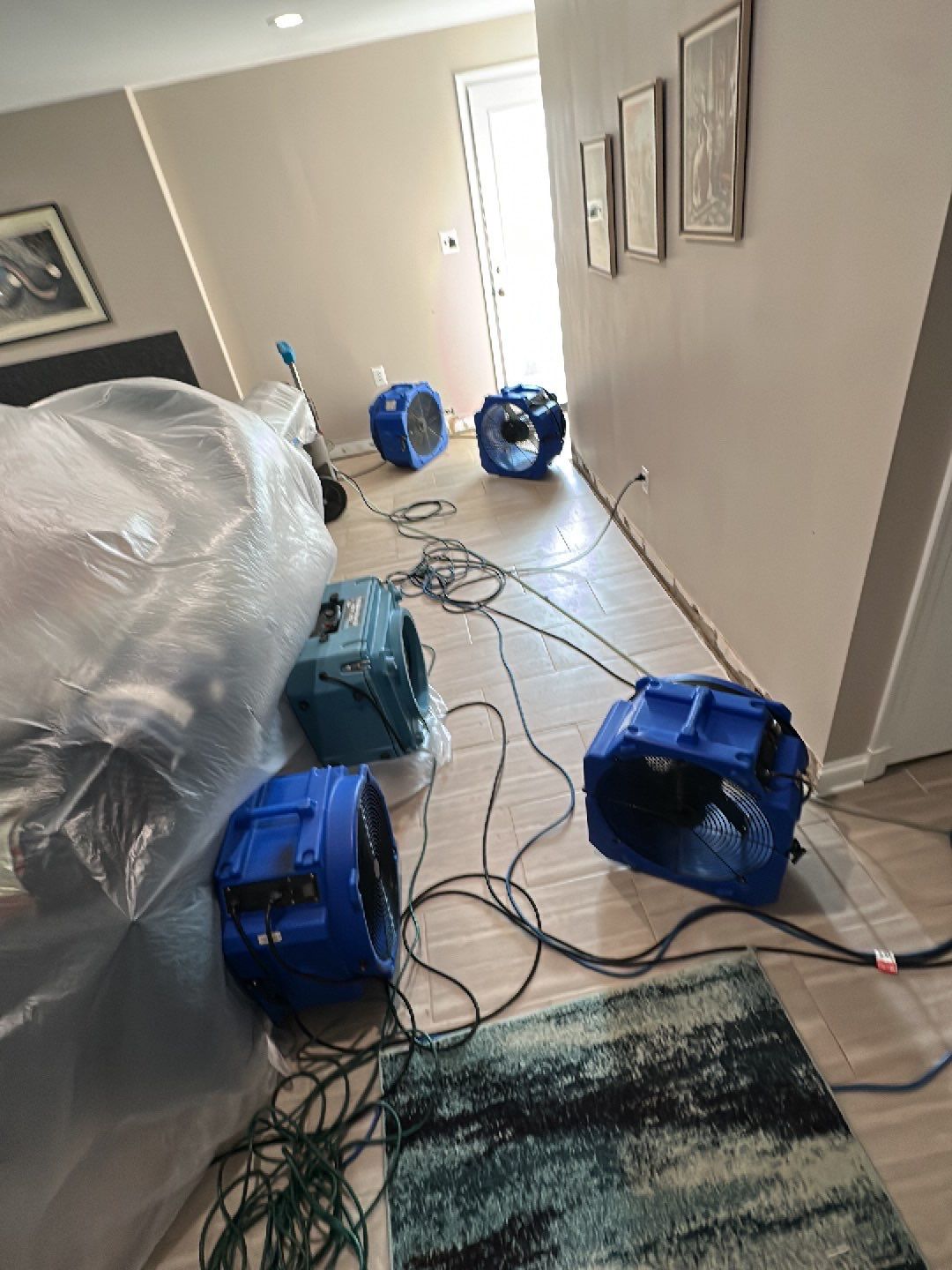
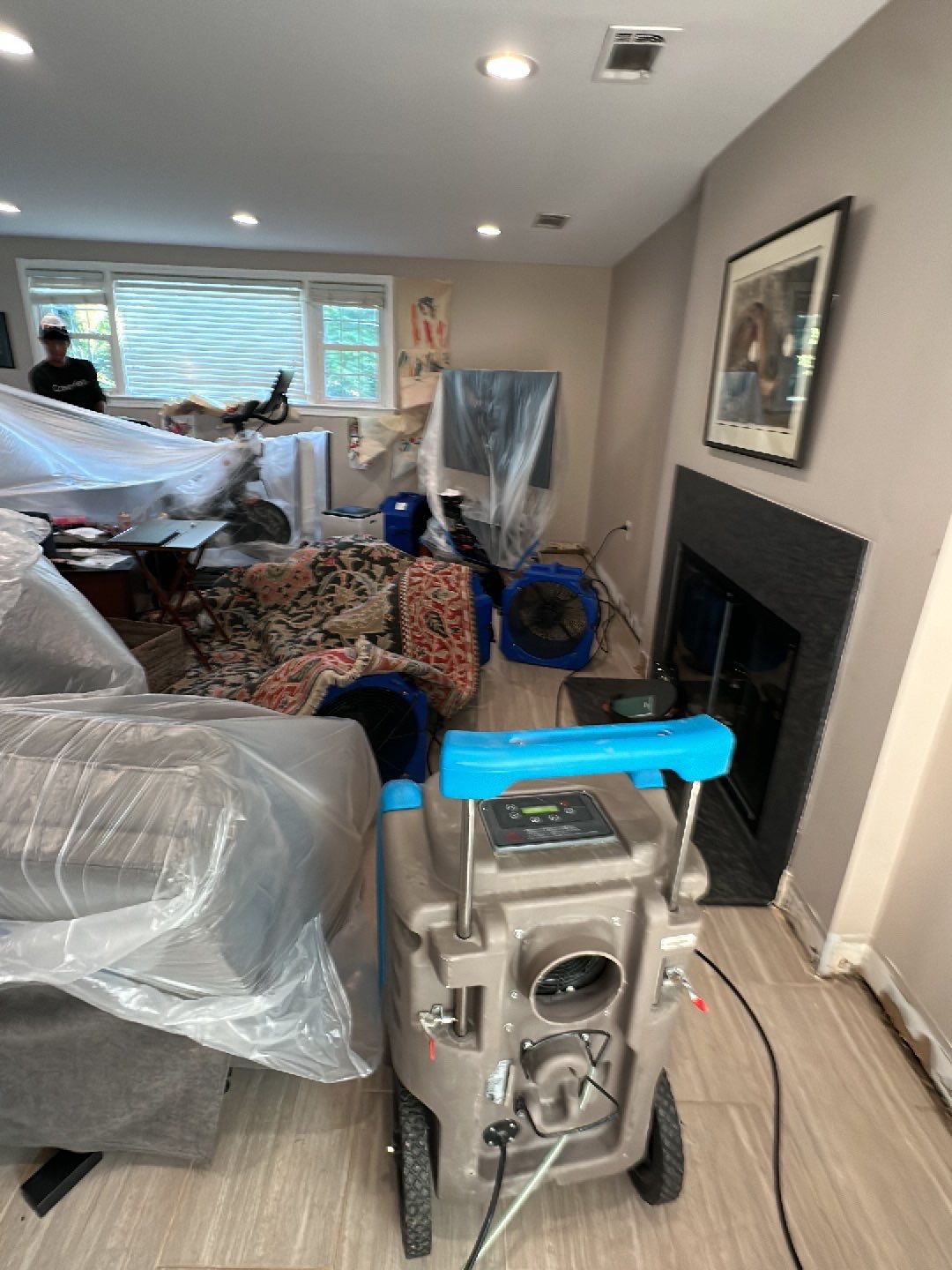
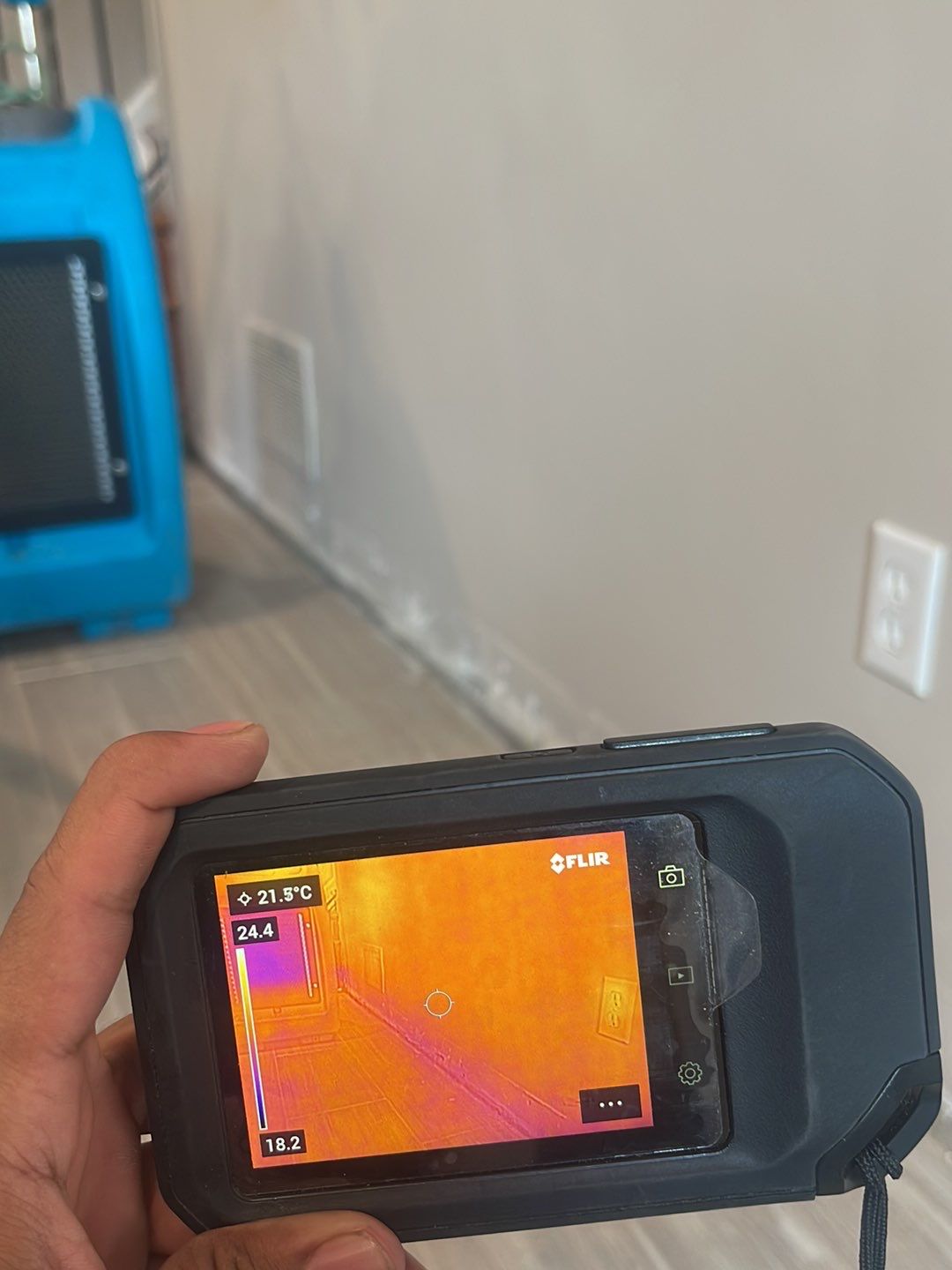
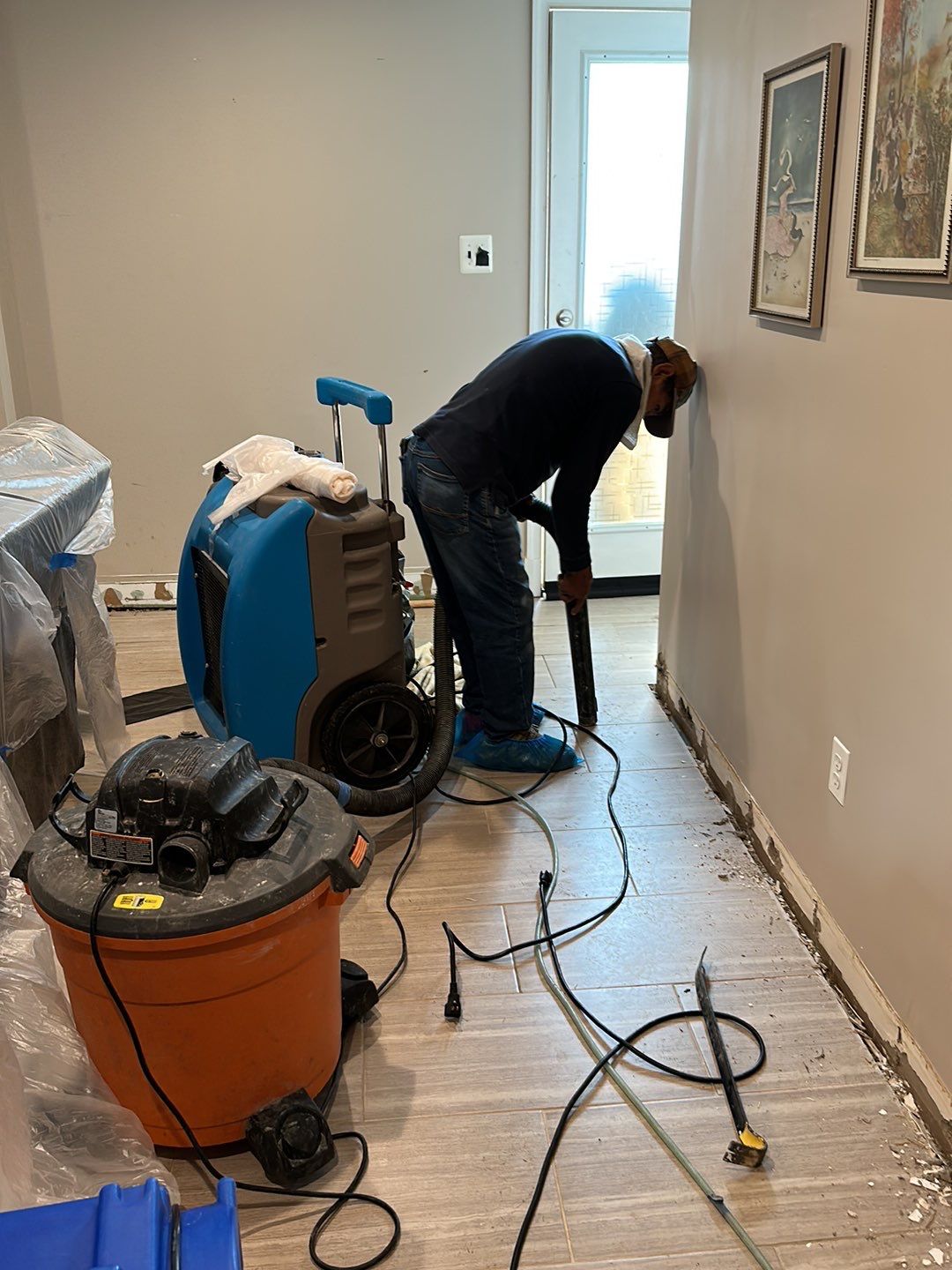
Our technicians began with a detailed assessment, removing baseboards to expose the full extent of affected materials and deploying a thermal imaging camera to map moisture levels hidden within wall cavities. High-powered air movers and dehumidifiers were positioned throughout the space to accelerate evaporation and bring conditions back within normal ranges, addressing the environment that had allowed mold to establish. The homeowners' furnishings were covered and protected in place, and the affected areas were cleaned thoroughly as drying progressed.
The work followed IICRC S500 water-damage protocols, prioritizing rapid structural drying to prevent further microbial activity. The homeowner noted in their review that the space was returned clean, dry, and safe — the outcome of methodical moisture control and attention to the details that matter in older residential construction.
Frequently asked questions
Why is thermal imaging used during water damage restoration in Falls Church homes?
Restoration Doctor uses thermal imaging cameras to detect hidden moisture behind walls and under flooring that visual inspection alone would miss. In Falls Church's mid-20th century housing stock, water can migrate through older framing and settle in cavities not immediately visible, and thermal imaging maps those temperature differentials to guide targeted drying. This ensures we address the full extent of moisture intrusion before mold can establish, particularly important given the humid Mid-Atlantic climate that accelerates microbial growth.
How does dehumidification prevent mold after water damage to flooring and walls?
Restoration Doctor's dehumidifiers extract moisture from the air and building materials simultaneously, lowering ambient humidity below the threshold where mold spores can colonize wet surfaces. For this Falls Church property where water affected both walls and flooring, high-velocity air movers circulated air across the damp materials while dehumidifiers pulled that moisture out of the space, creating conditions hostile to fungal growth. Structural drying to accepted standards prevents the secondary mold damage that often follows uncontrolled water intrusion.
What does baseboard replacement involve after water damage in a Falls Church residence?
When water wicks into baseboards and the wall cavity behind them, Restoration Doctor removes the affected trim to expose the wall structure for drying and inspection. In this Falls Church job, baseboards were pulled to access moisture that had traveled along the floor-wall junction, a common path in older single-family homes where settling can create small gaps. Once the underlying framing and drywall dried to standard moisture content, new baseboards were installed to match the home's original finish.
How long does it take to dry walls and flooring after water intrusion in the City of Falls Church?
Drying time depends on the materials affected, the volume of water, and ambient conditions, but most residential structural drying in Falls Church takes three to five days with commercial-grade equipment running continuously. Restoration Doctor monitors moisture readings daily using the same thermal imaging and meter technology used in the initial assessment, adjusting air mover and dehumidifier placement until walls, subfloor, and framing reach equilibrium moisture content. Winter freeze-thaw events common to older Northern Virginia plumbing can complicate timing if temperatures drop during drying, but controlled indoor conditions typically keep the process on schedule.
Does homeowners insurance cover mold remediation following water damage in Falls Church?
Coverage depends on whether the water intrusion resulted from a sudden, accidental event (typically covered) or long-term neglect (often excluded), and many Northern Virginia policies include sub-limits for mold remediation. Restoration Doctor documents the loss with photos, moisture readings, and a detailed scope so your Falls Church claim adjuster can see the causal chain from water event to necessary mold-prevention measures like dehumidification and affected-material removal. We work directly with insurers throughout the City of Falls Church to streamline the process, though final coverage determinations rest with your carrier and policy terms.
Explore more restoration work
All projects in Falls Church · Water Damage Restoration in Falls Church
Water, fire, or mold damage in Falls Church?
Restoration Doctor responds 24/7 across Falls Church and Northern Virginia. Free assessment and transparent, insurance-friendly estimates — no obligation.
See our Water Damage Restoration services at restorationdoctors.com →