Water Damage Restoration
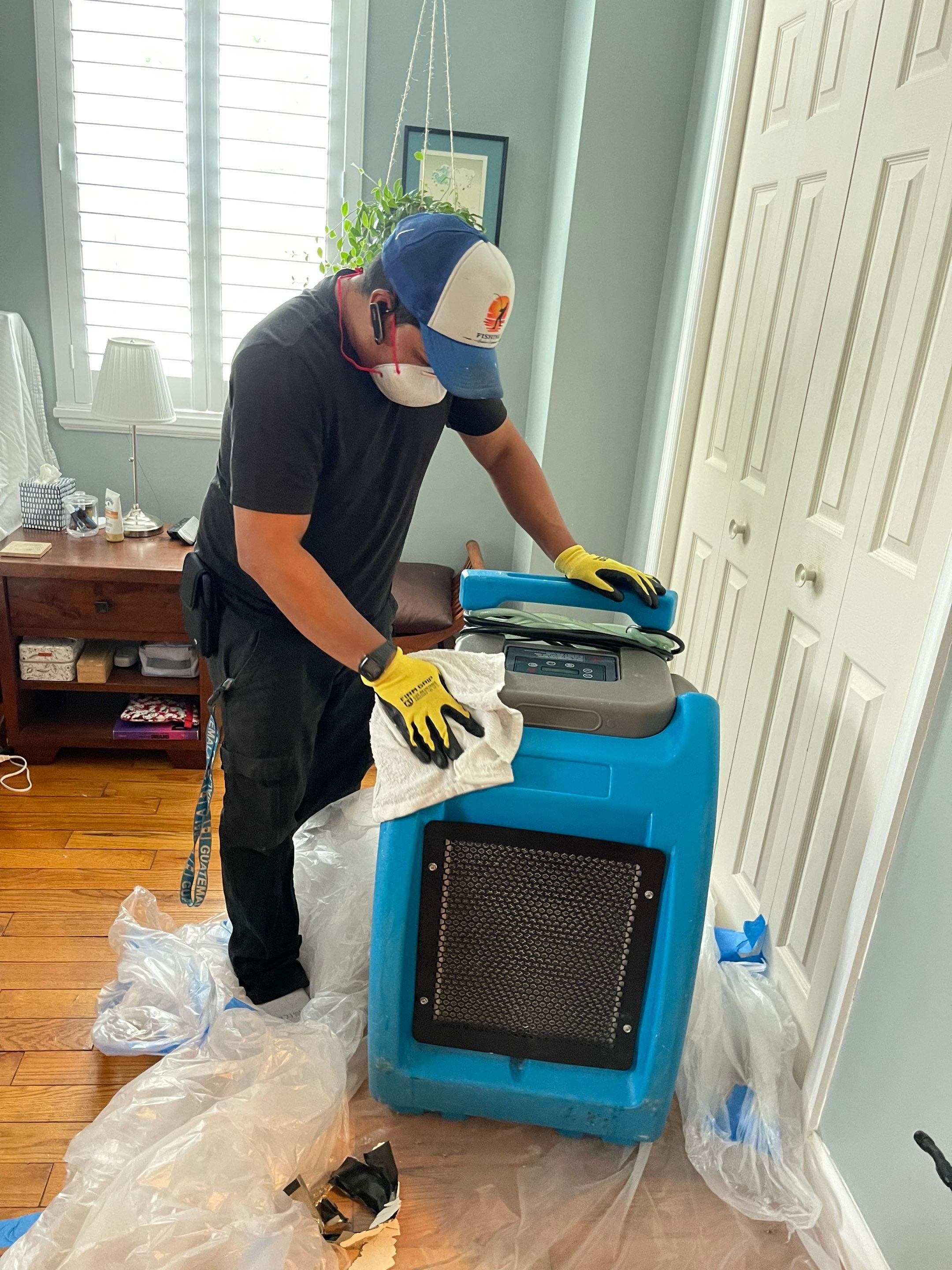
About this water damage restoration project
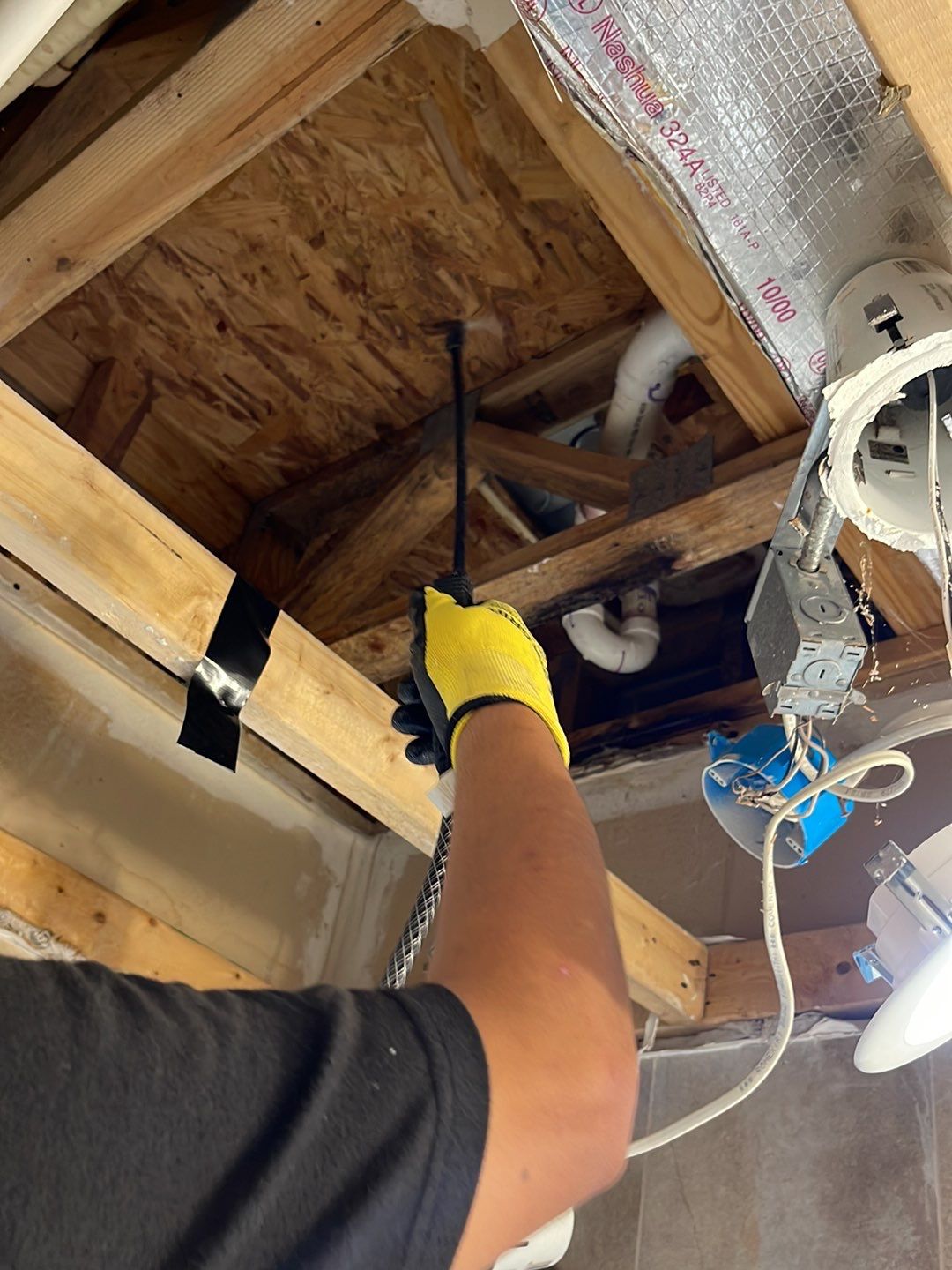
Thermal imaging revealed hidden moisture behind walls and ceiling surfaces that visual inspection alone would have missed. This older Falls Church home—typical of the City of Falls Church's mid-20th century single-family housing stock—had experienced water intrusion that progressed to mold, a common outcome when moisture remains undetected in enclosed cavities.
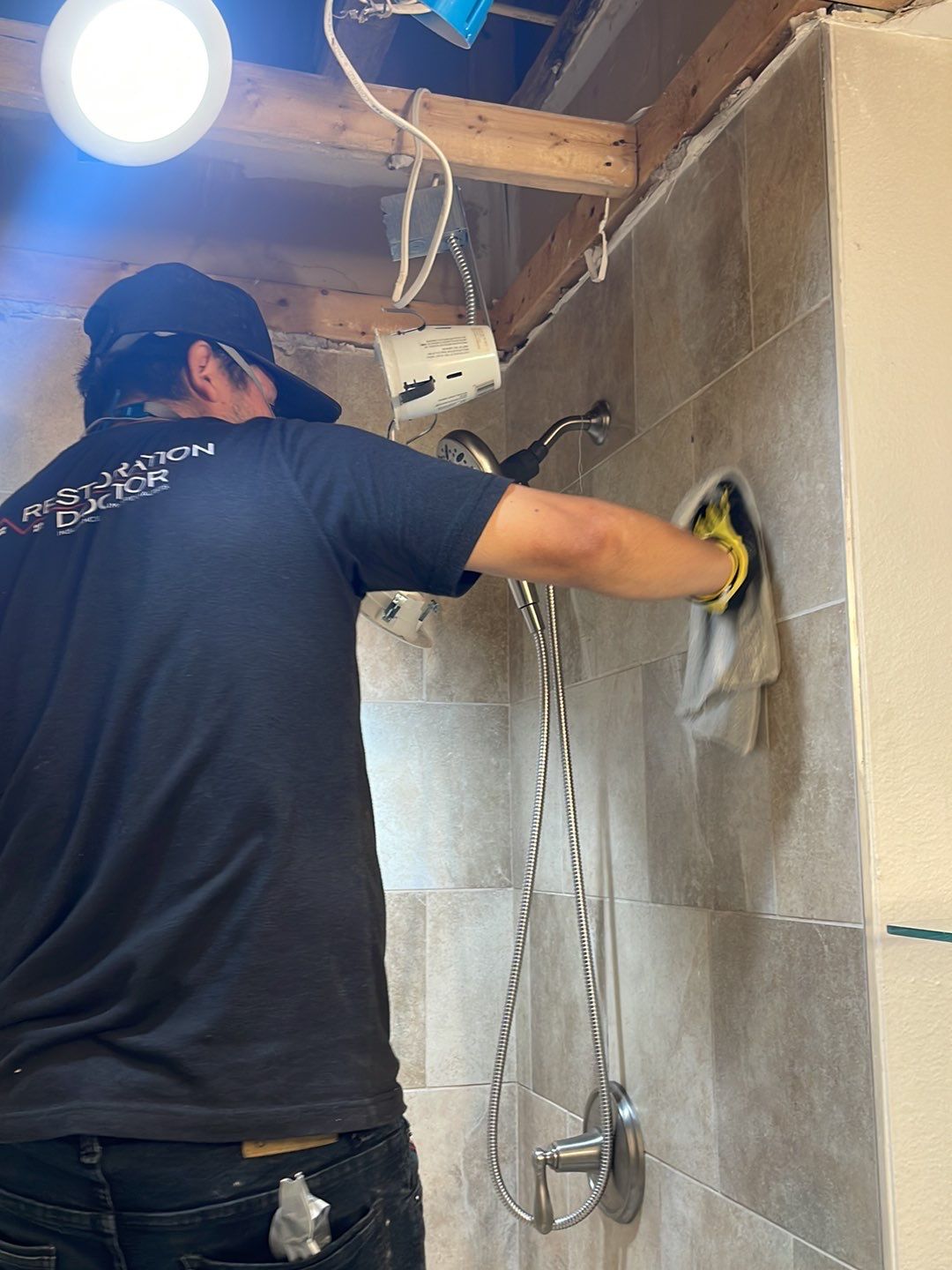
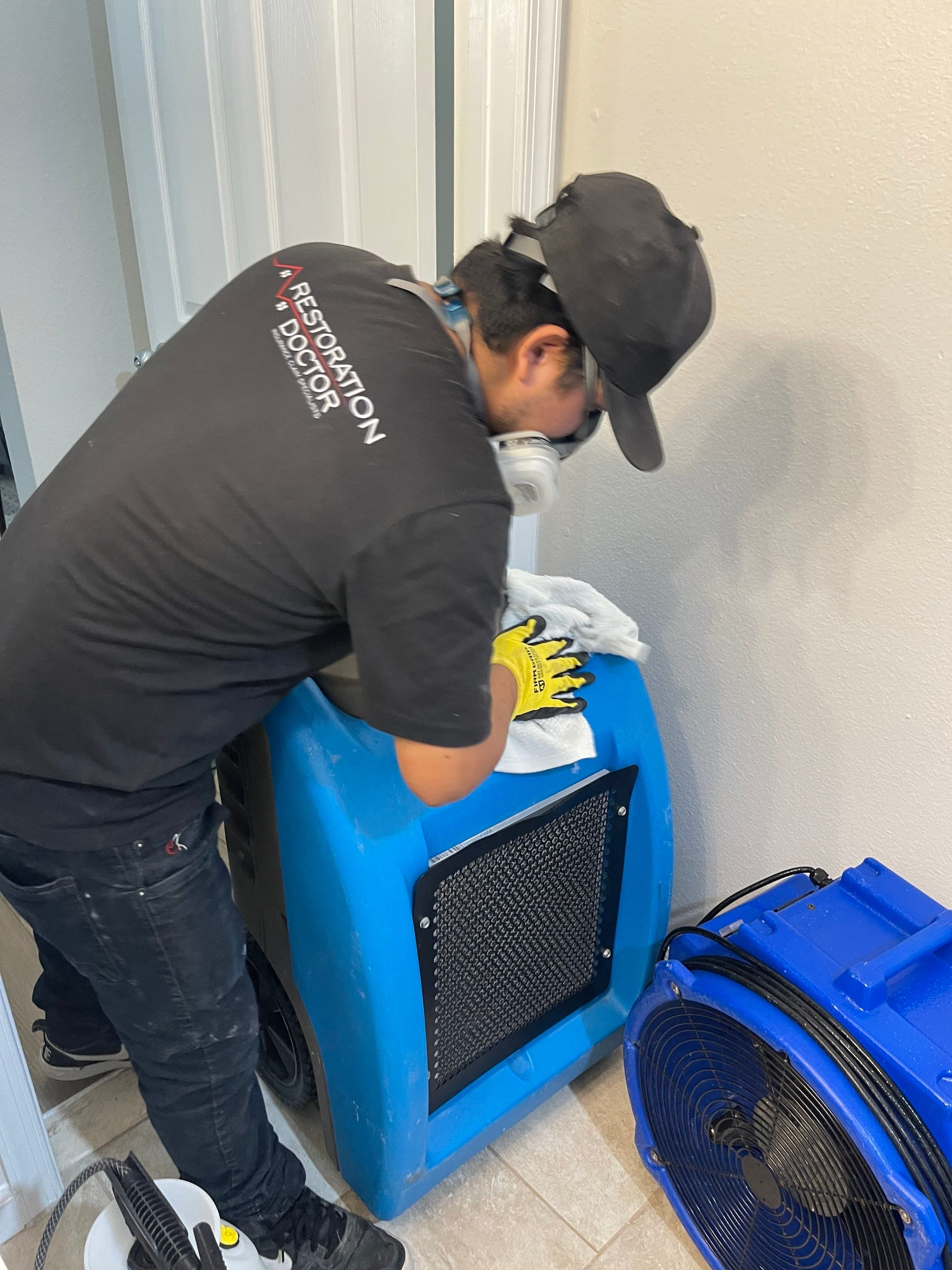
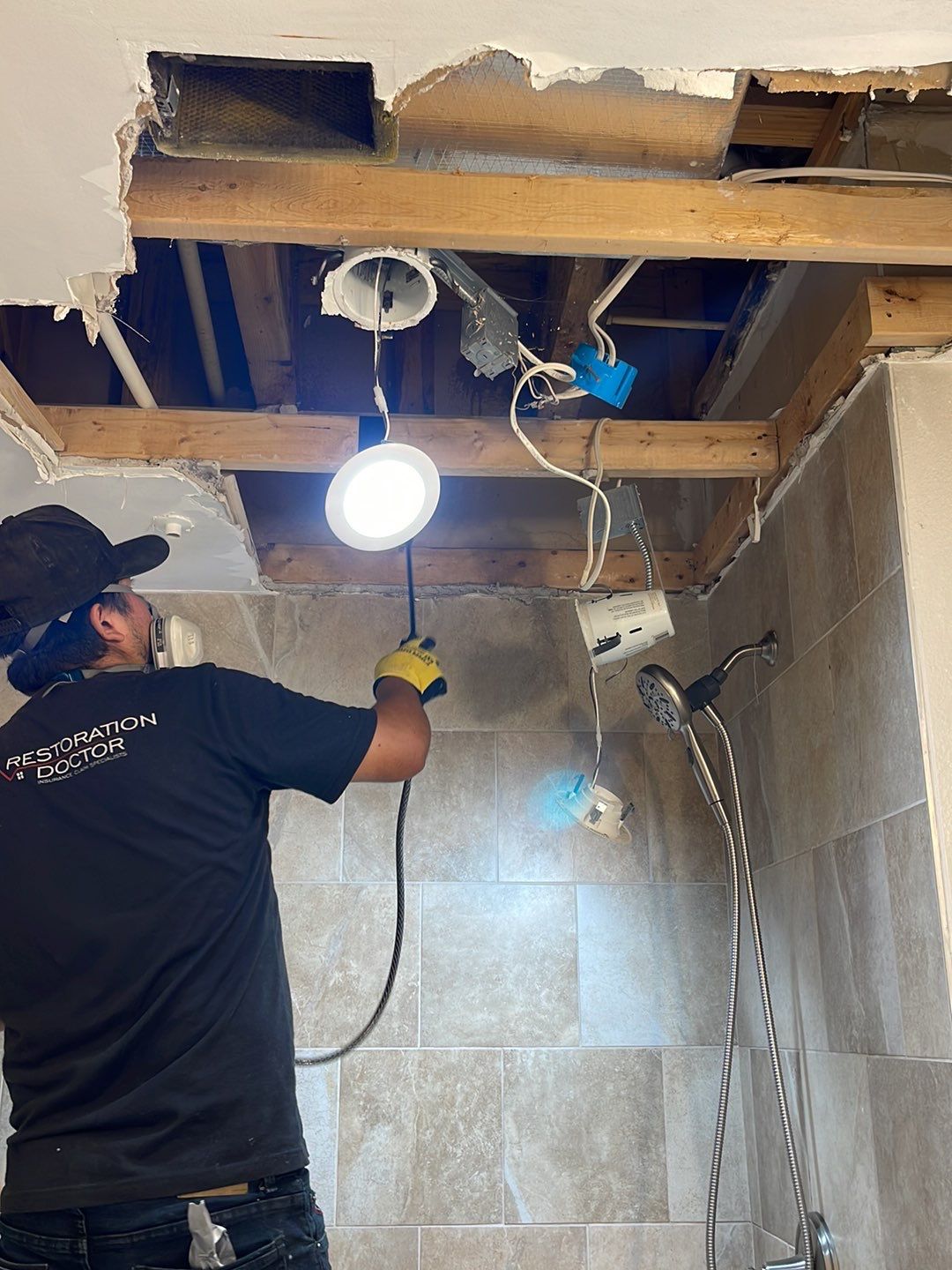
We removed the damaged wall and ceiling sections to expose the full extent of the saturation. Commercial dehumidifiers and air movers were positioned to create controlled airflow through the framing and substructure, drawing moisture out of materials that would otherwise hold it for weeks. In the bathroom, we focused extraction efforts on the tile substrate and adjacent wall assemblies, areas particularly prone to prolonged dampness. The drying protocol followed IICRC S500 water-damage guidelines to bring all affected materials to documented dry standards.
The homeowner expressed satisfaction with both the thoroughness of the moisture mapping and the efficiency of the drying process. With all readings confirming dry conditions and the mold source eliminated, the space was ready for reconstruction. The thermal survey and targeted extraction prevented what could have become a much larger remediation had the hidden moisture continued undetected.
Frequently asked questions
Why is thermal imaging important after water intrusion in Falls Church homes?
Thermal imaging allows Restoration Doctor technicians to detect hidden moisture trapped inside walls and ceiling cavities that visual inspection alone would miss. In Falls Church's established mid-20th-century housing stock, where plumbing and insulation configurations can conceal water migration paths, this technology ensures we map the full extent of damage before beginning structural drying. Identifying all affected areas early prevents secondary mold growth and incomplete remediation.
How does standing water extraction prevent mold after a bathroom leak in Falls Church?
Standing water creates the saturated conditions mold spores need to colonize porous materials like drywall, wood framing, and tile grout. Restoration Doctor's extraction process removes bulk water immediately, then follows with dehumidifiers and air movers to bring structural moisture levels down to dry standard. In Falls Church's humid Mid-Atlantic climate, rapid moisture removal is critical—delaying extraction by even a day significantly raises the risk of mold establishing behind walls and under flooring.
What does structural drying involve for ceiling damage in a Falls Church water loss?
Structural drying uses industrial dehumidifiers and focused air movement to pull moisture from ceiling joists, insulation, and drywall until readings return to baseline. For this Falls Church project, Restoration Doctor set up equipment to target the affected ceiling and adjoining wall cavities identified by thermal imaging, monitoring daily until the structure met the dry standard. Only after verified drying can ceiling repair proceed safely without trapping residual moisture that would feed mold or cause future deterioration.
Can bathroom tile and walls fully dry after water intrusion, or does everything need replacement?
Tile itself is non-porous, but grout lines, backer board, and the wall framing behind them can all absorb water and require thorough drying. Restoration Doctor uses moisture meters to test these materials; if readings show they can be dried in place without compromising structural integrity, extraction and dehumidification often preserve the existing surfaces. Replacement is reserved for materials that remain saturated, show microbial growth, or have deteriorated beyond drying—decisions guided by moisture mapping, not assumptions.
How do freeze-thaw cycles contribute to water damage in older Falls Church homes?
Homes built in Falls Church during the mid-20th century often have original or aging supply lines that expand and contract with winter temperature swings, eventually developing pinhole leaks or joint failures. Restoration Doctor sees these seasonal plumbing failures regularly in the area—once a leak occurs, water migrates into walls and ceilings, requiring the same extraction, thermal inspection, and structural drying process used in this project. Addressing the plumbing source and the resulting water damage together prevents recurrence.
Explore more restoration work
All projects in Falls Church · Water Damage Restoration in Falls Church
Water, fire, or mold damage in Falls Church?
Restoration Doctor responds 24/7 across Falls Church and Northern Virginia. Free assessment and transparent, insurance-friendly estimates — no obligation.
See our Water Damage Restoration services at restorationdoctors.com →