Water Damage Restoration
About this water damage restoration project
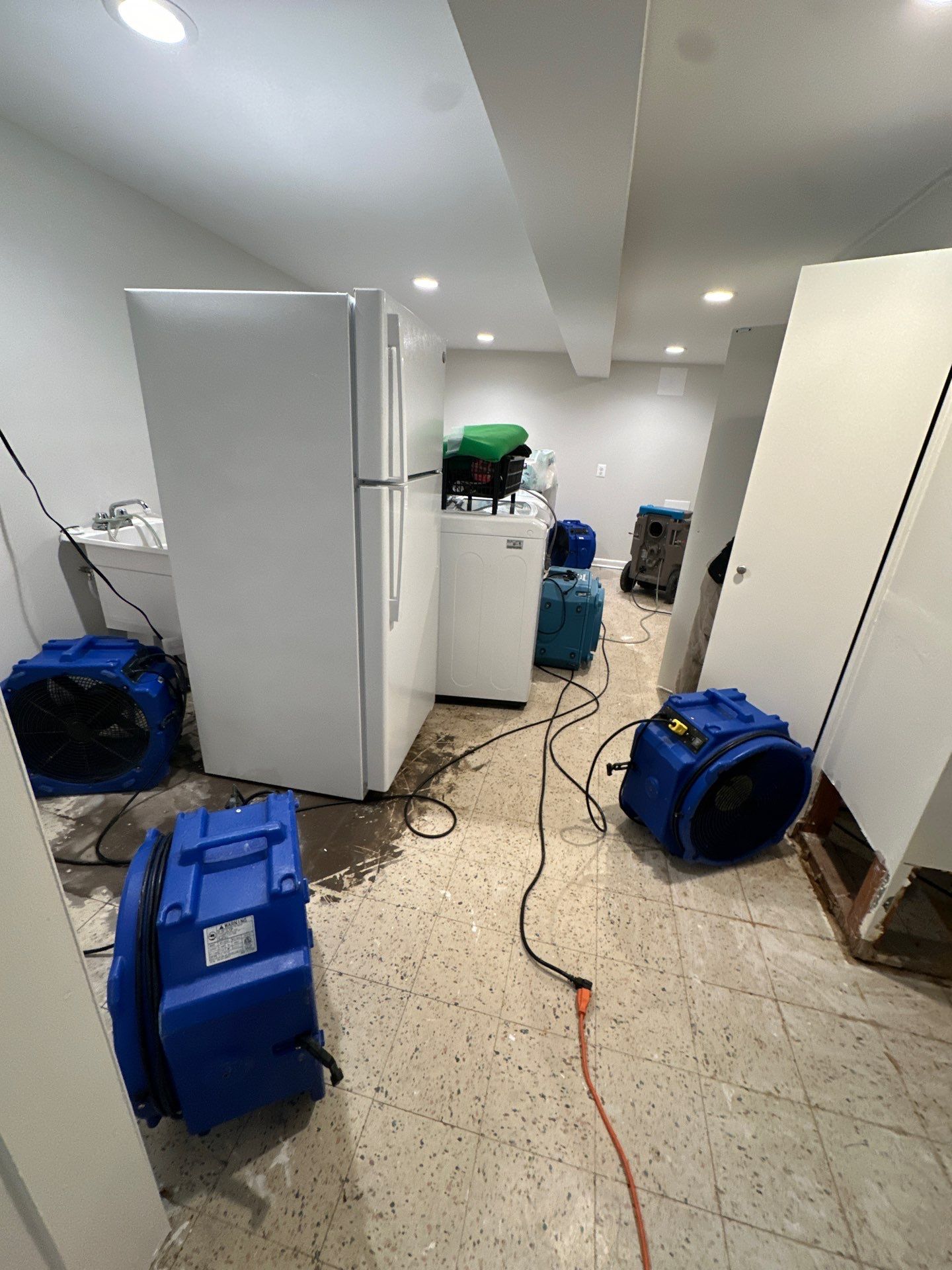
A water intrusion in an established Falls Church home had progressed to mold growth, requiring immediate intervention. The City of Falls Church's mid-20th-century housing stock—much of it built before modern vapor barriers became standard—can be particularly vulnerable when winter freeze-thaw cycles stress older plumbing and envelope seals, creating conditions that allow hidden moisture problems to escalate.
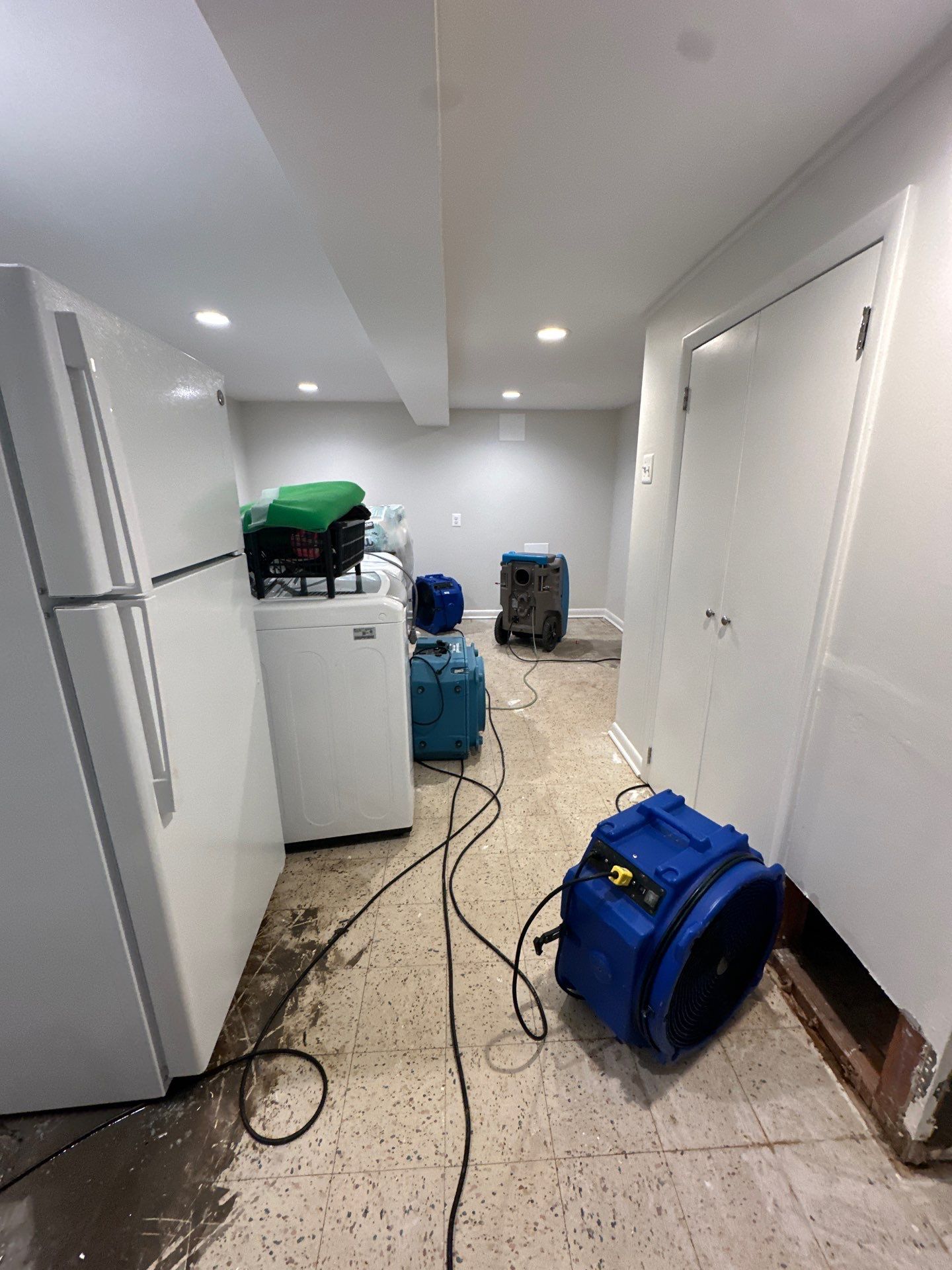
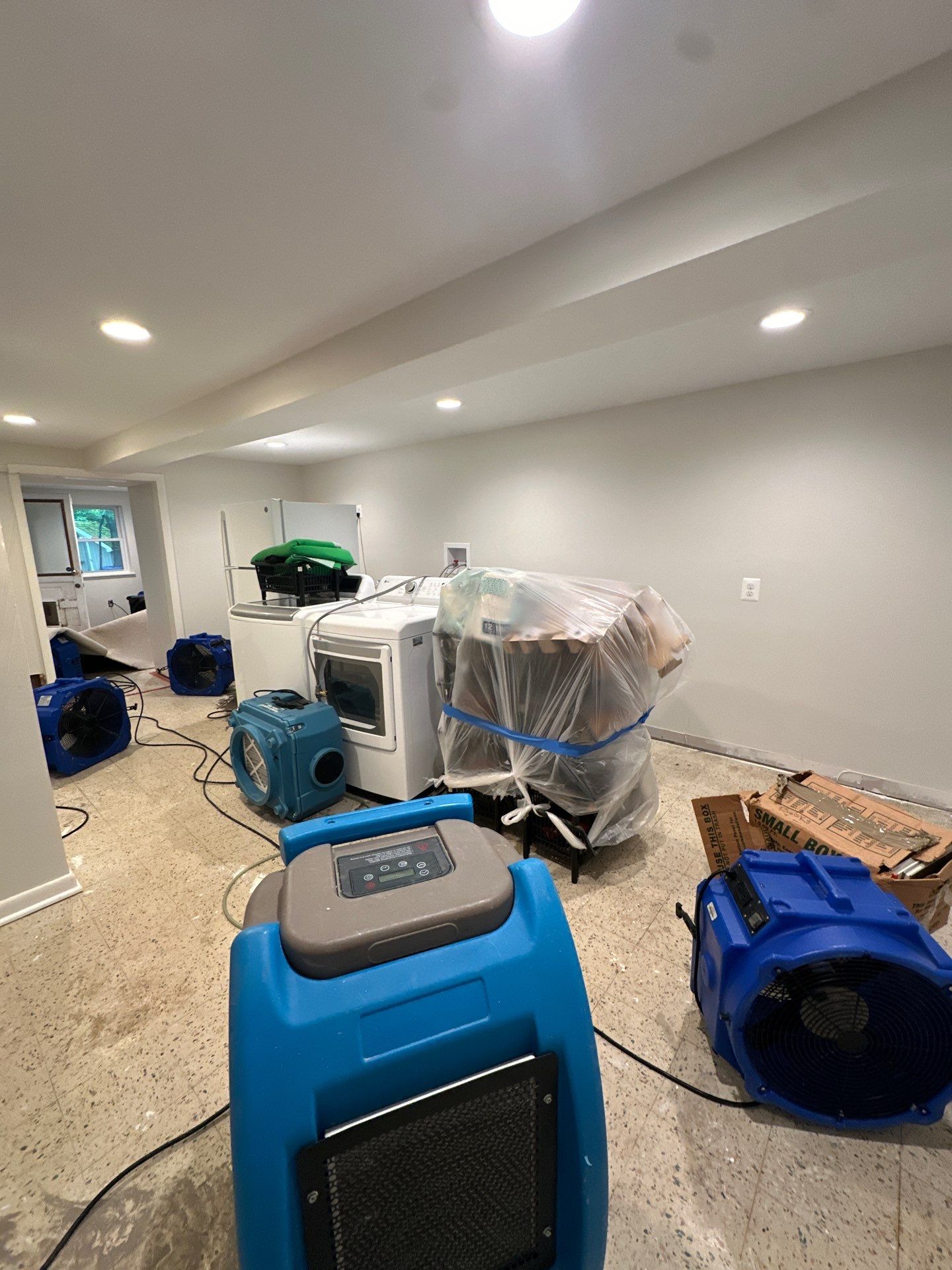
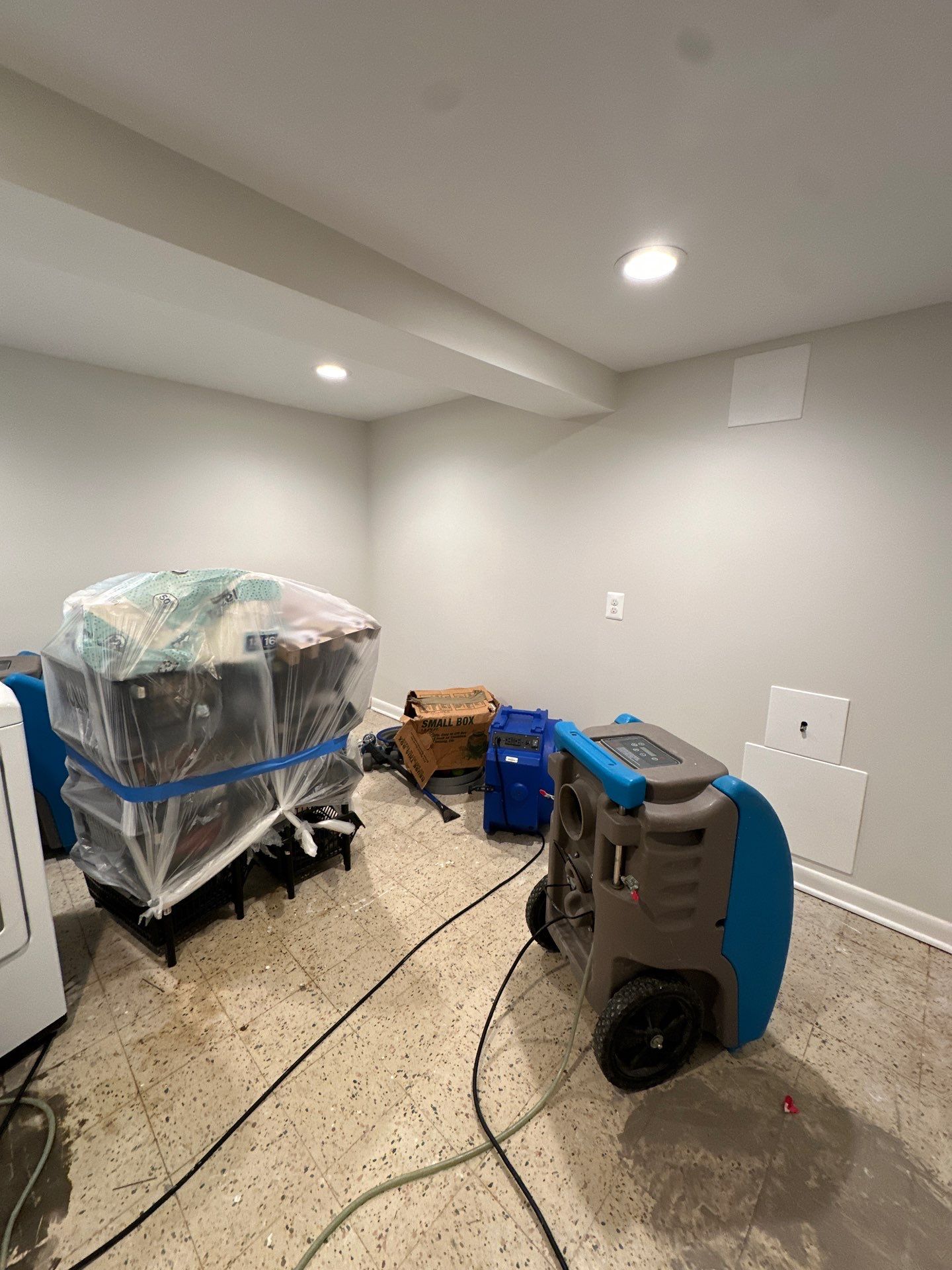
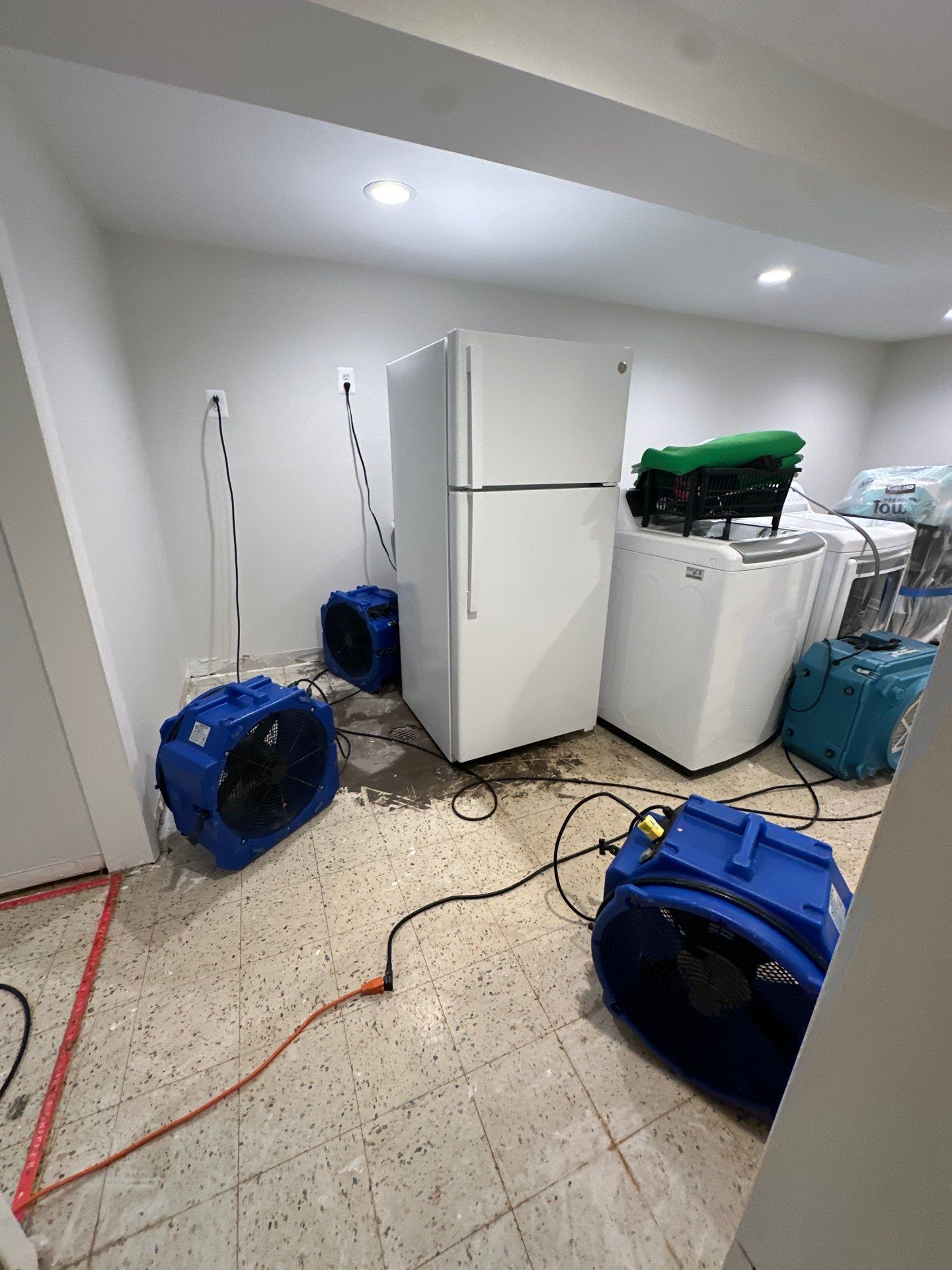
Our crew deployed a staged drying strategy centered on high-velocity air movement and controlled dehumidification. Air movers were positioned to create cross-flow circulation patterns across affected surfaces, while commercial dehumidifiers pulled moisture from the air to prevent secondary mold colonization during the drying window. The equipment placement was adjusted throughout the process based on moisture readings, ensuring that drying progressed uniformly rather than leaving pockets of elevated humidity that could sustain fungal activity.
The job followed IICRC S520 protocols for environments where mold had already established, meaning containment and controlled drying took priority over speed alone. Continuous monitoring allowed the team to verify that conditions were trending toward the dry standard before demobilizing equipment. The homeowner noted their confidence in the thoroughness of the work, and the space was returned to a stable, occupiable state.
Reviews from Restoration Doctor customers
Absolutely top-notch service! Restoration Doctor made our home safe and mold-free again.
Frequently asked questions
Why is mold remediation often needed after water intrusion in Falls Church homes?
In Falls Church's mid-20th-century housing stock, water intrusion can create ideal conditions for mold growth, especially when humidity isn't controlled quickly. Restoration Doctor combines structural drying with mold remediation to address both the moisture source and any fungal colonization that followed the intrusion. By running dehumidifiers alongside targeted remediation, we prevent the cycle from restarting once the visible growth is removed.
How does structural drying work alongside mold remediation in a Falls Church water loss?
Restoration Doctor uses high-velocity air movers and commercial dehumidifiers to pull moisture from building materials while containment barriers isolate affected areas during mold remediation. In Falls Church's older homes, this dual approach ensures that hidden moisture in wall cavities and subfloors is addressed at the same time we're removing contaminated materials. The equipment runs continuously with daily moisture readings to confirm materials are drying to standard before reconstruction begins.
What does dehumidification involve during a mold job in the City of Falls Church?
Dehumidification for a mold remediation project in Falls Church means running refrigerant or desiccant dehumidifiers to drop indoor relative humidity well below the threshold where mold can grow. Restoration Doctor monitors humidity levels and adjusts equipment placement to ensure air circulation reaches all affected surfaces, including those in containment. This step is critical in older Falls Church homes where limited ventilation can trap moisture even after the water source is repaired.
Does homeowners insurance typically cover mold remediation after water damage in Falls Church?
Coverage depends on whether the water intrusion was sudden and accidental—most Falls Church homeowners policies will cover mold remediation if it resulted from a covered peril like a burst pipe during a freeze-thaw event. Restoration Doctor works directly with insurers to document the scope and timeline, helping establish that the mold followed a qualifying loss. Gradual seepage or long-term neglect is usually excluded, so prompt response to water intrusion is key to preserving coverage.
How long does a combined drying and mold remediation project take in a Falls Church home?
Drying timelines vary with the extent of water intrusion and the materials affected, but a typical Falls Church project involving dehumidification and mold remediation runs three to seven days for the drying phase, with remediation work often overlapping or following immediately. Restoration Doctor takes daily moisture readings to confirm materials have reached equilibrium before we remove equipment and clear containment. Older framing and plaster common in Falls Church homes can hold moisture longer than modern drywall, so we let the readings—not the calendar—dictate when drying is complete.
Explore more restoration work
All projects in Falls Church · Water Damage Restoration in Falls Church
Water, fire, or mold damage in Falls Church?
Restoration Doctor responds 24/7 across Falls Church and Northern Virginia. Free assessment and transparent, insurance-friendly estimates — no obligation.
See our Water Damage Restoration services at restorationdoctors.com →