Water Damage Restoration
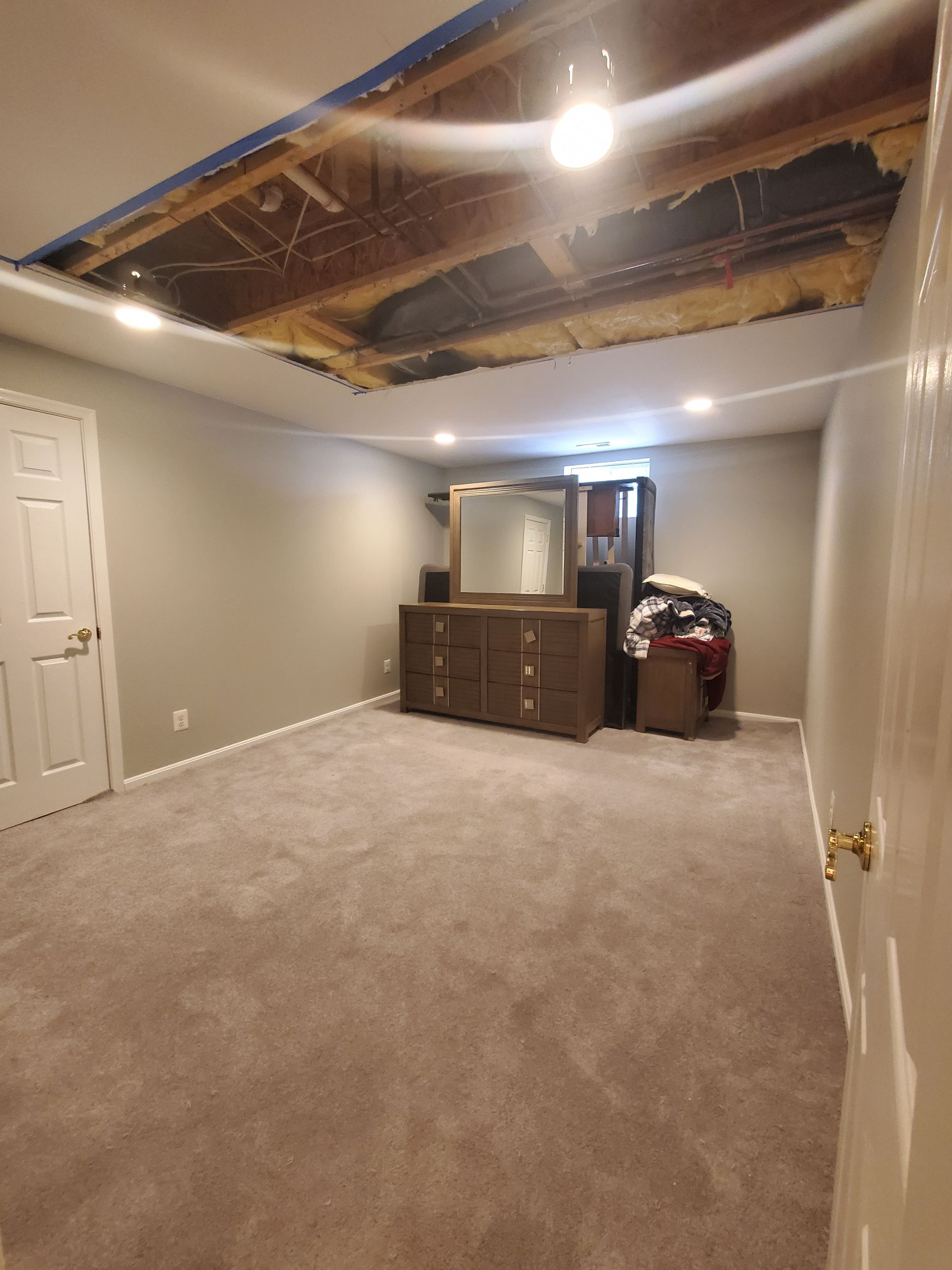
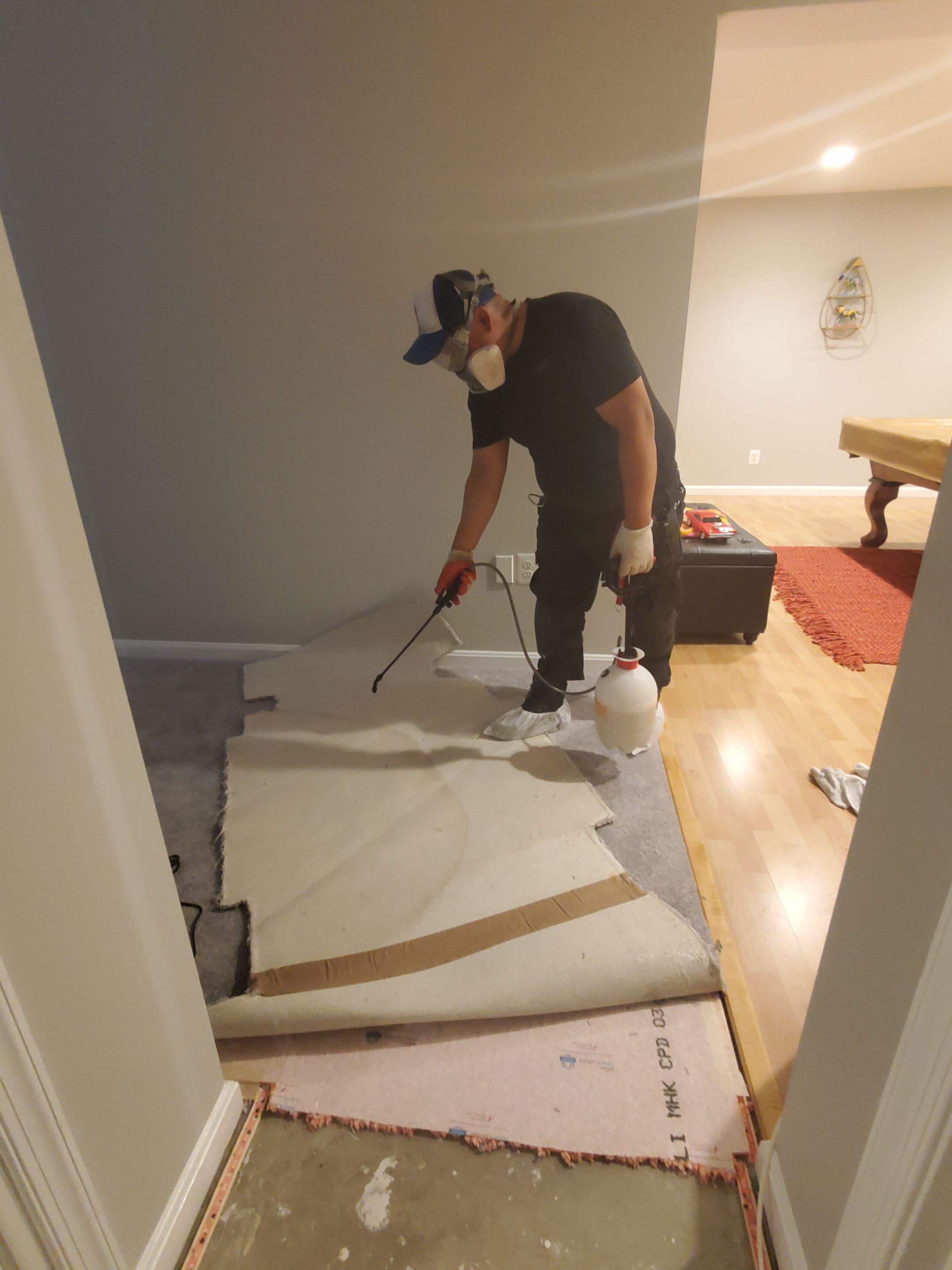
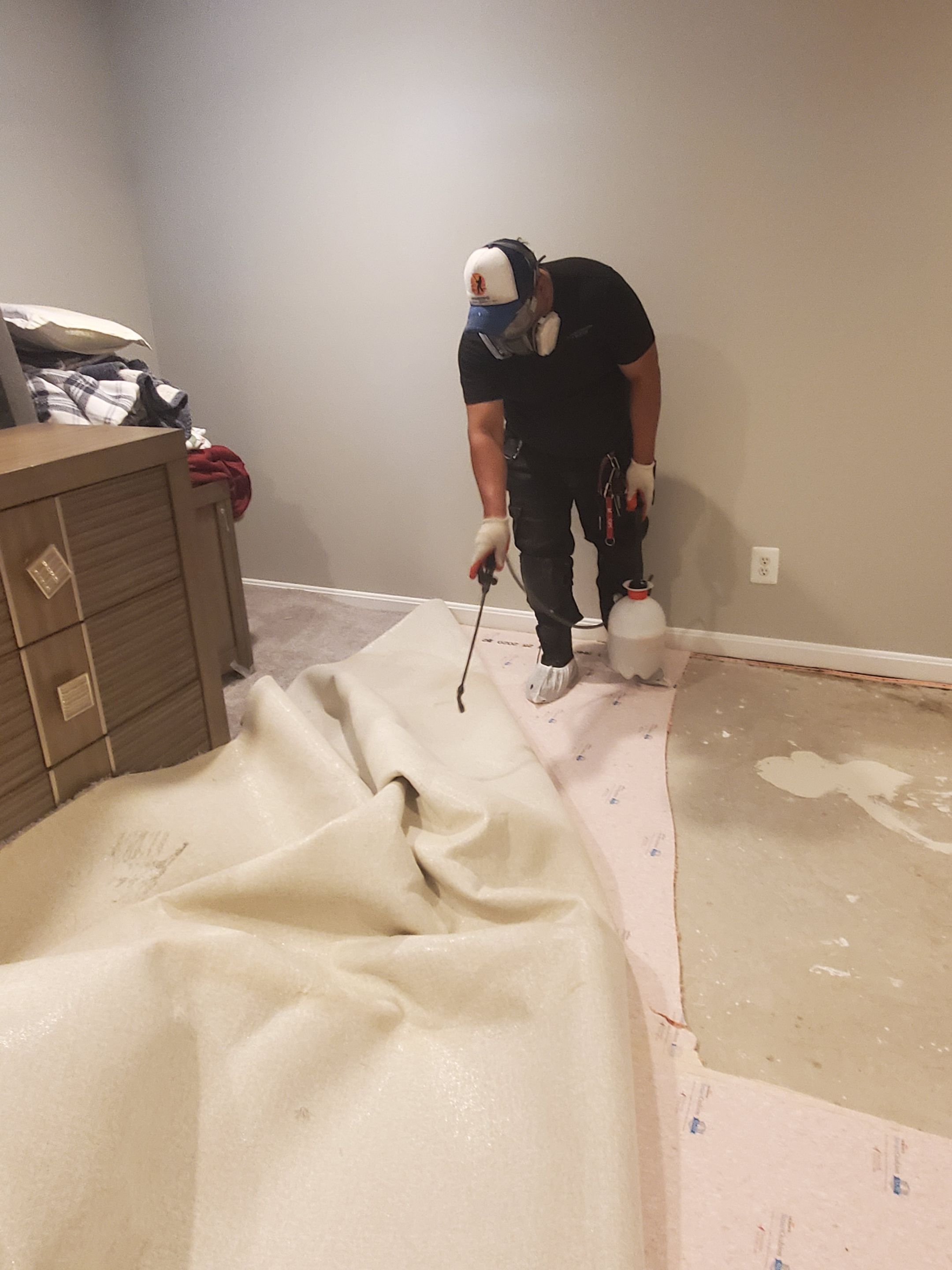
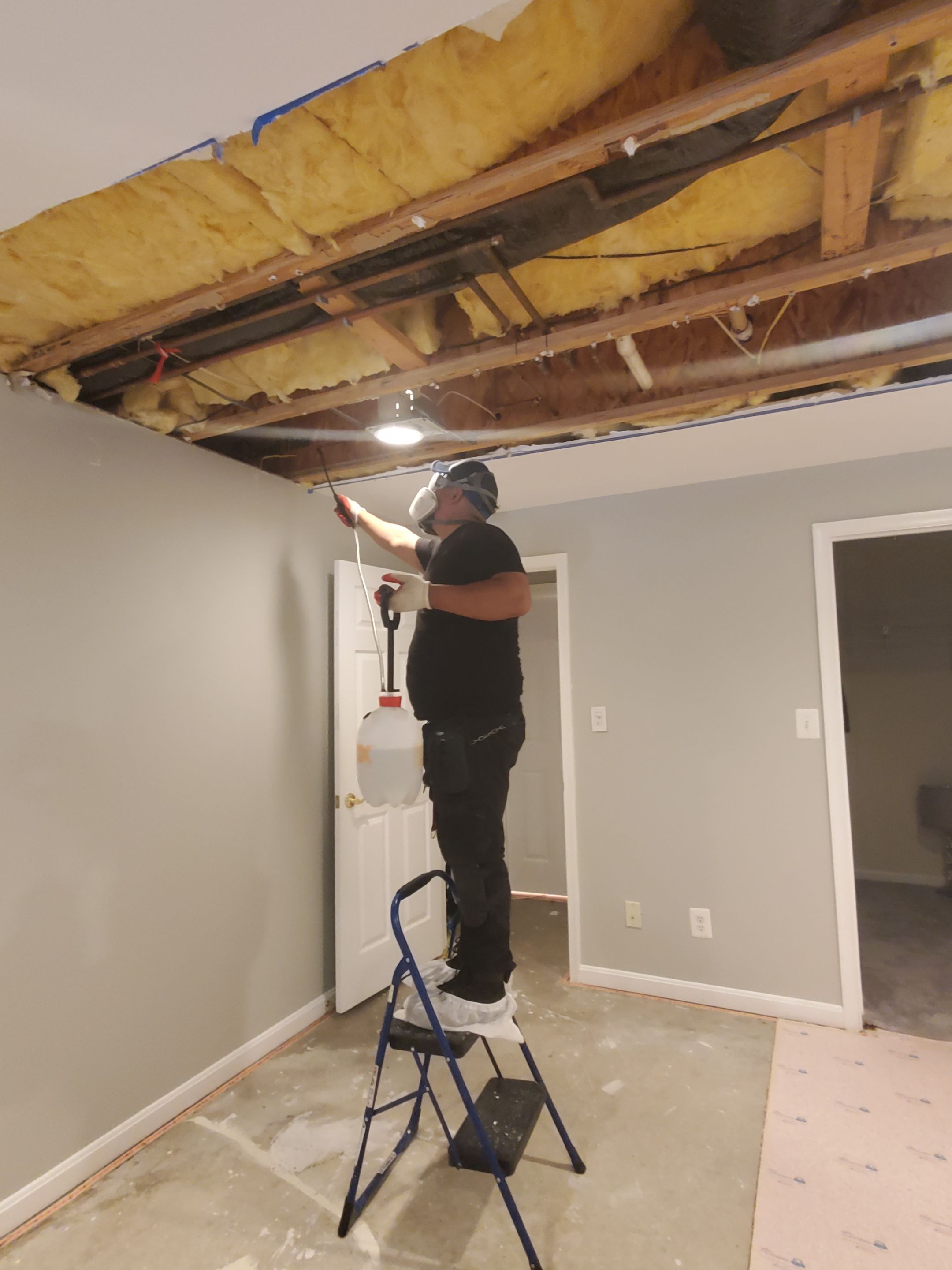
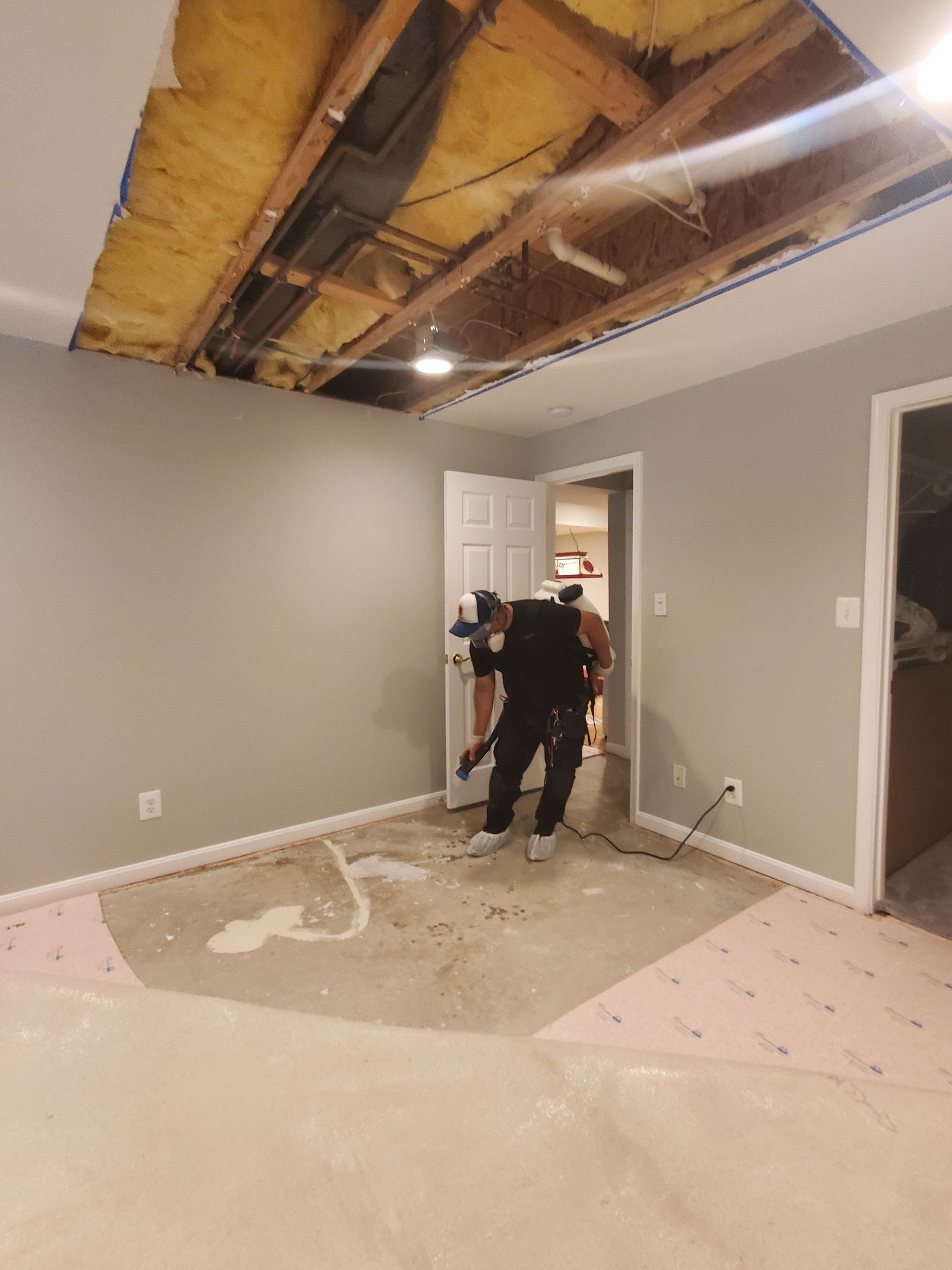
About this water damage restoration project
Mold growth following water intrusion had compromised ceiling sections and carpeting throughout this residential property. In Falls Church, an independent city where mid-20th-century housing stock often faces plumbing vulnerabilities during winter freeze-thaw cycles, hidden moisture can quickly escalate from a simple leak to a more complex remediation challenge.
Our team first traced the water source to prevent further intrusion, then erected containment barriers to isolate the affected rooms from the rest of the home. Compromised ceiling materials and saturated carpets were removed to eliminate hidden moisture reservoirs where mold had already begun to colonize. Advanced thermal imaging confirmed the full extent of moisture migration through wall cavities and subfloor assemblies—critical for ensuring no damp pockets remained behind finished surfaces.
Industrial dehumidifiers and strategically positioned air movers brought the structure back to dry standard conditions, following IICRC S520 protocols for mold remediation environments. Once drying was complete, we applied an EPA-registered antimicrobial treatment to all affected surfaces, creating a clean foundation for the rebuild phase. The homeowner's review reflected confidence in the thoroughness of the work, particularly the attention to moisture detection that prevented a recurring problem.
Frequently asked questions
Why was thermal imaging used during the water damage restoration in Falls Church?
Restoration Doctor deployed thermal imaging during this Falls Church project to locate hidden moisture trapped behind walls and within ceiling cavities after the water intrusion. In established mid-20th-century homes common to the City of Falls Church, concealed plumbing and settled insulation can mask wet areas that visual inspection alone would miss. The infrared scan guided our technicians to moisture pockets requiring targeted drying, preventing secondary mold growth in structural voids.
What does a containment barrier do during mold remediation following water damage?
During this Falls Church water and mold restoration, Restoration Doctor erected containment barriers to isolate the work zone and prevent airborne spore migration into unaffected rooms. Negative air pressure maintained inside the containment ensured that disturbed mold particles generated during ceiling removal and antimicrobial treatment were captured by HEPA filtration rather than circulating through the home's HVAC system. This protocol aligns with IICRC S520 mold remediation standards and protects occupants during active remediation.
How long does structural drying take after water intrusion in a Falls Church home?
Drying timelines vary with the extent of saturation, materials affected, and ambient conditions, but Restoration Doctor's dehumidification and air-mover setup at this Falls Church property typically brings structural components to dry standard within three to five days. Our technicians monitored moisture readings daily to confirm that framing, subfloor, and remaining ceiling assemblies reached equilibrium moisture content before ceiling repair commenced. Winter freeze-thaw events in older Northern Virginia homes can complicate drying if exterior envelope leaks persist, so source control was verified first.
Why were ceiling sections and carpet removed instead of dried in place?
Restoration Doctor removed compromised ceiling drywall and carpet at this Falls Church property because both materials had absorbed standing water and showed visible mold colonization, making in-place drying ineffective and unsafe. Saturated porous materials that remain wet for more than two days become reservoirs for microbial growth, and antimicrobial treatment alone cannot reverse structural damage or eliminate embedded contamination. Controlled removal allowed us to verify that hidden framing and insulation were dry and mold-free before reconstruction.
Does homeowners insurance cover water damage and mold remediation in Falls Church?
Coverage depends on the cause and timing of the loss; most Falls Church homeowners policies cover sudden, accidental water intrusion—such as a burst supply line—but exclude damage from long-term neglect or exterior groundwater seepage. Restoration Doctor works directly with insurance adjusters to document the scope, timeline, and mitigation steps taken at this property, helping clients navigate the claims process. Mold remediation is often covered when it results from a covered water loss addressed promptly, though policy sublimits and exclusions vary by carrier.
Explore more restoration work
All projects in Falls Church · Water Damage Restoration in Falls Church
Water, fire, or mold damage in Falls Church?
Restoration Doctor responds 24/7 across Falls Church and Northern Virginia. Free assessment and transparent, insurance-friendly estimates — no obligation.
See our Water Damage Restoration services at restorationdoctors.com →