Water Damage Restoration
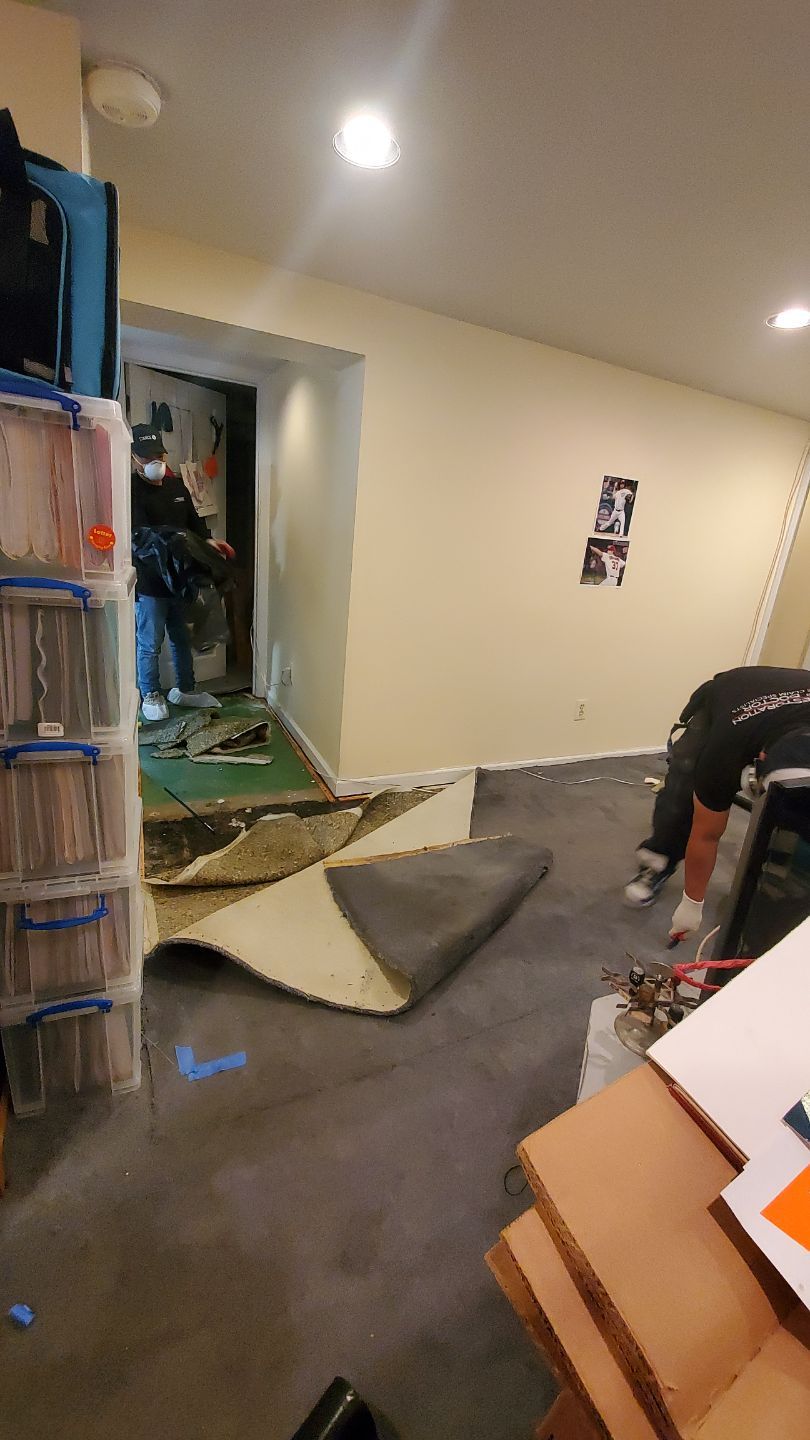
About this water damage restoration project
A basement flooded with standing water demands fast, methodical response to prevent secondary damage. This Falls Church property sits within an independent city of established mid-20th-century homes, where aging residential plumbing often fails during the region's winter freeze-thaw cycles—a common trigger for the intrusion we addressed here.
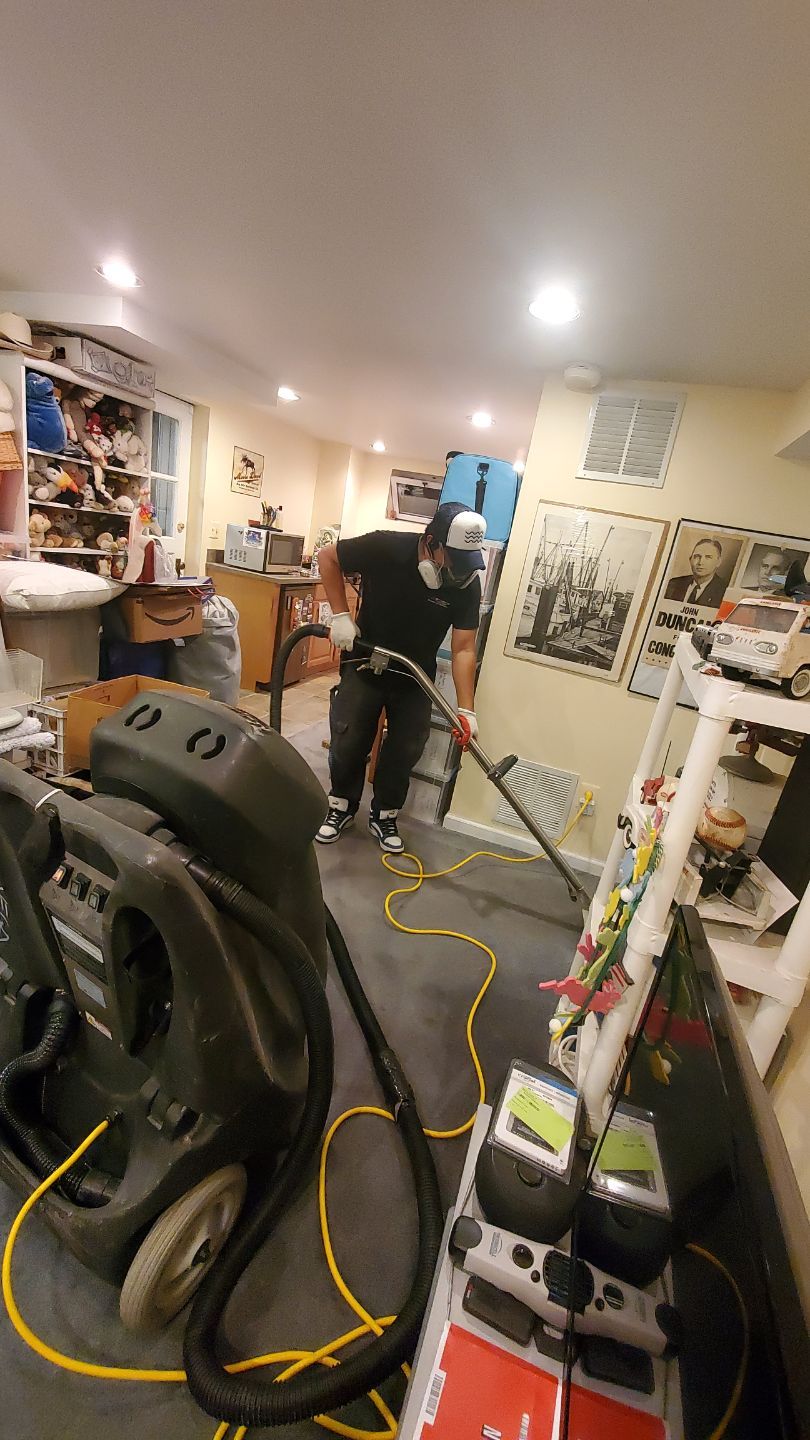
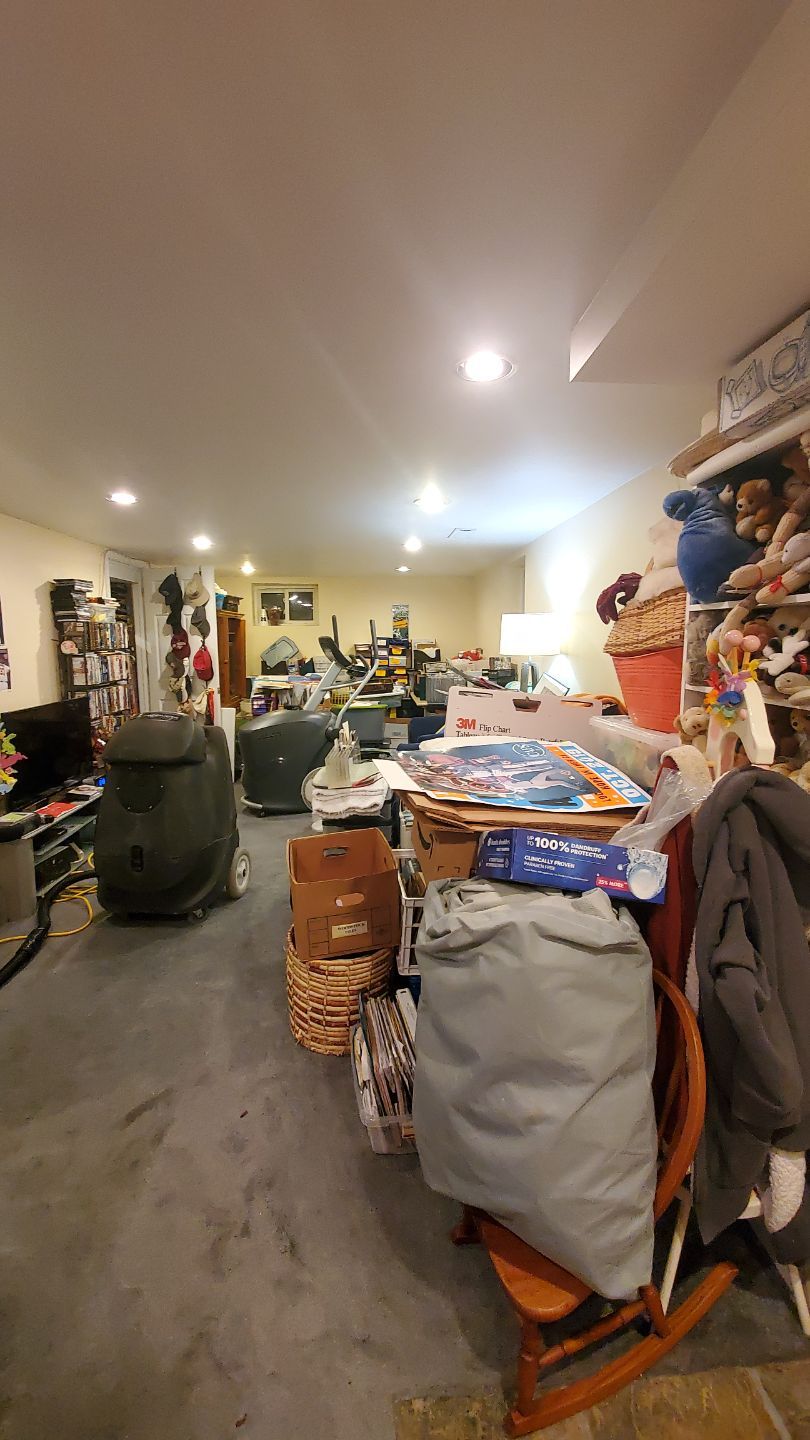
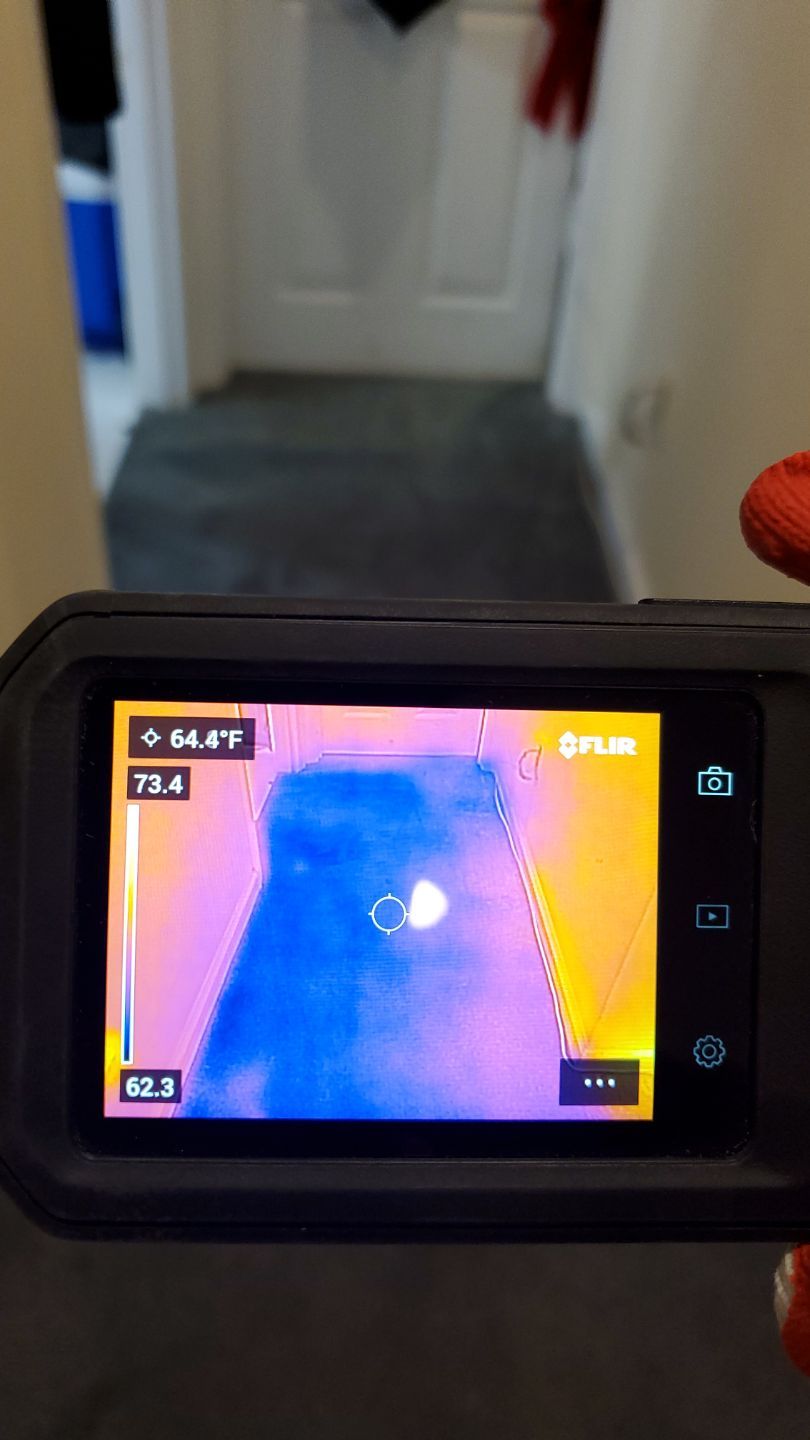
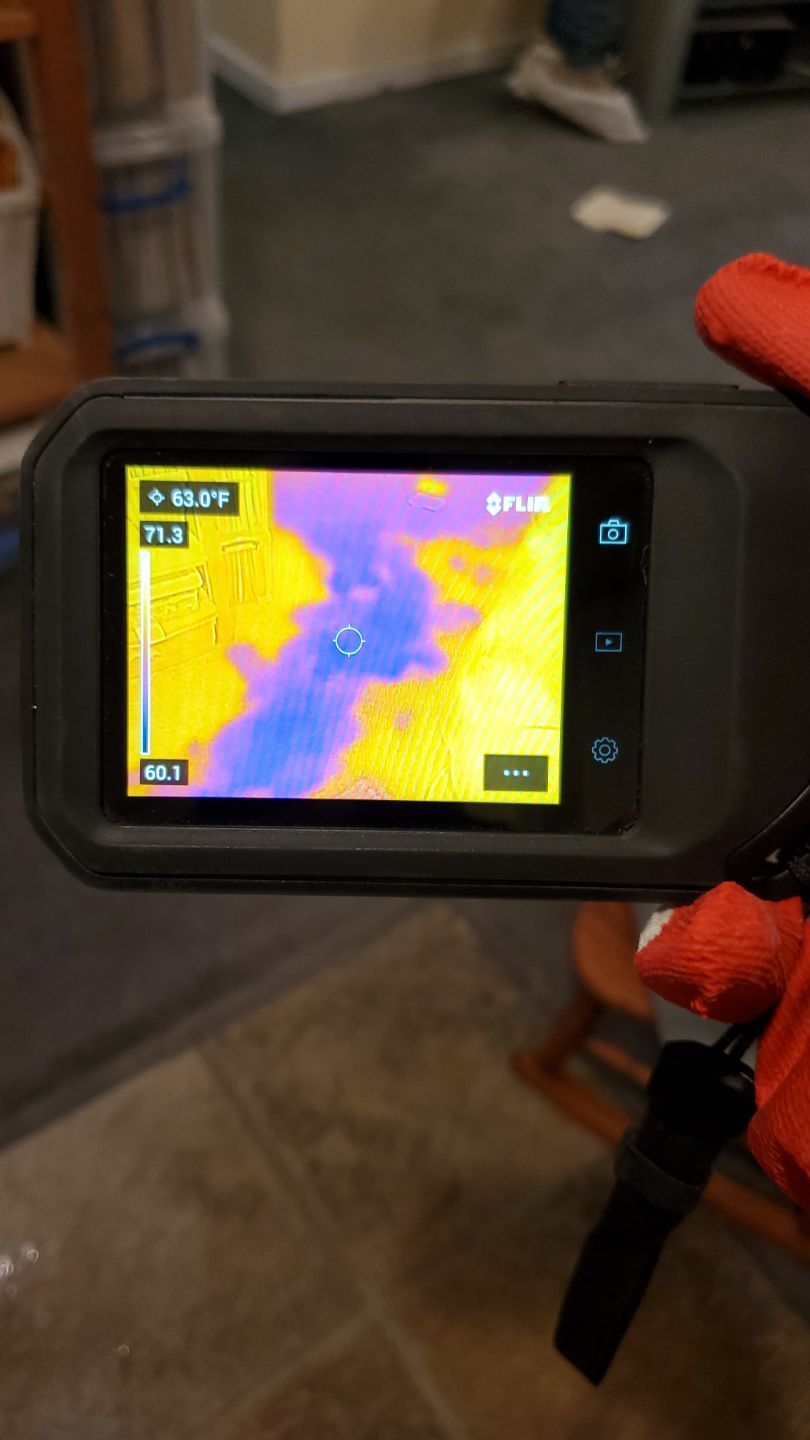
We began with thermal imaging to locate the moisture source, then deployed industrial extractors to pull water from saturated carpet. Protective coverings went over salvageable items while the soaked flooring was removed. With the affected materials out, we placed commercial dehumidifiers to draw residual moisture from subflooring and framing, following IICRC S500 protocols for controlled drying. Continuous monitoring ensured humidity levels dropped to safe thresholds before the space was released.
The homeowner noted their satisfaction with the thoroughness of the work. The basement returned to a dry, sanitary baseline, ready for new flooring and normal use—no standing water, no lingering dampness, and structural elements protected from long-term compromise.
Frequently asked questions
Why is thermal imaging important for basement water damage in Falls Church?
Thermal imaging allows Restoration Doctor technicians to locate hidden moisture pockets behind walls and under flooring that visual inspection alone would miss. In Falls Church's mid-20th century housing stock, where plumbing runs often sit within older framing and subfloors, a thermal camera reveals the full extent of water intrusion before structural drying begins. This precision prevents mold growth in concealed cavities and ensures the dehumidification process targets every affected zone.
What happens to carpet and flooring after standing water extraction in a Falls Church basement?
Once Restoration Doctor extracts standing water with industrial vacuums, soaked carpet padding typically requires removal because it acts as a moisture reservoir that prolongs drying time. The carpet itself may be salvageable if dried within the first 24–48 hours, but padding replacement is standard practice. In this Falls Church job, the wet carpet was removed to expose the subfloor for direct dehumidification, accelerating structural drying and preventing microbial growth beneath the surface.
How does dehumidification protect a home after water damage in the City of Falls Church?
Dehumidification pulls moisture from the air and building materials simultaneously, driving vapor out of wood framing, drywall, and concrete that absorbed water during the loss. Restoration Doctor's equipment lowers indoor humidity to levels that halt microbial colonization and prevent warping or delamination in structural members. In Falls Church's humid Mid-Atlantic climate, passive air drying is insufficient—commercial-grade dehumidifiers are essential to meet the IICRC S500 drying standard and return the space to a stable moisture profile.
What protective measures does Restoration Doctor take for undamaged belongings during water extraction?
Before beginning extraction and drying work, Restoration Doctor covers furniture, electronics, and stored items with protective sheeting to shield them from airborne moisture, dust, and incidental contact with wet surfaces. This containment step, used in the Falls Church basement job, prevents secondary damage to salvageable property while technicians focus on removing water and drying the structure. It's a standard protocol that keeps restoration work confined to the affected zone.
How long does structural drying typically take for a basement water loss in Falls Church?
Drying timelines depend on the volume of water, the materials affected, and ambient conditions, but most basement losses in Falls Church require three to five days of continuous dehumidification and air movement to reach target moisture levels. Restoration Doctor monitors progress with moisture meters daily, adjusting equipment placement as readings drop. Older homes with dense plaster or masonry foundations may take slightly longer, while modern drywall and engineered lumber dry faster under controlled conditions.
Explore more restoration work
All projects in Falls Church · Water Damage Restoration in Falls Church
Water, fire, or mold damage in Falls Church?
Restoration Doctor responds 24/7 across Falls Church and Northern Virginia. Free assessment and transparent, insurance-friendly estimates — no obligation.
See our Water Damage Restoration services at restorationdoctors.com →