Water Damage Restoration
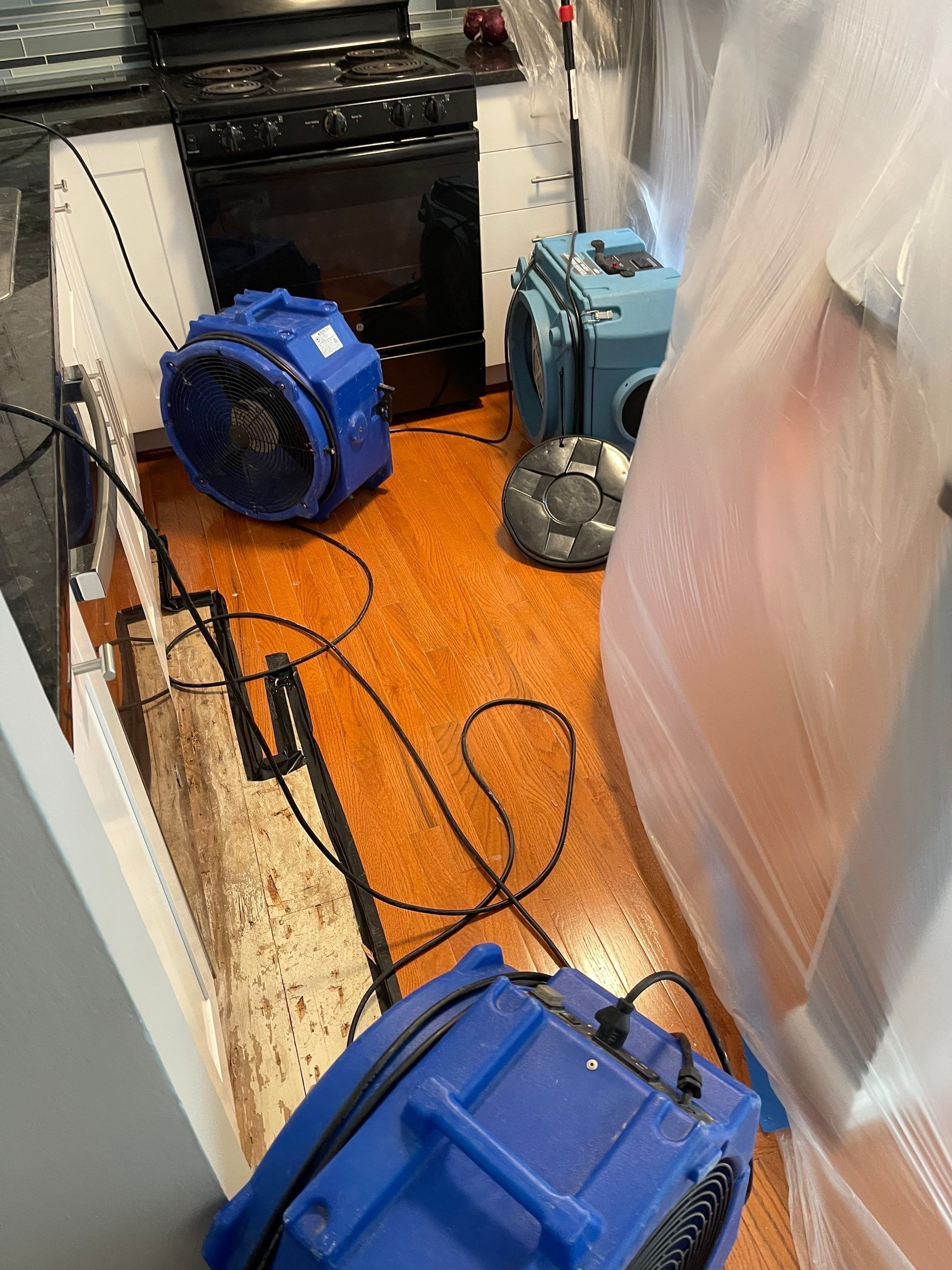
About this water damage restoration project
Following water intrusion that progressed to mold growth, this kitchen and basement restoration required targeted containment and controlled drying. The property sits in the City of Falls Church, where established mid-20th-century homes often face plumbing vulnerabilities tied to winter freeze-thaw cycles common to older Northern Virginia residential stock.
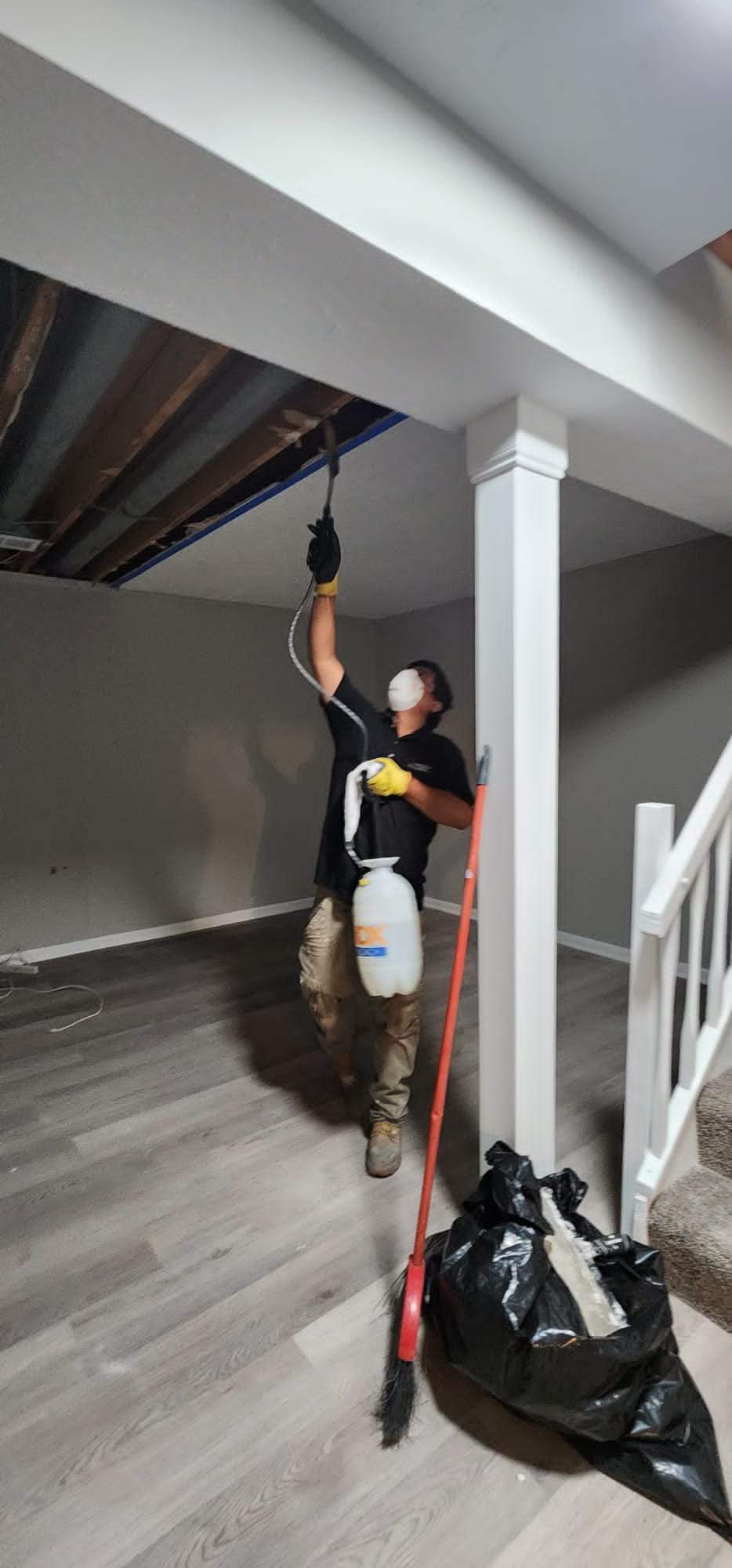
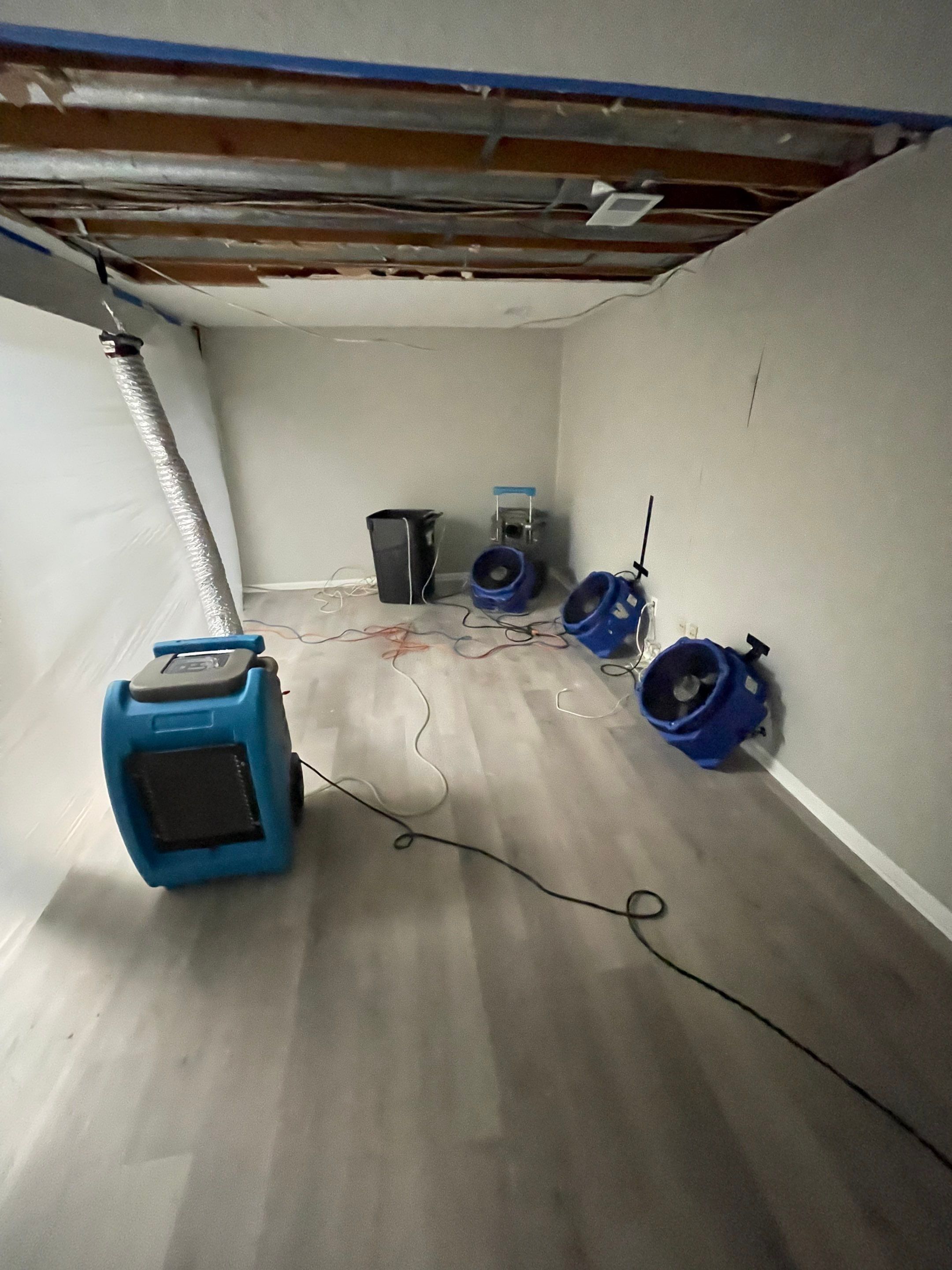
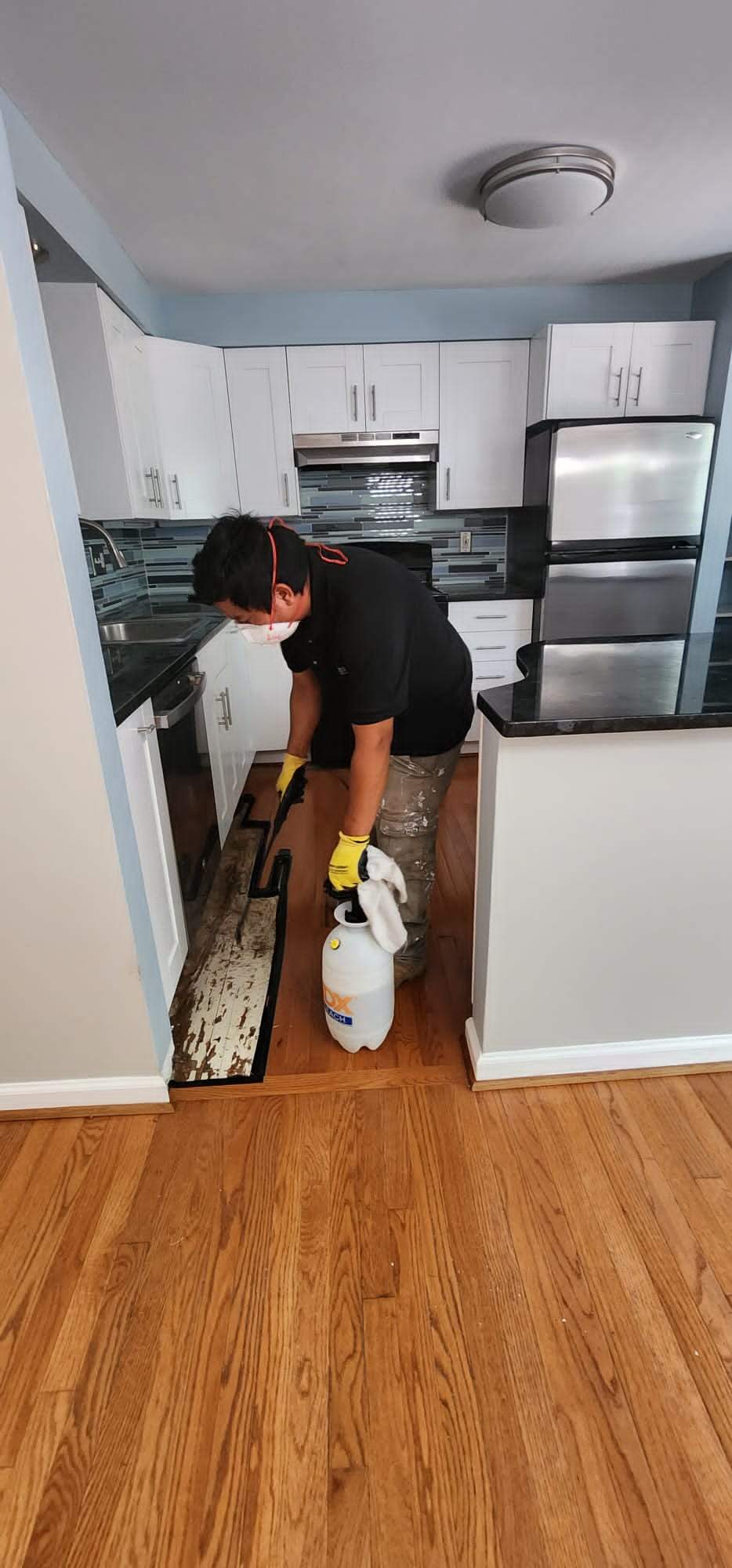
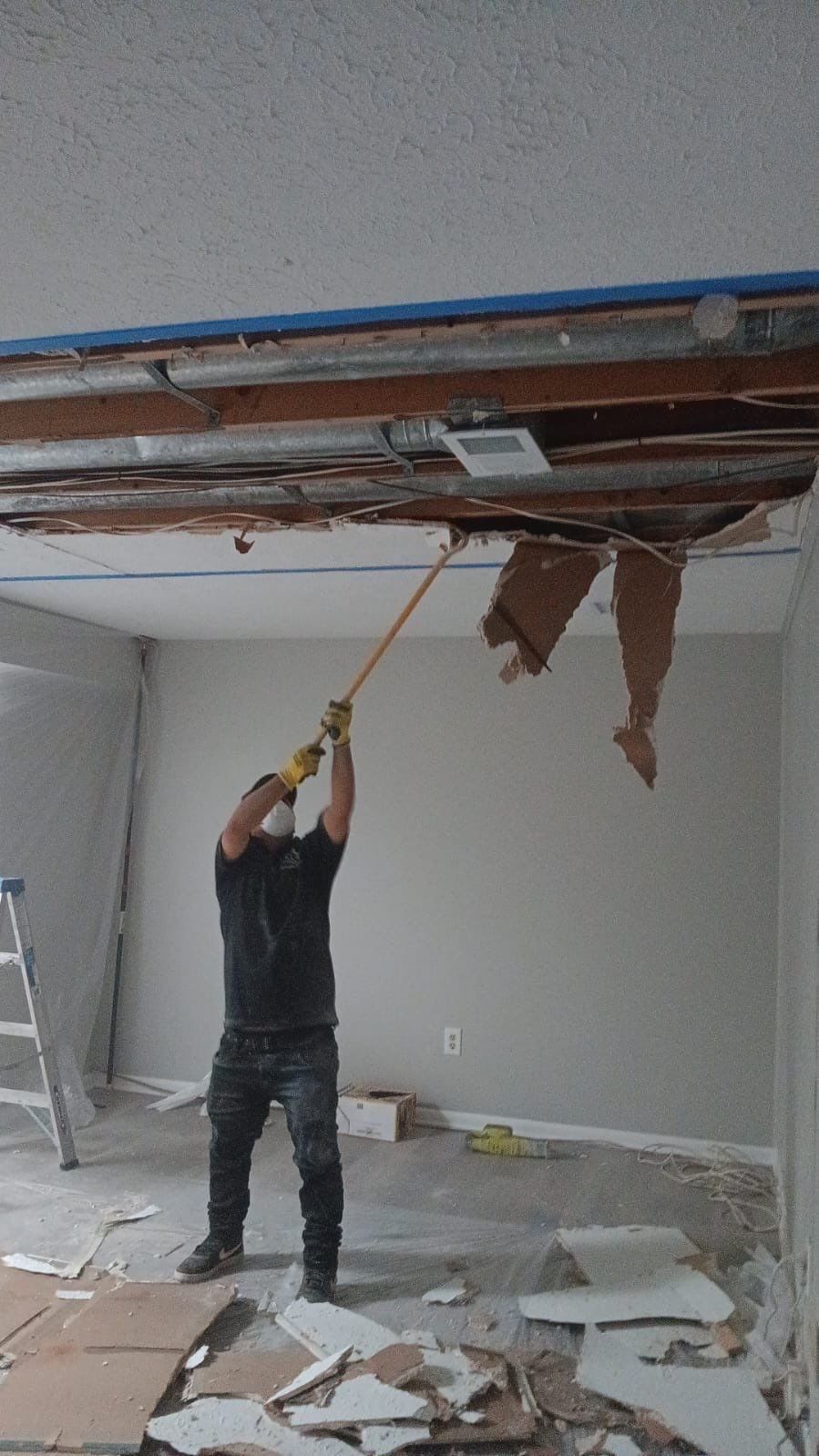
After initial assessment revealed the extent of moisture penetration, we removed compromised ceiling drywall to expose hidden mold concerns and prevent further spread. Thermal imaging guided the placement of heavy-duty air movers and dehumidifiers, allowing us to track moisture levels in real time as affected materials dried to target equilibrium. The scope followed IICRC S520 mold remediation protocols, with antimicrobial application to treated surfaces once structural drying confirmed stable readings.
The homeowner's review reflected satisfaction with both the technical approach and the outcome—a kitchen and basement returned to safe occupancy without the need for full-scale reconstruction. By addressing the mold at the source and controlling the drying environment, the restoration preserved the underlying structure while eliminating the conditions that allowed microbial growth to establish.
Frequently asked questions
Why did Restoration Doctor remove ceiling drywall during this Falls Church water damage project?
When water intrusion compromises drywall in Falls Church homes—particularly in the established mid-century housing stock common to the independent city—the material often wicks moisture into hidden cavities where mold can colonize unseen. Restoration Doctor removed the affected ceiling drywall to expose and dry the concealed framing, eliminate existing mold reservoirs, and apply antimicrobial treatment directly to structural members. This approach prevents long-term indoor air quality problems that surface moisture readings alone cannot catch.
How does thermal imaging help with moisture detection after water damage in a Falls Church basement and kitchen?
Thermal imaging allows Restoration Doctor technicians to map temperature differentials that reveal trapped moisture behind finished surfaces—critical in older Falls Church homes where original construction may lack vapor barriers. By identifying cool spots where evaporative cooling occurs, we pinpoint wet framing, insulation, or subfloor areas that standard meters might miss. This ensures dehumidifiers and air movers are positioned for complete structural drying, not just surface drying.
What antimicrobial solutions does Restoration Doctor use after water intrusion leads to mold in Falls Church properties?
Following water damage and mold discovery in Falls Church, Restoration Doctor applies EPA-registered antimicrobial and antifungal agents to cleaned and dried structural surfaces. These solutions inhibit regrowth on wood framing, subfloors, and other porous materials common in the city's mid-20th-century housing stock. Application occurs only after moisture levels meet drying standards, as antimicrobials cannot compensate for incomplete drying in Northern Virginia's humid climate.
Can winter freeze-thaw cycles cause the kind of water intrusion that leads to mold in Falls Church homes?
Yes—freeze-thaw cycles are a documented climate driver in Northern Virginia and can crack supply lines, damage roof flashing, or compromise older foundation waterproofing in Falls Church's established housing stock. When these failures go unnoticed, slow leaks saturate wall cavities and create the sustained moisture conditions mold requires. Restoration Doctor's thermal inspection and structural drying process addresses both the visible water damage and the hidden moisture that fuels microbial growth.
What rooms in a Falls Church home typically require the most intensive drying after water damage?
Kitchens and basements—the areas affected in this Falls Church project—are common high-risk zones because they contain plumbing concentrations, below-grade or slab-on-grade construction, and finished surfaces that trap moisture. Restoration Doctor deployed heavy-duty dehumidifiers and air movers in both spaces to achieve structural drying, monitored progress with thermal imaging, and sanitized all affected materials to prevent secondary mold colonization in the humid Mid-Atlantic environment.
Explore more restoration work
All projects in Falls Church · Water Damage Restoration in Falls Church
Water, fire, or mold damage in Falls Church?
Restoration Doctor responds 24/7 across Falls Church and Northern Virginia. Free assessment and transparent, insurance-friendly estimates — no obligation.
See our Water Damage Restoration services at restorationdoctors.com →