Water Damage Restoration
About this water damage restoration project
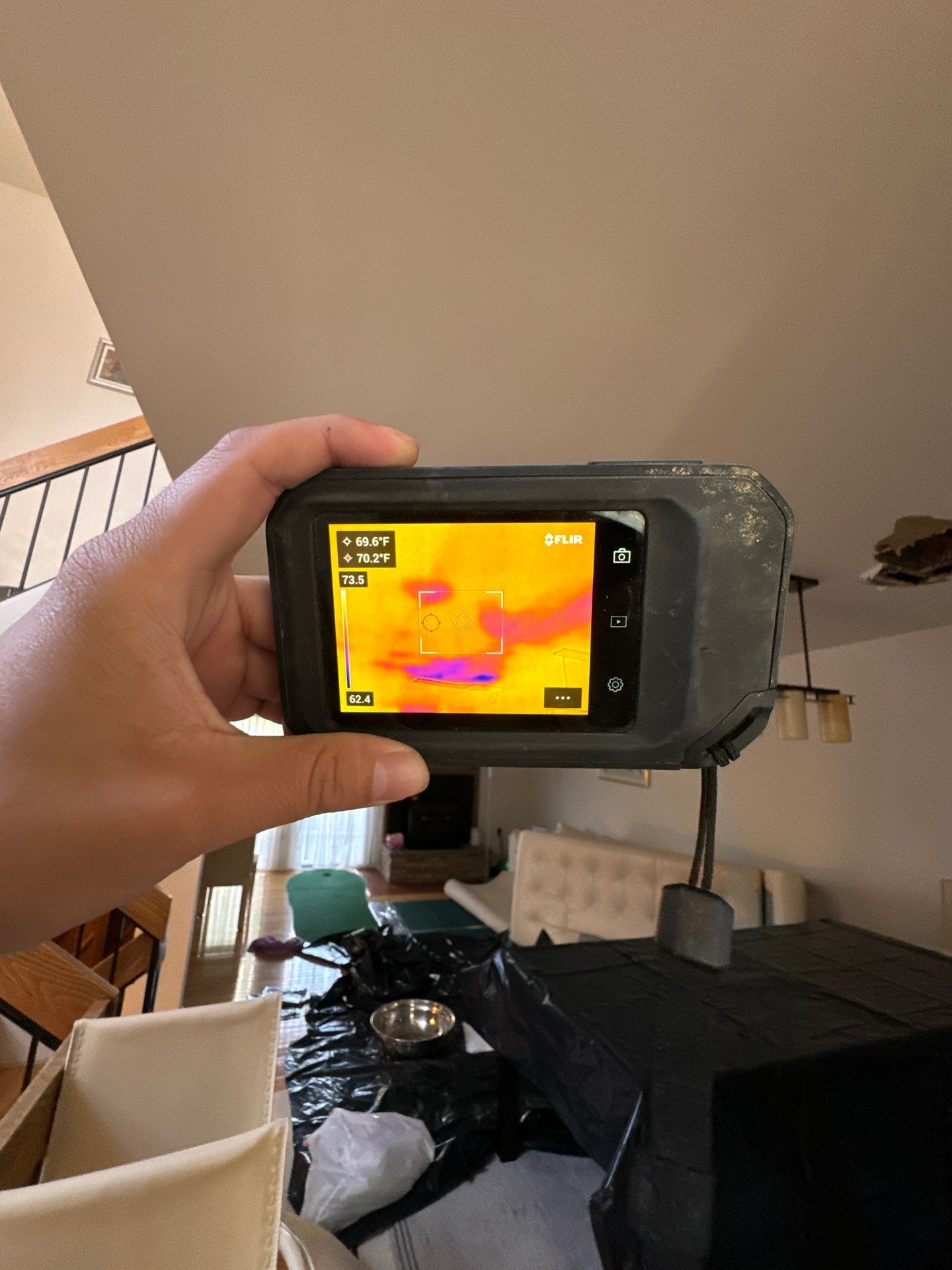
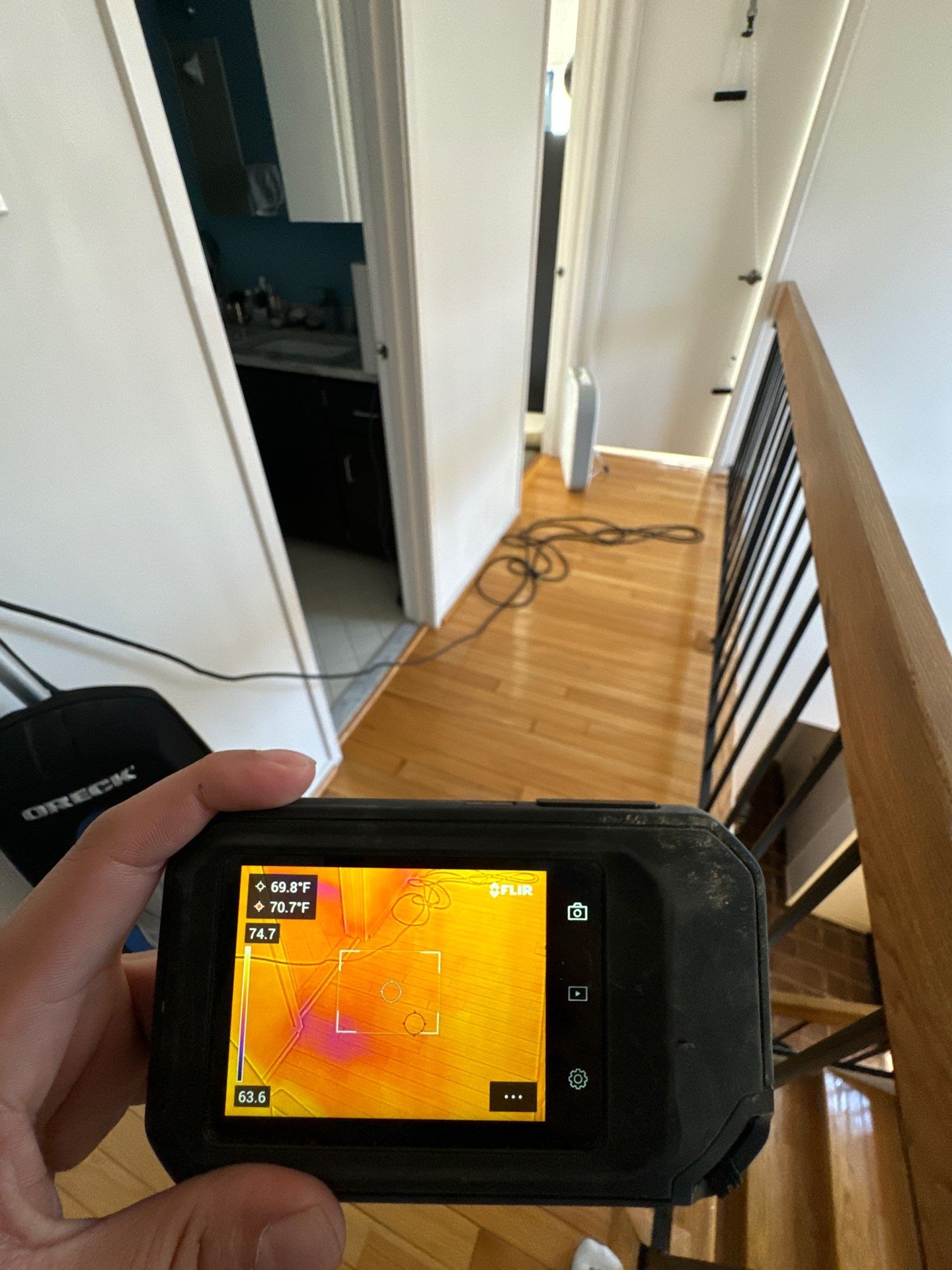
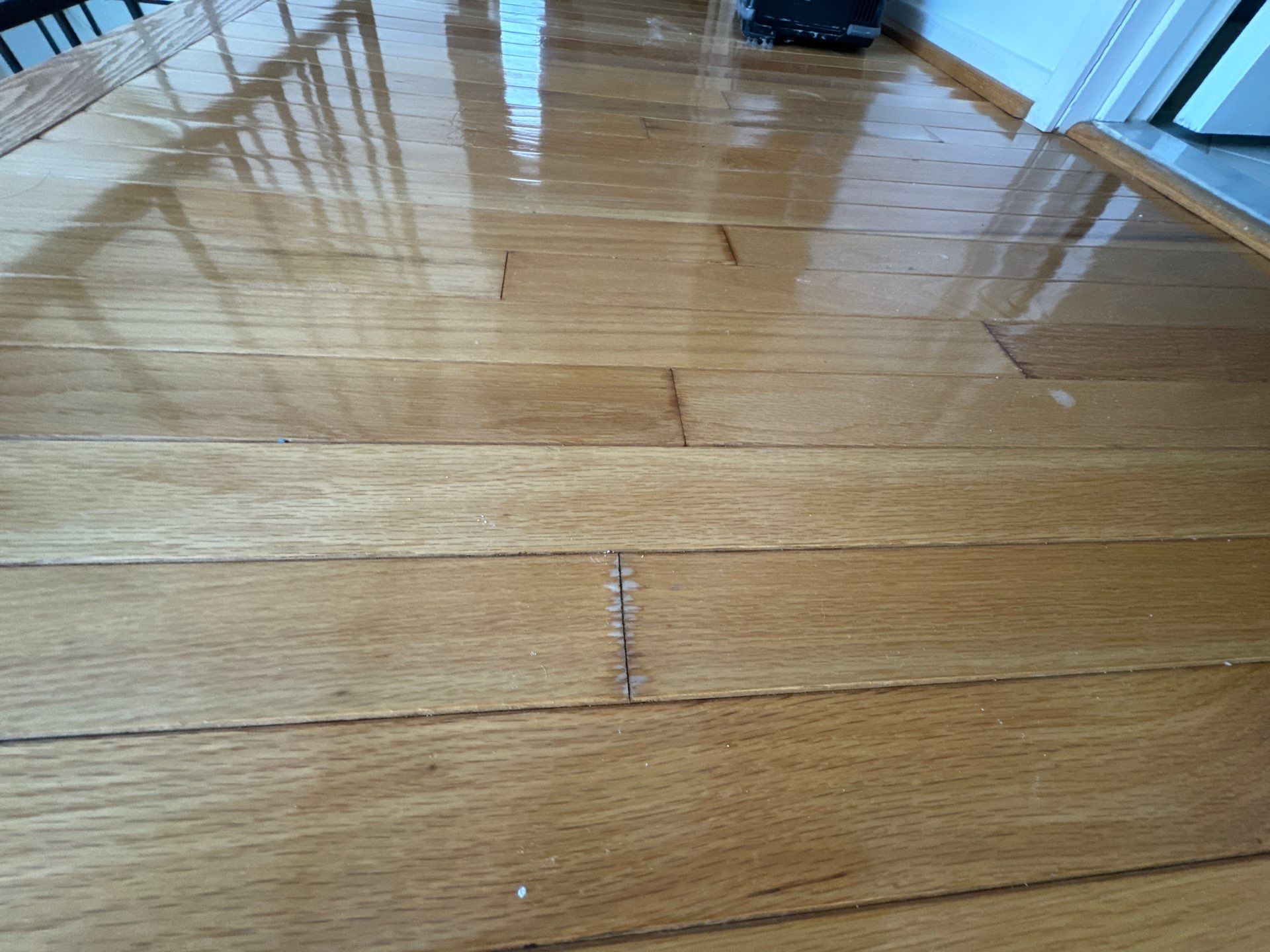
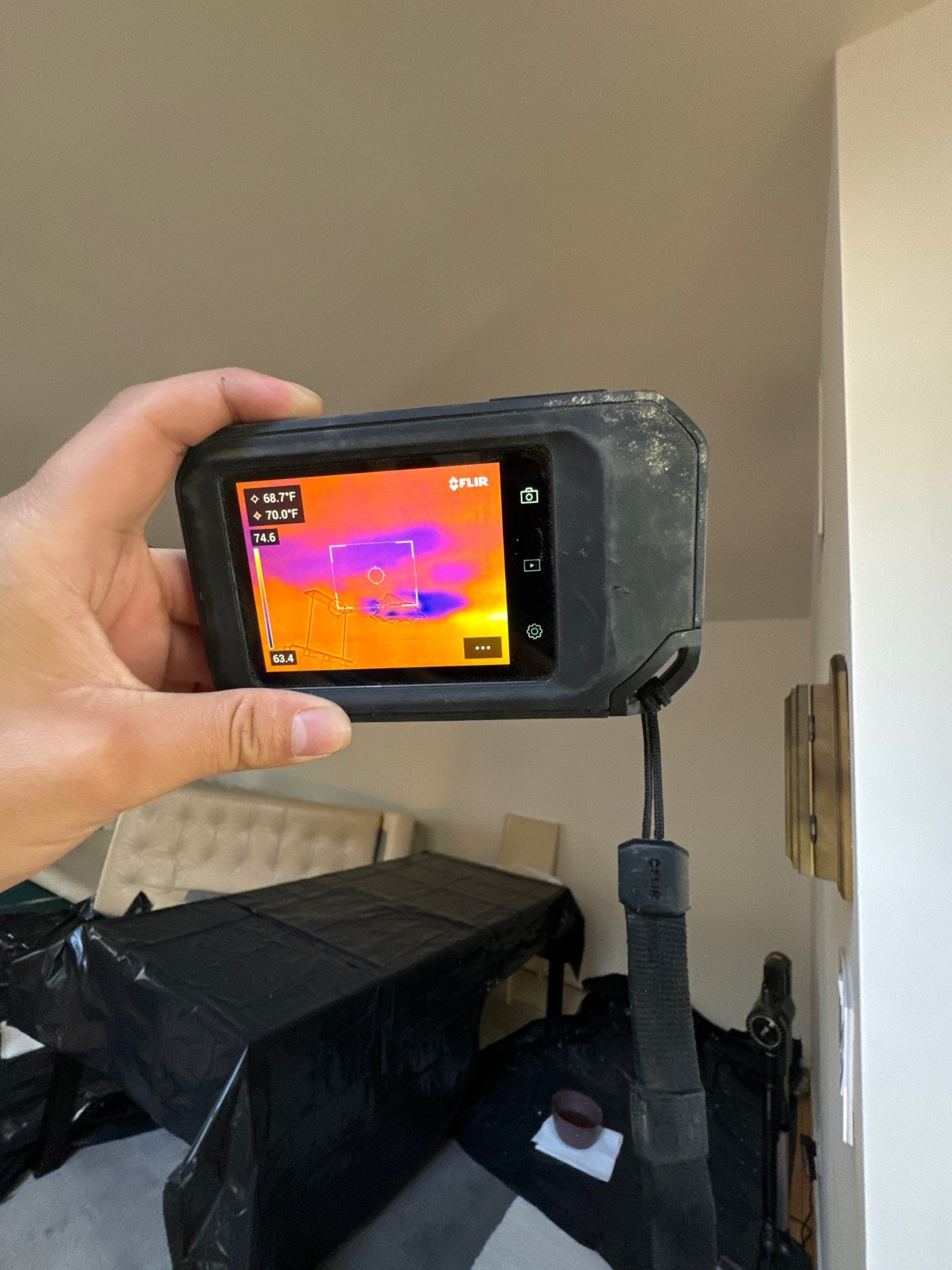
A significant leak had saturated both the ceiling and hardwood flooring at this property, creating conditions ripe for secondary mold growth. In the City of Fairfax, where hot, humid Mid-Atlantic summers can accelerate microbial colonization in moisture-laden building cavities—particularly in the mid-century single-family homes common to the area—our team responded with thermal imaging to map the full extent of hidden moisture before it could spread further.
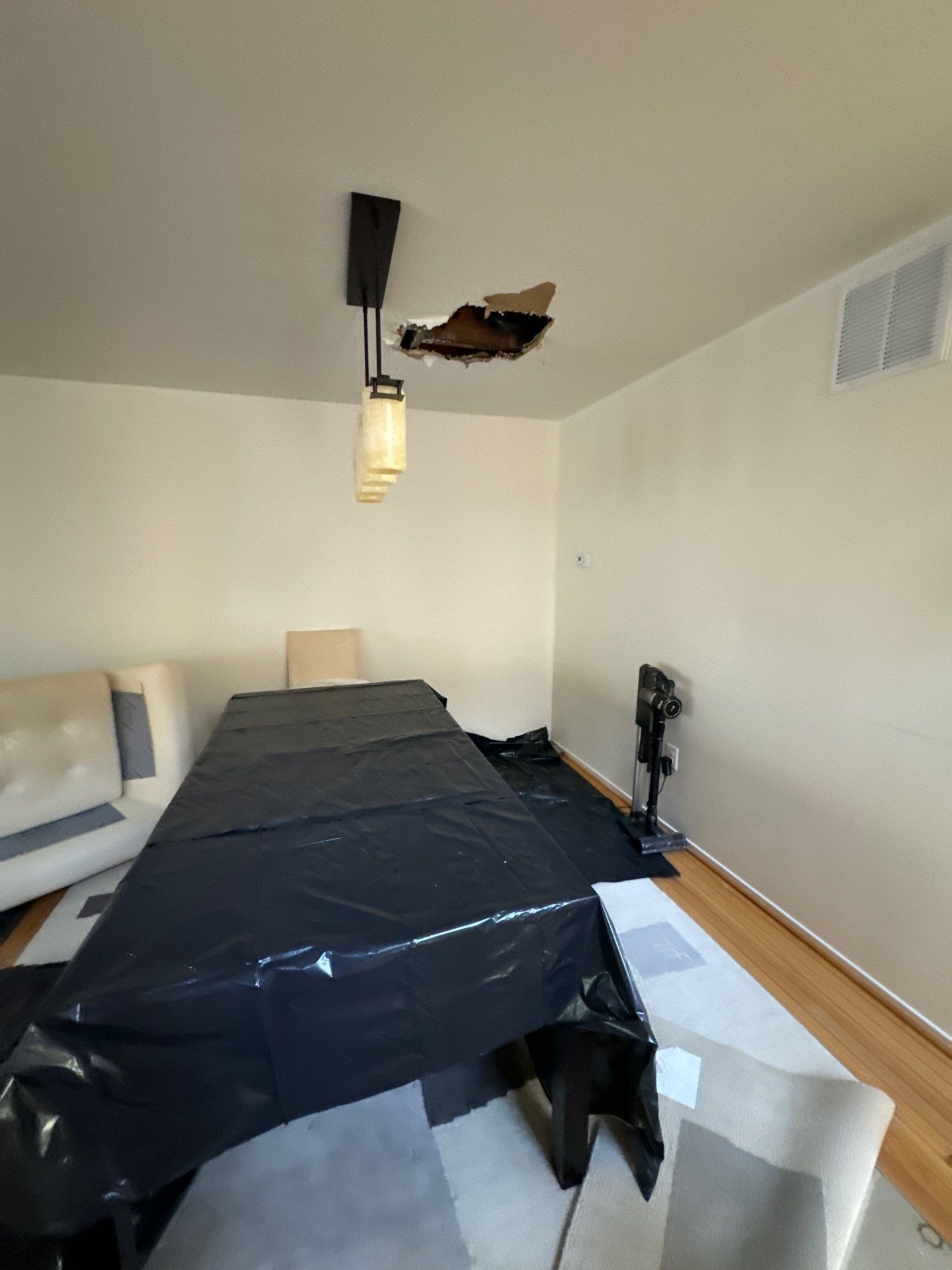
Furniture received protective coverings while extractors pulled standing water from the hardwood. The ceiling was opened to expose trapped moisture in the cavity above, a step critical to preventing mold from establishing in inaccessible framing. High-efficiency dehumidifiers and air movers ran continuously to bring the structure back into equilibrium, following IICRC S500 protocols for controlled drying in Class 3 water intrusions.
Monitoring continued throughout the drying phase to confirm moisture levels had dropped to safe thresholds before reconstruction could begin. The homeowner noted in their review how quickly the team moved from assessment to containment, preventing what could have escalated into a far more invasive remediation. By addressing both the visible water damage and the hidden moisture driving mold risk, the project stayed on course for a complete structural repair.
Frequently asked questions
Why was thermal imaging used during the water intrusion inspection in Fairfax?
Restoration Doctor used thermal imaging to locate hidden moisture pockets trapped behind the ceiling and within structural cavities after the leak. In Fairfax's mix of historic-district and mid-century homes, water often migrates through wall assemblies and floor joists in ways visual inspection alone cannot detect. Thermal cameras reveal temperature differentials caused by evaporative cooling, allowing our technicians to map the full extent of saturation and target drying equipment precisely where moisture remains.
How does opening a ceiling help dry out water damage to hardwood floors below?
Opening the ceiling at this Fairfax property created an airflow path that allowed trapped moisture in the floor-joist cavity to escape, preventing the hardwood below from cupping or developing mold on its underside. When water intrudes from above, it saturates not just the visible ceiling surface but the insulation, framing, and subfloor—materials that hold moisture for weeks without ventilation. By exposing the cavity and placing dehumidifiers and air movers to pull humid air through the opening, Restoration Doctor accelerated structural drying and protected the finished hardwood from permanent damage.
What role do dehumidifiers play after water extraction in a Fairfax restoration job?
After extracting standing water from the hardwood floors, Restoration Doctor deployed high-efficiency dehumidifiers to lower the indoor humidity and pull residual moisture from building materials. In Fairfax's humid Mid-Atlantic summers, ambient humidity can stall evaporation and allow mold to colonize damp framing and subfloors within days. Dehumidifiers maintain controlled conditions that keep drying active until moisture readings in the ceiling structure and flooring return to normal, a process monitored with meters throughout the job.
How long does structural drying typically take after a ceiling leak in the City of Fairfax?
Drying timelines depend on the extent of saturation, the affected materials, and indoor conditions, but most ceiling and floor assemblies in Fairfax single-family homes reach dry standard within three to seven days under controlled dehumidification. Restoration Doctor monitors moisture levels daily with calibrated meters, adjusting equipment as readings drop, and does not proceed to ceiling repair until structural components test dry. Jobs involving older plaster or dense hardwood may require additional time compared to modern drywall and engineered flooring.
Does water damage restoration in Fairfax include mold prevention, or is that a separate service?
Restoration Doctor's water damage restoration process in Fairfax integrates mold prevention as a standard practice—rapid extraction, structural drying, and dehumidification are designed to keep conditions below the moisture thresholds mold requires to grow. When a job involves visible mold or prolonged saturation before our arrival, we assess whether containment and antimicrobial treatment under IICRC S520 protocols are warranted. In this case, the prompt response and controlled drying aimed to prevent colonization rather than remediate established growth.
Explore more restoration work
All projects in Fairfax · Water Damage Restoration in Fairfax
Water, fire, or mold damage in Fairfax?
Restoration Doctor responds 24/7 across Fairfax and Northern Virginia. Free assessment and transparent, insurance-friendly estimates — no obligation.
See our Water Damage Restoration services at restorationdoctors.com →