Swift Water Damage Remediation
About this water damage restoration project
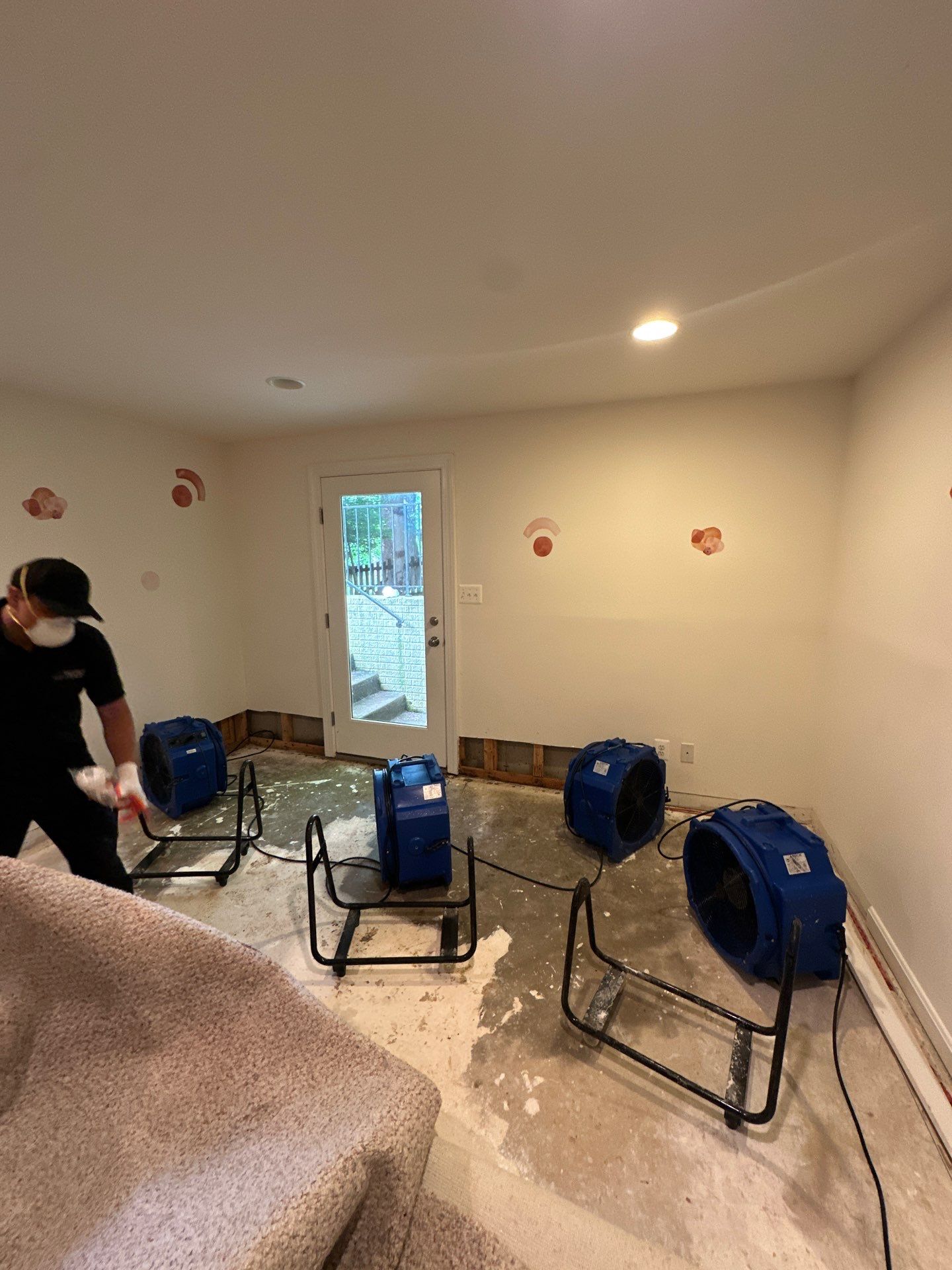
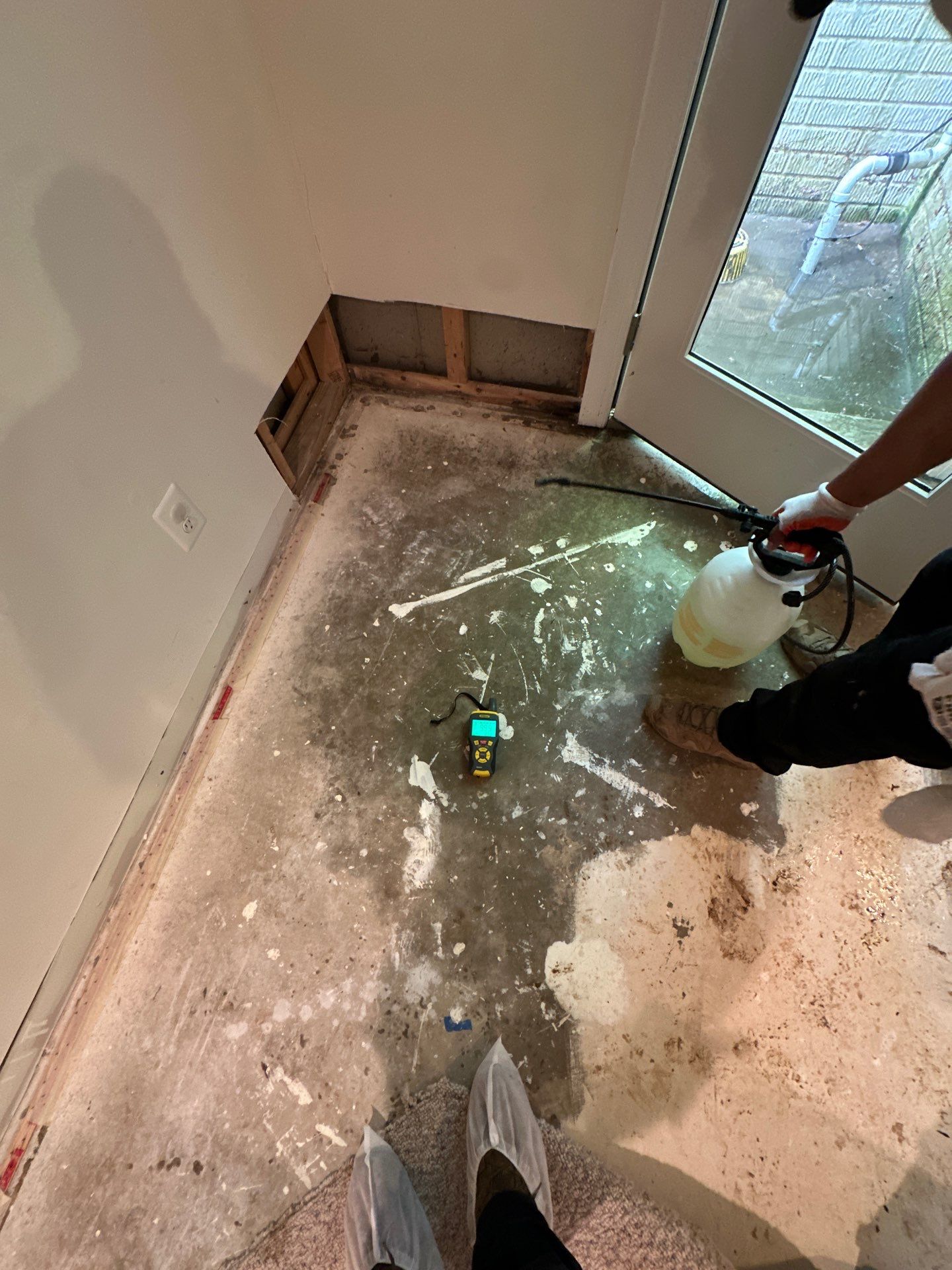
When a water leak struck this Fairfax home—part of the city's mid-20th-century single-family subdivisions where aging supply lines remain common—the homeowner faced both visible damage and the hidden moisture that Mid-Atlantic humidity makes particularly stubborn to dry. Our crew focused first on the compromised baseboards, removing them to expose the wall cavities and allow airflow to the framing members behind.
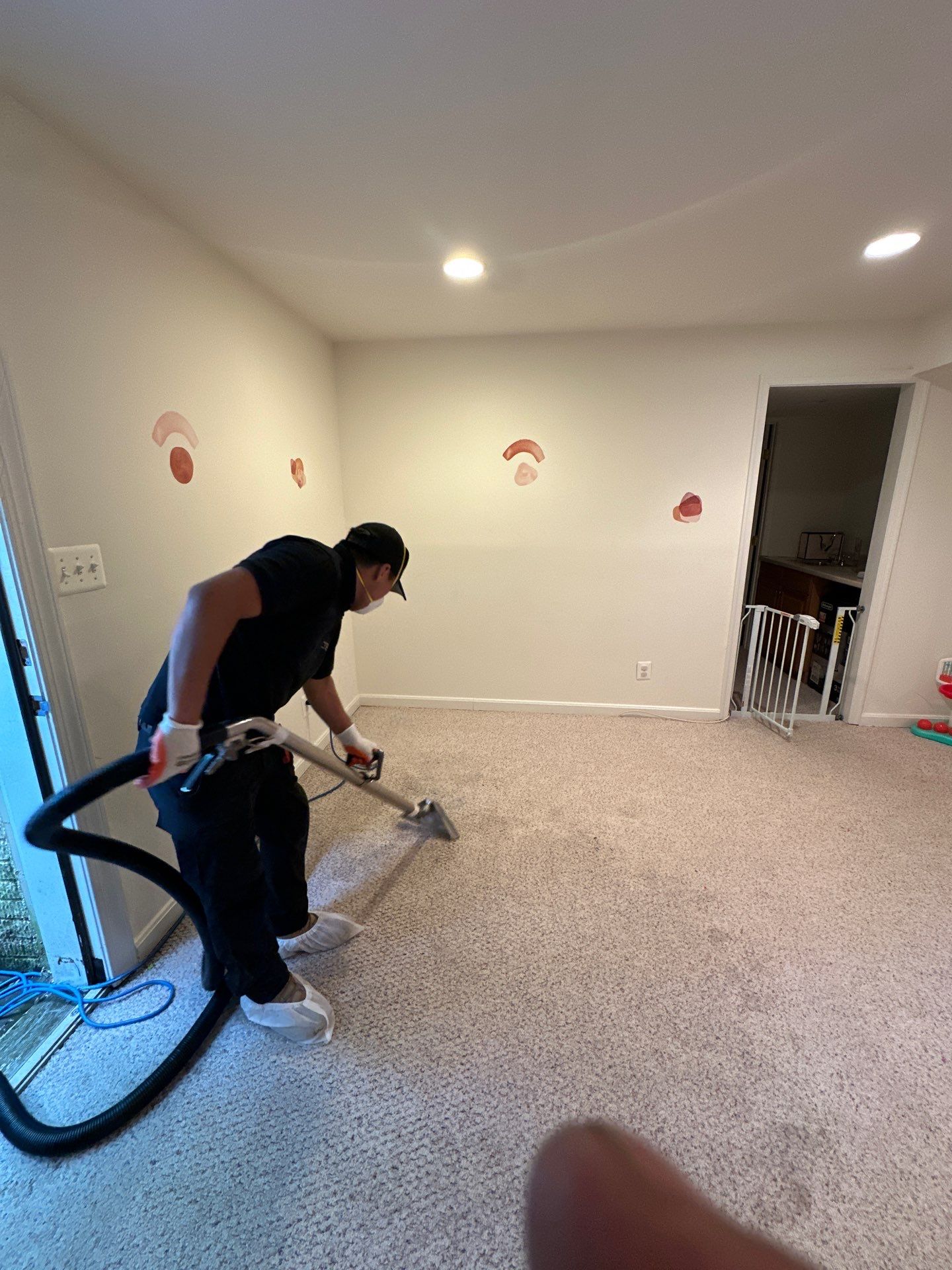
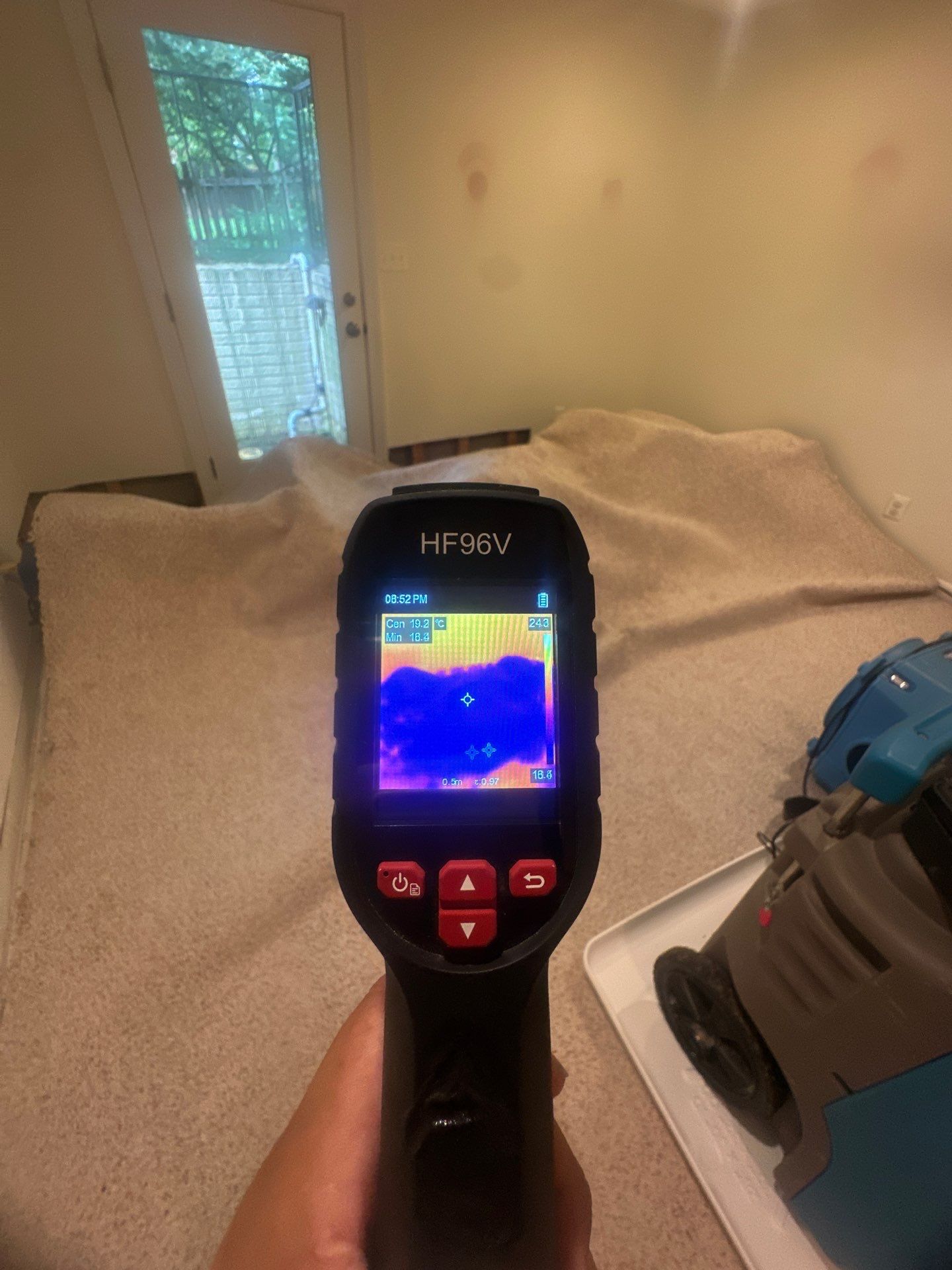
With the baseboards out and drying in a controlled environment, we turned to the saturated carpeting. Specialized extraction equipment pulled standing water from the fibers, followed by targeted airflow from low-grain refrigerant dehumidifiers positioned to create a drying envelope across the affected rooms. Thermal imaging cameras tracked surface temperatures and moisture migration in real time, ensuring no pockets of residual dampness were left behind—critical in preventing secondary microbial growth in the weeks that follow a loss like this.
After confirming stable readings and completing antimicrobial treatment of all exposed surfaces, we returned the dried baseboards to their original positions. The homeowner noted their satisfaction with both the thoroughness of the work and the clarity of communication throughout, allowing them to return to a dry, sanitized living space without the extended disruption a less methodical approach would have required.
Reviews from Restoration Doctor customers
Absolutely delighted with the " middle of the night " flooding we encountered after 4 days of heavy rain, I called the 24/7 # , and they were at our door in under an hour to begin water damage restoration on our finished lower level. They were respectful, hardworking and really cared about my property. Offering financing to us was just a blessing at this time.
Frequently asked questions
Why is thermal imaging important after standing water has been extracted from a home in Fairfax?
Thermal imaging allows Restoration Doctor technicians to detect hidden moisture pockets trapped in wall cavities, subfloors, and insulation that visual inspection and surface meters can miss after standing-water extraction. In Fairfax's humid Mid-Atlantic climate, residual moisture left behind can fuel mold growth within days, so mapping the full extent of saturation ensures our structural drying targets every affected area before we close out the job.
Can baseboards that were submerged in standing water be saved and reinstalled?
In many cases, yes—if the baseboards are solid wood and removed promptly, Restoration Doctor can dry and sanitize them off-site, then reinstall them once the wall structure has dried to standard. For this Fairfax water-intrusion job, we carefully removed the affected baseboards, dried them with specialized equipment, treated them with antimicrobial solution, and returned them to the home, preserving the original trim and avoiding unnecessary replacement costs.
How does carpet remediation differ from carpet replacement after a leak in a Fairfax home?
Remediation focuses on extracting water, sanitizing the fibers, and drying the carpet and pad in place using air movers and dehumidifiers, which is often successful for clean-water intrusions caught early. Restoration Doctor assessed this Fairfax carpet after standing-water extraction, vacuumed out remaining moisture, applied antimicrobial treatment, and monitored drying with thermal imaging to confirm the pad and subfloor returned to safe moisture levels—saving the homeowner the expense of full replacement.
What moisture levels indicate that structural drying is complete after a water leak?
IICRC S500 guidelines call for affected materials to return to their pre-loss moisture content or to established dry standards for the material type, typically verified with penetrating moisture meters and thermal imaging. For this Fairfax job, Restoration Doctor tracked readings in the subflooring, wall framing, and carpet pad throughout the drying process, ensuring every component reached stable, safe levels before we removed equipment and cleared the site.
Does the age of Fairfax's mid-century housing stock affect how water damage spreads after a leak?
Yes—many of Fairfax's mid-20th-century single-family homes were built with hardwood subflooring, plaster-and-lath walls, and minimal vapor barriers, all of which can wick and hold water differently than modern construction. Restoration Doctor's thermal-imaging inspection on this job allowed us to trace moisture migration through older framing and flooring systems, ensuring our drying plan addressed the specific pathways water follows in these homes rather than assuming a one-size-fits-all approach.
Explore more restoration work
All projects in Fairfax · Water Damage Restoration in Fairfax
Water, fire, or mold damage in Fairfax?
Restoration Doctor responds 24/7 across Fairfax and Northern Virginia. Free assessment and transparent, insurance-friendly estimates — no obligation.
See our Water Damage Restoration services at restorationdoctors.com →