Water Damage Restoration
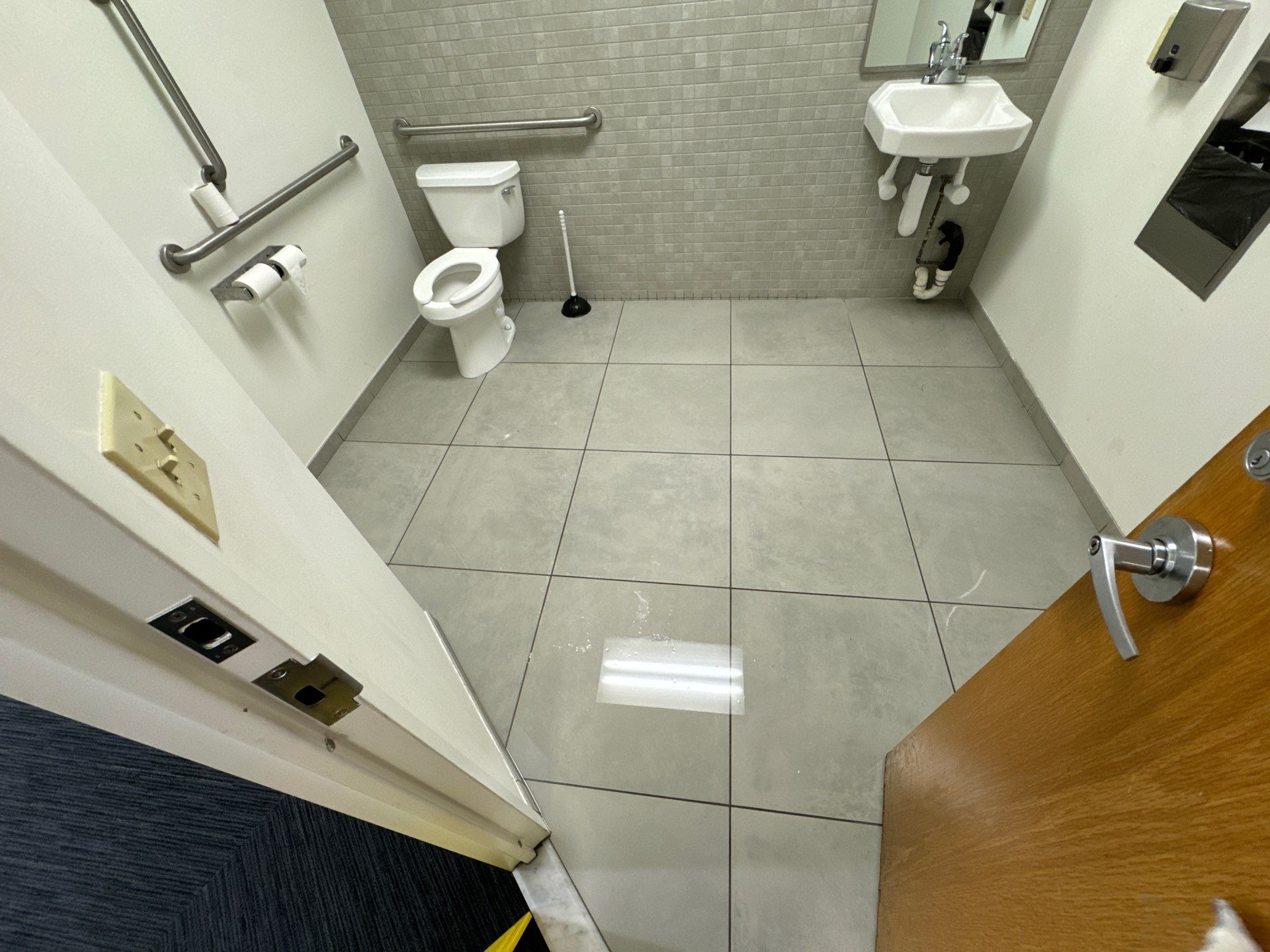
About this water damage restoration project
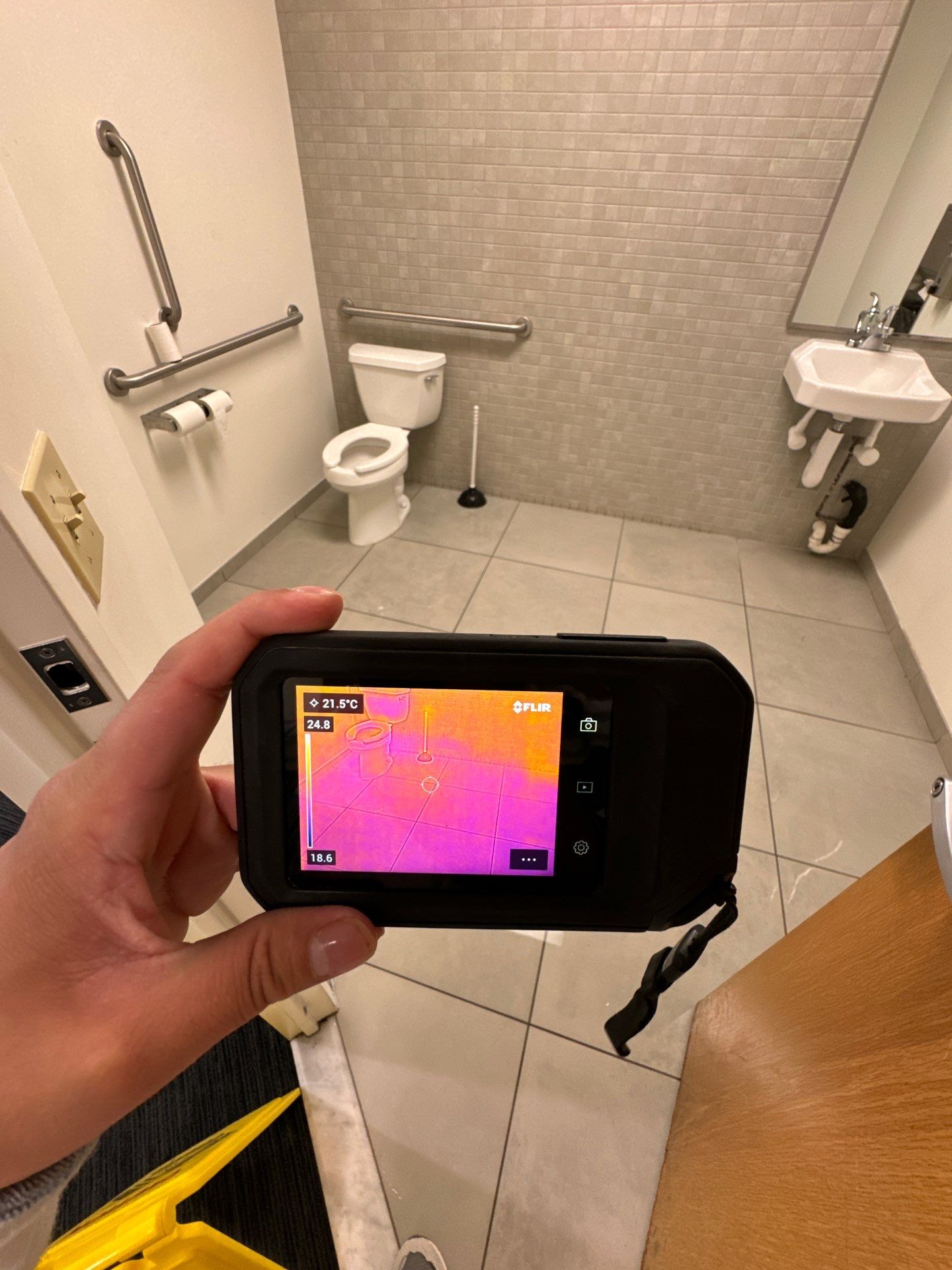
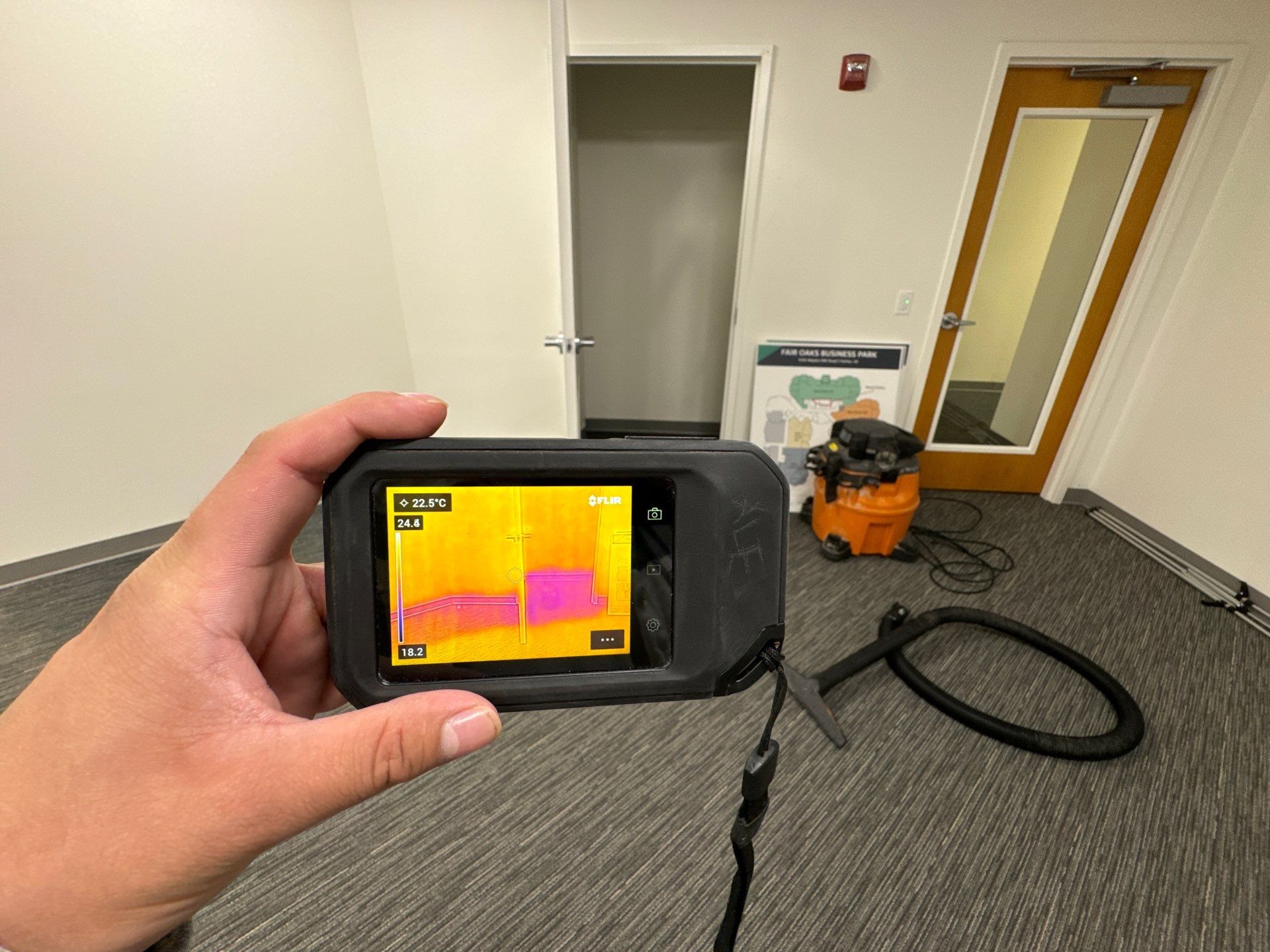
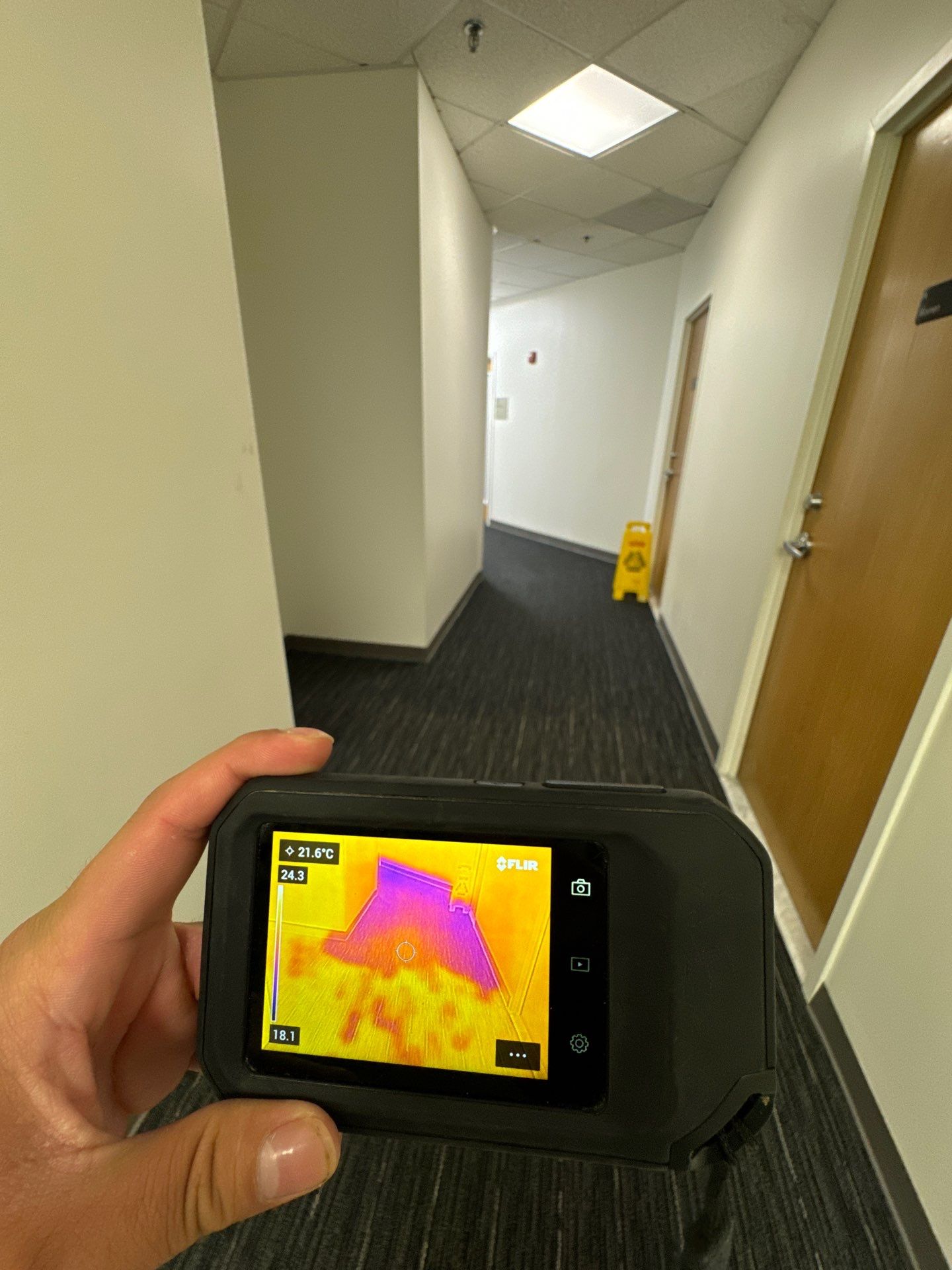
A commercial property in Fairfax required immediate attention after water intrusion created conditions favorable to mold growth—a common outcome in the City of Fairfax's humid Mid-Atlantic summers, where moisture can quickly compromise both historic-district structures and mid-century commercial buildings. Our team began with a comprehensive thermal imaging inspection to map hidden moisture that had migrated beyond the visible damage, particularly within wall cavities and subflooring systems.
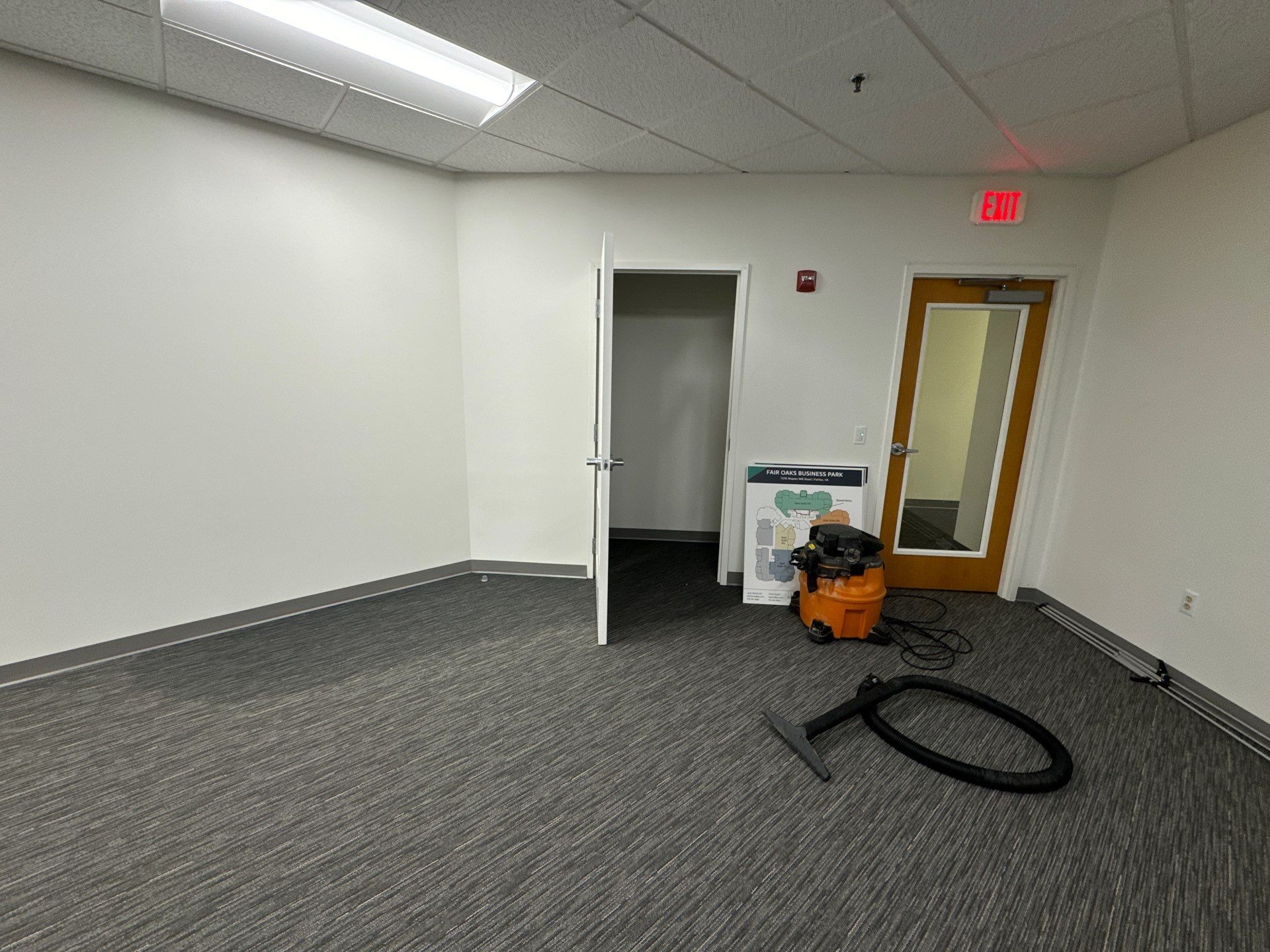
The bathroom showed the most significant standing water accumulation, which we extracted using commercial-grade equipment before deploying a monitored drying protocol. We positioned dehumidifiers strategically throughout the affected areas and tracked moisture levels daily to ensure complete drying—a critical step under IICRC S500 water damage standards to prevent secondary mold colonization and structural deterioration. Thermal imaging allowed us to verify that moisture had been drawn from concealed building assemblies where visual inspection alone would have missed it.
With the drying phase complete, we scheduled final sanitization to address bacterial contamination and residual odors in all affected zones. This systematic approach—inspection, extraction, monitored drying, and sanitization—ensures the property returns to a safe, occupiable condition without the elevated humidity that initially allowed mold to establish.
Frequently asked questions
Why is thermal imaging important after standing water is found in a Fairfax commercial property?
Thermal imaging reveals hidden moisture trapped in walls, subfloors, and structural cavities that visual inspection alone cannot detect. At this Fairfax commercial site, Restoration Doctor used thermal cameras to map the full extent of water intrusion beyond the visible pooling in the bathroom, ensuring dehumidifiers and air movers targeted every affected zone. In the City of Fairfax's mix of older and mid-century construction, moisture can wick into plaster, drywall seams, and floor joist pockets, and thermal imaging prevents incomplete drying that invites secondary mold.
How does Restoration Doctor prevent mold after water extraction in Fairfax's humid summers?
After extracting standing water, Restoration Doctor deploys commercial dehumidifiers and monitors moisture levels continuously until structural materials reach dry standards, typically below 15% moisture content for wood framing. Hot, humid Mid-Atlantic summers in Fairfax accelerate mold colonization if residual moisture lingers, so the drying process at this property included real-time moisture mapping to confirm every affected surface—bathroom subfloor, adjacent wall cavities, and flooring—dried completely before sanitization. This meticulous drying protocol disrupts the conditions mold requires to establish.
What happens to carpet and flooring after water damage in a commercial building?
Carpet and flooring remediation depends on the material type, contamination level, and how long water sat before extraction. At this Fairfax commercial property, Restoration Doctor assessed bathroom flooring and adjacent carpet after standing-water removal; porous materials like carpet pad often require disposal if soaked, while hard surfaces and some carpets can be dried and sanitized if extraction occurred promptly. The decision balances salvageability, health safety, and the building's occupancy needs.
How long does structural drying take after water intrusion in Fairfax?
Drying timelines vary with the volume of water, affected materials, and ambient humidity, but most commercial water-damage jobs in Fairfax require three to five days of continuous dehumidification and air movement. Restoration Doctor monitored this property's drying progress daily, adjusting equipment placement as moisture readings dropped in the bathroom and surrounding structure. The City of Fairfax's summer humidity can slow evaporation, so controlled drying with commercial-grade dehumidifiers ensures completion without stalling.
Does water damage restoration in Fairfax include sanitization of affected areas?
Yes—once structural drying confirms all materials have reached safe moisture levels, Restoration Doctor applies EPA-registered antimicrobial treatments to sanitized affected surfaces and eliminate bacteria, biofilm, and odors introduced by standing water. At this Fairfax commercial property, sanitization will follow the completion of dehumidification in the bathroom and flooring areas, addressing both visible contamination and microbial activity that thermal imaging and moisture meters revealed in hidden cavities. This final step restores the space to a safe, occupiable condition.
Explore more restoration work
All projects in Fairfax · Water Damage Restoration in Fairfax
Water, fire, or mold damage in Fairfax?
Restoration Doctor responds 24/7 across Fairfax and Northern Virginia. Free assessment and transparent, insurance-friendly estimates — no obligation.
See our Water Damage Restoration services at restorationdoctors.com →