Water damage restoration
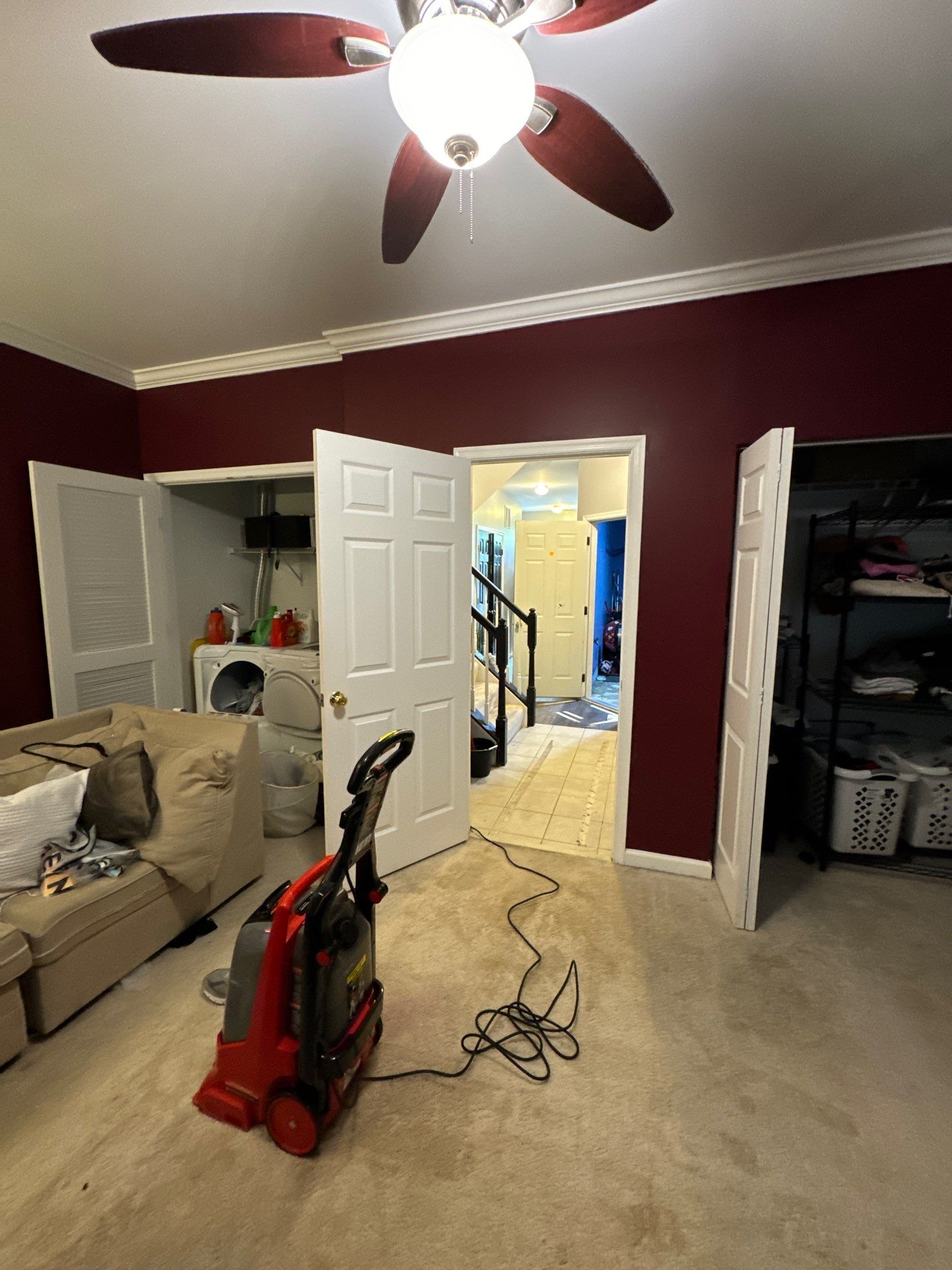
About this water damage restoration project
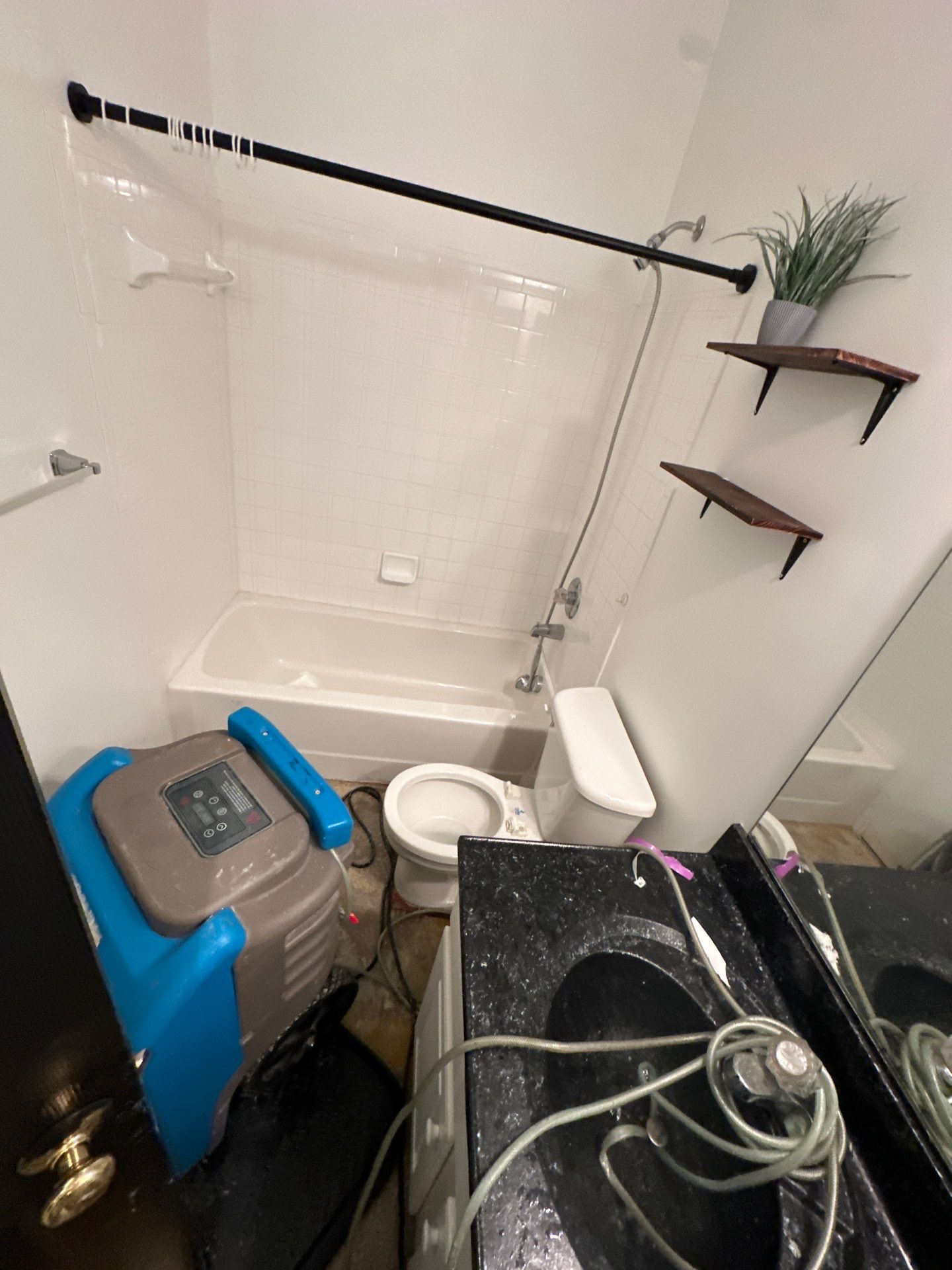
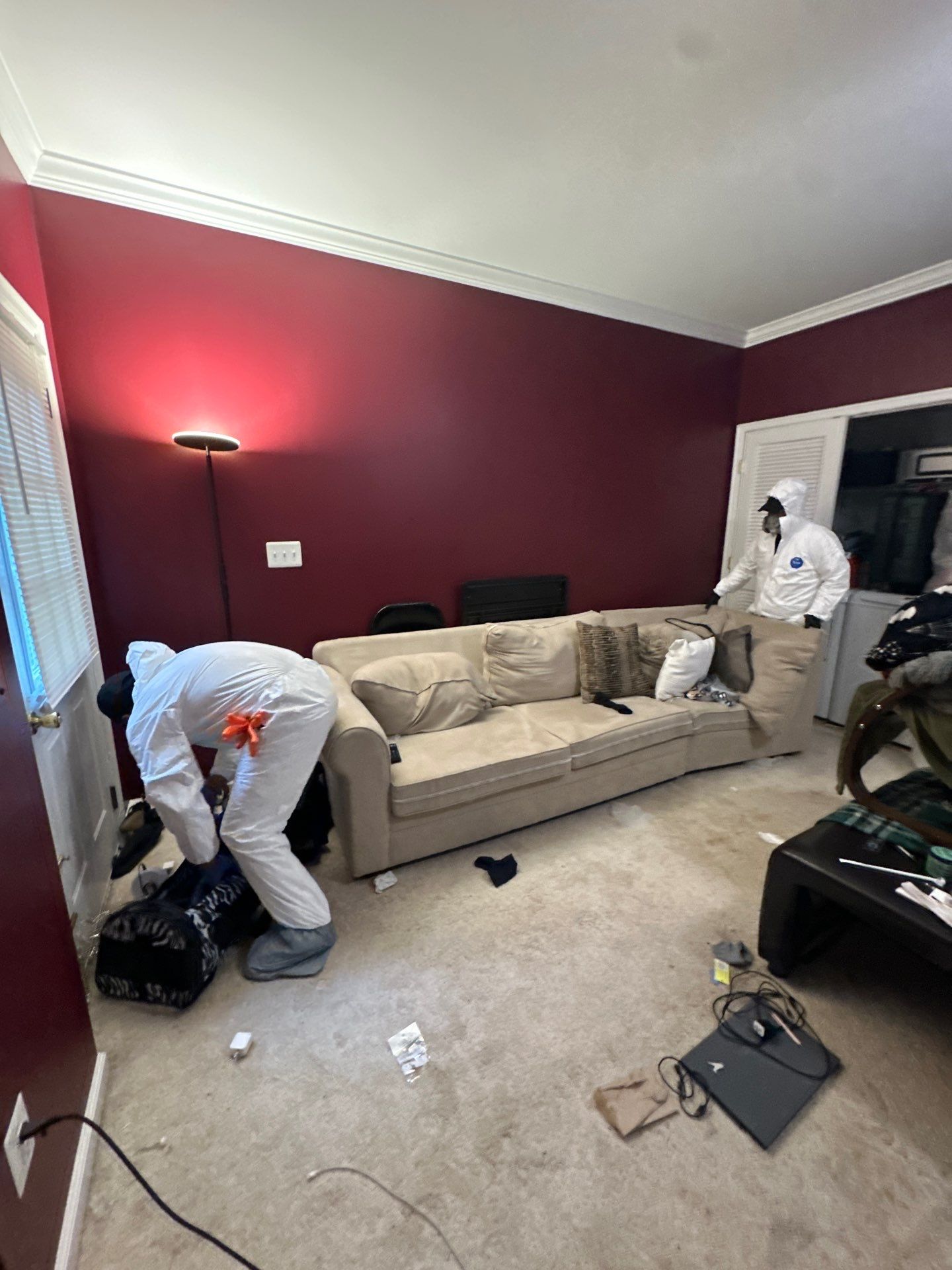
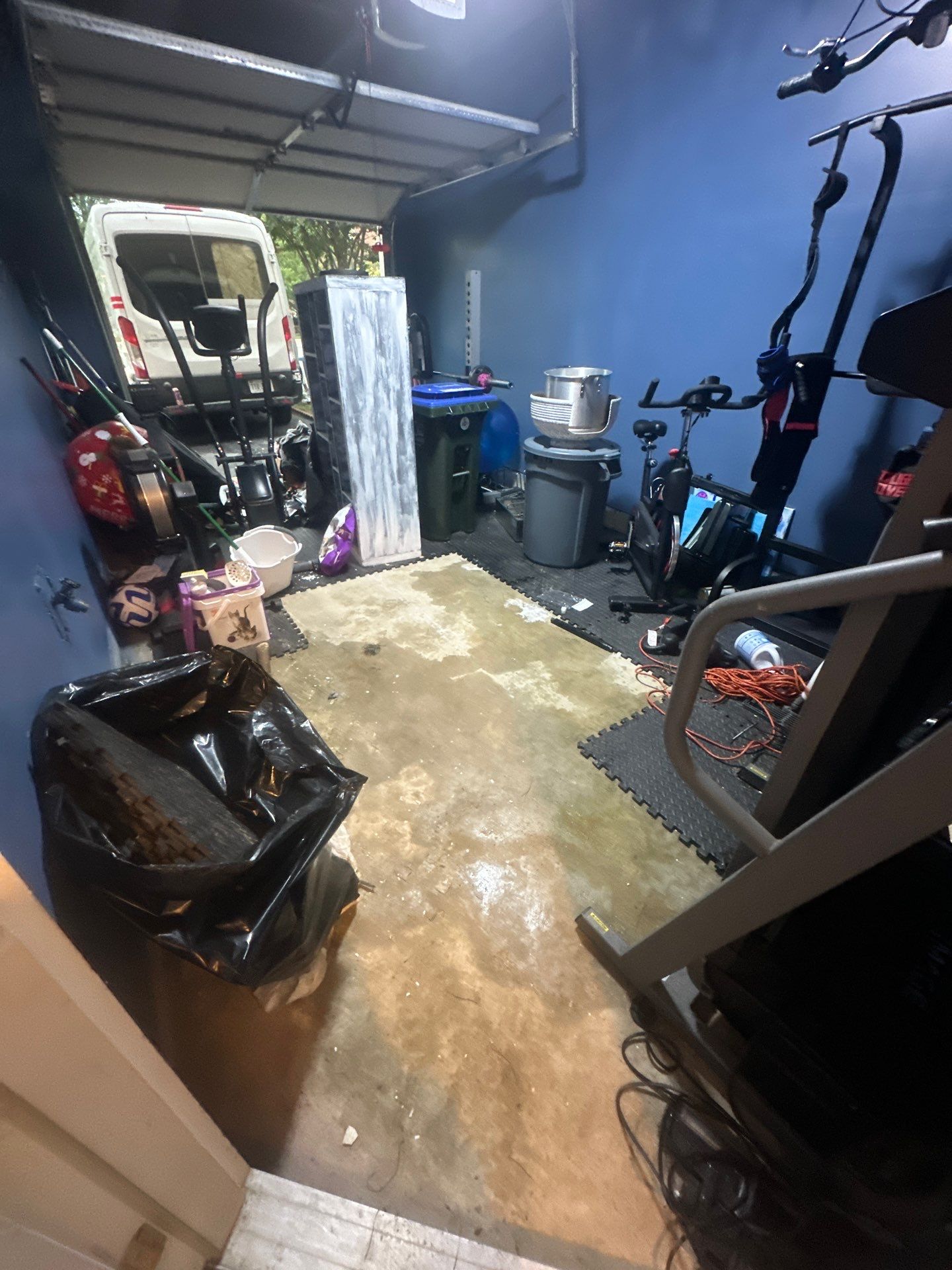
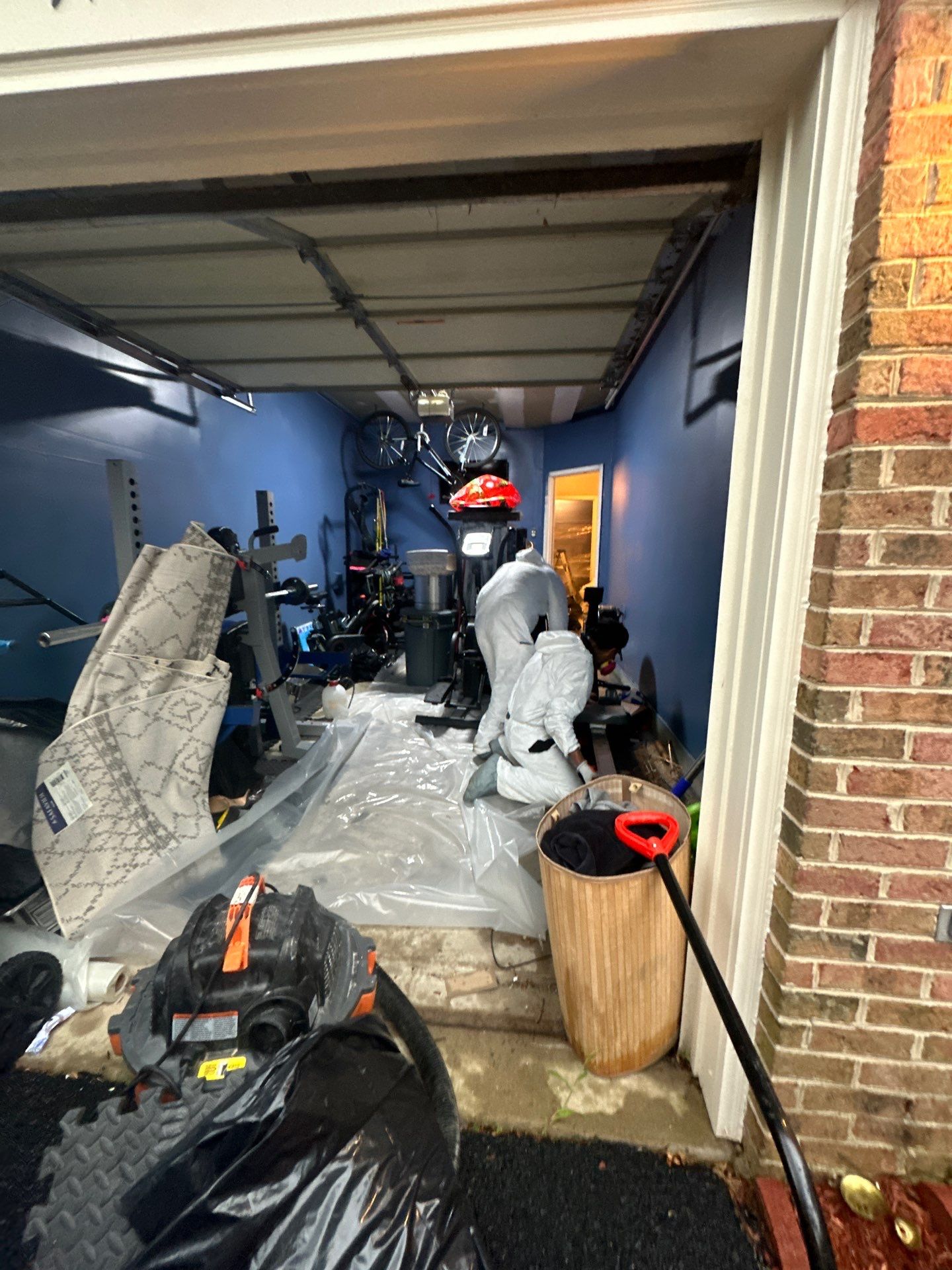
Thermal imaging revealed elevated moisture levels spreading through the garage, living room, and bathroom of a Bristow home—a pattern we see often in Prince William County's newer-built subdivisions, where humid Mid-Atlantic summers can turn a plumbing failure or storm intrusion into a multi-room event before homeowners notice the full extent. The inspection confirmed active water migration that required immediate containment and drying to prevent secondary damage.
We deployed air movers and dehumidifiers to begin extracting moisture from structural cavities and affected materials, following IICRC S500 protocols for drying in place where feasible. Damaged materials that could not be salvaged were carefully removed, and plastic sheeting established containment barriers to isolate work zones and prevent cross-contamination to unaffected areas. Throughout the process, we kept the homeowners informed of drying progress and next steps, ensuring they understood what was happening in each room and why.
The combination of thermal mapping, targeted equipment placement, and controlled removal brought moisture levels back within range, allowing the home to move toward rebuilding. The homeowner's feedback reflected confidence in the thoroughness of the work and the clarity of communication during a disruptive event.
Reviews from Restoration Doctor customers
I thought my home in D.C. was ruined when a water pipe bursted and water started pouring out the ceiling like a waterfall! They came in under an hour and were able to fix the pipe before it got too out of control. Excellent response team to natural (or unnatural) disasters!
Frequently asked questions
Why is thermal imaging important when inspecting water damage in a Bristow home?
Thermal imaging allows Restoration Doctor technicians to detect hidden moisture behind walls, under flooring, and in other concealed spaces that visual inspection alone would miss. In Prince William County's newer-built homes, moisture can migrate through modern building assemblies and settle in unexpected areas—thermal cameras map temperature differentials that reveal the full extent of saturation across the garage, living room, bathroom, and adjacent cavities. This complete moisture picture ensures that our drying equipment targets every affected zone, preventing secondary damage or mold growth down the line.
What does a containment barrier do during structural drying in a multi-room water loss?
Restoration Doctor installs plastic sheeting containment barriers to isolate affected rooms—in this case the garage, living room, and bathroom—from the rest of the home, preventing airborne moisture and contaminants from spreading into unaffected areas. Containment also stabilizes the drying environment by maintaining controlled humidity and airflow within the work zone, which accelerates evaporation and protects belongings and finishes in adjacent spaces. For a loss impacting multiple areas in a Bristow residence, containment is essential to keep the disruption localized while dehumidifiers and air movers extract moisture from structural materials.
How do air movers and dehumidifiers work together to dry out water-damaged structure?
Air movers create high-velocity airflow across wet surfaces—drywall, subflooring, framing—to promote rapid evaporation of trapped moisture into the air. Dehumidifiers then pull that moisture-laden air through refrigerant or desiccant systems, condensing the water vapor and expelling dry air back into the space, which allows the air movers to continue evaporating more moisture in a continuous cycle. Restoration Doctor calibrates both systems based on the materials affected and the humidity levels measured during our thermal-imaging inspection, ensuring efficient drying without over-drying or warping finishes.
Why is it critical to remove damaged materials during water restoration rather than simply drying them in place?
Some building materials—certain insulations, particleboard underlayment, saturated drywall—lose structural integrity or become mold reservoirs once waterlogged, and drying them in place risks long-term odor, microbial colonization, or compromised load-bearing capacity. Restoration Doctor carefully removes and disposes of materials that cannot be salvaged, which also exposes hidden framing and cavities for thorough inspection and drying. In Prince William County's humid summers, any organic material left wet becomes a mold risk within days, so selective demolition is often the most responsible path to a durable, healthy outcome.
What should Bristow homeowners expect during the first 24 hours after calling for emergency water damage service?
Restoration Doctor prioritizes rapid response to mitigate further damage—our team arrives to assess the loss, document affected areas with thermal imaging and moisture readings, extract standing water if present, and deploy air movers and dehumidifiers to begin structural drying immediately. Containment barriers go up to protect unaffected rooms, and damaged materials are identified for removal. Throughout the process, we keep homeowners informed of findings, next steps, and expected timelines so there are no surprises as the drying and restoration work progresses.
Explore more restoration work
All projects in Bristow · Water Damage Restoration in Bristow
Water, fire, or mold damage in Bristow?
Restoration Doctor responds 24/7 across Bristow and Northern Virginia. Free assessment and transparent, insurance-friendly estimates — no obligation.
See our Water Damage Restoration services at restorationdoctors.com →