(Water Damage Restoration)
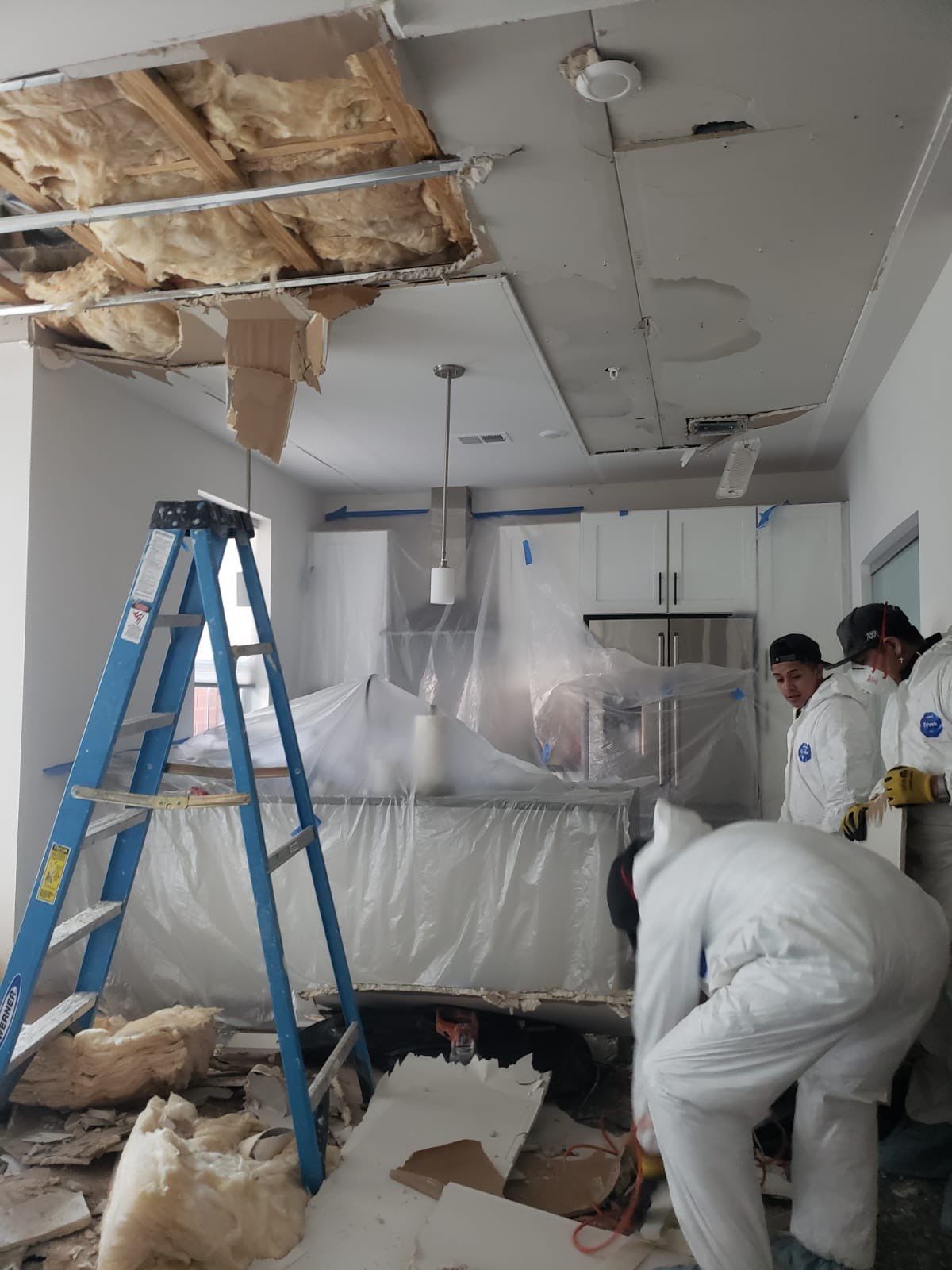
About this water damage restoration project
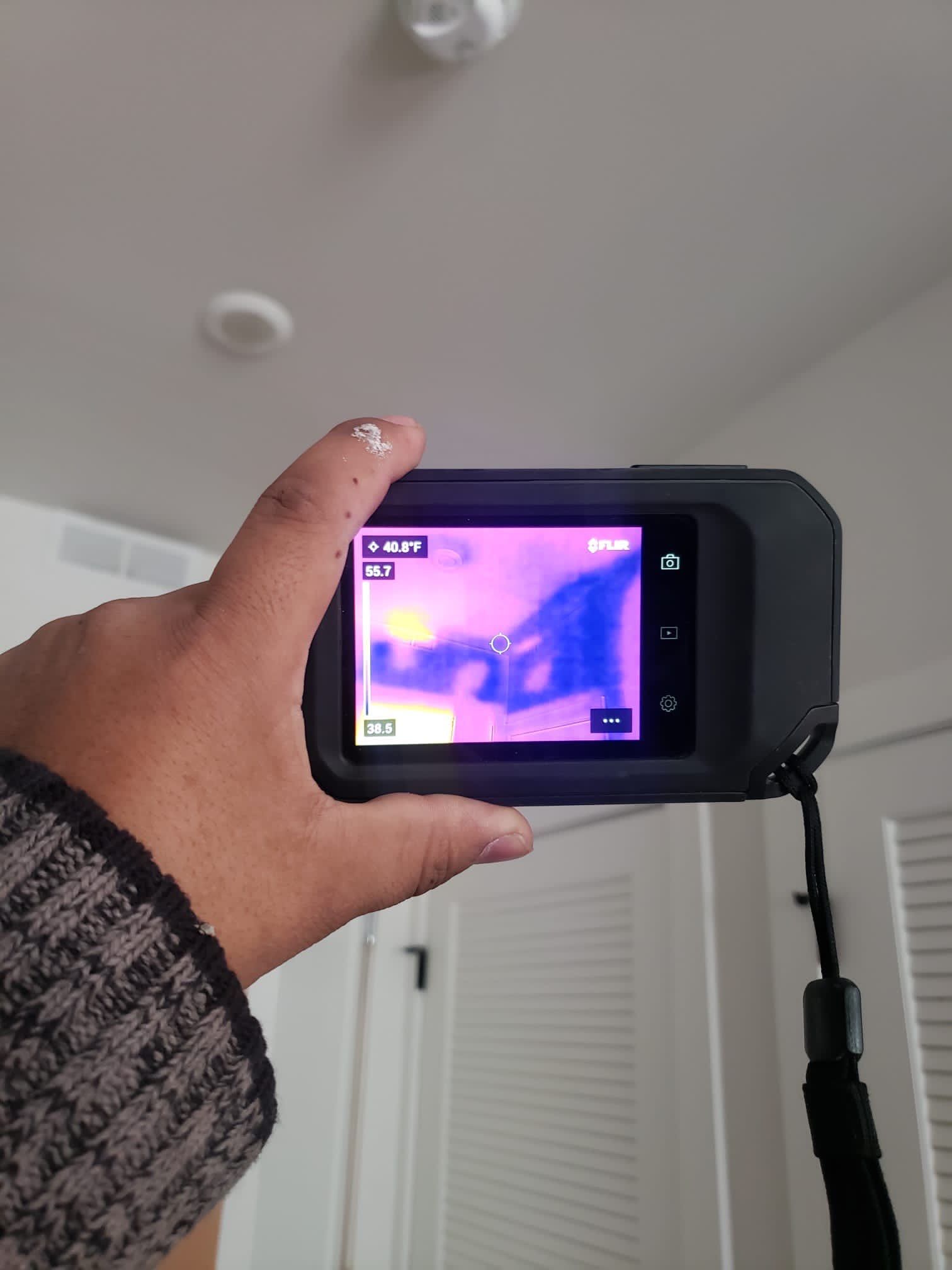
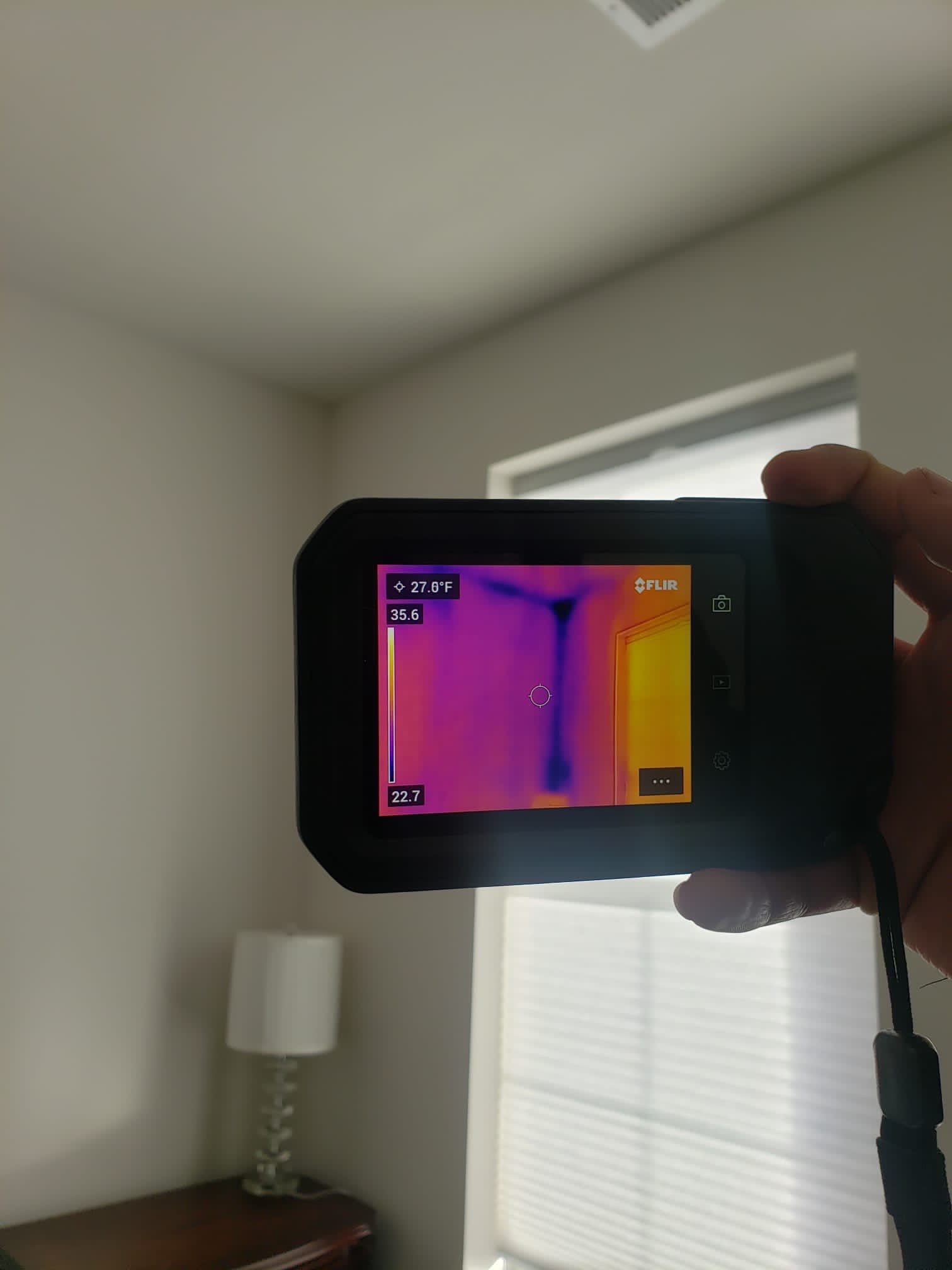
A thermal camera revealed the full extent of water intrusion behind finished surfaces at this residential property, the diagnostic step that shaped every phase of work that followed. Arlington County's dense housing stock—closer-in single-family homes, garden apartments, and mid-rise buildings—often conceals plumbing vulnerabilities that winter freeze-thaw cycles expose, and infrared imaging allowed the crew to map moisture migration without unnecessary demolition.
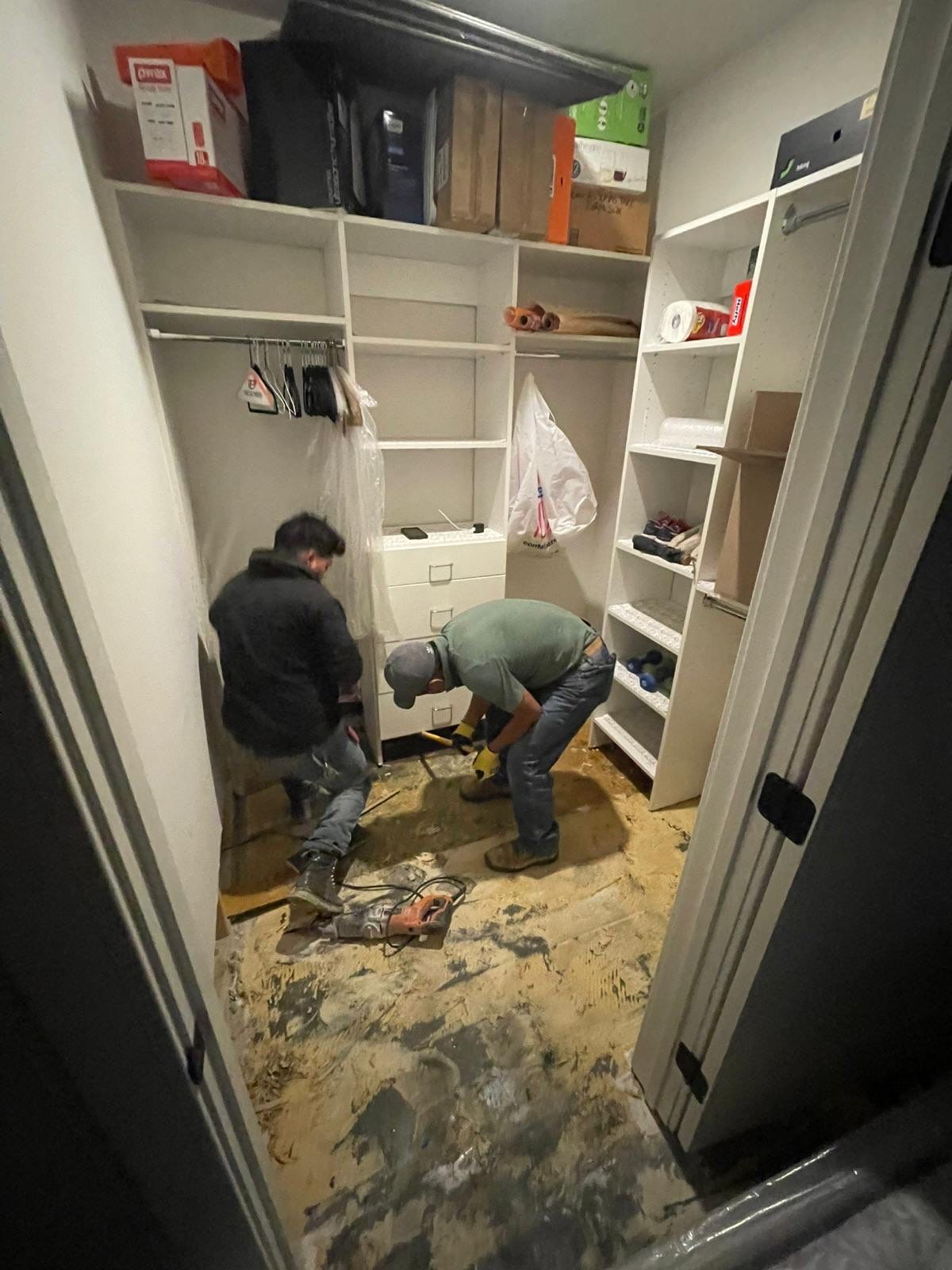
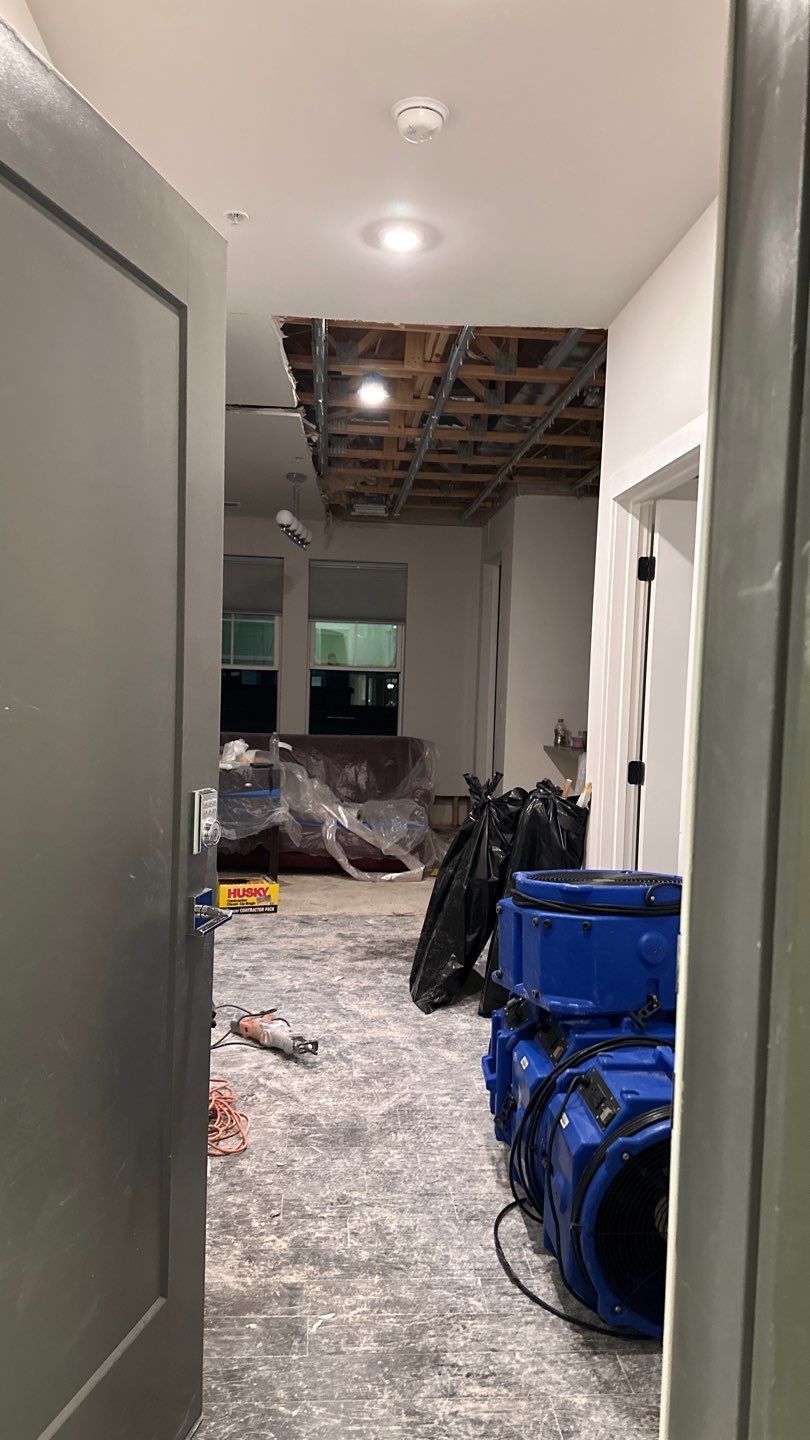
Damaged drywall came out first, then containment barriers went up to isolate dust and airborne debris from occupied living areas. Saturated insulation was stripped and replaced, followed by water extraction from flooring using truck-mounted equipment. Air movers and commercial dehumidifiers ran continuously to pull residual moisture from structural cavities, a drying protocol consistent with IICRC S500 water damage standards for controlled evaporation in enclosed spaces.
The homeowner's review reflects the outcome: affected areas returned to dry, stable conditions without secondary damage. Each step—from thermal detection through controlled drying—followed the moisture map the infrared survey provided, ensuring no hidden reservoirs remained to compromise the restoration.
Frequently asked questions
Why is thermal imaging important during water damage restoration in Arlington County homes?
Thermal imaging allows Restoration Doctor technicians to detect hidden moisture trapped behind walls, under flooring, or in ceiling cavities—common in Arlington County's dense housing stock where water can migrate between units or into shared structural assemblies. During this Arlington water damage restoration project, we used a thermal camera to map the full extent of intrusion before beginning extraction and drying, ensuring no saturated materials were left behind to support microbial growth or structural degradation.
What does the containment and drywall removal process involve when you extract standing water from flooring?
After identifying affected areas with thermal imaging, Restoration Doctor sealed off the work zone to prevent dust and debris from spreading during drywall removal and insulation replacement. We then extracted standing water from the flooring using commercial-grade equipment and removed any materials too saturated to dry in place, creating a controlled environment for the dehumidifiers and air movers that followed. Containment is especially important in Arlington's garden apartments and mid-rise buildings, where airborne particles can easily migrate to adjacent units.
How long does structural drying typically take after water extraction in an Arlington property?
Drying timelines depend on the materials affected, the volume of water, and environmental conditions, but most residential water losses in Arlington require three to five days of monitored dehumidification and air movement to return structural components to a dry standard. Restoration Doctor tracks moisture levels daily with calibrated meters throughout the drying process, adjusting equipment placement as needed until flooring, framing, and wall cavities reach stable readings safe for reconstruction.
Can carpet and flooring always be saved after a water intrusion, or does it need replacement?
Carpet and flooring remediation outcomes depend on the water category, how long materials stayed wet, and whether the subfloor or pad absorbed contamination. In this Arlington project, we extracted water from the flooring and assessed whether drying in place was viable or whether replacement was necessary to prevent odor and microbial issues. Restoration Doctor provides homeowners with a clear assessment after the initial inspection so they understand which materials can be restored and which require removal for a safe, lasting outcome.
Does homeowners insurance typically cover water damage restoration from a plumbing leak in Northern Virginia?
Most homeowners policies in Northern Virginia cover sudden and accidental water damage—such as a burst supply line during a freeze-thaw cycle—but exclude damage from long-term leaks or deferred maintenance. Restoration Doctor works directly with insurance adjusters during the claims process for water damage restoration projects in Arlington and across the region, documenting scope with photos and moisture readings to support your claim. Coverage specifics vary by policy, so we recommend contacting your carrier as soon as water intrusion is discovered.
Explore more restoration work
All projects in Arlington · Water Damage Restoration in Arlington
Water, fire, or mold damage in Arlington?
Restoration Doctor responds 24/7 across Arlington and Northern Virginia. Free assessment and transparent, insurance-friendly estimates — no obligation.
See our Water Damage Restoration services at restorationdoctors.com →