Swift Flood Remediation
About this water damage restoration project
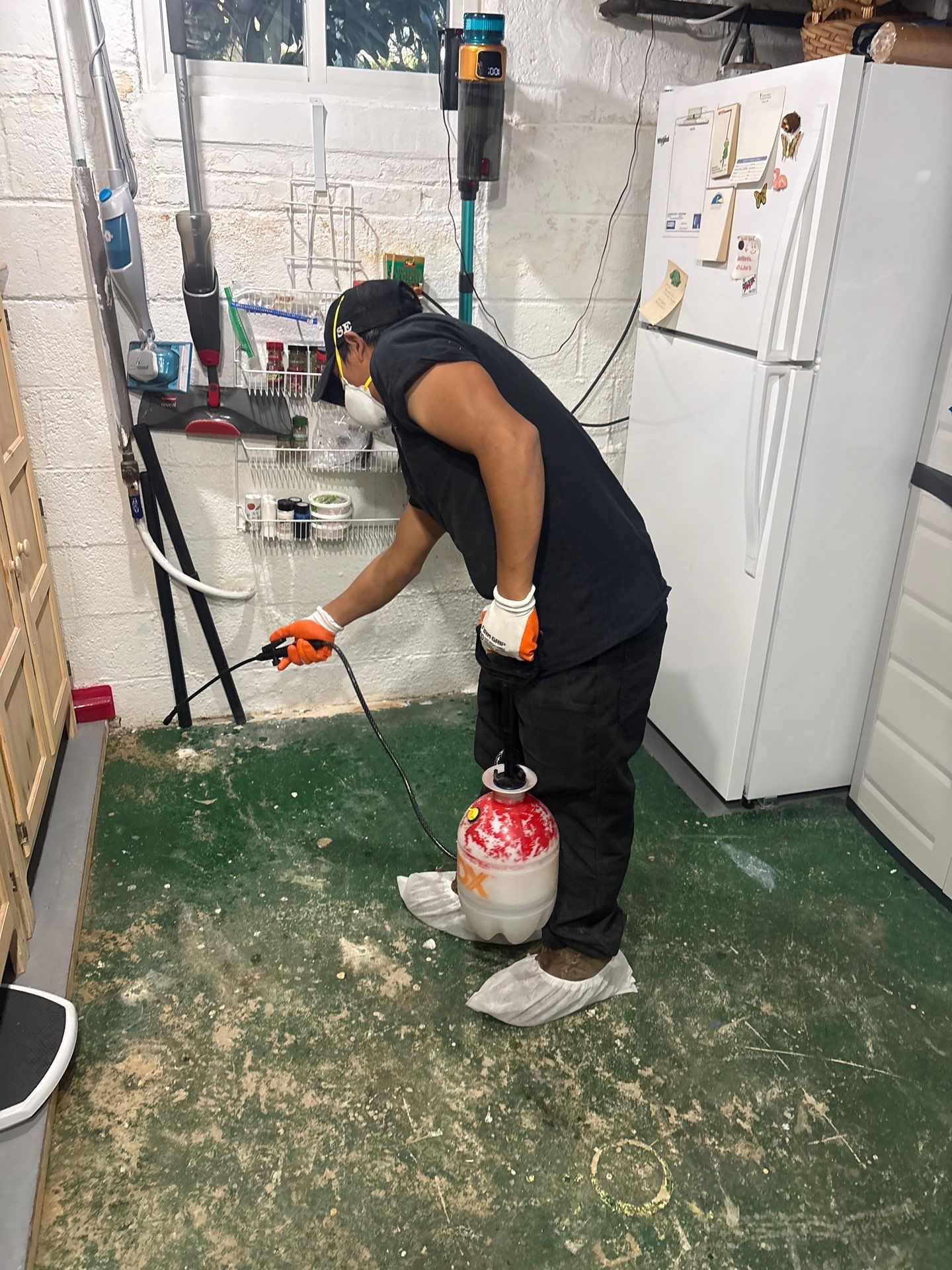
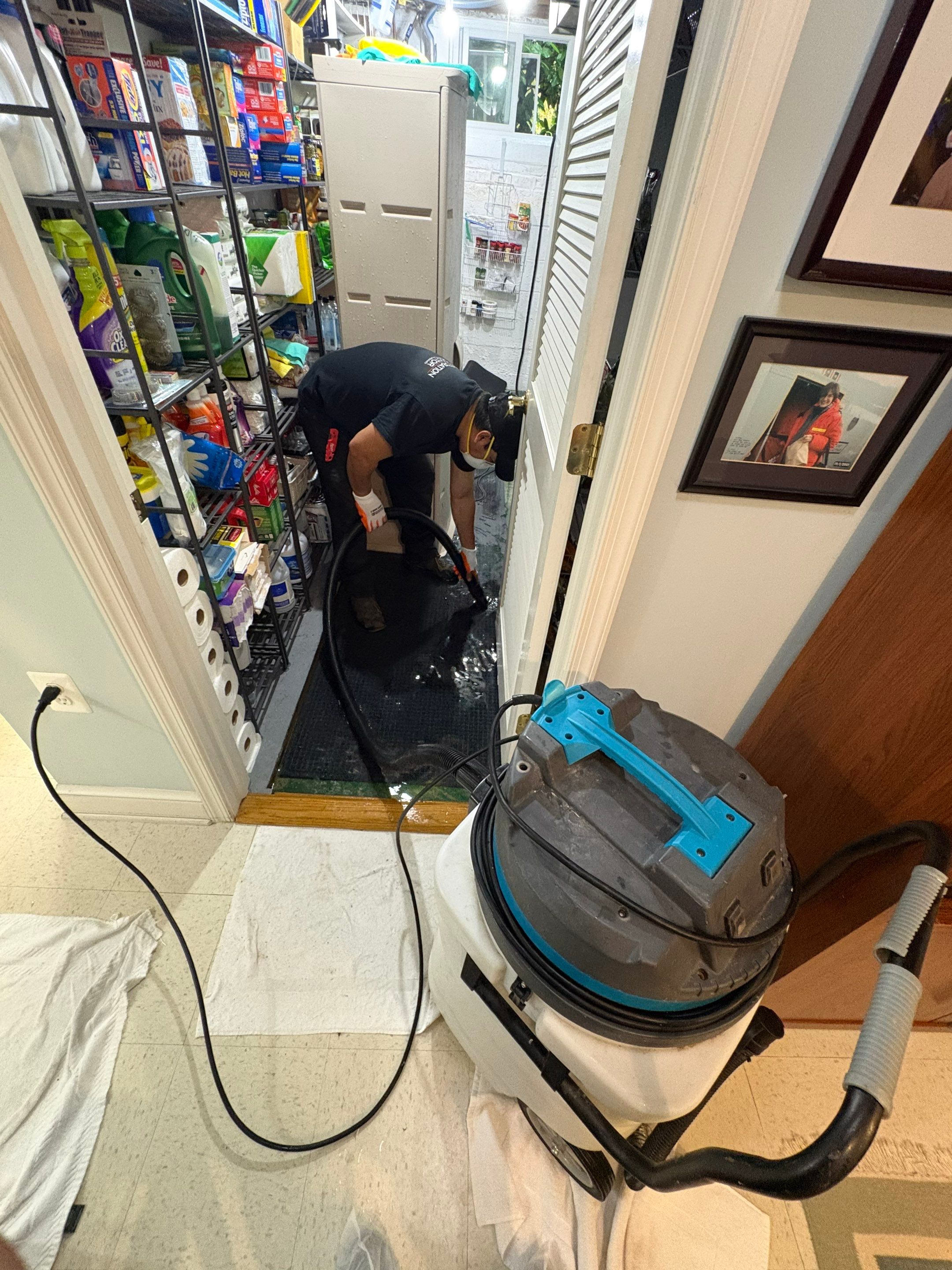
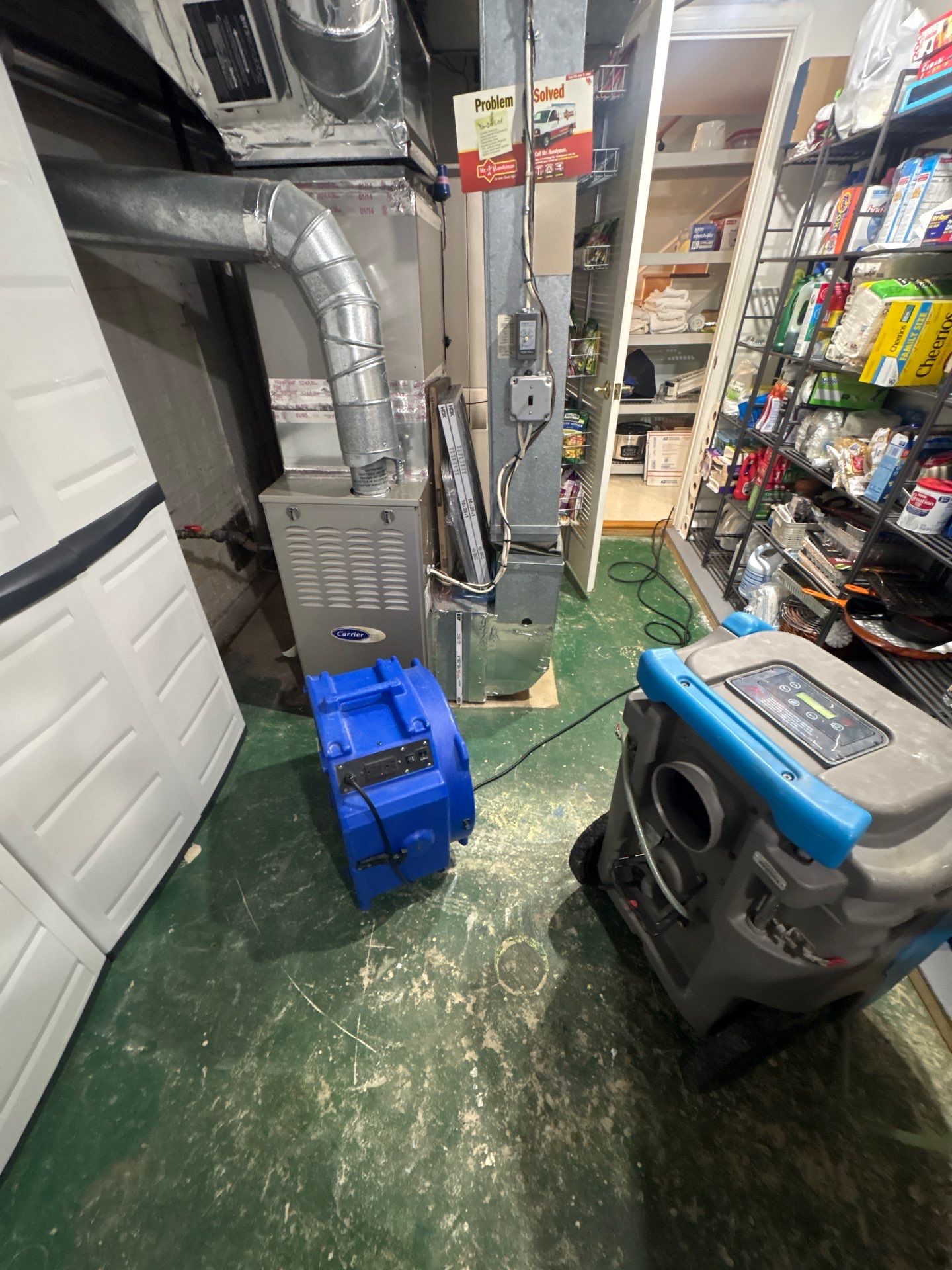
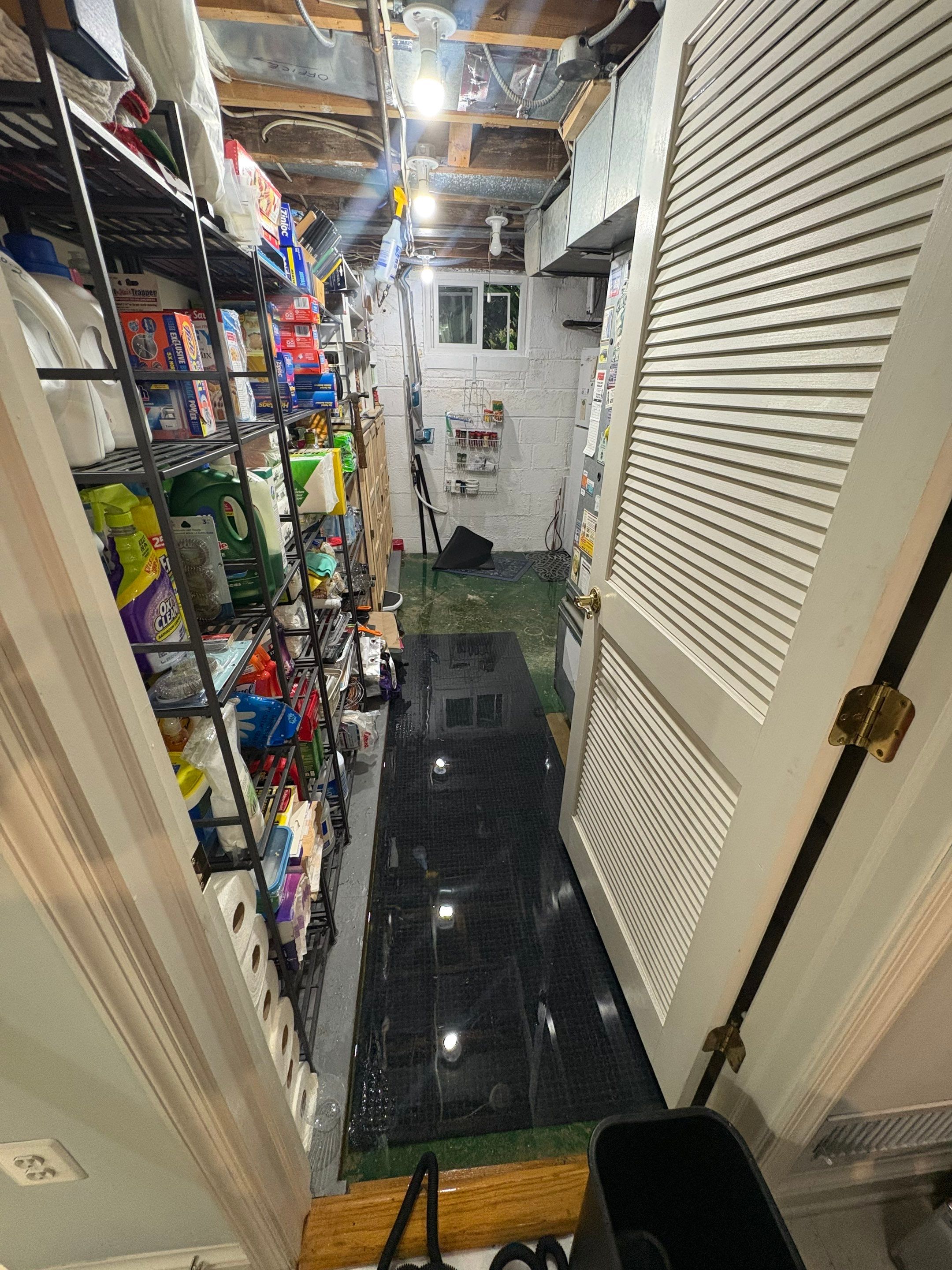
When significant flooding struck this Arlington County residence, the standing water posed an immediate threat to the property's structure and indoor air quality—a common risk in the county's dense single-family and garden-apartment neighborhoods where aging plumbing and winter freeze-thaw cycles can overwhelm older drainage systems. Our crew responded with rapid extraction using truck-mounted pumps to remove the standing water from affected floors, preventing further saturation of subflooring and framing materials.
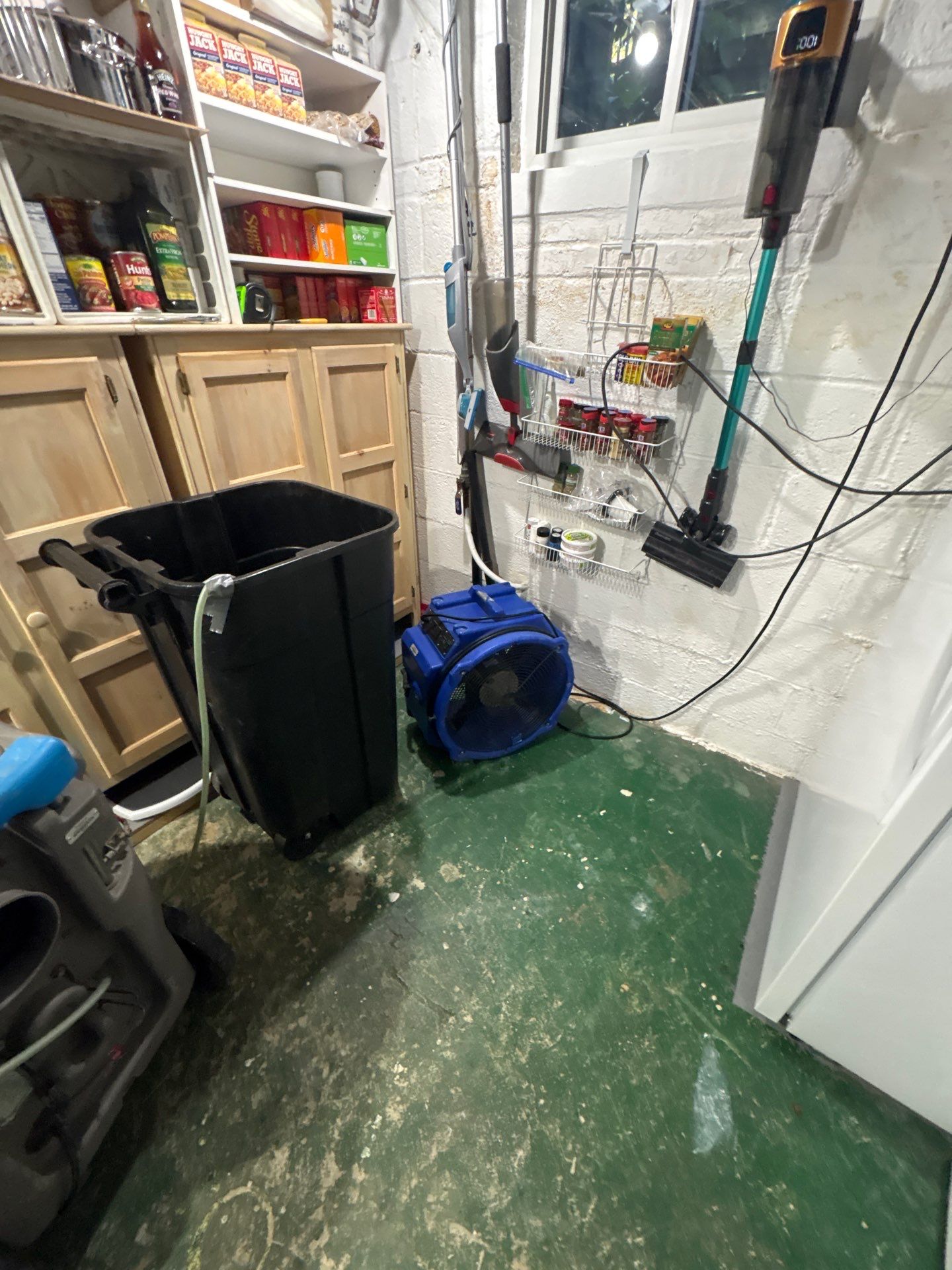
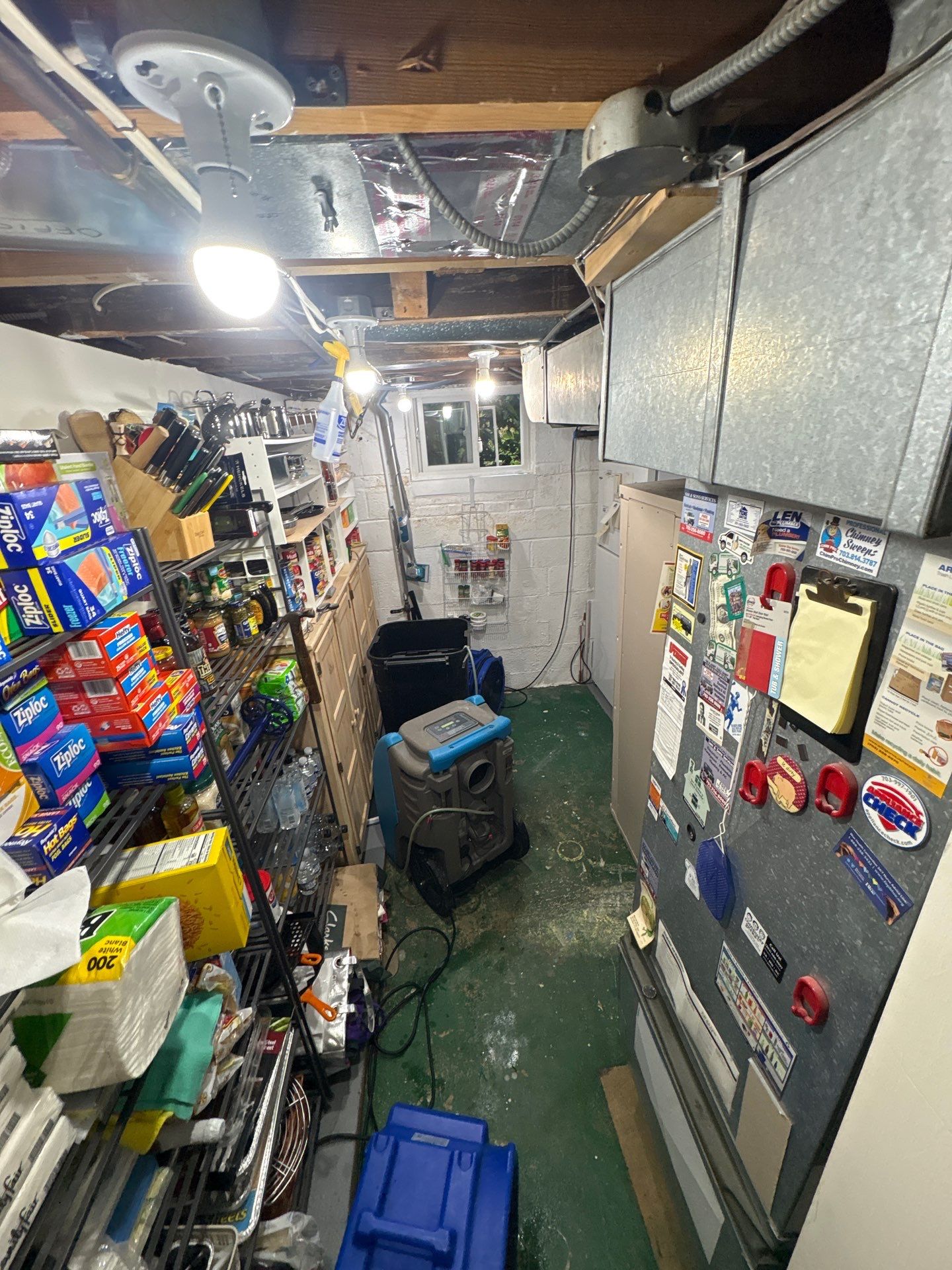
With the bulk water cleared, we positioned commercial-grade air movers and low-grain refrigerant dehumidifiers to accelerate evaporation and pull moisture from structural cavities. This drying phase followed IICRC S500 water-damage protocols, with daily monitoring to track moisture levels in materials until they returned to equilibrium. Because floodwater often carries contaminants, we applied EPA-registered antimicrobial treatments to all impacted surfaces, addressing bacterial and microbial risks left behind by the standing water.
The homeowner noted their satisfaction with both the speed of the response and the thoroughness of the sanitization work. The property was returned to a dry, safe baseline, ready for any necessary reconstruction once the drying documentation confirmed completion.
Reviews from Restoration Doctor customers
Amazing staff and fast service. I was lost when I found mold in my house. They walked me through the whole process and did an amazing job.
Frequently asked questions
How quickly should standing water be removed after a flood in Arlington County homes?
Restoration Doctor responds immediately to extract standing water from flooded properties in Arlington, using truck-mounted and portable extraction equipment to remove pooled water from floors and carpets. In Arlington's dense housing stock—where garden apartments and mid-rise buildings can see water migrate between units—swift extraction limits secondary damage to subflooring, drywall, and adjacent spaces. The sooner water is physically removed, the less opportunity it has to wick into structural cavities or compromise neighboring units.
What does structural drying involve after water extraction in an Arlington flood loss?
After extracting the standing water, Restoration Doctor deployed commercial air movers and dehumidifiers throughout the affected rooms to dry structural materials—subfloors, wall cavities, and baseboards—down to stable moisture levels. In Arlington's closer-in residential buildings, where units share walls and floors, thorough drying prevents moisture from traveling into adjacent spaces or feeding hidden mold growth. We monitored moisture readings daily until materials returned to dry standard, ensuring no residual dampness remained in the structure.
Why is sanitizing necessary after a flood, even if the water looked clean?
Floodwater—even if visibly clear—often carries soil, organic debris, and microorganisms that pose health risks once it saturates floors and carpets. Restoration Doctor applied EPA-registered antimicrobial treatments to all affected surfaces in this Arlington property, neutralizing bacteria and preventing odor as the structure dried. Sanitizing is especially critical in multi-family or garden-apartment settings, where contaminants can linger in shared ventilation or seep into porous materials that occupants contact daily.
Can carpet and flooring be saved after standing water, or does everything need replacement?
Restoration Doctor evaluates each material individually: in this Arlington job, we extracted water from carpets and padding, then assessed whether they could be dried and sanitized or required removal. Carpet over concrete can sometimes be saved if water was clean and extraction happened quickly; carpet over wood subfloors or padding that stayed saturated often needs replacement to prevent microbial growth and odor. Flooring remediation decisions balance salvageability, drying time, and the risk of hidden moisture remaining in the assembly.
Does winter weather in Northern Virginia affect how water damage dries indoors?
Yes—during Arlington's winter months, when freeze-thaw cycles are common and outdoor humidity drops, indoor drying can actually accelerate if the structure is heated and we introduce enough air exchange. Restoration Doctor adjusts dehumidifier and air-mover placement to account for colder exterior walls and reduced natural ventilation, ensuring that moisture doesn't condense in unheated zones or slow the drying timeline. Northern Virginia's winter conditions require active climate control inside the drying envelope, not passive airflow alone.
Explore more restoration work
All projects in Arlington · Water Damage Restoration in Arlington
Water, fire, or mold damage in Arlington?
Restoration Doctor responds 24/7 across Arlington and Northern Virginia. Free assessment and transparent, insurance-friendly estimates — no obligation.
See our Water Damage Restoration services at restorationdoctors.com →