Hidden Moisture Fully Resolved
About this water damage restoration project
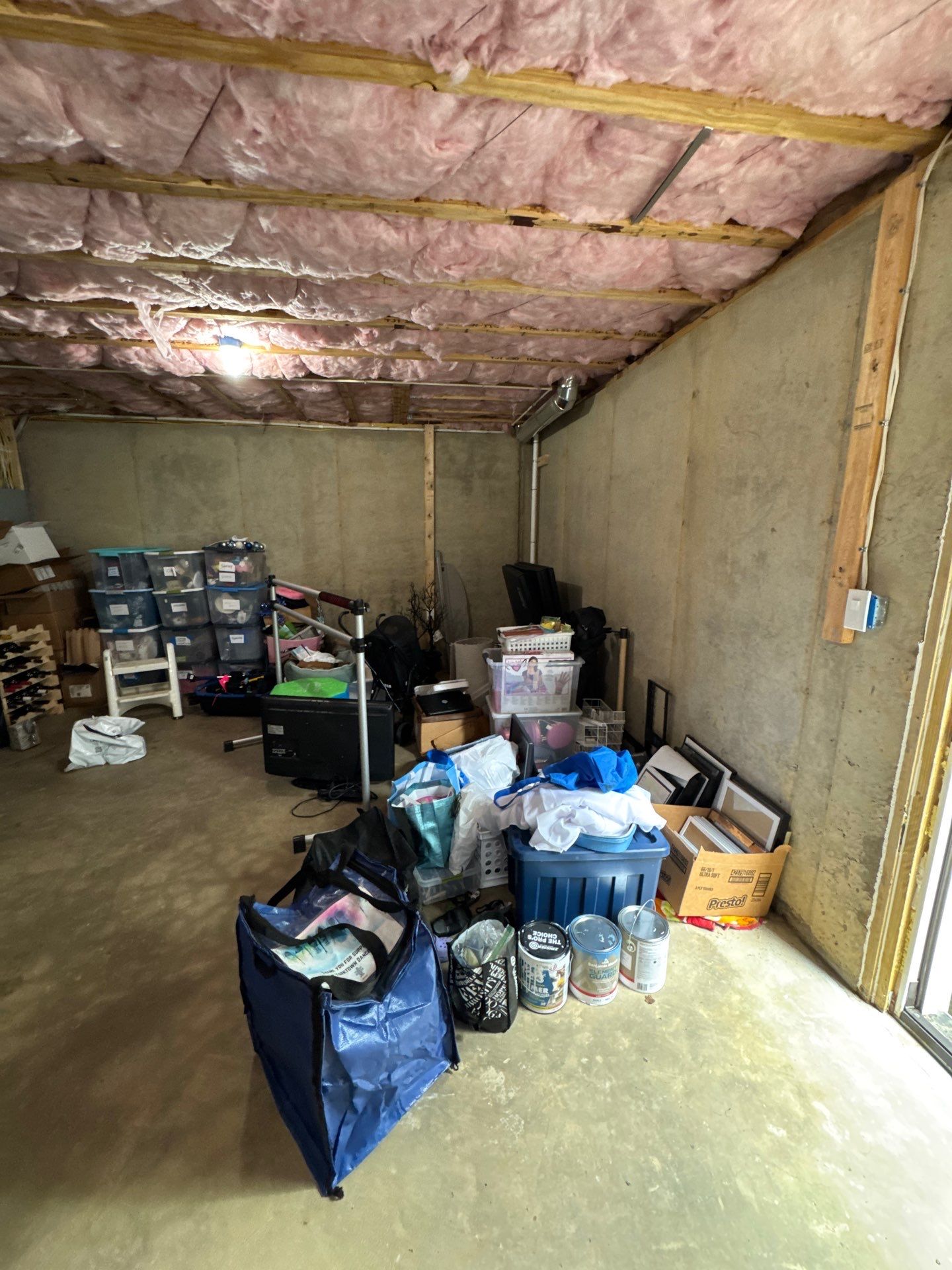
Hidden moisture posed the primary challenge in this Arlington County restoration. Water infiltration had compromised structural materials throughout the home, and standard visual inspection alone would have missed critical pockets of trapped moisture. Arlington County's dense mix of single-family homes and garden apartments—many built decades ago—often conceal plumbing vulnerabilities that surface during Northern Virginia's winter freeze-thaw cycles, making thorough diagnostics essential.
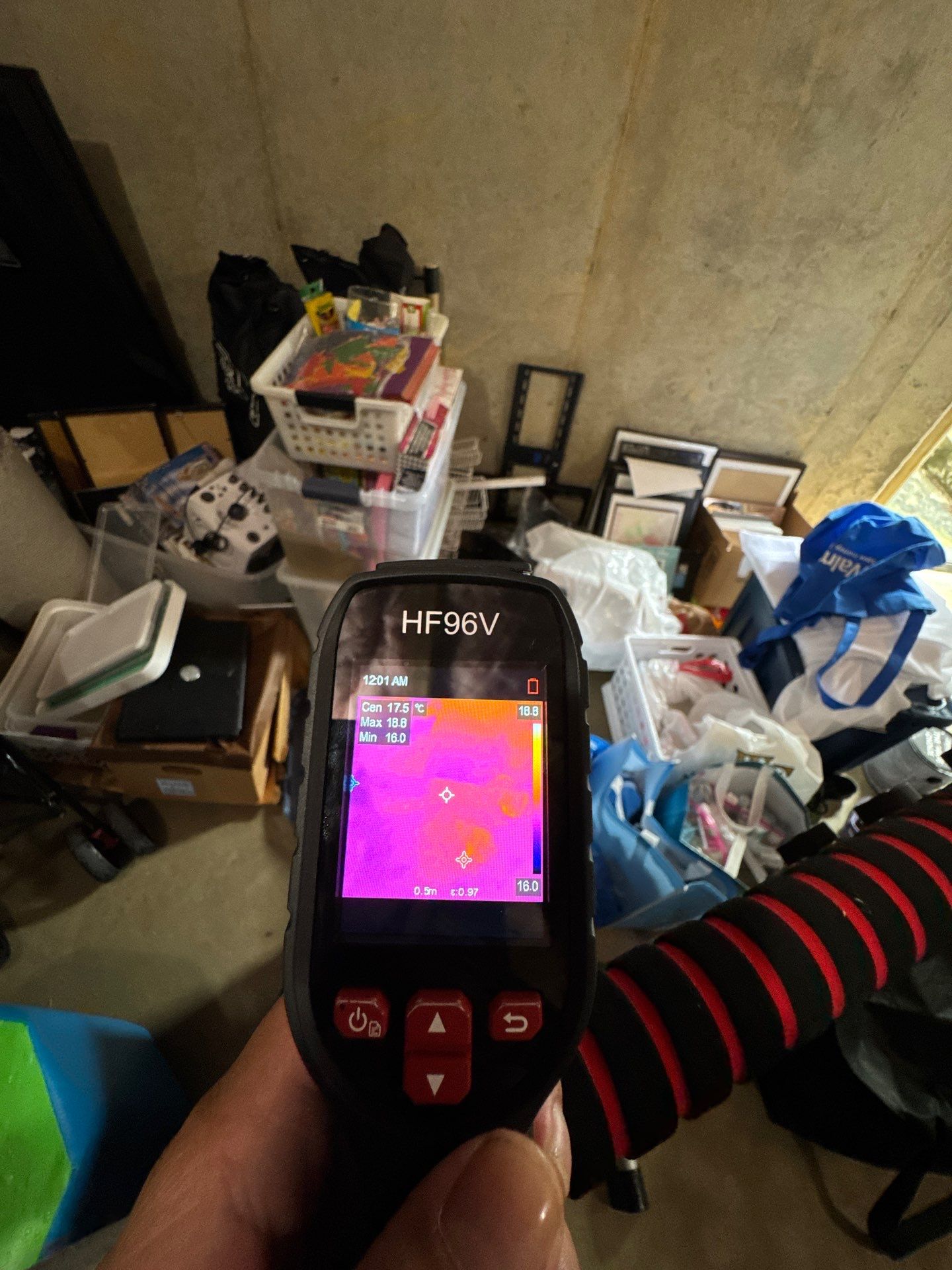
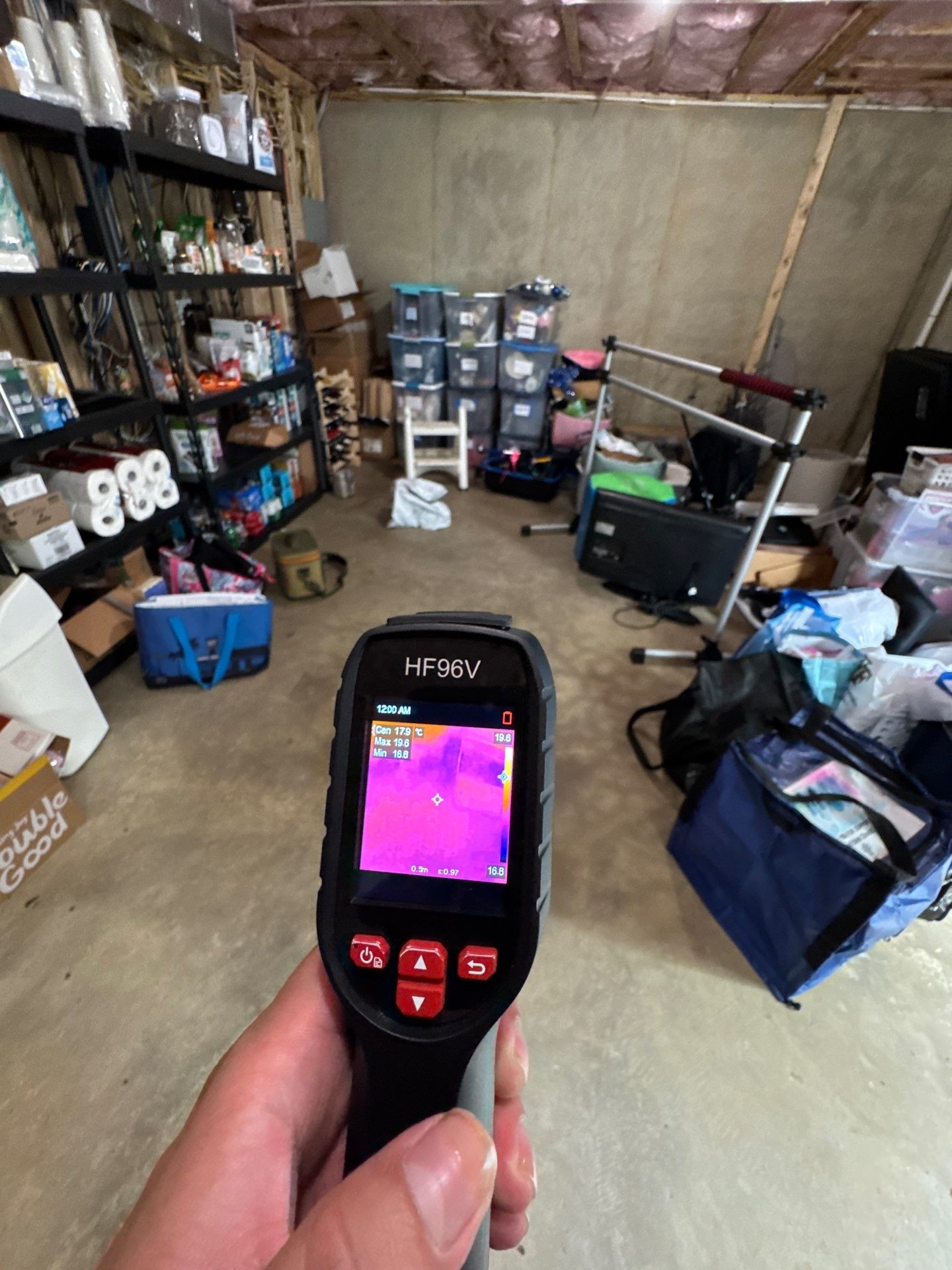
We deployed thermal imaging technology to map the full extent of the damage. The infrared scan revealed moisture concentrations invisible to the naked eye, including areas where water had migrated behind finished surfaces. This non-invasive inspection provided a complete damage profile without unnecessary demolition, allowing us to target our restoration work precisely where it was needed.
With the moisture map in hand, we proceeded with extraction, drying, and structural repairs guided by IICRC S500 water damage standards. Each affected zone was addressed methodically to prevent secondary damage and ensure thorough drying. The homeowner expressed satisfaction with both the thoroughness of the diagnostic phase and the final outcome, noting the value of technology-driven precision in what could have been a far more invasive process. The home was returned to a safe, dry condition with confidence that no hidden moisture remained to threaten future air quality or structural integrity.
Reviews from Restoration Doctor customers
Restoration Doctor provided outstanding service during a recent water damage crisis. Their team arrived promptly and worked diligently to assess and mitigate the damage. I was impressed by their professionalism and attention to detail. They kept me informed every step of the way. I highly recommend them for any restoration needs!
Frequently asked questions
Why did Restoration Doctor use thermal imaging for this water damage inspection in Arlington County?
Thermal imaging allows Restoration Doctor to detect hidden moisture pockets behind walls, under floors, and in ceiling cavities that visual inspection alone would miss. In Arlington County's dense housing stock—where water can migrate between units or through shared structural elements—identifying every moisture reservoir is critical to preventing secondary damage and mold growth. This non-invasive technology maps temperature differentials that reveal wet building materials without unnecessary demolition.
What does thermal-imaging moisture inspection reveal that a standard moisture meter cannot?
Thermal cameras visualize temperature patterns across entire wall and ceiling planes, showing the full extent of water migration pathways that point-contact meters would require dozens of test holes to map. Restoration Doctor uses this technology to trace infiltration back to its source, identify insulation saturation, and confirm that drying equipment is targeting all affected zones. The resulting thermal map guides both the scope of demolition and the placement of air movers and dehumidifiers.
How does freeze-thaw damage in older Arlington plumbing lead to the kind of hidden moisture this inspection found?
Northern Virginia's winter freeze-thaw cycles stress aging supply lines and poorly insulated pipe runs common in Arlington's older single-family and garden apartment stock, causing pinhole leaks or fitting failures that seep slowly rather than flood visibly. Restoration Doctor's thermal inspection on this job identified moisture accumulation in wall cavities and subflooring where the leak had been active long enough to saturate structural materials before the homeowner noticed surface symptoms. Early thermal detection prevents the concealed damage from advancing to rot or mold colonization.
After thermal imaging identifies hidden moisture, what restoration steps does Restoration Doctor take?
Once the thermal scan maps all affected zones, Restoration Doctor extracts standing water if present, removes non-salvageable materials (saturated drywall, insulation, or flooring), and deploys commercial dehumidifiers and air movers positioned according to the moisture map to dry structural framing and substrates to standard. Daily moisture readings confirm progress, and antimicrobial treatment is applied to any surfaces at risk of microbial growth. The process continues until all materials return to their normal dry state, typically verified by follow-up moisture mapping.
Explore more restoration work
All projects in Arlington · Water Damage Restoration in Arlington
Water, fire, or mold damage in Arlington?
Restoration Doctor responds 24/7 across Arlington and Northern Virginia. Free assessment and transparent, insurance-friendly estimates — no obligation.
See our Water Damage Restoration services at restorationdoctors.com →