Water Damage Restoration
About this mold remediation project
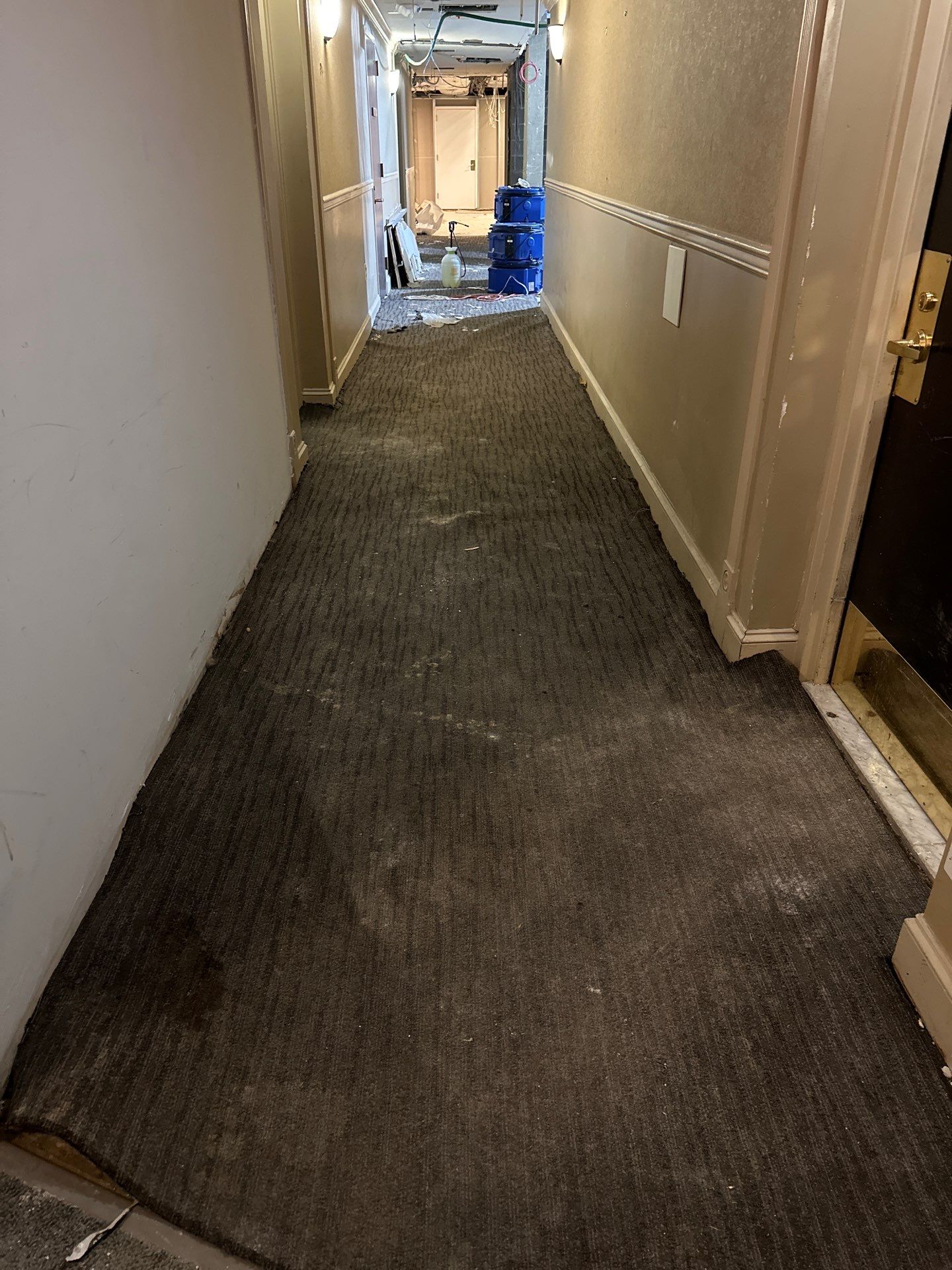
Soaked hallway carpeting was the visible face of a deeper problem at this Arlington County property, where water intrusion had progressed to active mold growth. In Arlington's dense residential building stock—where garden apartments and mid-rise structures often share aging plumbing infrastructure subject to the region's freeze-thaw cycles—hidden moisture behind finished surfaces is a common precursor to microbial colonation.
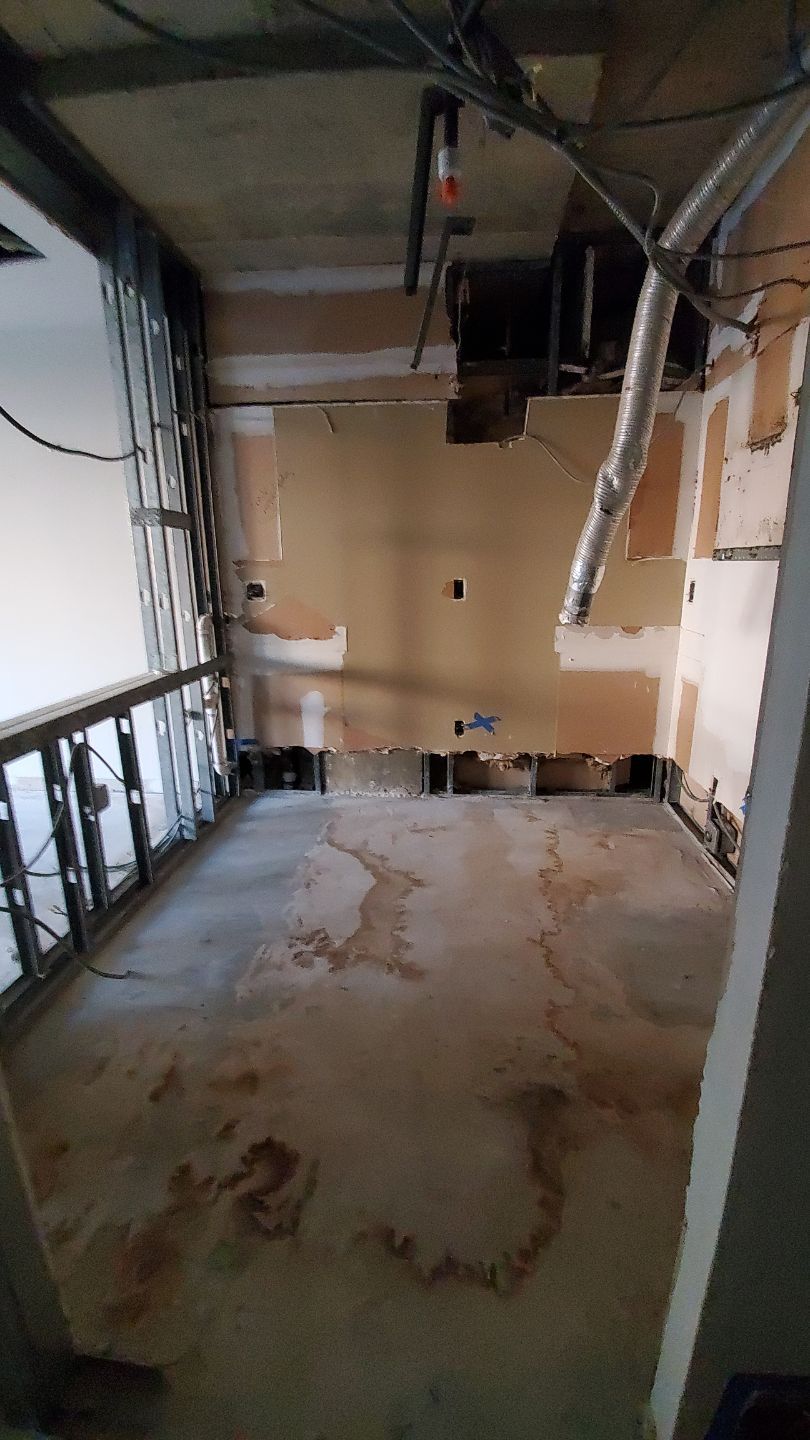
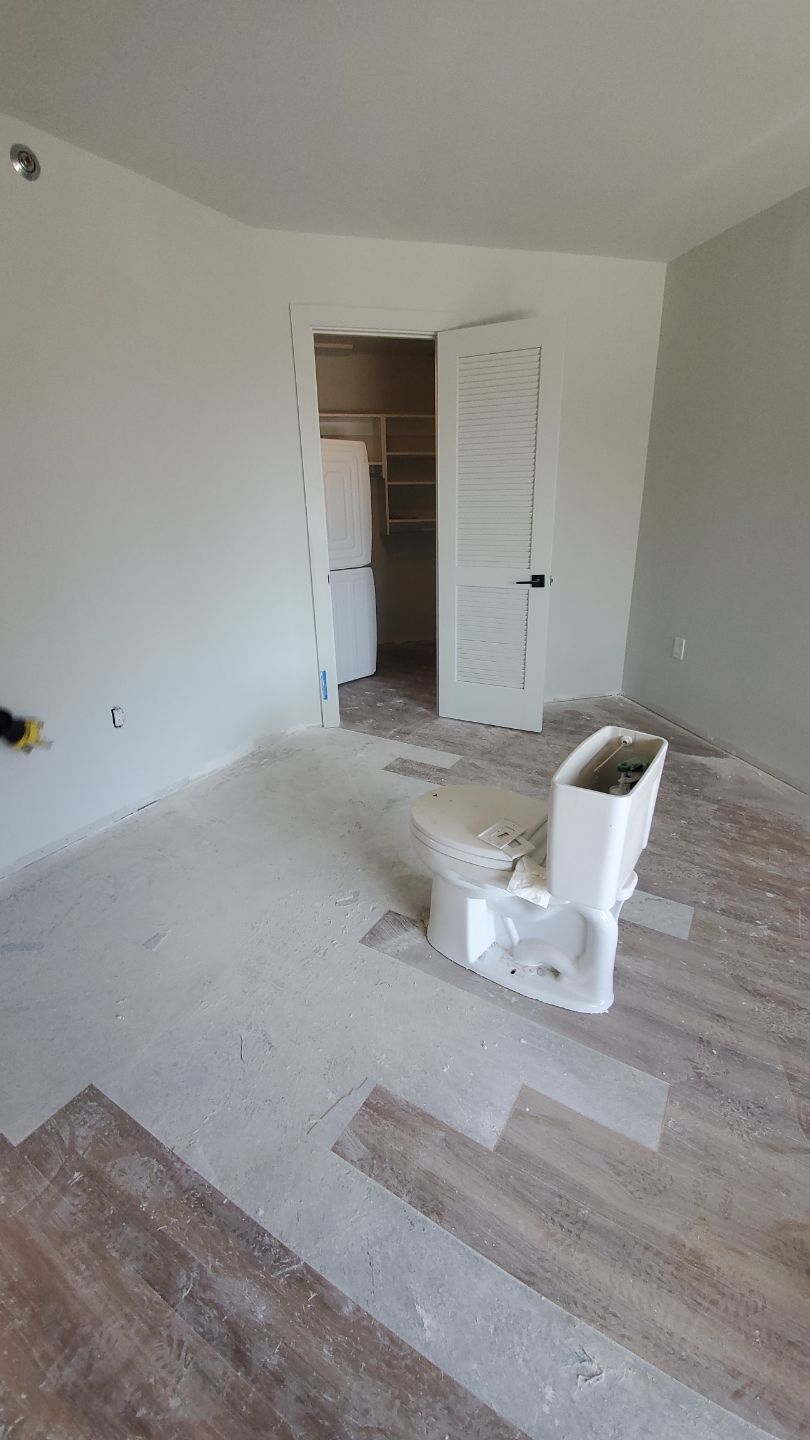
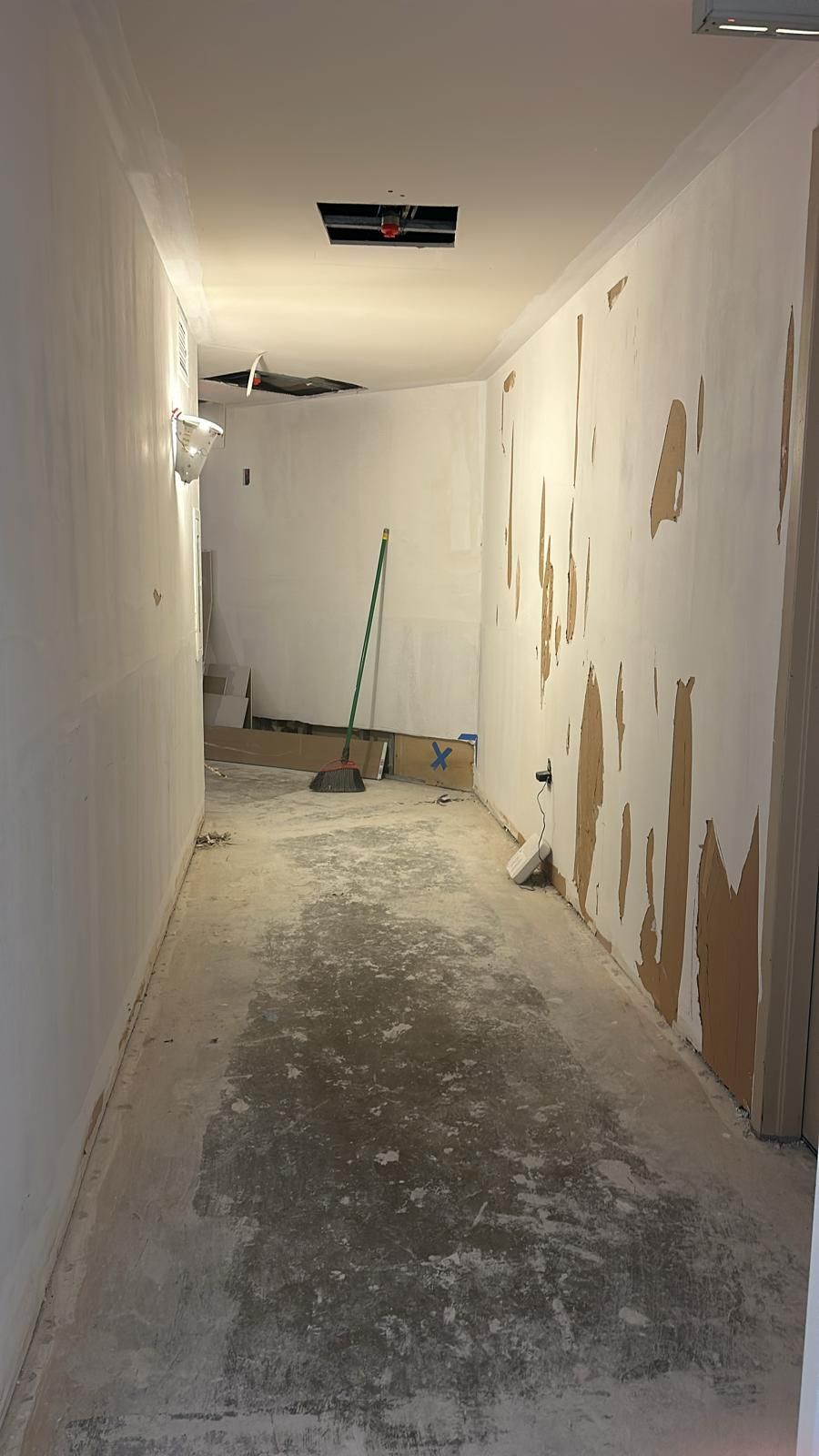
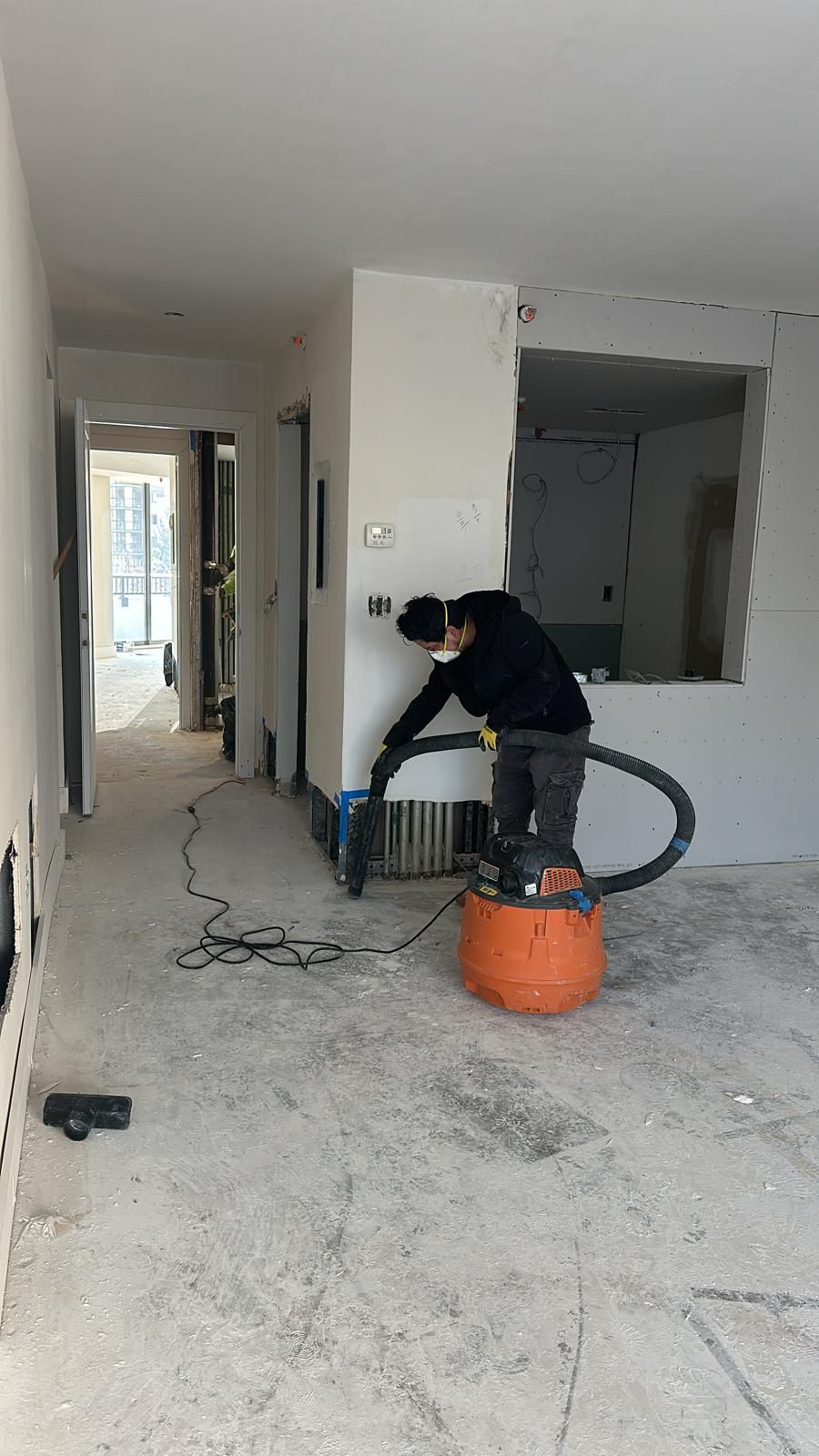
Our crew pulled the saturated carpet immediately to halt secondary damage, then deployed specialized extraction and drying equipment to bring the affected zones under environmental control. Following IICRC S520 protocol, we cleared compromised drywall and flooring in the impacted areas, exposing the framing and substrates to direct airflow. Moisture mapping confirmed the extent of wetting, and targeted removal allowed us to dry structural cavities that would otherwise have remained damp and hospitable to continued growth.
With debris cleared and sanitation underway, the property moved into the rebuild-ready phase. The homeowner's review reflected confidence in the thoroughness of the work—a response we see when containment, drying, and material removal are sequenced correctly and the underlying cause is addressed, not just its symptoms.
Frequently asked questions
Why was carpet removal necessary after water intrusion in this Arlington County home?
Restoration Doctor removed the soaked hallway carpets because saturated carpet and padding act as moisture reservoirs that prolong drying times and create ideal conditions for mold colonization, especially in Arlington's dense housing stock where humidity can linger. Extracting these materials early prevented secondary damage to the subfloor and accelerated the structural drying timeline. This step is standard practice under IICRC S500 water restoration protocols when porous flooring is compromised.
What does structural drying involve after standing water is extracted in Arlington, VA?
After extraction, Restoration Doctor deployed specialized drying equipment—typically air movers and dehumidifiers—to pull residual moisture from framing, subfloors, and wall cavities at this Arlington property. The process creates a controlled low-humidity environment that drives moisture out of structural materials faster than ambient conditions allow. Monitoring continues until materials reach dry-standard readings, which prevents mold from establishing in the weeks following the loss.
How does mold remediation differ from simply drying out water damage?
Mold remediation goes beyond drying: it involves physical removal of colonized materials (in this case, impacted drywall and flooring), containment to prevent spore spread, and antimicrobial treatment of affected surfaces. Restoration Doctor's work on this Arlington job included clearing contaminated building materials and sanitizing the space, not just extracting water. Drying alone does not address mold that has already taken hold, which is why both services were performed here.
What happens to debris and removed materials during a mold remediation project in Arlington County?
Restoration Doctor bagged and removed all impacted carpets, drywall, and flooring debris from the Arlington property as part of the remediation scope, preventing cross-contamination and ensuring the work area stayed sanitary. Debris is disposed of according to local waste-handling requirements, and the cleared spaces are prepped for reconstruction. This step is critical in dense residential areas like Arlington, where proper containment and disposal protect neighboring units and common spaces from exposure.
Can a property be reoccupied immediately after mold remediation and drying are complete?
Reoccupancy depends on final clearance: Restoration Doctor ensures all affected areas at this Arlington property are dried to standard, sanitized, and cleared of visible contamination before reconstruction begins. If post-remediation testing is requested or required by insurance, that must pass before the space is considered safe. The timeline varies by scope, but the goal is always a controlled, documented return to habitability rather than a rushed reopening.
Explore more restoration work
All projects in Arlington · Mold Remediation in Arlington
Water, fire, or mold damage in Arlington?
Restoration Doctor responds 24/7 across Arlington and Northern Virginia. Free assessment and transparent, insurance-friendly estimates — no obligation.
See our Mold Remediation services at restorationdoctors.com →