Sanitizing and Rebuilding After Sewage Water Damage
About this mold remediation project
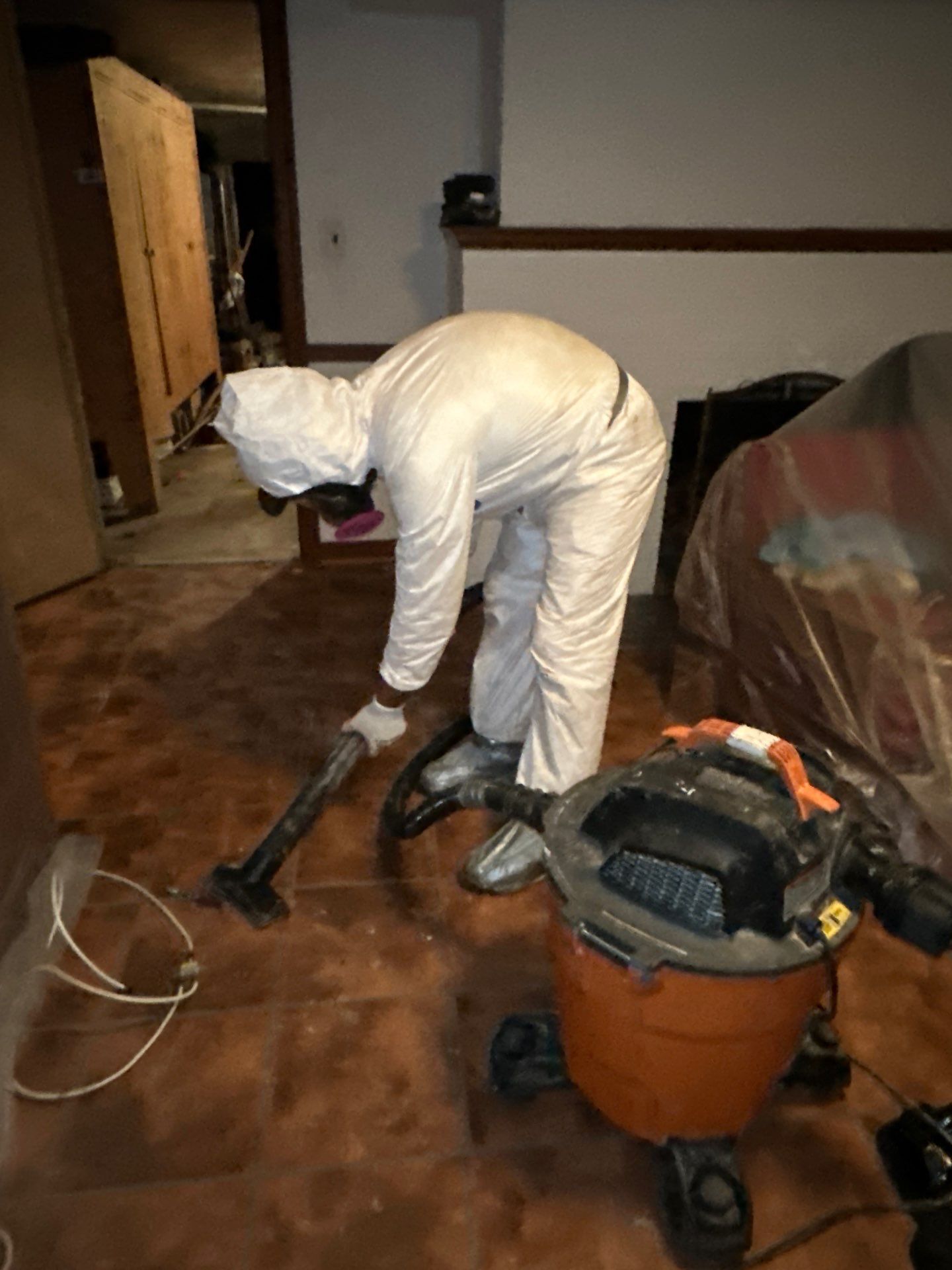
A sewage backup in one of Arlington County's older residential properties created an immediate health hazard, compounding the challenge common to dense, close-quarter housing where contaminated water can migrate quickly through shared structural elements. Category 3 water—the most hazardous classification—affected multiple rooms, requiring a response that prioritized occupant safety above all else.
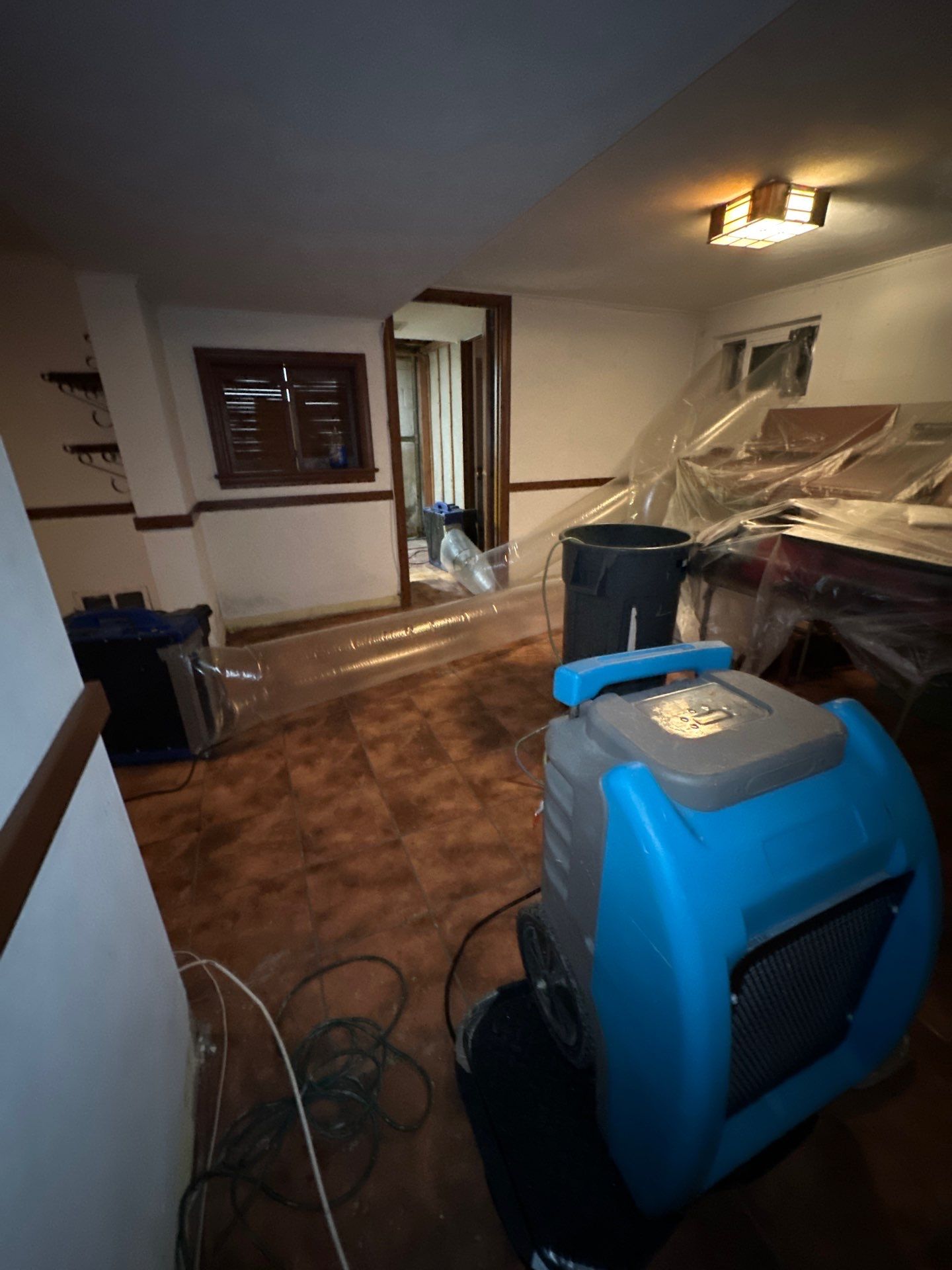
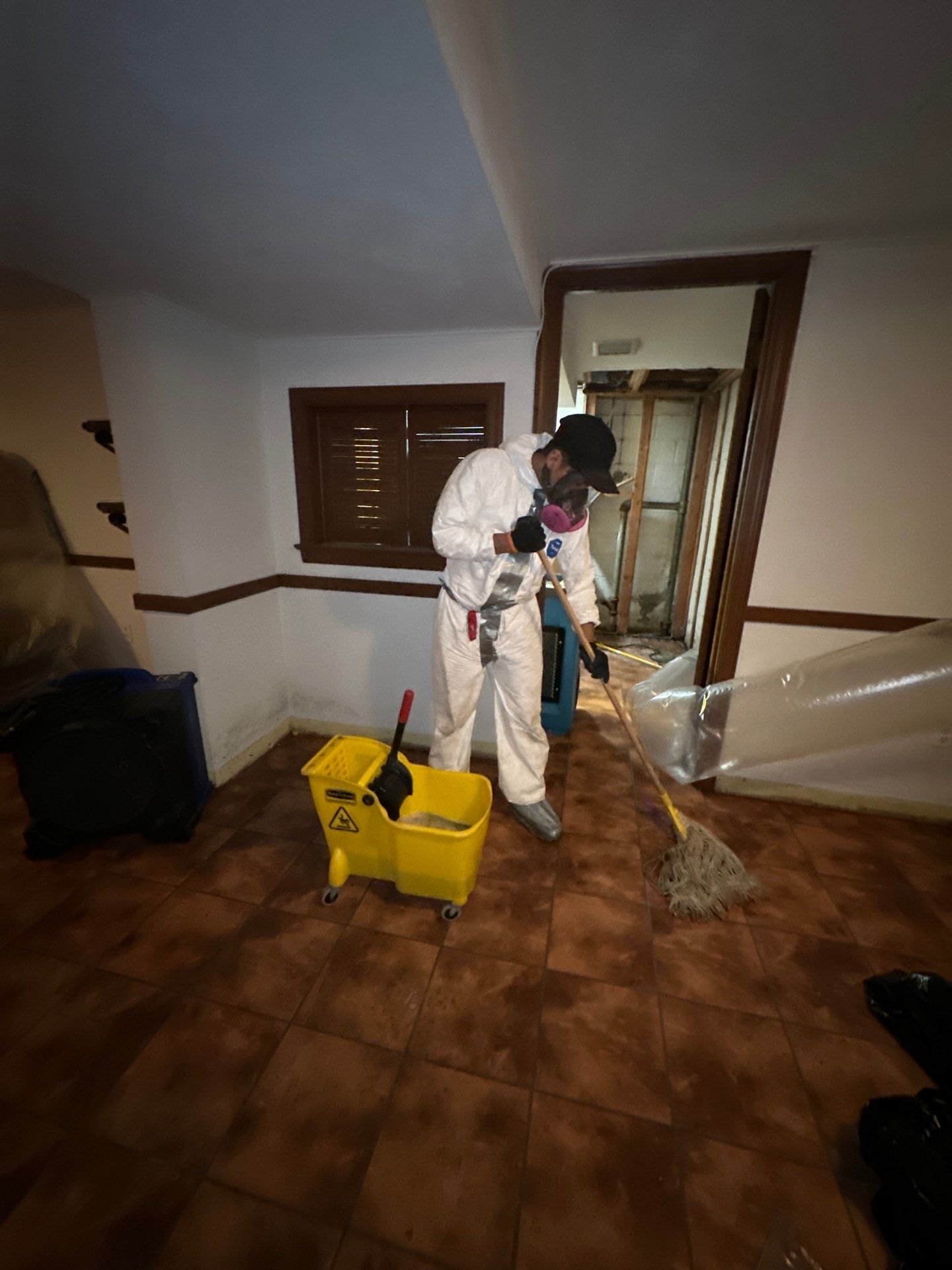
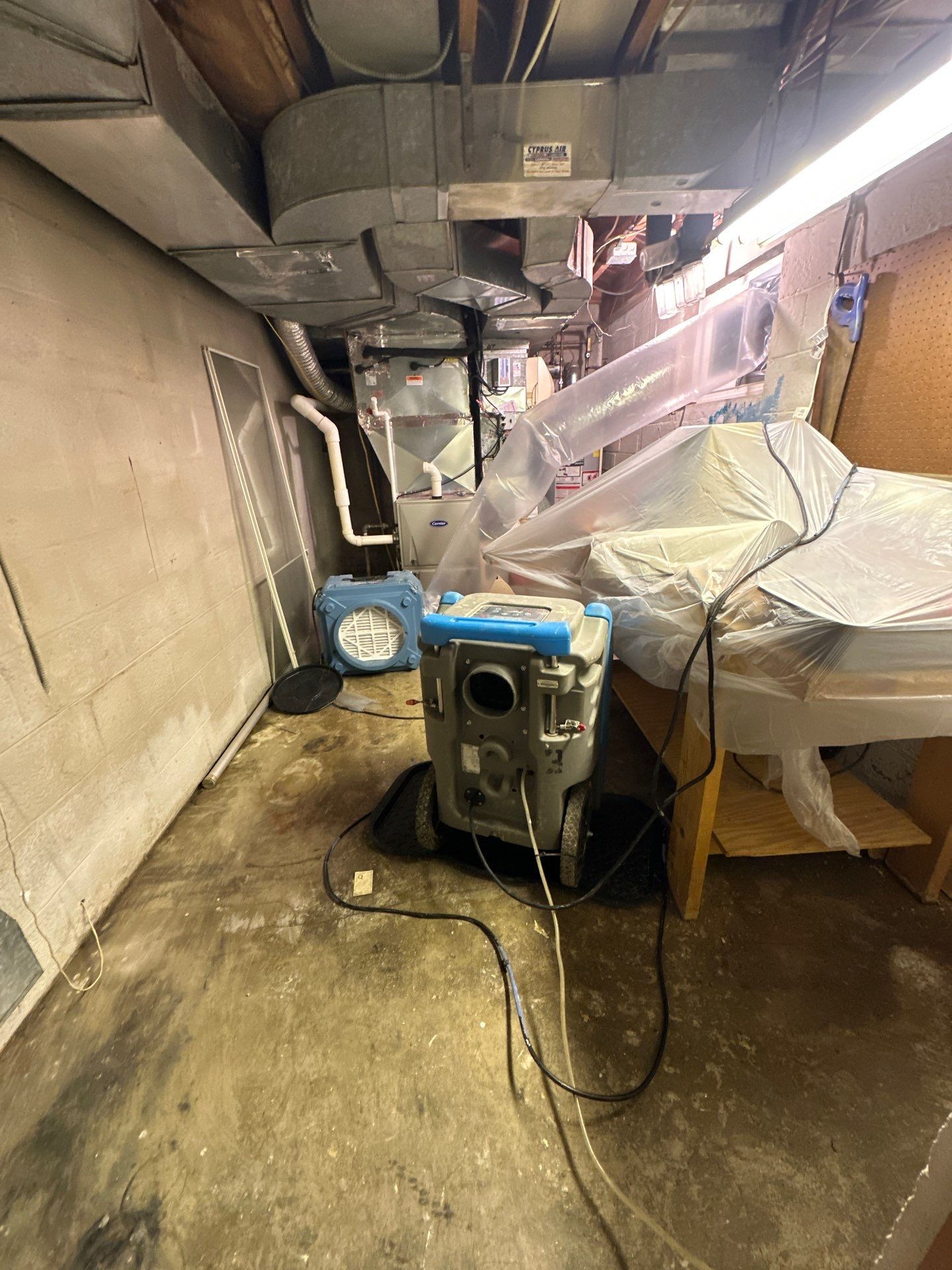
We extracted standing water first, then removed all porous materials that had absorbed sewage contamination: baseboards, sections of drywall, and carpet padding that could not be salvaged. Following IICRC S520 protocols for microbial remediation, we applied EPA-registered antimicrobial treatments to all affected surfaces, then established a controlled drying environment using commercial dehumidifiers and air movers to bring structural moisture levels back within range. The sewage origin meant no shortcuts—everything that touched that water was either disinfected to hospital-grade standards or removed entirely.
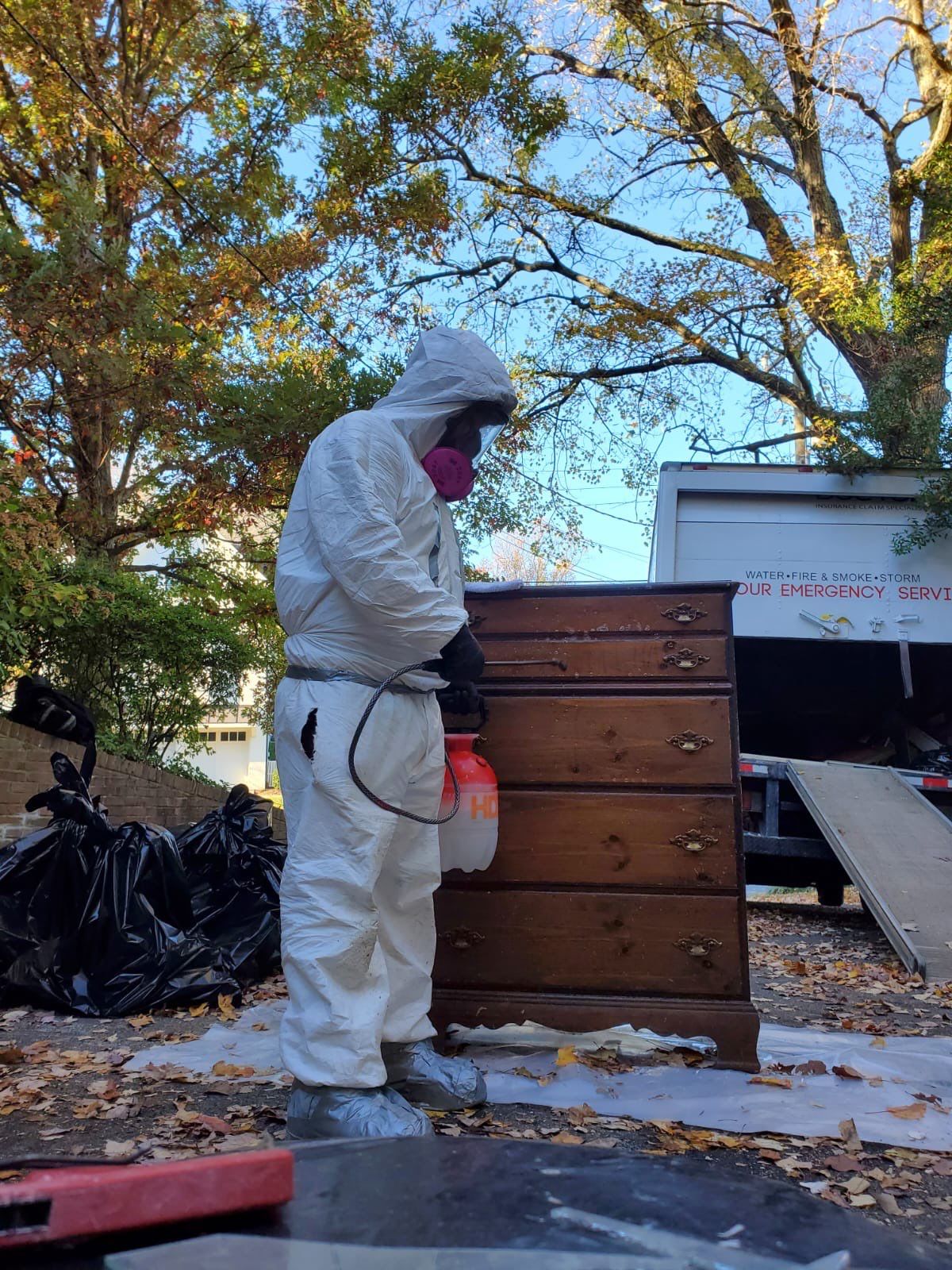
Reconstruction followed only after verification that the space was dry and microbially stable. We replaced damaged flooring and drywall, matching existing finishes where possible. Salvageable furniture received deep cleaning and encapsulation; items beyond restoration were documented and disposed of properly.
The homeowner noted in their review that the space felt safe again—a standard we take seriously when the contamination source carries this level of risk.
Frequently asked questions
How does sewage backup create mold risk in Arlington homes?
Sewage backups introduce both standing water and organic contaminants that accelerate microbial growth, especially in Arlington County's dense housing stock where plumbing systems may be older and interconnected. Restoration Doctor responds by extracting contaminated water immediately, applying antimicrobial treatments to affected surfaces, and running industrial dehumidifiers to eliminate the elevated moisture that fuels mold colonization. Without prompt intervention, the combination of Category 3 water and humid Mid-Atlantic conditions can lead to widespread fungal activity within days.
What does structural drying involve after water intrusion in an Arlington property?
Structural drying uses commercial-grade dehumidifiers and air movers to reduce moisture content in walls, subfloors, and framing materials to levels that prevent secondary damage. For this Arlington job, Restoration Doctor monitored drying progress with moisture meters and psychrometric readings, ensuring hidden cavities behind drywall and beneath flooring reached safe thresholds before reconstruction began. The process typically runs continuously until materials stabilize, which varies based on the extent of saturation and the building's construction type.
Why was flooring removal necessary in this case?
Carpet and underlayment saturated by sewage-contaminated water cannot be effectively sanitized and pose ongoing health risks if left in place. Restoration Doctor removed and disposed of affected flooring materials in this Arlington home to eliminate the contamination source, then dried the subfloor and treated it with antimicrobials before installing replacement materials. This approach prevents trapped moisture and microbial reservoirs from persisting beneath new finishes.
Can contaminated furniture be saved after a sewage loss?
Non-porous items like metal or sealed wood can often be sanitized with hospital-grade disinfectants, but upholstered furniture and porous materials exposed to Category 3 water are typically not salvageable due to deep contamination. In this Arlington restoration, Restoration Doctor assessed each item individually, sanitizing what could be safely restored and coordinating proper disposal of materials that posed ongoing health risks. The decision prioritizes occupant safety over salvage value.
How long does mold remediation take after water damage?
Timeline depends on the scope of contamination, drying conditions, and the extent of material removal required—jobs involving structural drying and flooring replacement generally span several days to over a week. For this Arlington project, Restoration Doctor completed standing-water extraction and antimicrobial application within the first 24 hours, then maintained drying equipment until moisture levels normalized before beginning reconstruction. Winter freeze-thaw cycles common to Northern Virginia can complicate drying in unheated spaces, sometimes extending the process.
Explore more restoration work
All projects in Arlington · Mold Remediation in Arlington
Water, fire, or mold damage in Arlington?
Restoration Doctor responds 24/7 across Arlington and Northern Virginia. Free assessment and transparent, insurance-friendly estimates — no obligation.
See our Mold Remediation services at restorationdoctors.com →