Thorough and effective remediation process.
About this water damage restoration project
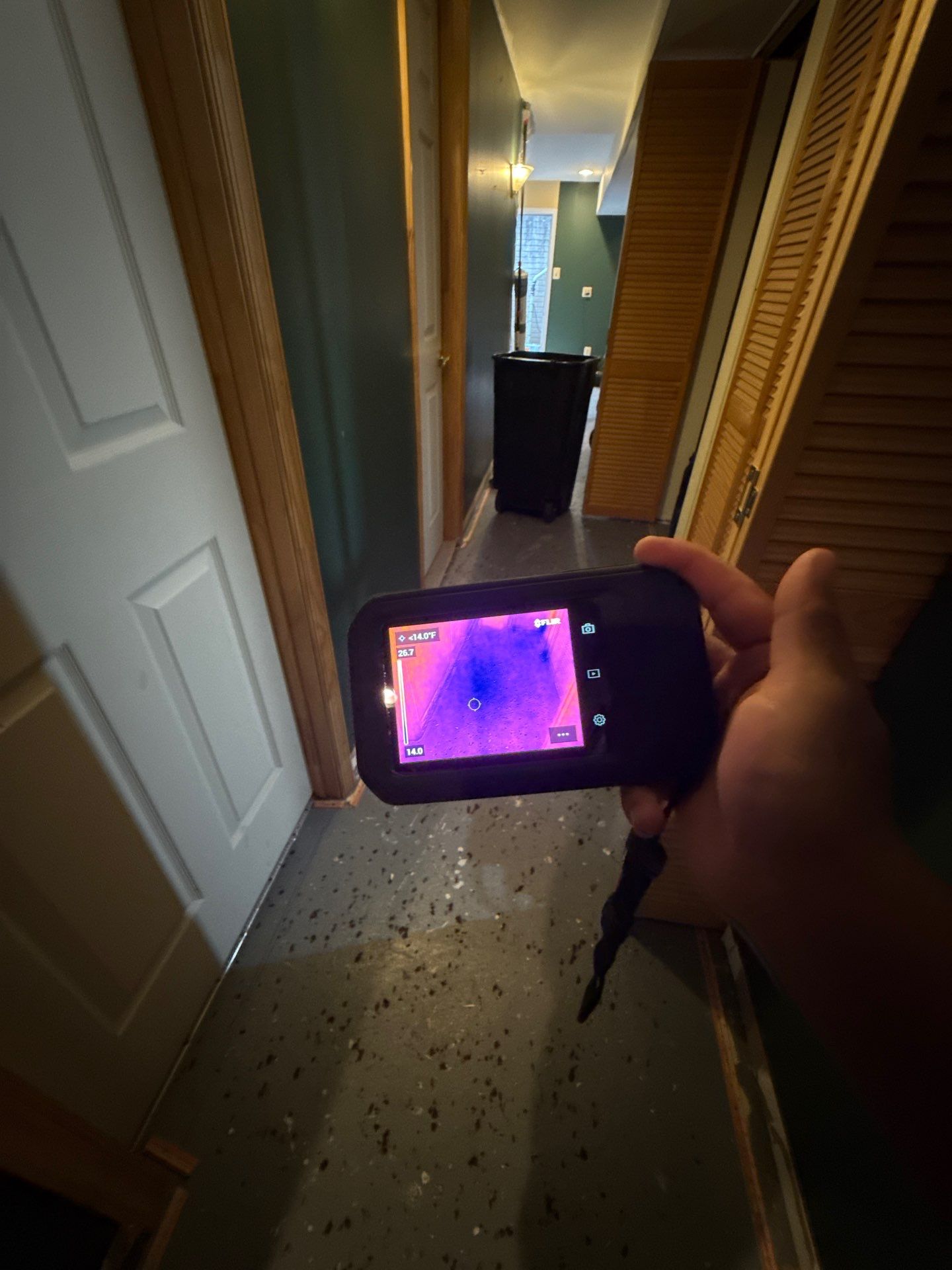
A residence in Prince William County's established housing stock confronted mold growth that had taken hold after water intrusion—a scenario Woodbridge's humid Mid-Atlantic summers can accelerate once moisture enters the building envelope. Our team arrived to find conditions requiring both immediate water removal and thorough antimicrobial treatment to address the secondary contamination.
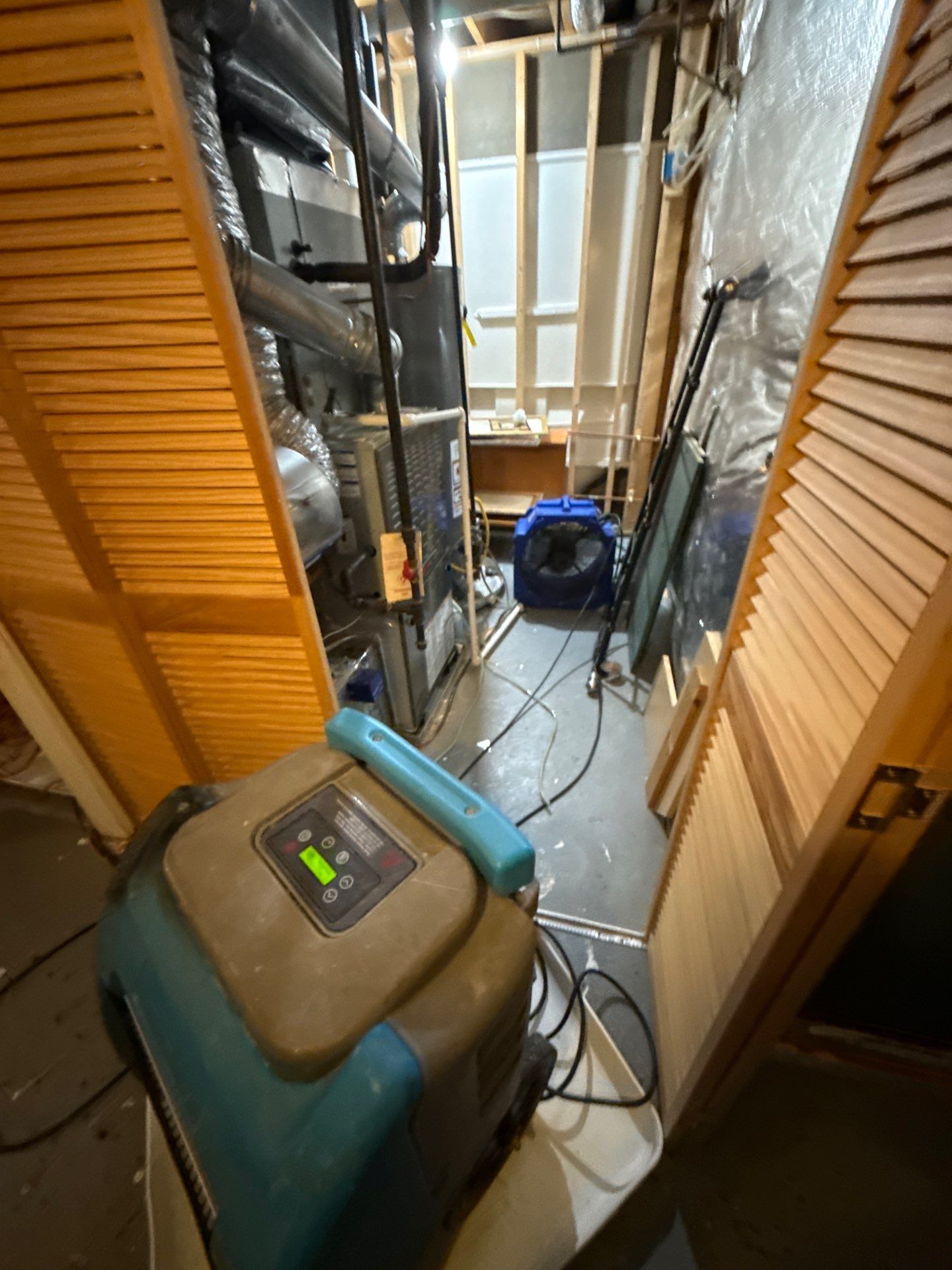
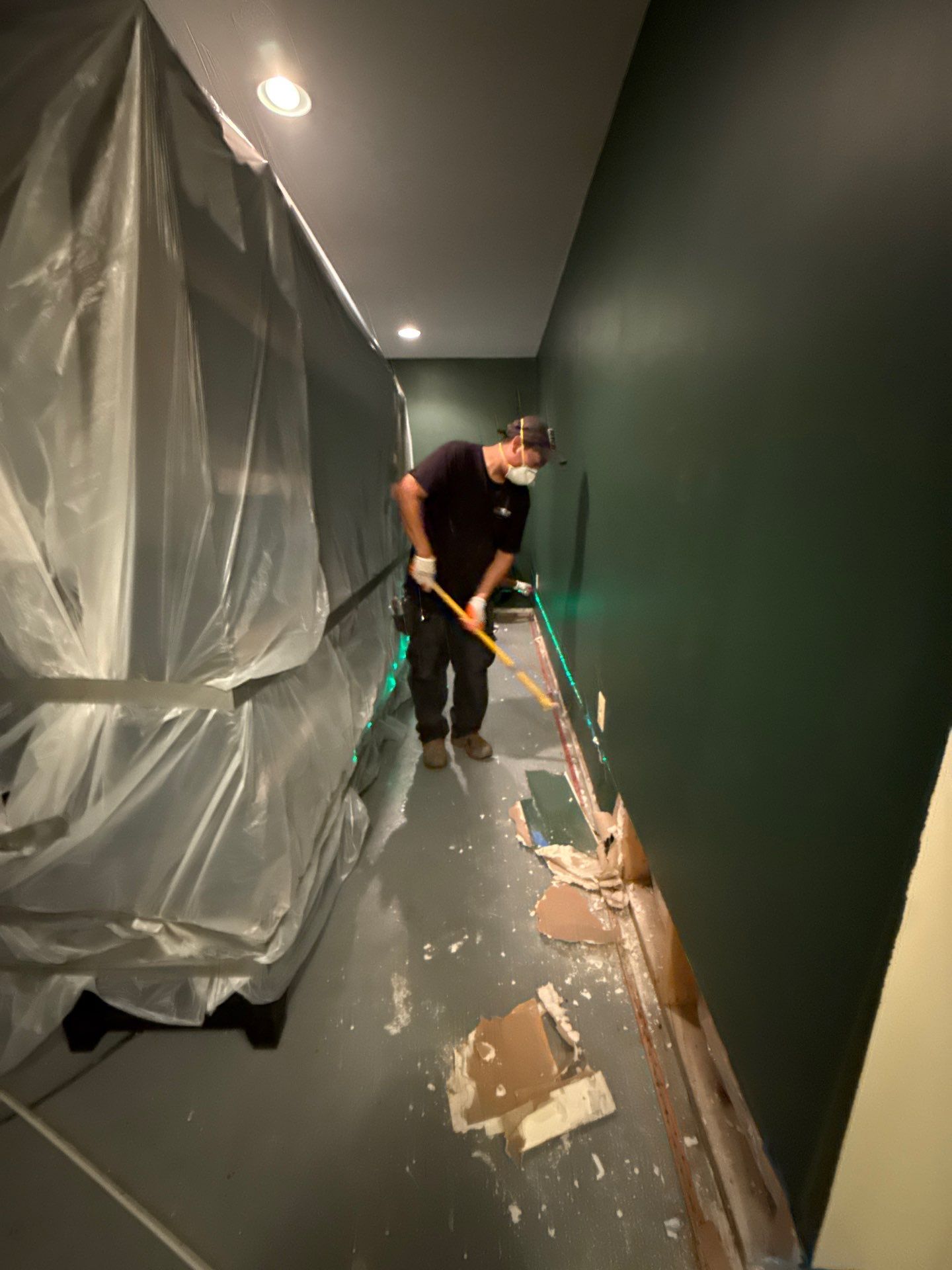
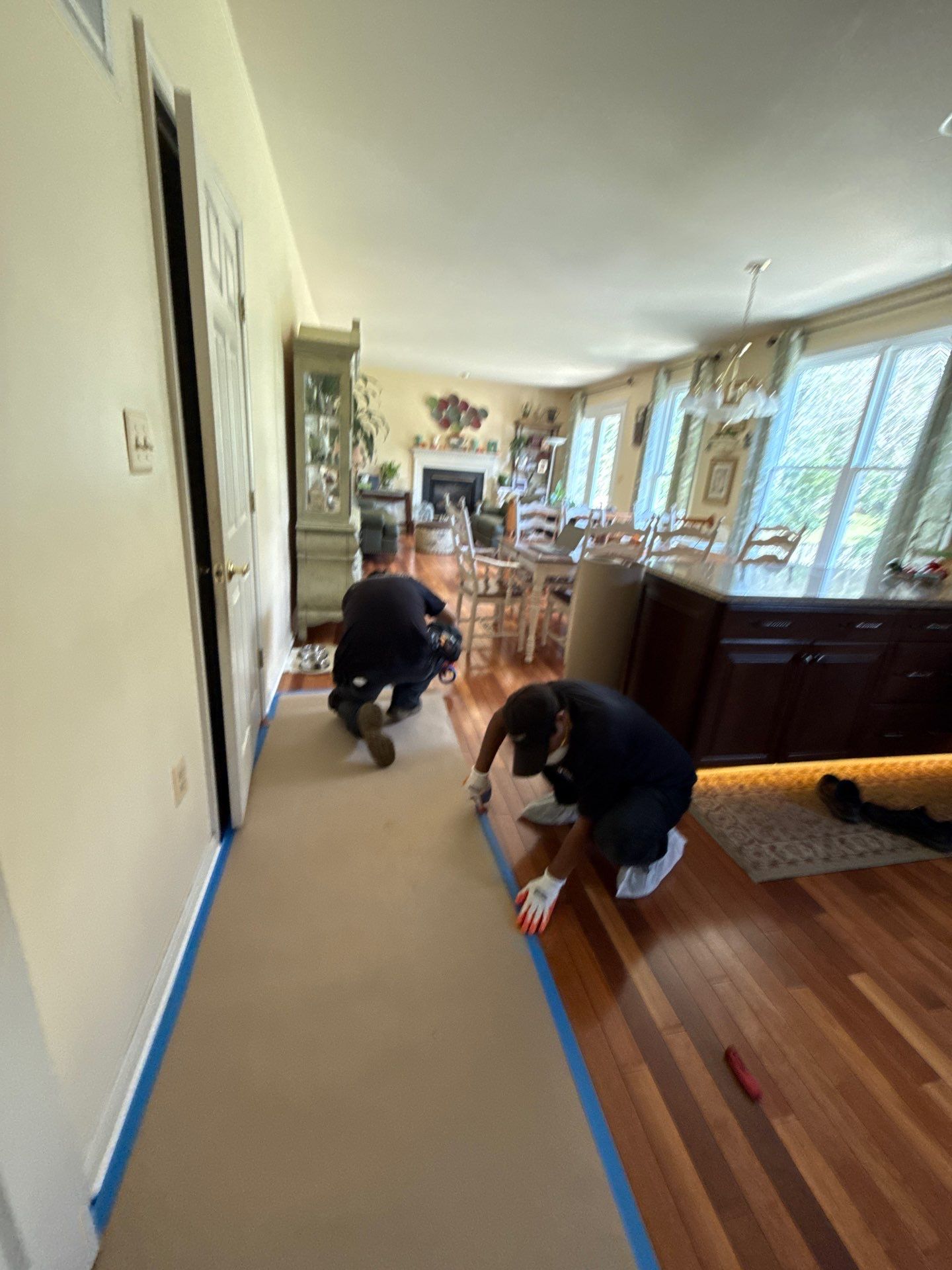
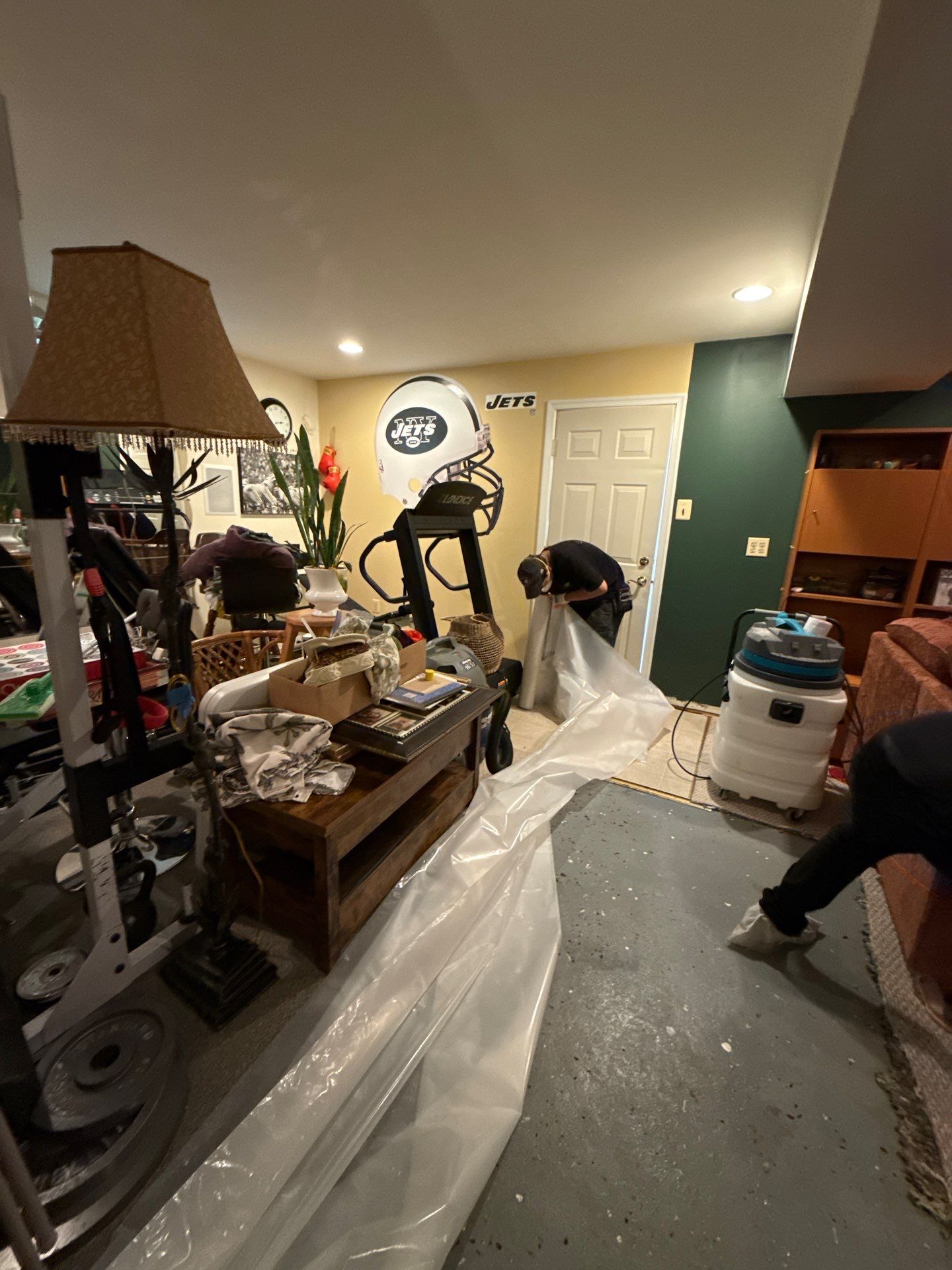
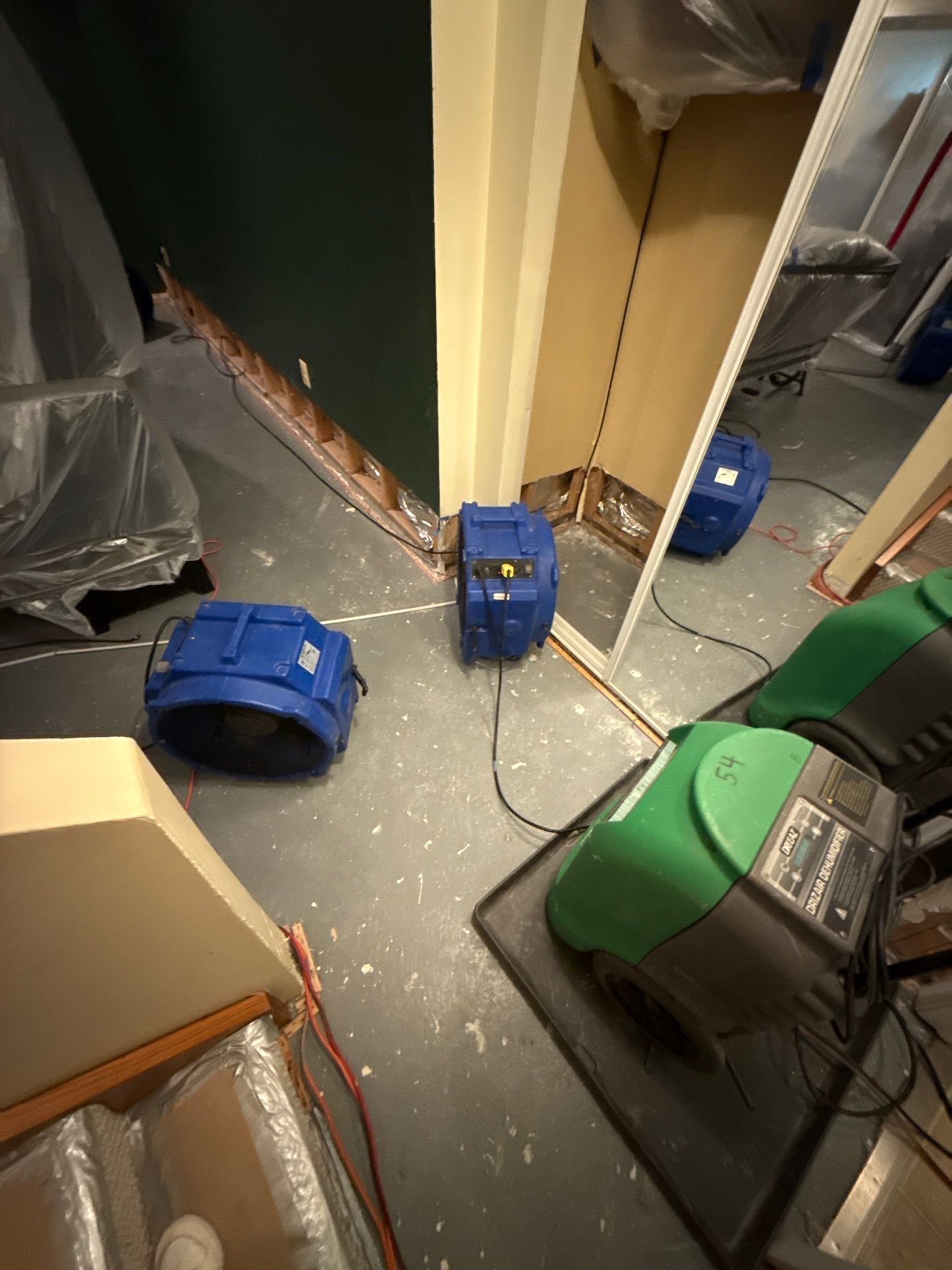
We began by protecting unaffected belongings with plastic sheeting, then deployed wet vacuums to extract standing water from the impacted areas. Once the bulk moisture was removed, we removed and replaced compromised wall sections that could no longer be salvaged. Air movers and dehumidifiers were positioned to drive remaining moisture from structural cavities, while antimicrobial application to all affected surfaces addressed the mold colonization—work consistent with IICRC S520 mold remediation protocols.
The homeowner later noted their satisfaction with the thoroughness of the process, and the job photos document the progression from water-damaged conditions through controlled drying to completed reconstruction. By addressing both the water source and its microbial aftermath in sequence, the project returned the residence to a clean, dry baseline without shortcuts.
Frequently asked questions
Why did Restoration Doctor replace wall sections during this Woodbridge water damage job instead of just drying them in place?
When standing water saturates drywall and framing long enough to trigger mold growth, the affected material often loses structural integrity and harbors embedded contamination that surface cleaning cannot reach. Restoration Doctor removed and replaced the damaged wall sections in this Woodbridge residence to eliminate the colonized substrate entirely, then sanitized the framing and deployed structural drying equipment to bring the cavity to standard before closing it back up—ensuring no hidden reservoir remained.
How does covering belongings with plastic sheeting protect them during mold remediation work in a Prince William County home?
Plastic sheeting creates a physical barrier that prevents cross-contamination when demolition, HEPA vacuuming, and antimicrobial application disturb airborne particles. For this Woodbridge job, Restoration Doctor covered the homeowner's belongings before beginning standing-water extraction and wall removal, keeping settled mold spores and construction dust from migrating onto furniture, electronics, and other contents that were not directly affected by the intrusion.
What does sanitizing all affected areas mean in the context of mold remediation after water intrusion?
Sanitizing refers to the application of EPA-registered antimicrobial agents to non-porous and semi-porous surfaces that contacted contaminated water or visible mold growth, reducing microbial load to safe levels. In this Woodbridge case, Restoration Doctor sanitized framing, subfloor, and any remaining hard surfaces after extraction and wall replacement to inhibit regrowth, a standard step under the IICRC S520 mold-remediation protocol when water damage has sat long enough to support colonization.
Can hot, humid Prince William County summers cause mold to develop faster after a water intrusion like this one?
Yes—Mid-Atlantic summer humidity routinely exceeds 60 percent relative humidity indoors if HVAC or dehumidification is lost, and elevated moisture accelerates mold germination on wet building materials. Restoration Doctor deployed drying equipment immediately after extracting standing water from this Woodbridge home precisely because the seasonal climate compresses the window before spores colonize; even a brief delay in a humid environment can turn a water loss into a mold remediation.
Does homeowners insurance in Virginia typically cover mold remediation that follows sudden water intrusion and standing-water damage?
Most Virginia homeowners policies cover mold remediation when it results directly from a sudden, accidental discharge—such as a supply-line failure or appliance leak—provided the homeowner mitigates promptly. For this Woodbridge job, the mold growth stemmed from water intrusion that required extraction and structural drying, a scenario that generally falls within covered-peril language, though every policy differs and Restoration Doctor recommends filing the claim as soon as the loss is discovered.
Explore more restoration work
All projects in Woodbridge · Water Damage Restoration in Woodbridge
Water, fire, or mold damage in Woodbridge?
Restoration Doctor responds 24/7 across Woodbridge and Northern Virginia. Free assessment and transparent, insurance-friendly estimates — no obligation.
See our Water Damage Restoration services at restorationdoctors.com →