Targeted Restoration: Eliminating Mold and Moisture
About this mold remediation project
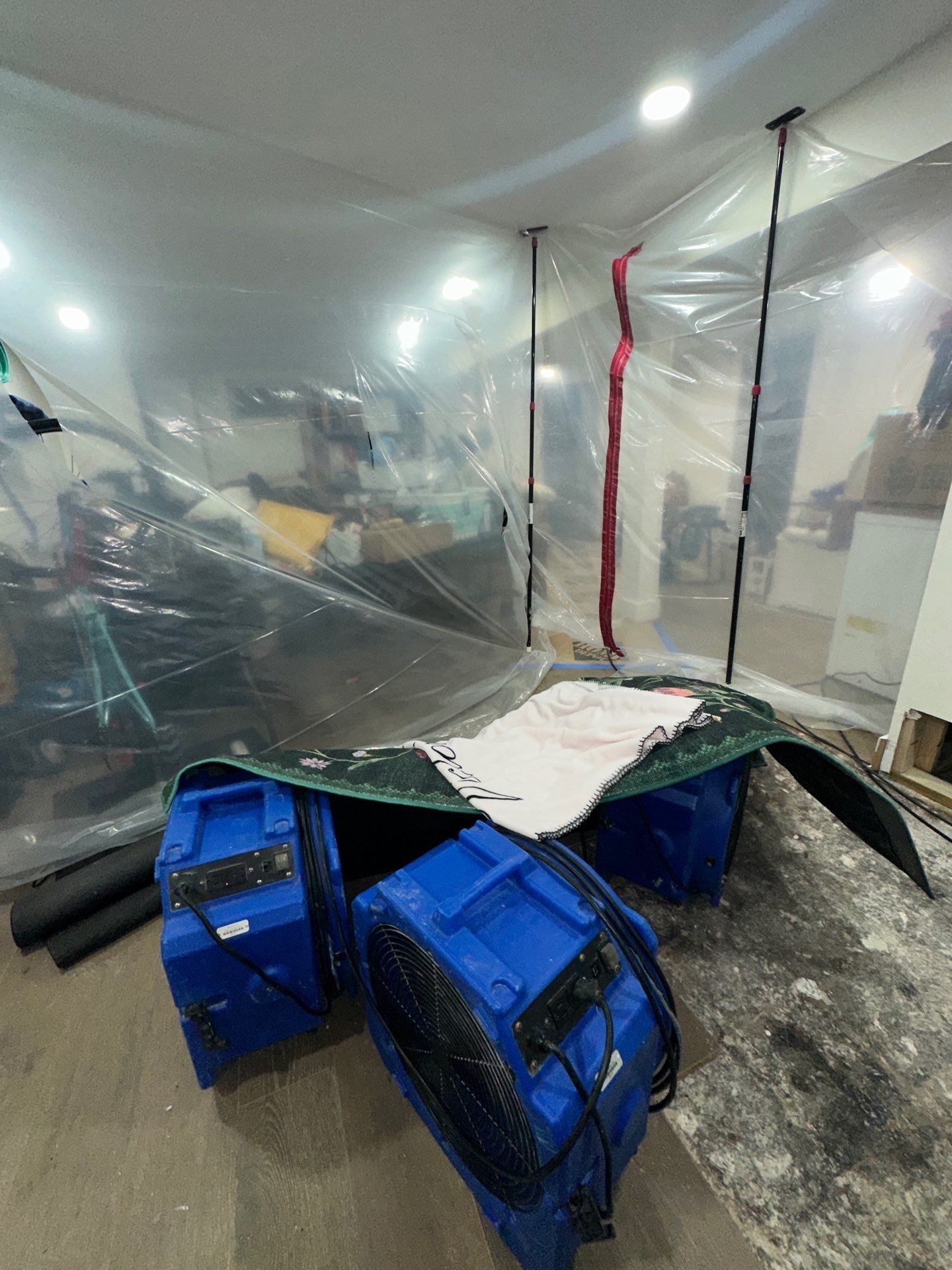
Significant mold growth behind baseboards and beneath flooring had taken hold in this Wheaton-Glenmont residence, a discovery that required immediate containment and controlled removal. In Montgomery County's established neighborhoods along the Georgia Avenue corridor, where winter freeze-thaw cycles stress older residential plumbing, slow moisture intrusion can go unnoticed until mold colonizes concealed building cavities.
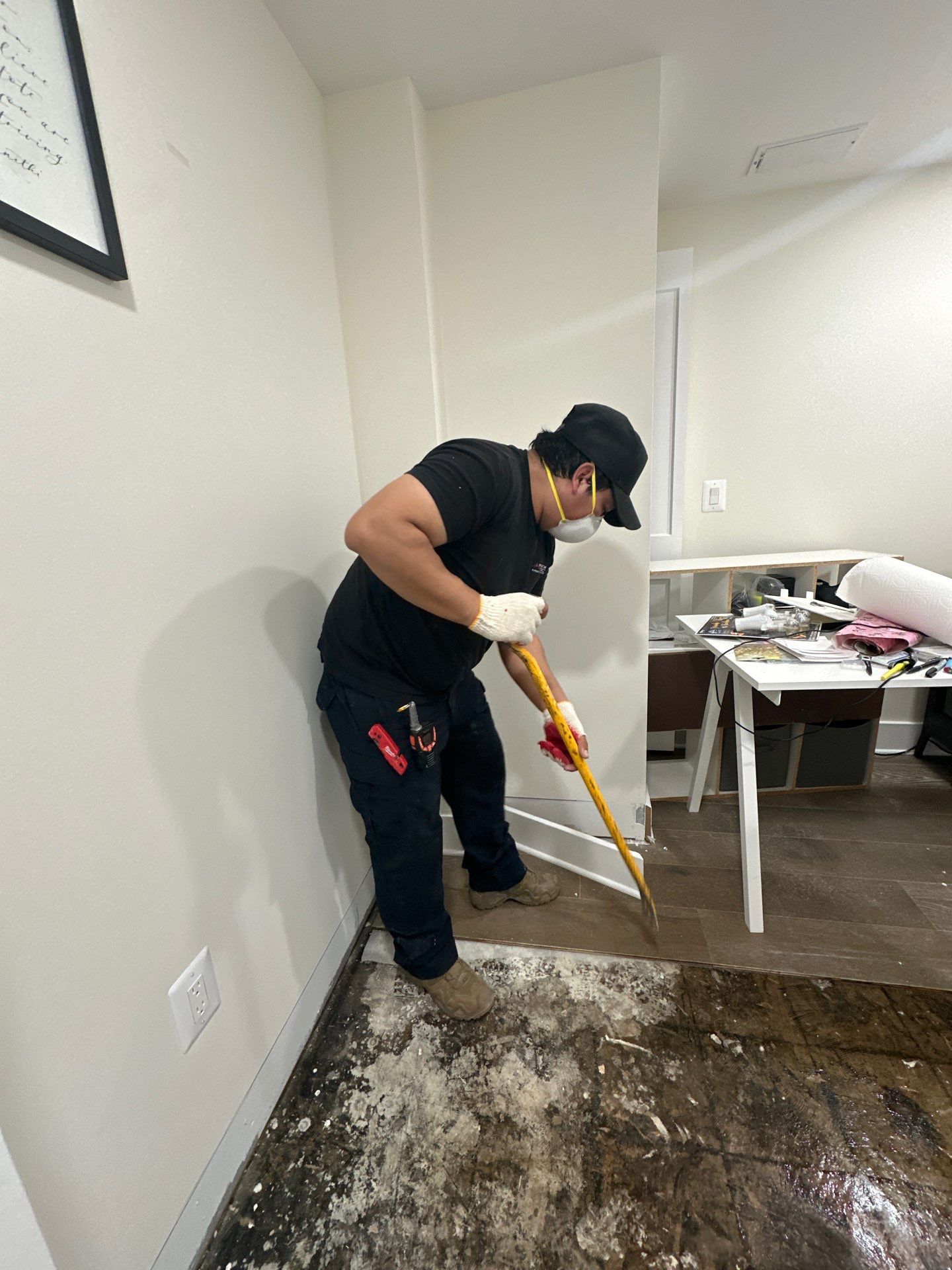
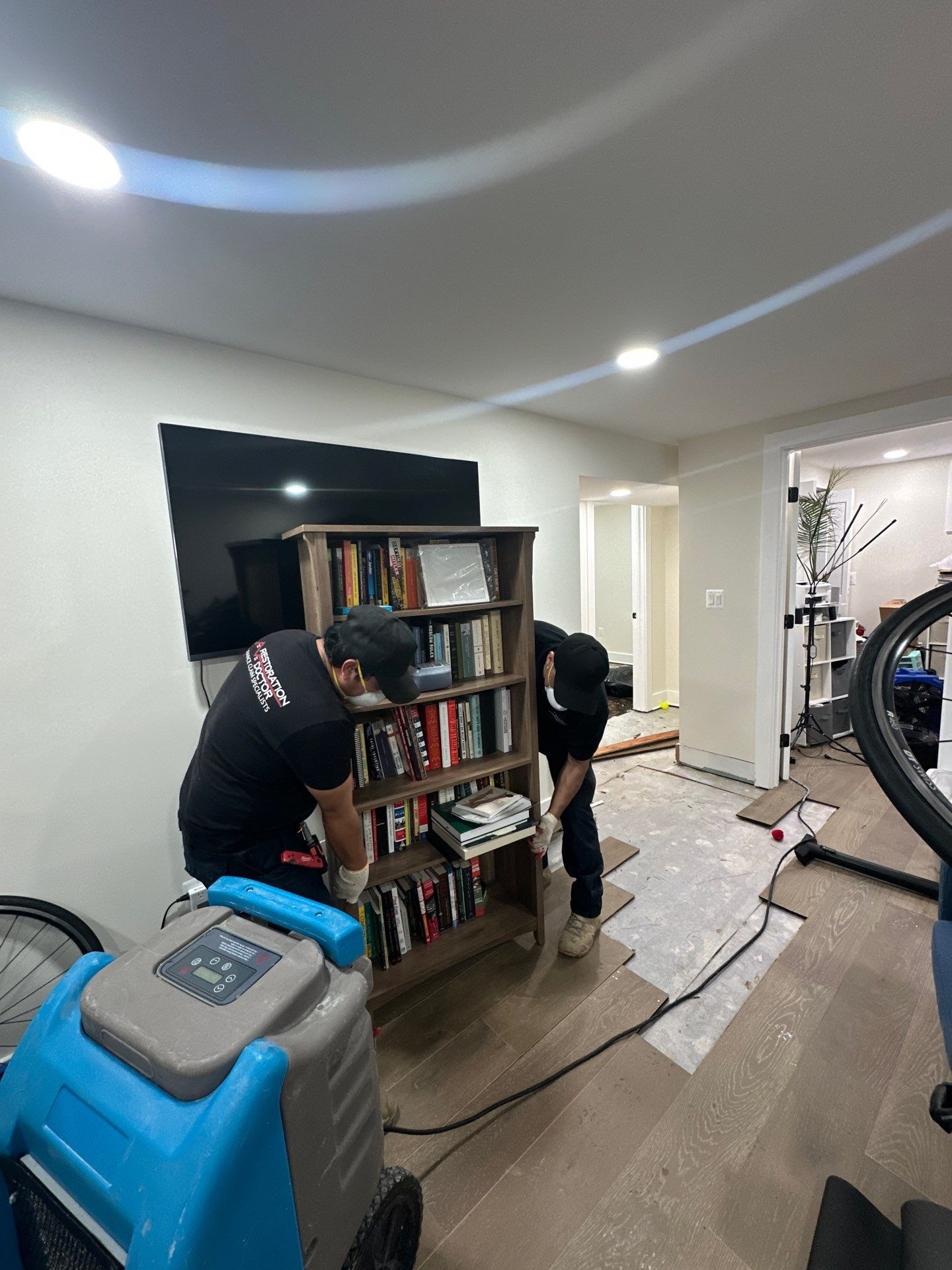
We established a containment barrier using plastic sheeting to isolate the affected area and prevent airborne spore migration during demolition. Damaged baseboards and flooring came out first, exposing the extent of colonization and allowing direct access to contaminated substrates. The owner's belongings were relocated to protect them from cross-contamination during active remediation.
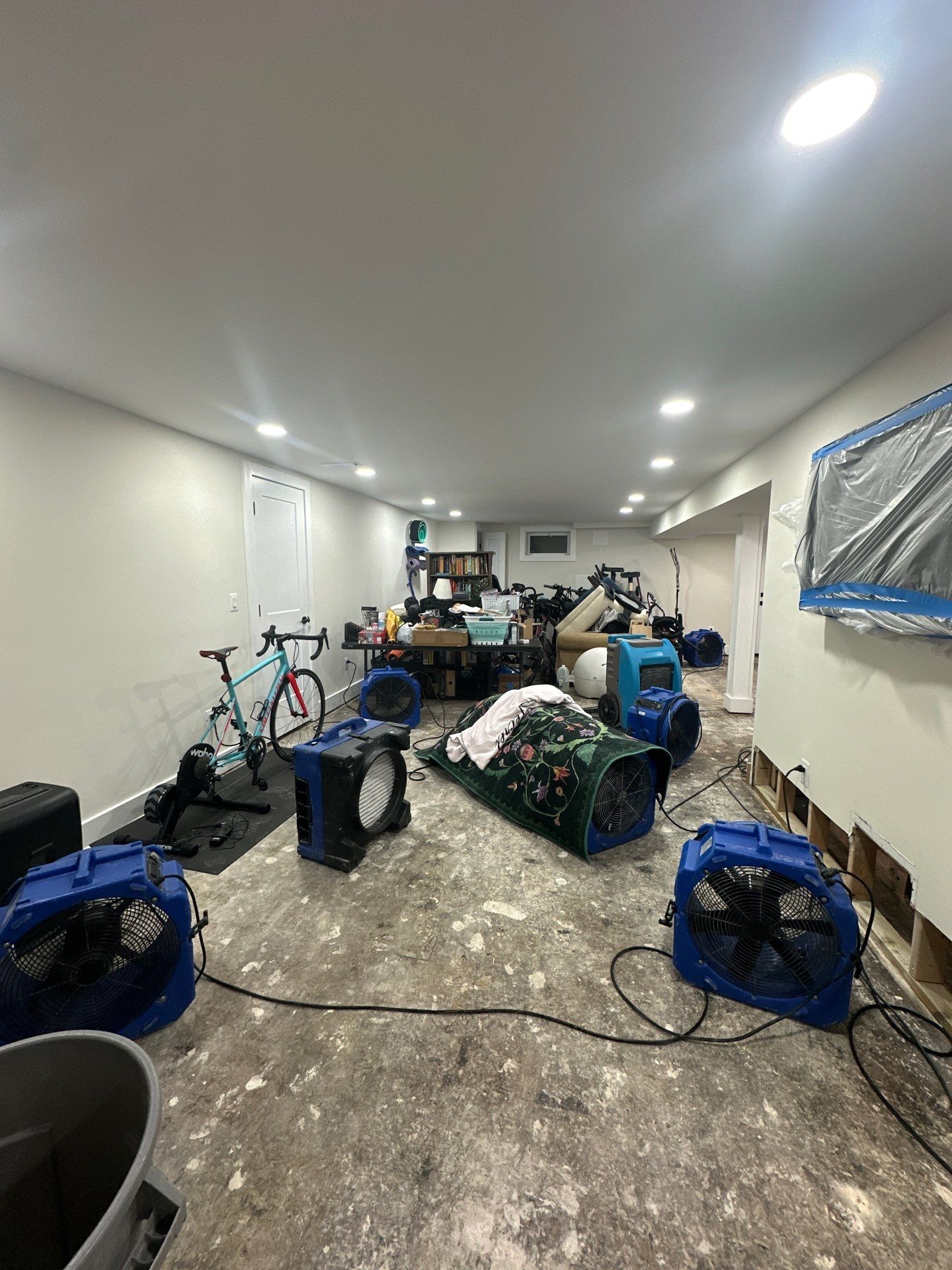
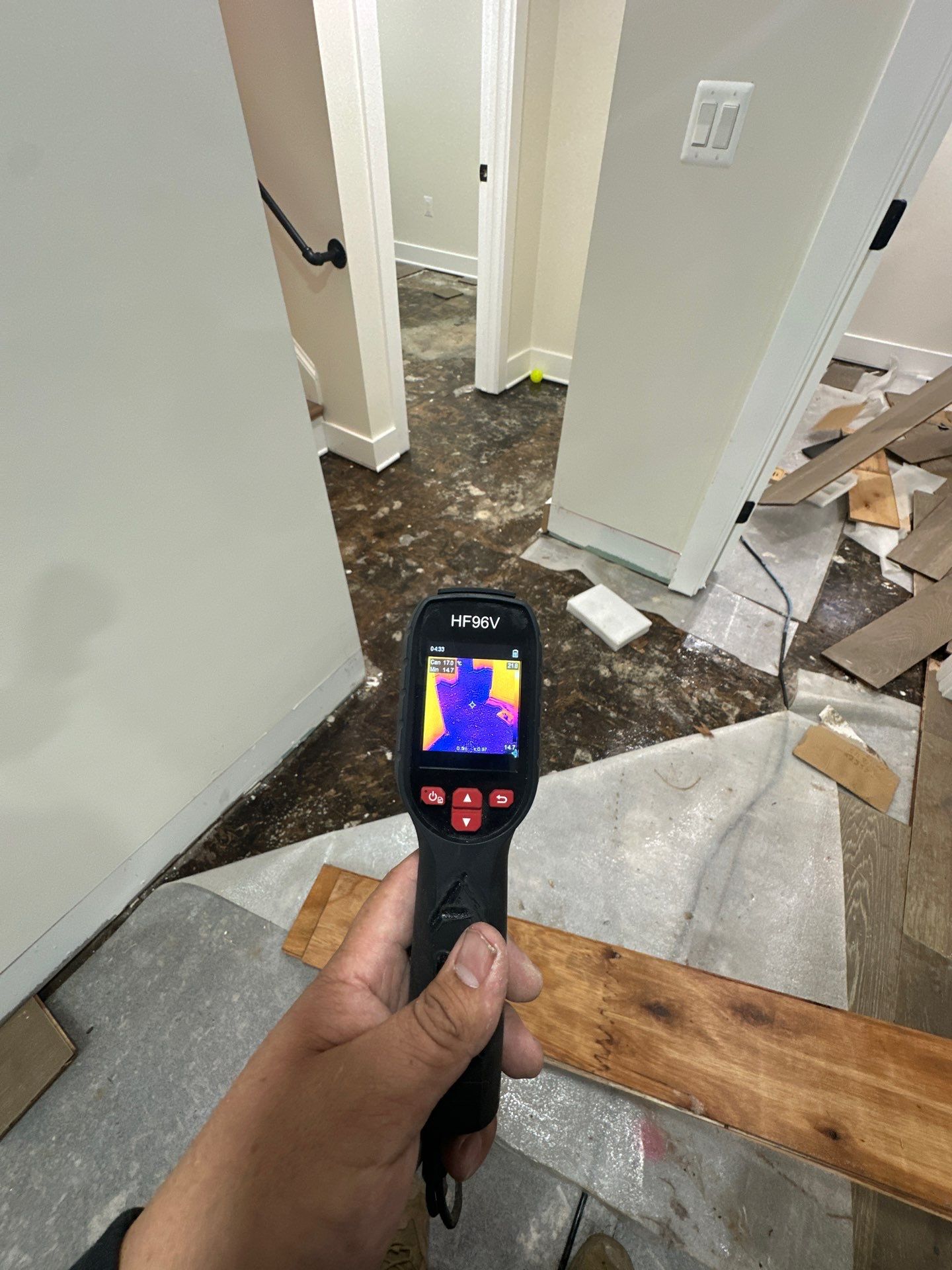
With the source materials removed, drying equipment ran to bring structural moisture levels down and create conditions inhospitable to further fungal activity. The work followed IICRC S520 mold remediation protocols, emphasizing containment, controlled removal, and thorough drying before any reconstruction could begin. The homeowner's review reflected confidence in both the scope of work and the care taken to protect their property throughout the process.
Frequently asked questions
Why was a containment barrier necessary during mold remediation in this Wheaton-Glenmont home?
Restoration Doctor established a containment barrier using plastic sheeting to isolate the affected area and prevent airborne mold spores from spreading to uncontaminated rooms during the remediation process. This is a standard practice in mold remediation projects, especially when removing damaged flooring and baseboards in Montgomery County's established single-family homes where open floor plans can allow cross-contamination. The barrier maintained negative air pressure within the work zone, protecting the homeowner's belongings and living spaces throughout the project.
What did Restoration Doctor remove during the mold remediation work in this Montgomery County property?
Our technicians removed damaged baseboards and flooring materials that had been compromised by mold growth and could not be effectively cleaned in place. Porous materials like carpet backing and wood trim absorb moisture and provide organic food sources for mold colonies, making removal the only reliable remediation path. After extraction, structural drying equipment was deployed to bring the underlying framing and subfloor back to dry-standard conditions before reconstruction could begin.
How does freeze-thaw damage in older Wheaton-Glenmont plumbing lead to mold problems?
Winter freeze-thaw cycles common to Mid-Atlantic residential plumbing can cause slow leaks or sudden pipe failures in older homes along the Georgia Avenue corridor, introducing moisture into wall cavities and under flooring where it often goes unnoticed. When that hidden moisture persists in enclosed spaces with poor ventilation, mold colonization follows, sometimes becoming extensive before visible signs appear. Restoration Doctor's mold remediation projects in Montgomery County frequently trace back to these seasonal plumbing stresses in the region's aging housing stock.
What role did structural drying play after the mold-damaged materials were removed?
Once Restoration Doctor removed the contaminated flooring and baseboards, structural drying equipment—including dehumidifiers and air movers—was deployed to reduce moisture levels in the exposed framing, subfloor, and wall cavities to industry dry-standard thresholds. This step prevents recolonization by eliminating the moisture conditions mold requires to grow. Thorough drying also ensures that replacement materials will be installed into a stable, dry environment, reducing the risk of future issues in this Wheaton-Glenmont property.
How long does mold remediation typically take in a Montgomery County home with flooring and baseboard removal?
The timeline for mold remediation depends on the extent of material removal and the time required for structural drying to reach target moisture levels, which varies with the building's construction and ambient humidity. A project like this one in Wheaton-Glenmont—involving containment, flooring and baseboard removal, and thorough drying—typically spans several days to a week before reconstruction can begin. Restoration Doctor monitors moisture readings throughout to ensure the structure is fully dry before any new materials are installed.
Explore more restoration work
All projects in Wheaton-Glenmont · Mold Remediation in Wheaton-Glenmont
Water, fire, or mold damage in Wheaton-Glenmont?
Restoration Doctor responds 24/7 across Wheaton-Glenmont and Northern Virginia. Free assessment and transparent, insurance-friendly estimates — no obligation.
See our Mold Remediation services at restorationdoctors.com →