Water damage restoration project
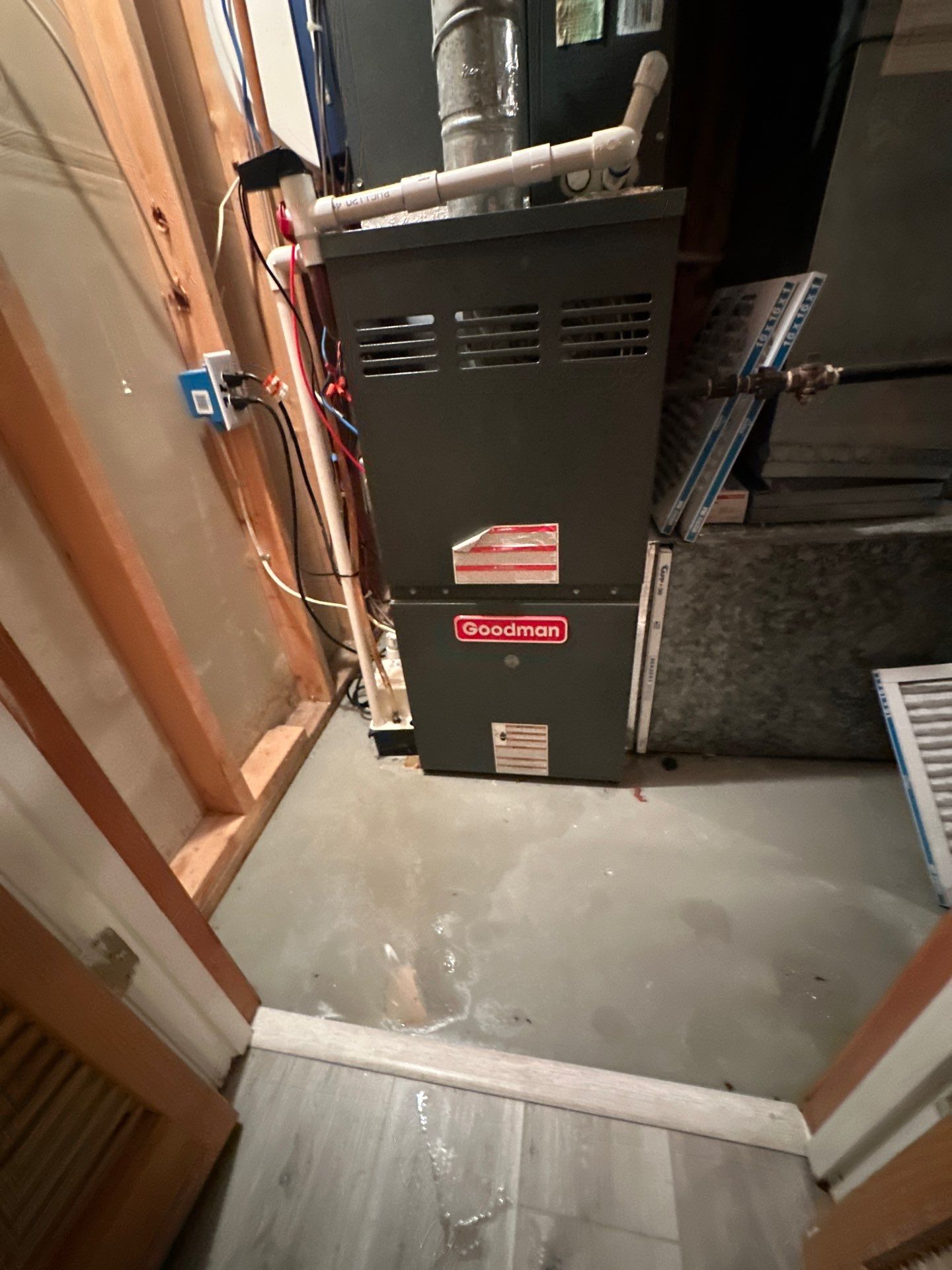
About this water damage restoration project
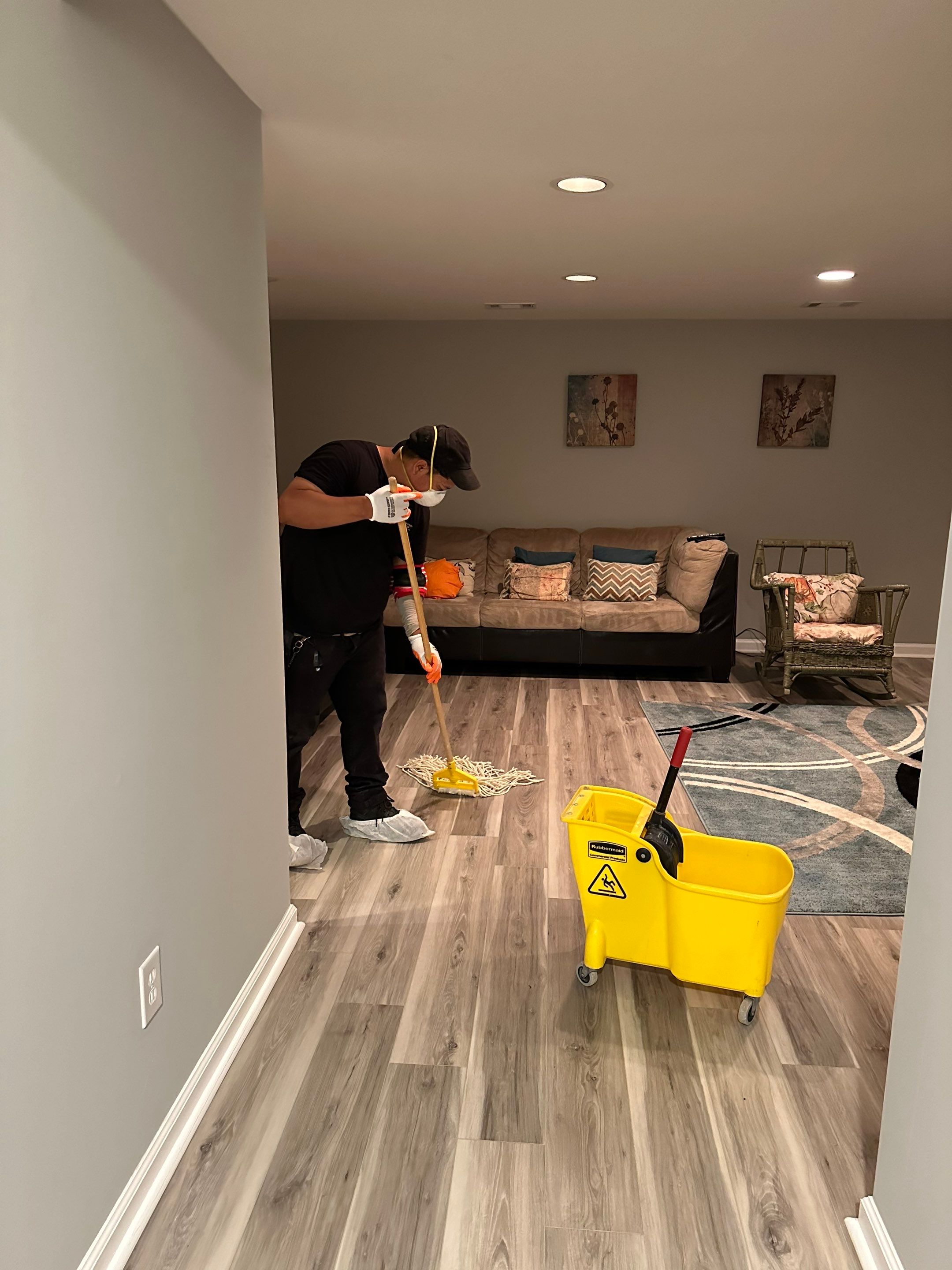
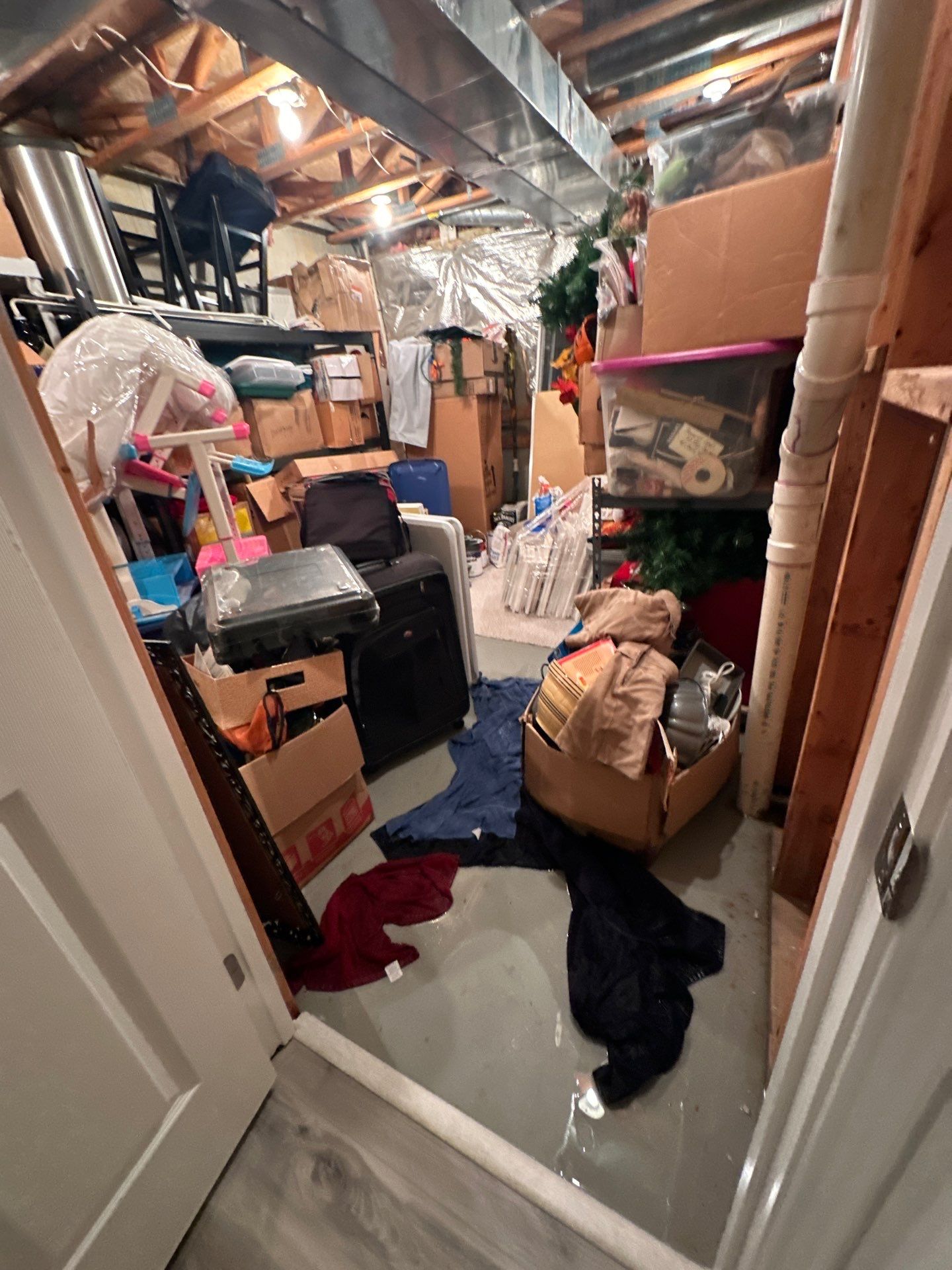
A furnace room and adjacent basement living space in Vienna's Fairfax County had sustained water intrusion that led to mold growth—a common concern in the humid Mid-Atlantic climate where established single-family homes built from the 1960s onward often face moisture challenges in below-grade spaces. Our team assessed the extent of damage immediately upon arrival, documenting moisture distribution and identifying all affected materials.
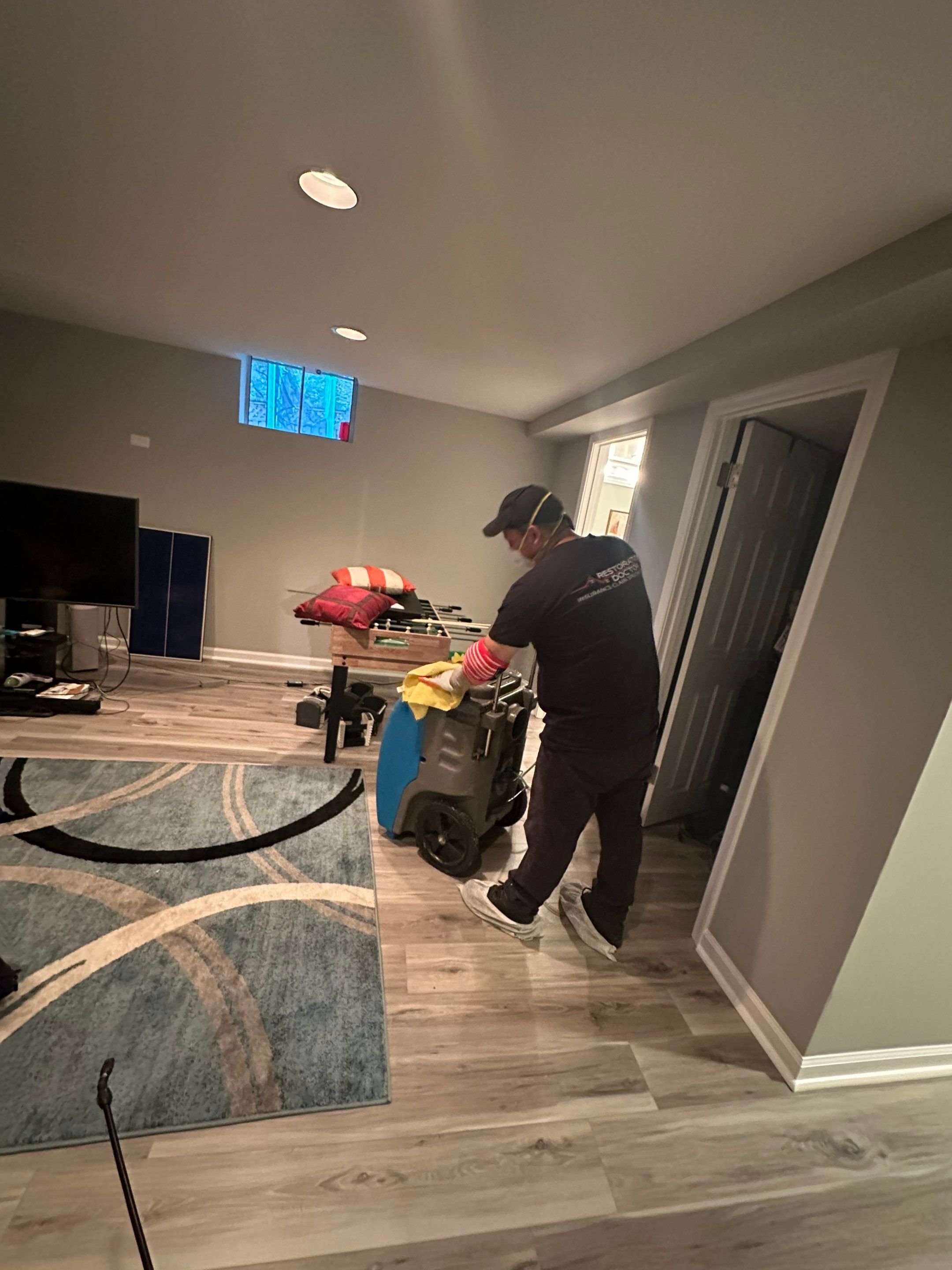
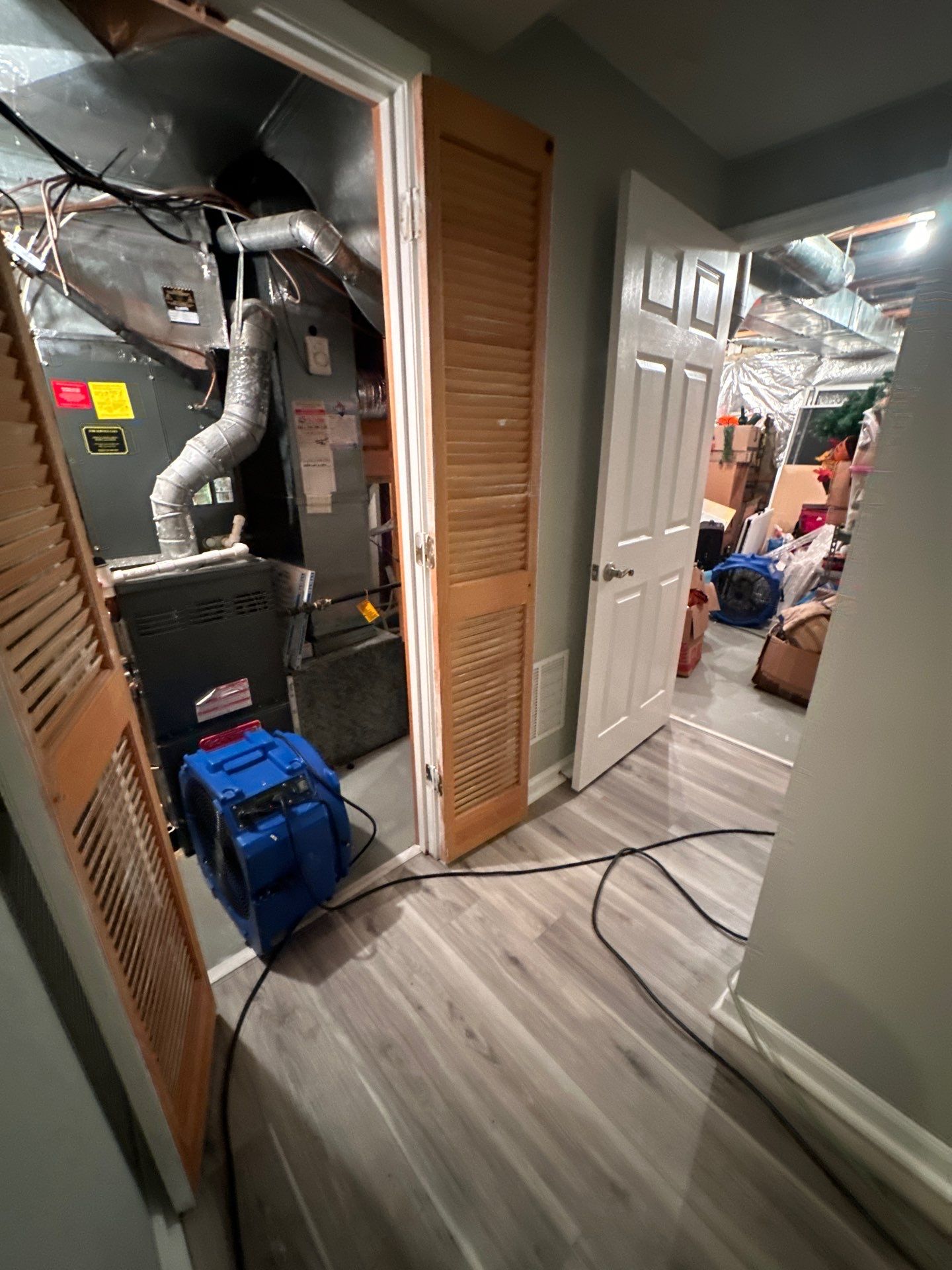
We removed soaked flooring to eliminate trapped water and extracted standing water from the basement surfaces. Dehumidifiers and air movers were then positioned strategically throughout both the furnace room and living area, creating controlled airflow to accelerate drying. Following IICRC S520 protocols, we monitored moisture levels continuously across all structural surfaces, ensuring readings dropped to safe thresholds before any reconstruction could begin.
The active drying process required careful attention to prevent secondary mold growth while the affected areas stabilized. Once all surfaces reached acceptable moisture content, we prepared the spaces for repair, coordinating closely with the homeowners throughout cleanup to keep them informed of progress. The homeowners expressed satisfaction with the thoroughness of our work, noting the attention to detail during a stressful situation. With moisture eliminated and surfaces properly dried, the home was ready for final restoration to its pre-loss condition.
Reviews from Restoration Doctor customers
They were very quick to respond to a water damage situation in our laundry unit! Thank you for the help
Frequently asked questions
How quickly does mold develop after water intrusion in a Vienna basement?
In the hot, humid Mid-Atlantic climate typical of Fairfax County, mold spores can begin colonizing damp surfaces within 24 to 48 hours of water exposure. That's why Restoration Doctor responded immediately to this Vienna furnace-room intrusion—extracting standing water, removing soaked flooring, and deploying dehumidifiers to arrest moisture before fungal growth could establish. Early intervention is the most effective way to prevent a water event from escalating into a full mold remediation project.
What does structural drying involve for a flooded furnace room and basement living area?
Structural drying means bringing all affected building materials—framing, subfloors, drywall—back to their normal moisture content using commercial air movers and dehumidifiers. For this Vienna job, Restoration Doctor continuously monitored moisture readings in the furnace room and adjacent living space, adjusting equipment placement to ensure thorough evaporation before any reconstruction began. Proper drying prevents hidden moisture pockets that can later fuel mold or wood rot.
Does homeowners insurance in Vienna typically cover water damage and mold remediation?
Coverage depends on the cause: sudden, accidental water intrusion (like a burst pipe or appliance failure) is usually covered, while gradual seepage or maintenance neglect often is not. Mold remediation may be covered if it results directly from a covered water loss and the homeowner acted promptly. Restoration Doctor works closely with Vienna-area homeowners and their insurers to document the scope, timeline, and mitigation steps—helping you navigate the claims process with clarity.
Why remove carpet and flooring immediately after basement water intrusion?
Carpet, padding, and certain flooring materials act as sponges, trapping water against the subfloor and creating an ideal environment for mold and bacterial growth. In this Vienna basement, Restoration Doctor removed soaked flooring right away to expose the structural deck, allowing air movers and dehumidifiers to dry the wood thoroughly. Salvaging wet carpet rarely succeeds once contamination or prolonged saturation has occurred, and prompt removal accelerates the overall drying timeline.
What happens if moisture is left in walls or subfloors after water extraction?
Residual moisture hidden in framing, insulation, or subfloors will continue to evaporate slowly, sustaining elevated humidity and inviting mold colonization long after visible water is gone. That's why Restoration Doctor used moisture meters and thermal imaging throughout this Vienna job, tracking readings daily until all materials met the dry standard. Skipping this step to rush into repairs is a common cause of recurring mold and odor problems months later.
Explore more restoration work
All projects in Vienna · Water Damage Restoration in Vienna
Water, fire, or mold damage in Vienna?
Restoration Doctor responds 24/7 across Vienna and Northern Virginia. Free assessment and transparent, insurance-friendly estimates — no obligation.
See our Water Damage Restoration services at restorationdoctors.com →