Complete Flooring Restoration After Severe Water Damage
About this mold remediation project
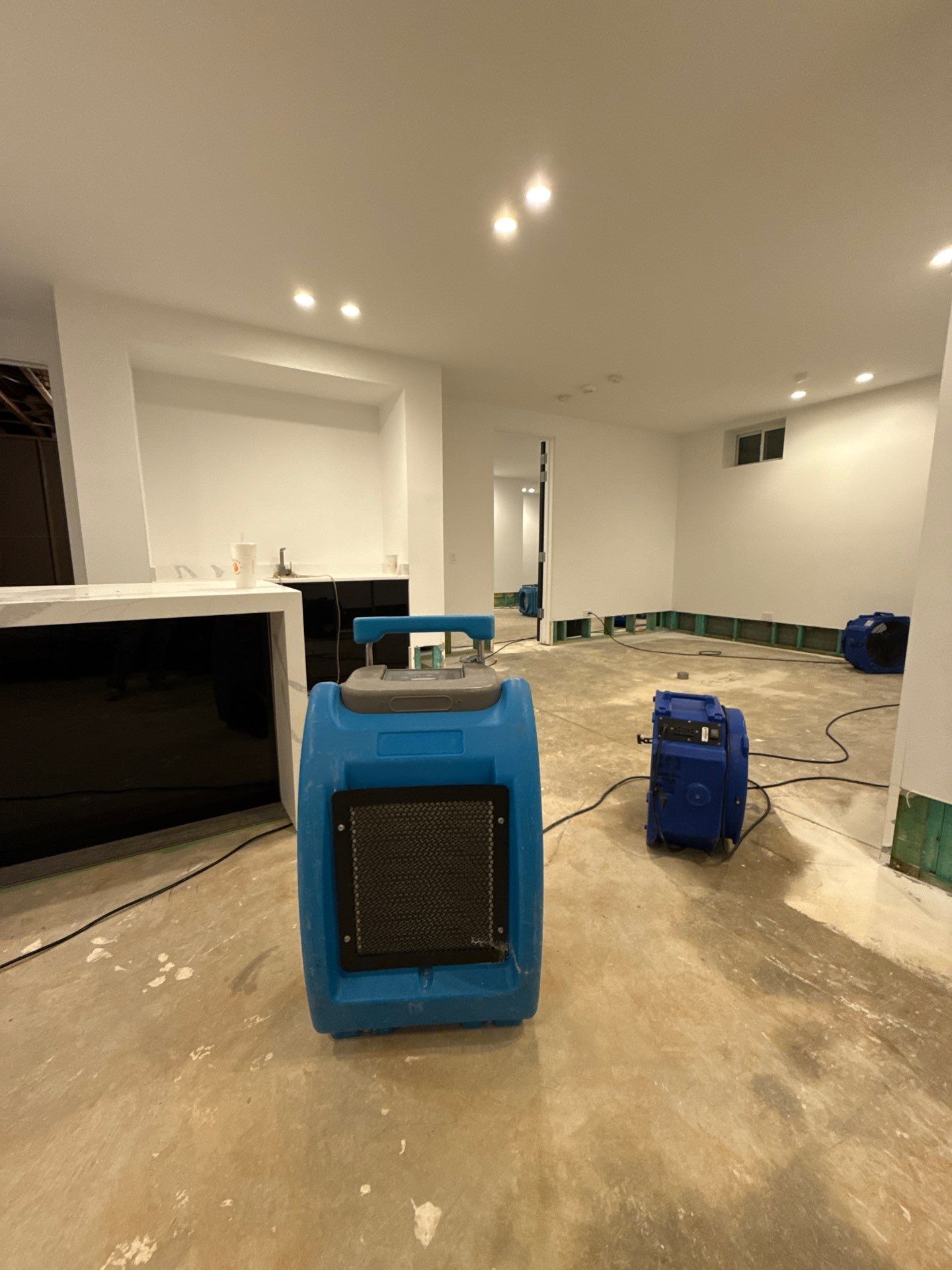
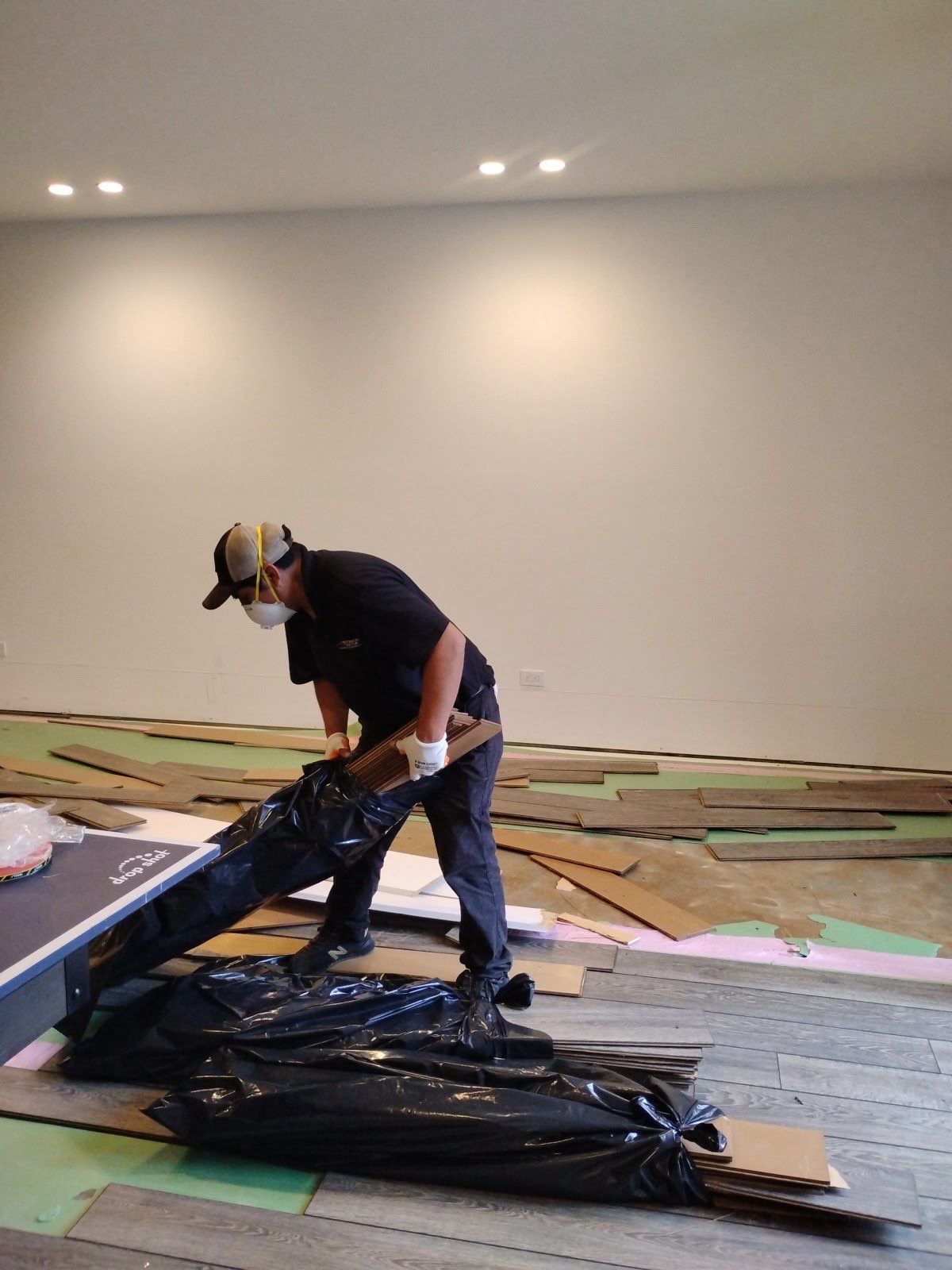
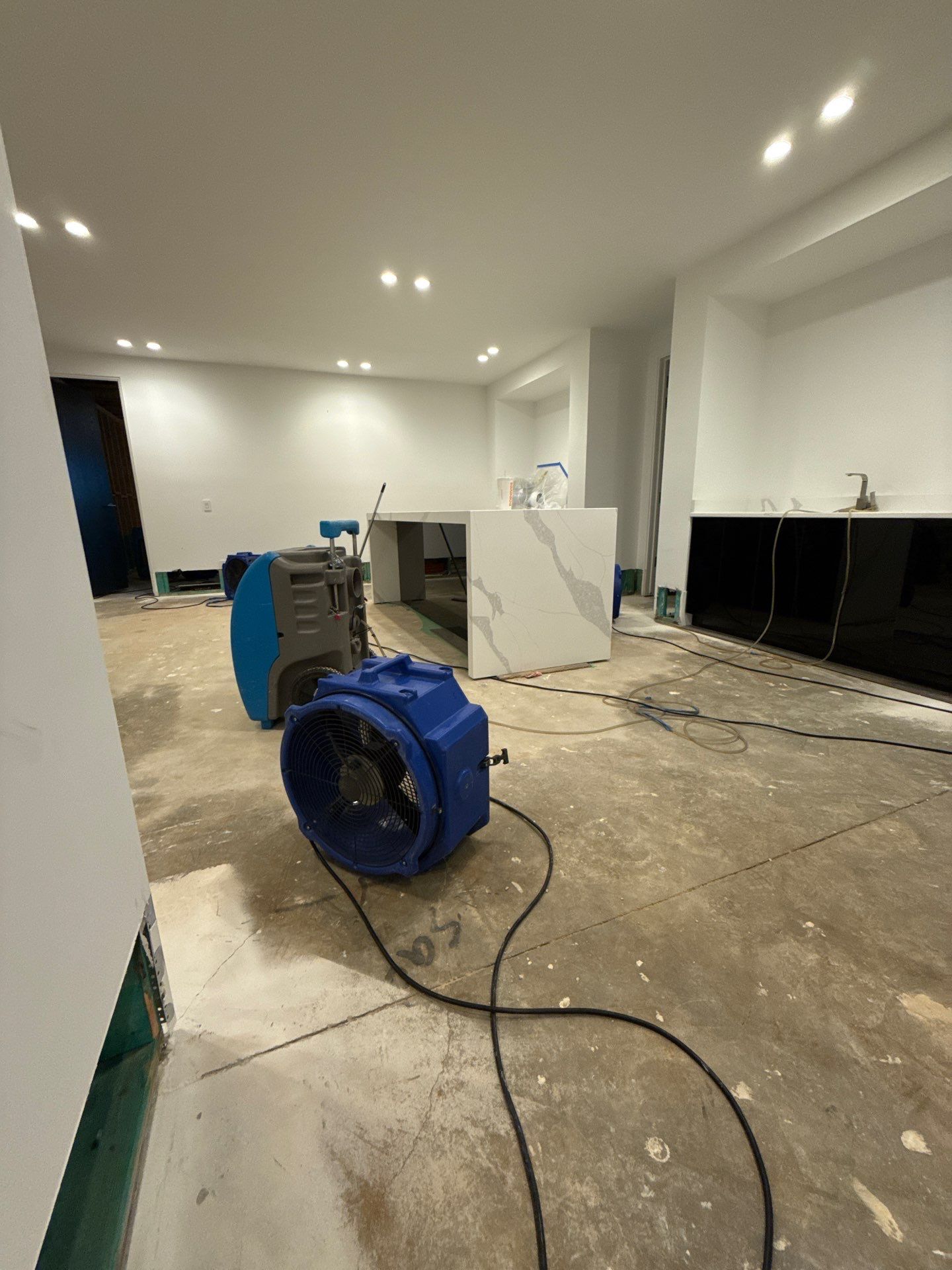
When mold took hold following water intrusion in a Vienna home—part of Fairfax County's established single-family neighborhoods where hot, humid Mid-Atlantic summers create ideal conditions for fungal growth after moisture events—the flooring had become severely compromised and required complete removal. We responded by lifting out all damaged flooring materials to expose the affected substrate, then deployed commercial drying equipment to draw residual moisture from the structure.
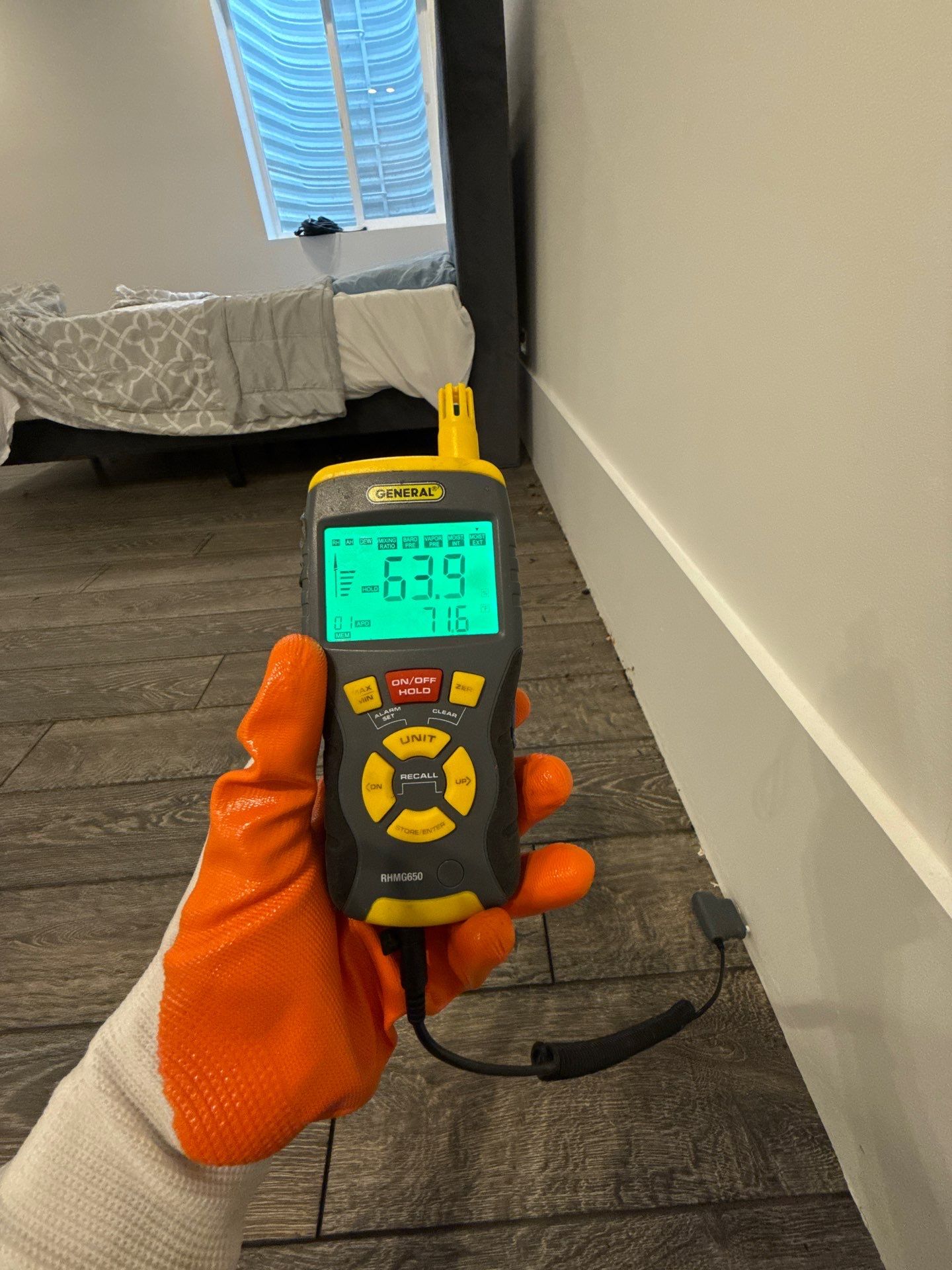
Throughout the drying phase, we maintained continuous moisture monitoring across the affected areas, verifying that readings dropped to safe levels before proceeding. This step-by-step verification prevented hidden pockets of dampness from remaining in the assembly—critical in preventing secondary mold colonization. Once drying was confirmed, we sanitized all exposed surfaces to eliminate lingering spores and organic residue, following IICRC S520 mold remediation protocols.
The flooring restoration concluded with the structure returned to a dry, sanitized state ready for rebuild. The homeowner noted their satisfaction with the thoroughness of the monitoring and the clarity of communication throughout the project, which ensured no lingering moisture issues would compromise the new flooring installation.
Frequently asked questions
Why is flooring often the first casualty in water intrusion cases in Vienna homes?
In Vienna's established single-family neighborhoods, many homes built from the 1960s onward have original or older flooring systems that sit directly on concrete slabs or crawlspaces vulnerable to moisture wicking. When water intrusion occurs—whether from a plumbing failure or storm-driven groundwater—carpet padding and subflooring absorb moisture quickly, creating an ideal environment for microbial growth if not addressed within the first day or two. Restoration Doctor's approach in this Vienna property involved complete removal of the compromised flooring, targeted structural drying of the subfloor and framing, and continuous moisture monitoring to confirm the building envelope returned to dry standard before any reconstruction began.
How does Restoration Doctor prevent mold from returning after flooring remediation?
After removing water-damaged flooring and carpet in this Vienna residence, our team deployed commercial dehumidifiers and air movers to drive moisture out of the wood subfloor and surrounding framing, then tracked readings daily until the structure reached equilibrium moisture content. We sanitized all exposed surfaces with antimicrobial agents appropriate for the material type, ensuring no residual spore load remained on studs, joists, or concrete. The drying phase continued until moisture meters confirmed the subfloor and adjacent wall cavities were within normal range for Fairfax County's humid Mid-Atlantic climate, eliminating the conditions mold requires to recolonize.
What does 'structural drying' mean in a mold remediation project?
Structural drying refers to the controlled removal of moisture from building materials—wood framing, drywall, concrete, insulation—using industrial dehumidifiers, air movers, and sometimes heat, guided by daily moisture readings taken with pin-type and non-invasive meters. In this Vienna job, Restoration Doctor focused structural drying on the subfloor and lower wall framing after the damaged carpet and padding were removed, running equipment until the wood returned to its pre-loss moisture content. This step is critical in Fairfax County homes where hot, humid summers can keep baseline indoor humidity elevated; without thorough drying, hidden moisture trapped in framing can fuel secondary mold growth weeks after the visible damage is cleared.
How long does it typically take to dry out flooring and subfloor after water damage?
Drying timelines depend on the extent of saturation, the materials involved, and ambient humidity, but in a job like this Vienna flooring remediation—where water had saturated carpet, padding, and the subfloor beneath—the drying phase often runs three to five days of continuous equipment operation with daily moisture checks. Restoration Doctor does not set the equipment on a fixed schedule; we monitor readings in the subfloor, adjacent framing, and the air until the structure reaches equilibrium, which in Fairfax County's humid climate can take longer than in drier regions. The goal is verified dryness, not speed, because any residual moisture left behind creates the conditions for mold to establish within 48 hours of the initial water event.
Does insurance typically cover mold remediation that follows water damage to flooring?
Coverage depends on the cause of the water intrusion and the specific language of the homeowner's policy, but many Fairfax County policies will cover mold remediation if the mold resulted from a sudden, accidental water event—such as a burst supply line or appliance overflow—and the homeowner acted promptly to mitigate. In this Vienna case, where water damage to the flooring created the conditions for mold, Restoration Doctor documented the scope of loss, the drying protocol, and the sanitizing work performed, providing the detailed records insurers require to evaluate the claim. Policies that exclude long-term seepage or deferred maintenance may limit mold coverage, so reviewing the policy's water-damage and mold endorsements early in the process helps set realistic expectations for what the carrier will reimburse.
Explore more restoration work
All projects in Vienna · Mold Remediation in Vienna
Water, fire, or mold damage in Vienna?
Restoration Doctor responds 24/7 across Vienna and Northern Virginia. Free assessment and transparent, insurance-friendly estimates — no obligation.
See our Mold Remediation services at restorationdoctors.com →