Comprehensive Water Damage Cleanup for Carpets and Floors
About this water damage restoration project
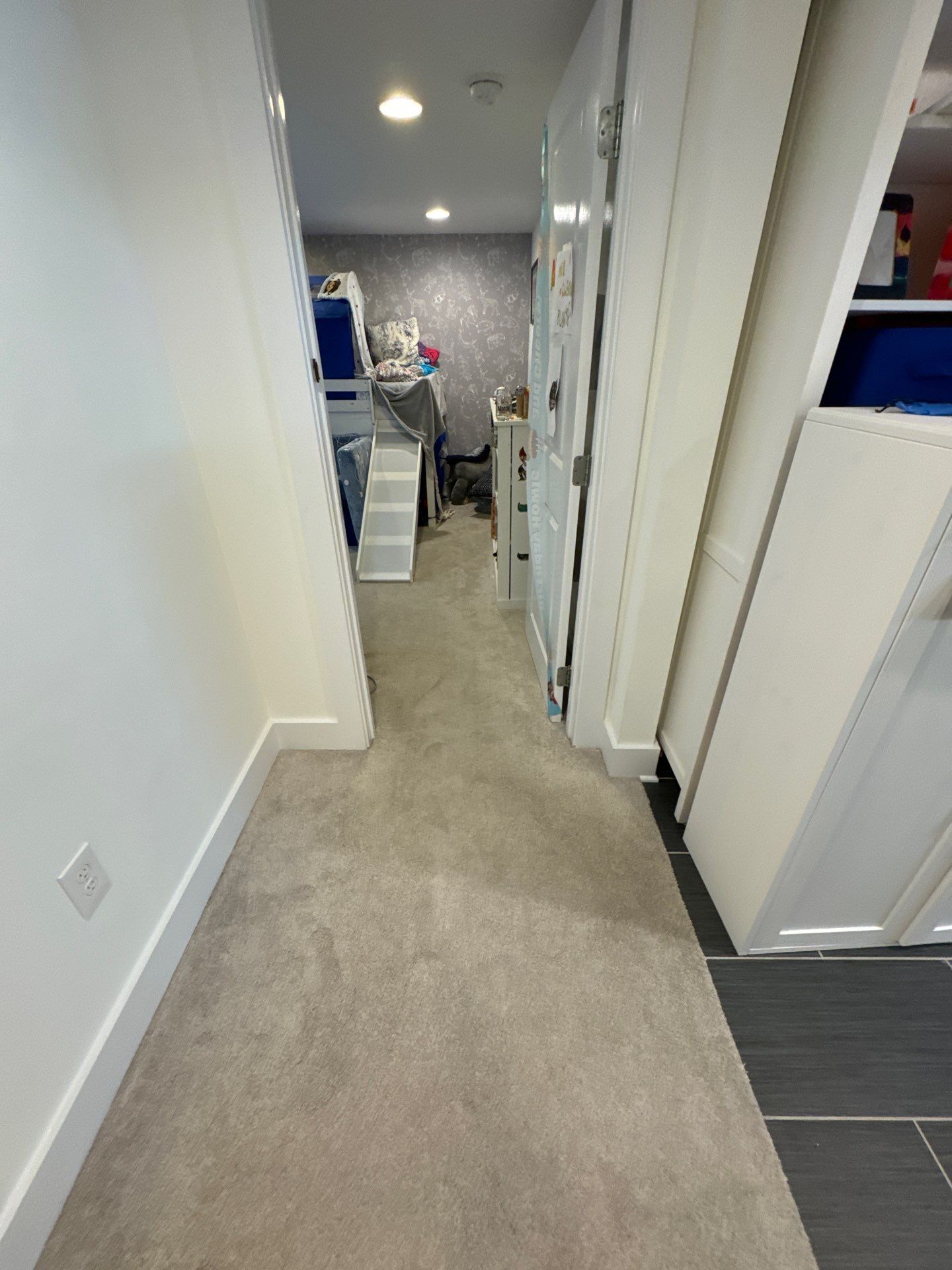
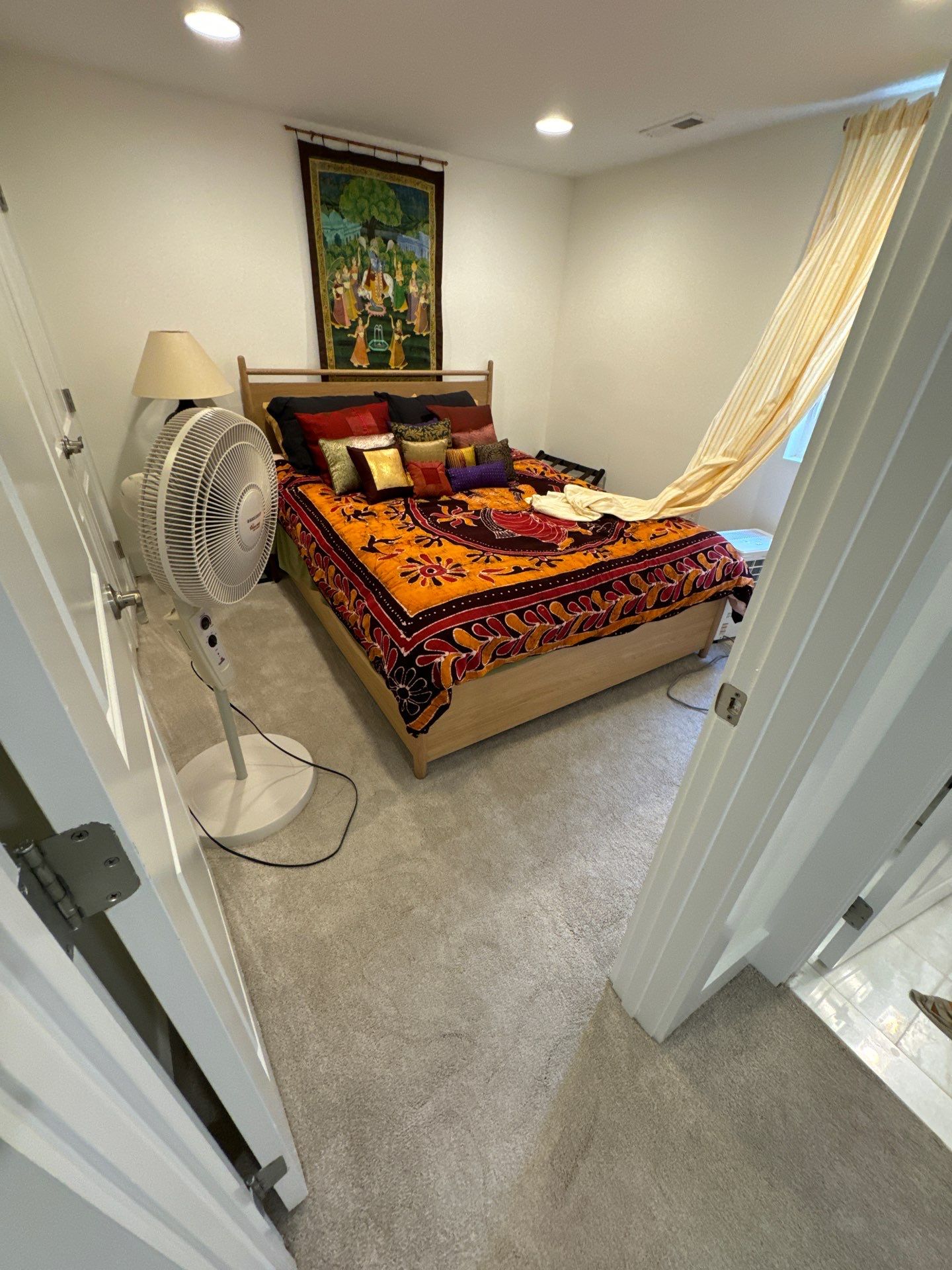
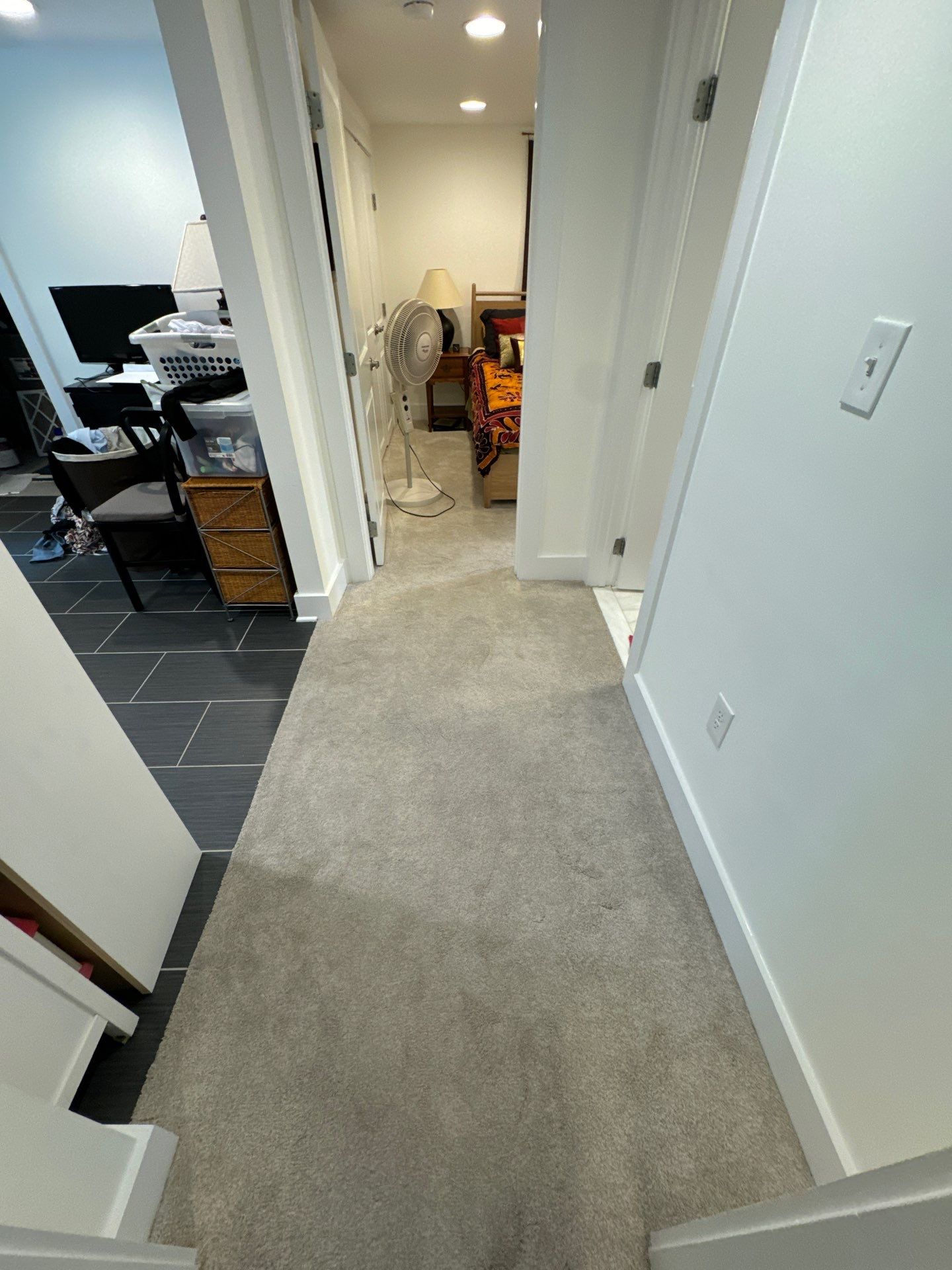
A nearby leak in a Silver Spring home had saturated bedroom and hallway carpets, and the region's humid Mid-Atlantic summers accelerated secondary damage—within days, mold began colonizing the damp subflooring beneath the carpet pad. The homeowner called when discoloration appeared along the baseboards, a visible warning that moisture had spread beyond the initial wet zone.
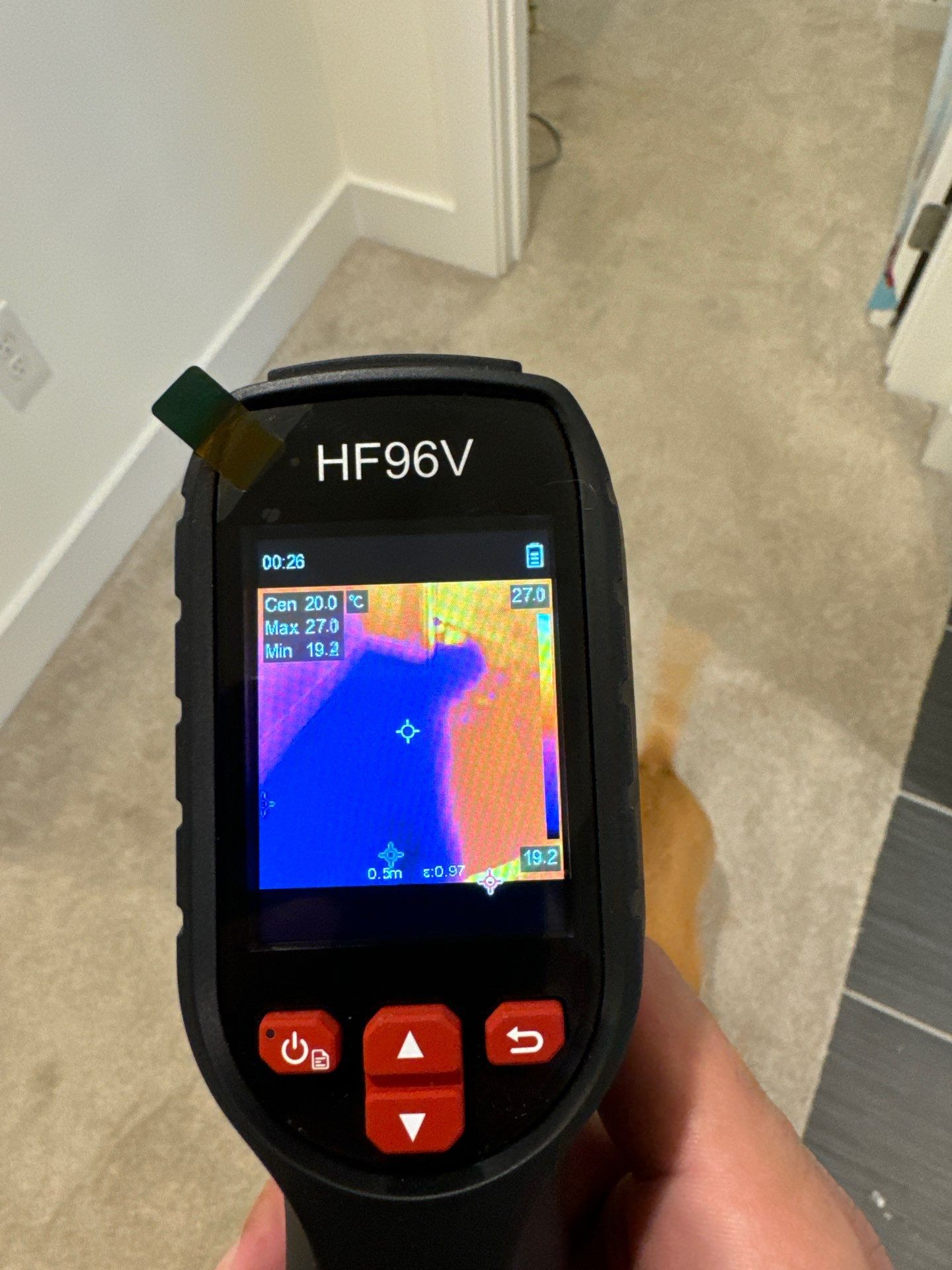
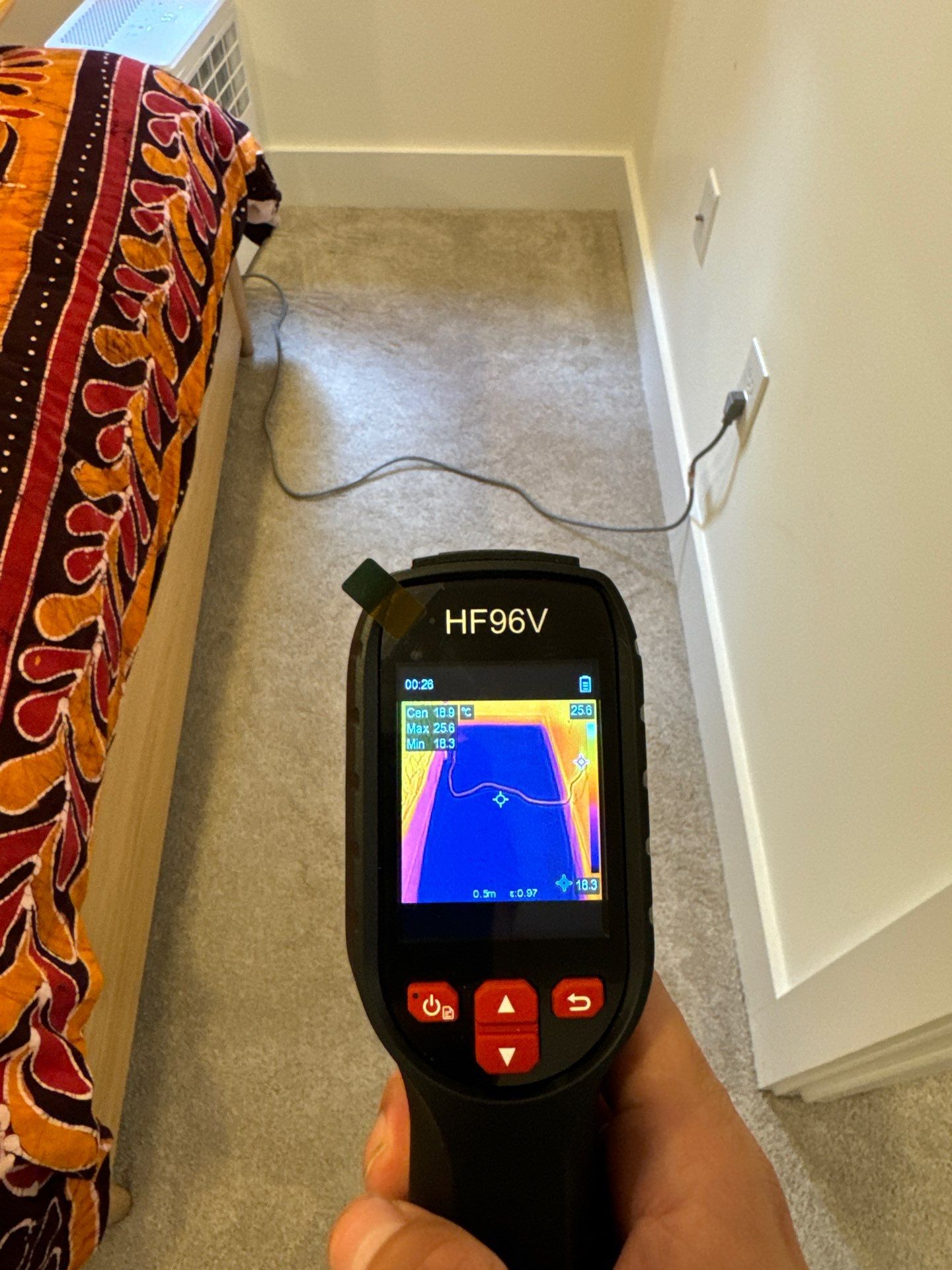
Thermal imaging mapped the full extent of hidden saturation, revealing moisture migration into wall cavities and under adjacent flooring that surface inspection had missed. Extractors pulled standing water from the carpet, then industrial dehumidifiers and air movers were positioned to drive vapor from both the carpet system and the concealed framing. As relative humidity dropped and moisture readings normalized, the carpets and underlying pad were assessed for salvageability; sections that had begun supporting mold growth were removed, and all affected surfaces received antimicrobial treatment in line with IICRC S520 protocols to arrest further colonization.
The homeowner noted in their review that the crew's methodical documentation—moisture logs, thermal scans, treatment records—gave them confidence the hidden damage had been fully addressed. Drying concluded when readings confirmed the structure had returned to equilibrium, and replacement carpet was installed where removal had been necessary, restoring the bedroom and hallway to their pre-loss condition.
Frequently asked questions
Why is thermal imaging important for water damage detection in Silver Spring homes?
Restoration Doctor uses thermal imaging during water damage inspections in Silver Spring because moisture often migrates behind walls, under flooring, and into structural cavities that visual inspection alone cannot reveal. In Montgomery County's mix of mid-20th-century homes and higher-density buildings, hidden leaks can saturate framing and subfloors before surface signs appear. Thermal cameras map temperature differentials that indicate wet materials, allowing our technicians to target drying equipment precisely and prevent secondary mold growth in concealed spaces.
How does carpet remediation differ from structural drying after a bedroom water leak?
When Restoration Doctor responds to bedroom and hallway carpet water damage in Silver Spring, we assess whether the carpet and pad can be salvaged through extraction and controlled drying or require removal to access the subfloor. In this case, the scope included both carpet remediation and structural drying—industrial dehumidifiers and air movers dried the flooring system while antimicrobial treatments addressed mold risk on affected materials. The goal is to restore habitability without removing more material than the loss requires.
What role do dehumidifiers play in preventing mold after water intrusion?
Industrial-grade dehumidifiers deployed by Restoration Doctor pull moisture from the air and building materials, lowering relative humidity below the threshold mold needs to colonize. In Silver Spring's hot, humid Mid-Atlantic summers, ambient humidity can keep wet framing and flooring damp long after visible water is gone. Continuous dehumidification accelerates evaporation from porous materials like carpet backing and wood subfloors, creating conditions hostile to mold spores and shortening the drying timeline.
How long does water damage restoration typically take in a Montgomery County home?
Drying timelines for water damage restoration in Montgomery County depend on the extent of saturation, affected materials, and environmental conditions—a contained bedroom and hallway carpet loss may dry in three to five days with proper airflow and dehumidification, while deeper structural wetting takes longer. Restoration Doctor monitors moisture levels daily with meters to confirm materials have returned to dry standard before removing equipment. We do not estimate completion dates until the initial assessment maps the full scope of moisture migration.
Why is antimicrobial treatment necessary after water damage even if no visible mold is present?
Restoration Doctor applies EPA-registered antimicrobial agents to water-damaged surfaces in Silver Spring as a preventive measure because mold spores are ubiquitous and begin colonizing wet organic materials within 24 to 48 hours of intrusion. Sanitizing carpets, subflooring, and wall cavities after extraction and drying inhibits microbial amplification even when no active growth is visible at the time of service. This step is standard practice under IICRC guidelines and protects indoor air quality during and after the restoration process.
Explore more restoration work
All projects in Silver Spring · Water Damage Restoration in Silver Spring
Water, fire, or mold damage in Silver Spring?
Restoration Doctor responds 24/7 across Silver Spring and Northern Virginia. Free assessment and transparent, insurance-friendly estimates — no obligation.
See our Water Damage Restoration services at restorationdoctors.com →