Thorough Moisture Monitoring and Repair
About this mold remediation project
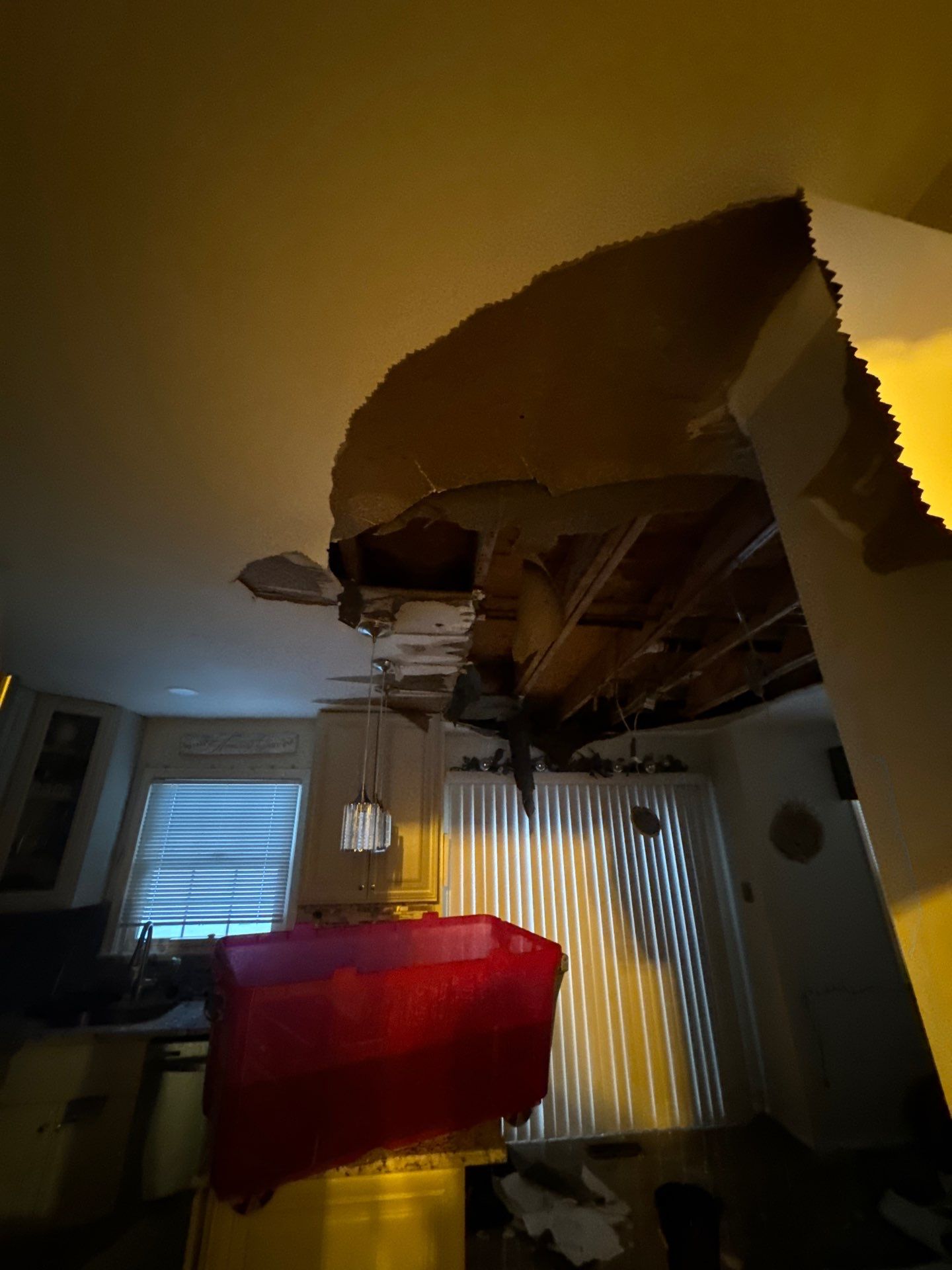
A ceiling water leak created cascading damage through multiple rooms of this home, requiring immediate containment and drying before mold could establish. In Silver Spring's Montgomery County—where hot, humid summers accelerate microbial growth in mid-20th-century single-family housing stock—ceiling intrusions demand rapid moisture extraction and continuous monitoring to prevent secondary contamination.
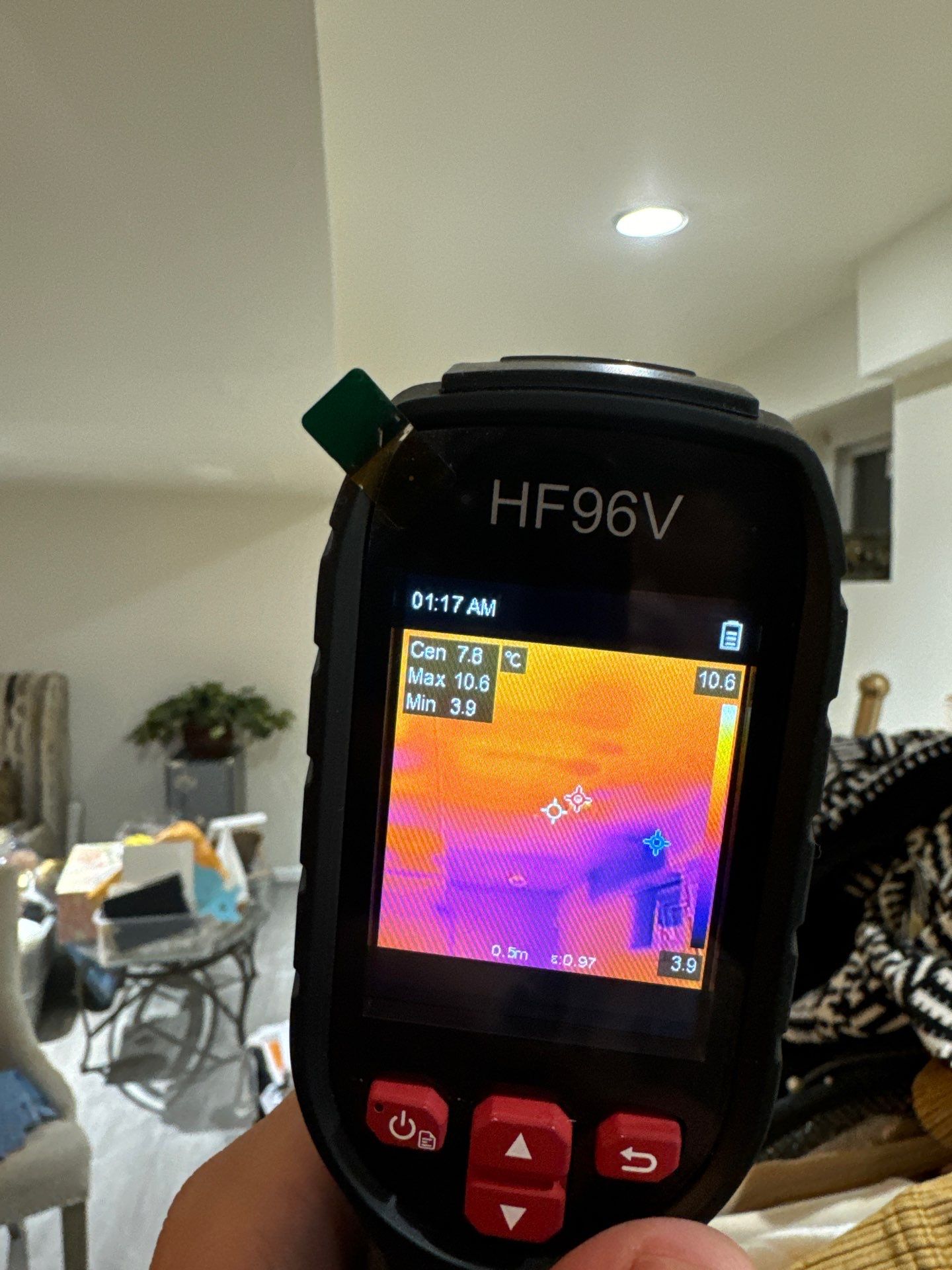
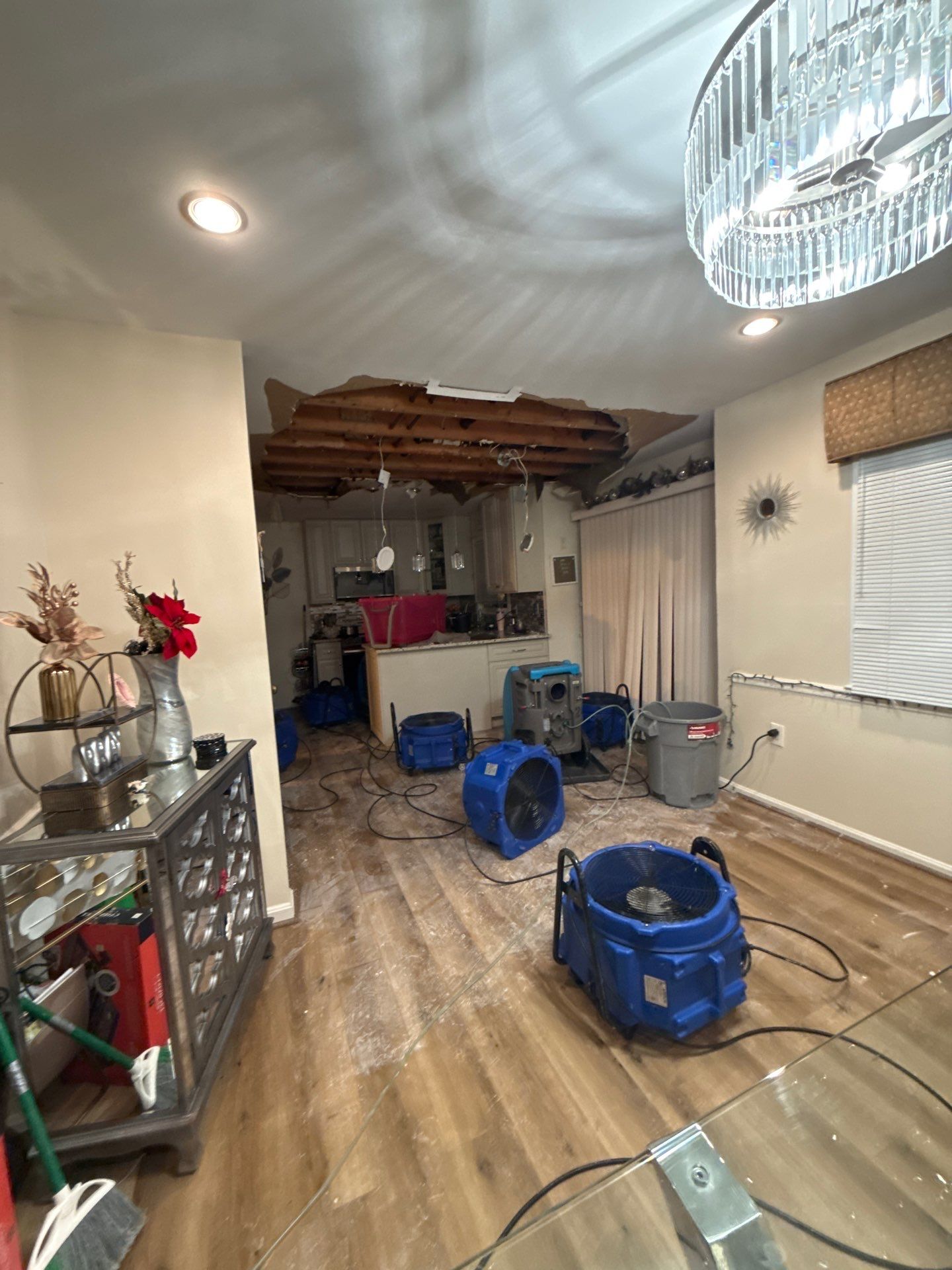
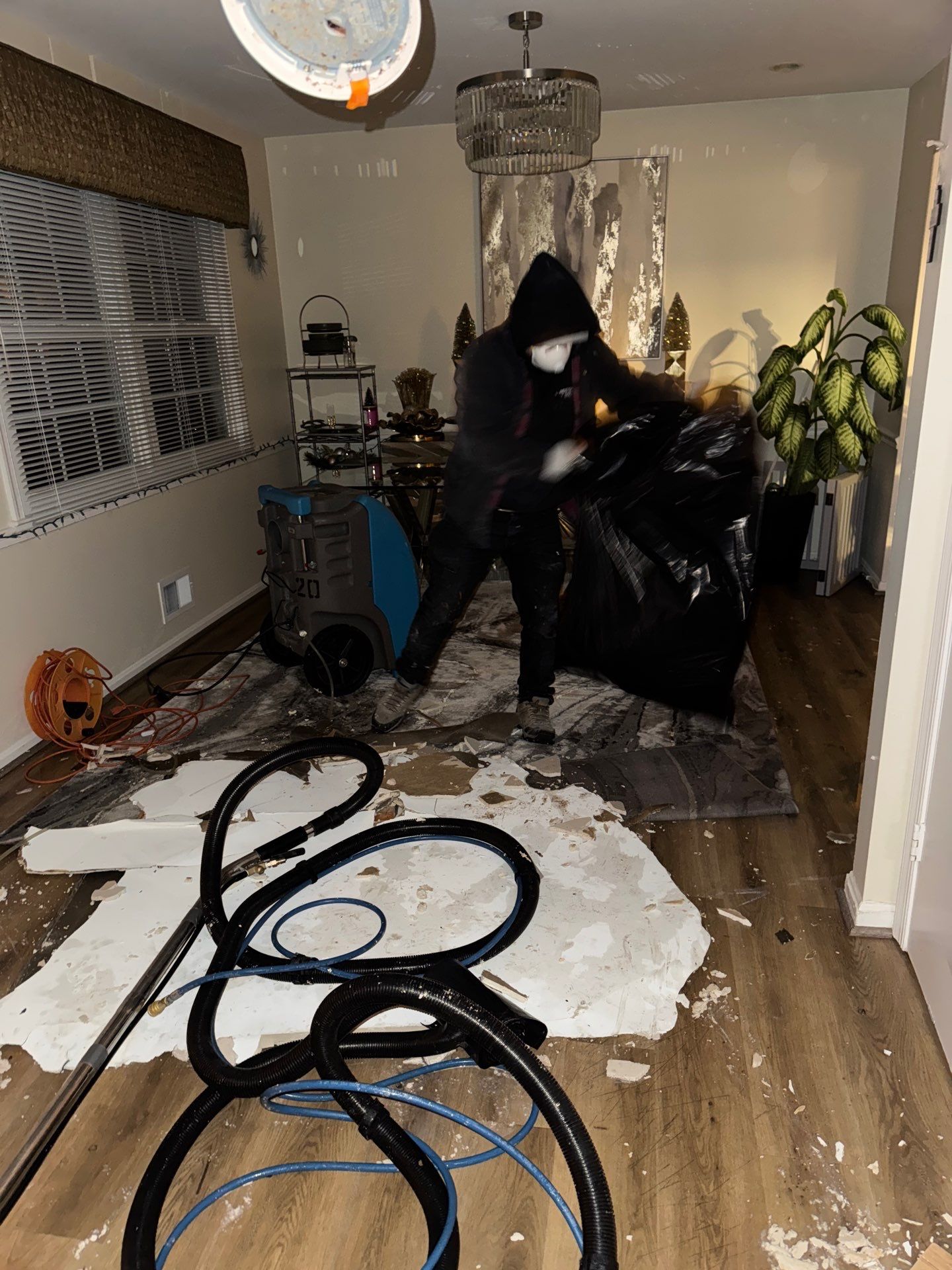
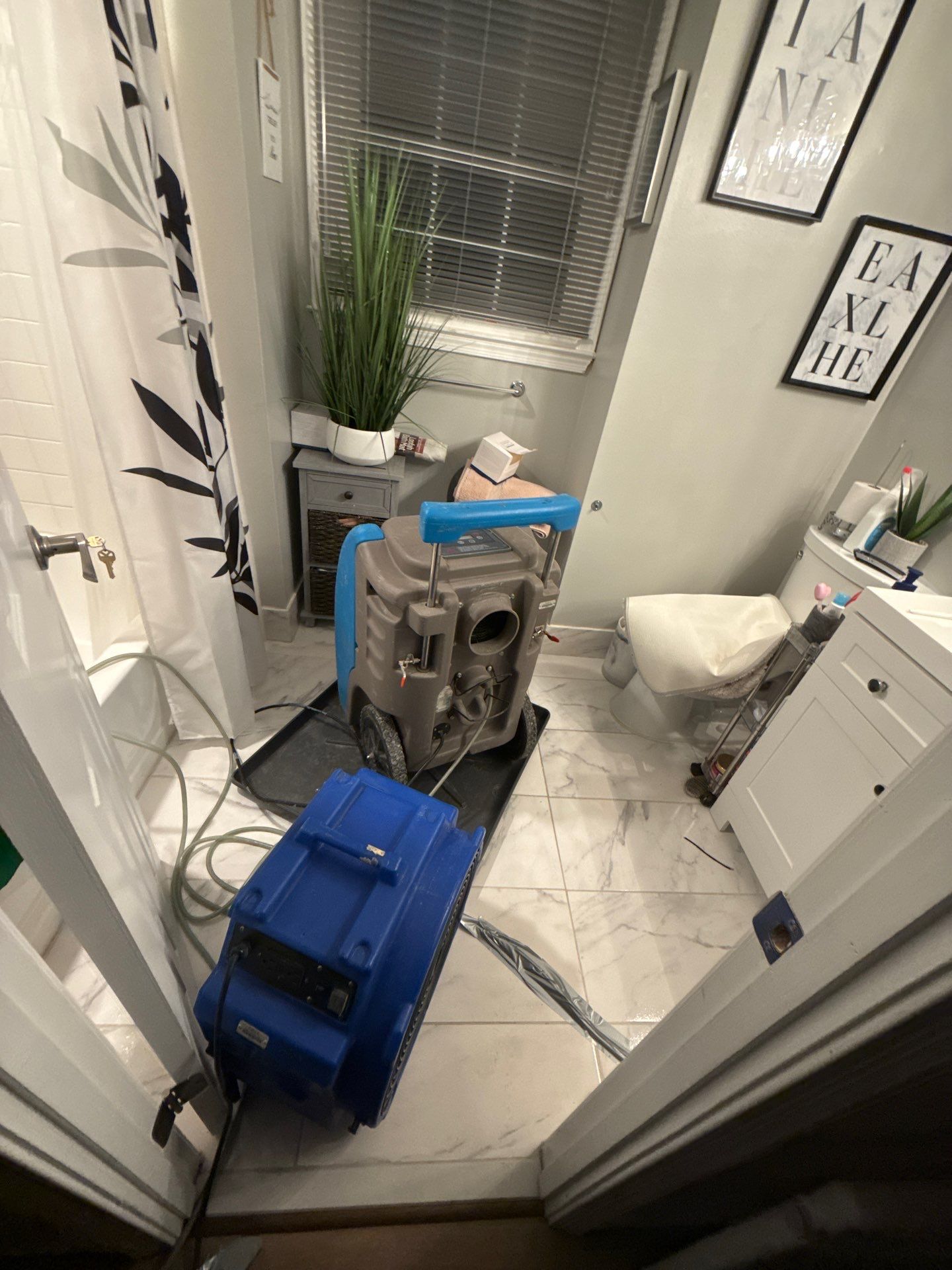
We removed the compromised ceiling material to expose the full extent of water migration, then deployed commercial-grade dehumidifiers and air movers to dry structural cavities and affected surfaces. Throughout the process, thermal imaging allowed us to track moisture levels in real time, confirming that hidden pockets behind walls and above ceilings had returned to acceptable equilibrium before reconstruction could begin. This monitoring protocol aligns with IICRC S520 mold remediation principles, ensuring that conditions favorable to future growth were eliminated at the source.
The homeowner noted the thoroughness of the inspection and drying phases, which prevented what began as a plumbing failure from becoming a long-term indoor air quality issue. The restoration returned the affected areas to pre-loss condition without requiring invasive demolition beyond what the leak had already damaged.
Frequently asked questions
How does thermal imaging help during mold remediation after a ceiling leak in Silver Spring?
Restoration Doctor uses thermal scanners during mold remediation in Silver Spring to map moisture migration behind walls and above ceilings that visual inspection alone would miss. After a ceiling leak, water often travels along joists and insulation before showing surface damage, and thermal imaging reveals these hidden wet zones so our technicians can target drying equipment precisely. This monitoring continued throughout the drying process to confirm moisture levels dropped to safe thresholds before rebuilding the ceiling, preventing mold from returning in concealed cavities.
Why did the ceiling need to be removed rather than just dried in place?
When water intrusion saturates drywall and ceiling materials long enough for mold to colonize, the affected material becomes both structurally compromised and a continuing contamination source. Restoration Doctor removed the damaged ceiling in this Silver Spring home to eliminate mold-colonized substrate, expose the framing for thorough drying, and allow direct treatment of the affected structure. Leaving compromised material in place would have trapped moisture and spores inside the assembly, risking recurrence even after surface drying.
What specialized drying equipment is used after ceiling water damage and mold growth?
For this Silver Spring project, Restoration Doctor deployed commercial air movers and dehumidifiers calibrated to the affected square footage and measured moisture load. Air movers create airflow across wet framing and subfloor to accelerate evaporation, while dehumidifiers pull moisture from the air to prevent it from reabsorbing into surrounding materials. The equipment ran continuously under thermal-scanner monitoring until readings confirmed the structure had returned to normal equilibrium moisture content.
How does Silver Spring's humid climate affect mold remediation timelines?
Hot, humid Mid-Atlantic summers in Silver Spring slow natural drying and create ambient conditions that favor mold growth if moisture lingers in building cavities. Restoration Doctor accounts for this by using controlled dehumidification rather than relying on ventilation alone, since outdoor air in summer often carries higher humidity than the drying target inside. The thermal monitoring we employed on this job ensured drying progressed despite seasonal humidity, confirming safe moisture levels before any reconstruction began.
Does mold remediation require the whole house to be empty during the work?
Restoration Doctor establishes containment barriers and negative air pressure in the work zone so mold spores generated during removal don't migrate to unaffected rooms. For this Silver Spring ceiling remediation, containment isolated the damaged areas while the rest of the home remained accessible and habitable. The scope and layout of each project determine whether partial or full occupancy is safe, but controlled containment typically allows homeowners to stay in place during most residential mold jobs.
Explore more restoration work
All projects in Silver Spring · Mold Remediation in Silver Spring
Water, fire, or mold damage in Silver Spring?
Restoration Doctor responds 24/7 across Silver Spring and Northern Virginia. Free assessment and transparent, insurance-friendly estimates — no obligation.
See our Mold Remediation services at restorationdoctors.com →