Sewer Backup Remediation in a Two-Story Home
About this mold remediation project
A second-floor sewer backup in an established Oxon Hill home required immediate containment and remediation work to address both the sewage intrusion and the mold growth that followed. In the region's hot, humid Mid-Atlantic climate, water intrusion of any kind creates ideal conditions for microbial amplification—particularly when the source is Category 3 water.
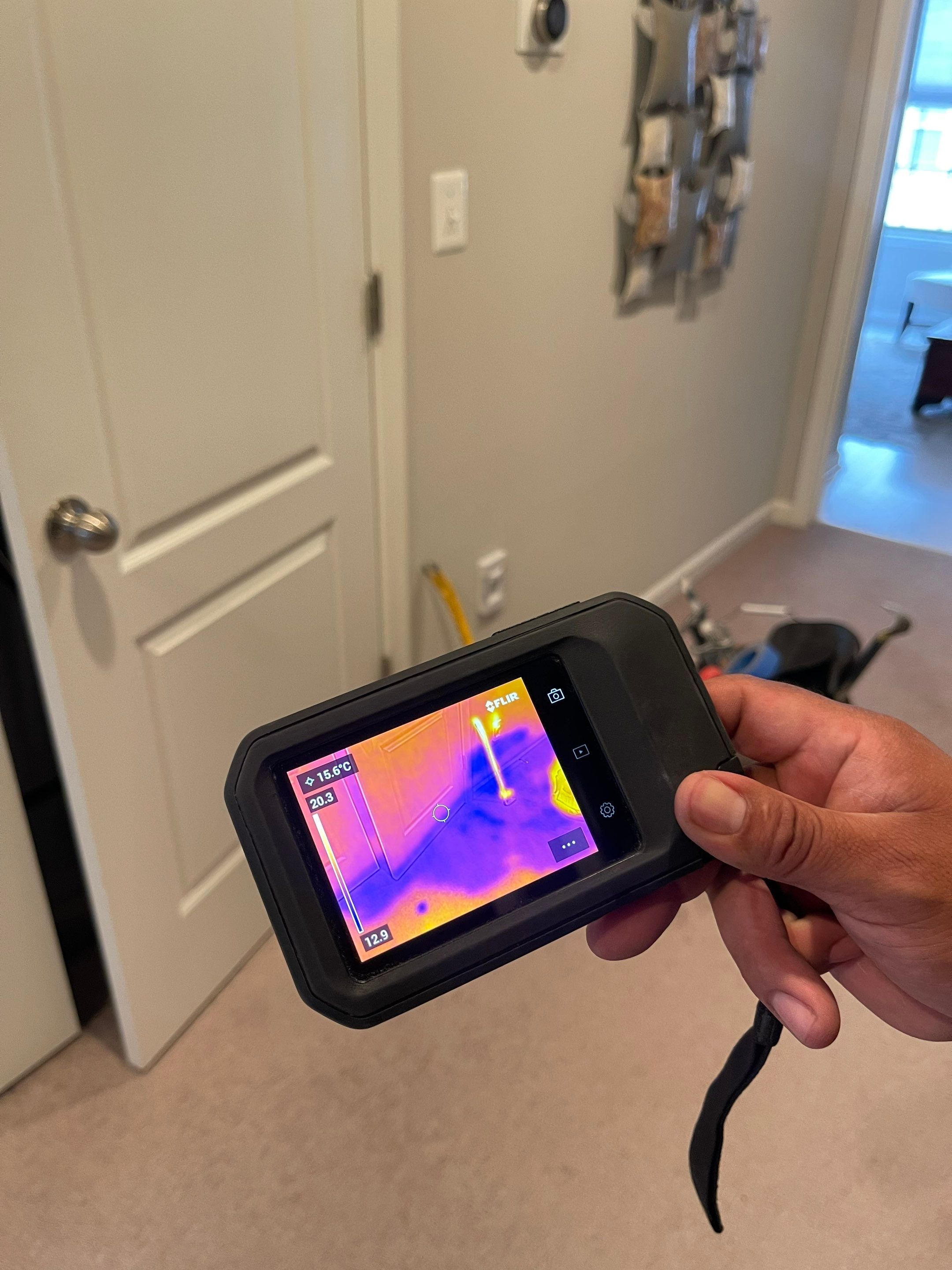
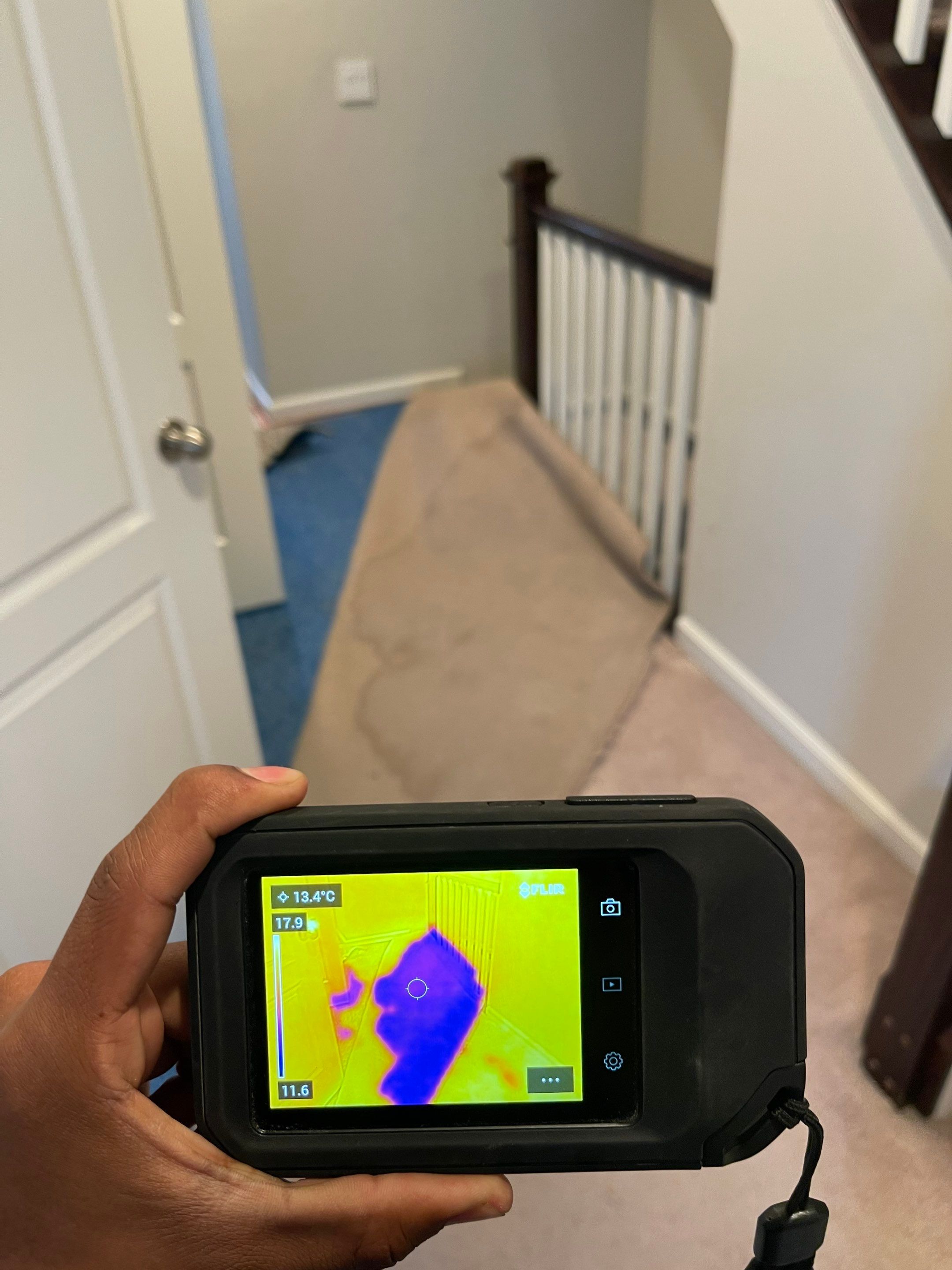
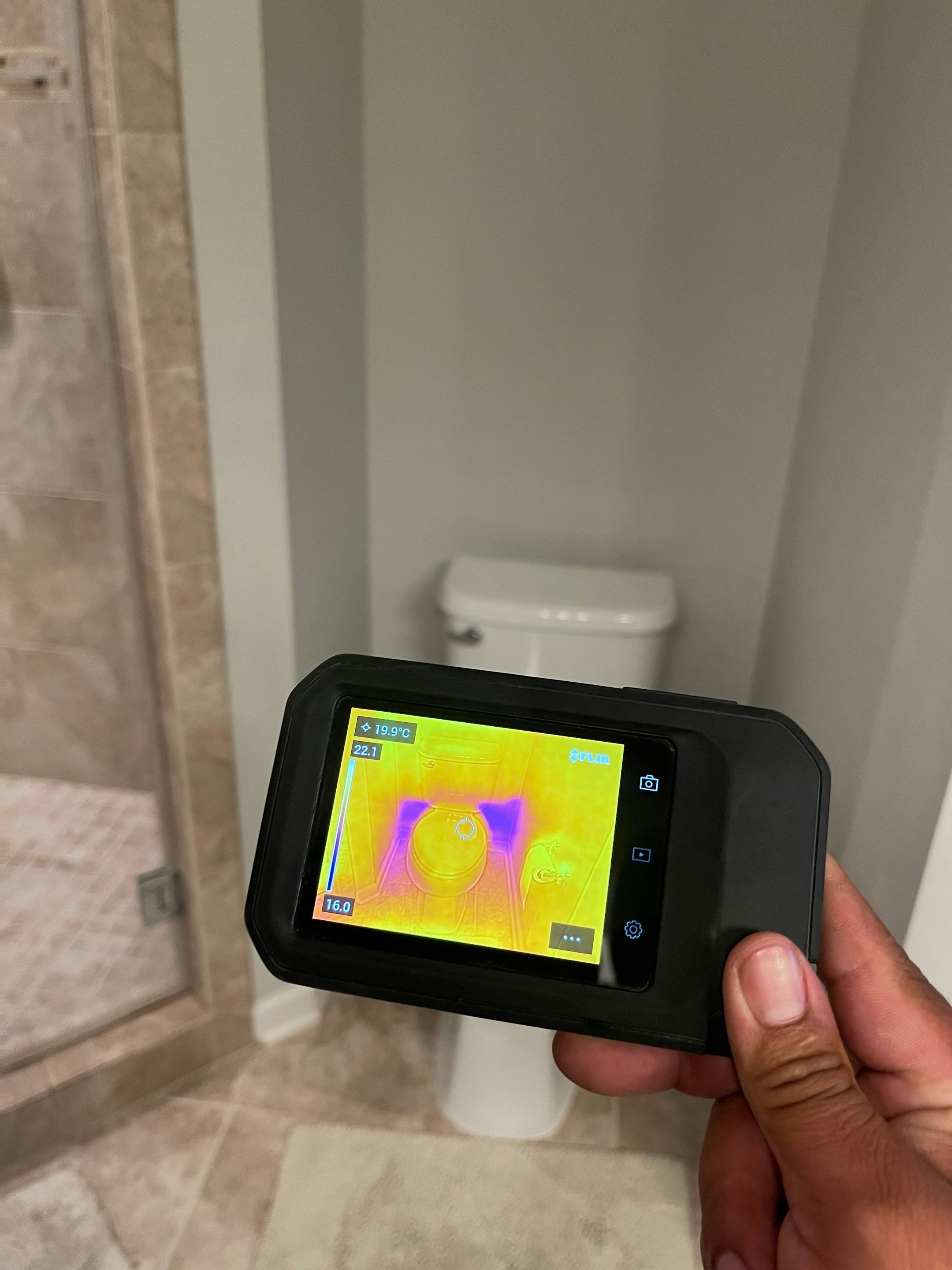
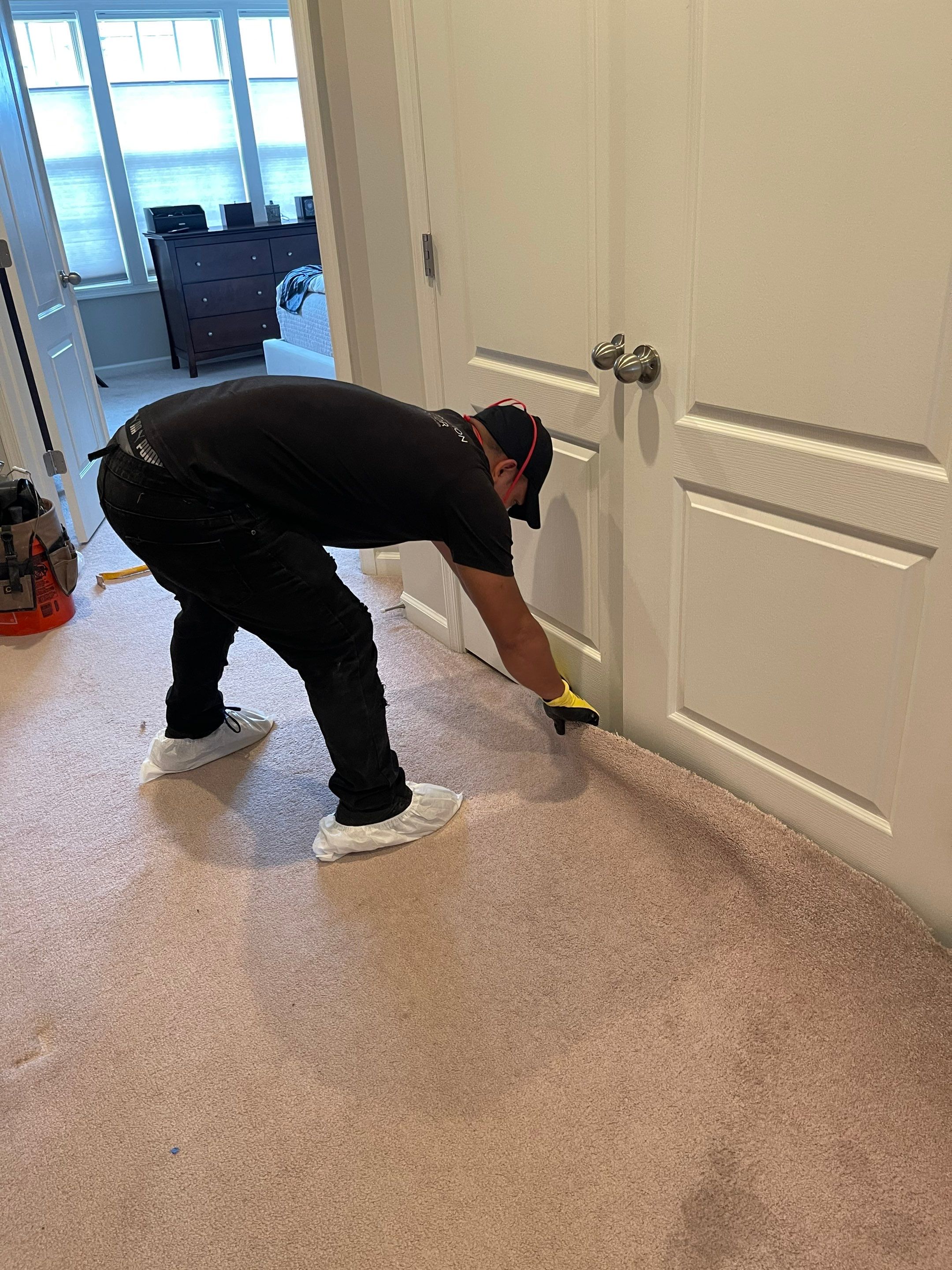
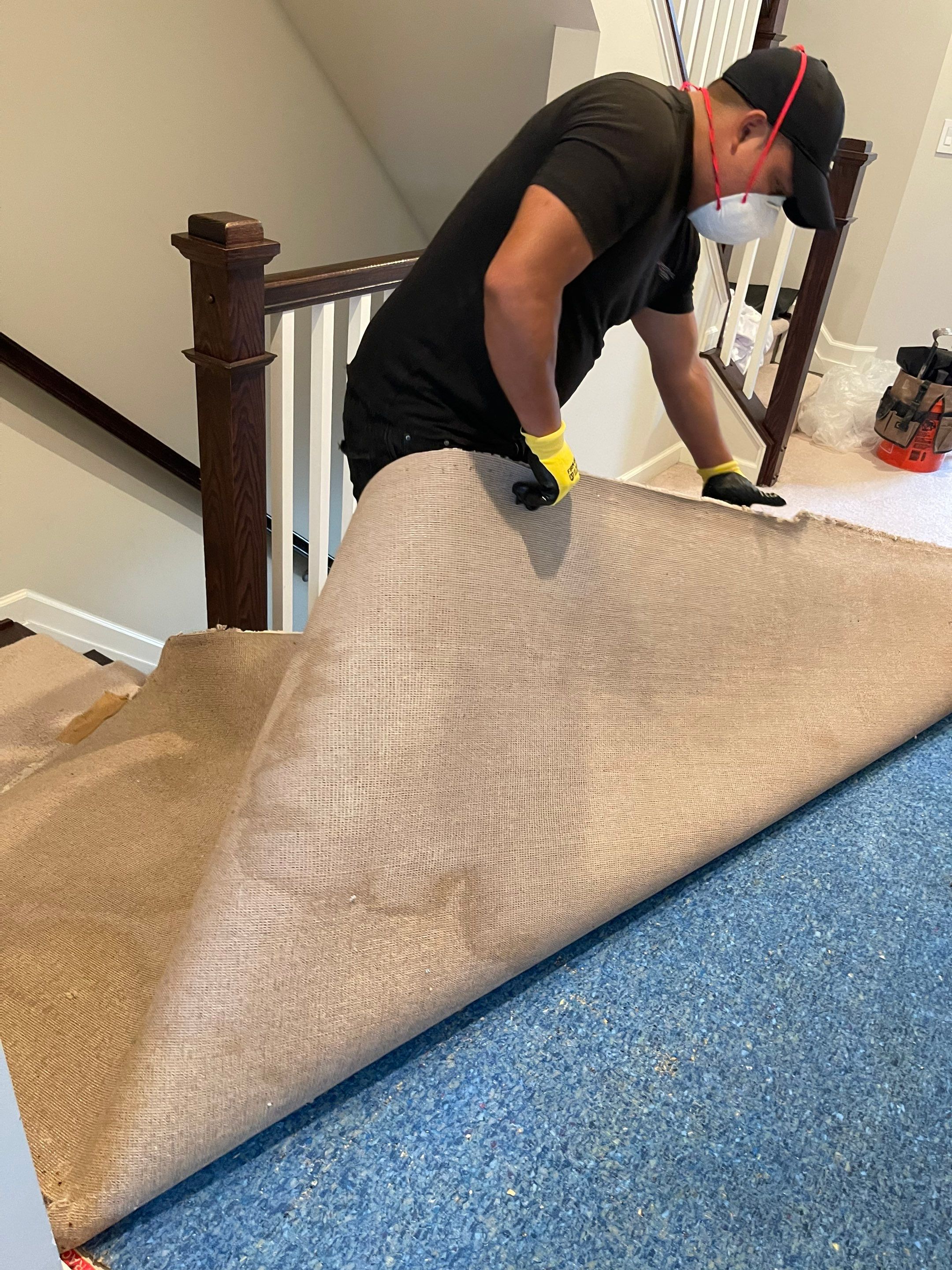
Our technicians began with a full assessment of the affected second-story areas, documenting the extent of sewage migration and visible mold colonization. All contaminated material was removed under controlled conditions, followed by deep cleaning and disinfection of impacted surfaces in accordance with IICRC S520 mold remediation protocols. High-velocity air movers and commercial dehumidifiers were positioned throughout the upper level to bring moisture levels back to normal range and prevent secondary mold establishment.
Once drying was confirmed complete, we repaired damaged structural elements and returned the space to a safe, livable state. The homeowner's review reflected their satisfaction with both the technical work and the care taken throughout a difficult loss.
Frequently asked questions
How does a second-floor sewer backup lead to mold in an Oxon Hill home?
When sewage intrudes on an upper level, contaminated water quickly saturates flooring, wall cavities, and insulation, creating ideal conditions for mold colonization—especially during Prince George's County's humid summers. Restoration Doctor responded by removing the sewage, deep-cleaning all affected surfaces, and running commercial dehumidifiers to dry structural materials below the moisture thresholds that support fungal growth. This approach prevents mold from taking hold after the initial water event is resolved.
What does structural drying involve after sewage removal in Oxon Hill, MD?
Structural drying targets moisture trapped in framing, subfloors, and drywall that surface cleaning cannot reach. After extracting standing sewage and disinfecting the second-floor area, Restoration Doctor deployed air movers and dehumidifiers to pull residual moisture from porous materials, monitoring progress with moisture meters until readings returned to baseline. This step is critical in the hot, humid Mid-Atlantic climate, where elevated indoor humidity can otherwise sustain mold development even after visible water is gone.
Why is sanitizing necessary after a sewer backup, beyond just drying?
Sewage carries pathogens—bacteria, viruses, and parasites—that pose serious health risks if left on surfaces or in building materials. Restoration Doctor applied EPA-registered disinfectants to all impacted areas of the home, ensuring microbial contamination was neutralized before the drying phase began. Sanitizing is a mandatory step in Category 3 (grossly contaminated) water losses and precedes any structural repairs or mold remediation work.
How long does mold remediation typically take in Prince George's County after water intrusion?
Timeline depends on the extent of colonization and the materials affected, but most residential mold remediation projects in the county complete within three to seven days once drying is finished. For this Oxon Hill job, Restoration Doctor first stabilized moisture levels through dehumidification, then conducted containment and removal of mold-impacted materials, followed by antimicrobial treatment and final clearance testing. Humid summer conditions can extend drying phases if outdoor air is not properly conditioned during the process.
Can garden apartments and older single-family homes in Oxon Hill be more vulnerable to mold after water events?
Yes—many established homes and garden-style units along the Potomac corridor were built before modern moisture-barrier standards, and their HVAC systems may struggle to control indoor humidity during heavy-rain events or plumbing failures. Restoration Doctor tailors drying and remediation strategies to the construction type, often supplementing building ventilation with standalone dehumidification to achieve the low relative-humidity targets that prevent mold rebound. Older building envelopes require closer monitoring throughout the restoration process.
Explore more restoration work
Water, fire, or mold damage in Oxon Hill?
Restoration Doctor responds 24/7 across Oxon Hill and Northern Virginia. Free assessment and transparent, insurance-friendly estimates — no obligation.
See our Mold Remediation services at restorationdoctors.com →