Water Damage Restoration Oakton VA
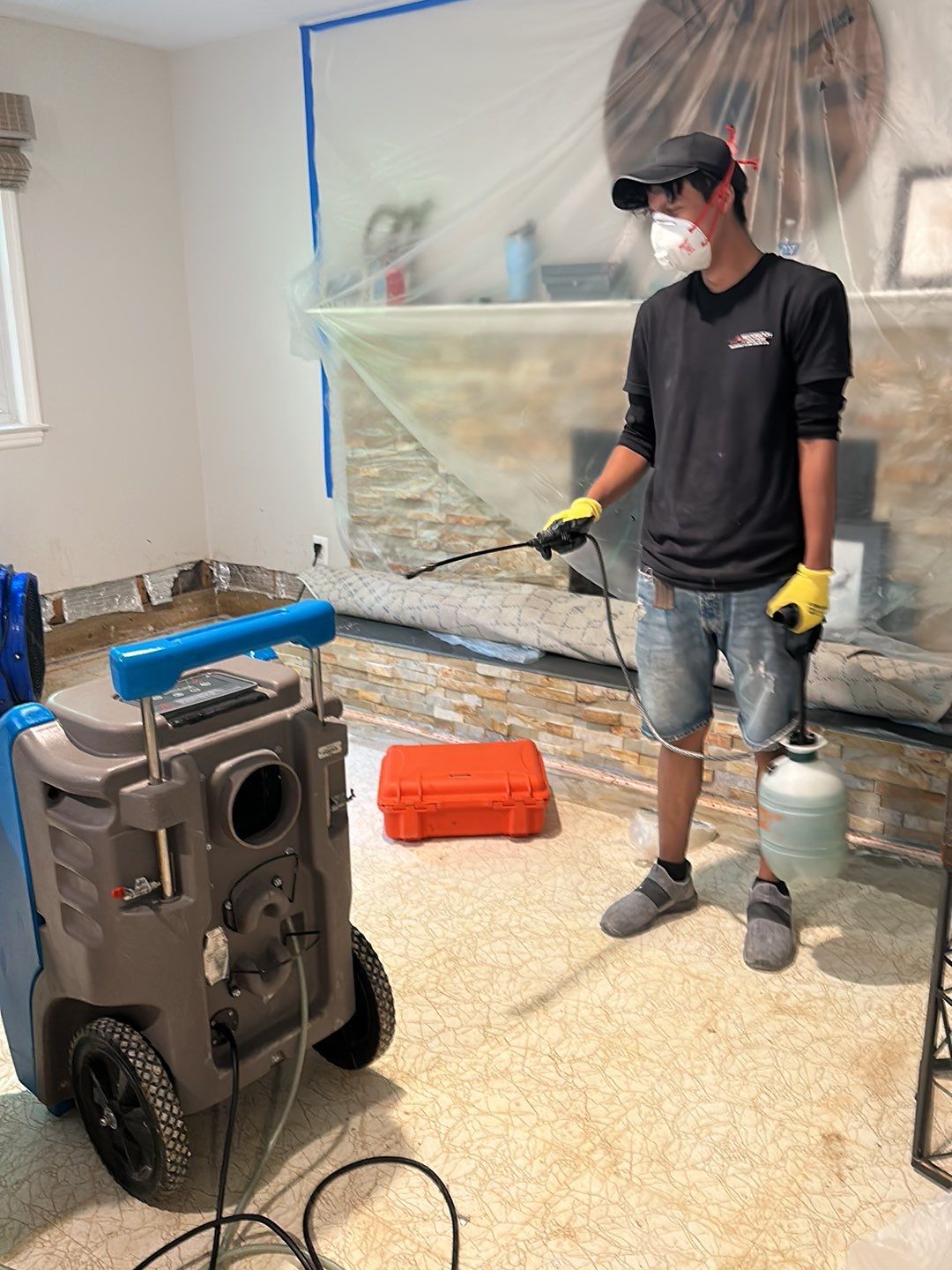
About this water damage restoration project
A home in Oakton developed mold following water intrusion, a sequence frequently seen in Fairfax County's larger-lot residential neighborhoods where aging building materials and Northern Virginia's freeze-thaw cycles can compromise plumbing and building envelopes over time. The priority was immediate containment to prevent cross-contamination of unaffected living spaces.
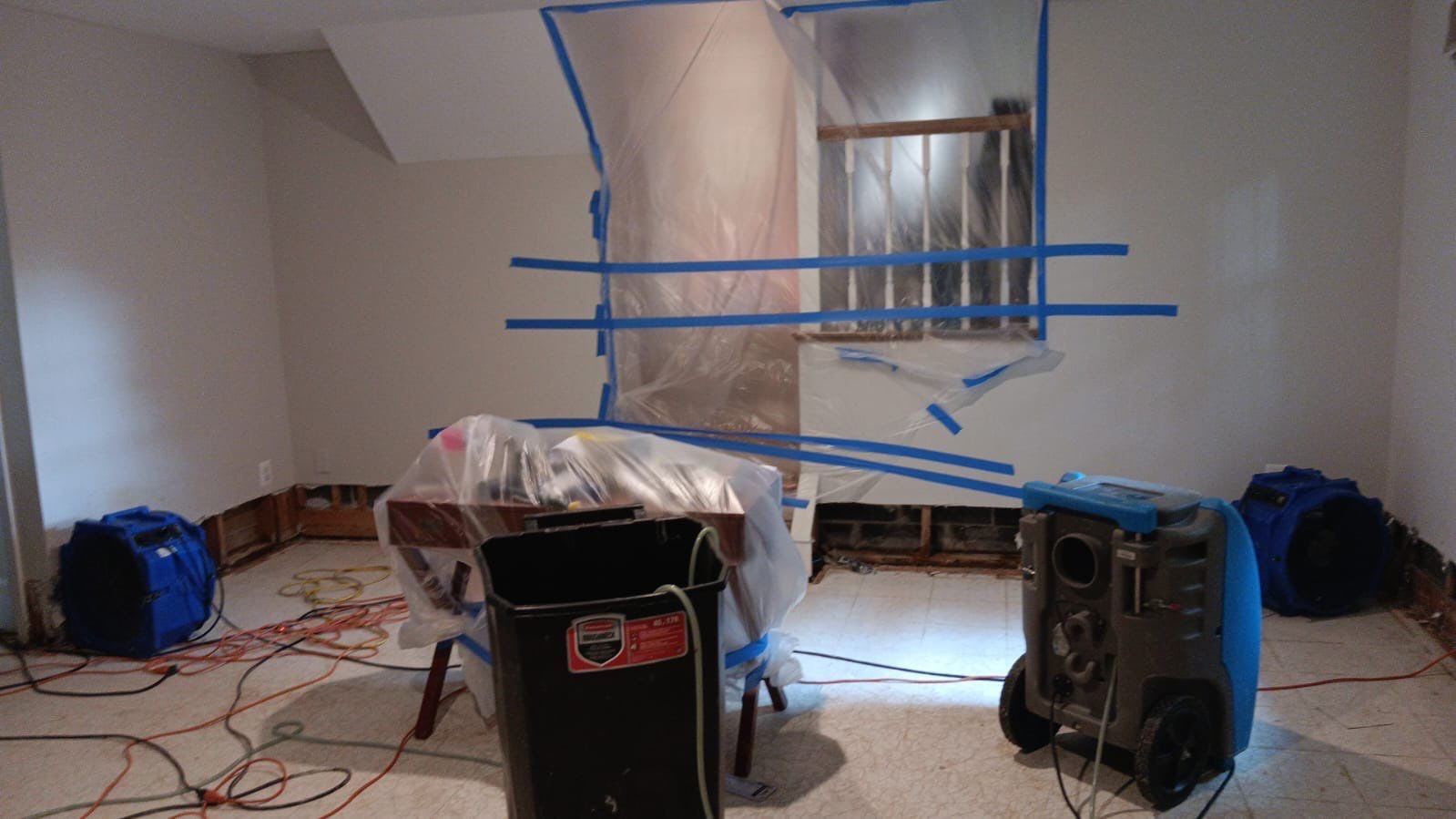
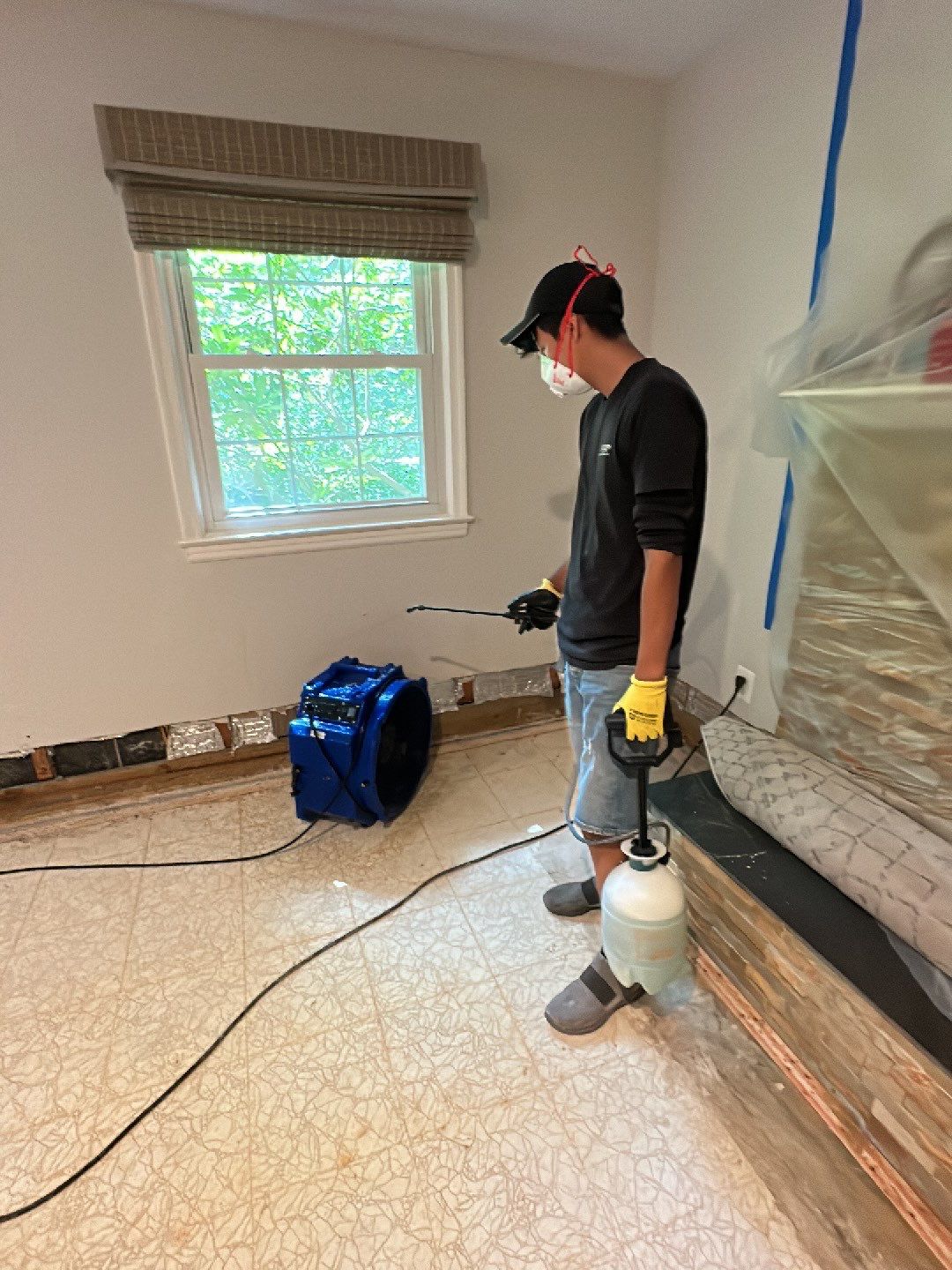
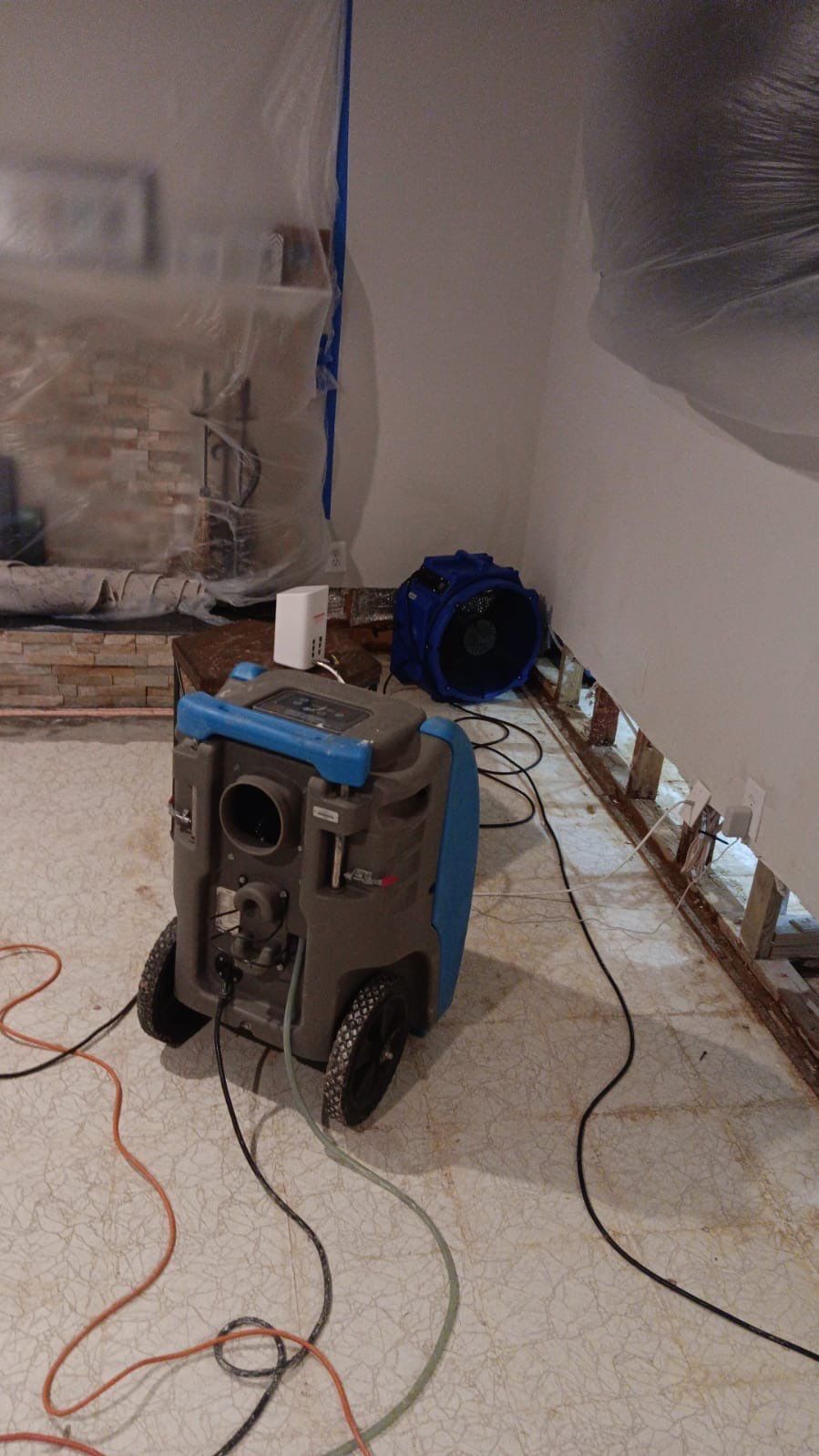
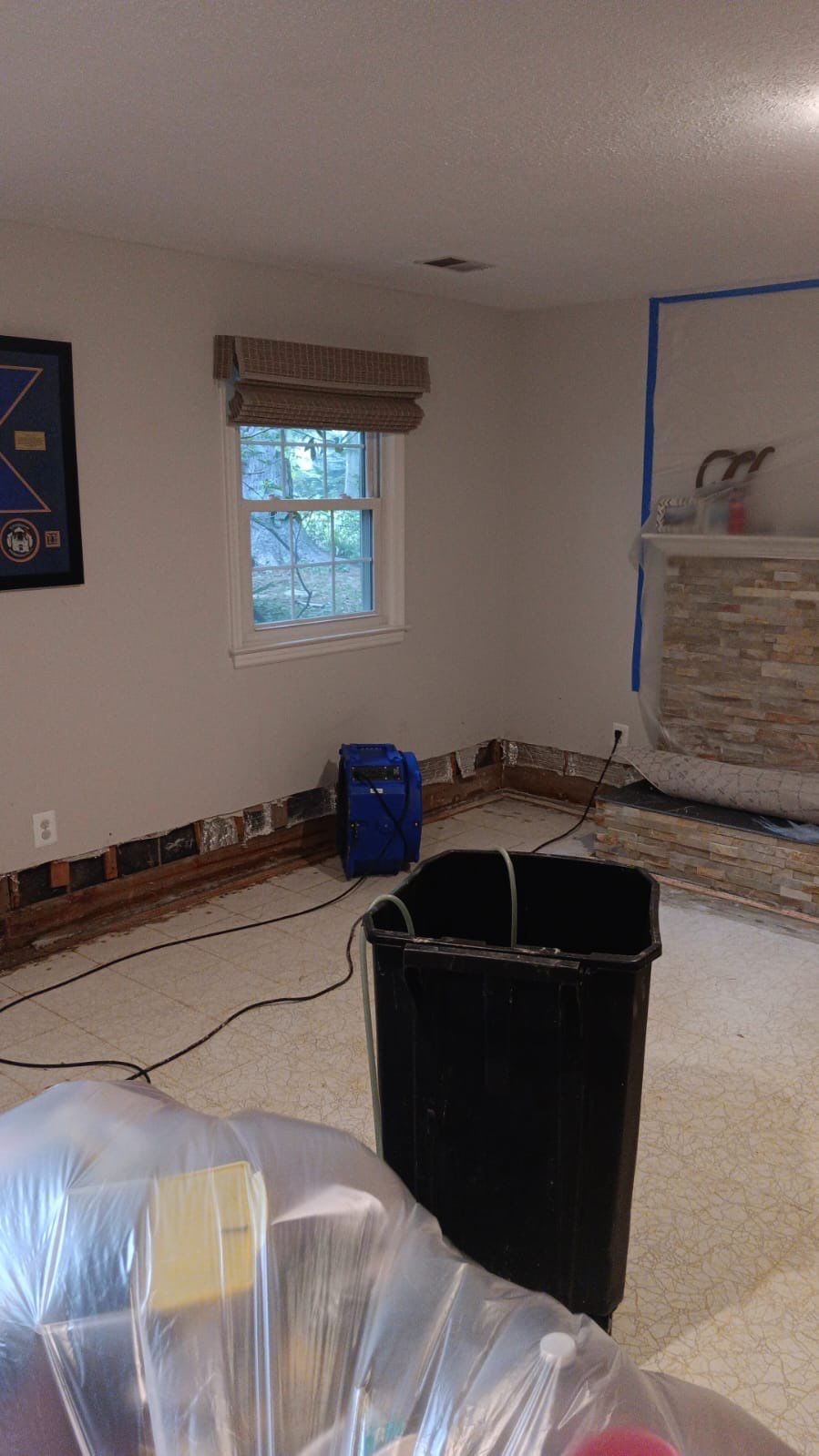
We sealed the impacted areas with protective plastic barriers, isolating the work zone before removing compromised materials. Air movers and dehumidifiers were positioned to accelerate structural drying and reduce ambient moisture to levels that inhibit further microbial amplification. All exposed surfaces then received an antimicrobial treatment application, a standard step in IICRC S520 mold remediation protocol to address residual contamination and create an environment hostile to regrowth.
The homeowner's review reflected confidence in the thoroughness of the containment and treatment process. Progress photos documented each phase—from initial plastic isolation through material removal and equipment placement to final disinfection—ensuring transparency and verification of work completed. The home is being returned to occupancy in a safe, clean condition, with moisture levels normalized and remediated surfaces treated to standard.
Frequently asked questions
Why is mold remediation after water intrusion common in Oakton homes?
Oakton sits in Fairfax County, where many larger-lot homes were built in the 1970s–1990s with materials that can harbor moisture if water intrusion occurs. When water damage goes unaddressed, the Mid-Atlantic's humid climate accelerates mold colonization on porous surfaces like drywall and framing. Restoration Doctor's mold remediation service in Oakton combines containment, material removal, antimicrobial treatment, and controlled drying to eliminate active growth and prevent recurrence.
What does structural drying involve during water damage restoration in Fairfax County?
Structural drying uses commercial air movers and dehumidifiers to remove moisture from building materials—walls, subfloors, and framing—down to safe levels measured with moisture meters. For this Oakton project, Restoration Doctor deployed drying equipment after extracting standing water and removing damaged materials, monitoring conditions daily until the structure met IICRC S500 drying standards. This process prevents secondary damage like warping, delamination, and mold growth in the weeks following water intrusion.
How does containment protect unaffected areas during mold remediation?
Containment barriers—typically heavy plastic sheeting sealed with tape—isolate the work zone so mold spores disturbed during removal don't migrate to clean areas of the home. On this Oakton job, Restoration Doctor erected containment around the affected spaces before beginning demolition and antimicrobial treatment, pairing it with negative air pressure to exhaust airborne particles outdoors. This protocol is central to the IICRC S520 mold remediation standard and keeps the rest of the home safe during the work.
Will homeowners insurance cover mold remediation following water damage in Oakton?
Coverage depends on whether the water intrusion was sudden and accidental—like a burst pipe or storm-driven leak—and whether the homeowner mitigated promptly. Restoration Doctor works directly with Fairfax County insurers on Oakton claims, documenting the scope with photos and moisture readings to support the claim. Policies often exclude mold that grew due to long-term neglect, so early intervention after water damage is critical both for the structure and for preserving coverage.
What antimicrobial treatments are used after water damage and mold removal?
After removing contaminated materials and drying the structure, Restoration Doctor applies EPA-registered antimicrobial solutions to all exposed surfaces—studs, subfloor, and remaining finishes—to kill residual mold spores and inhibit regrowth. These treatments are fogged or sprayed depending on the surface type and are a standard step in both water-damage mitigation and mold remediation. For this Oakton home, antimicrobial application followed containment and material removal to ensure the cleaned structure remained biologically stable as drying continued.
Explore more restoration work
All projects in Oakton · Water Damage Restoration in Oakton
Water, fire, or mold damage in Oakton?
Restoration Doctor responds 24/7 across Oakton and Northern Virginia. Free assessment and transparent, insurance-friendly estimates — no obligation.
See our Water Damage Restoration services at restorationdoctors.com →