Water Damage Restoration MClean
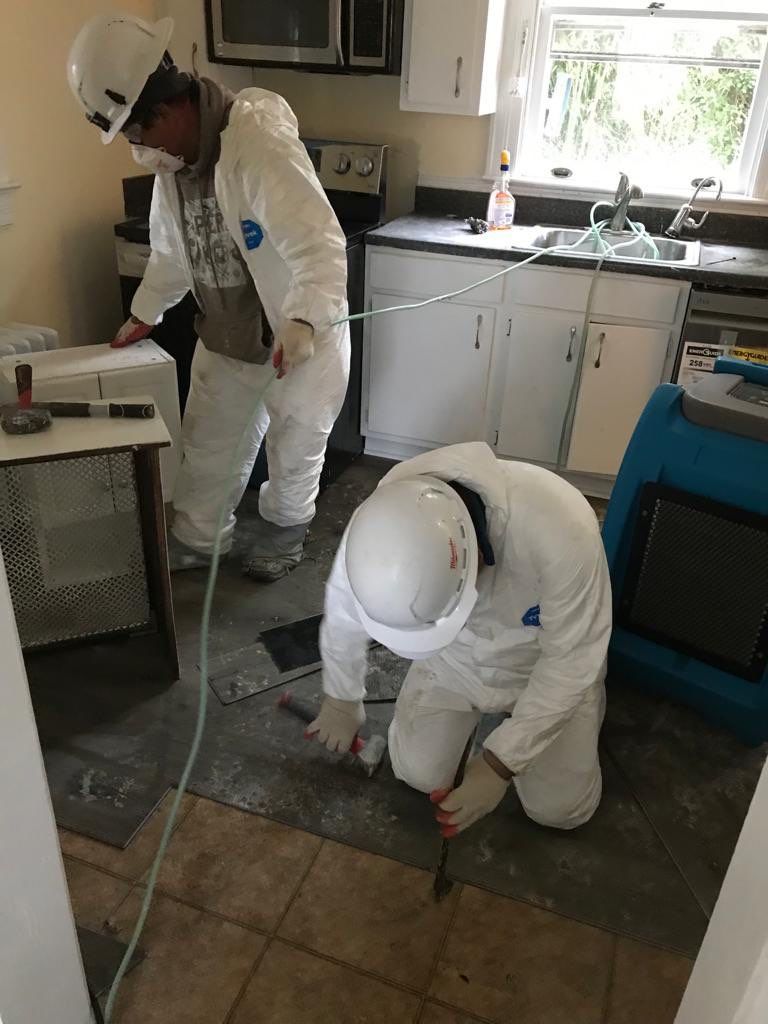
About this water damage restoration project
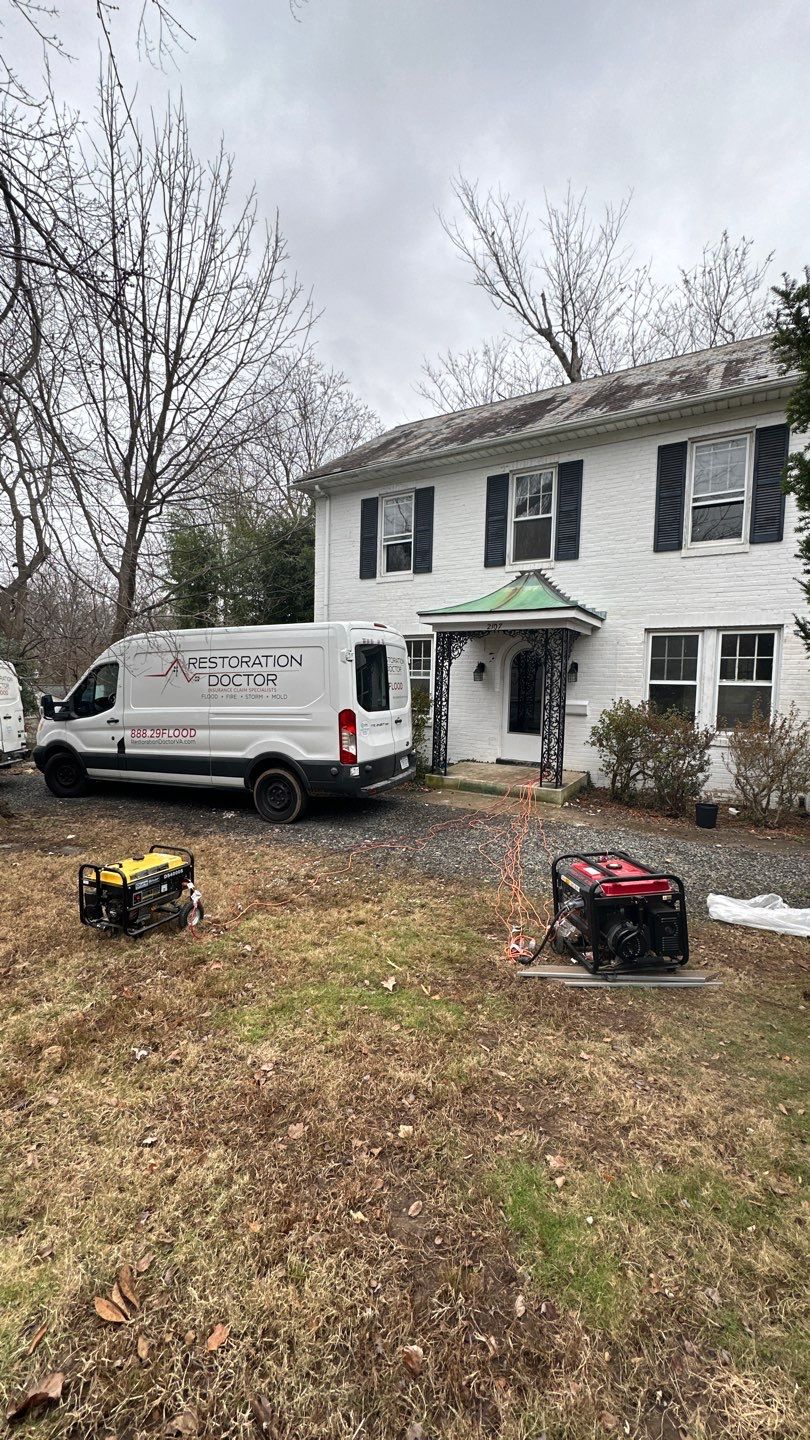
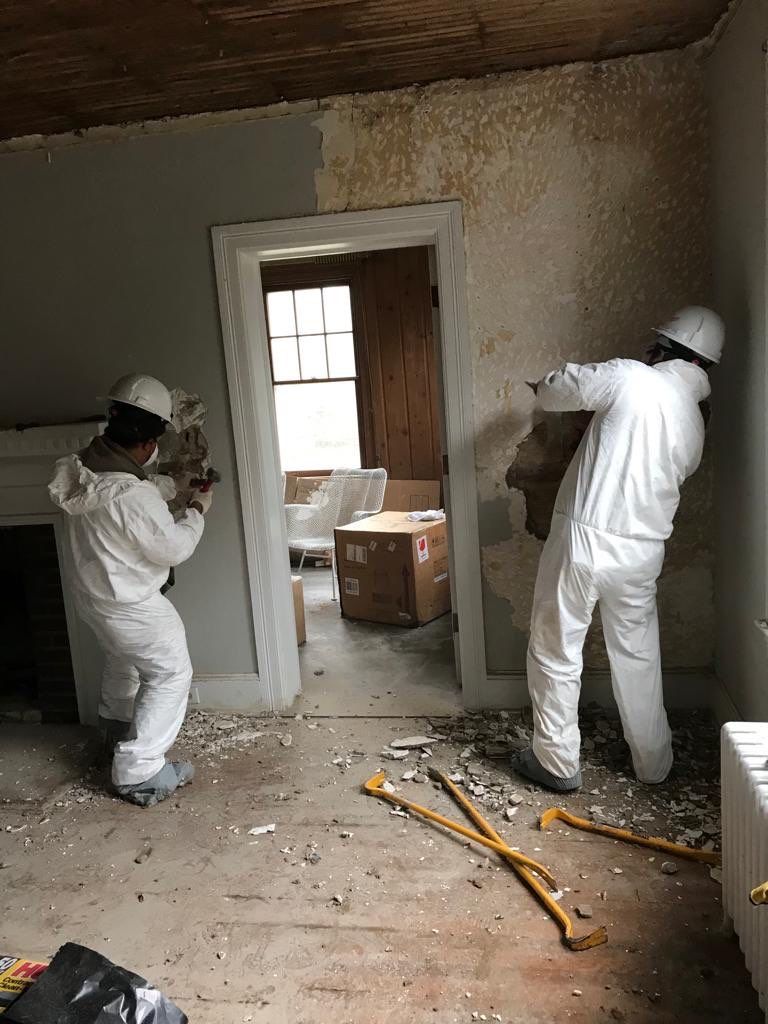
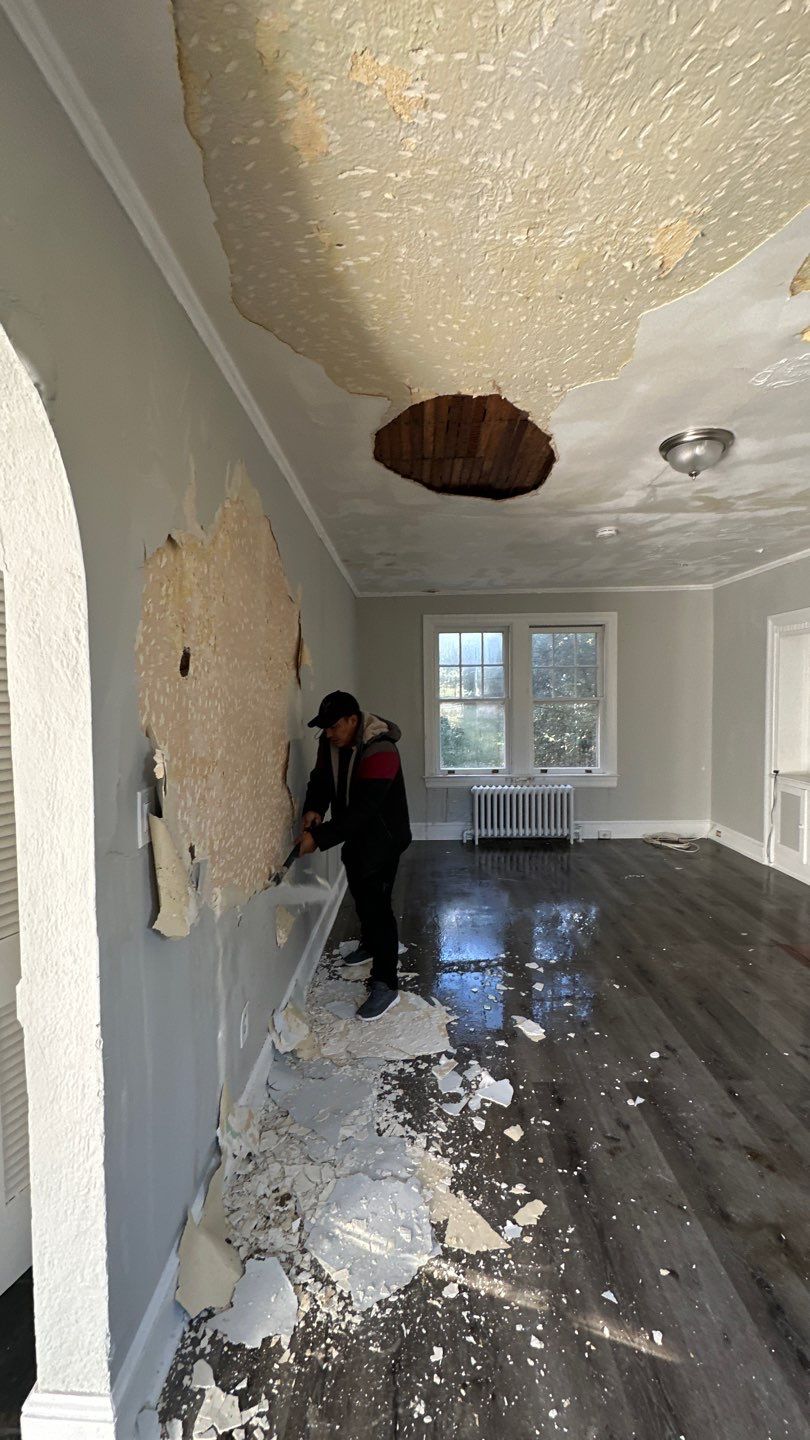
In a historic McLean residence, water intrusion had progressed to mold growth—a common progression in Fairfax County's older housing stock, where humid Mid-Atlantic summers accelerate microbial colonization once moisture enters wall cavities. The scope required controlled demolition across multiple rooms to access the full extent of damage behind finished surfaces.
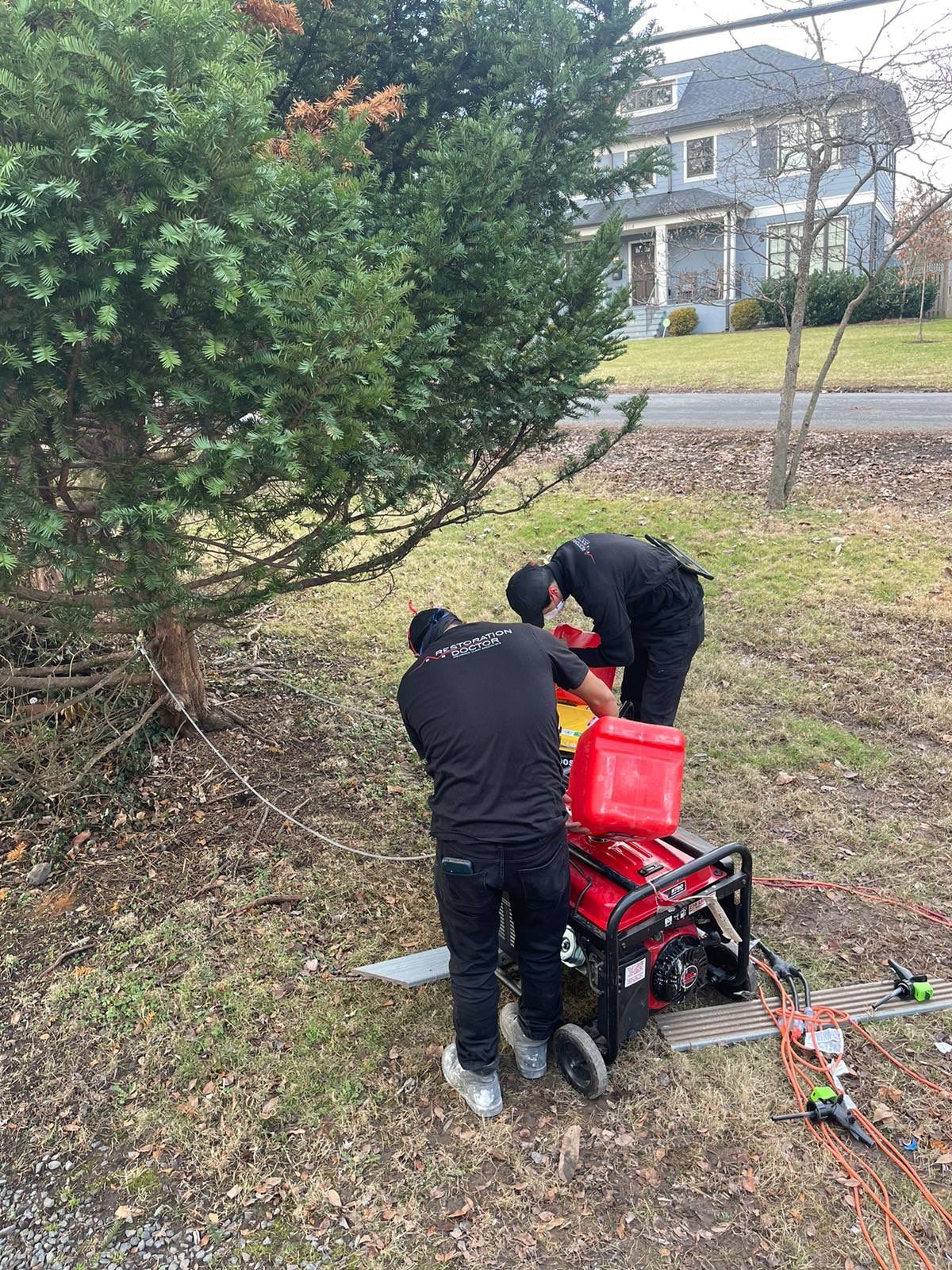
Our crew removed compromised wall materials systematically, exposing framing and substrate to air and direct drying equipment. High-powered dehumidifiers and air movers ran continuously, powered by external generators to ensure no interruption in moisture extraction. This approach aligns with IICRC S520 protocol for mold remediation following water events: remove the reservoir, dry the structure below threshold levels, and verify conditions before reconstruction begins.
Throughout the multi-day drying process, we monitored conditions and kept the homeowner apprised of progress. The work required precision—historic homes present challenges in balancing thorough remediation with preserving original architectural elements where structurally sound. The homeowner expressed high satisfaction with both the technical outcome and the communication maintained during a disruptive process. The structure was returned to a dry, mold-free state ready for rebuilding.
Reviews from Restoration Doctor customers
Exceptional service! The team was prompt, professional and restored my home to perfection. Highly recommended for water damage issues.
Frequently asked questions
Why did this McLean historic home require external generators during the water damage restoration?
Restoration Doctor used external generators at this McLean property to ensure continuous power for high-capacity dehumidifiers and air movers throughout the multi-room drying process. Historic homes in Fairfax County sometimes have older electrical systems that cannot safely support the sustained amperage draw of industrial drying equipment running 24/7, so external generators guarantee uninterrupted structural drying without overloading the home's circuits. This approach allowed us to maintain optimal drying conditions across all affected spaces simultaneously.
How does mold remediation differ from standard water extraction after intrusion in a McLean home?
Water extraction removes standing water, but mold remediation—like the work Restoration Doctor performed at this McLean property—addresses active fungal growth that colonized after the initial intrusion. Our scope included controlled removal of contaminated wall materials, HEPA-filtered air scrubbing to capture airborne spores, and thorough structural drying to eliminate the moisture that allowed mold to establish. In Fairfax County's humid summers, mold can proliferate quickly once materials stay wet, so remediation goes beyond drying to actually remove the biological contamination.
What does 'carefully removed damaged wall materials' mean in the context of this historic McLean restoration?
At this McLean property, Restoration Doctor selectively removed sections of interior wall materials—likely drywall, plaster, or wood trim—that had absorbed water and sustained mold growth beyond salvageability. In a historic home, this removal is done with precision to preserve surrounding original finishes and structural elements wherever possible, rather than gutting entire rooms. The goal is to extract only what is compromised while protecting the home's character and minimizing reconstruction scope.
How long does structural drying typically take for water damage restoration in Fairfax County?
Structural drying duration depends on the extent of saturation, affected materials, and ambient conditions, but Restoration Doctor's process in Fairfax County typically runs several days to a week for moderate intrusions like the one addressed in McLean. High-powered dehumidifiers and air movers run continuously, with daily moisture readings guiding the timeline until materials reach industry dry standards. Fairfax County's summer humidity can slow evaporation, so controlled mechanical drying is essential to prevent secondary mold growth during the process.
Does homeowners insurance cover mold remediation following water intrusion in McLean?
Coverage for mold remediation in McLean depends on your policy's specific terms and whether the mold resulted from a sudden, accidental water event—like a pipe burst or storm intrusion—rather than long-term neglect. Restoration Doctor works directly with insurers throughout Fairfax County to document the scope, timeline, and causation, helping homeowners navigate claims for both the water mitigation and subsequent mold work. Policies vary widely, so reviewing your coverage with your carrier early in the process is critical.
Explore more restoration work
All projects in McLean · Water Damage Restoration in McLean
Water, fire, or mold damage in McLean?
Restoration Doctor responds 24/7 across McLean and Northern Virginia. Free assessment and transparent, insurance-friendly estimates — no obligation.
See our Water Damage Restoration services at restorationdoctors.com →