pipe break
About this water damage restoration project
A pipe break in a McLean home—part of Fairfax County's established housing stock where winter freeze-thaw cycles routinely stress older supply lines—had progressed undetected long enough to create both standing water and secondary mold growth. The scope required a full water-and-mold response under both IICRC S500 and S520 protocols, beginning with a room-by-room assessment to map the extent of intrusion and identify every surface the moisture had reached.
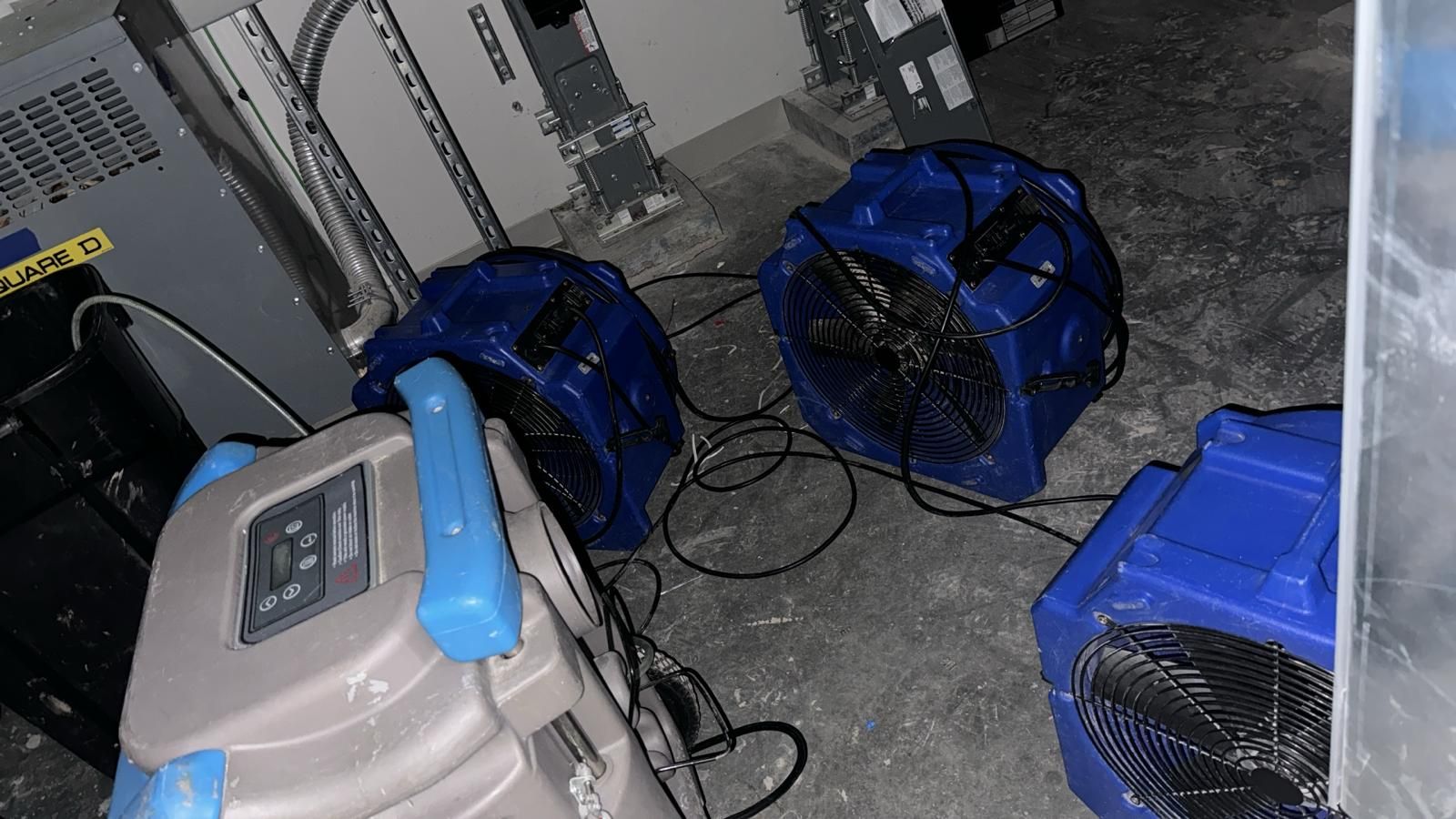
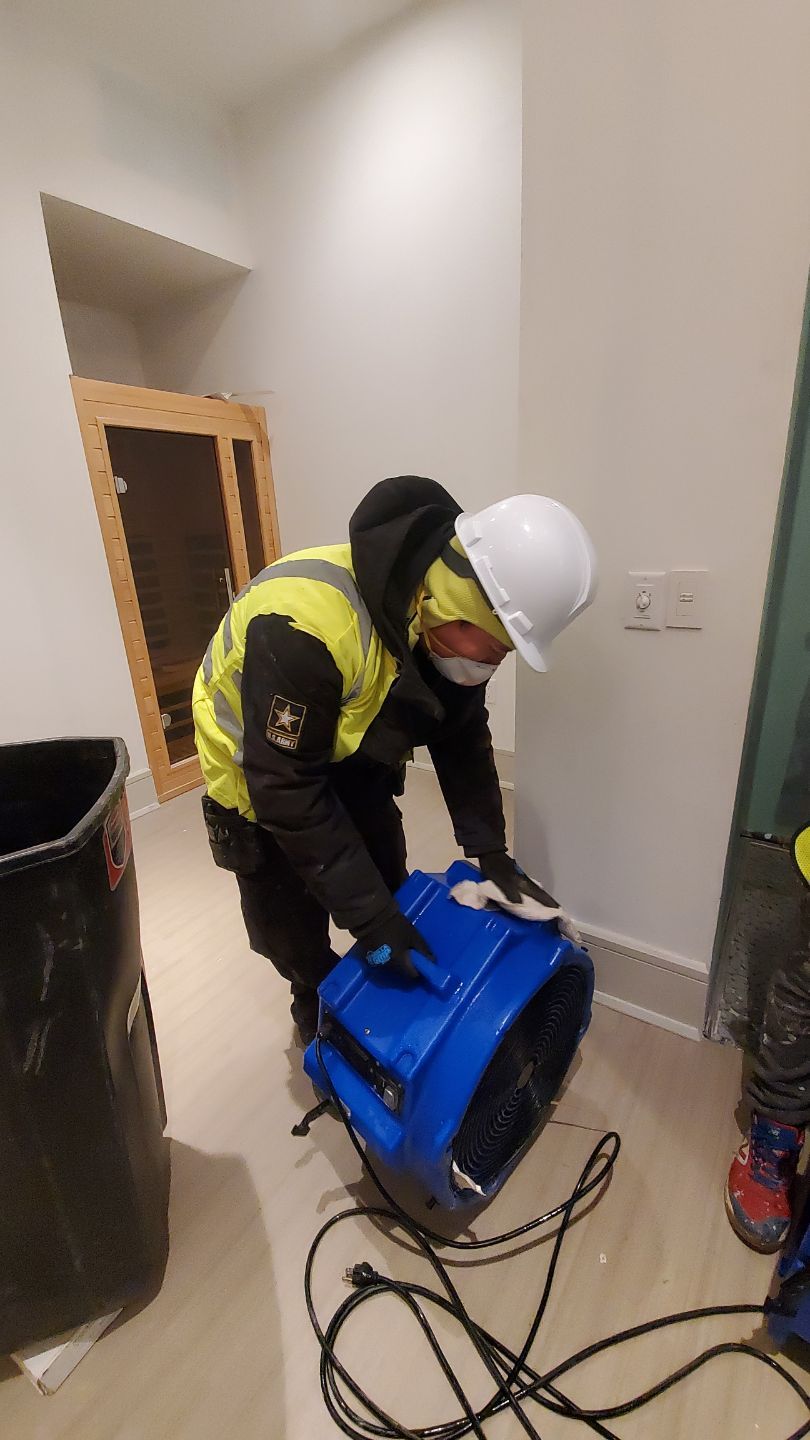
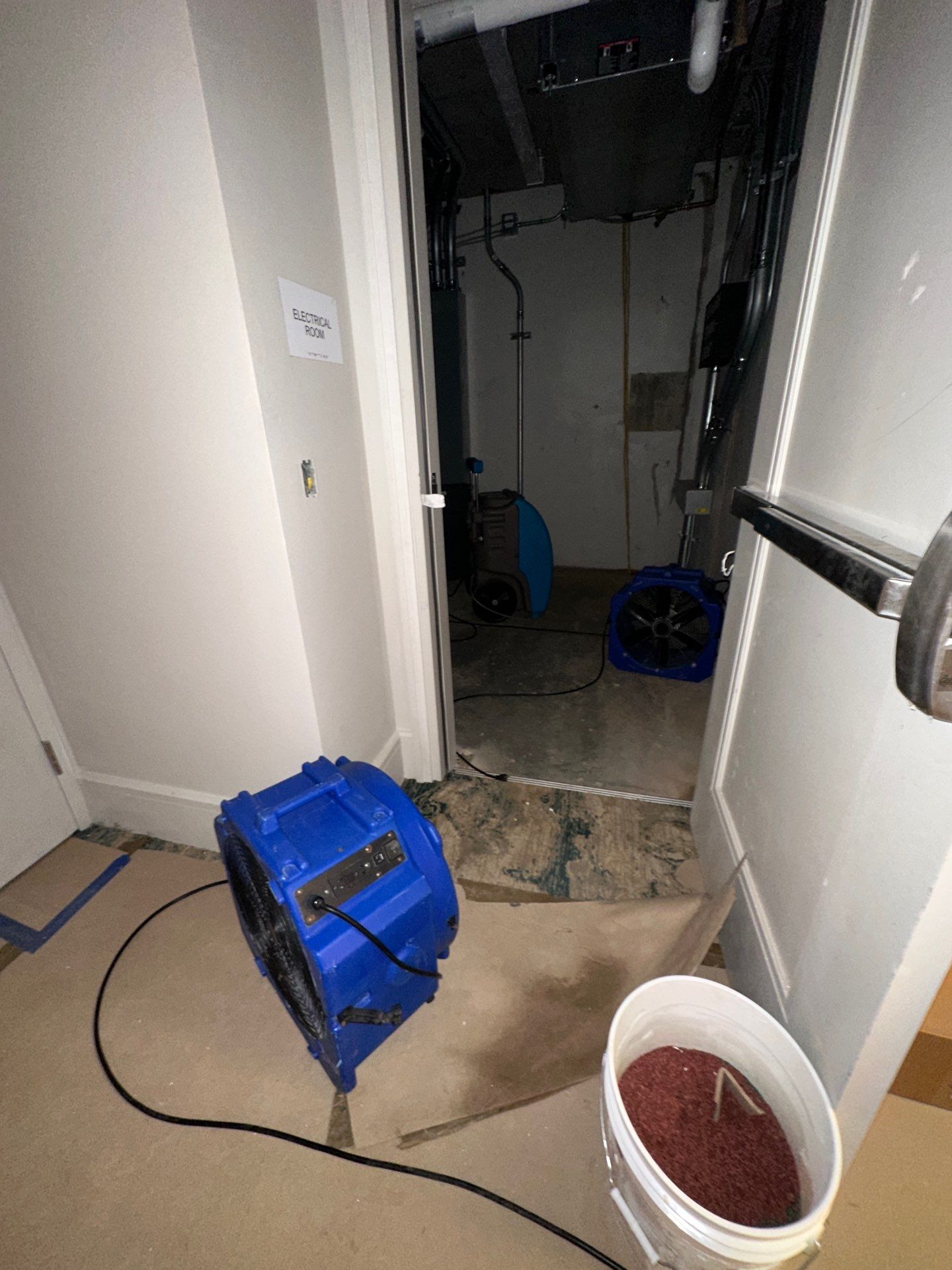
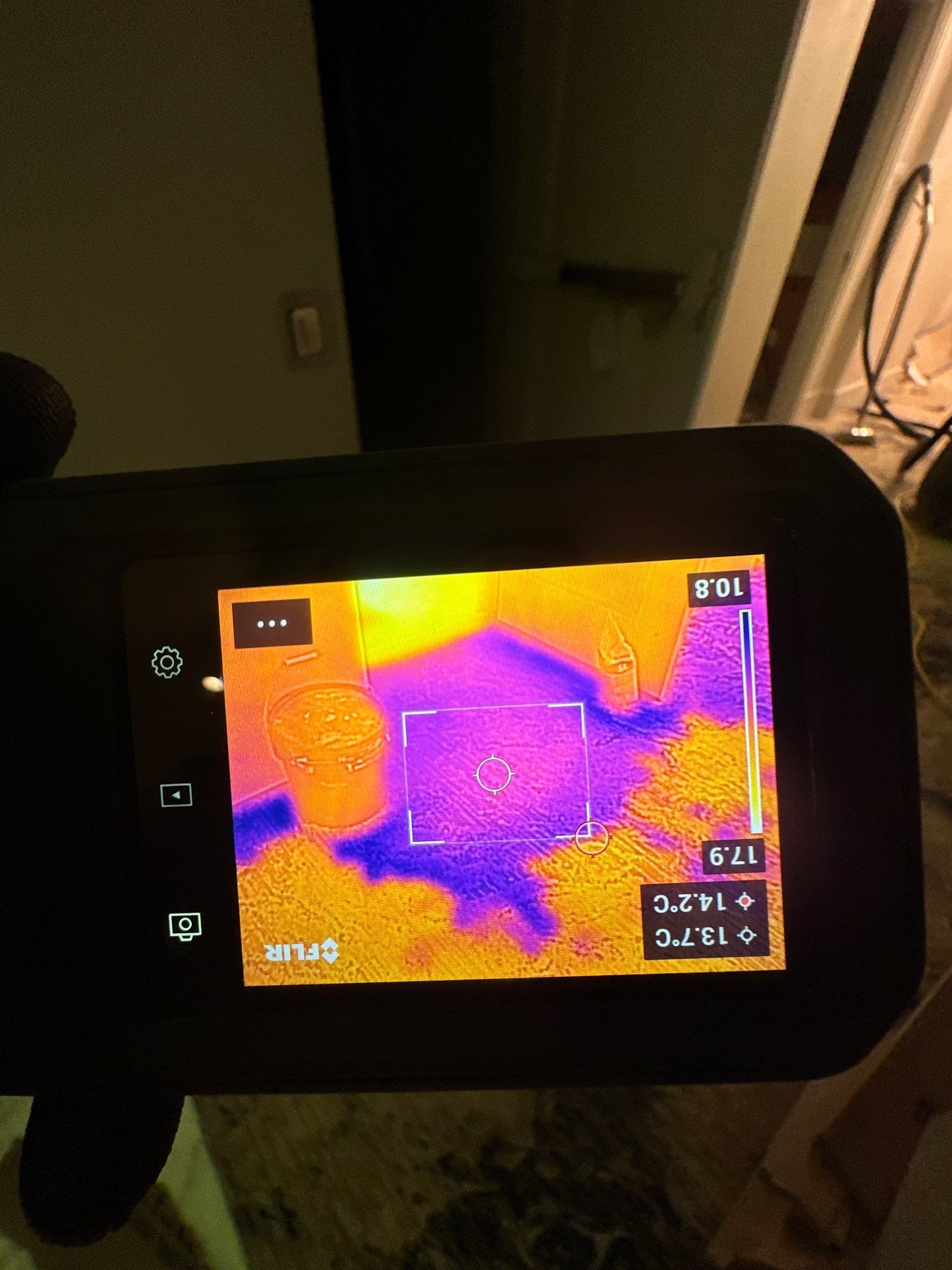
Our technicians deployed extraction equipment to pull standing water from affected rooms, then positioned high-velocity air movers and commercial dehumidifiers to drive moisture from structural cavities and finishes. Throughout the drying phase, we tracked moisture readings daily to confirm progress and ensure conditions would not support further microbial amplification. Once readings stabilized, the team cleaned and treated all exposed surfaces with antimicrobial agents, removing contamination and restoring the interior to a safe baseline.
The homeowner noted in their review the thoroughness of the monitoring process and the clarity of communication at each stage. By addressing both the immediate water intrusion and its biological consequence in a single coordinated effort, we returned the property to a fully habitable state without requiring the family to manage multiple contractors or timelines.
Reviews from Restoration Doctor customers
Very grateful that I came across this company. I had a severe case of mold in my bathroom from water damage due to a pipe breaking. The staff were very professional and did all the mold cleaning and restoration in a timely manner. If I ever need help like this again, I will definitely call them again first! Thank you guys, amazing job!
Frequently asked questions
How does McLean's humid summer climate affect mold growth after water intrusion?
In Fairfax County's hot, humid Mid-Atlantic summers, mold can establish rapidly on wet building materials if moisture isn't controlled promptly. Restoration Doctor's mold remediation work in McLean included dehumidification and continuous moisture monitoring to keep conditions below the threshold where spores colonize. The combination of extraction, structural drying, and sanitizing addresses both the water source and the environment mold needs to spread.
What does standing-water extraction involve in a residential water damage job?
Standing-water extraction uses truck-mount or portable pumps and extractors to remove pooled water from floors, carpets, and other affected surfaces before it migrates deeper into the structure. For this McLean project, Restoration Doctor deployed extraction equipment as the first step, clearing standing water so that dehumidifiers and air movers could begin drying the underlying materials. Removing bulk water quickly limits secondary damage and shortens the overall drying timeline.
Why is structural drying necessary after water extraction?
Even after visible water is removed, moisture remains absorbed in framing, subfloors, drywall, and insulation—materials that release moisture slowly and unevenly. Restoration Doctor used high-powered fans and dehumidifiers in this McLean home to drive trapped moisture out of structural components, monitoring levels until readings confirmed the materials had returned to their normal dry state. Incomplete drying leaves conditions favorable for mold, wood rot, and lingering odors.
What steps are included in mold remediation following water damage?
Mold remediation typically includes containment to isolate affected zones, removal of colonized porous materials that cannot be salvaged, HEPA vacuuming, antimicrobial application to cleanable surfaces, and post-remediation verification. In this McLean job, Restoration Doctor performed sanitizing and mold remediation after the structure was dried, addressing both visible growth and the conditions that allowed it to develop. The goal is to return the indoor environment to a normal fungal ecology, consistent with IICRC S520 principles.
Does older housing stock in Fairfax County increase water-damage risk?
Fairfax County's mix of larger established homes often means aging supply lines, original cast-iron drains, and building envelopes that predate modern moisture-barrier standards—all of which can fail without warning during freeze-thaw cycles or after years of service. While this McLean project stemmed from water intrusion leading to mold, the broader pattern in the area reflects infrastructure that benefits from proactive inspection and prompt professional response when leaks or intrusion do occur.
Explore more restoration work
All projects in McLean · Water Damage Restoration in McLean
Water, fire, or mold damage in McLean?
Restoration Doctor responds 24/7 across McLean and Northern Virginia. Free assessment and transparent, insurance-friendly estimates — no obligation.
See our Water Damage Restoration services at restorationdoctors.com →