Swift Restoration After Extensive Water Damage
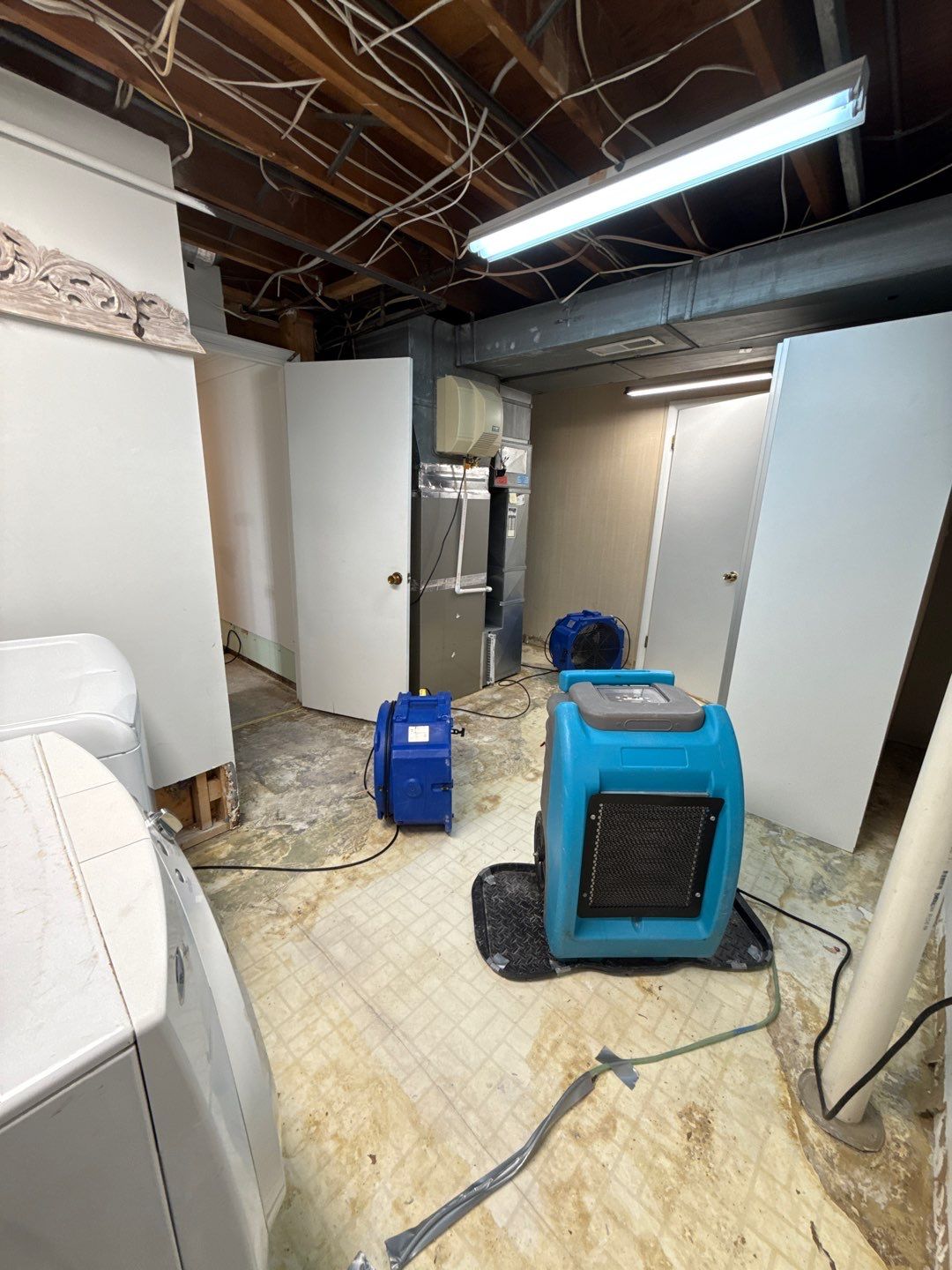
About this mold remediation project
Water intrusion in a McLean home—situated in Fairfax County where established construction often meets humid Mid-Atlantic summers ideal for mold colonization—required immediate containment and remediation once fungal growth was confirmed. The source moisture had already compromised ceiling materials and baseboards across multiple rooms by the time we arrived.
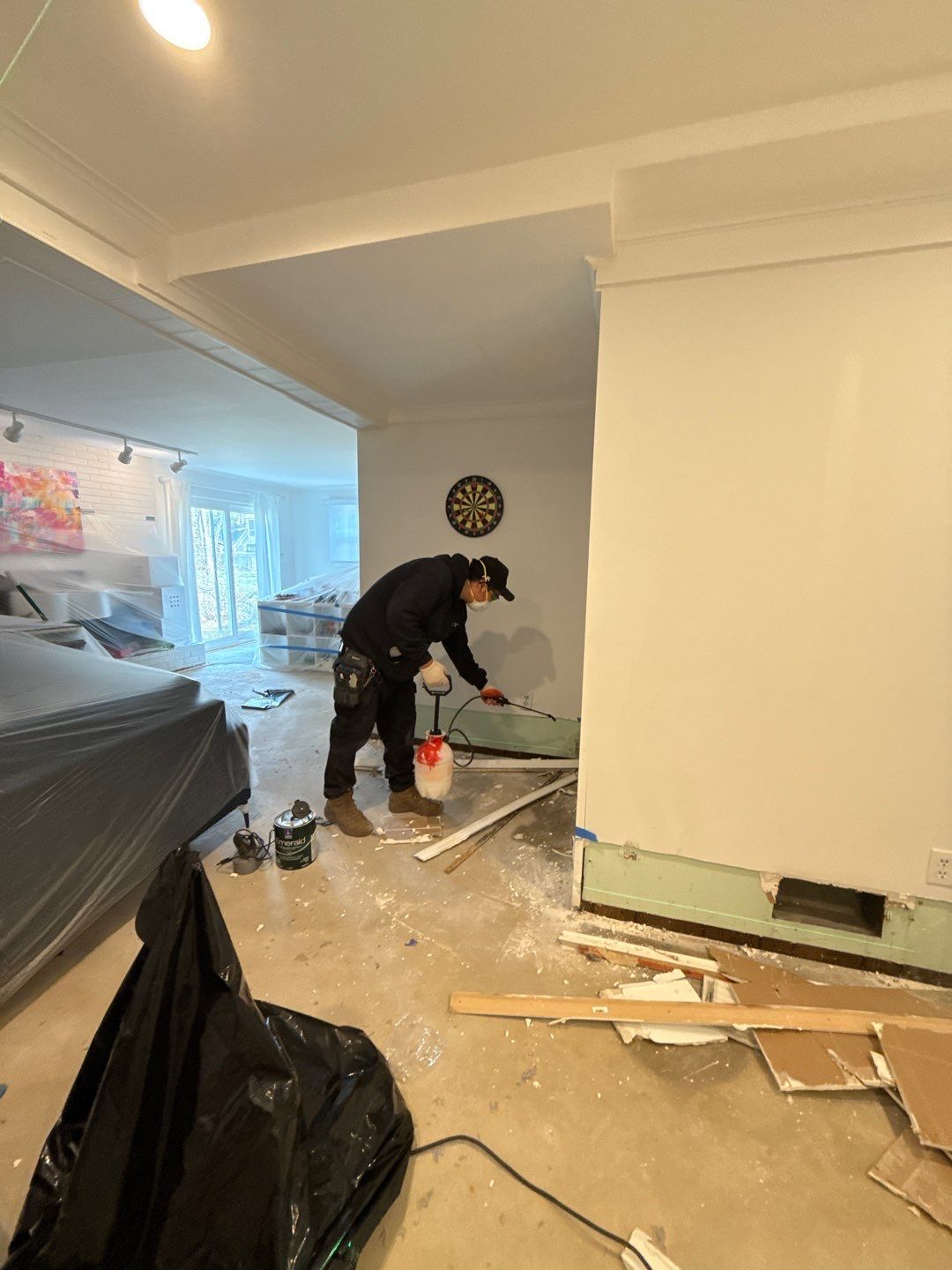
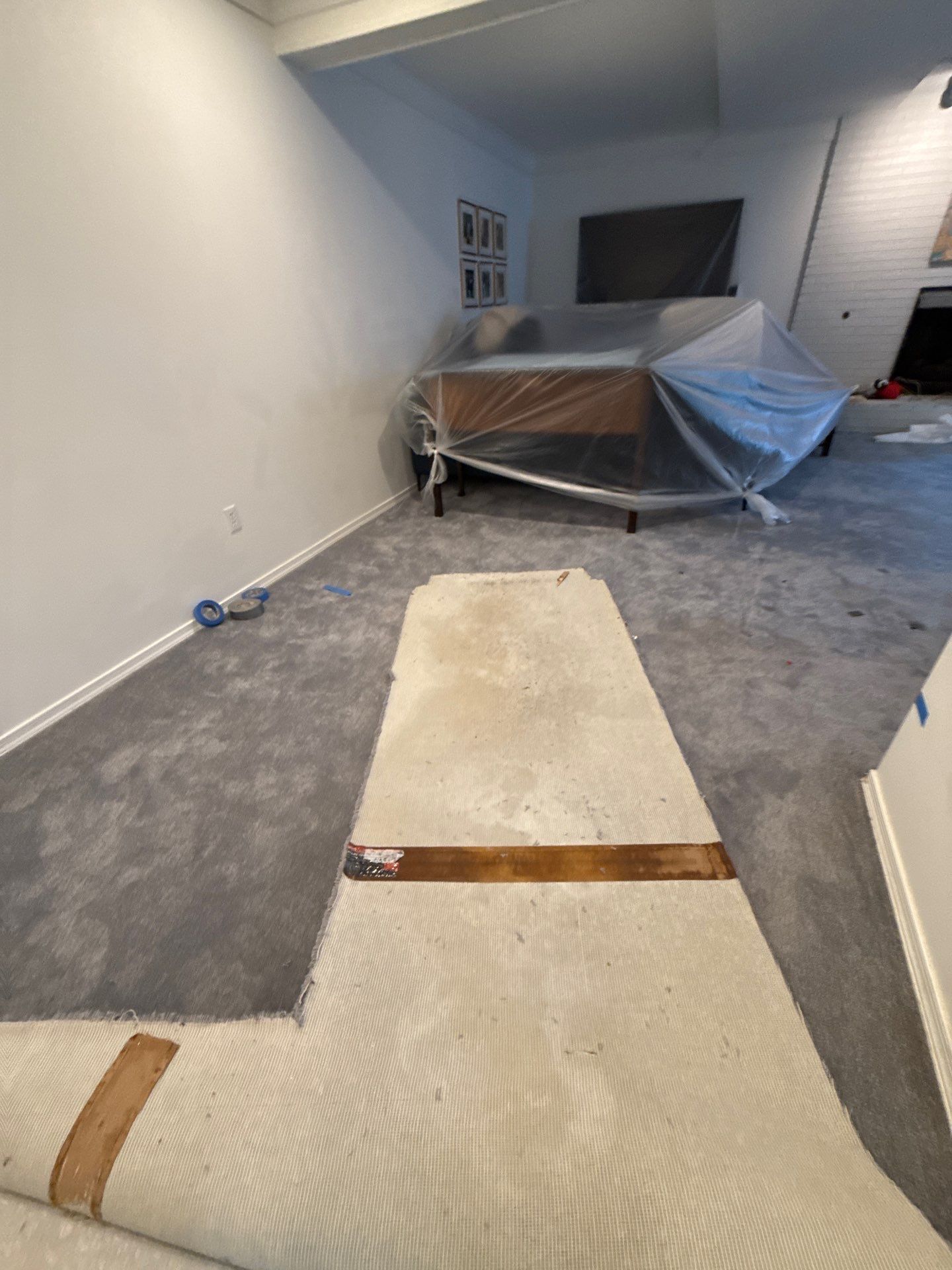
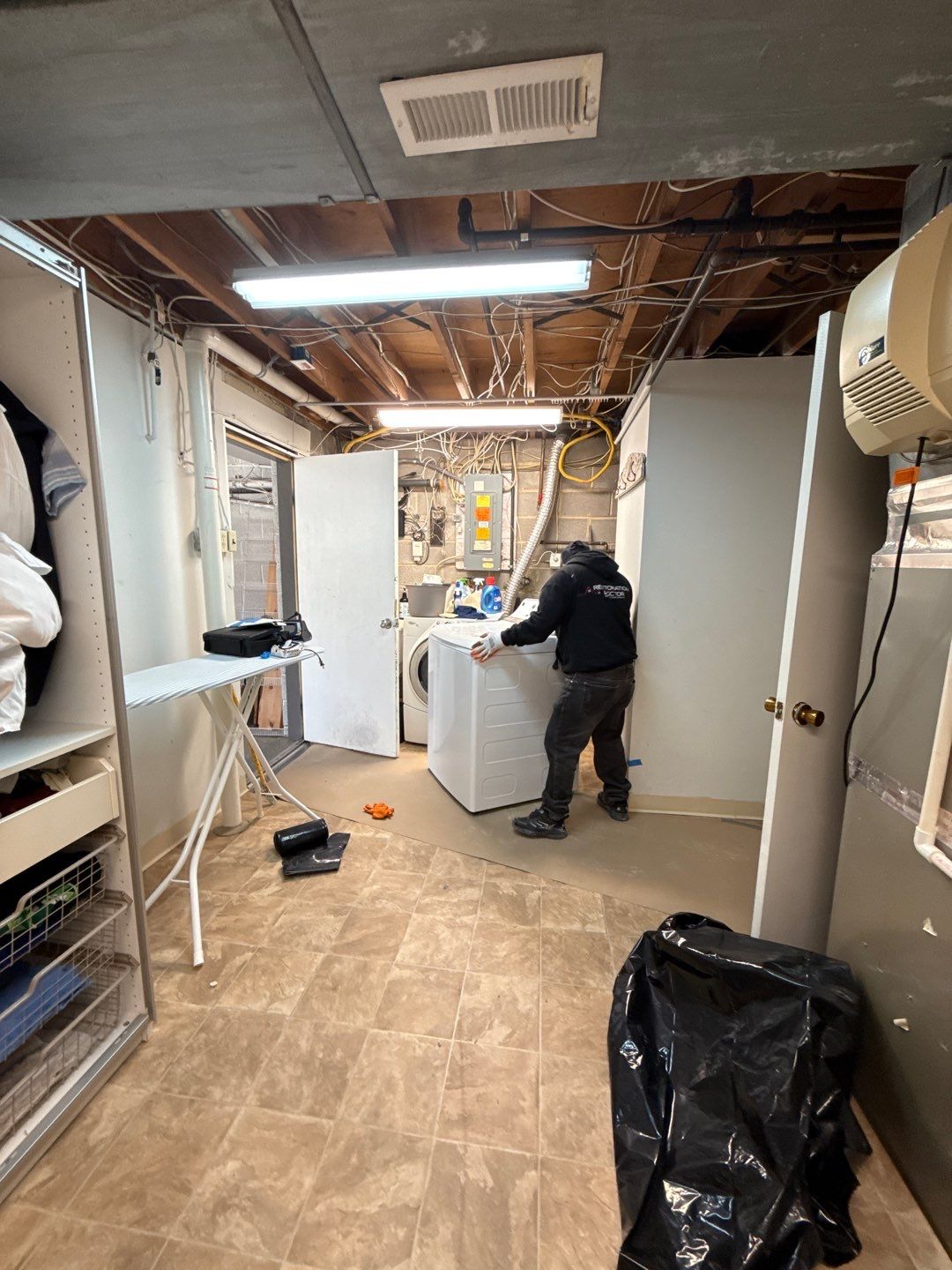
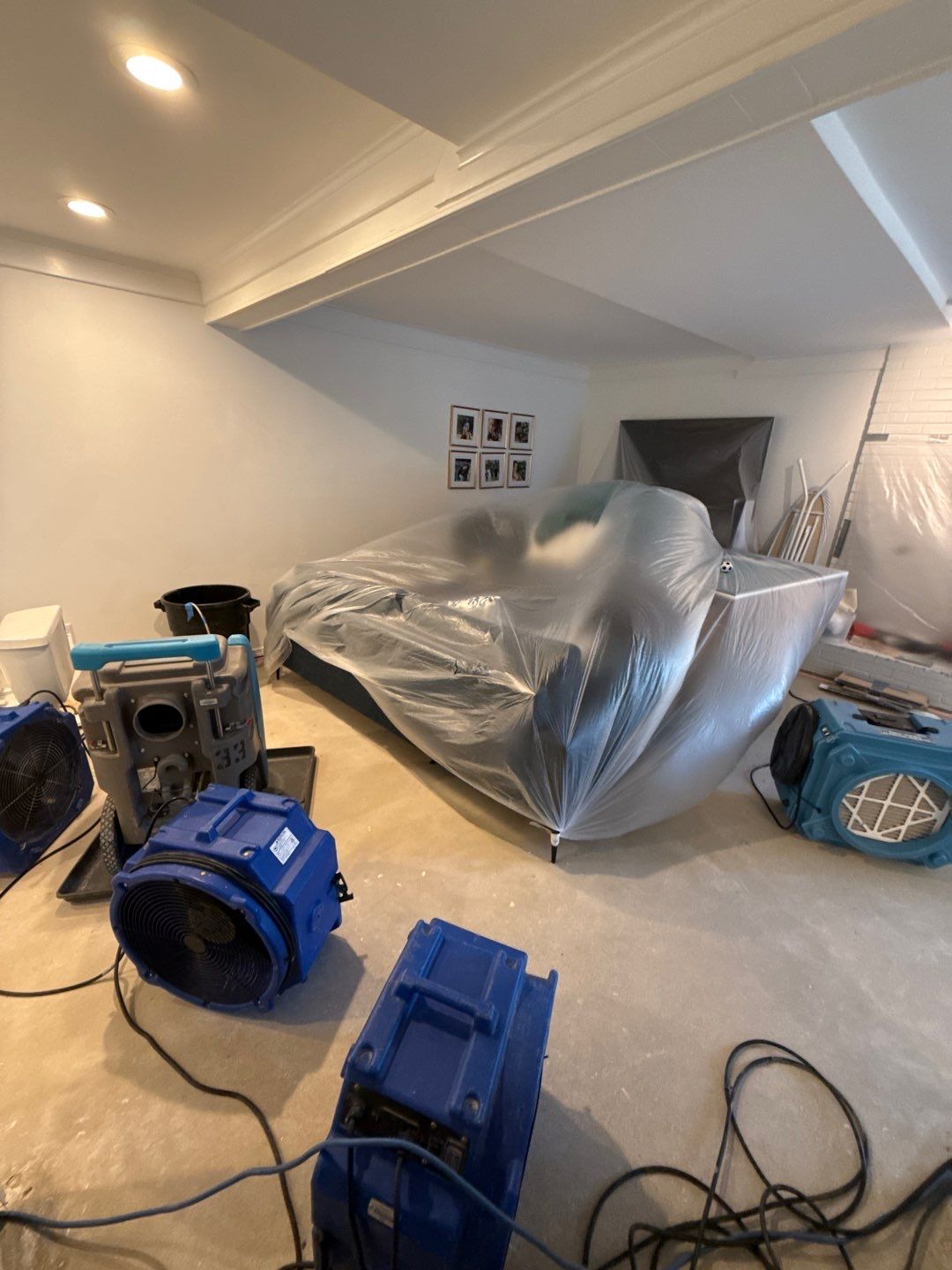
Our technicians began by carefully packing and relocating the homeowner's belongings to unaffected areas, establishing a clean workspace for the structural removals ahead. We cut away the damaged ceiling sections and baseboards to expose the full extent of moisture migration into wall cavities and framing, then deployed commercial air movers and dehumidifiers to pull residual moisture from those hidden planes. This drying phase followed IICRC S520 protocols, bringing materials back to equilibrium before any reconstruction could safely proceed.
Once moisture readings confirmed dry conditions, we applied EPA-registered antimicrobial treatments to all affected surfaces—both the exposed framing and the adjacent finished areas where airborne spores had likely settled. The homeowner noted in their review how thoroughly we worked to ensure no trace of the problem remained, and the combination of structural drying and comprehensive sanitization gave them confidence the space was safe for their family's return.
Reviews from Restoration Doctor customers
Exceptional service! They made the mold damage disappear like magic. Highly recommend!
Frequently asked questions
Why does mold follow water intrusion so often in McLean homes?
Fairfax County's hot, humid Mid-Atlantic summers create ideal conditions for mold colonization once building materials stay wet beyond a day or two. When water intrusion compromises ceilings, walls, or subfloors—common in McLean's mix of larger established homes and newer construction near the Beltway—hidden moisture in cavities can feed mold growth quickly if not dried properly. Restoration Doctor's structural drying and sanitizing process in this McLean home targeted those hidden moisture pockets to prevent that progression.
What does mold remediation actually involve when ceilings and baseboards are damaged?
In this McLean project, Restoration Doctor removed the water-damaged ceiling and baseboards to access wet framing and eliminate materials already colonized by mold. We then applied structural drying techniques to bring hidden moisture levels down, followed by sanitizers throughout the affected spaces to address residual contamination. The scope included both the physical removal of compromised materials and the environmental controls necessary to prevent regrowth during reconstruction.
How do you protect belongings during mold remediation and ceiling repair?
Before beginning demolition and drying work in this McLean home, Restoration Doctor carefully packed and protected the homeowner's belongings to shield them from dust, moisture, and cross-contamination. Contents in the affected areas were either relocated to unaffected rooms or covered with protective sheeting, depending on the scope of the ceiling and baseboard removal. That upfront protection allowed us to work efficiently without risking further damage to furnishings or personal items.
Can mold come back after remediation if the original water source isn't fixed?
Yes—mold remediation addresses the existing growth and contaminated materials, but if the water intrusion path remains open, new moisture will eventually recreate the same conditions. Restoration Doctor's process in McLean included structural drying to eliminate the moisture reservoir left by the intrusion, and we coordinate with homeowners to identify and repair the source (roof leak, plumbing failure, exterior grading issue) as part of a complete solution. Remediation without source correction is only a temporary fix.
Do winter freeze-thaw cycles in Fairfax County contribute to the kind of water intrusion that leads to mold?
Absolutely—freeze-thaw stress on aging supply lines is a common cause of sudden water intrusion in McLean and across Fairfax County, particularly in older homes where galvanized or early-generation plastic piping may already be weakened. When a pipe bursts and saturates ceilings or wall cavities, the hidden moisture creates the exact environment mold needs if drying isn't prompt and thorough. This McLean job followed that pattern: water intrusion led to concealed saturation, which we addressed with structural drying and sanitizing to prevent mold from taking hold during the repair phase.
Explore more restoration work
All projects in McLean · Mold Remediation in McLean
Water, fire, or mold damage in McLean?
Restoration Doctor responds 24/7 across McLean and Northern Virginia. Free assessment and transparent, insurance-friendly estimates — no obligation.
See our Mold Remediation services at restorationdoctors.com →