Water Tank Flood Remediation
About this mold remediation project
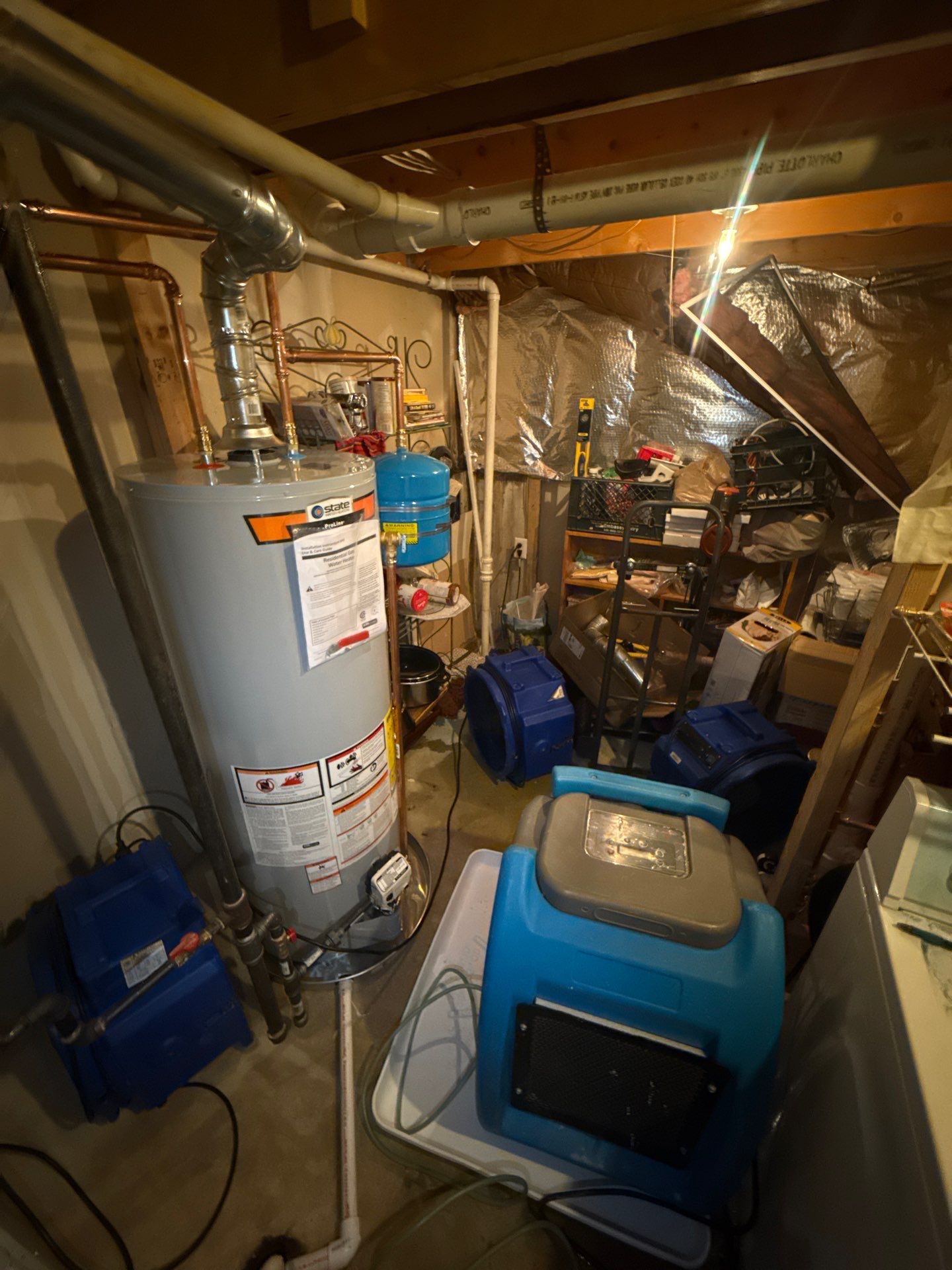
When a water tank failed in this Franconia residence—one of many single-family homes built across Fairfax County during the 1960s–1980s with original plumbing infrastructure now approaching end-of-service—the resulting flood spread through multiple rooms before the homeowner could isolate the supply line. The combination of standing water and the region's humid Mid-Atlantic summers created conditions that allowed secondary mold growth to establish in porous materials, turning a mechanical failure into a multi-phase remediation project.
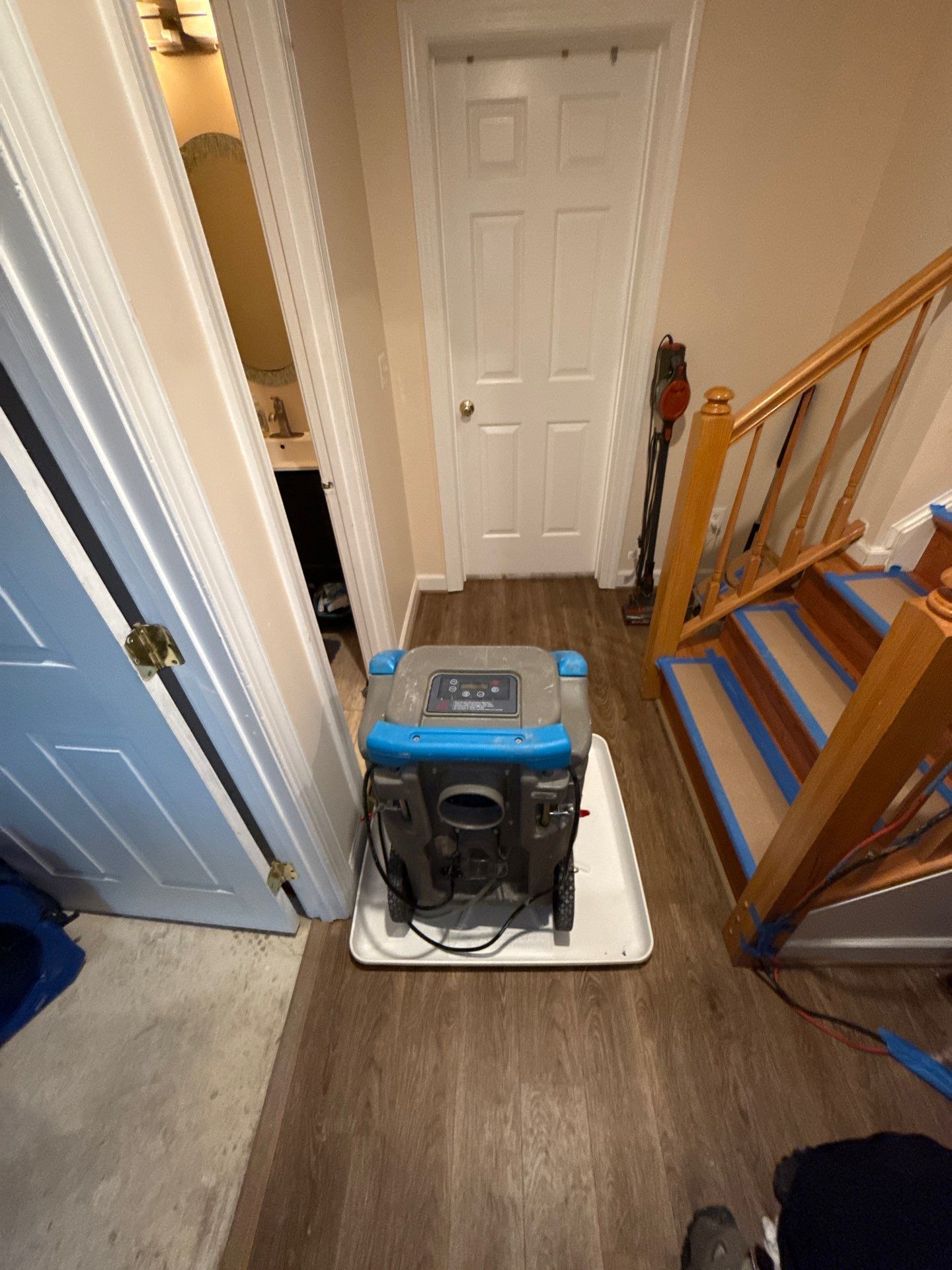
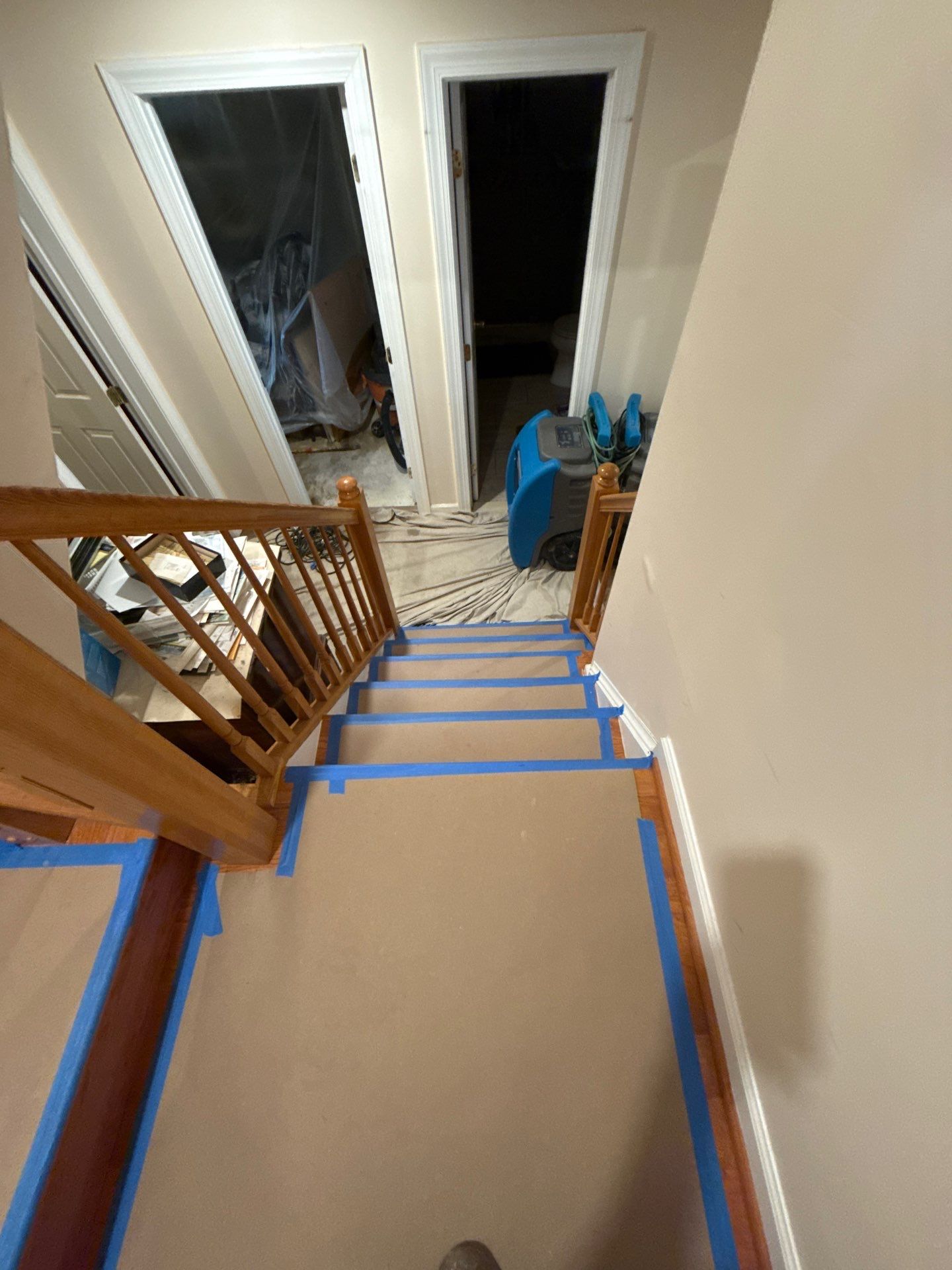
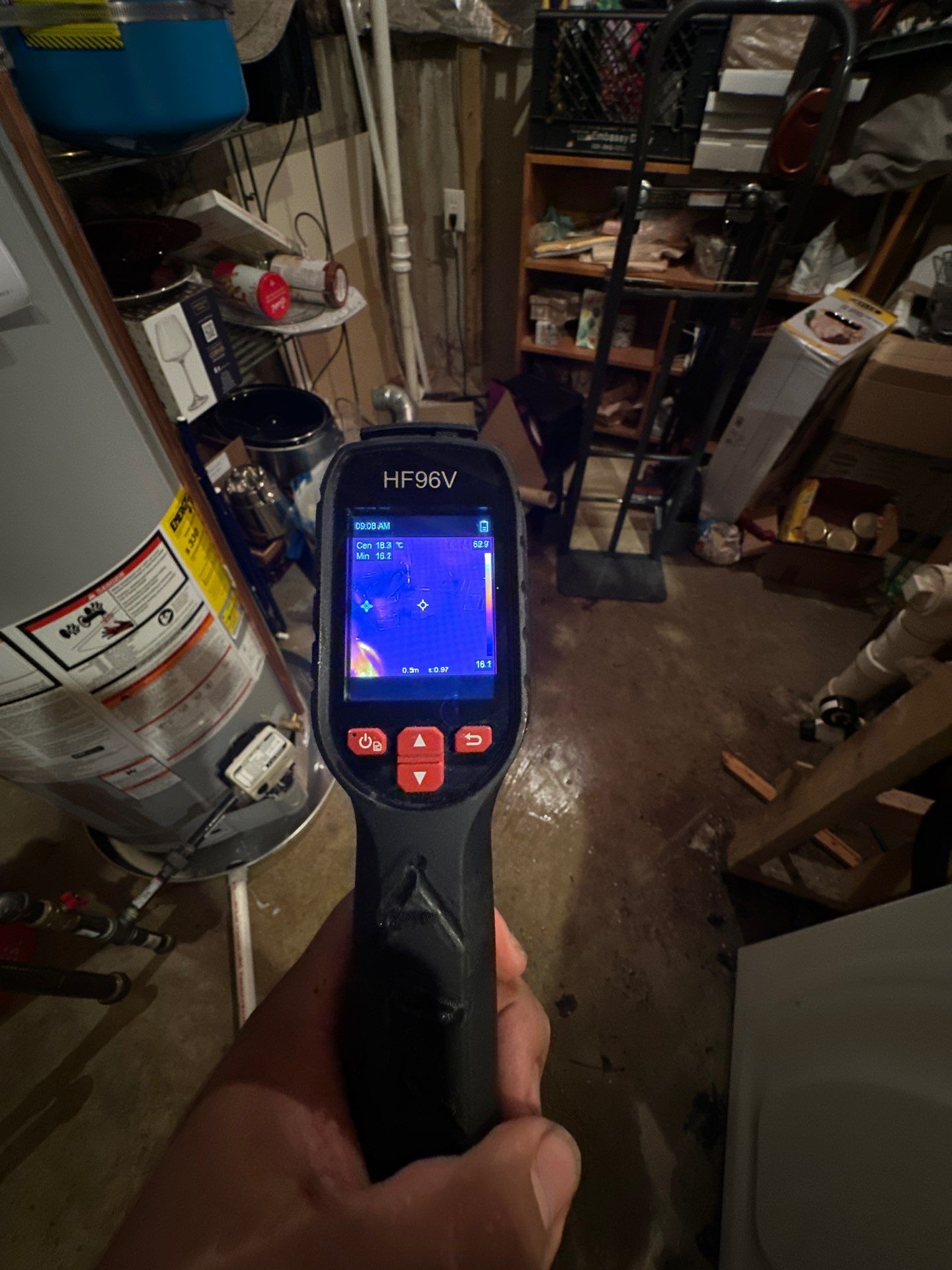
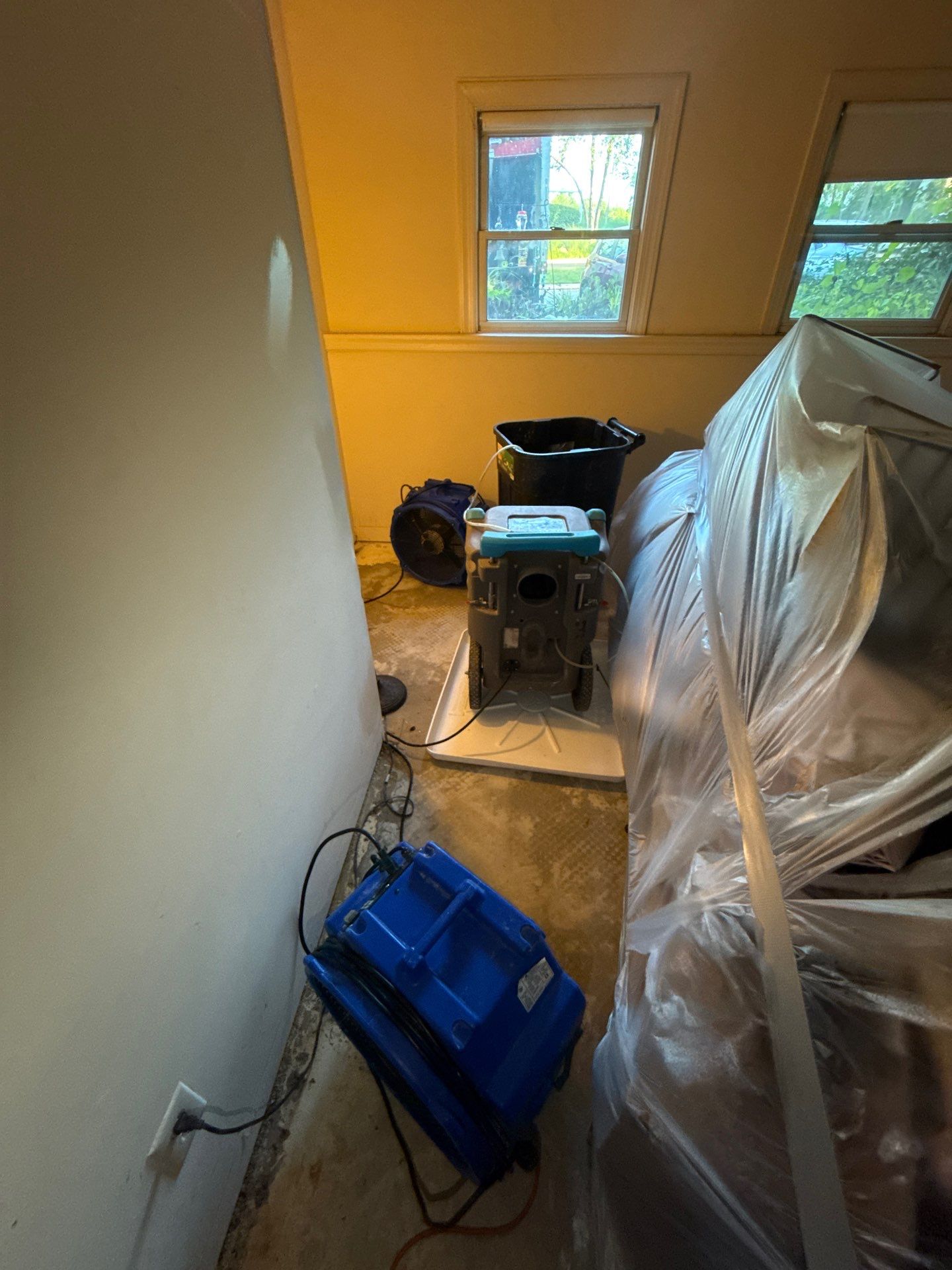
We began by extracting standing water and deploying commercial drying equipment throughout the affected areas. Floor matting was installed to promote airflow beneath saturated finishes and accelerate evaporation. Contents were relocated to protected zones of the home to prevent cross-contamination during the drying phase. Once moisture levels stabilized, we conducted a comprehensive inspection to map the extent of mold colonization, then executed containment and removal protocols consistent with IICRC S520 guidelines—removing compromised materials, treating affected surfaces with antimicrobial agents, and verifying clearance through post-remediation assessment.
The homeowner noted in their review the thoroughness of the process and the care taken with their belongings throughout the multi-day effort. The residence was returned to a dry, safe condition with no residual moisture or viable mold present at project completion.
Reviews from Restoration Doctor customers
I highly recommend them. We had water damage in our room's bathroom and they quickly took care of the problem. We also had water damage and asbestos tiles in our basement and they took care of everything. I cannot thank them enough for their work at our house. ++++
Frequently asked questions
How does a malfunctioning water tank lead to mold growth in Franconia homes?
When a water tank fails in Fairfax County's humid climate, standing water saturates building materials and creates ideal conditions for mold colonization within 24 to 48 hours. Restoration Doctor responded to this Franconia residence by deploying structural drying equipment immediately after the tank failure, extracting moisture from affected areas before mold could establish. The hot, humid Mid-Atlantic summers common to this region accelerate biological growth, making rapid water removal and thorough drying critical to preventing secondary mold damage in these 1960s–1980s homes.
What does contents protection involve during a water damage restoration in Franconia?
At this Franconia job, Restoration Doctor protected the homeowner's belongings by relocating unaffected items away from wet zones and covering furnishings that could not be moved. Contents protection prevents cross-contamination during the drying process and reduces the homeowner's total loss. In established Fairfax County neighborhoods where homes contain decades of accumulated possessions, safeguarding contents is often as important as drying the structure itself.
Why was floor matting installed during this water damage restoration?
Restoration Doctor installed specialized matting over the wet flooring and carpet in this Franconia home to create airflow channels beneath the surface, accelerating moisture removal from the subfloor and padding. This technique allows drying equipment to pull trapped water vapor from materials that would otherwise dry slowly or incompletely. The matting also protects the flooring surface from foot traffic during the multi-day drying process, which is especially important in older homes where original finishes may be difficult to replace.
How long does structural drying typically take after a water tank failure?
Drying timelines depend on the volume of water released, the materials affected, and ambient humidity levels, but most structural drying projects in Fairfax County require three to five days of continuous dehumidification and air movement. Restoration Doctor monitored moisture levels throughout this Franconia restoration to confirm all affected materials returned to dry standard before removing equipment. The region's summer humidity can extend drying times if outdoor air is not properly conditioned, so controlled drying with commercial dehumidifiers is standard practice.
What areas of a home are most vulnerable to mold after water intrusion in Franconia?
In this Franconia restoration, Restoration Doctor inspected wall cavities, subfloors, and any enclosed spaces where water migrated from the failed tank, as these areas retain moisture longest and are hidden from view. Homes built in the 1960s through 1980s in Fairfax County often have limited vapor barriers and older insulation that wicks water, creating pockets where mold can develop unnoticed. Comprehensive moisture mapping and targeted drying of these concealed areas prevent long-term mold problems that surface only after the visible damage appears resolved.
Explore more restoration work
All projects in Franconia · Mold Remediation in Franconia
Water, fire, or mold damage in Franconia?
Restoration Doctor responds 24/7 across Franconia and Northern Virginia. Free assessment and transparent, insurance-friendly estimates — no obligation.
See our Mold Remediation services at restorationdoctors.com →