Effective Moisture Control: Restoring Home After a Water Leak
About this mold remediation project
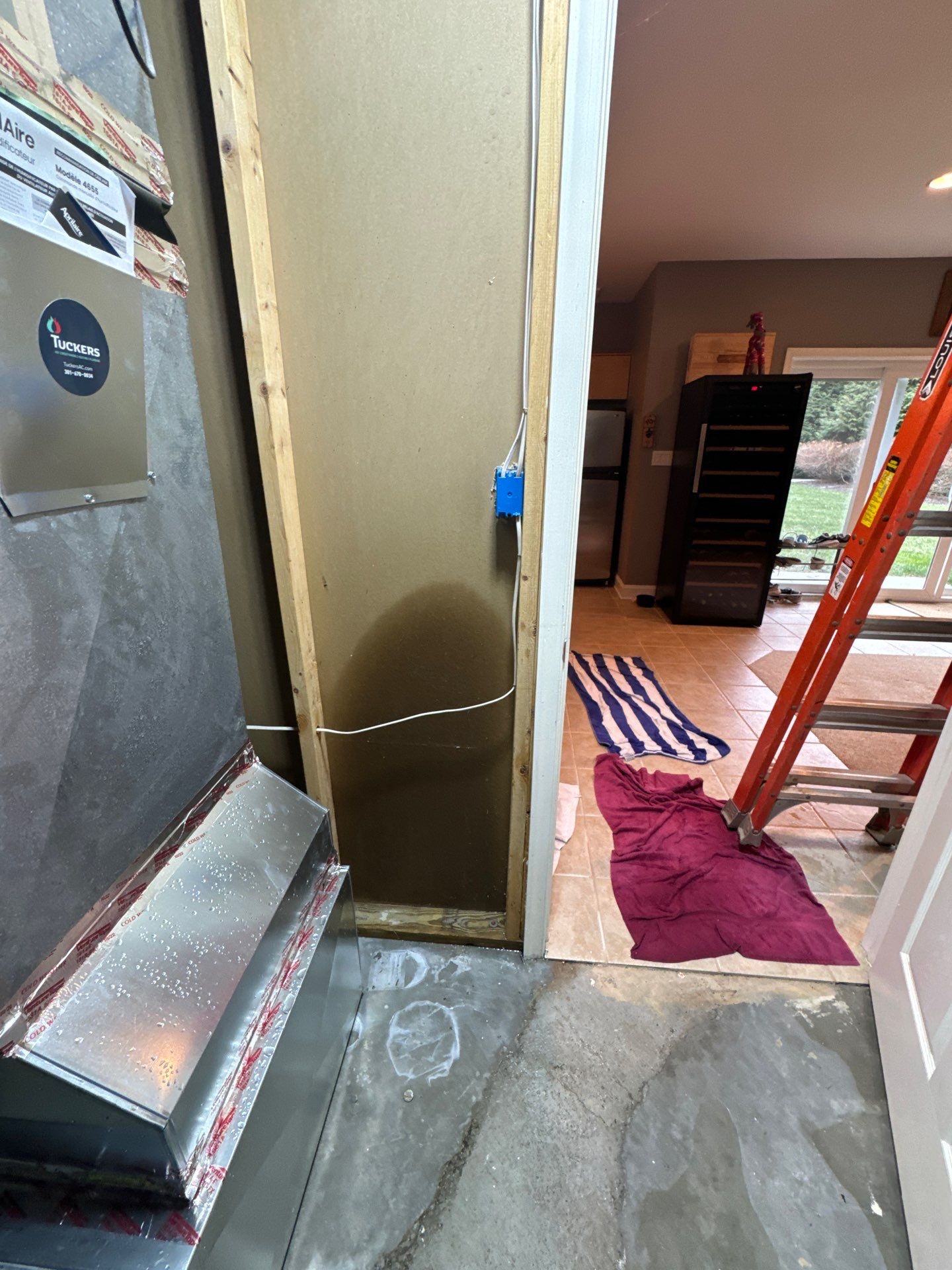
A water leak in this Darnestown home moved quickly from a plumbing failure to a mold and moisture problem—a common sequence in the Mid-Atlantic's humid summers, where elevated indoor moisture finds receptive conditions in the region's established single-family housing stock. The homeowner called once ceiling damage became visible and the scope expanded beyond the initial intrusion point.
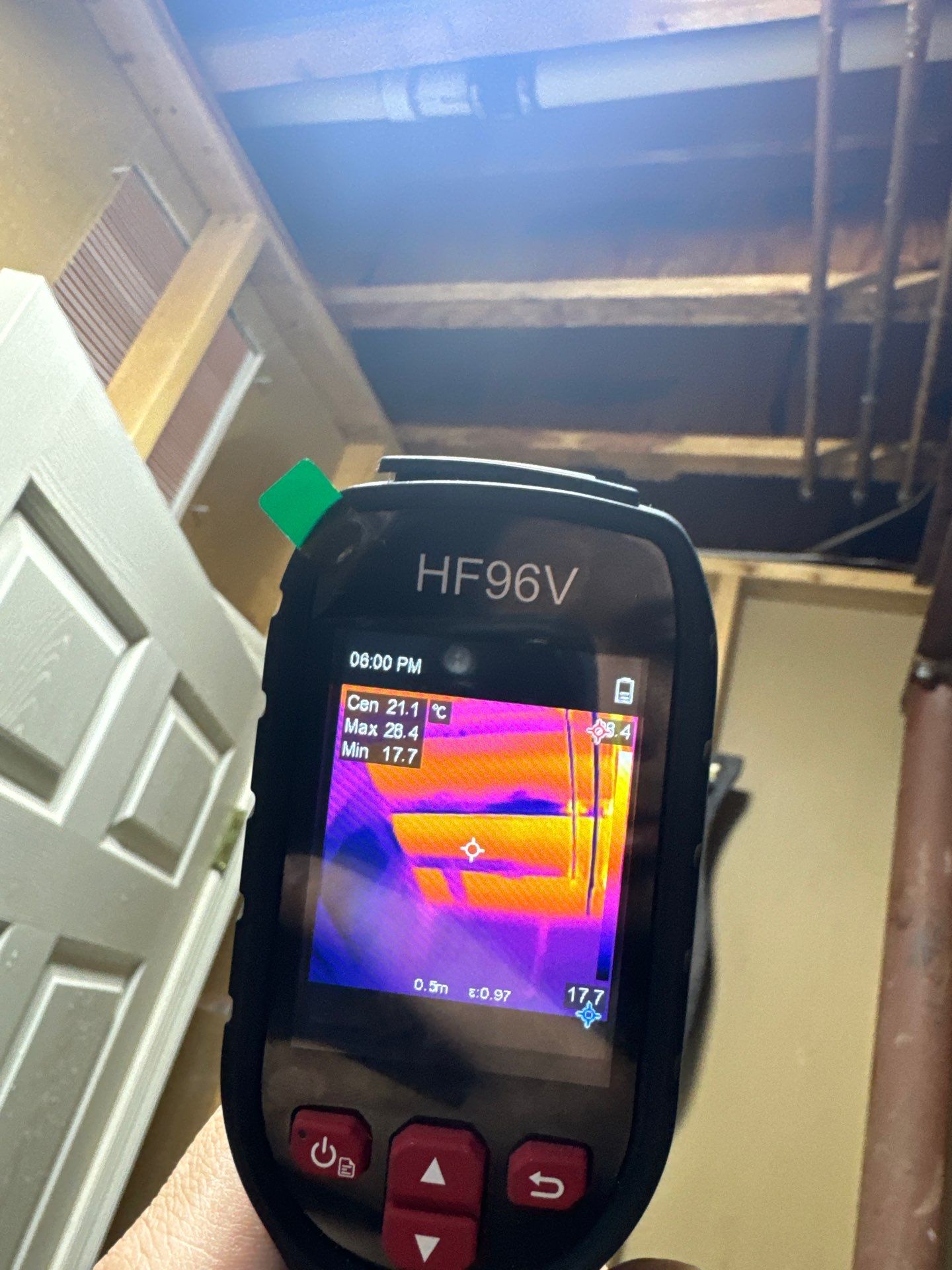
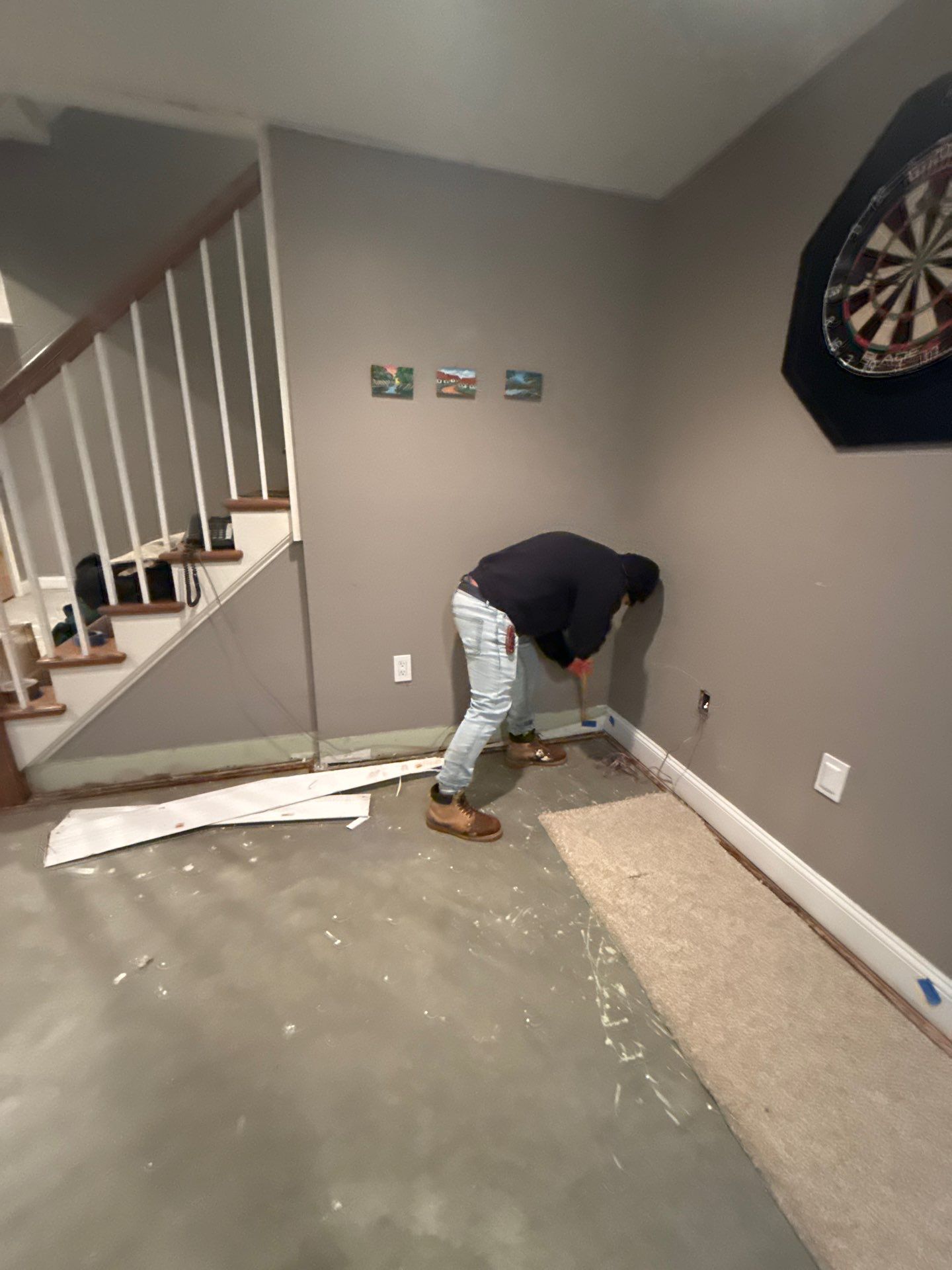
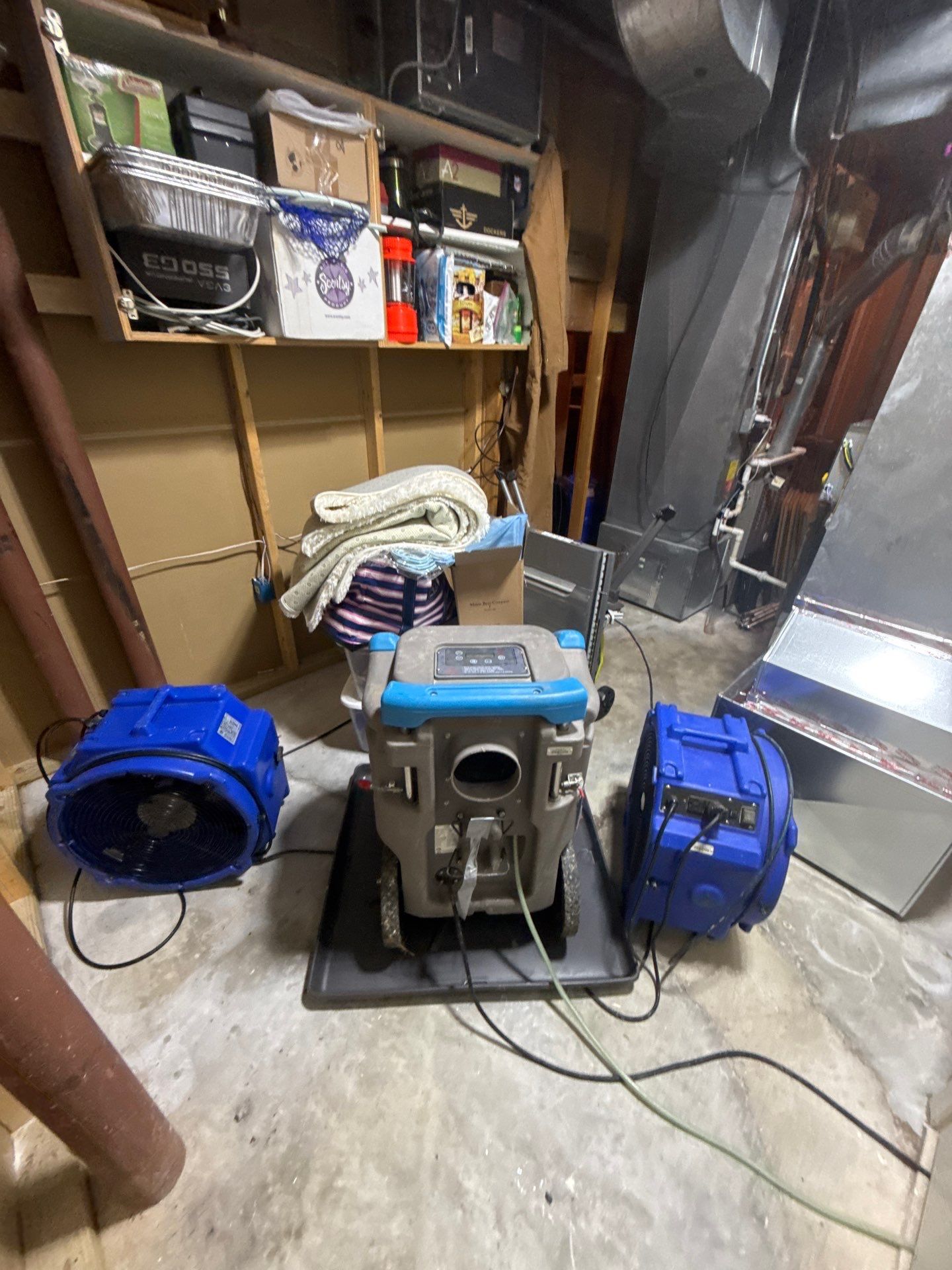
We began by removing the compromised ceiling sections and other affected materials where water had wicked through. With the damaged substrate out, we placed drying equipment to pull residual moisture from the framing and adjacent cavities—targeting the elevated humidity that feeds mold colonization. The work followed IICRC S520 protocols for controlled removal and drying, ensuring spores were not spread during tear-out and that conditions hostile to regrowth were established before reconstruction could begin.
Thorough moisture mapping confirmed the structure had returned to normal equilibrium. The homeowner's review reflected relief that the problem was addressed completely rather than patched over—a critical distinction in mold remediation, where incomplete drying invites recurrence. The project restored the affected areas to a clean, dry baseline ready for finish work.
Frequently asked questions
How does Restoration Doctor handle mold remediation after a ceiling water leak in Darnestown?
When mold follows water intrusion in Darnestown homes, Restoration Doctor removes affected ceiling materials and structural components, then deploys drying equipment to eliminate residual moisture that feeds mold growth. Our IICRC-certified technicians establish containment and negative air pressure where needed to prevent cross-contamination during the remediation process. The work follows IICRC S520 mold remediation protocols to address both visible colonization and underlying moisture conditions in Montgomery County's humid climate.
Why is structural drying important after mold is discovered in a Montgomery County home?
Mold remediation in Montgomery County requires more than removing visible growth — the building materials that absorbed water during the original intrusion must be dried to stable moisture levels, or mold will return. Restoration Doctor uses commercial dehumidifiers and air movers to bring framing, subfloor, and wall cavities back to dry standard, verified with moisture meters. This step is especially critical in western Montgomery's larger-lot homes, where crawlspaces and less-accessible areas can harbor hidden moisture reservoirs.
What causes mold to develop after a water leak in Darnestown's climate?
In Darnestown and the broader Mid-Atlantic region, heavy rain events and high summer humidity create ideal conditions for mold colonization once water intrusion occurs. Porous materials like drywall and insulation that remain wet for more than a couple of days provide the moisture and organic substrate mold spores need to establish. Restoration Doctor's approach targets both the mold itself and the moisture source, ensuring the environment no longer supports regrowth after remediation is complete.
Does homeowners insurance typically cover mold remediation in Maryland?
Coverage for mold remediation in Maryland depends on whether the mold resulted from a sudden, accidental water event like a burst pipe or roof leak — those are often covered as part of the underlying water-damage claim. Mold from long-term neglect or maintenance issues is typically excluded. Restoration Doctor works directly with adjusters and provides detailed documentation of the water intrusion timeline and remediation scope to support claims in Montgomery County and throughout the region.
How long does it take to dry out a home after ceiling water damage and mold removal?
Drying timelines after ceiling water damage and mold removal vary with the extent of saturation, the materials affected, and ambient humidity — in a typical Darnestown job, structural drying runs three to seven days with equipment in place and daily moisture monitoring. Restoration Doctor does not remove drying equipment until moisture readings confirm materials have returned to dry standard. Rushing this phase risks trapped moisture and mold recurrence, so we verify completion with calibrated meters rather than arbitrary timelines.
Explore more restoration work
Water, fire, or mold damage in Darnestown?
Restoration Doctor responds 24/7 across Darnestown and Northern Virginia. Free assessment and transparent, insurance-friendly estimates — no obligation.
See our Mold Remediation services at restorationdoctors.com →