Mold Remediation and Moisture Control
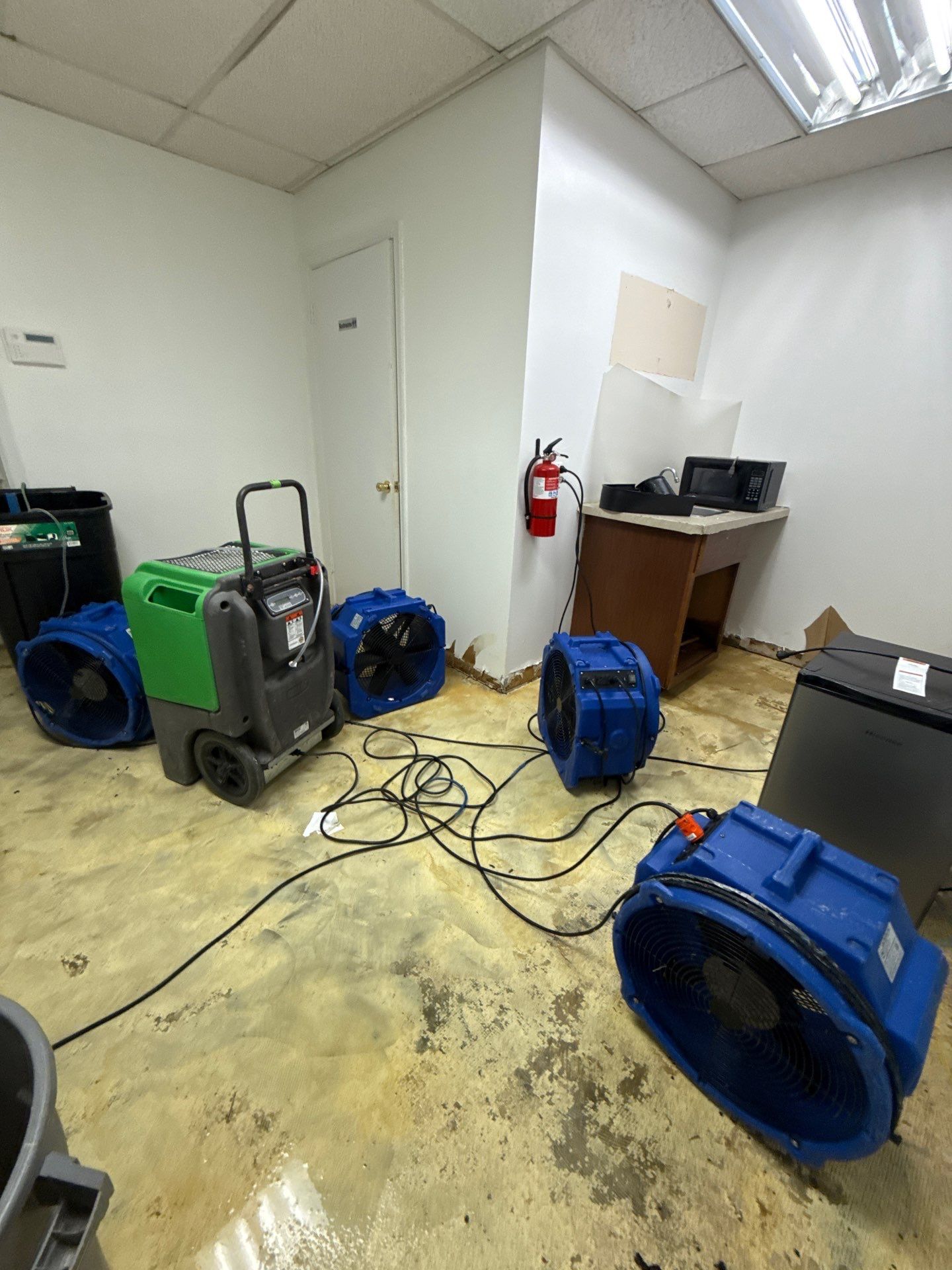
About this mold remediation project
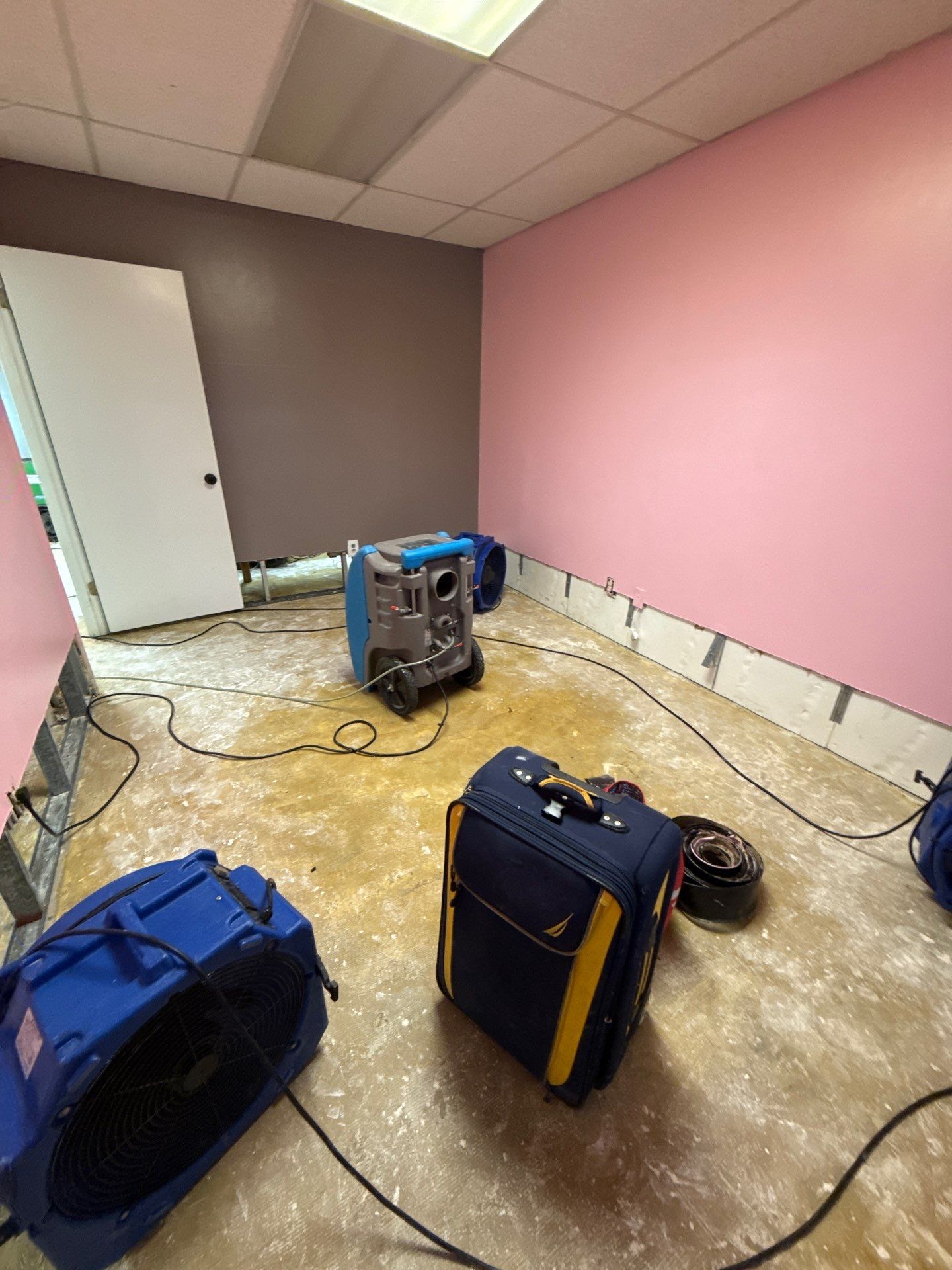
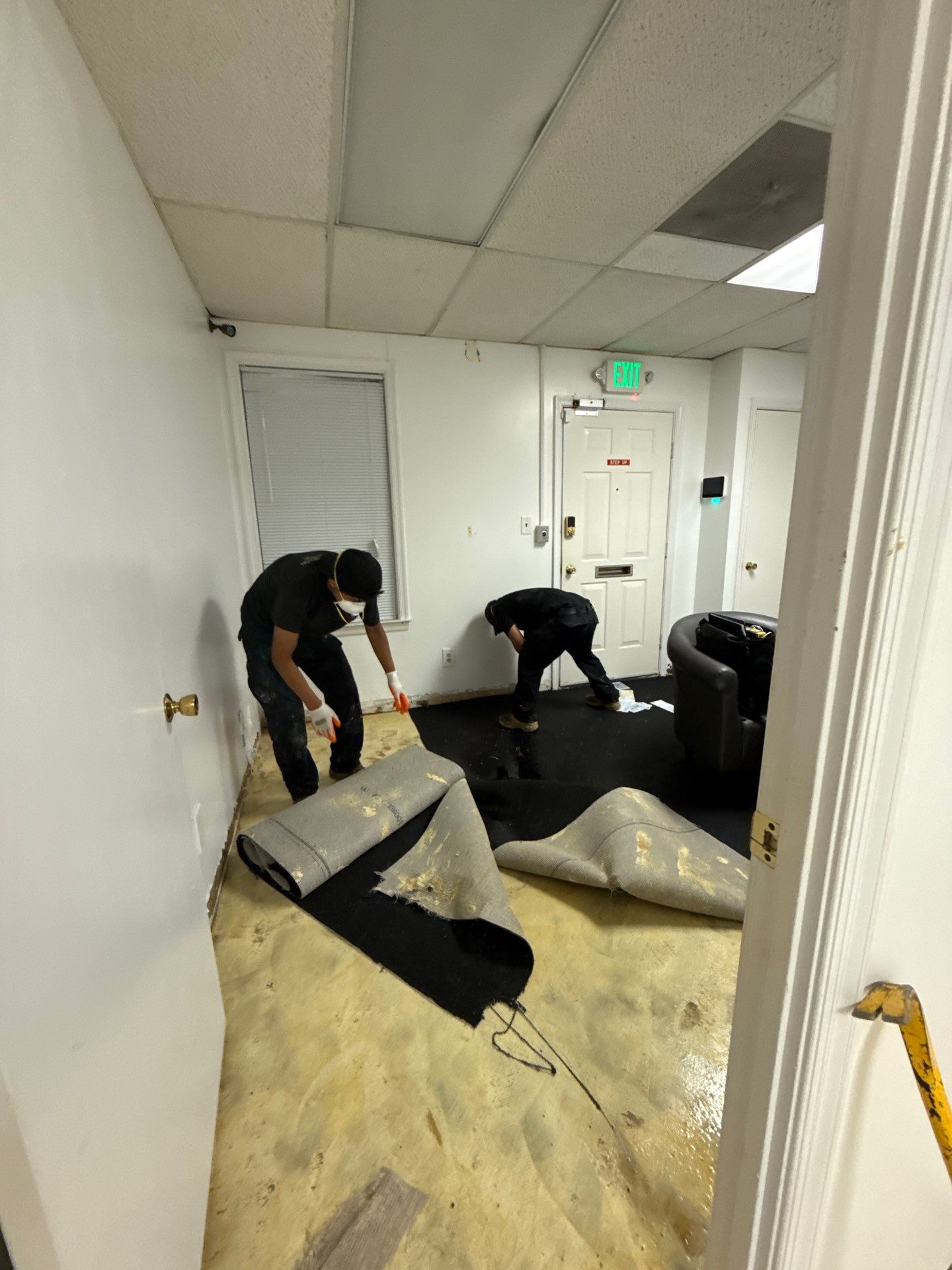
When mold emerged following water intrusion in a Clinton home, the discovery underscored a common risk in the Mid-Atlantic's humid climate—one that can take hold quickly in the region's typical mix of established single-family neighborhoods and newer subdivisions once moisture goes unchecked. Our first step was removing the compromised carpet, the primary reservoir for both residual water and active mold colonization.
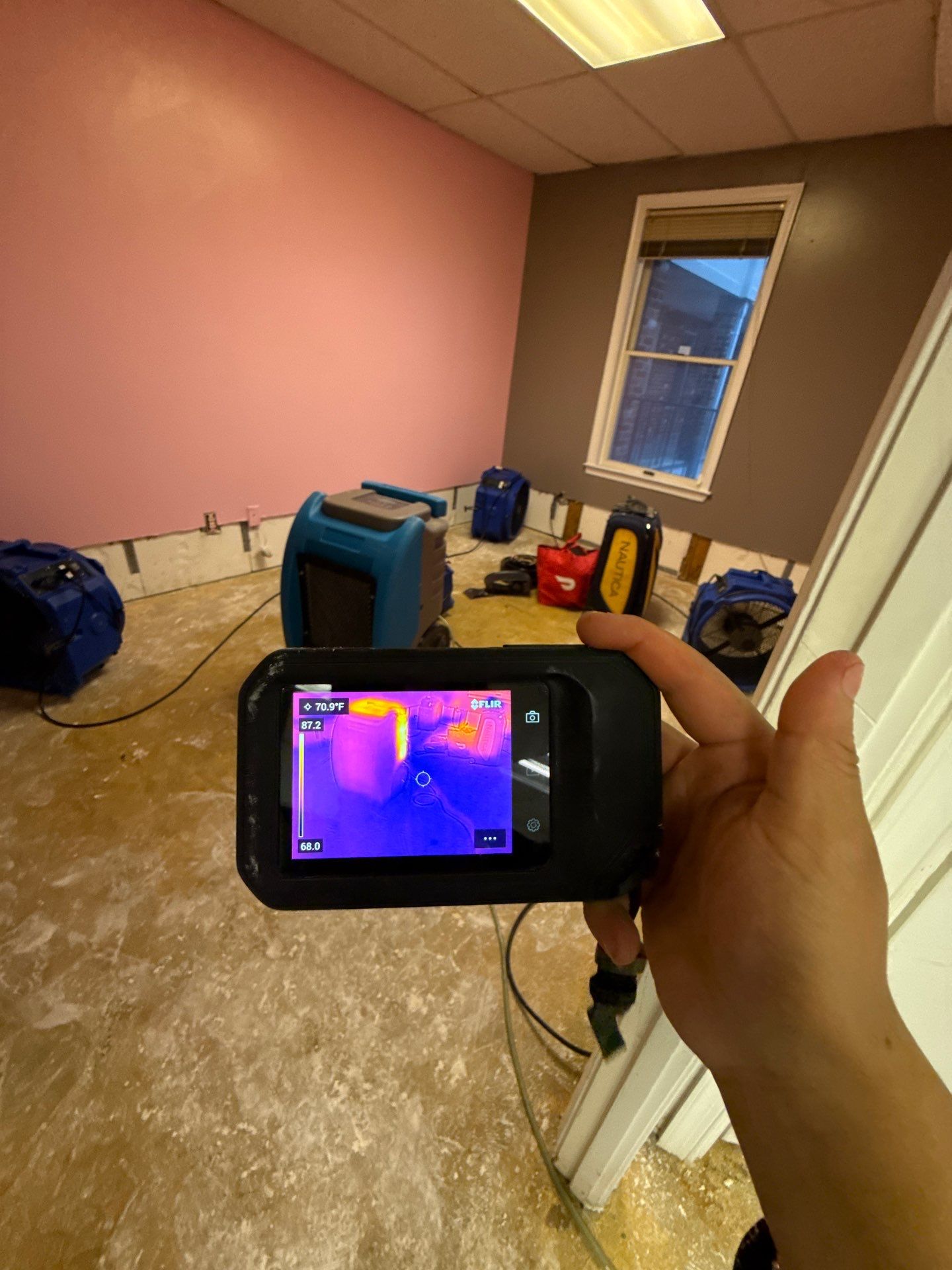
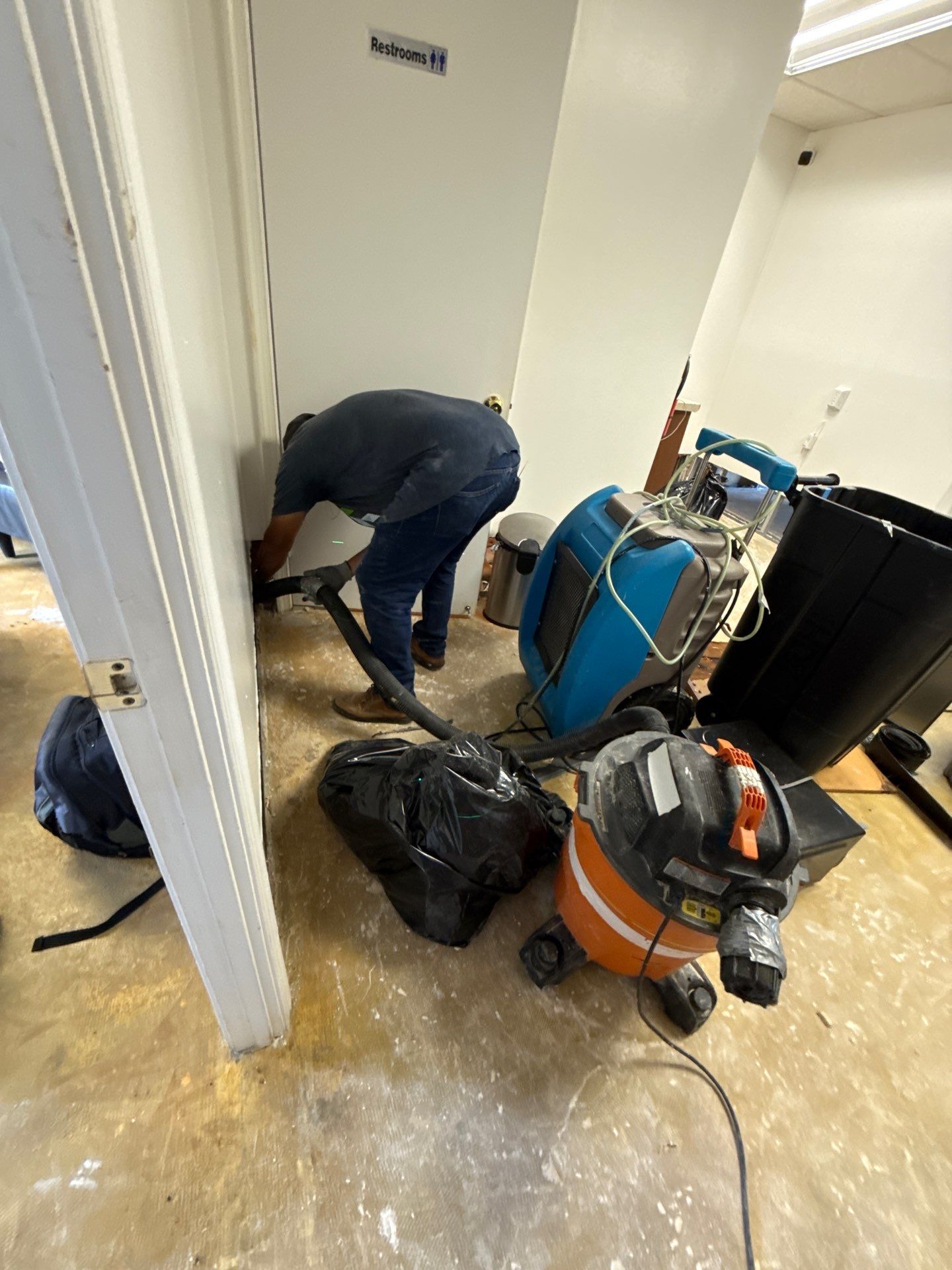
We deployed air movers and a dehumidifier to accelerate structural drying, covered the homeowner's belongings with plastic sheeting for protection, and used thermal imaging to track moisture migration through adjacent building materials. Once drying targets were met, we sanitized all affected surfaces with an antimicrobial treatment in accordance with IICRC S520 guidelines, disrupting the conditions that support regrowth.
The homeowner expressed satisfaction with both the thoroughness of the work and the care taken to protect their possessions throughout the process. By addressing the moisture source and the biological contamination in sequence, the remediation restored safe indoor air quality without requiring invasive reconstruction.
Frequently asked questions
Why did Restoration Doctor use thermal imaging during the mold remediation in Clinton?
Thermal imaging allowed Restoration Doctor to identify hidden moisture pockets behind surfaces that visual inspection alone would miss. In Prince George's County homes built in the 1970s–1990s, water intrusion often migrates through wall cavities and subfloor spaces before surfacing as visible mold. By mapping temperature differentials, our technicians pinpointed all affected structural areas to ensure complete drying and prevent recurrence.
How does carpet removal fit into mold remediation after water damage?
When mold colonizes carpet and padding following water intrusion, the porous materials cannot be effectively cleaned and must be removed to eliminate the contamination source. Restoration Doctor extracted the affected carpet in this Clinton home, then dried and sanitized the subfloor to IICRC S520 standards. Leaving compromised flooring in place would have allowed spores to persist and spread throughout the indoor environment.
What role does humidity control play in mold remediation in Prince George's County?
Hot, humid Mid-Atlantic summers create ideal conditions for mold growth once water intrusion occurs, making rapid moisture reduction critical. Restoration Doctor deployed structural drying equipment and monitored humidity levels throughout this Clinton remediation to bring materials below the moisture content that supports fungal colonization. Controlling indoor humidity prevents new growth while sanitizing addresses existing contamination.
How did Restoration Doctor protect belongings during the mold remediation process?
Our technicians covered the homeowner's belongings with plastic sheeting to prevent cross-contamination from airborne spores disturbed during carpet removal and cleaning. This containment step is standard practice in occupied homes undergoing mold remediation, allowing Restoration Doctor to work safely around furnishings while protecting indoor air quality. Once sanitizing was complete, protected items remained unaffected by the remediation work.
Is mold remediation in Clinton typically covered by homeowners insurance?
Coverage depends on whether the mold resulted from a sudden, accidental water event—such as a pipe burst or appliance failure—rather than long-term neglect or maintenance issues. Restoration Doctor works directly with insurance adjusters serving Prince George's County to document the water intrusion cause and scope of remediation. Homeowners should review their specific policy language, as mold endorsements and coverage limits vary widely among carriers.
Explore more restoration work
Water, fire, or mold damage in Clinton?
Restoration Doctor responds 24/7 across Clinton and Northern Virginia. Free assessment and transparent, insurance-friendly estimates — no obligation.
See our Mold Remediation services at restorationdoctors.com →