Preventing Mold Growth Through Targeted Remediation
About this mold remediation project
Moisture issues in established Montgomery County homes often require more than surface-level fixes, particularly in Chevy Chase's older single-family neighborhoods where winter freeze-thaw cycles can compromise plumbing and building envelopes over time. This project began after water intrusion created conditions favorable to mold growth, prompting the homeowner to request an assessment.
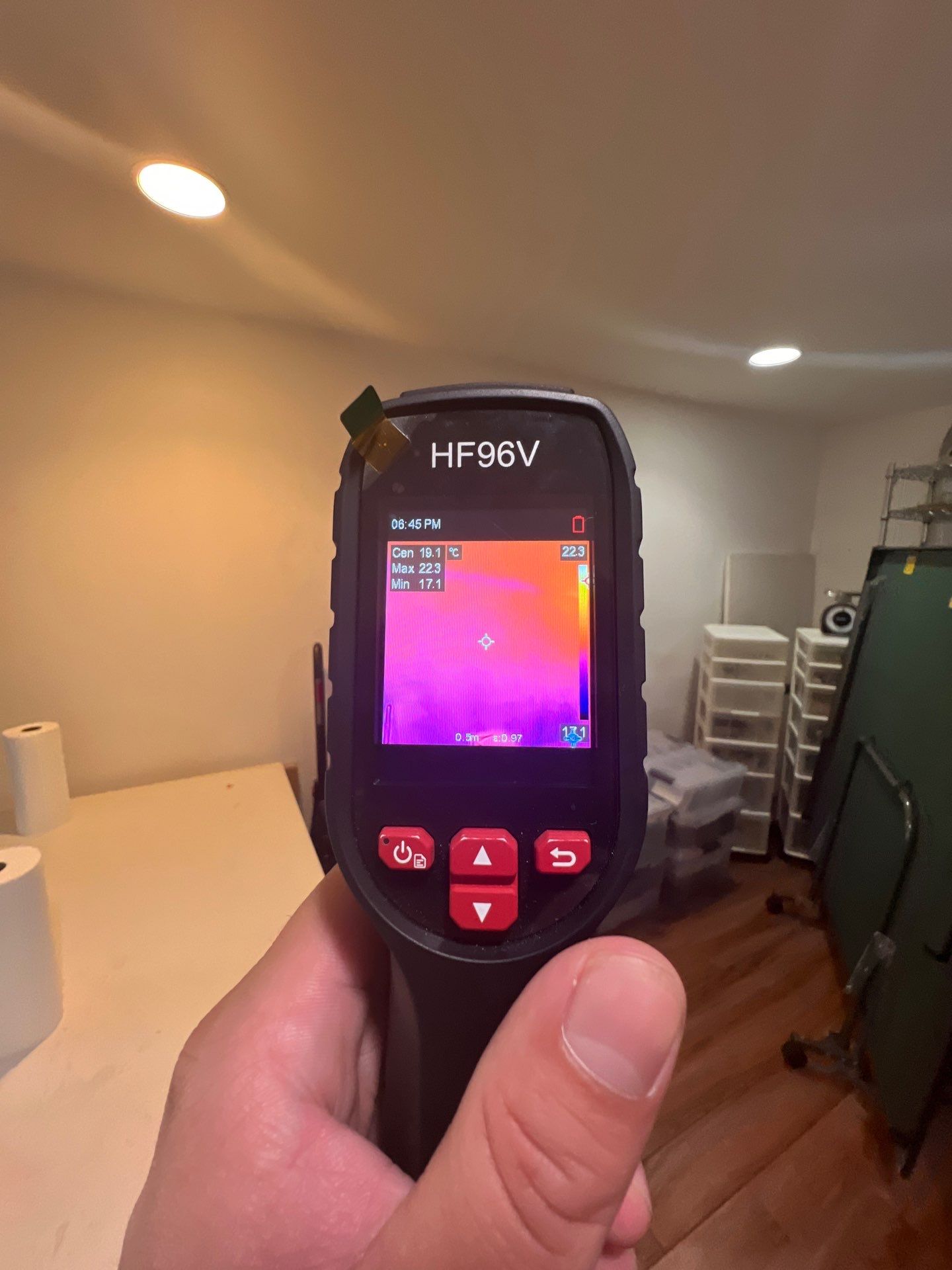
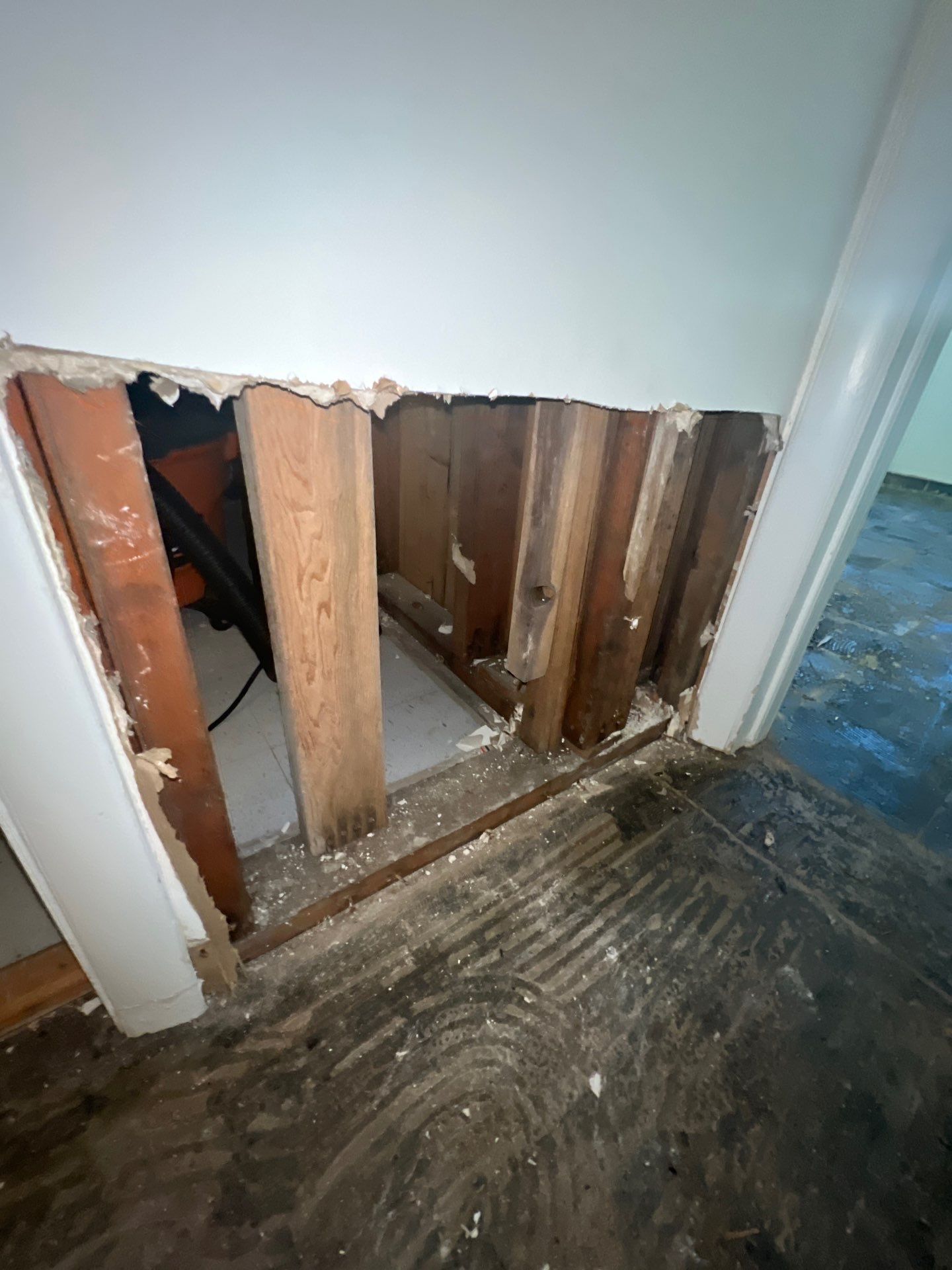
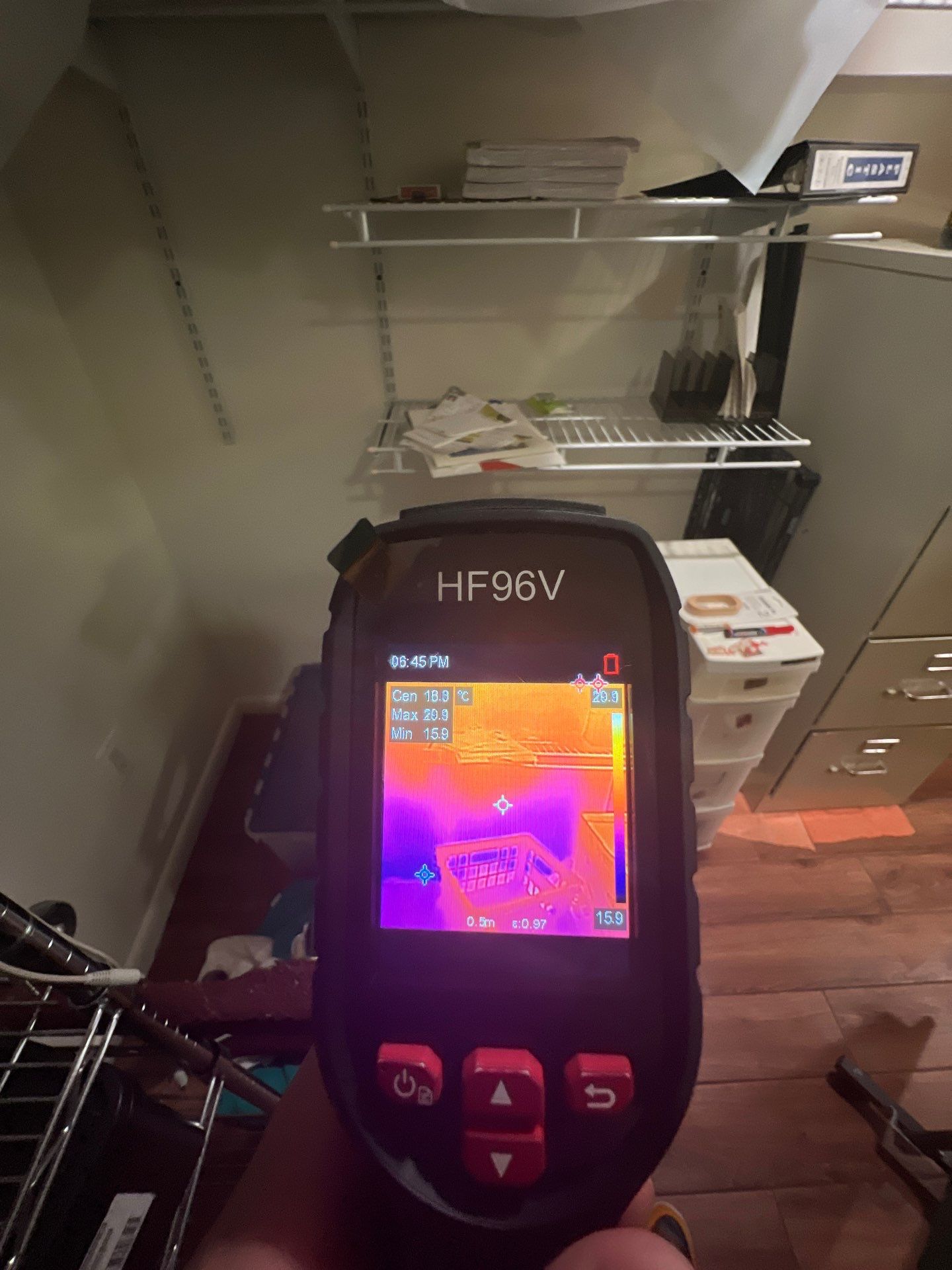
We deployed thermal imaging to map moisture distribution within the affected areas—a diagnostic step that revealed the full extent of material saturation behind visible surfaces. The scan guided our removal of compromised drywall and baseboards, ensuring we extracted all materials that had absorbed enough moisture to support microbial activity. Our approach aligned with IICRC S520 mold remediation protocols, which emphasize complete removal of affected porous materials rather than attempted cleaning.
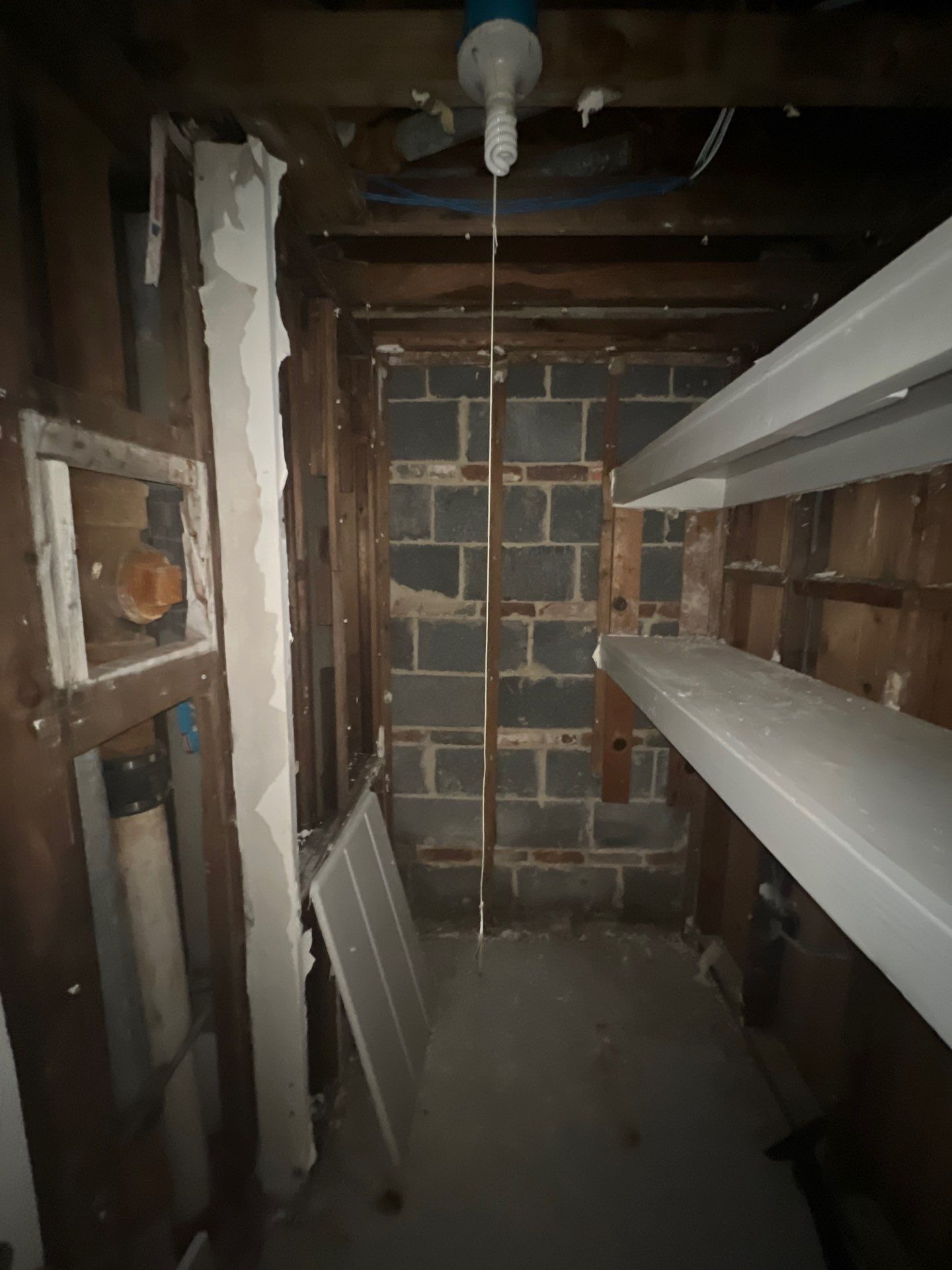
Once demolition was complete, we sanitized all remaining structural surfaces to address residual contamination and prevent recurrence. The homeowner expressed satisfaction with both the thoroughness of the work and the clarity of our process, noting that the targeted scope addressed the problem without unnecessary disruption to unaffected areas of the home.
Reviews from Restoration Doctor customers
I had bad water damage in my bathroom and I called them to come and look at it. They did an amazing job. They were very well priced. Very kind and easy to talk to, very helpful. Highly recommend. If this happens again, I will be contacting them!
Frequently asked questions
Why did Restoration Doctor use thermal imaging during mold remediation after water intrusion in my Chevy Chase home?
Restoration Doctor uses thermal imaging during mold remediation in Chevy Chase to identify hidden moisture pockets behind walls and under flooring that aren't visible to the naked eye. In Montgomery County's established homes with older construction, water can migrate through wall cavities and settle in unexpected areas, creating conditions for mold growth. The thermal scan allowed our technicians to map the full extent of moisture damage before removing only the affected drywall and baseboards, avoiding unnecessary demolition while ensuring no compromised materials were left behind.
What happens to the baseboards and drywall removed during mold remediation in Montgomery County?
When Restoration Doctor removes mold-affected baseboards and drywall during remediation, all compromised materials are bagged, sealed, and disposed of according to industry protocols to prevent cross-contamination. In this Chevy Chase project, we carefully extracted the damaged sections after the thermal inspection confirmed their moisture content, then sanitized the exposed framing and subfloor before any reconstruction could begin. Proper disposal ensures mold spores don't spread to unaffected areas of the home during the removal process.
How does sanitizing differ from simply removing moldy materials in a Chevy Chase restoration?
Removal alone addresses visible mold on materials like drywall and baseboards, but sanitizing treats the underlying surfaces—studs, subfloor, and adjacent areas—that came into contact with moisture and potential spore colonization. Restoration Doctor's sanitizing process in this Montgomery County home involved antimicrobial application to all exposed structural elements after demolition, creating a clean substrate that prevents regrowth. This step is especially important in older Chevy Chase homes where freeze-thaw plumbing failures can introduce water into wall cavities that have been undisturbed for decades.
Can winter freeze-thaw cycles cause the kind of water intrusion that leads to mold in Montgomery County homes?
Yes—freeze-thaw cycles are a common cause of plumbing failures in Montgomery County's older housing stock, where original galvanized or copper supply lines may lack modern insulation. When temperatures drop and pipes freeze, the expansion can crack fittings or create pinhole leaks that go unnoticed until water migrates into wall cavities or under flooring. In this Chevy Chase mold remediation, the water intrusion likely originated from such a failure, and Restoration Doctor's thermal imaging helped trace the moisture path from the source through the affected baseboards and drywall.
How long does mold remediation with baseboard and drywall removal typically take in an established Chevy Chase home?
The timeline depends on the extent of moisture damage identified during the thermal inspection, but a targeted remediation involving baseboard and drywall removal in a single area typically takes two to four days from assessment through sanitizing. Restoration Doctor's approach in this Montgomery County project prioritized accurate moisture mapping first, which allowed for efficient, focused demolition rather than exploratory removal across multiple rooms. Larger losses or homes with complex layouts may require additional time for containment setup and drying verification before reconstruction begins.
Explore more restoration work
All projects in Chevy Chase · Mold Remediation in Chevy Chase
Water, fire, or mold damage in Chevy Chase?
Restoration Doctor responds 24/7 across Chevy Chase and Northern Virginia. Free assessment and transparent, insurance-friendly estimates — no obligation.
See our Mold Remediation services at restorationdoctors.com →