Effective mold remediation
About this mold remediation project
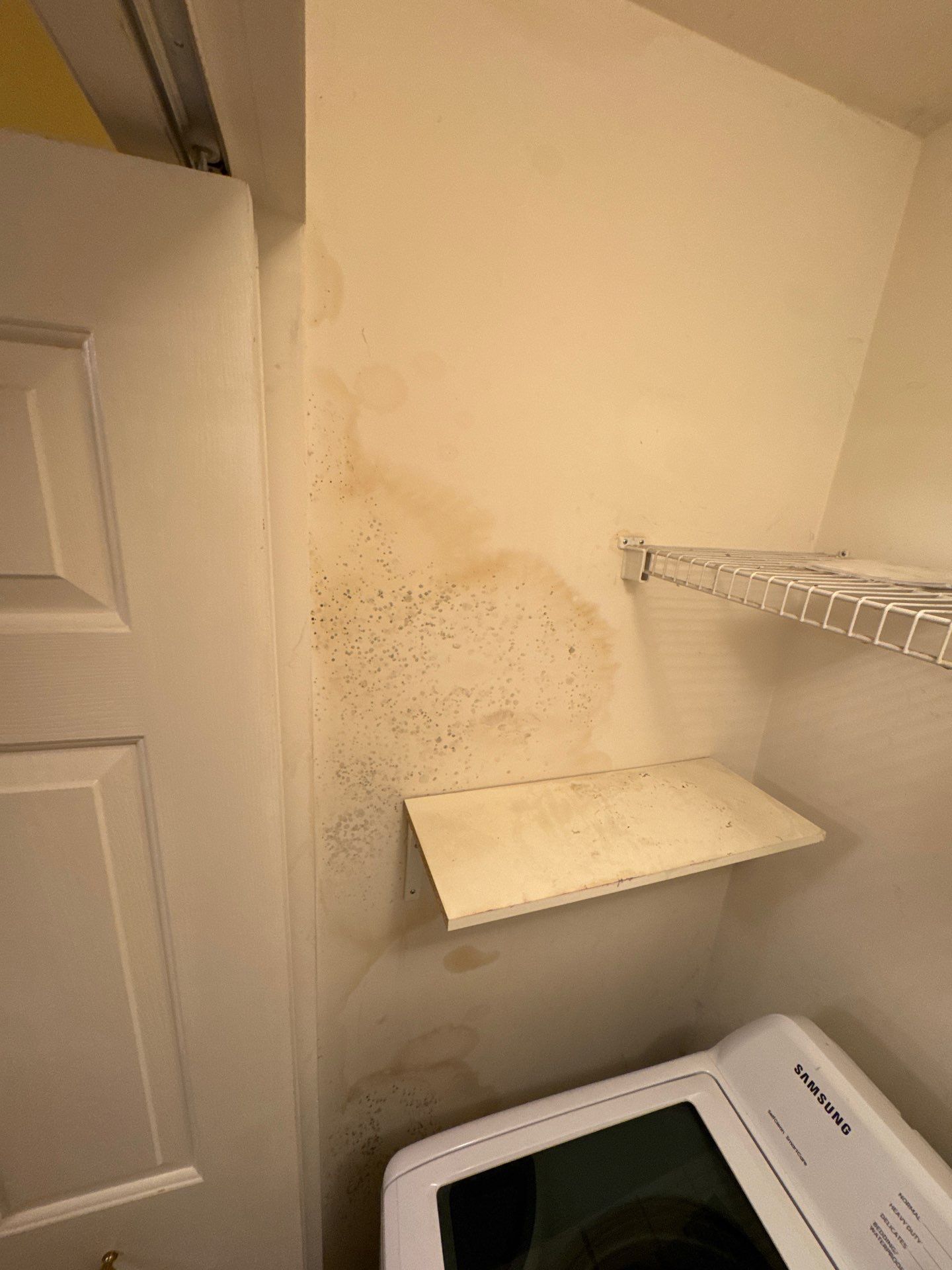
A water leak in the laundry area triggered a detailed investigation that revealed hidden moisture extending beyond the visible damage. In Fairfax County's humid Mid-Atlantic climate, the housing stock built largely from the 1980s through 2000s is particularly vulnerable when water intrusion goes unresolved—conditions that accelerate mold colonization in concealed building cavities.
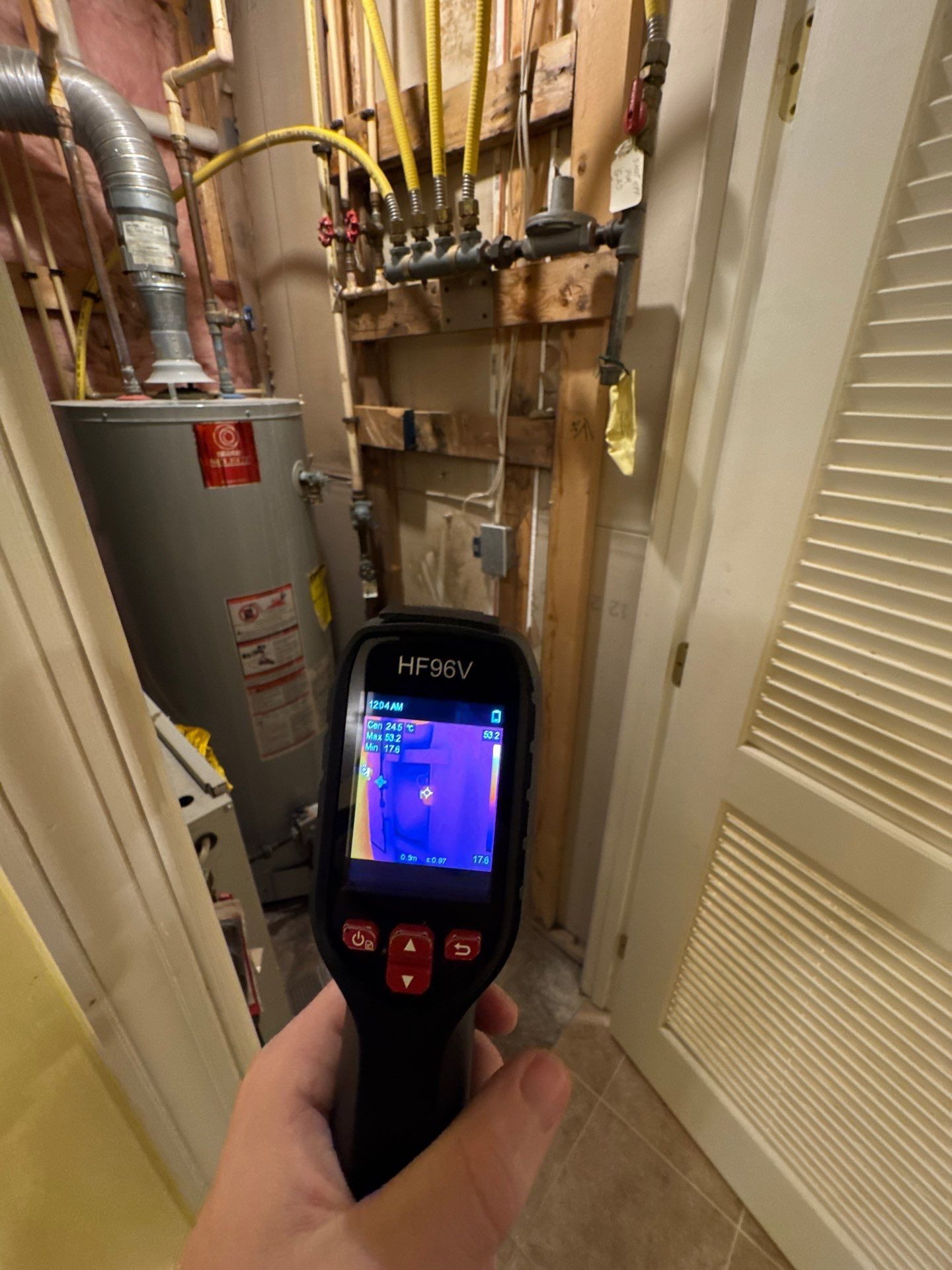
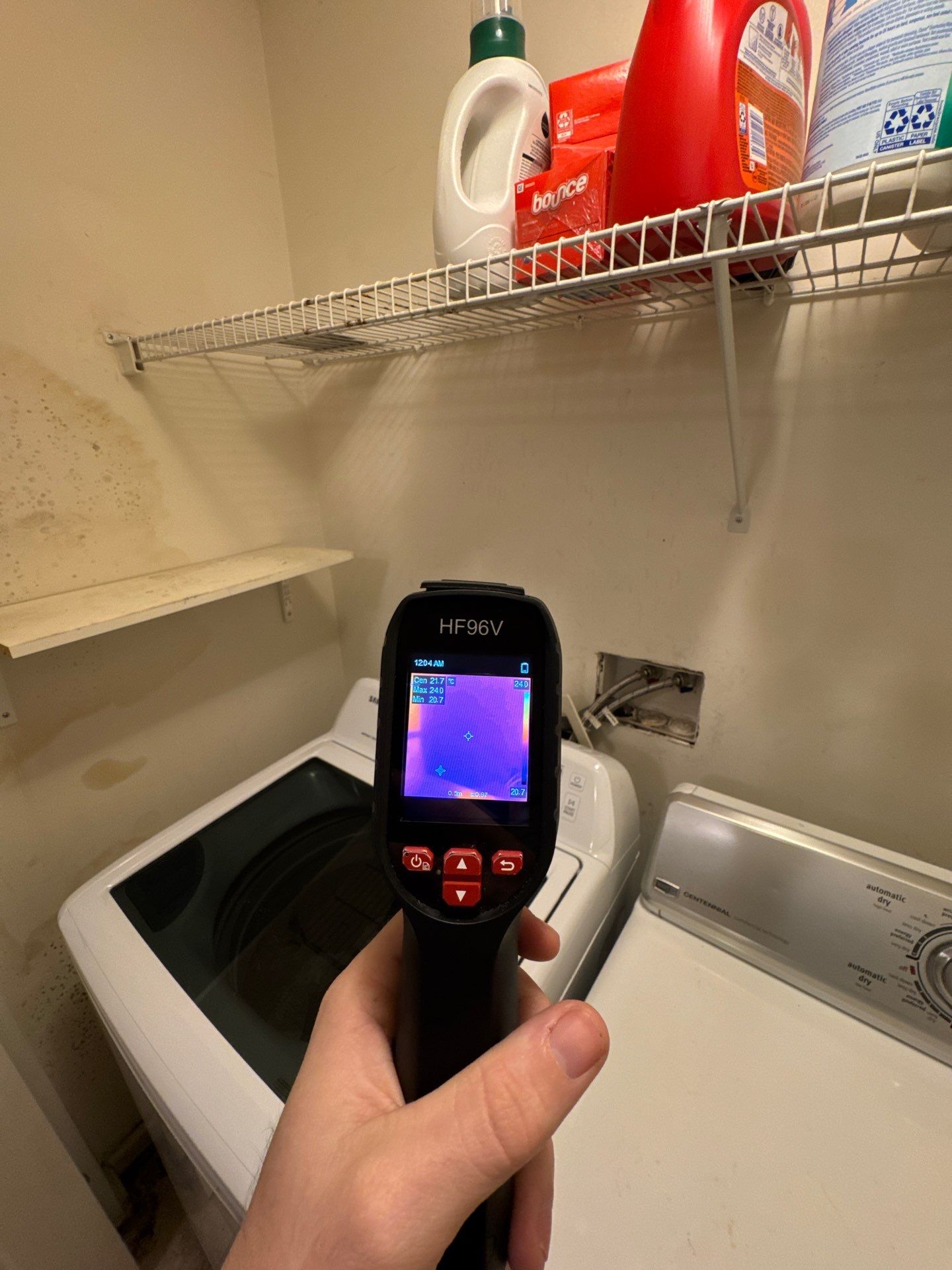
We deployed thermal imaging to map the full extent of moisture migration through wall assemblies and subflooring, identifying affected materials that visual inspection alone would have missed. The remediation followed IICRC S520 protocols: establishing containment, removing compromised materials, and applying antimicrobial treatment to arrested surfaces. Air filtration maintained negative pressure throughout the work zone to prevent cross-contamination.
The homeowner noted in their review how thoroughly the process addressed both the visible mold and the underlying moisture problem. With the laundry area dried, treated, and returned to safe conditions, the space no longer posed an indoor air quality concern.
Frequently asked questions
Why is thermal imaging important for mold remediation in Chantilly homes?
Thermal imaging allows Restoration Doctor to detect hidden moisture behind walls and under floors without invasive demolition—critical in Fairfax County's 1980s–2000s subdivisions where water can migrate through framing cavities undetected. In this Chantilly laundry-area case, thermal scanning pinpointed moisture pockets feeding mold growth that visual inspection alone would have missed. Identifying the full extent of moisture intrusion ensures the remediation addresses the root cause, not just surface colonies.
How does a laundry-area water leak lead to mold in Chantilly's climate?
Hot, humid Mid-Atlantic summers in Fairfax County create ideal conditions for mold colonization when moisture from a leak is left unresolved—organic materials like drywall and subflooring provide nutrients, and indoor humidity accelerates spore germination. Restoration Doctor's thermal-imaging inspection on this Chantilly job traced moisture migration from the laundry leak into adjacent wall cavities, where elevated humidity had already triggered early-stage mold. Prompt remediation prevented the colony from expanding into structural framing.
What does mold remediation involve after a water intrusion in Chantilly?
For this Chantilly laundry-area loss, Restoration Doctor's remediation process included establishing containment to isolate affected zones, removing compromised materials, applying antimicrobial treatments, and running HEPA-filtered negative air to capture airborne spores. The thermal-imaging data guided selective demolition—only moisture-saturated sections were removed, minimizing disruption. The result was a documented dry-down and a space safe for reconstruction.
Can mold return after remediation if the moisture source isn't fixed?
Yes—mold remediation removes existing growth, but if the underlying water intrusion isn't repaired, conditions for recolonization persist. In this Chantilly case, Restoration Doctor's thermal inspection confirmed the laundry leak was isolated and traceable, allowing the homeowner to address the plumbing issue before remediation began. Proper sequencing—fix the leak, dry the structure, then remediate—prevents recurrence and protects the investment in restoration.
Explore more restoration work
All projects in Chantilly · Mold Remediation in Chantilly
Water, fire, or mold damage in Chantilly?
Restoration Doctor responds 24/7 across Chantilly and Northern Virginia. Free assessment and transparent, insurance-friendly estimates — no obligation.
See our Mold Remediation services at restorationdoctors.com →