Water Damage Restoration
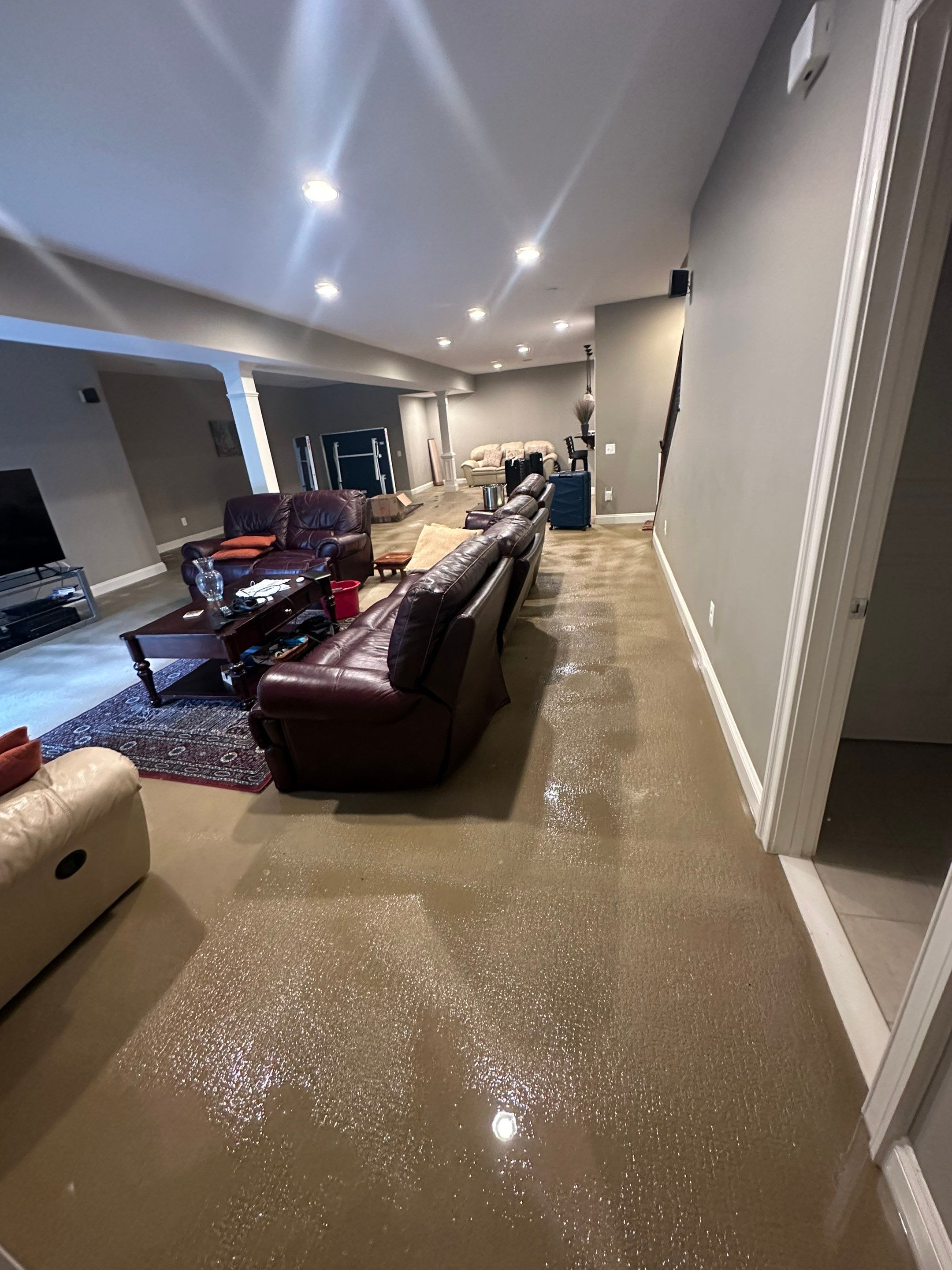
About this water damage restoration project
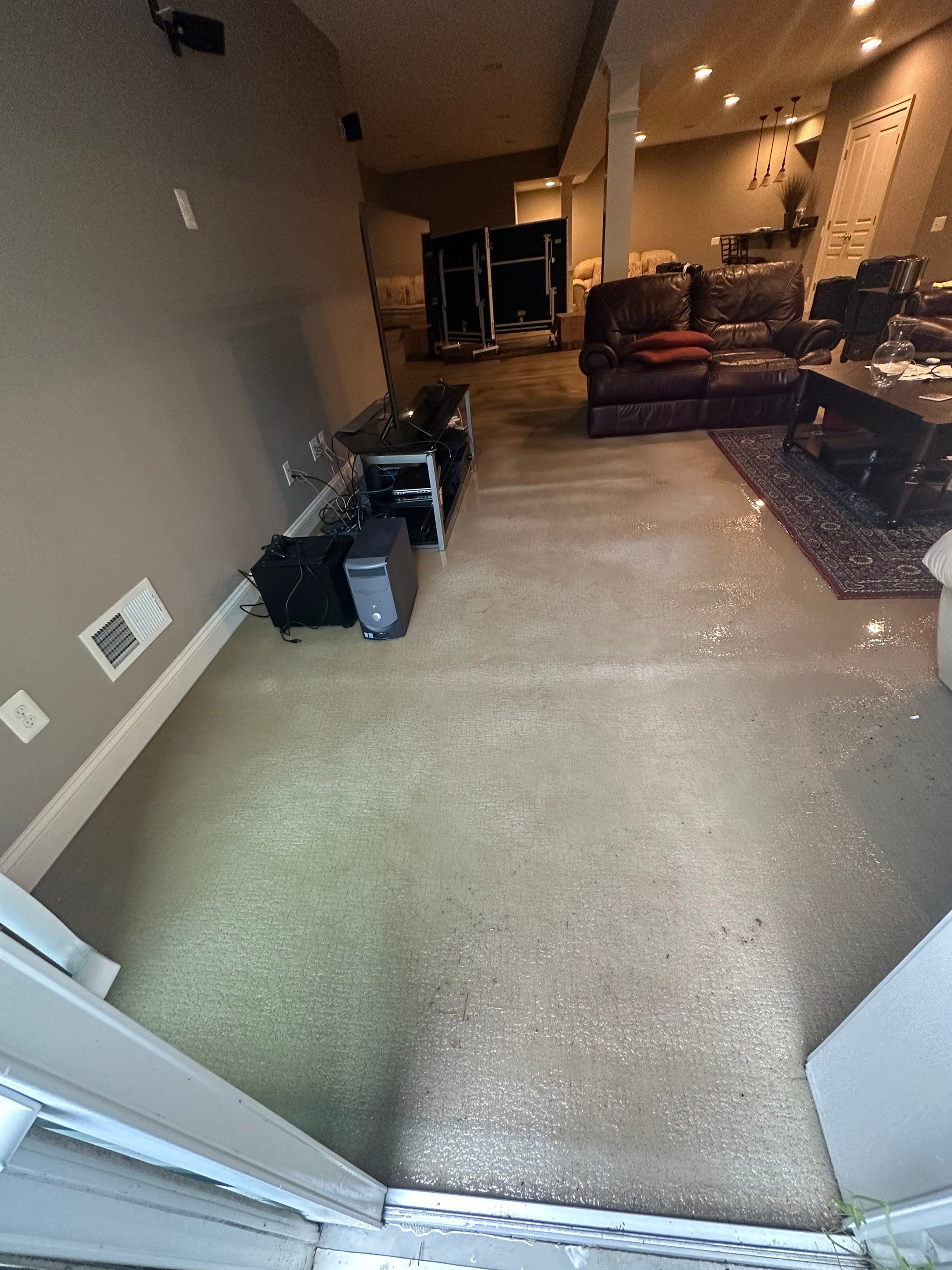
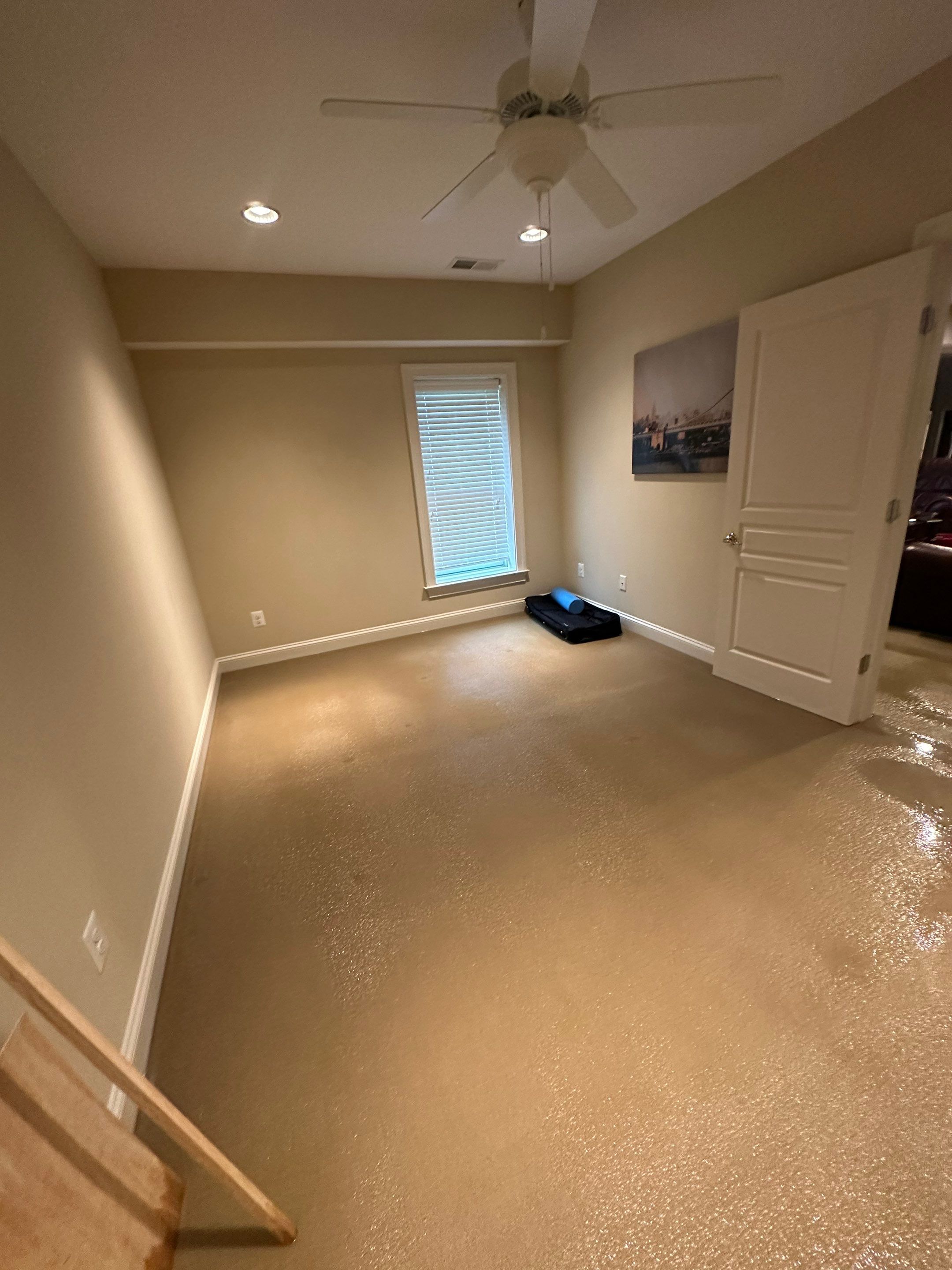
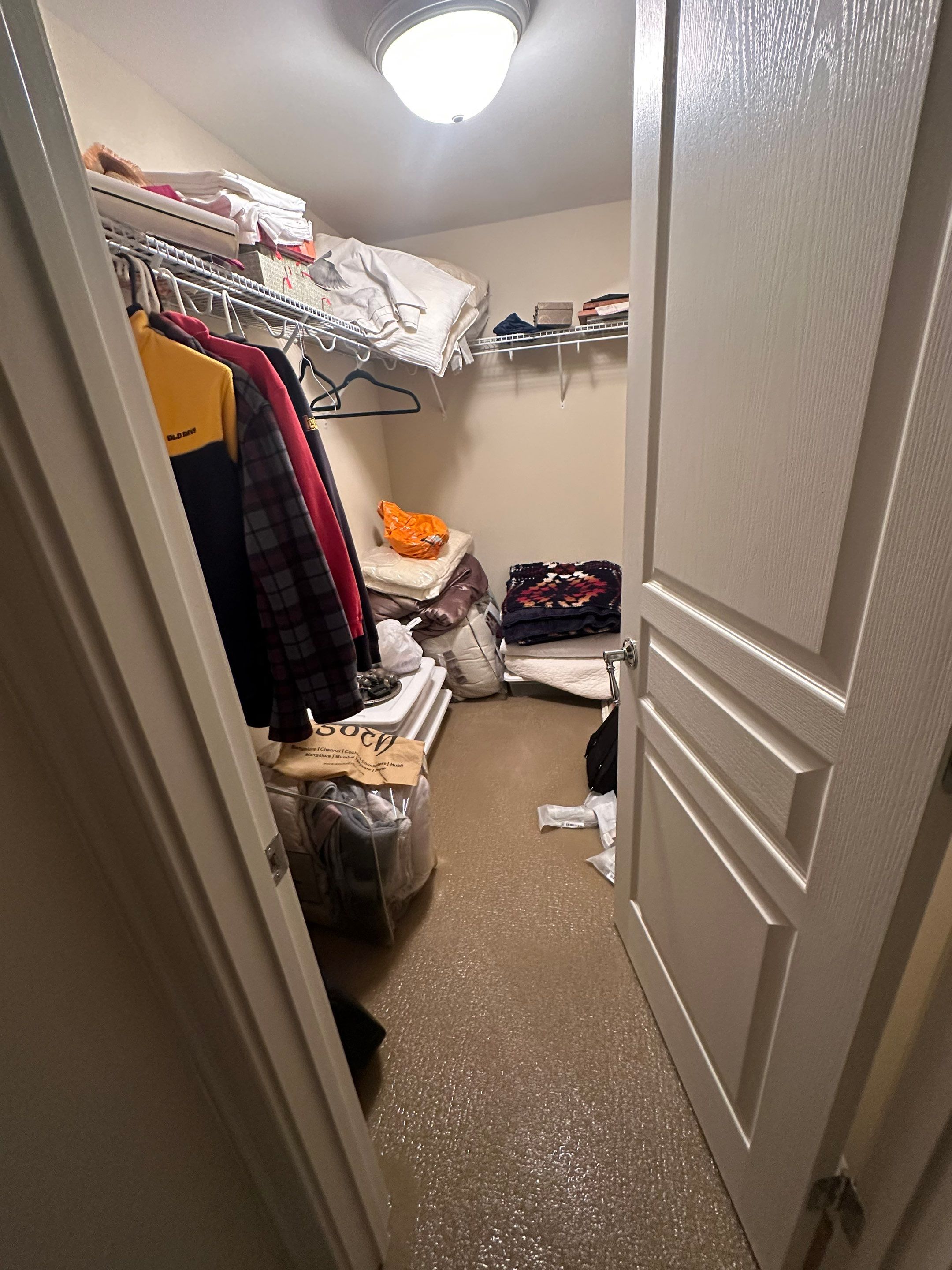
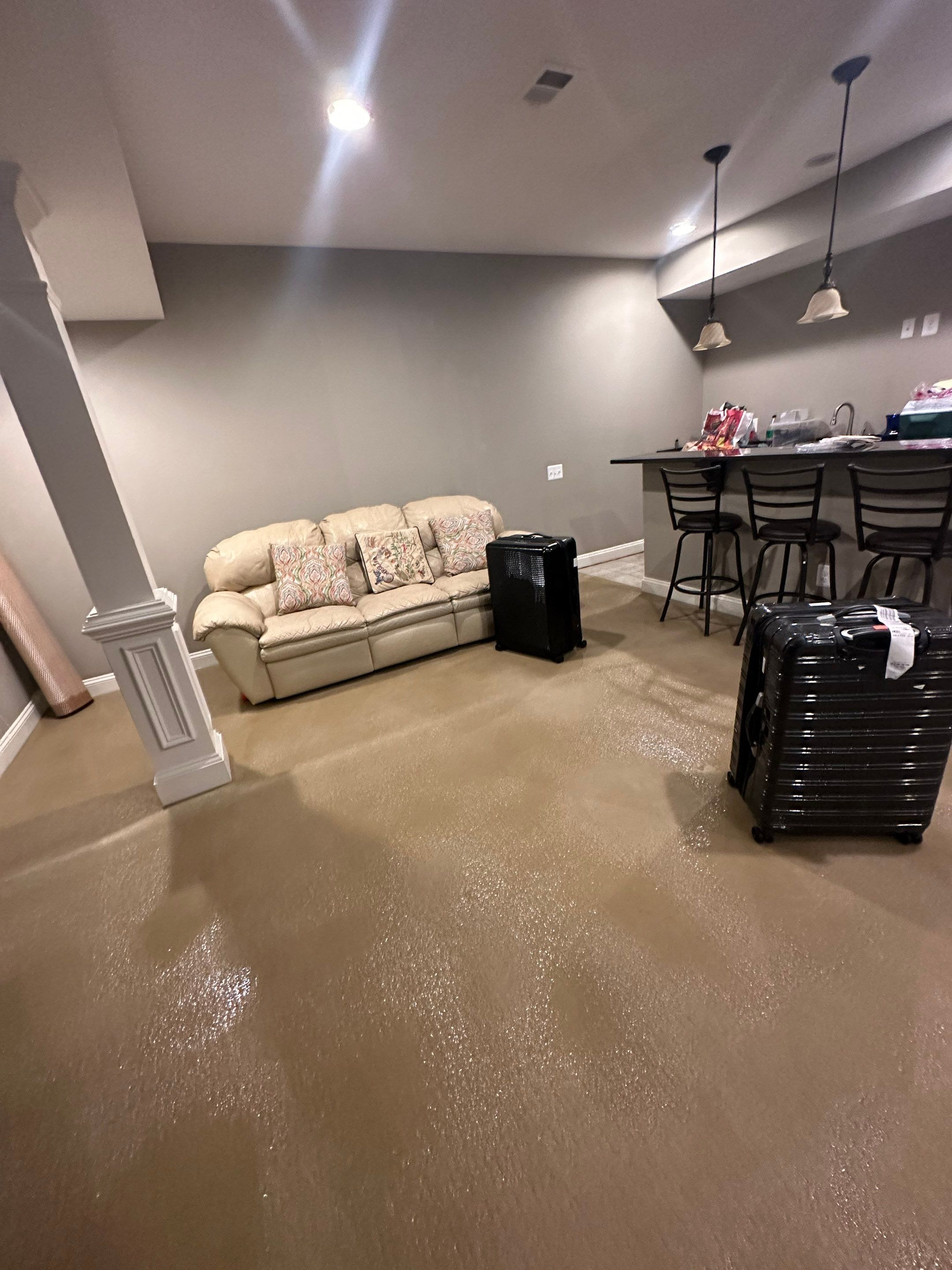
Soaked carpets and furniture across multiple rooms signaled the extent of water intrusion that had already progressed to mold growth at this Centreville residence. In Fairfax County's humid Mid-Atlantic climate—where summer moisture and periodic heavy rain routinely challenge the drainage systems of 1980s-era subdivisions—secondary mold following water events is a documented risk when drying isn't immediate.
Our technicians began with a thorough assessment, then deployed thermal imaging to locate hidden moisture pockets behind walls and under flooring. Standing water was extracted using truck-mounted equipment, followed by strategic placement of commercial dehumidifiers and air movers to pull residual moisture from structural cavities and finishes. This approach aligns with IICRC S500 water-damage protocol, which emphasizes complete drying within 72 hours to prevent microbial amplification.
Sensitive belongings were carefully relocated to unaffected areas during active drying. The multi-room scope required several days of monitored dehumidification to bring all materials back to normal equilibrium moisture content. Once conditions stabilized, the home was returned to a dry, secure state. The homeowner's review reflected satisfaction with both the technical thoroughness and the care taken with their possessions throughout the process.
Frequently asked questions
Why is thermal imaging important after standing water extraction in Centreville homes?
Thermal imaging allows Restoration Doctor to detect hidden moisture trapped in walls, subfloors, and structural cavities that visual inspection alone would miss. In Fairfax County's humid climate, residual moisture left behind after extraction can quickly lead to mold colonization and structural degradation. By mapping temperature differentials during the initial assessment, our technicians ensure dehumidifiers and air movers target every affected zone, not just the visible damage.
What happens to soaked carpets during water damage restoration in Centreville?
Restoration Doctor evaluates each carpet individually based on contamination level, pad saturation, and the duration of water contact. In this Centreville project, we extracted standing water from the carpet using truck-mounted equipment, then assessed whether the pad and backing could be salvaged through controlled drying or required removal. When carpet remediation is possible, we deploy air movers and dehumidifiers to bring moisture levels below industry thresholds; when it's not, we document the loss for the insurance claim and coordinate replacement.
How does Fairfax County's summer humidity affect drying timelines after water intrusion?
Hot, humid Mid-Atlantic summers slow evaporation and create ideal conditions for secondary mold growth if drying equipment isn't properly calibrated. Restoration Doctor adjusts dehumidifier capacity and air-mover placement based on real-time psychrometric readings, accounting for the elevated ambient moisture that Centreville properties face during the warm months. This targeted approach prevents the extended drying cycles and mold risk that uncontrolled humidity would otherwise cause.
Can mold start growing before the water damage restoration team arrives?
Yes—mold spores present in every home can begin colonizing wet building materials within 24 to 48 hours of water intrusion, especially in Fairfax County's humid environment. Restoration Doctor's immediate response protocol prioritizes extraction and dehumidification to halt that timeline. In this Centreville case, deploying equipment quickly after the initial water event allowed us to dry structural components before mold became established, avoiding the need for a separate remediation phase.
What protective steps does Restoration Doctor take when relocating furniture during structural drying?
Our Centreville team carefully inventories and photographs sensitive items before moving them to unaffected rooms or climate-controlled storage, protecting both the contents and the drying zone. This prevents cross-contamination from wet materials, ensures air movers and dehumidifiers have unobstructed airflow across floors and baseboards, and allows homeowners to document pre-loss condition for insurance purposes. Once structural drying is complete and moisture readings meet the IICRC S500 standard, we coordinate the safe return of all relocated items.
Explore more restoration work
All projects in Centreville · Water Damage Restoration in Centreville
Water, fire, or mold damage in Centreville?
Restoration Doctor responds 24/7 across Centreville and Northern Virginia. Free assessment and transparent, insurance-friendly estimates — no obligation.
See our Water Damage Restoration services at restorationdoctors.com →