Swift Water Remediation with Thermal Imaging and Mold Prevention
About this mold remediation project
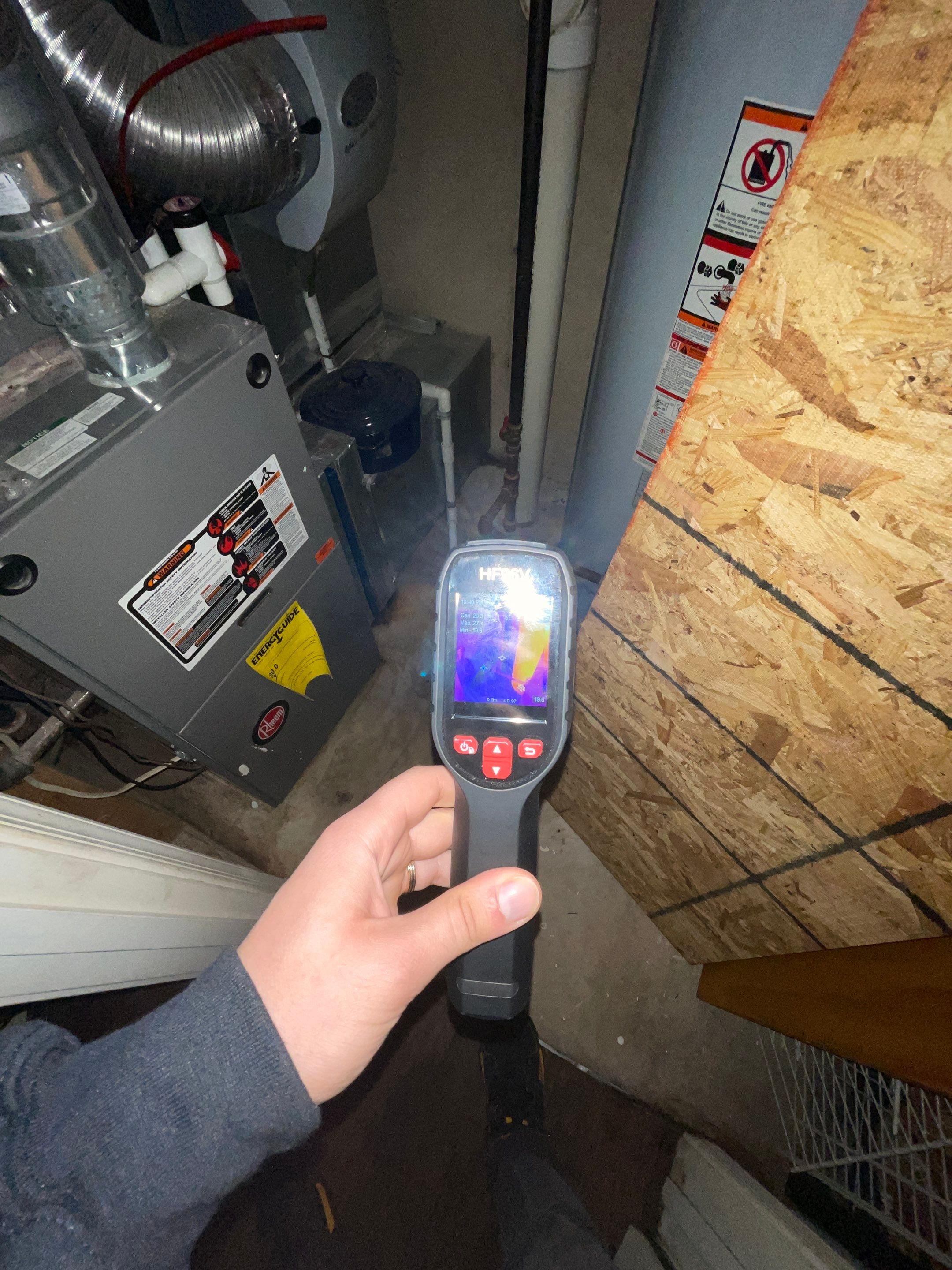
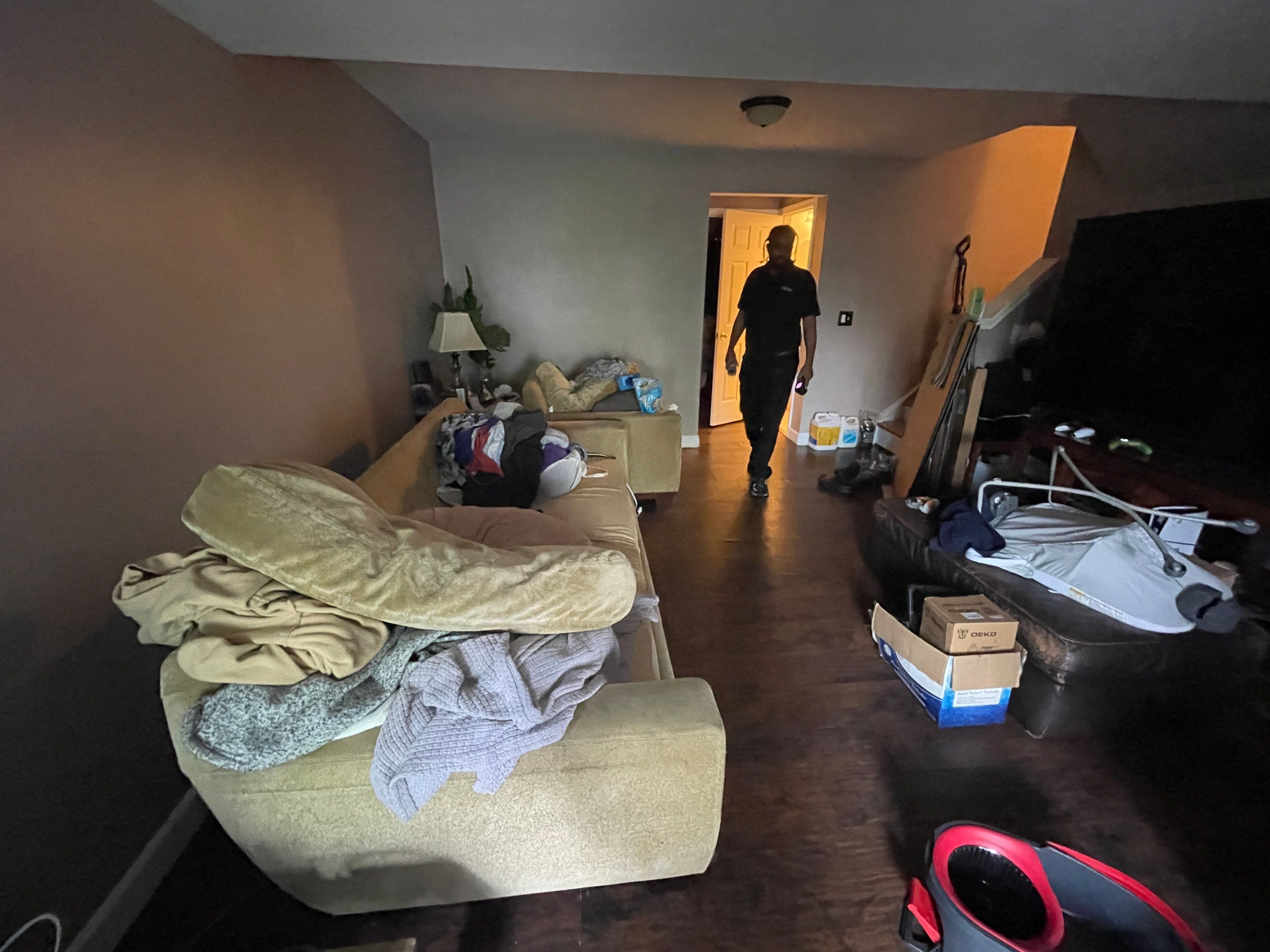
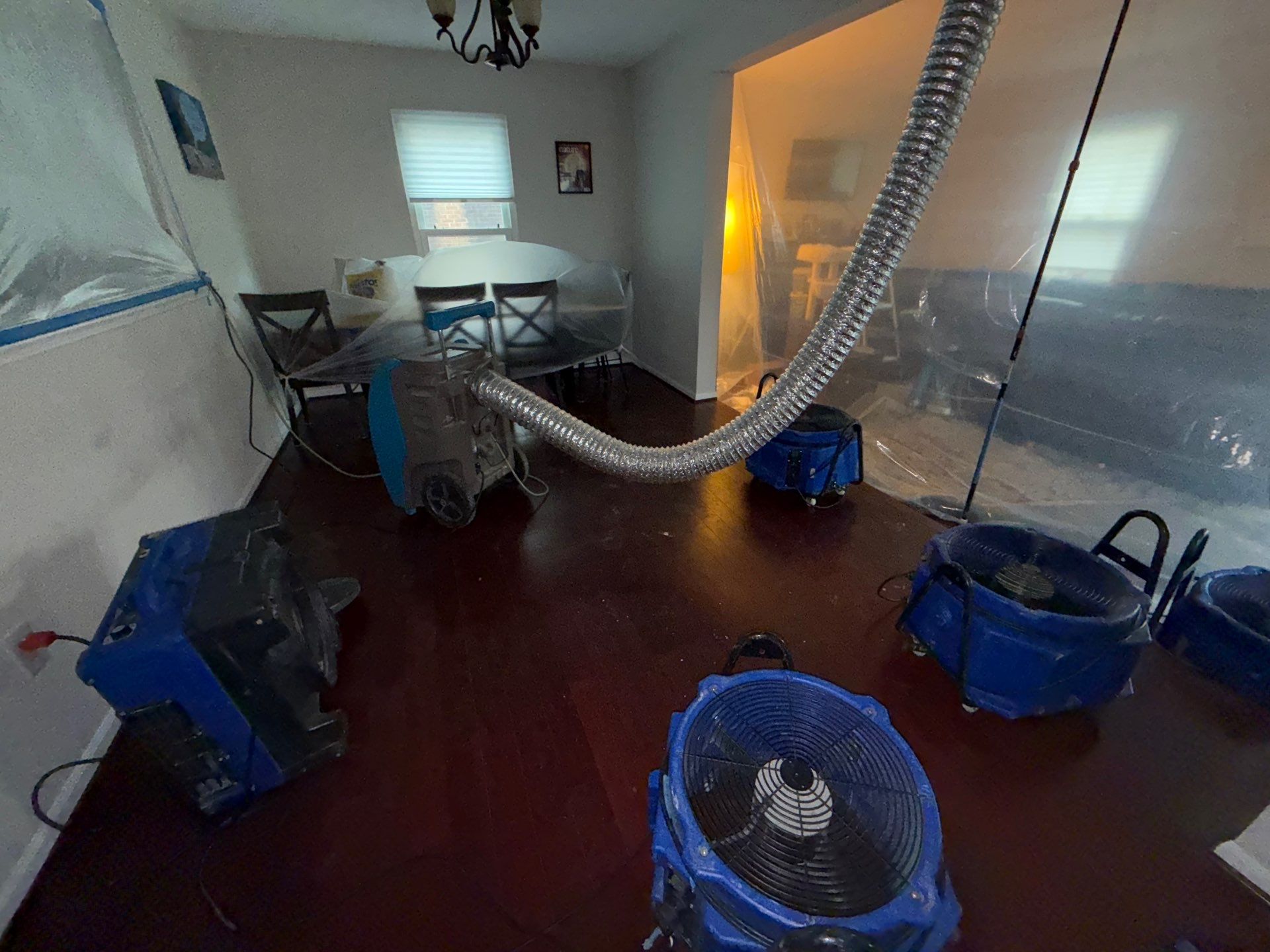
Water intrusion in a Centreville home—part of Fairfax County's extensive townhome and single-family subdivisions where humid Mid-Atlantic summers can accelerate hidden moisture problems—had created conditions ripe for mold development. The homeowner contacted Restoration Doctor immediately after discovering the damage, and we began with a thermal imaging inspection to map the full extent of water migration behind walls and under flooring.
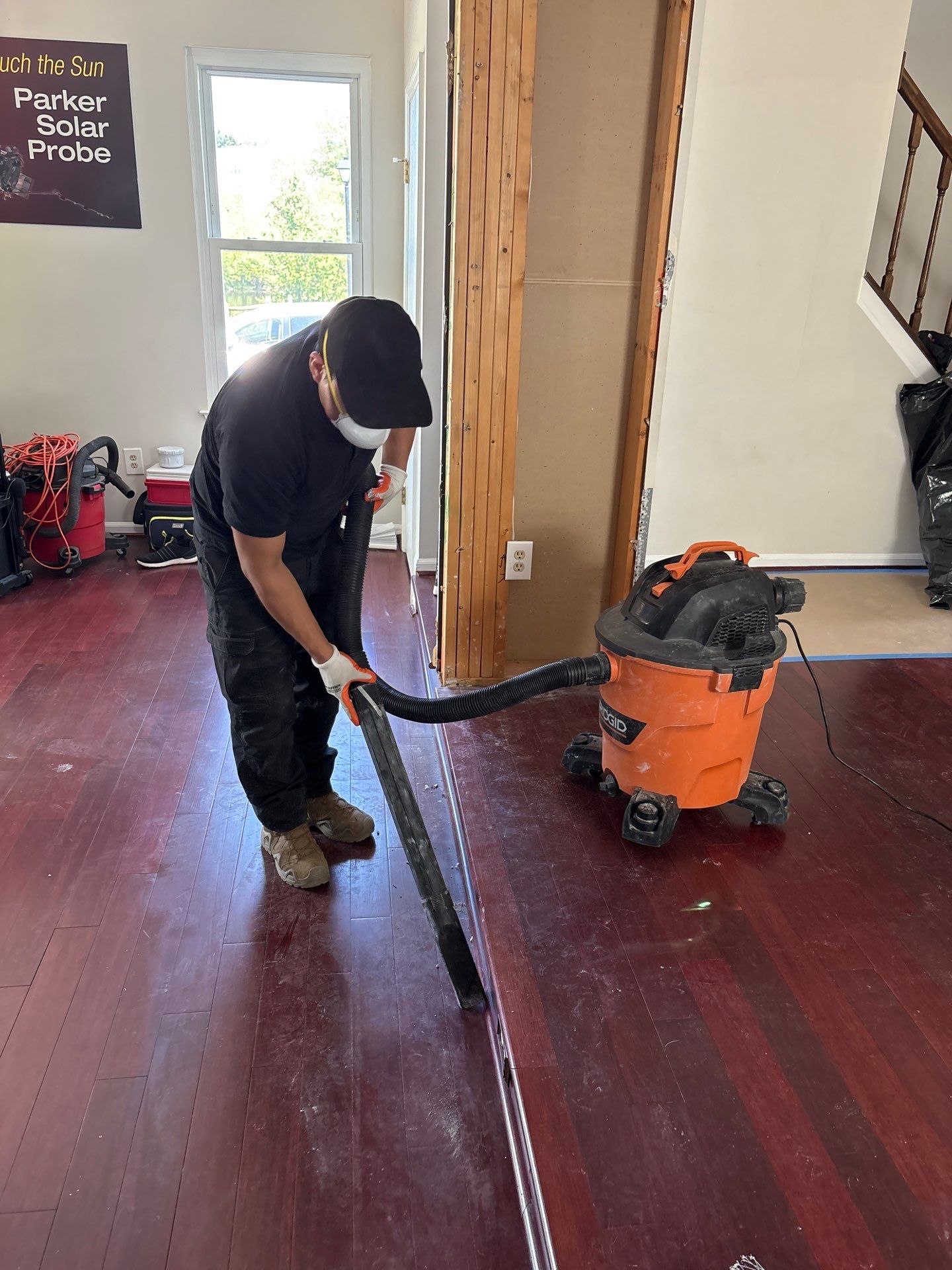
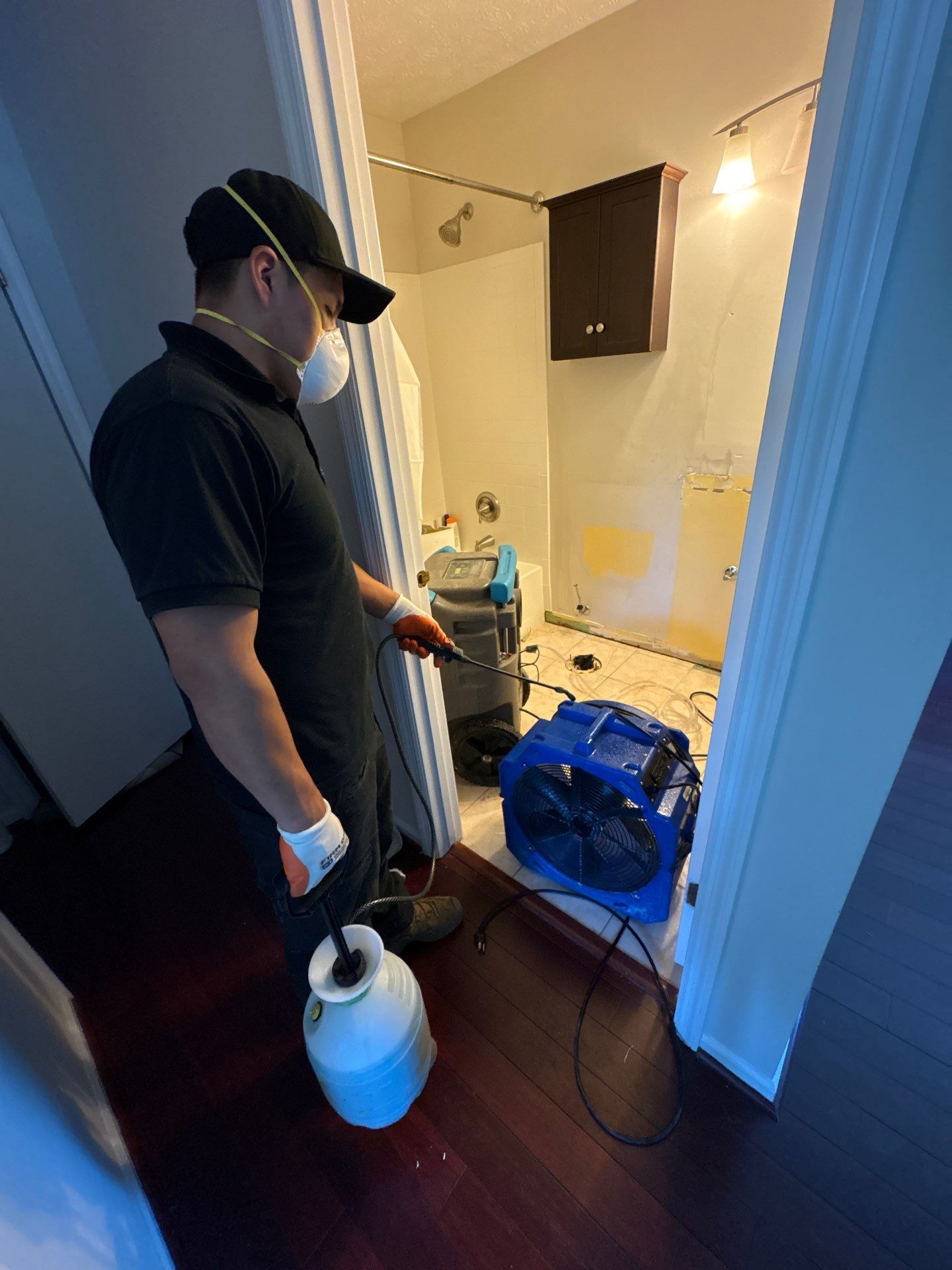
Our technicians deployed industrial-grade vacuums to extract standing water and saturated debris from the affected areas. With the bulk moisture removed, we positioned high-powered air movers and dehumidifiers to dry structural materials to acceptable moisture levels, following IICRC S500 protocols for water damage restoration. This targeted drying phase is critical in properties of this era, where enclosed cavities and modern building materials can trap moisture if not addressed systematically.
Once drying was complete, we sanitized all affected surfaces with antimicrobial treatments to eliminate potential mold spores and prevent future colonization. The homeowner expressed satisfaction with both the thoroughness of our inspection technology and the speed with which we transitioned from water extraction to full remediation, preventing what could have escalated into a far more extensive mold problem.
Reviews from Restoration Doctor customers
The team at Restoration Doctor is simply unmatched! Their prompt response and expert workmanship saved my home from severe mold damage. Outstanding service all around.
Frequently asked questions
Why was thermal imaging necessary after water intrusion led to mold in this Centreville home?
Thermal imaging allowed Restoration Doctor's technicians to map hidden moisture pockets behind walls and under flooring that visual inspection alone would miss. In Fairfax County's humid climate, any residual moisture left undetected can restart mold colonization even after surface drying appears complete. By identifying the full extent of water migration early, we ensured structural drying targeted every affected cavity before beginning mold remediation.
What does the sanitizing step accomplish after standing-water extraction in a mold remediation project?
Sanitizing disinfects surfaces contaminated by floodwater or sewage and removes organic residue that feeds mold spores. After Restoration Doctor extracted standing water and debris from this Centreville property, we applied EPA-registered antimicrobial agents to all affected materials before deploying drying equipment. This step interrupts the mold lifecycle and prepares surfaces for safe remediation under IICRC S520 protocols.
How does Fairfax County's housing stock affect mold risk after water intrusion like this?
Many Centreville subdivisions built from the 1980s onward use engineered lumber and drywall assemblies that absorb water quickly and retain it in wall cavities. Restoration Doctor's approach combines extraction, thermal moisture mapping, and targeted structural drying to address these hidden reservoirs. Without thorough drying, Mid-Atlantic humidity can keep these materials damp long enough for mold to establish, even after visible water is gone.
What equipment does Restoration Doctor use for structural drying after water extraction in cases like this?
We deploy commercial-grade low-grain refrigerant dehumidifiers and high-velocity air movers positioned to create airflow across wet framing, subfloors, and wall cavities. These systems work together to lower ambient humidity and accelerate evaporation from porous materials. Daily moisture readings guide equipment placement until all affected structures reach the dry standard, preventing conditions that support mold growth.
Can mold return after remediation if the original water intrusion source is not fixed?
Yes—mold remediation removes existing growth and contaminated materials, but if the intrusion path remains open, new moisture will trigger new colonization. Restoration Doctor's process in Centreville included identifying the water entry point during our thermal inspection so the homeowner could address the underlying cause. Remediation and source repair together provide a durable solution rather than a temporary fix.
Explore more restoration work
All projects in Centreville · Mold Remediation in Centreville
Water, fire, or mold damage in Centreville?
Restoration Doctor responds 24/7 across Centreville and Northern Virginia. Free assessment and transparent, insurance-friendly estimates — no obligation.
See our Mold Remediation services at restorationdoctors.com →