Efficient Water Damage Restoration with Mold Prevention
About this mold remediation project
Water intrusion in a Bethesda home had created conditions where mold could take hold—a common risk in the Mid-Atlantic's humid summers, particularly in the region's established single-family neighborhoods where older building envelopes can admit moisture. The homeowner called when standing water and visible dampness made the threat clear.
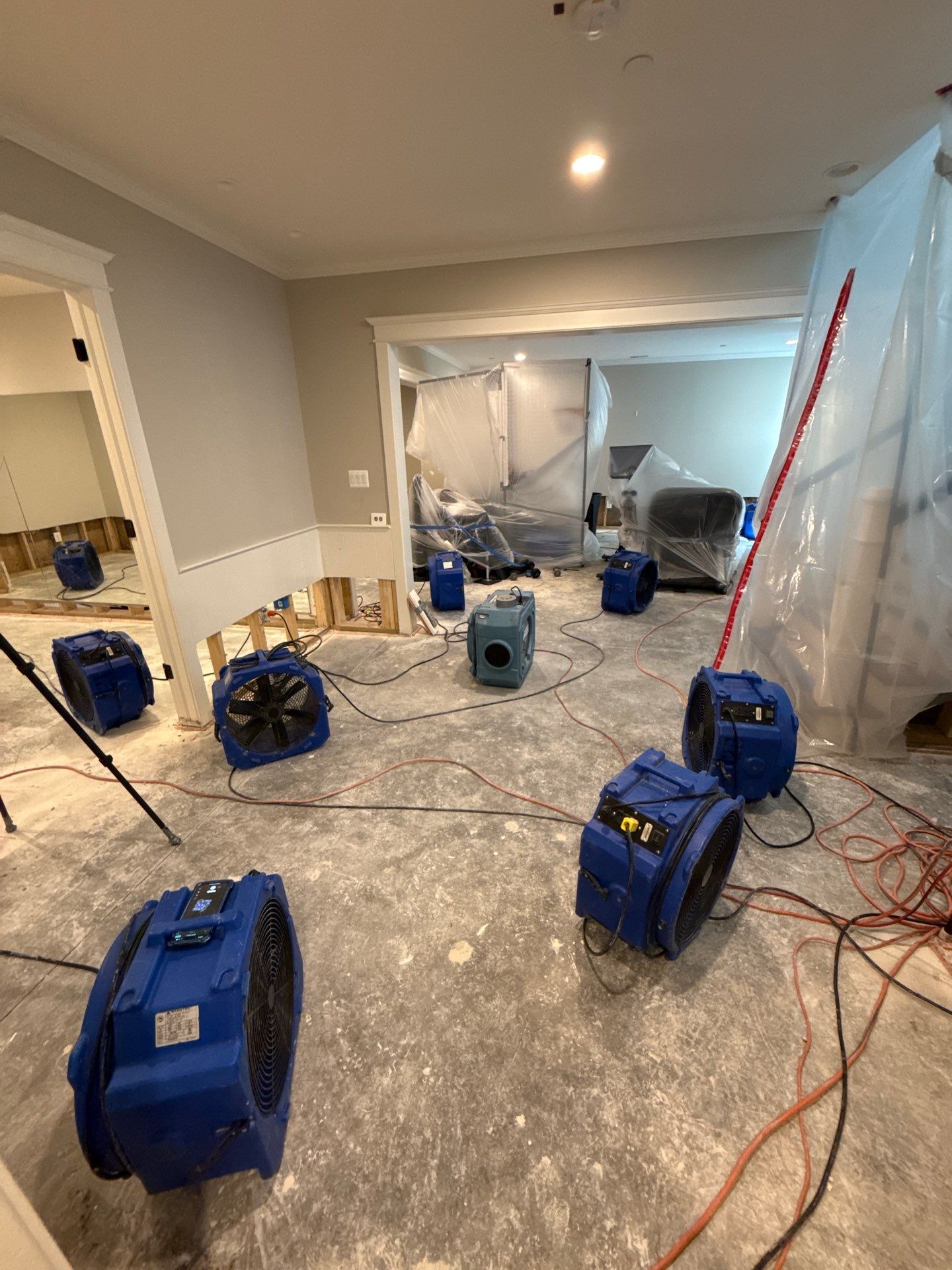
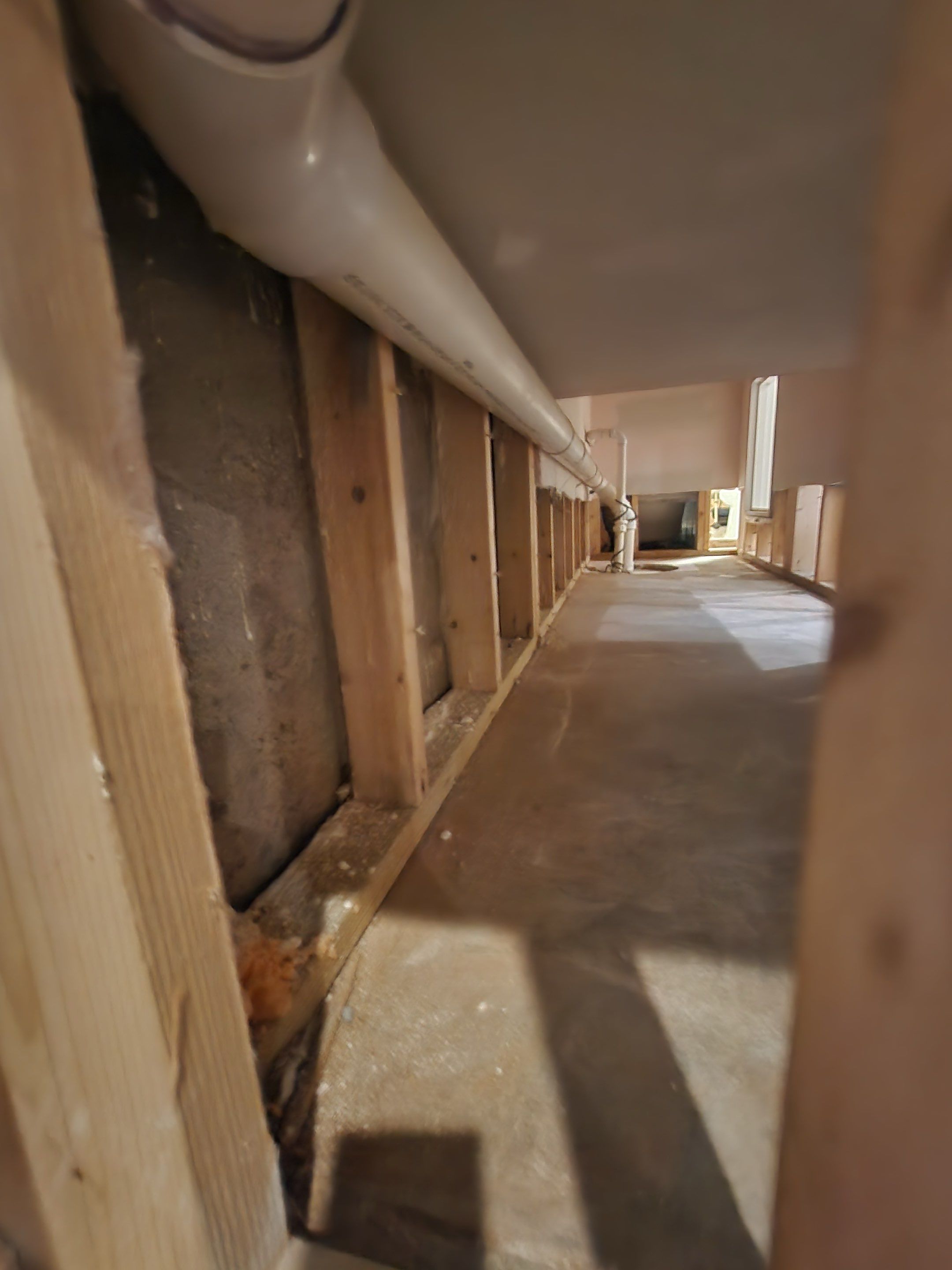
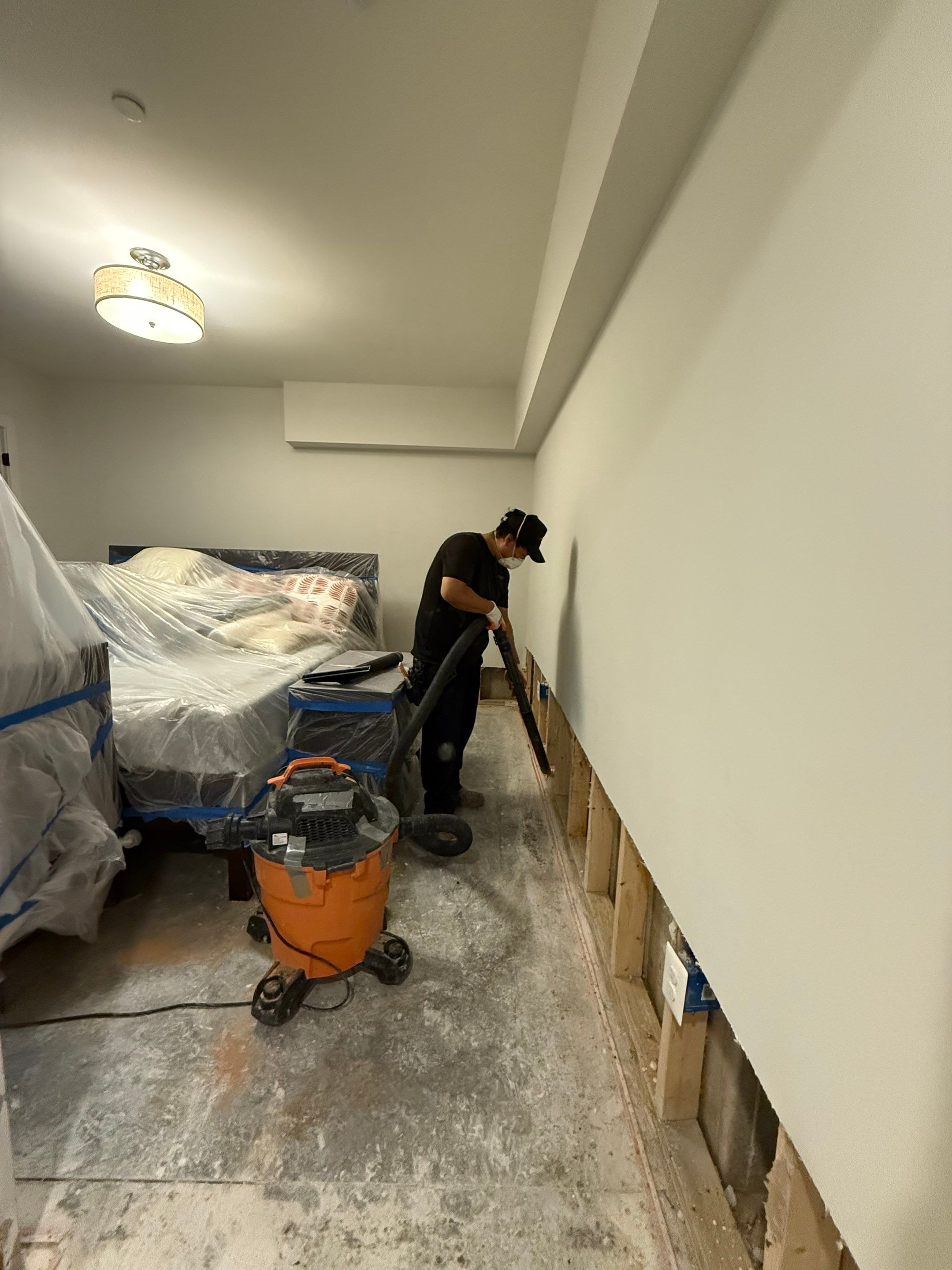
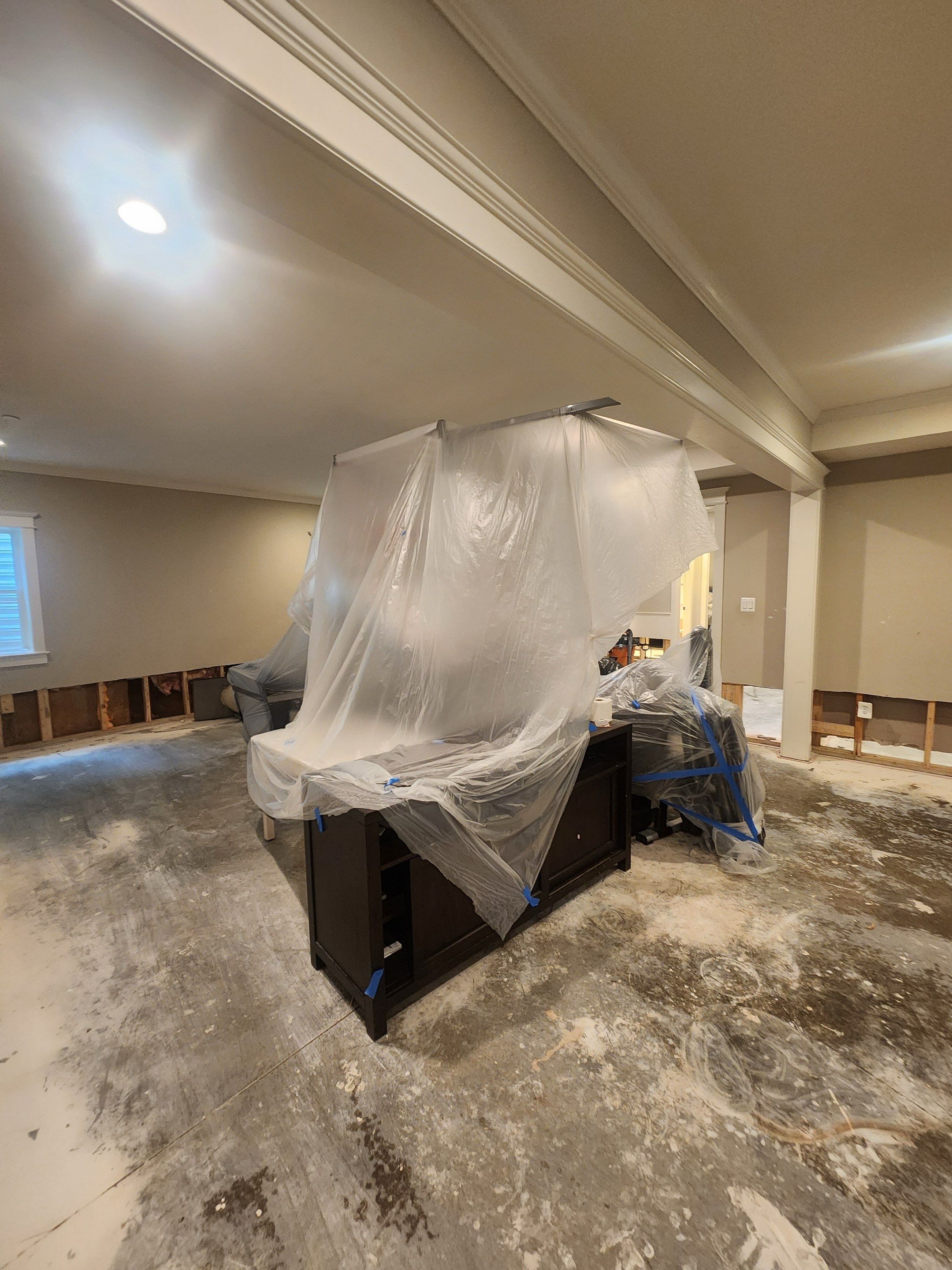
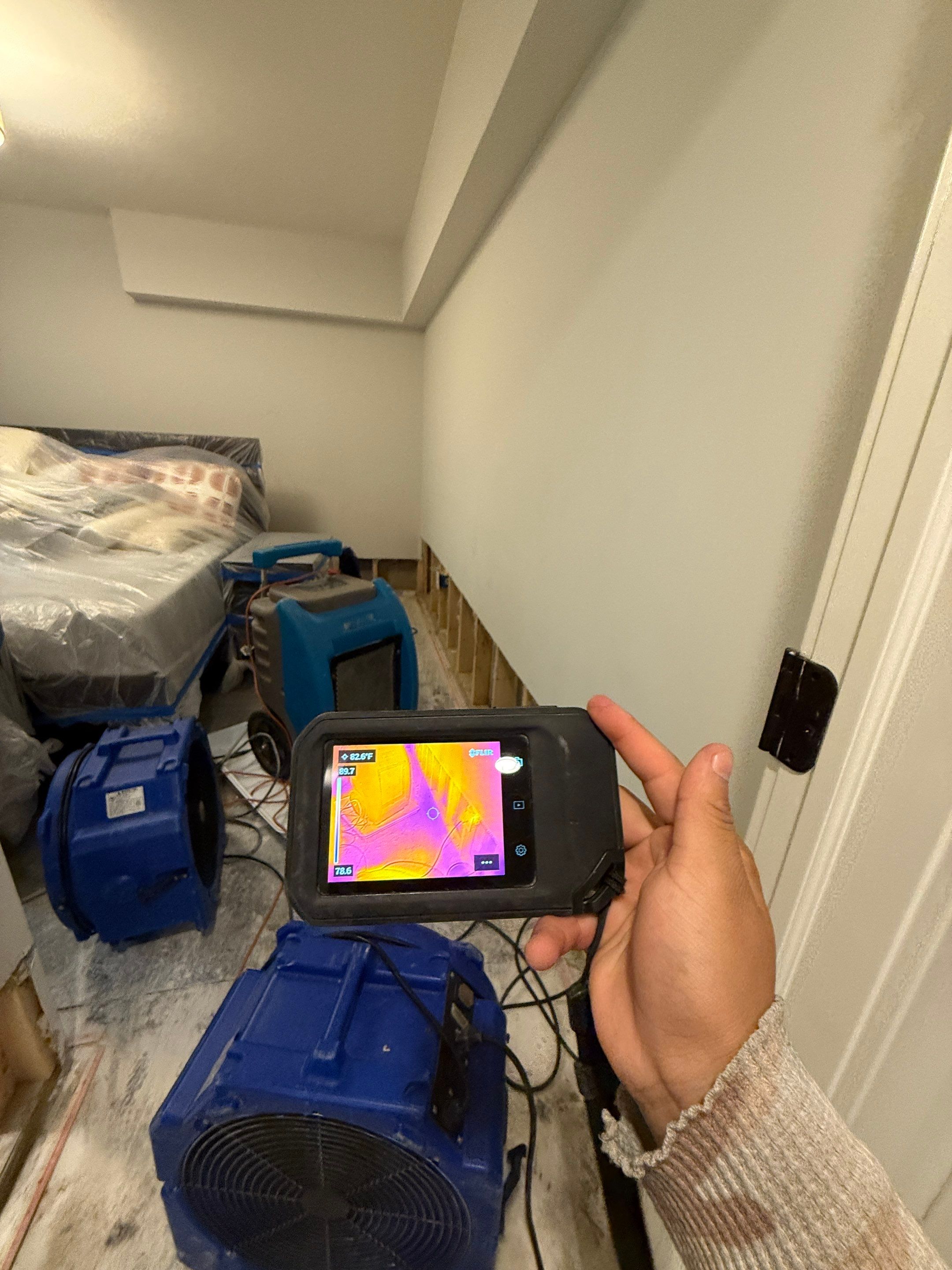
We began by protecting unaffected contents with plastic sheeting, then used extraction vacuums to pull standing water from the compromised areas. Damaged wall sections that could not be dried in place were removed to expose the structure and prevent hidden moisture from feeding mold growth. Following IICRC S520 protocols, we deployed air movers and dehumidifiers to bring the environment back to dry standard, monitoring conditions until readings confirmed the space was no longer hospitable to microbial amplification.
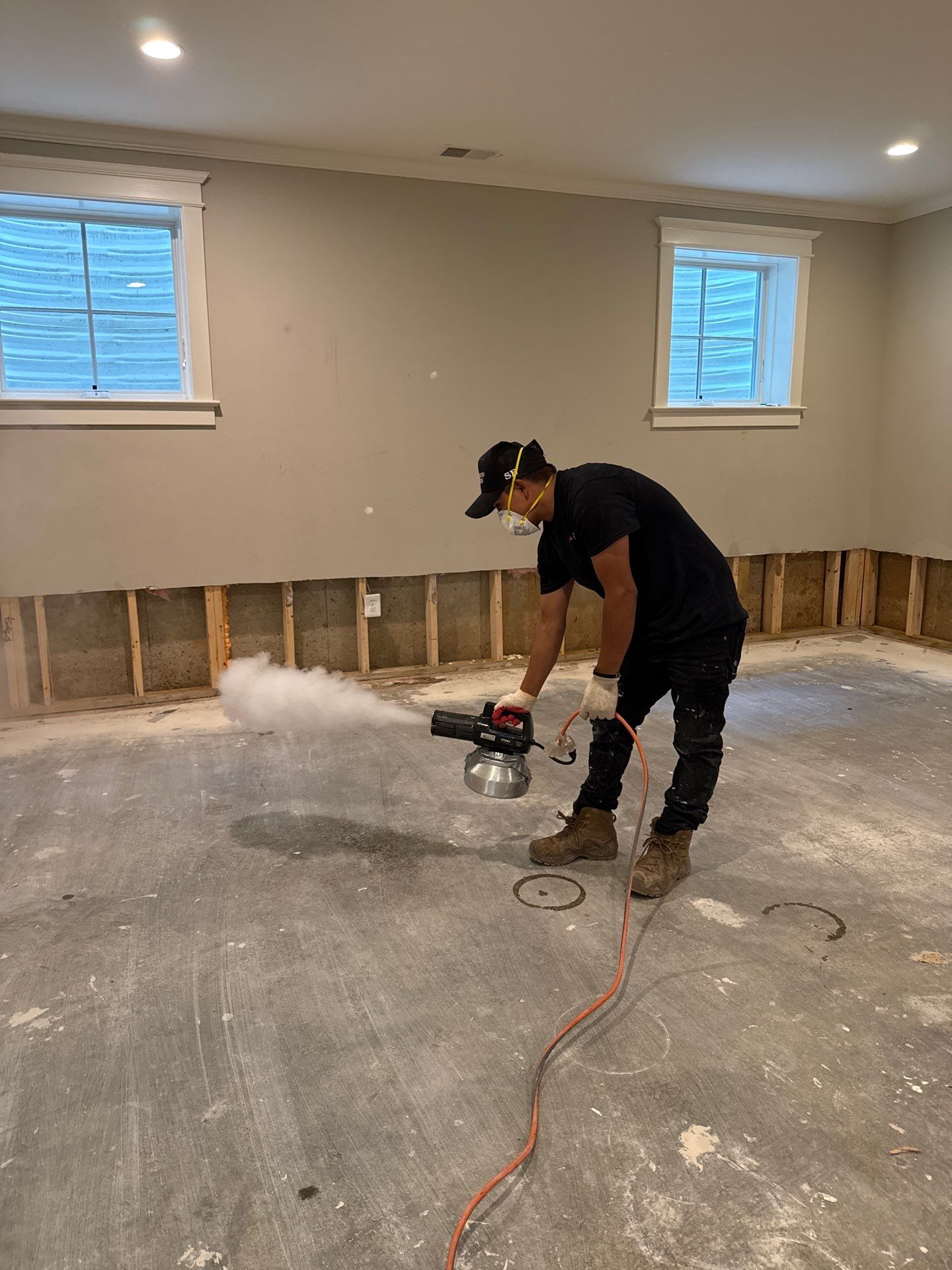
Once drying was complete, we applied an EPA-registered antimicrobial to all affected surfaces, addressing both the immediate contamination and residual spore load. The combination of thorough extraction, controlled drying, and targeted sanitization gave the homeowner a documented path back to a safe indoor environment. The review they left reflected the relief that comes when a water loss is caught early and managed with the right sequence of steps.
Frequently asked questions
Why is mold remediation particularly important after water intrusion in Bethesda homes?
Hot, humid Mid-Atlantic summers create ideal conditions for mold colonization once water has compromised building materials. Restoration Doctor's mold remediation in Bethesda addresses both the visible growth and the moisture source—in this case, standing water that required extraction and structural drying before wall replacement and sanitizing could prevent recurrence. The region's established single-family neighborhoods often contain older framing vulnerable to rapid microbial amplification when wet.
What does structural drying involve after water extraction in a Bethesda property?
Structural drying uses professional dehumidifiers and air movers to reduce moisture levels in framing, subfloors, and wall cavities below thresholds that support mold growth. For this Bethesda job, Restoration Doctor deployed drying equipment after extracting standing water and continued monitoring until affected materials reached stable readings. This step is critical before replacing damaged wall sections, as residual moisture trapped behind new surfaces will feed hidden mold.
How do you protect belongings during mold remediation and water restoration?
Restoration Doctor covers furniture and personal items with plastic sheeting to shield them from cross-contamination during demolition, sanitizing, and drying operations. In this Bethesda home, careful containment of belongings allowed the team to remove compromised wall sections and treat affected areas without spreading spores or moisture to unaffected zones. Contents protection is standard practice throughout the remediation process.
Can you sanitize a home after mold remediation without replacing all affected materials?
Sanitizing treats surfaces where mold has been physically removed, but porous materials like drywall that have been colonized typically require replacement rather than surface treatment alone. Restoration Doctor's approach in this Bethesda case included both—removing and replacing damaged wall sections where intrusion had saturated the substrate, then sanitizing surrounding framing and hard surfaces to eliminate residual spores. The combination addresses both structural compromise and microbial load.
What should Bethesda homeowners do immediately after discovering water intrusion to minimize mold risk?
Contact a licensed restoration company like Restoration Doctor as soon as water is discovered, because the humid Mid-Atlantic climate accelerates mold onset once materials are wet. Immediate standing-water extraction and air circulation reduce the window for spore germination, but professional structural drying and moisture mapping are necessary to confirm that hidden cavities—common in the region's typical single-family construction—have dried thoroughly. Early intervention limits the scope of demolition and remediation required.
Explore more restoration work
All projects in Bethesda · Mold Remediation in Bethesda
Water, fire, or mold damage in Bethesda?
Restoration Doctor responds 24/7 across Bethesda and Northern Virginia. Free assessment and transparent, insurance-friendly estimates — no obligation.
See our Mold Remediation services at restorationdoctors.com →