Water damage restoration
About this water damage restoration project
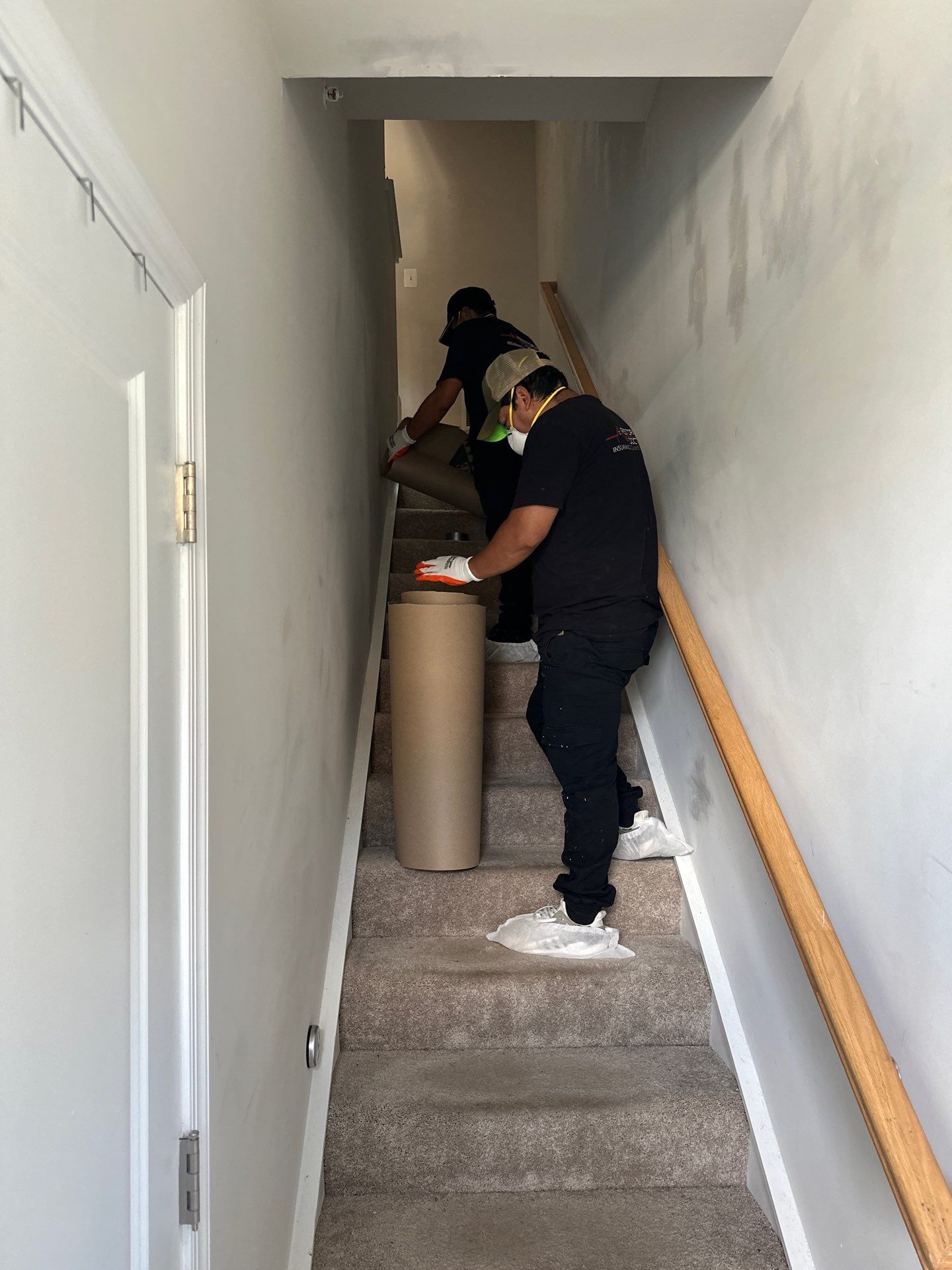
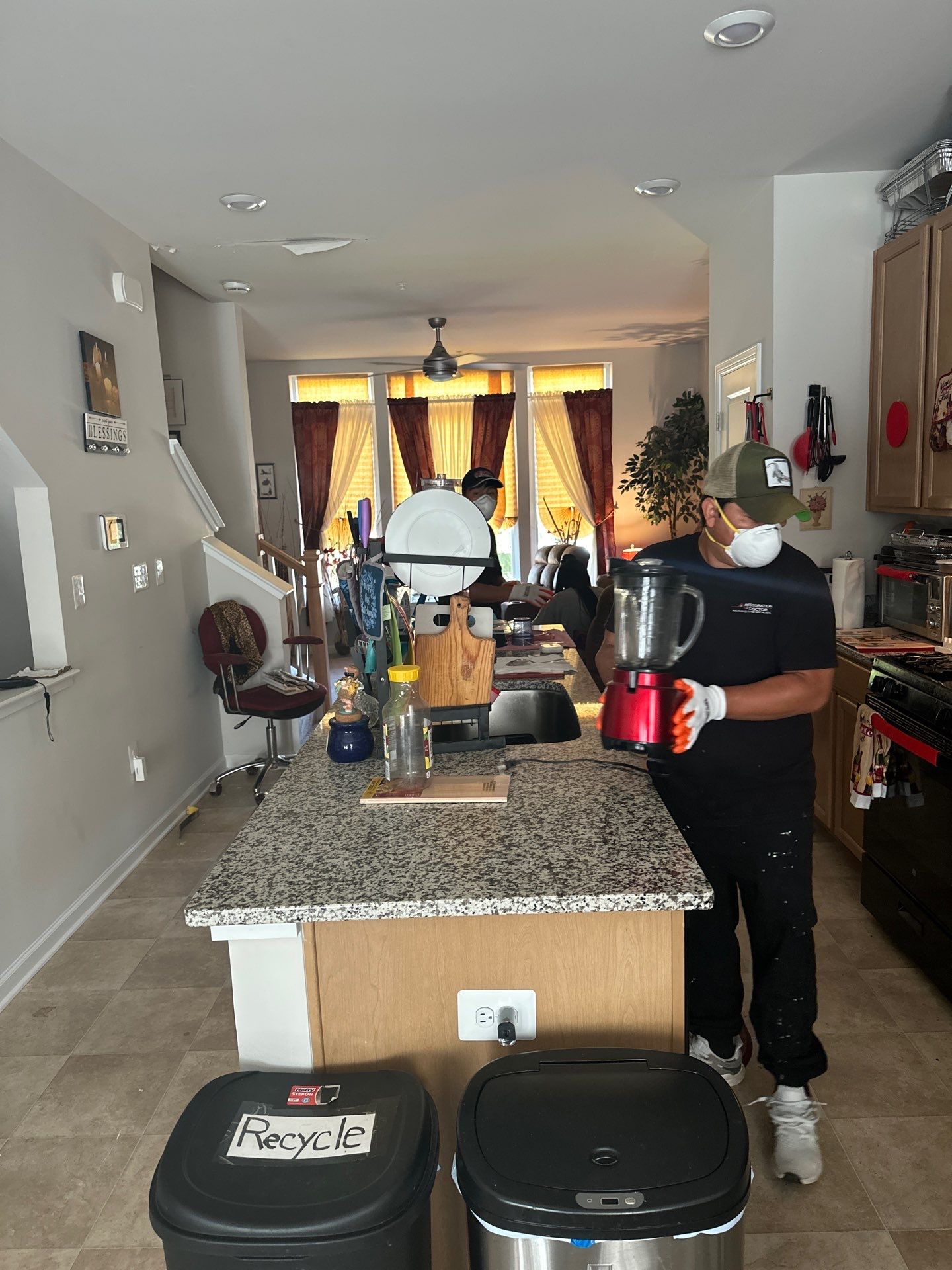
Water intrusion that goes unnoticed in occupied spaces can quickly become a mold concern, particularly behind finished surfaces where moisture accumulates unseen. In this Ashburn home—part of Loudoun County's newer single-family housing stock built from the 1990s forward—mold had begun to establish following a water event, and the homeowner called for a complete assessment and remediation.
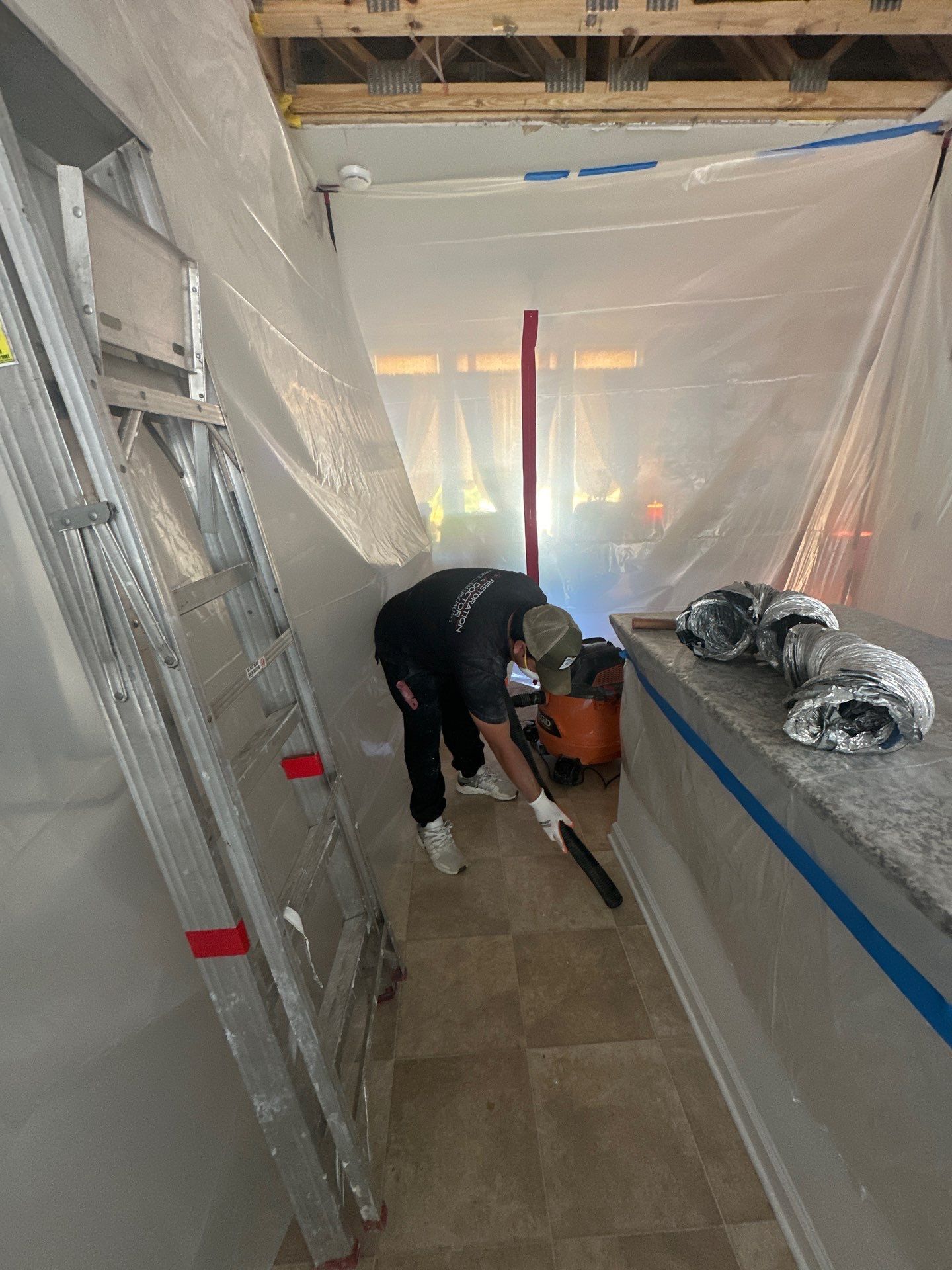
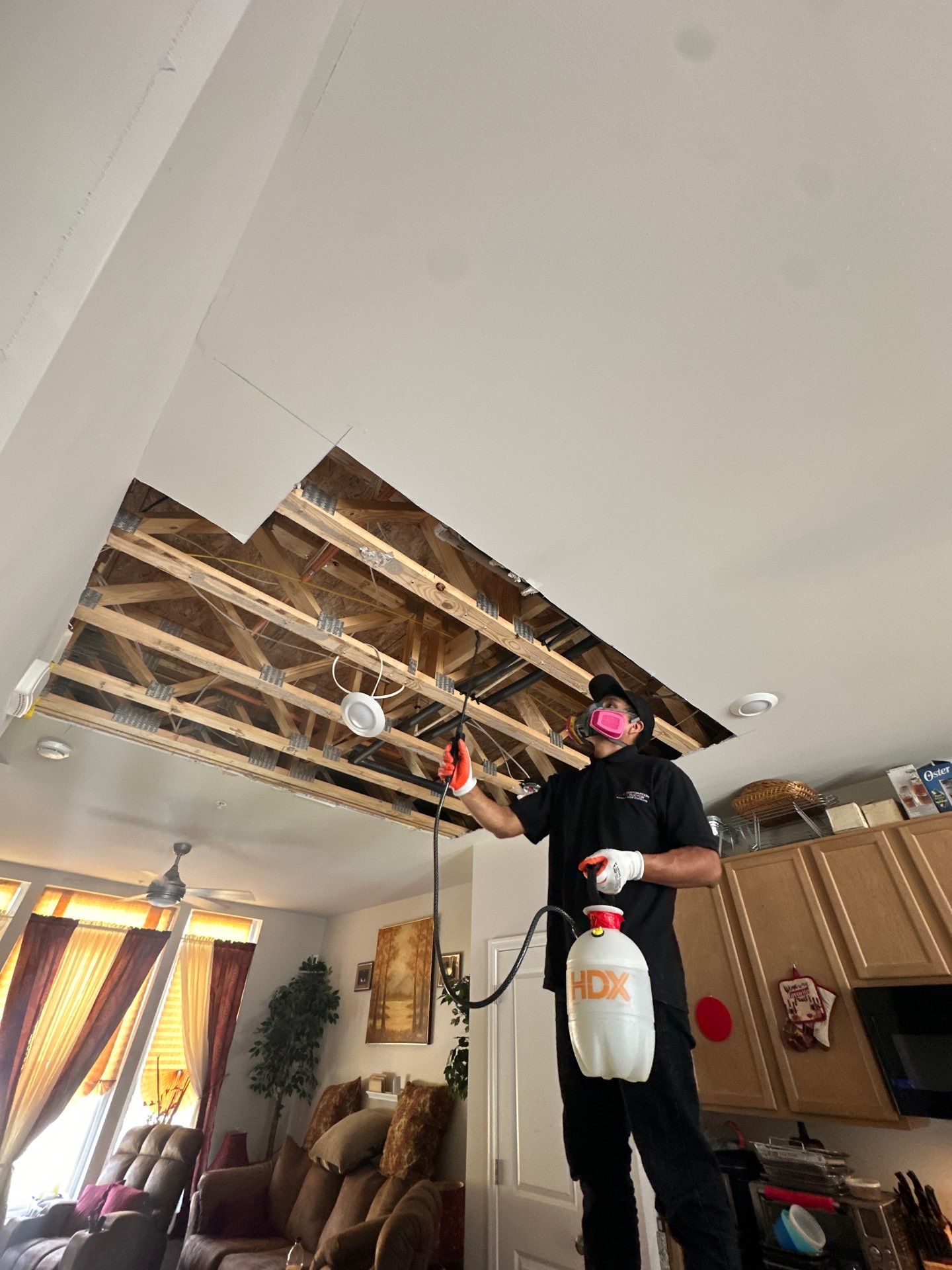
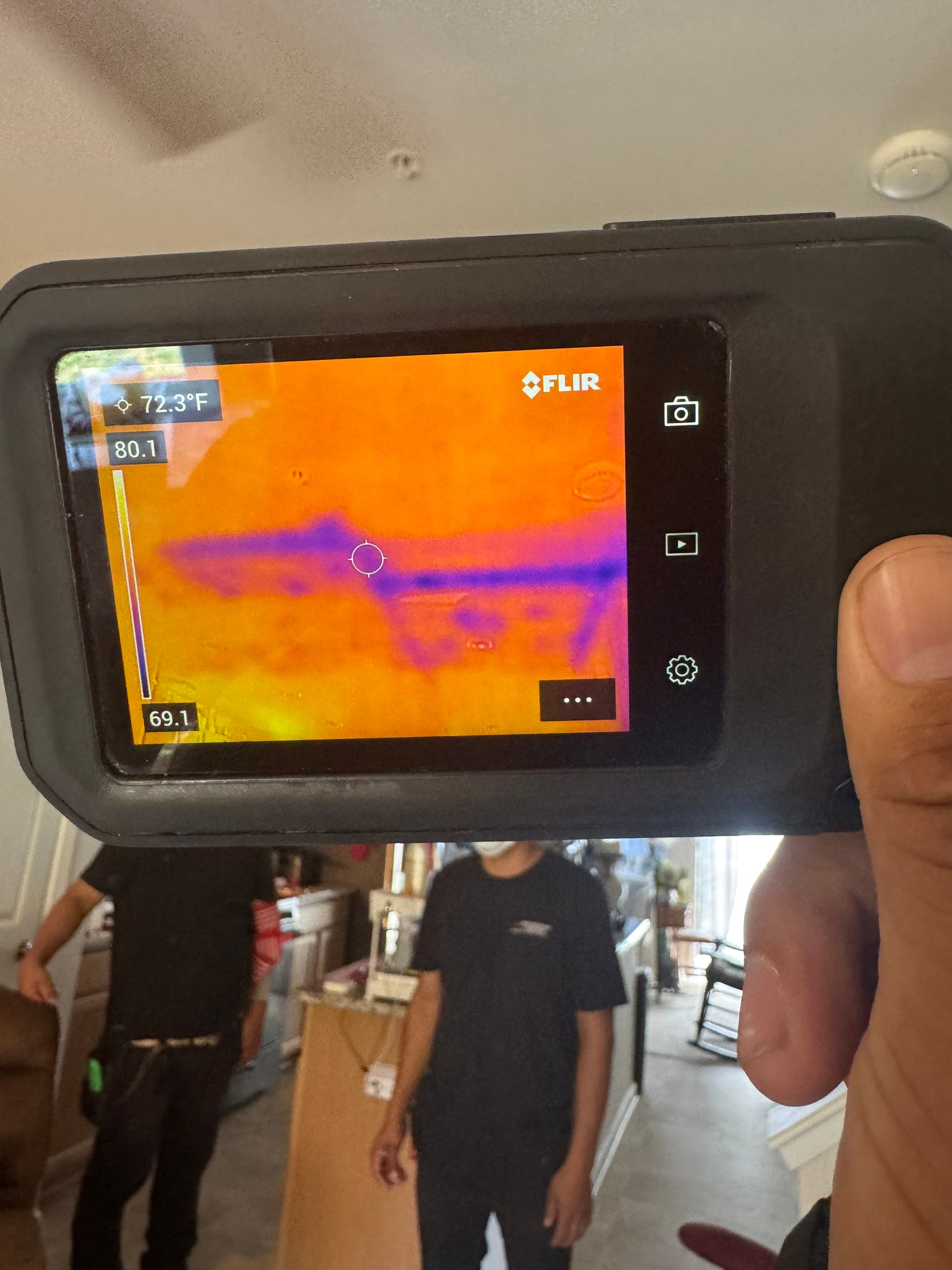
We began by establishing containment barriers to isolate the affected rooms and prevent cross-contamination during the work. Thermal imaging revealed significant moisture retention behind drywall and in ceiling cavities—areas that would have continued feeding mold growth if left in place. Those sections were carefully removed to expose the full extent of the problem and allow thorough drying. Anti-microbial treatments were applied to all affected surfaces to halt further colonization, following the protocols outlined in the IICRC S520 mold remediation standard.
Air movers and commercial dehumidifiers ran continuously to pull moisture from structural materials and drop the indoor humidity to levels that no longer support mold. Each hidden pocket identified by the thermal scan was opened, treated, and dried, ensuring no reservoir was left behind. The homeowner noted their satisfaction with the thoroughness of the process and the care taken to protect unaffected areas during the work.
Reviews from Restoration Doctor customers
I had a water damage emergency at home, and this restoration rapid response business was incredible! They arrived quickly, assessed the situation, and worked efficiently to restore my home. Their professionalism and speed were impressive, and I highly recommend their services for any restoration needs.
Frequently asked questions
Why was thermal imaging used during the water damage restoration in this Ashburn home?
Restoration Doctor used thermal imaging to detect hidden moisture pockets behind drywall and within the ceiling structure that aren't visible to the naked eye. In Loudoun County's newer-built homes, moisture can migrate through wall cavities and insulation layers without obvious surface signs, making infrared scanning essential to map the full extent of water intrusion. This technology allowed the team to target removal and drying efforts precisely where moisture was trapped, preventing future mold colonization in concealed spaces.
How does containment work during a mold remediation project following water damage?
Restoration Doctor establishes physical containment barriers—typically polyethylene sheeting sealed with tape—to isolate the affected rooms from the rest of the home and prevent airborne mold spores from spreading during demolition and drying. Negative air pressure is often maintained within the containment zone using air scrubbers with HEPA filtration, ensuring that any disturbed particulate is captured rather than circulated. This controlled environment protects unaffected living areas and allows safe, thorough remediation of the water-damaged structure.
What role do dehumidifiers play in drying out water-damaged ceilings in Ashburn properties?
Dehumidifiers remove moisture from the air, lowering indoor humidity levels so that wet building materials—like the compromised ceiling in this Ashburn home—can release trapped water vapor more efficiently. Restoration Doctor pairs dehumidifiers with air movers to create continuous airflow across damp surfaces, accelerating evaporation and preventing the humid Mid-Atlantic summer conditions from stalling the drying process. This combination brings materials back to industry-standard moisture content, typically monitored with meters until readings confirm structural stability.
How long does structural drying typically take after water intrusion in a Loudoun County home?
Drying timelines depend on the extent of saturation, affected materials, and environmental conditions, but most residential water losses in Loudoun County require three to five days of continuous dehumidification and air movement to reach dry standard. Restoration Doctor monitors moisture levels daily with specialized meters, adjusting equipment placement as readings drop, and does not consider the structure dry until all materials fall within IICRC S500 target ranges. Jobs involving ceiling cavities or insulation—like this Ashburn project—may extend toward the longer end of that window due to the slower evaporation from enclosed spaces.
Why are anti-microbial treatments applied after water damage is dried?
Even after visible moisture is removed, building materials can retain enough residual dampness or organic residue to support microbial growth if left untreated. Restoration Doctor applies EPA-registered anti-microbial solutions to disinfected surfaces as a preventive measure, particularly in cases where water sat long enough for early mold colonization to begin. This treatment creates an inhospitable surface chemistry that inhibits future growth while the structure fully equilibrates to normal indoor humidity levels.
Explore more restoration work
All projects in Ashburn · Water Damage Restoration in Ashburn
Water, fire, or mold damage in Ashburn?
Restoration Doctor responds 24/7 across Ashburn and Northern Virginia. Free assessment and transparent, insurance-friendly estimates — no obligation.
See our Water Damage Restoration services at restorationdoctors.com →