Water Damage Restoration
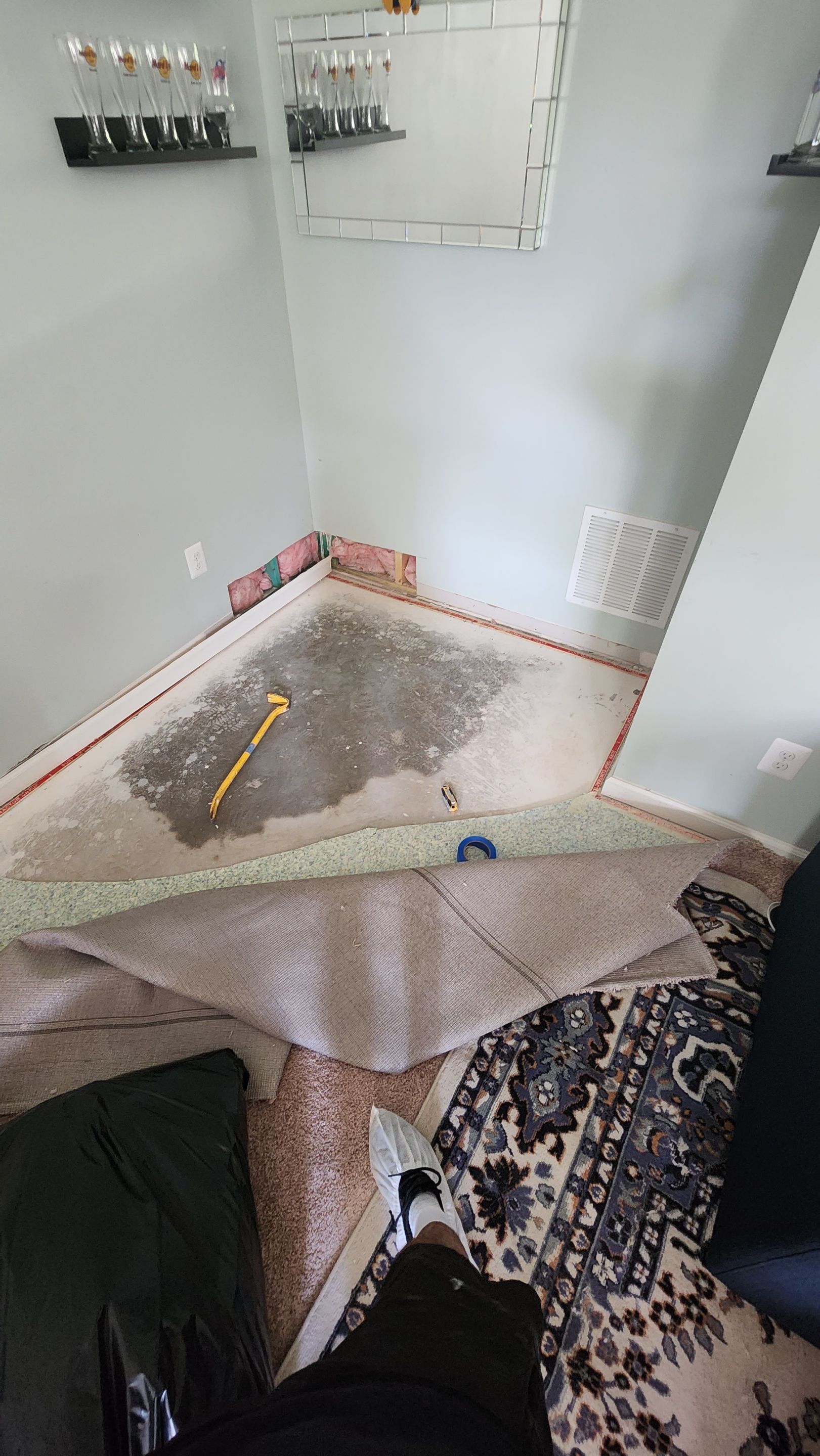
About this water damage restoration project
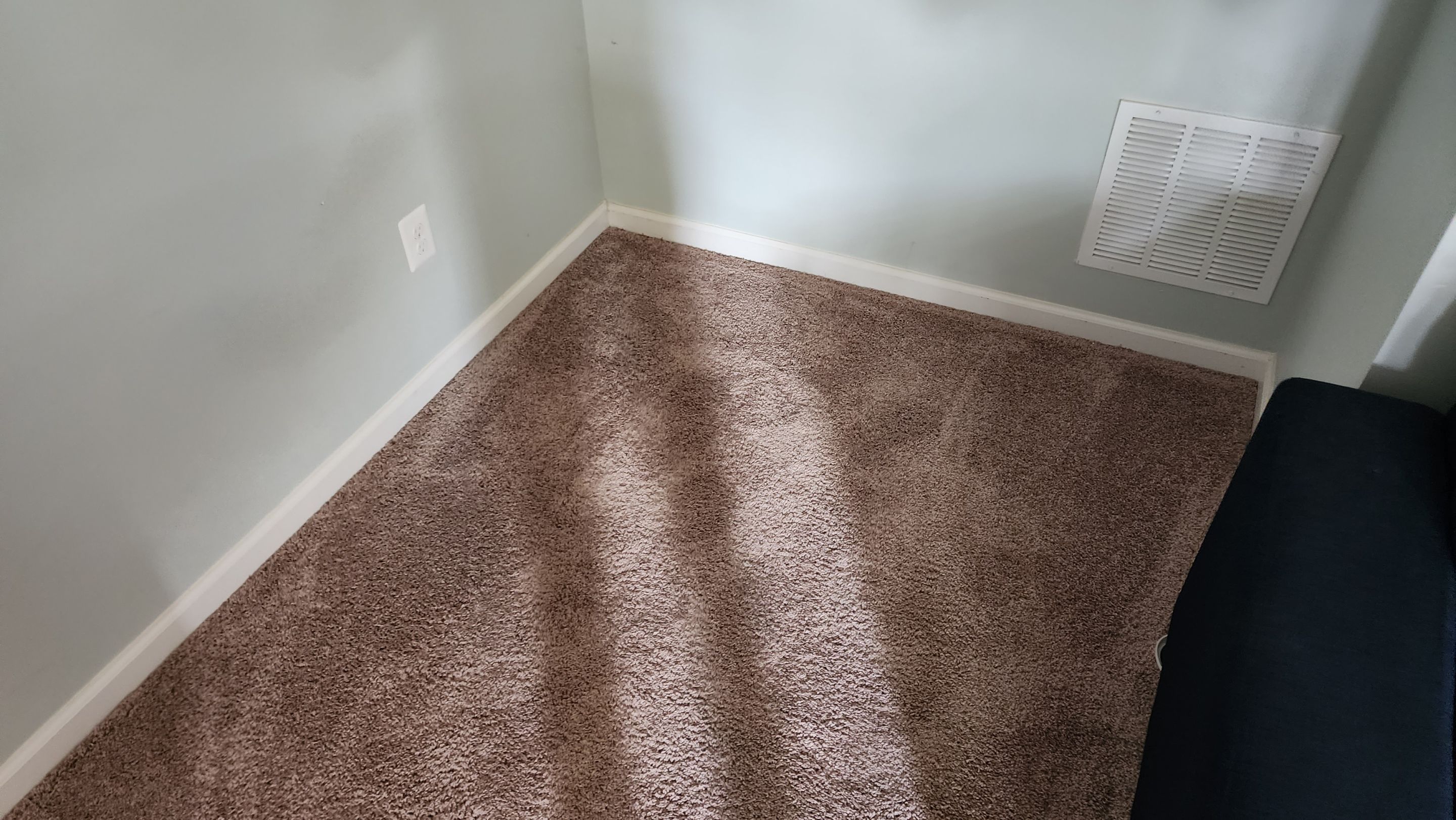
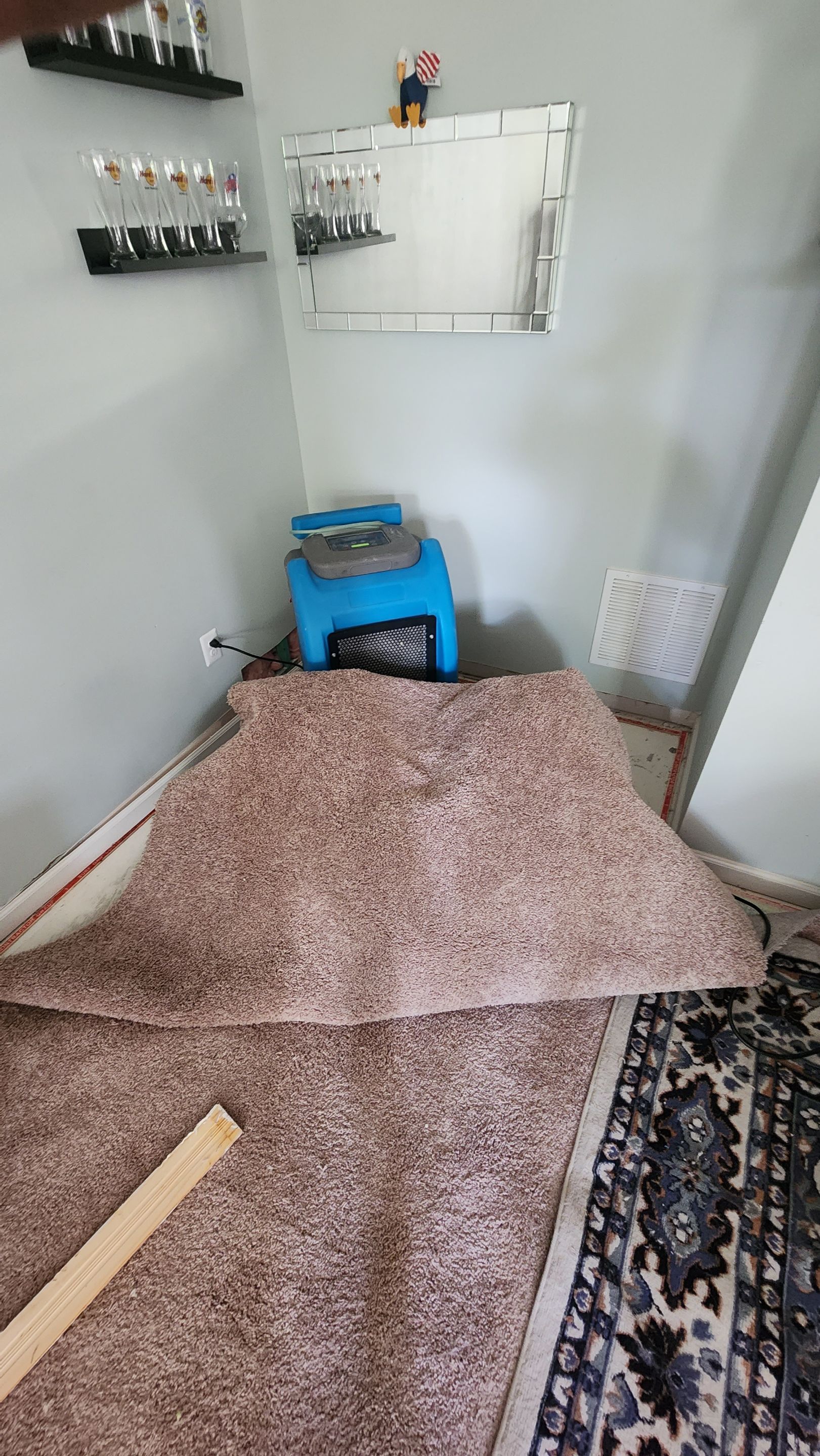
Water intrusion that progressed to mold growth brought us to a home in Ashburn, where Loudoun County's humid Mid-Atlantic summers can accelerate microbial amplification in the newer-built housing stock typical of the area. Our first step was removing the saturated carpet to expose the subfloor beneath—a critical intervention that allowed us to address hidden moisture before it could fuel further colonization.
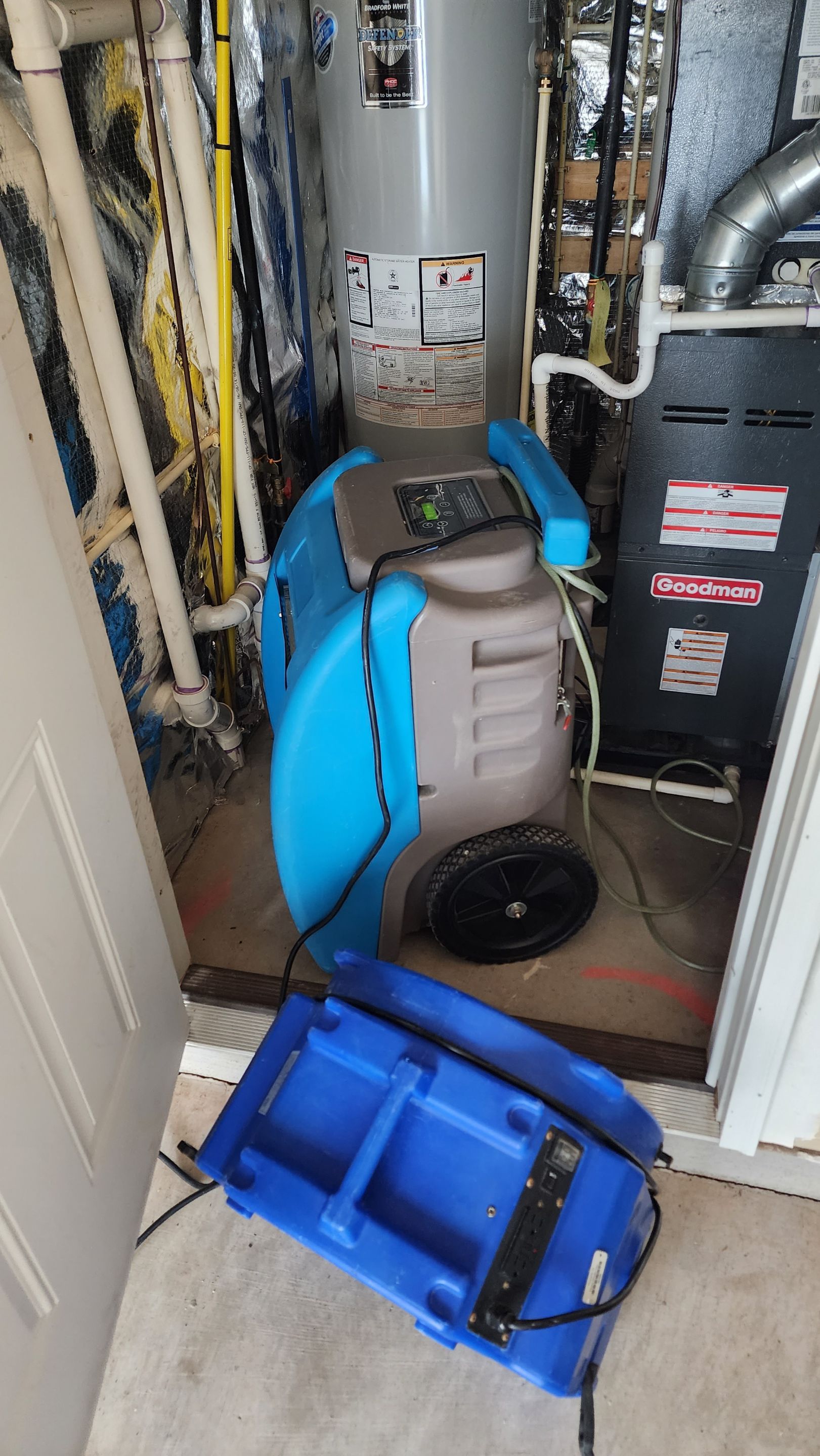
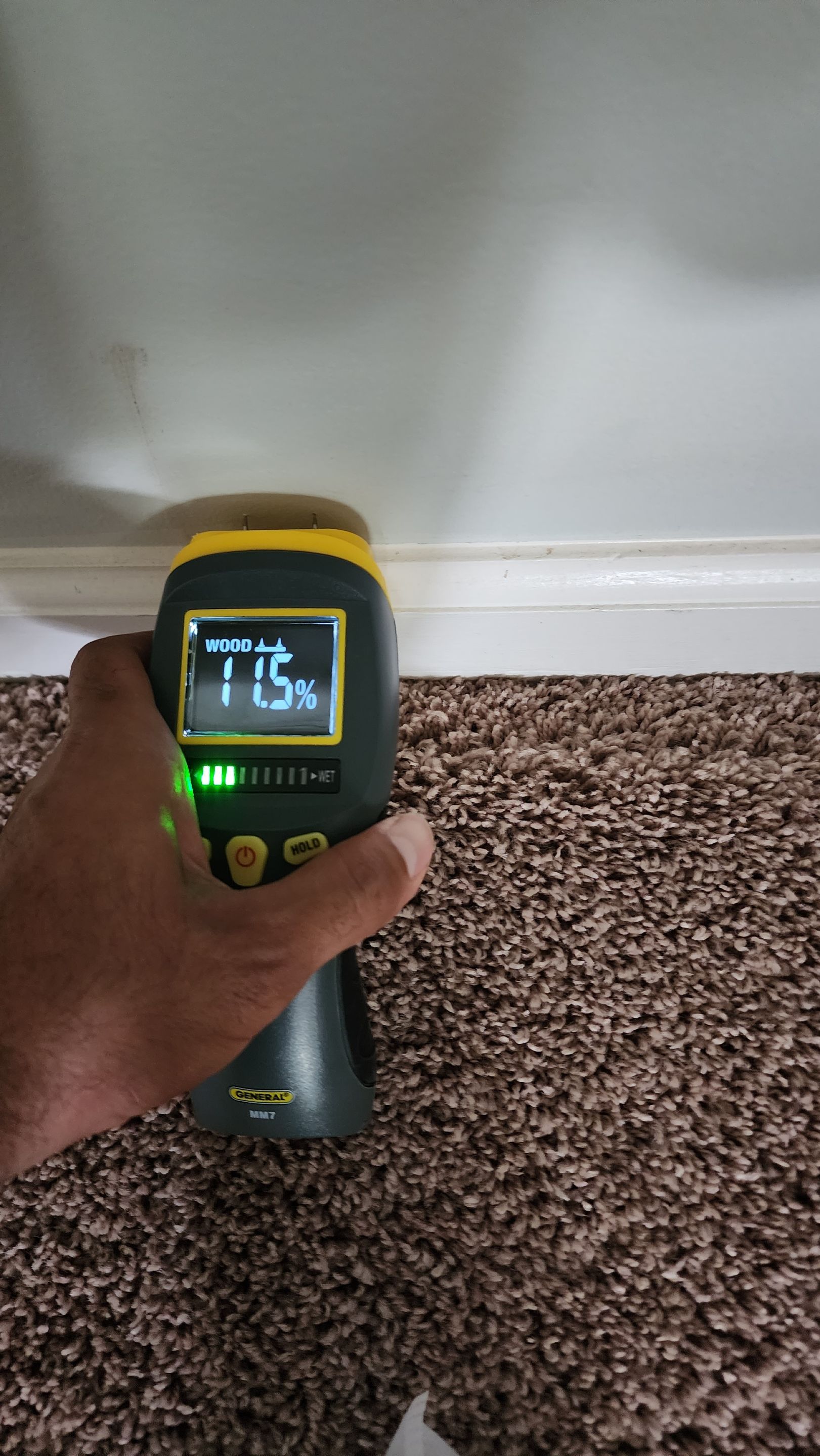
With the carpet out, we deployed dehumidifiers and air movers throughout the affected rooms, concentrating airflow near the water heater where the intrusion had originated. IICRC S520 protocols informed our containment and drying strategy, ensuring that moisture levels fell below thresholds conducive to mold. Continuous monitoring equipment tracked conditions in real time, giving us the data needed to prevent recurrence rather than simply treating surface symptoms.
The homeowner's review reflected relief that the problem was caught and addressed systematically. By the time equipment was pulled, the subfloor had dried fully, baseboards were stable, and the environment was returned to a condition safe for new flooring—a methodical resolution to a loss that, left unchecked, could have required far more invasive remediation.
Frequently asked questions
Why does mold remediation in Ashburn often follow water intrusion events?
Restoration Doctor frequently sees mold develop after water intrusion in Ashburn properties because Loudoun County's hot, humid Mid-Atlantic summers create ideal conditions for fungal growth once building materials get wet. When carpet, baseboards, or subfloor remain damp for more than a day or two in this climate, spores that are naturally present indoors can colonize quickly. Prompt structural drying and dehumidification—like the equipment deployed at this Ashburn home—are essential to interrupt that timeline and prevent a secondary mold problem from taking hold.
What does carpet and baseboard replacement involve during water damage restoration in Loudoun County?
Restoration Doctor removes water-saturated carpet to expose and dry the subfloor beneath, preventing trapped moisture from feeding mold or warping the deck. In this Ashburn job, baseboards that had absorbed water were also replaced after drying was complete, since porous trim materials often retain moisture longer than hard surfaces. Replacing these components ensures the finished space meets drying standards and eliminates hidden reservoirs where mold could later colonize.
How long does dehumidification and structural drying typically take after water intrusion?
Drying timelines vary with the extent of saturation, airflow, and ambient humidity, but Restoration Doctor's approach in Ashburn involved continuous monitoring with air movers and dehumidifiers until affected materials reached equilibrium with the surrounding environment. In newer-built Loudoun County homes like this one, well-sealed construction can slow evaporation, so controlled drying equipment runs until moisture levels stabilize rather than on a fixed schedule. The goal is verified dryness, not a predetermined number of days.
Does homeowners insurance in Virginia usually cover mold remediation after a water loss?
Coverage depends on the cause of the water intrusion and how quickly the homeowner mitigates—most Northern Virginia policies cover mold remediation if it results from a sudden, accidental discharge like a pipe burst or appliance leak, provided the homeowner acts promptly. Restoration Doctor documents moisture readings and the drying timeline at properties like this Ashburn home to support the claim, but long-term seepage or deferred maintenance is often excluded. Reviewing your specific policy's mold endorsement with your carrier is the only way to know for certain.
What equipment is used for structural drying near water heaters and other confined areas?
Restoration Doctor positions low-profile air movers and compact dehumidifiers in tight spaces like utility closets to ensure airflow reaches all wet surfaces, including subfloor and wall cavities adjacent to the water heater. At this Ashburn property, drying equipment was staged to target the areas where water had pooled and wicked into baseboards, with continuous monitoring to confirm moisture levels were falling. Proper equipment placement in confined zones prevents isolated pockets of dampness that standard room drying might miss.
Explore more restoration work
All projects in Ashburn · Water Damage Restoration in Ashburn
Water, fire, or mold damage in Ashburn?
Restoration Doctor responds 24/7 across Ashburn and Northern Virginia. Free assessment and transparent, insurance-friendly estimates — no obligation.
See our Water Damage Restoration services at restorationdoctors.com →