Basement Water Damage Restoration
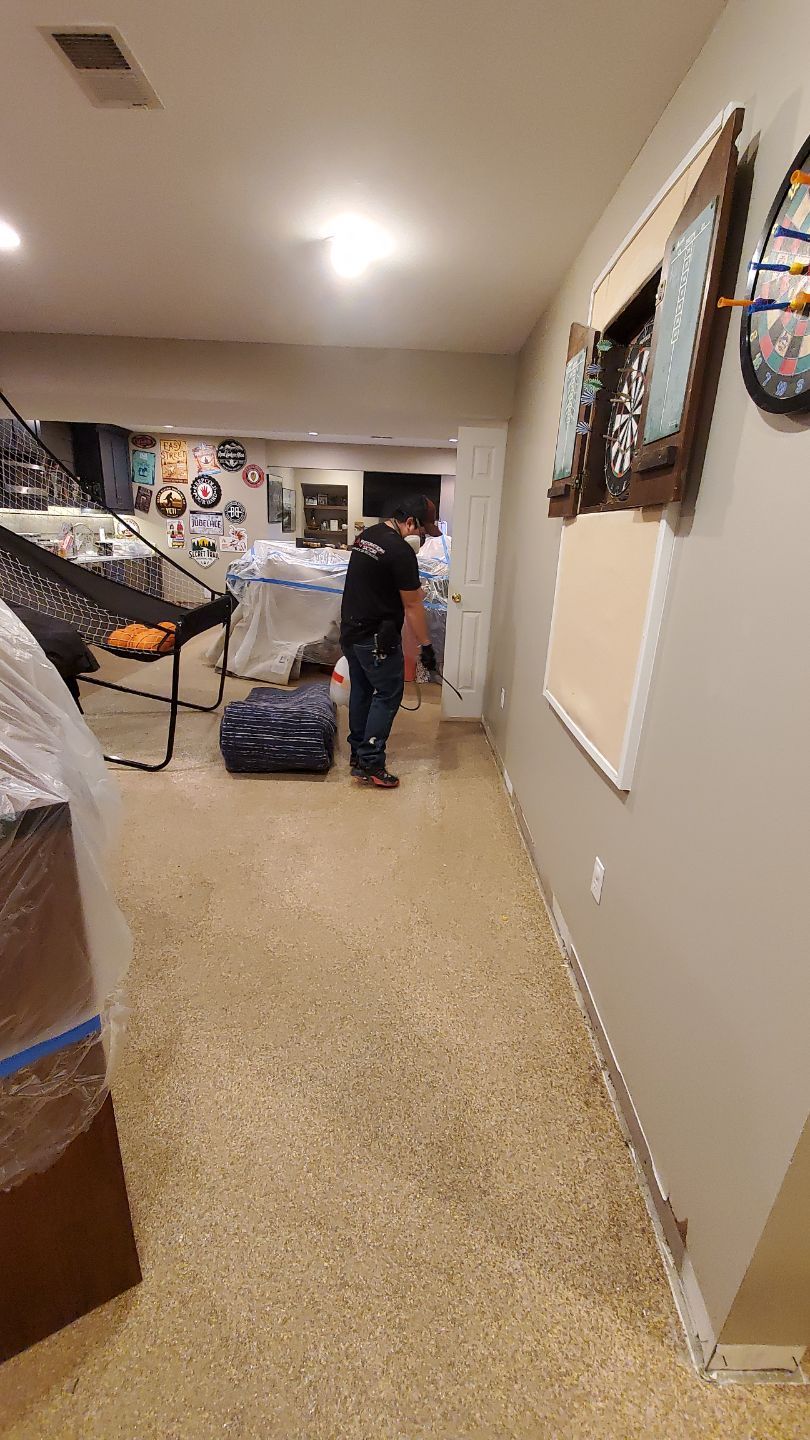
About this water damage restoration project
When water intrusion led to mold development in an Ashburn basement, the humid Mid-Atlantic climate typical of Loudoun County had accelerated the problem—a common challenge in the area's newer-built subdivisions where finished below-grade spaces see heavy use. The homeowner called as soon as discoloration appeared along the lower walls.
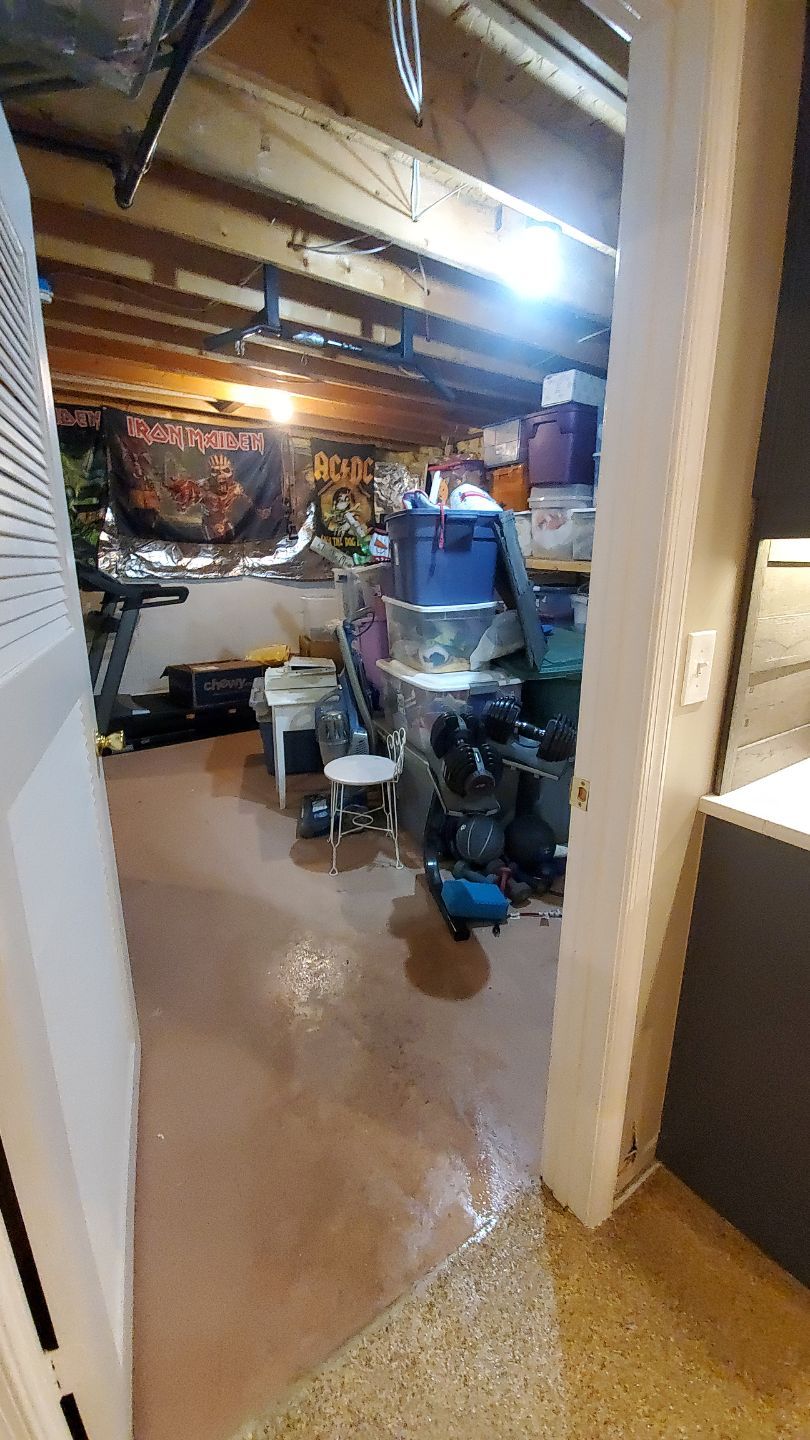
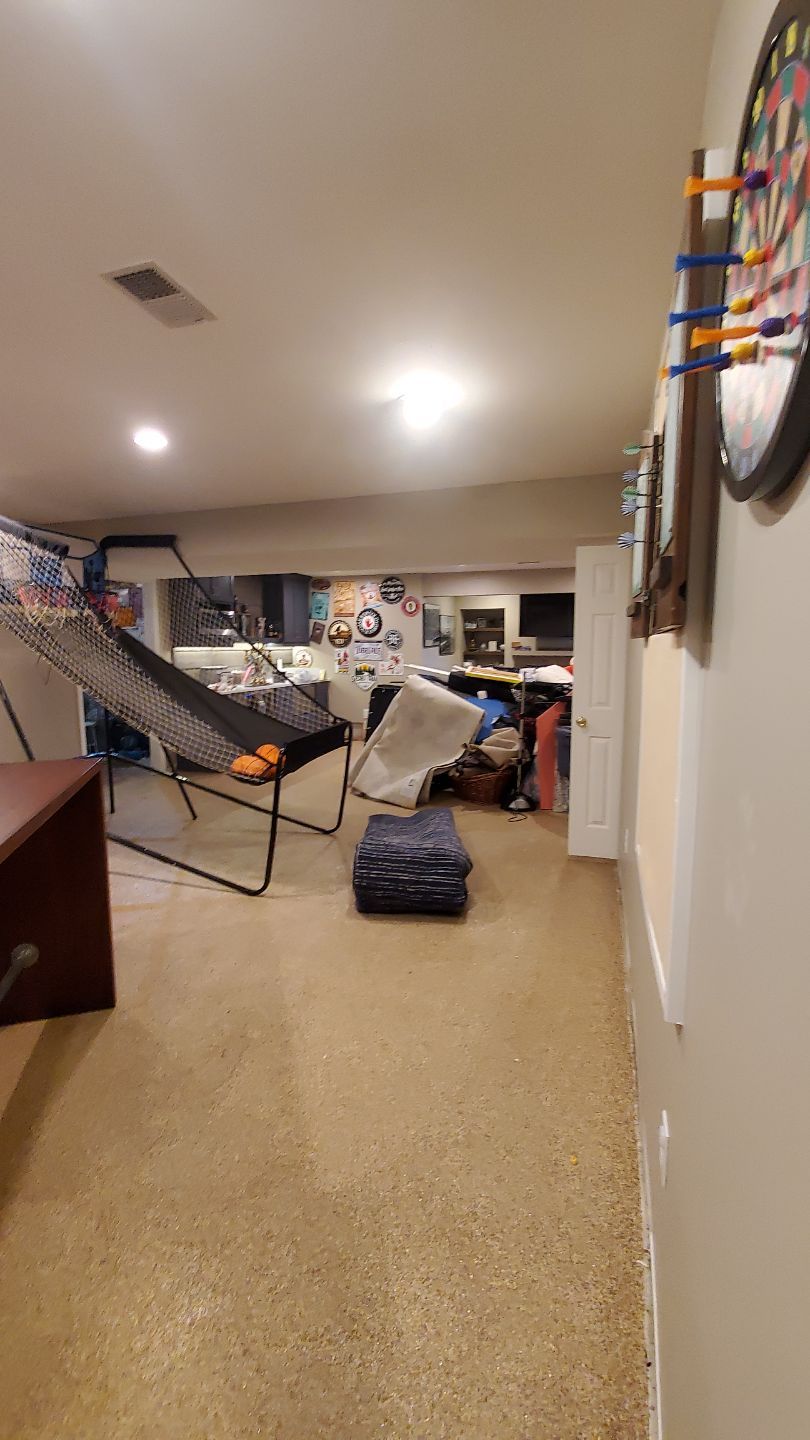
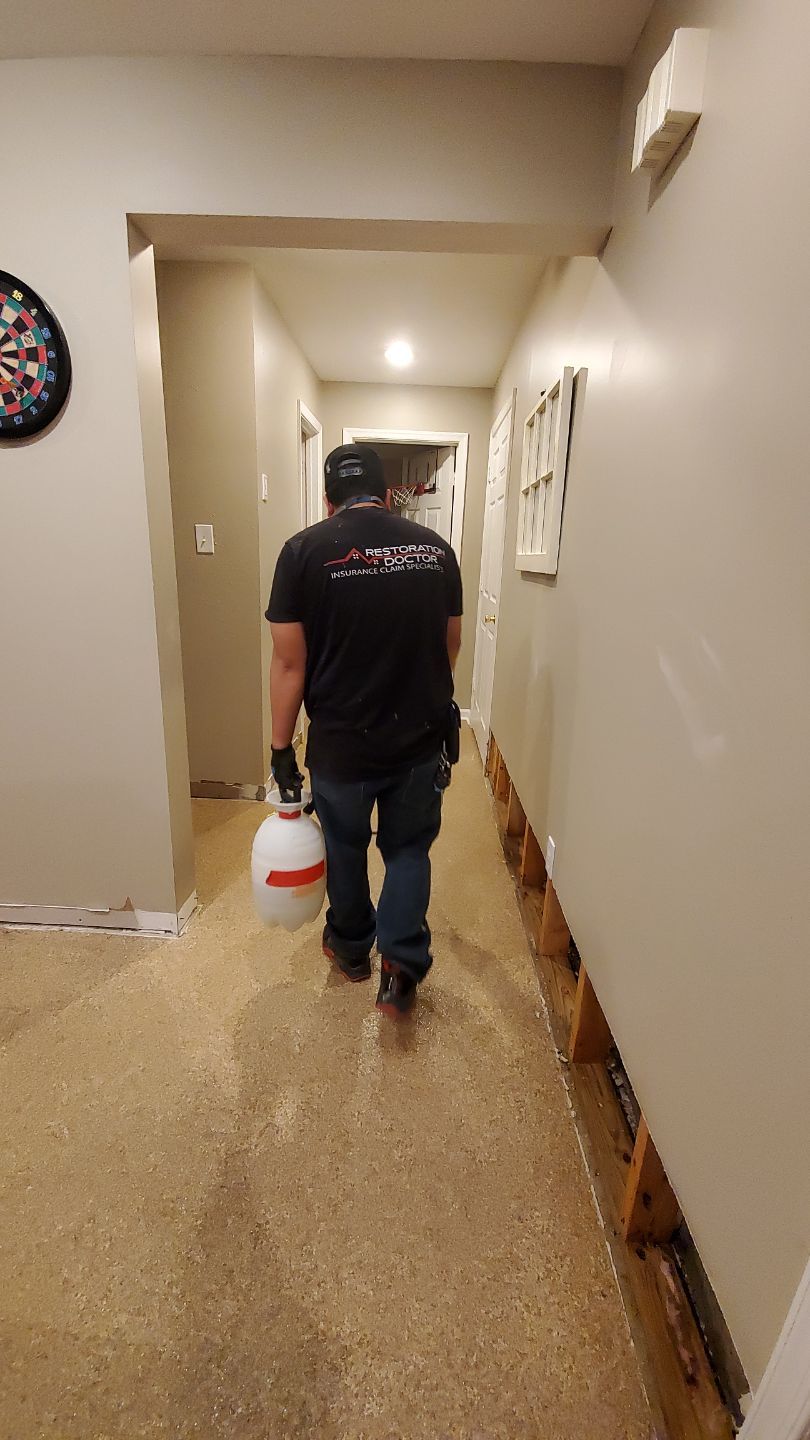
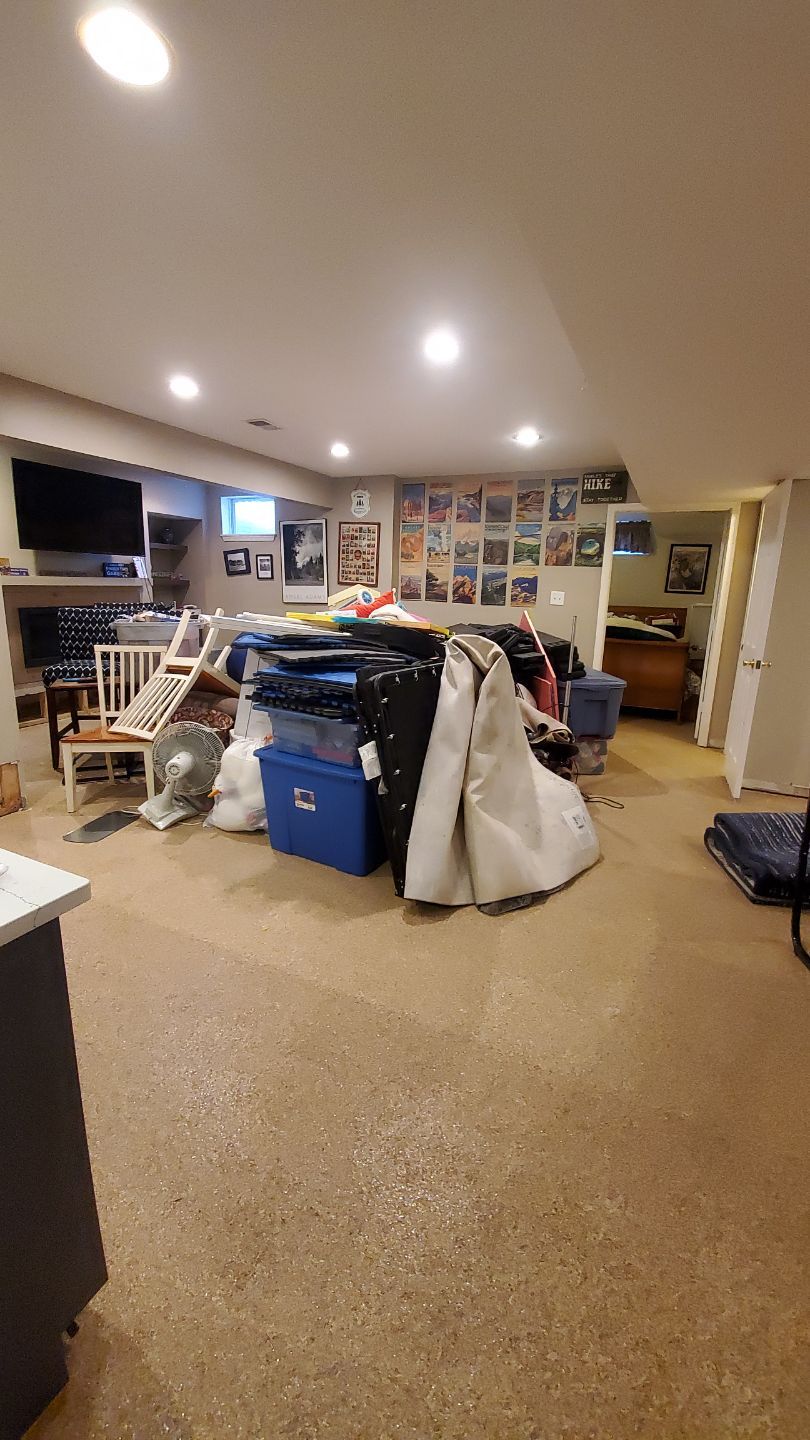
We began by relocating furniture to protect it, then removed the water-damaged carpeting and baseboards to expose the full extent of the affected surfaces. With the substrate accessible, we placed high-efficiency dehumidifiers and air movers to pull moisture from the concrete slab and framing, then applied antimicrobial treatments to the walls and flooring to arrest any further colonization. Throughout the process, we conducted moisture mapping with thermal and pin-type meters to locate pockets of retained water behind finished surfaces, adjusting equipment placement as readings changed.
The drying phase ran under continuous monitoring, with technicians checking progress daily and documenting conditions in accordance with IICRC S500 protocols. Once all materials registered at or below target moisture content, we cleared the space for reconstruction. The homeowner later noted their satisfaction with how thoroughly the work had been explained and completed, and the basement returned to service without lingering odor or visible growth.
Frequently asked questions
Why is basement water intrusion common in Ashburn homes, and how does it lead to mold?
Many homes in Ashburn and Loudoun County were built from the 1990s onward, and basement water intrusion often results from foundation settling, grading issues, or heavy Mid-Atlantic rain events overwhelming exterior drainage. When moisture sits on basement carpet, drywall, or subflooring without prompt extraction and drying, mold colonization can begin within a day or two in our humid summers. Restoration Doctor responds to these conditions by removing saturated materials, deploying dehumidifiers and air movers, and applying antimicrobial treatments to interrupt that growth cycle before it spreads.
What does structural drying involve after a basement flood in Loudoun County?
Structural drying means removing all standing water, then using commercial-grade dehumidifiers and air movers to pull moisture from walls, subflooring, and framing until readings return to normal for the material type. In this Ashburn basement, Restoration Doctor removed soaked carpet and baseboards to expose the affected surfaces, then monitored drying equipment continuously to ensure hidden moisture pockets were eliminated. The process typically continues until thermal imaging and moisture meters confirm the structure is dry, preventing secondary mold issues common in our humid climate.
Can I stay in my Ashburn home during basement water damage restoration?
In most basement water intrusion cases like this one, the affected area is contained and the rest of the home remains livable, though noise from air movers and dehumidifiers is constant during the drying phase. Restoration Doctor protects unaffected furnishings and limits disruption to the basement level. If mold growth is already visible or air quality is a concern, the team may recommend temporary relocation of sensitive occupants, but for straightforward extraction and drying jobs in Loudoun County, most families stay in place.
How long does it take to dry out a flooded basement and replace materials?
Drying time depends on the extent of saturation, the materials involved, and humidity levels, but a typical basement with carpet and drywall affected—like this Ashburn job—often requires three to five days of continuous dehumidification before moisture readings stabilize. Once dry, Restoration Doctor proceeds with baseboard replacement and any necessary flooring work. The entire process from water extraction through final reinstallation usually spans one to two weeks, though complex cases or material availability can extend that timeline.
What antimicrobial treatments does Restoration Doctor use to prevent mold after water damage?
After removing standing water and wet materials in this Ashburn basement, Restoration Doctor applied EPA-registered antimicrobial solutions to exposed wall surfaces and subflooring to inhibit mold spore germination. These treatments are part of the IICRC S500 water damage restoration standard and are especially important in hot, humid Mid-Atlantic conditions where airborne spores can quickly colonize damp organic materials. The products used are safe for occupied spaces once dry and do not replace the need for thorough structural drying, but they provide an added layer of protection during the critical first days after intrusion.
Explore more restoration work
All projects in Ashburn · Water Damage Restoration in Ashburn
Water, fire, or mold damage in Ashburn?
Restoration Doctor responds 24/7 across Ashburn and Northern Virginia. Free assessment and transparent, insurance-friendly estimates — no obligation.
See our Water Damage Restoration services at restorationdoctors.com →